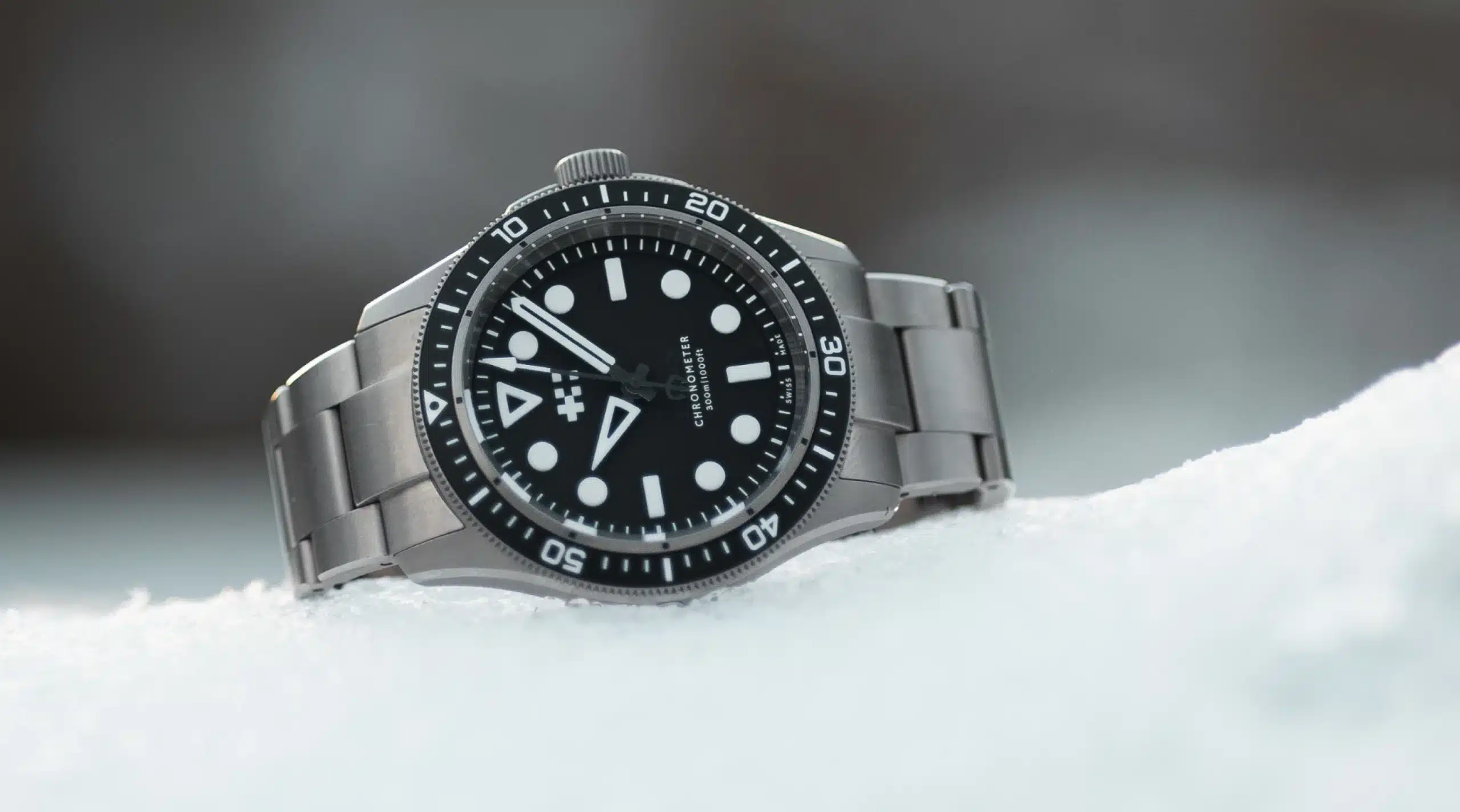
I bought a Hamilton Khaki Field Mechanical 250 this summer, so as usual, military watches were on my mind before the rest of 2026 piled on. America’s 250th brought a wave of commemorative pieces, and Bulova pulled the A-11 back out of its archive. Meanwhile, brands from Sinn to Benrus leaned into watches built, or at least marketed, for people doing serious work. To be honest, I think some of those stories hold up better than others. This list mixes faithful reissues with modern tactical tools, from a $275 ana-digi to a nearly $3,000 titanium GMT. Here are our favorite tactical and military watches of 2026, in the order we covered them.

Marathon U.S. 250 Anthracite Navigator
Marathon has made watches for the US military since World War II, and its Navigator traces back to the SSNAV developed with Kelly Air Force Base in 1986. The U.S. 250 Anthracite Navigator dresses that platform in a dark ion-plated 41mm steel case for America’s 250th, with a Sellita SW200-1 automatic behind an exhibition caseback and a red tritium tube at 12 o’clock. It’s $1,776, limited to 250 pieces. I love the Navigator, and I like the intent here. The dial is crowded, though, with a commemorative logo, dual-format hour markings, extra text, and patriotic touches all competing for space. For the buyer this was made for, the story probably matters more than the specs.

Squale 2001 Marina Militare
The Squale 2001 Marina Militare earned its name the hard way. Squale built it at the Italian Navy’s request, and the Navy began issuing it to personnel in 2025. The 41.5mm case is 47.2mm lug-to-lug with 600 meters of water resistance, a sapphire bezel insert, and a Sellita SW200-1 Elaboré. The public version adds the Navy emblem on the caseback and a dedicated colorway. It’s limited to 500 numbered pieces, and US dealers list it at $1,965. The service history holds up on its own, which makes Squale’s “irreproducible” marketing feel like more than the watch needs. A 38-hour power reserve also feels short in 2026, and I wonder how many owners will take a 600-meter diver past 60 meters.
Hamilton Khaki Field Mechanical 250
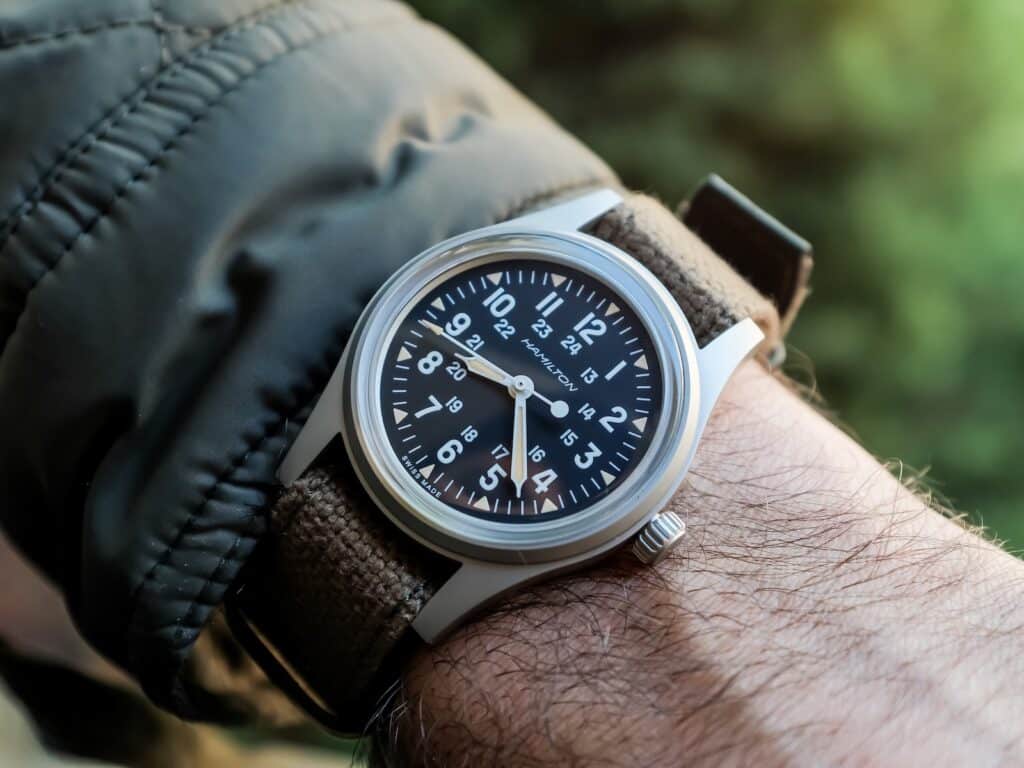
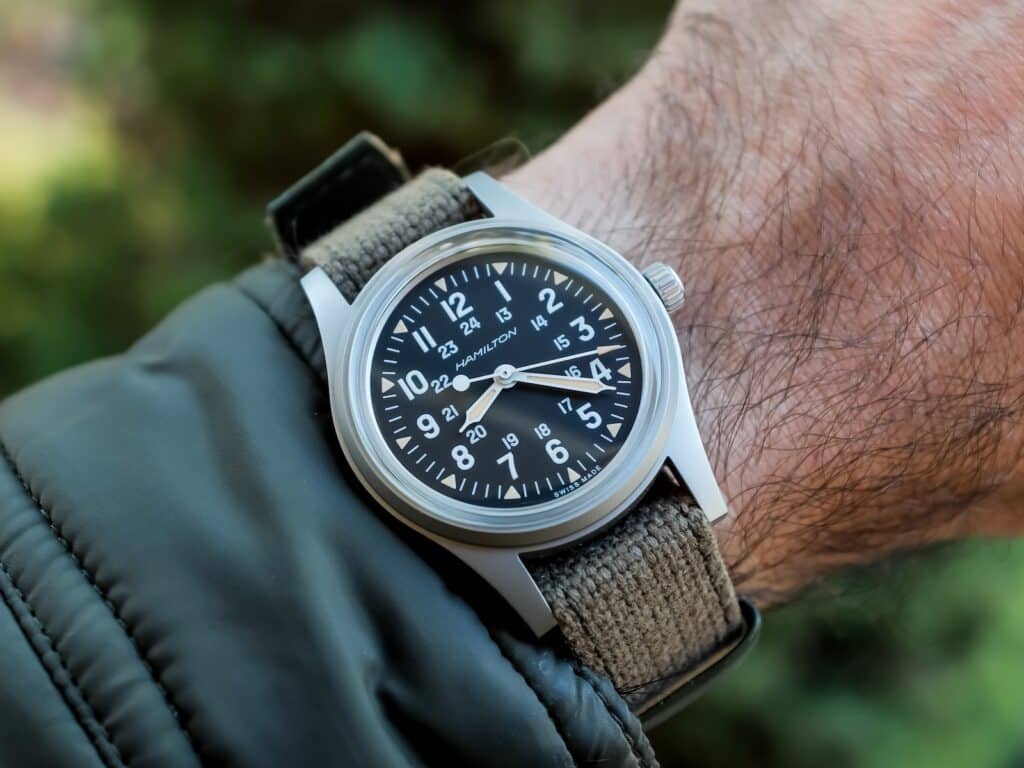
This is the one I bought. The Khaki Field Mechanical 250 brings Hamilton’s field watch back to 36mm, just over 10mm thick and 46mm lug-to-lug, with an acrylic crystal, 100 meters of water resistance, and fixed strap bars. Inside, the hand-wound H-50 runs 80 hours with a Nivachron balance spring and hacking seconds. After daily wear, it’s the Khaki Field I’d been waiting for: legible, restrained, and sized the way I want a field watch. It launched at $725 for the America 250 edition, but Hamilton now lists it as a past collection, so you may need to hunt for one at a dealer. Fixed bars and acrylic won’t suit everyone, and I’ll admit I’m still in the honeymoon phase.
Sinn EZM 19
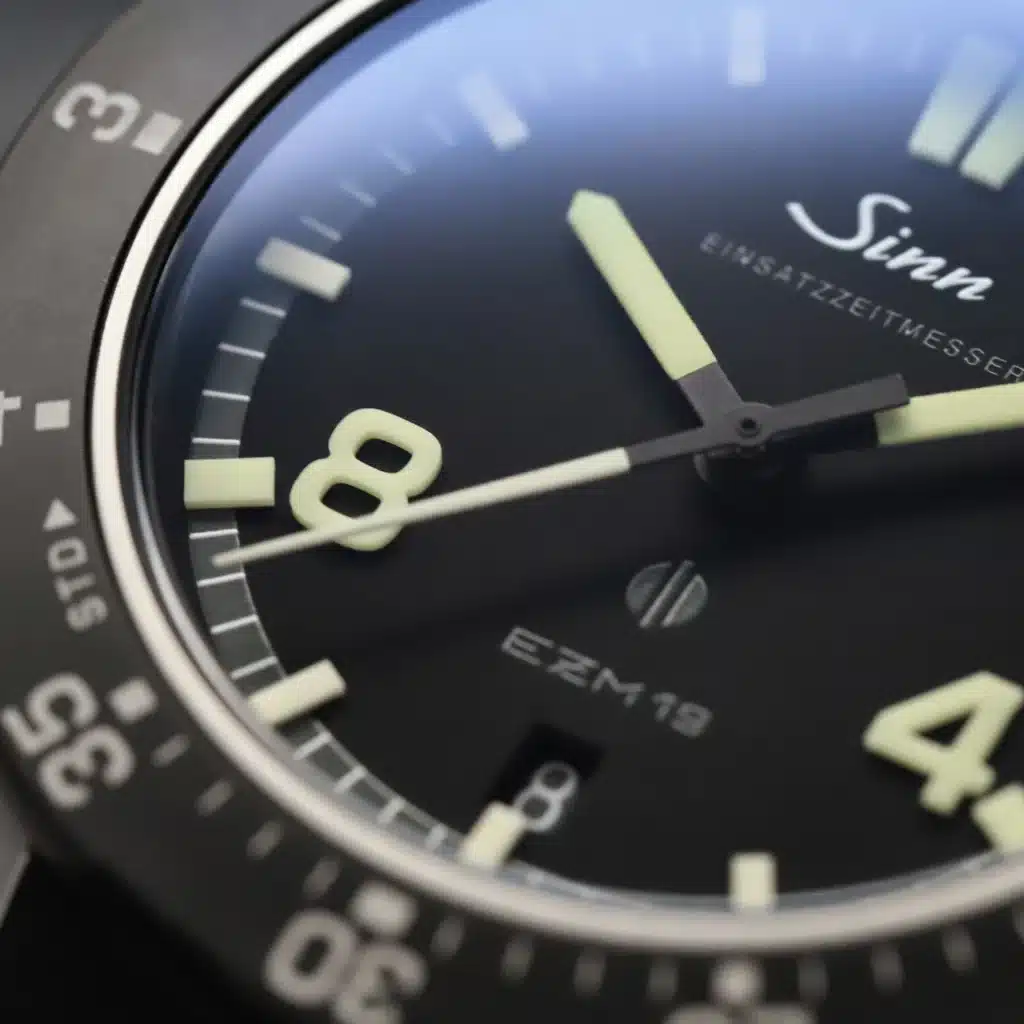
Sinn’s EZM line started in 1997 with the EZM 1 for Germany’s ZUZ customs unit, and the EZM 19 is built for an even narrower job: command staff coordinating time-sensitive operations. That brief produced an unusual four-hour dial in a 41mm bead-blasted steel case, 11.4mm thick and 46.5mm lug-to-lug, with 200 meters of water resistance and a Sellita SW300-1 automatic. The engineering is the strongest part of the pitch, from the case and bezel to Sinn’s magnetic protection and dehumidification technology. It’s $2,490 on a textile strap. I like the four-hour layout, though I’m not sure how useful it is outside the setting Sinn designed it for. You also don’t need the command-staff backstory to appreciate the build.
Benrus Type 3X
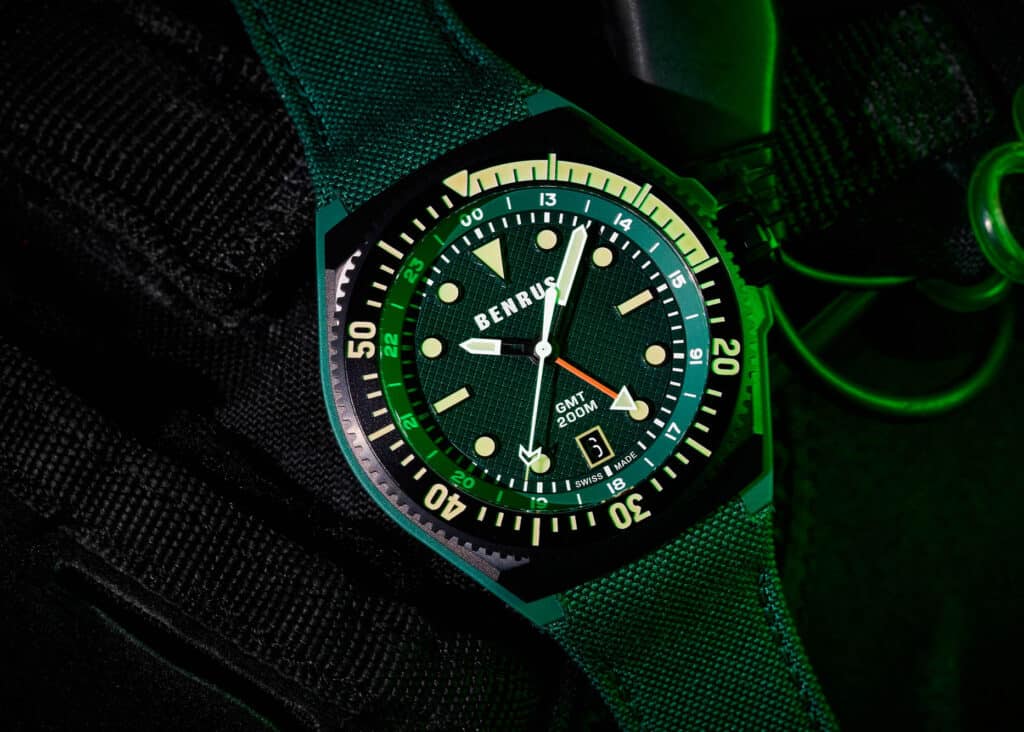
Benrus built its Type I and Type II to US military specifications in the 1970s, and both are already back in the catalog. The Type 3X goes somewhere new, developed with input from former special operations veterans. The 42mm case mixes titanium and composite carbon, measures 12.5mm thick, and adds 200 meters of water resistance, sapphire, 250-gauss magnetic resistance, and Old Radium Super-LumiNova. Inside is an ETA 2893 automatic GMT with a quick-set 24-hour hand. It’s $2,950. I prefer the green dial, which puts the most distance between the 3X and the earlier Types. “Designed with operators” can cover a lot of ground, and I’d like to know which features came out of that collaboration. A caller-style GMT is fairly conventional at nearly $3,000, so the execution has to carry the price.
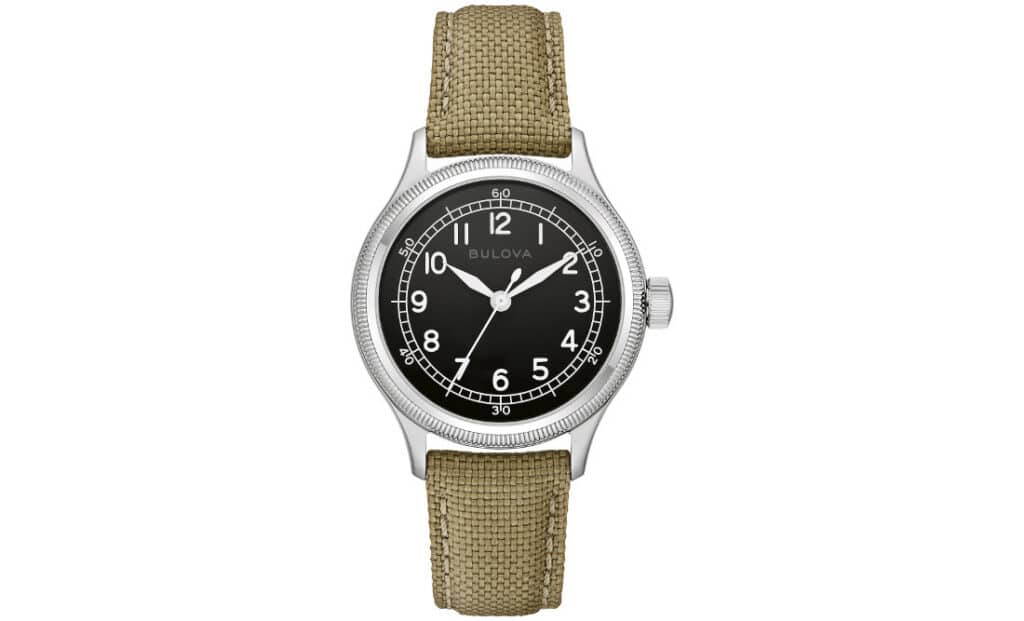
Bulova A-11 Jimmy
Bulova produced Type A-11 watches for the US military starting in 1942, with compact cases, clear dials, and hacking seconds so servicemen could synchronize before an operation. The A-11 Jimmy, tied to the Jimmy biopic, keeps the parts of that formula that matter: a 37mm case, 18mm lugs, a matte black dial with white Arabic numerals, and a beige nylon strap. Bulova adds a double-domed sapphire crystal with anti-reflective coating and a Miyota 9039 automatic with hacking and about 42 hours of reserve, rated to 50 meters. It’s $795, which is reasonable, though it’s $70 more than the Hamilton 250 launched at. I’d have preferred a hand-wound movement like the original’s, and I haven’t handled the Bulova yet to say how that comparison ends.
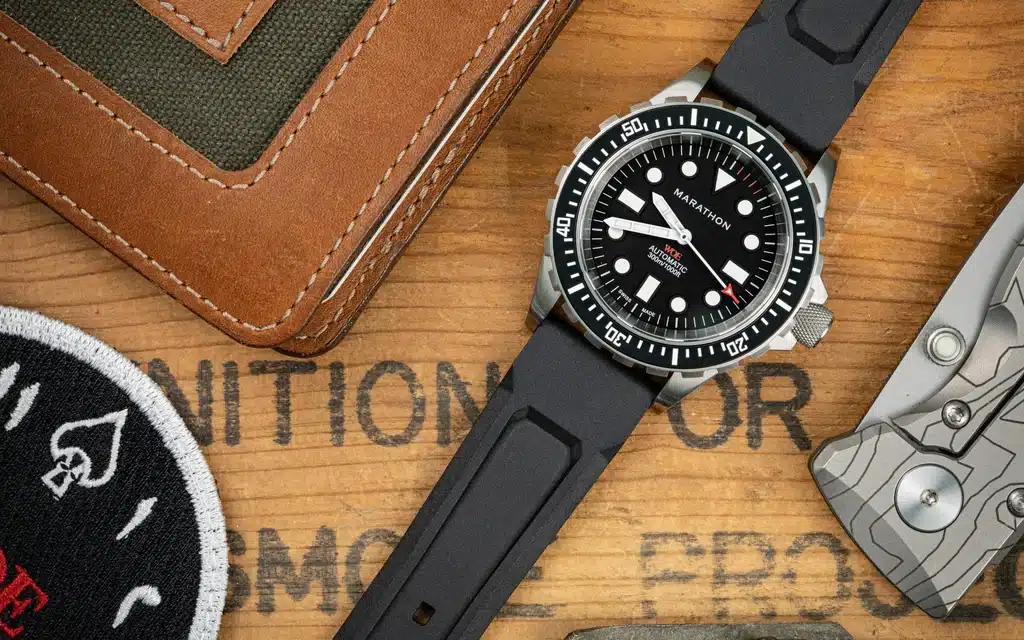
Marathon x Watches of Espionage Titanium SAR
Marathon’s SAR has always been a steel diver, and the Titanium SAR made with Watches of Espionage changes that. The 41mm Grade 5 titanium case is 14mm thick and 48mm lug-to-lug, cutting weight while keeping the SAR’s chunky character, and it’s rated to 300 meters under flat sapphire. The bigger upgrade may be inside: a no-date Sellita SW200-2B with up to 65 hours of reserve. It’s $2,250, limited to 200 pieces, with deliveries expected in January 2027. The price looked high at first glance, but the added features explain most of the jump over the steel TSAR. Whether the collaboration and limited run cover the rest is up to the buyer, especially with a titanium GSAR reportedly arriving in October.
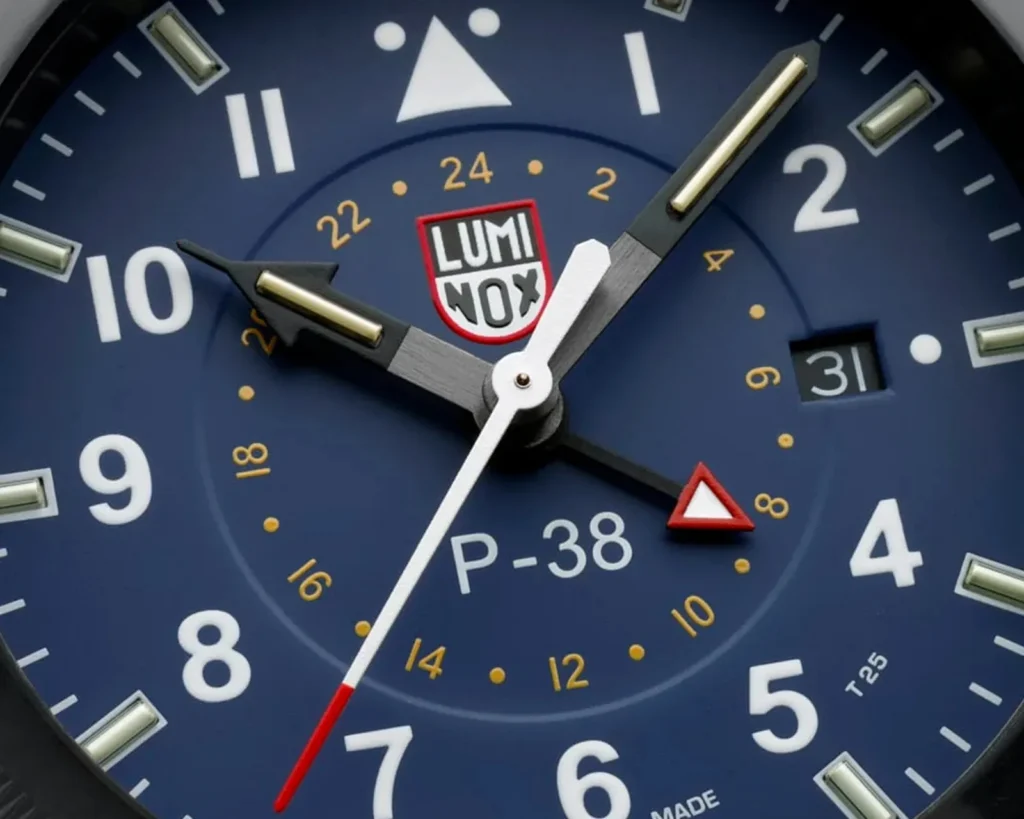
Luminox P-38 Lightning 9520
Luminox built its name on tactical quartz, and the P-38 Lightning 9520 takes that formula in a pilot’s direction. Named for Lockheed’s twin-engine WWII fighter, it borrows observation-watch cues like the triangle at 12 and a 24-hour scale, which I’d call a thematic nod more than a historical design exercise. The 42mm black IP steel case is about 12mm thick, with sapphire, 100 meters of water resistance, tritium tubes on the hands and markers, and a Swiss Ronda 515.24H quartz GMT. It’s $675 in all three configurations. The design is restrained and suits the brand. Price is my hang-up, since this quartz GMT can’t jump the local hour and sits close to mechanical GMTs that can.
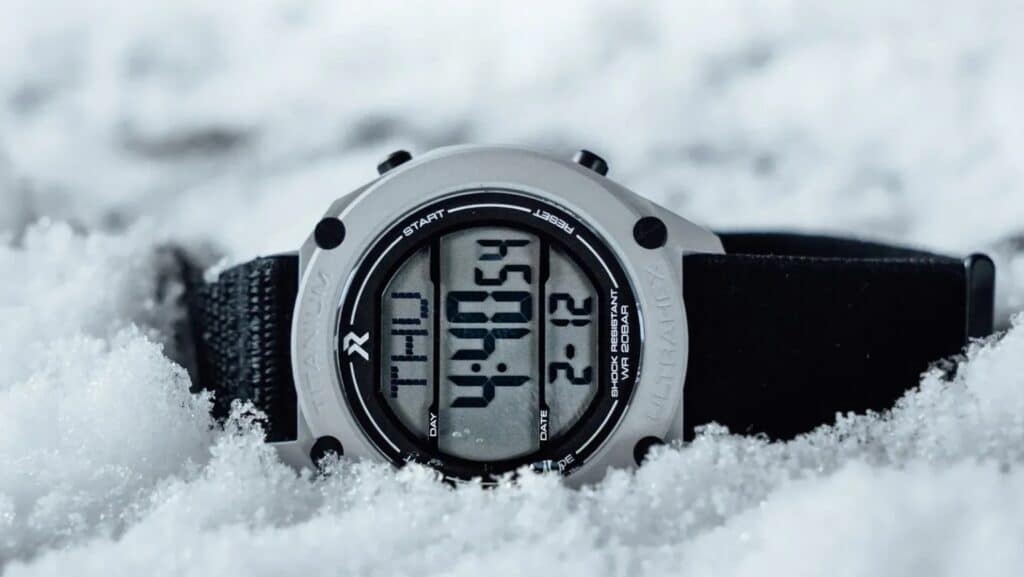
RZE UTD-8080
RZE’s UTD-8080 is the only full digital on this list, and the only watch here whose maker built its own module. The RZE-8080 module, developed in-house over the past year, handles dual time, multiple alarms, a countdown timer, a 1/100-second stopwatch, and a calendar through 2099 behind an aquamarine backlight. It sits in a 42mm Grade 2 titanium case finished in white Cerakote with black DLC accents, 13.4mm thick and 51.9 grams on fabric, with sapphire and 200 meters of water resistance. It’s $399, and UTD-8000 owners can buy the new module for $100 starting in January. G-Shock is the obvious comparison, and only real wear will show whether the titanium case takes the same abuse.
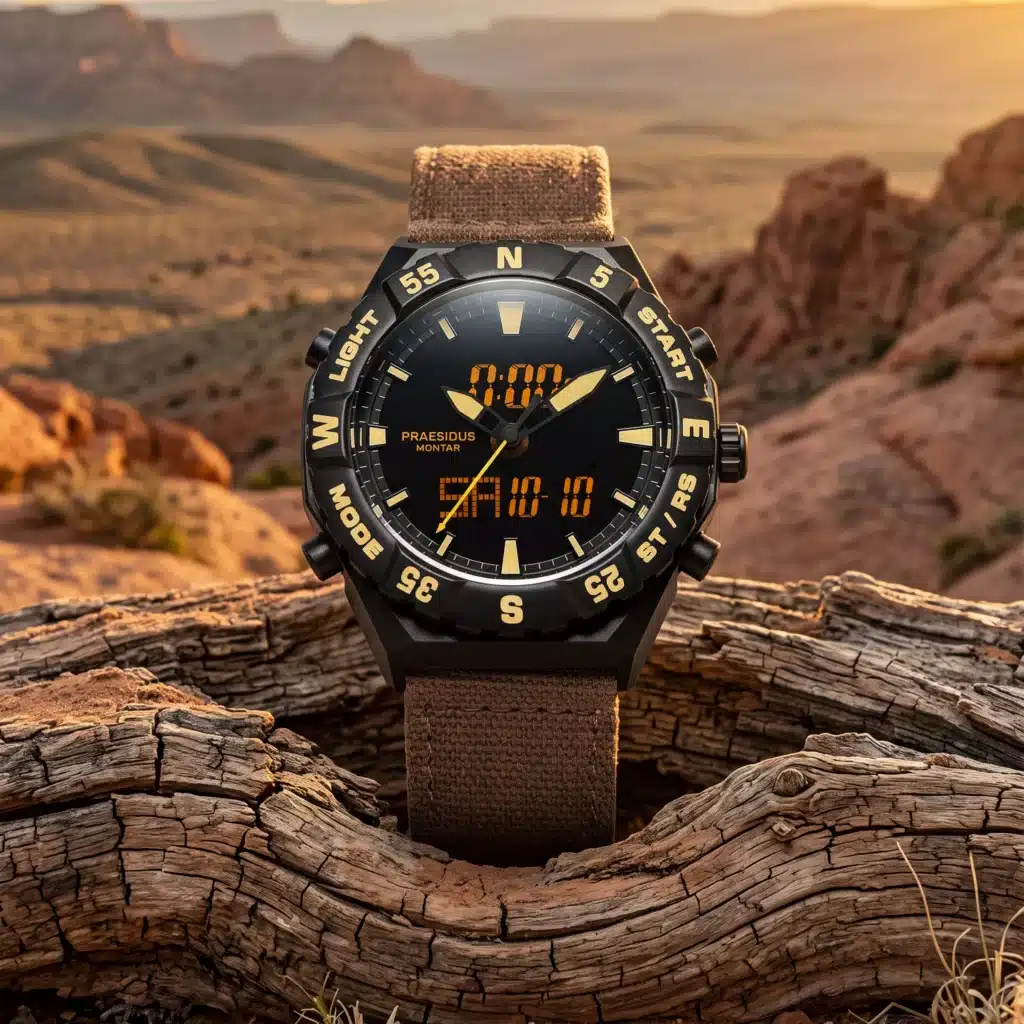
Praesidus Montar Ana-Digi
Praesidus usually mines World War II for its American field watches, like the A-11 Type 44. The Montar Ana-Digi jumps ahead to the 1980s, and it’s hard not to think of Seiko’s H558 “Arnie” when you see it. The 44mm case, 13.5mm thick, puts analog hands over a negative LCD driven by a BJS052 multifunction quartz with an hourly chime, calendar, and backlight. You also get Super-LumiNova on the hands, indices, and bezel, plus 100 meters of water resistance. Graphite, Cinder, Flint, and Canyon versions are $275 each, and the first 200-watch batch ships in early December. I like that the analog hands keep the time readable while the other functions run, and the price is fair. The sapphire-coated mineral crystal, the negative display in mixed light, and a 44mm case on smaller wrists are all open questions.

A few more worth a look
Two more nearly made it. Christopher Ward’s Green Fifteen put a Milsub-style bezel scale and a green first quarter-hour on a 41mm titanium C60 with a COSC-certified Sellita SW300-1, but it sold for $2,995 during a single week in February. Hamilton also added blue and green dials to the Khaki Field Power Reserve, a 40mm bead-blasted field watch with an 80-hour hand-wound H-23, without raising the price from $945 on nylon or $1,025 on the bracelet. Since those are new colors on an existing model, the Mechanical 250 holds Hamilton’s spot on the list.
Where this leaves us
Line these ten up and 2026’s military watches split into two camps. One group, led by the A-11, the Hamilton 250, and the Squale, earns its place through documented service history and faithful proportions. The other leans on modern tactical stories, from “designed with operators” to command-staff dials, and asks you to trust the brand’s account of who it was built for. The first group is easier to judge from a press release. The second may prove more interesting on the wrist, and I don’t know yet how the Benrus or the Sinn will land once someone wears one for a few months. For now, the watch I reach for is the least expensive mechanical on this list, which says a lot about what I want from a military watch.
If you want more, we’ve also rounded up hands-on reviewed military watches under $1,000 and vintage-inspired field watches we’ve tested.

Co-Founder & Senior Editor
Michael Peñate is an American writer, photographer, and podcaster based in Seattle, Washington. His work typically focuses on the passage of time and the tools we use to connect with that very journey. From aviation to music and travel, his interests span a multitude of disciplines that often intersect with the world of watches – and the obsessive culture behind collecting them.