There was a time when recommending a Seiko was almost embarrassingly easy. Someone would come to you with a few hundred dollars, an interest in mechanical watches, and absolutely no idea where to start. You’d point them toward a Seiko, explain why an automatic movement was interesting, and feel reasonably confident they’d be happy with their purchase. There wasn’t much of a debate to be had, and frankly, there didn’t need to be.
For a lot of us, Seiko wasn’t simply another watch brand. It was the brand that made collecting accessible. You could get interesting case designs, legitimate dive-watch credentials, mechanical movements, and a surprising amount of character without spending the kind of money that required a conversation with your significant other. Sure, there were compromises. Bracelets were frequently mediocre, movements weren’t particularly accurate, and bezel alignment sometimes seemed more like a suggestion than a manufacturing requirement. But at the prices Seiko was asking, those things were relatively easy to forgive.
Things feel a little different today. Seiko still makes excellent watches, and I’d argue that some of its modern releases are among the most interesting in its history. But the relationship between what you’re getting and what you’re paying has become considerably more complicated. After years of reviewing Seikos across just about every price category, I keep coming back to the same question: Has Seiko actually lost sight of what made it special, or are we simply holding the brand to a standard that no longer makes sense?
Remember When $300 Bought You Something Special?
If there’s one watch that perfectly captures what people miss about the old Seiko, it’s probably the SARB033. This was a 38mm automatic watch with a sapphire crystal, a genuinely attractive case, and the 6R15 movement, which offered hacking, hand-winding, and approximately 50 hours of power reserve. It was understated enough to wear with a suit but didn’t look ridiculous with a T-shirt. More importantly, you could once pick one up for around $300.
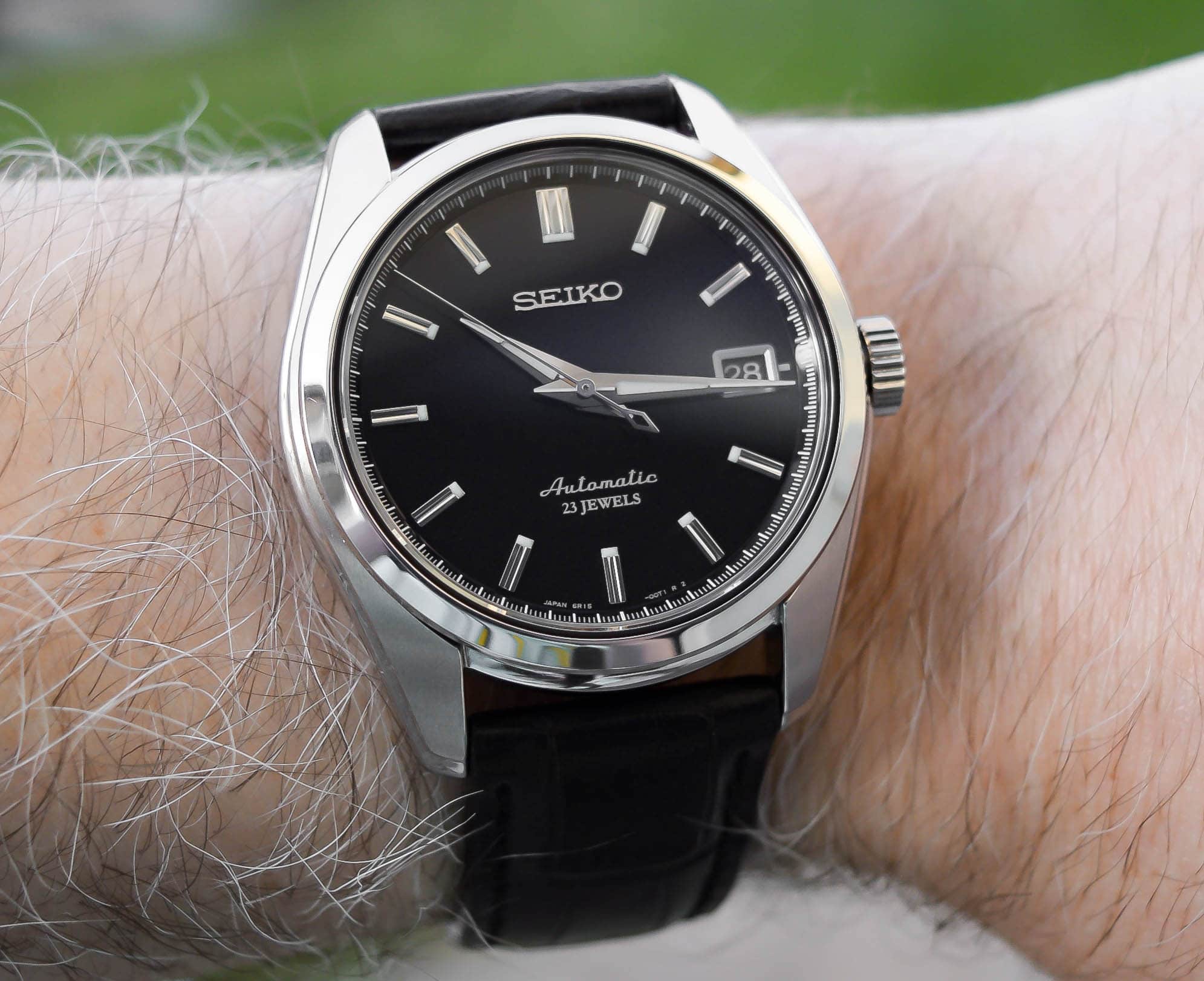
In our original Seiko SARB033 review, we made an observation that feels increasingly relevant today. Seiko had begun moving the 6R15 into more expensive watches while introducing less sophisticated movements at price points where collectors had previously expected something better. The SARB033 was already discontinued by then, and its rising secondary-market prices suggested enthusiasts were noticing what they were losing. Interestingly, we still considered it a worthwhile purchase at the higher prices being asked at the time.

Our SARB035 hands-on review told much the same story, only with a cream-colored dial and an equally compelling set of proportions. Neither watch was perfect, and our reviews certainly didn’t pretend otherwise. Bracelet sizing could be frustrating, clasp adjustments were limited, and there were enough small compromises to remind you that these weren’t expensive watches. But that was precisely the point. You weren’t expecting perfection. You were getting something that felt considerably more special than its price suggested.

Then there was the SKX007, a watch that approached the same philosophy from an entirely different direction. Instead of an understated everyday automatic, you got a genuinely capable 200-meter diver with an ISO certification, distinctive styling, and a mechanical movement that could take a beating. The 7S26 couldn’t hack or hand-wind, and the bracelet was hardly an engineering masterpiece. Yet people loved these things enough to buy them repeatedly. Our retrospective on a decade of Seiko dive-watch reviews illustrates just how difficult the SKX has been to replace.
What connected these watches wasn’t their specifications or even their designs. It was the feeling that Seiko was giving enthusiasts something they had no reasonable business expecting at those prices. That became an important part of the brand’s identity, whether Seiko intended it or not.
Seiko Still Makes Great Watches. They’re Just Harder to Justify.
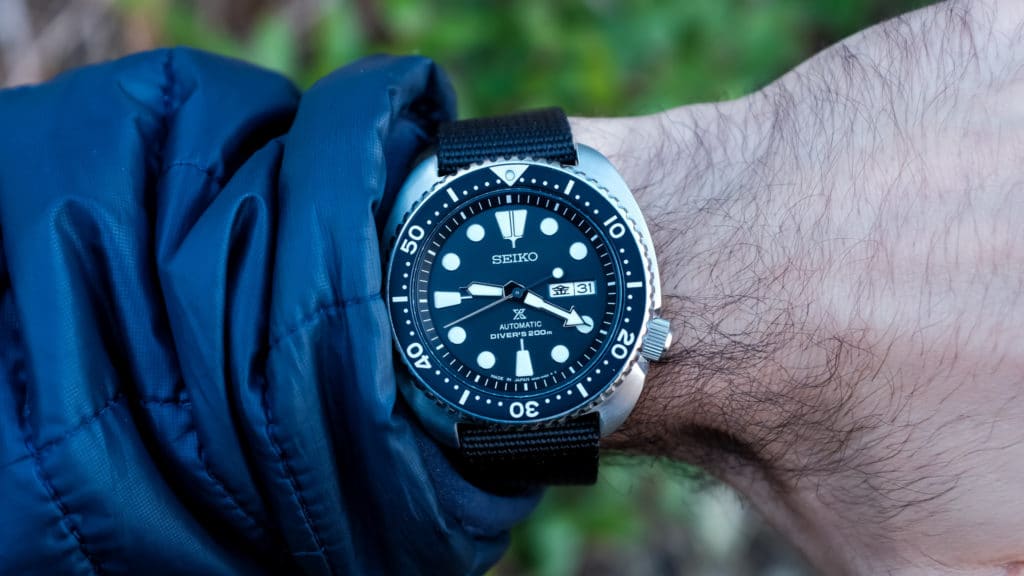
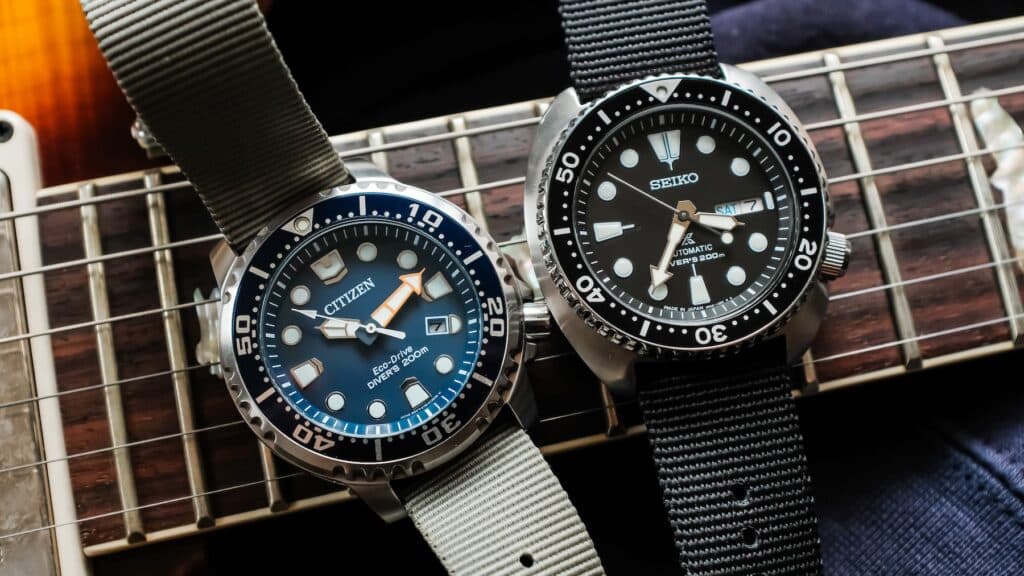
One of the problems with criticizing modern Seiko is that it’s remarkably easy to find examples that contradict the argument. The Turtle is probably my favorite. When Seiko brought back the familiar cushion-case design of its 6309 divers, it demonstrated that the company still understood the appeal of its own history. This wasn’t merely a retro-inspired watch trading on nostalgia. It was a capable, comfortable mechanical diver with the kind of distinctive personality that made Seiko interesting in the first place.
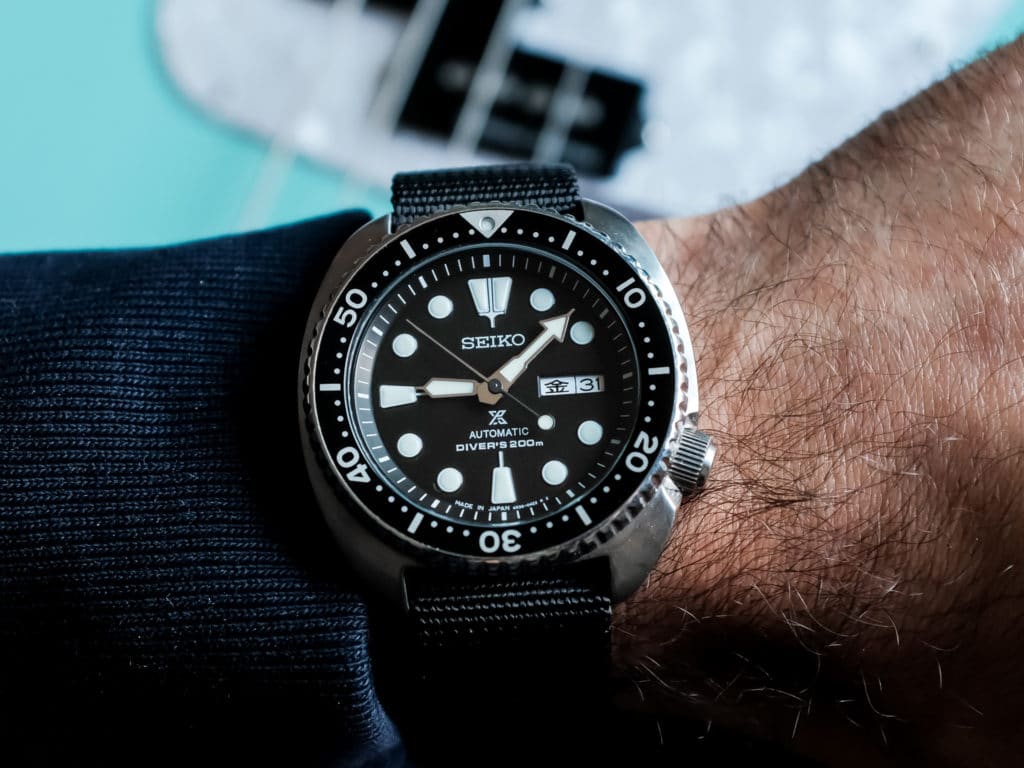
Michael’s hands-on experience with the Turtle is particularly telling. He bought one, sold it, bought another, sold that one, and eventually found a version that stayed in his collection. At roughly $370 when he wrote the review, it offered a 4R36 automatic movement, 200 meters of water resistance, and an unmistakably Seiko design. The bezel alignment wasn’t perfect, and the movement’s accuracy could be unpredictable, but those shortcomings didn’t prevent it from becoming one of his favorite affordable divers.
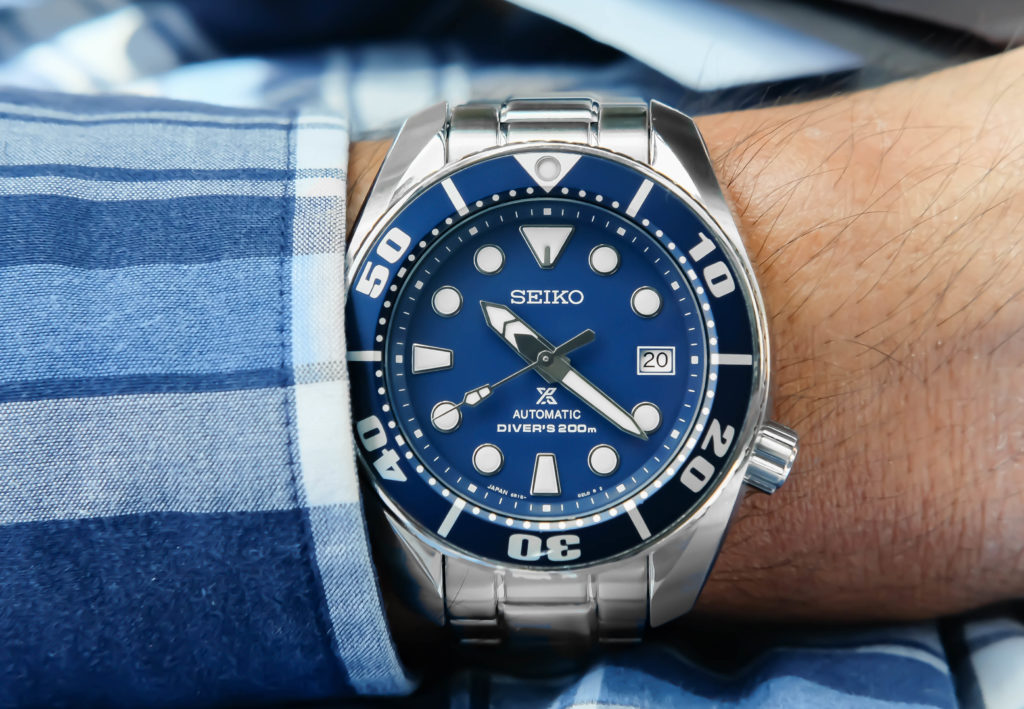
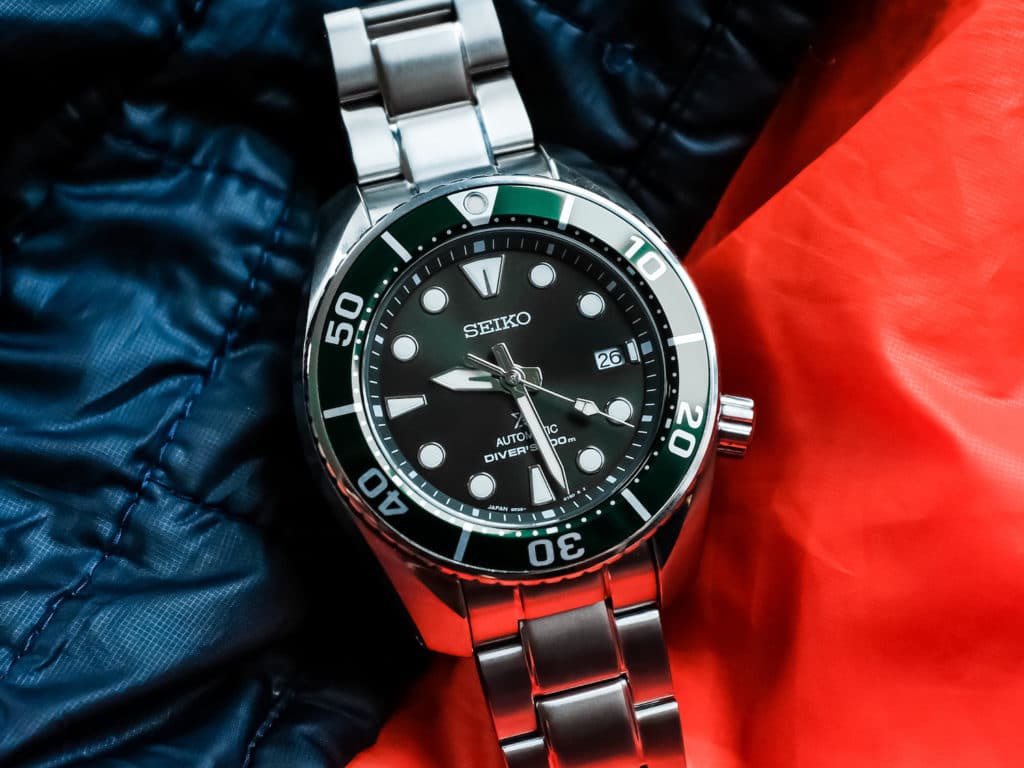
The Seiko Sumo presents an interesting middle ground, and it’s a watch I have a particular soft spot for. It was the first dive watch I ever purchased, and after spending years with the Blumo, I still think it’s one of Seiko’s most overlooked designs. Despite its intimidating 45mm case, the Sumo wears remarkably well, balancing polished surfaces and a robust, purposeful design in a way few affordable divers manage. But as I discussed in my original review, its positioning has always been difficult. At the $600–$800 prices discussed in that review, it occupied an awkward space between the $200–$400 divers enthusiasts gravitated toward and the more expensive watches they were saving for. The Sumo wasn’t necessarily too expensive for what it offered. It was simply caught between two very different expectations, which says quite a bit about how collectors perceive value.
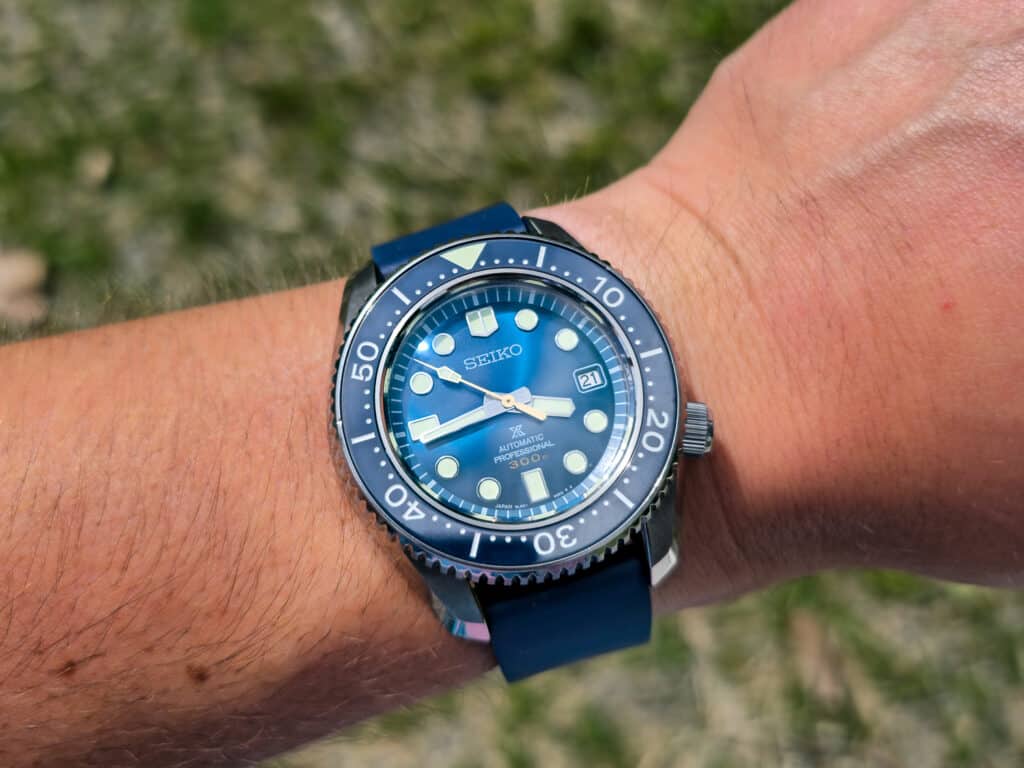
Move farther up the catalog, however, and the conversation becomes more difficult. Consider the Seiko Marinemaster 300, specifically the SLA023 that we covered in our hands-on Marinemaster review. At approximately $3,100, we’re no longer talking about an inexpensive entry point into mechanical watches. We’re talking about a serious financial commitment, and one that invites comparisons with some formidable Swiss competitors.
The Marinemaster has plenty going for it. Its 8L35 movement is a meaningful step above Seiko’s entry-level calibers, the case finishing is exceptional, and the watch has the kind of imposing, purposeful character that’s difficult to replicate. Our review reflected real enthusiasm for the watch, but it also described the stock bracelet as borderline unwearable, criticizing its weight, articulation, and overall design.
That’s where Seiko’s changing position becomes particularly interesting. A questionable bracelet on a $300 watch is an annoyance you might solve with an inexpensive strap. On a watch costing ten times as much, it’s a considerably harder compromise to accept. The underlying charm might be the same, but the expectations certainly aren’t.
The Seiko 5 Sports Might Explain Everything
Few Seiko releases have generated as much discussion among enthusiasts as the modern Seiko 5 Sports collection. When the original SKX family disappeared and the new SRPD models arrived, plenty of collectors were understandably frustrated. The familiar case remained, but the 200-meter water-resistance rating, screw-down crown, and ISO dive certification were gone. In their place, buyers received a 100-meter sports watch powered by the newer 4R36 movement.
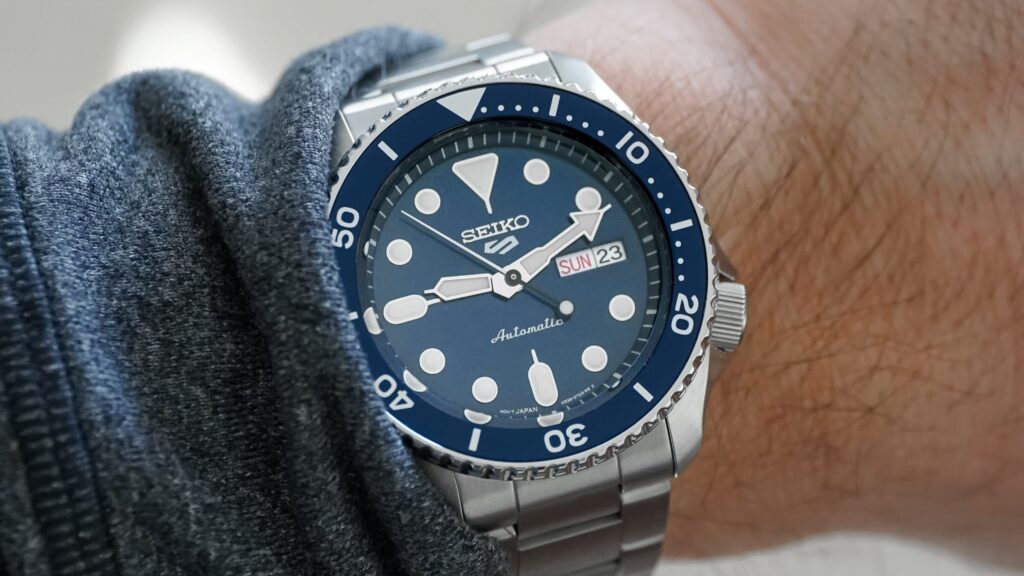
To be fair, that movement was a legitimate upgrade in everyday convenience. Hacking and hand-winding are useful features, especially if you’re someone who rotates through a collection rather than wearing the same watch every day. During our review, the case was still comfortable, the designs were recognizable, and the enormous range of dial options made the collection accessible to people who might never have considered an SKX.
The frustration, at least from my perspective, wasn’t necessarily that Seiko had created a worse watch. It was that enthusiasts had grown accustomed to the brand offering a particular combination of features at a particular price, and suddenly that combination wasn’t available in quite the same way. Seiko had created an expectation through years of excellent products, then found itself being criticized for no longer meeting it.
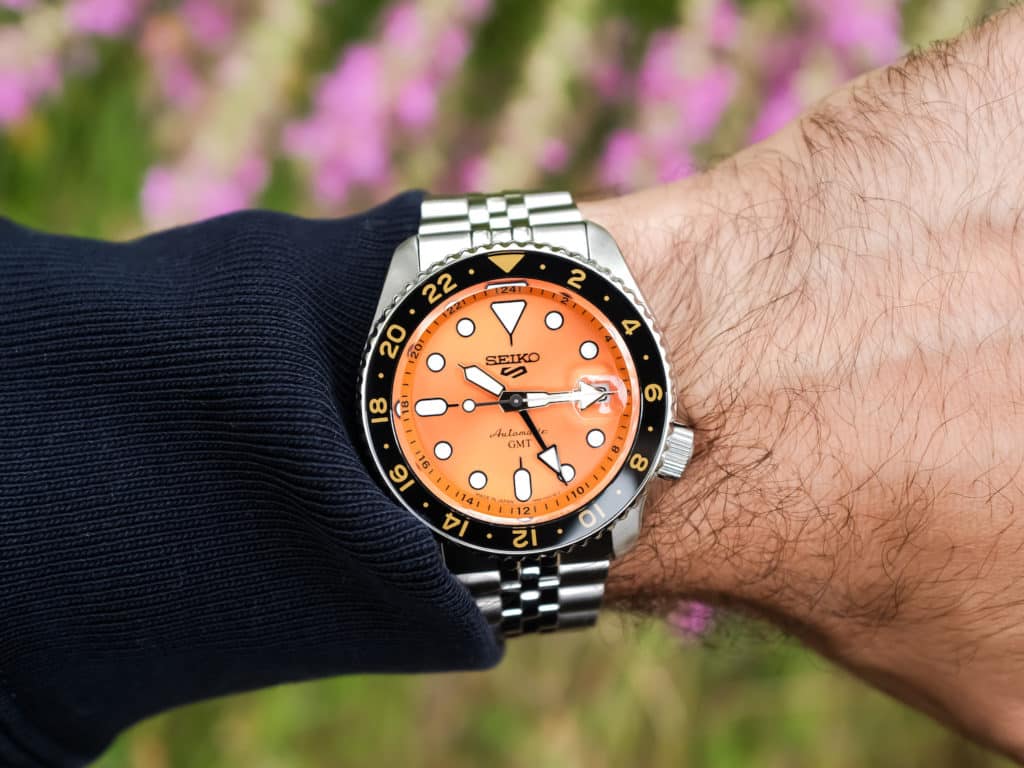
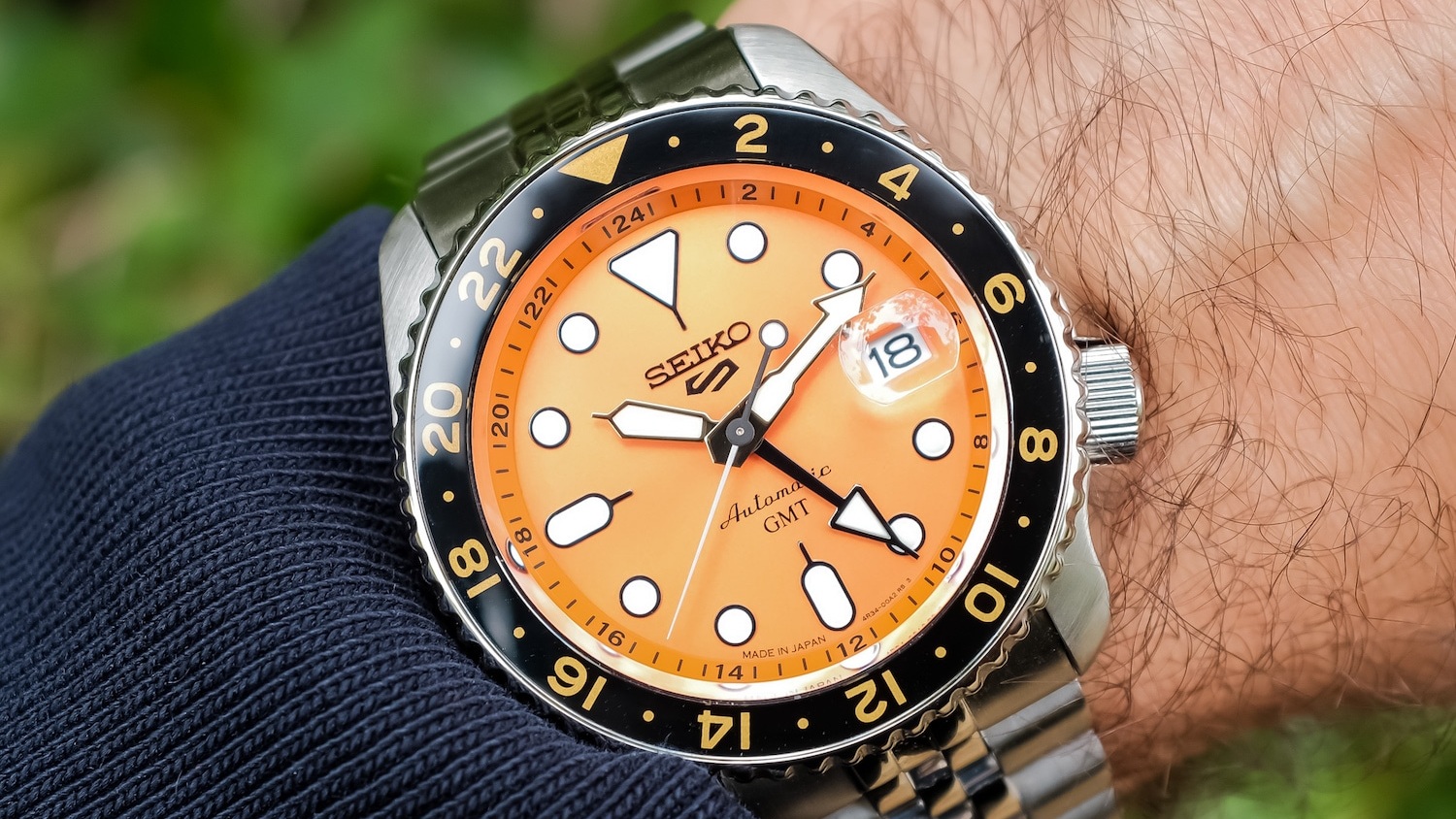
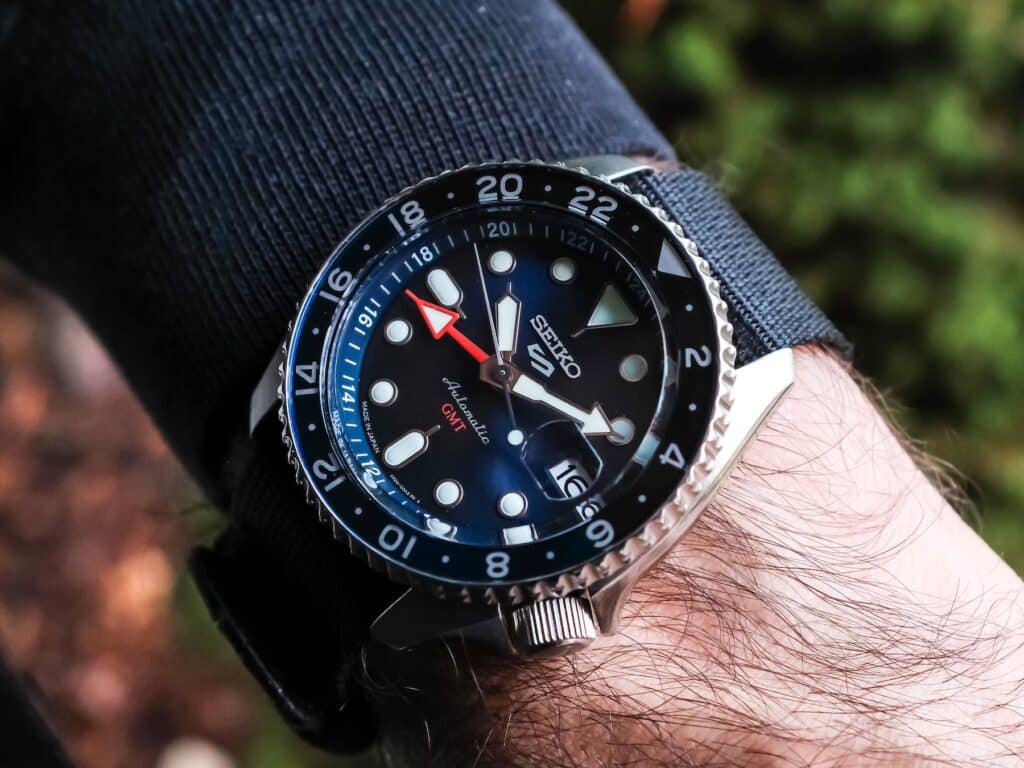
And yet, the Seiko 5 GMT complicates that argument beautifully. When the SSK series arrived, it brought an affordable mechanical GMT movement into a familiar, approachable package. Michael had spent years talking about how much he wanted an SKX-style watch with GMT functionality, and his Seiko 5 GMT review made it pretty clear that Seiko had delivered something genuinely exciting.
At its $475 launch price, the Seiko 5 GMT offered a useful complication, a distinctive design, and the sort of practical appeal that made the brand popular in the first place. No, it didn’t have a sapphire crystal or a screw-down crown. But it also wasn’t pretending to be something it wasn’t. In a market where mechanical GMT watches had historically required significantly more money, Seiko had once again produced something that made enthusiasts pay attention.
So perhaps the problem isn’t that Seiko has forgotten how to deliver value. It’s that the company has become less consistent about where that value appears.
Citizen and Orient Have Made the Decision Much More Interesting
Part of Seiko’s historical advantage was that there simply weren’t as many compelling alternatives. If you wanted an affordable Japanese mechanical watch with a recognizable design and established reputation, Seiko was an obvious starting point. Today, that recommendation requires considerably more thought.
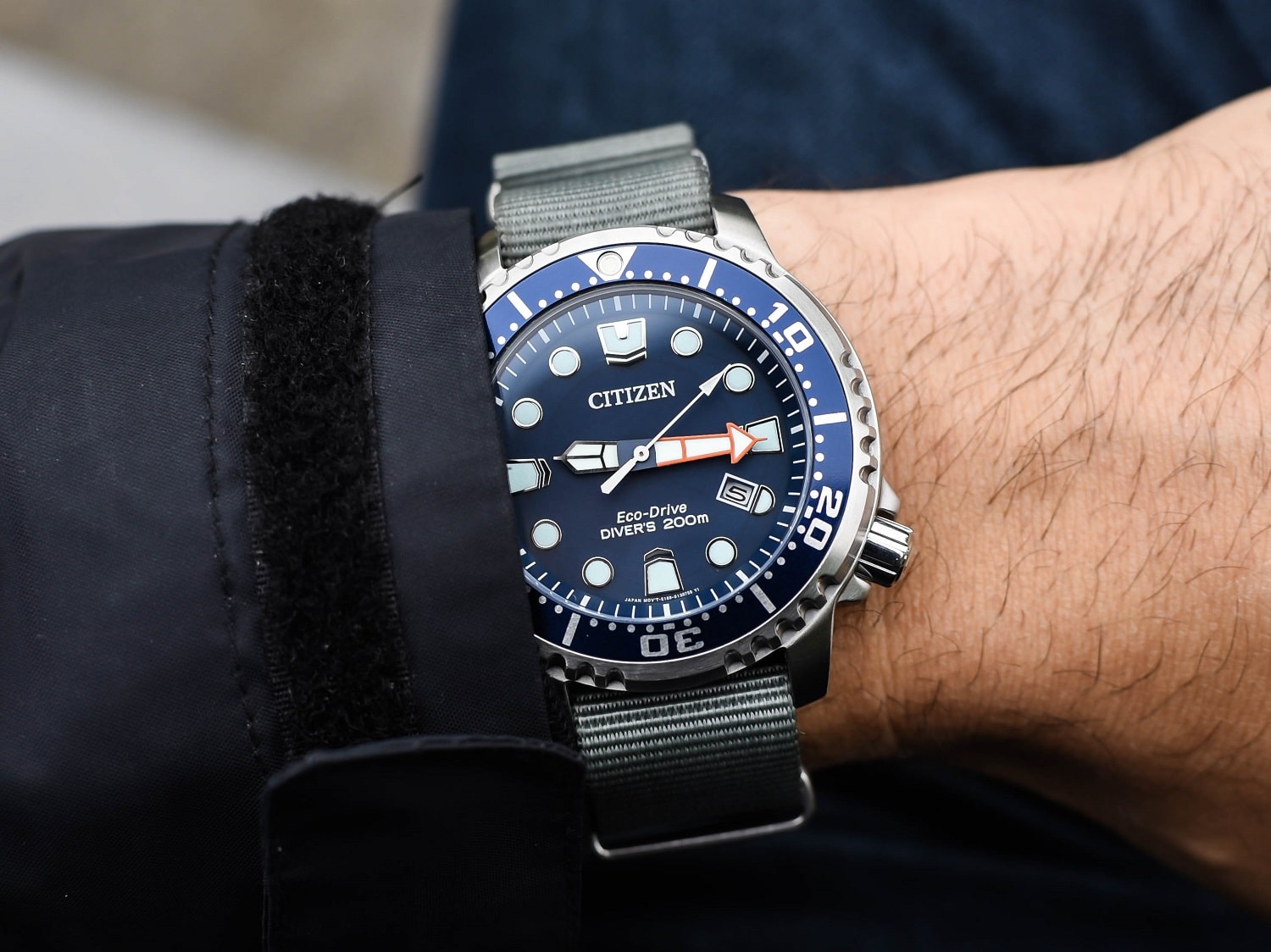
Take the Citizen Promaster Eco-Drive Diver. Michael has owned the BN0151 since I gave it to him as a Christmas gift back in 2016, and his long-term Citizen Promaster review is a reminder of just how much practical capability you can get without spending a fortune. It offers 200 meters of water resistance, a screw-down crown, excellent legibility, and a solar-powered movement that largely eliminates the maintenance rituals associated with an inexpensive automatic. It’s not a replacement for the emotional appeal of a mechanical Seiko, but for someone who simply wants an excellent everyday watch, it’s a persuasive alternative.
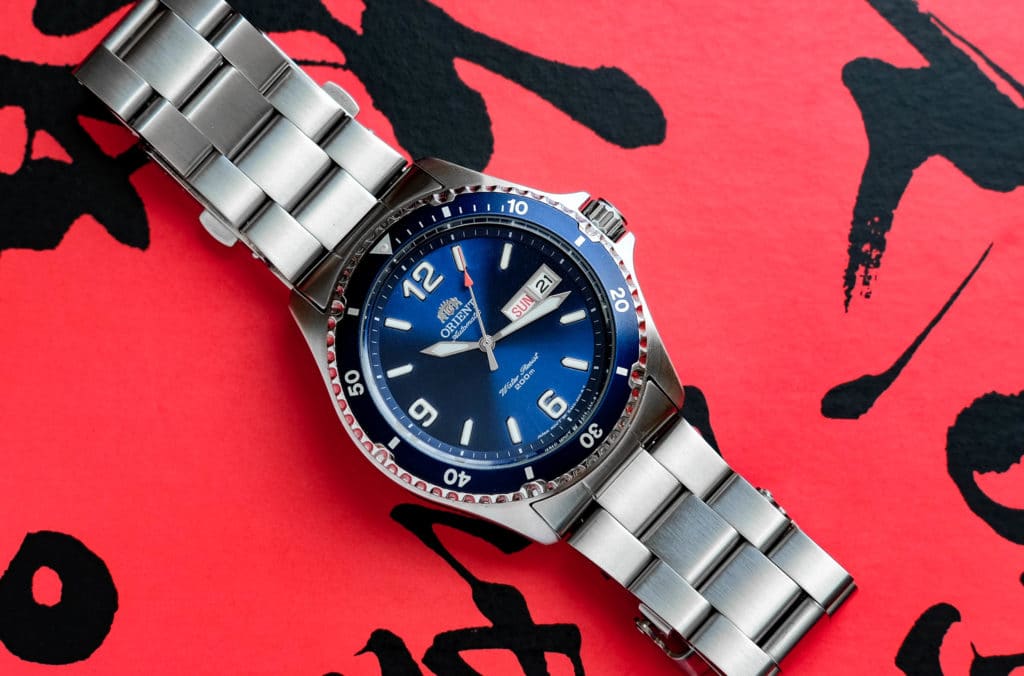
Orient offers a different kind of competition. When I reviewed the Orient Mako II, what impressed me wasn’t any single groundbreaking feature. It was how effectively Orient had improved an already compelling affordable diver. The F6922 movement introduced hacking and hand-winding, the case proportions remained approachable, and the bracelet was better than I expected. The original Mako had its share of quirks, including that wonderfully strange day-changing button, but Orient managed to modernize the experience without sacrificing the fundamental appeal of the watch.
Neither Citizen nor Orient makes Seiko irrelevant. That’s not the argument. What they’ve done is make Seiko work harder for a recommendation that it once received almost automatically. And when you’re shopping with a fixed budget, having several genuinely compelling options changes how you evaluate compromises.
Maybe We’re Part of the Problem
There’s an uncomfortable possibility worth considering here. Perhaps the affordable Seiko we remember so fondly was never quite as extraordinary as we’ve convinced ourselves it was.
The SKX007 had a movement that couldn’t hack or hand-wind. The SARB033 had bracelet issues despite being celebrated for its quality. The Turtle could arrive with a misaligned bezel. These weren’t minor details invented by modern critics; they’re things we documented in our original reviews. The difference is that we were willing to overlook them because the watches offered enough personality and capability to make those compromises seem reasonable.
It’s also worth remembering that the watch industry hasn’t stood still. Enthusiasts now have access to an enormous number of affordable mechanical watches, including microbrands offering attractive specifications, increasingly sophisticated designs, and direct-to-consumer pricing. Sapphire crystals, ceramic bezels, and upgraded movements no longer feel particularly exotic at the lower end of the market. What once made a Seiko seem unusually well-equipped has gradually become something buyers expect as standard.
None of this means Seiko should receive a free pass on pricing or quality control. If anything, its reputation should invite closer scrutiny. But I do wonder whether we’re sometimes comparing modern Seikos against an idealized version of the past rather than the actual watches that existed. Nostalgia has a funny way of making a rattly bracelet feel charming and an inaccurate movement feel full of character.
Has Seiko Actually Lost Its Way?
I don’t think Seiko has forgotten how to make great watches. The Turtle, Seiko 5 GMT, and Marinemaster are all evidence that the company still understands what makes its products appealing. Each approaches watchmaking from a different direction, but all three have the character and design identity that initially attracted so many of us to the brand.
What has changed is the relationship between Seiko and its audience. For years, the company built enormous goodwill by offering watches that seemed to exceed their price categories. That goodwill created expectations, and those expectations don’t disappear simply because a brand decides to move upmarket or reorganize its product lineup.
The irony is that Seiko may be a victim of its own success. It helped establish what enthusiasts should expect from an affordable mechanical watch, only to find itself competing against those same expectations years later. Better movements, more polished designs, and a broader catalog don’t necessarily make up for losing the feeling that you’re getting an unusually good deal.
I still wouldn’t hesitate to recommend a Seiko when the right model comes along. There are too many genuinely excellent watches in its catalog to suggest otherwise. But I no longer think the brand deserves to be the automatic answer every time someone asks which watch they should buy first.
And maybe that’s the biggest change of all. Seiko used to make watches that left us wondering how the company could sell them so cheaply. These days, there are more occasions when we’re left wondering whether the price is worth paying.

Co-Founder and Senior Editor
Kaz has been collecting watches since 2015, but he’s been fascinated by product design, the Collector’s psychology, and brand marketing his whole life. While sharing the same strong fondness for all things horologically-affordable as Mike (his TBWS partner in crime), Kaz’s collection niche is also focused on vintage Soviet watches as well as watches that feature a unique, but well-designed quirk or visual hook.