These two brands show up everywhere when researching affordable watch brands, from first-watch recommendations on Reddit to long-term collections built slowly over the years. We’ve owned Timex Weekenders that became default weekend grabs, Easy Readers that handled daily office duty without complaint, and Expedition models that survived travel and general neglect. At the same time, Seiko has been impossible to ignore, with pieces like the Turtle, Samurai, and Seiko 5 lineup showing up again and again as watches that punch above their price. Both brands promise value, but they deliver it in very different ways once they’re part of your routine.
And over the past decade, we’ve rotated everything from the Seiko SRPE51 and Seiko 5 GMT to the Timex Expedition Field Post Solar and Deepwater Meridian 200 through our own collections. They’ve been worn during long workdays, ignored on dressers for weeks, picked back up, and questioned when something else new came along. That kind of long-term wrist time changes how you see Seiko vs. Timex. This comparison is more than just specs or brand mythology. It’s about how these watches feel to live with, which brand still frustrates us, and ultimately, which one makes more sense today if you’re looking for watches worth the money without falling into hype or overspending.
Brand Identity & Philosophy: Emotional Ownership vs Effortless Everyday Use
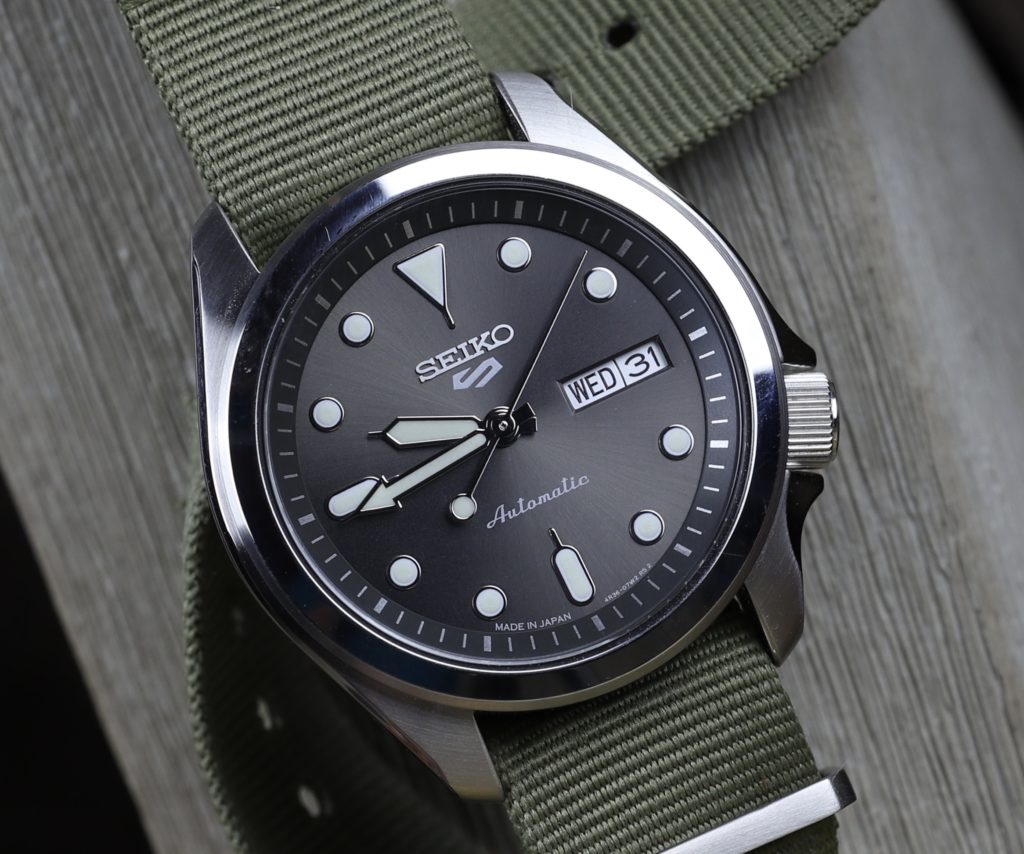
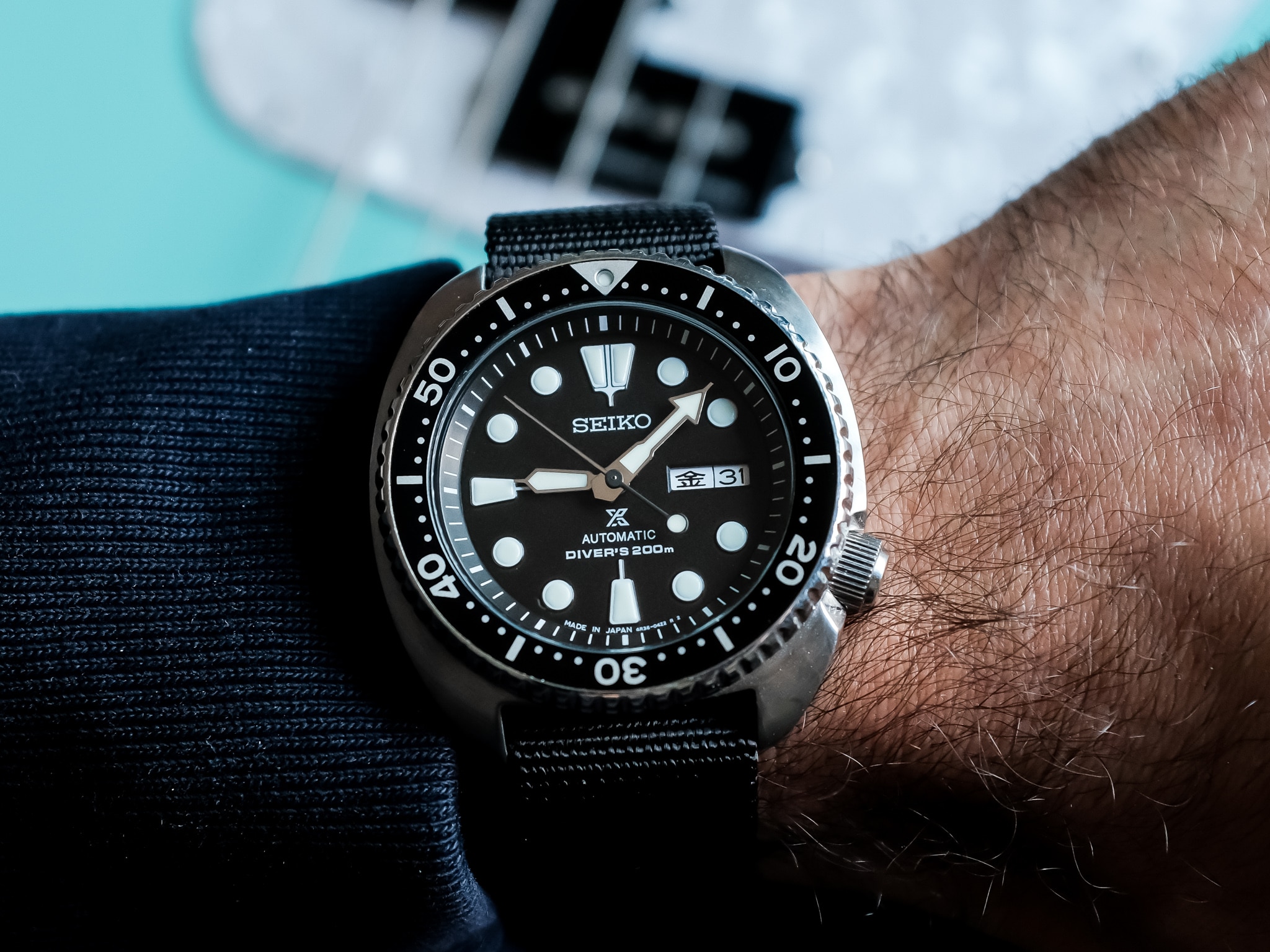
Seiko builds watches that invite you to connect with them on a deeper level, and that comes through even at the affordable end of the lineup. After spending time with models like the Seiko SRPE51 and Seiko 5 Sports SRPD51, we noticed how much effort goes into making these watches feel substantial without becoming overbearing. The case weight feels intentional, the dial finishing reflects light in subtle ways throughout the day, and the automatic movement adds a layer of interaction that never fades into the background. Dive watches like the Turtle and Samurai reinforced that impression during our hands-on reviews. Their cases have real presence on the wrist, but the ergonomics keep them comfortable for long wear. Small details, like the tactile bezel action and dial textures, make the watches feel thoughtfully executed rather than completely functional. The Seiko 5 GMT extends that philosophy even further by adding practical travel functionality while preserving the mechanical character and sense of ownership that define the brand.
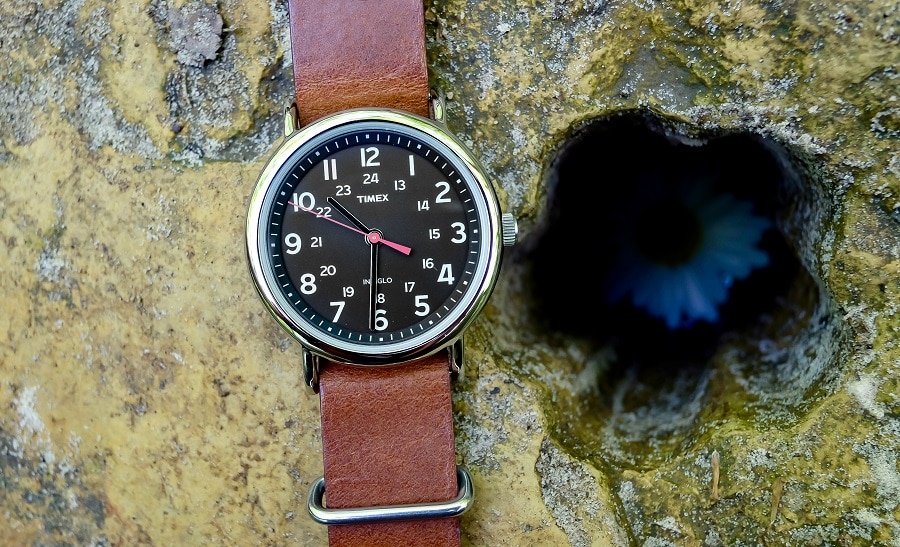
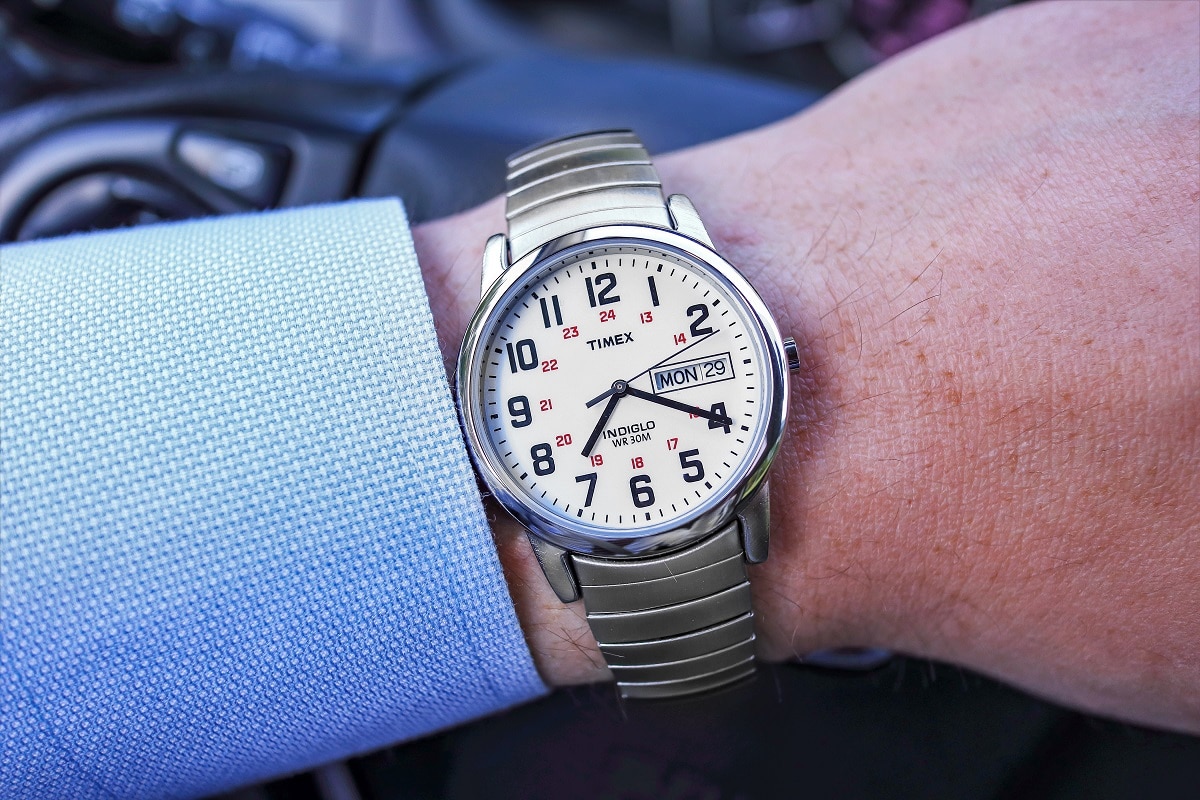
Timex, on the other hand, has always felt like the brand that meets you where you are, not the other way around. Most of our early exposure to watches came through Timex pieces like the Weekender and Easy Reader, which never tried to impress anyone but quietly became dependable everyday watches. The Weekender, in particular, showed us how a simple quartz watch with a lightweight case, highly legible dial, and easy strap swaps could integrate into daily life without friction. It wasn’t precious. It was convenient. That same philosophy carried through newer models we’ve reviewed, like the Expedition Field Post Solar, which leaned into practicality with solar charging and clear field-watch legibility. Even when Timex stretches into more capable territory with something like the Deepwater Meridian 200, the core idea doesn’t change. The focus stays on accessibility, ease of use, and creating watches that feel approachable rather than intimidating.
- Seiko tends to resonate more with those who enjoy the mechanical side of ownership and the sense of connection that develops over time.
- Timex appeals to people who want reliability and convenience without needing to engage with the watch beyond wearing it.
Catalog Scope & Core Strengths
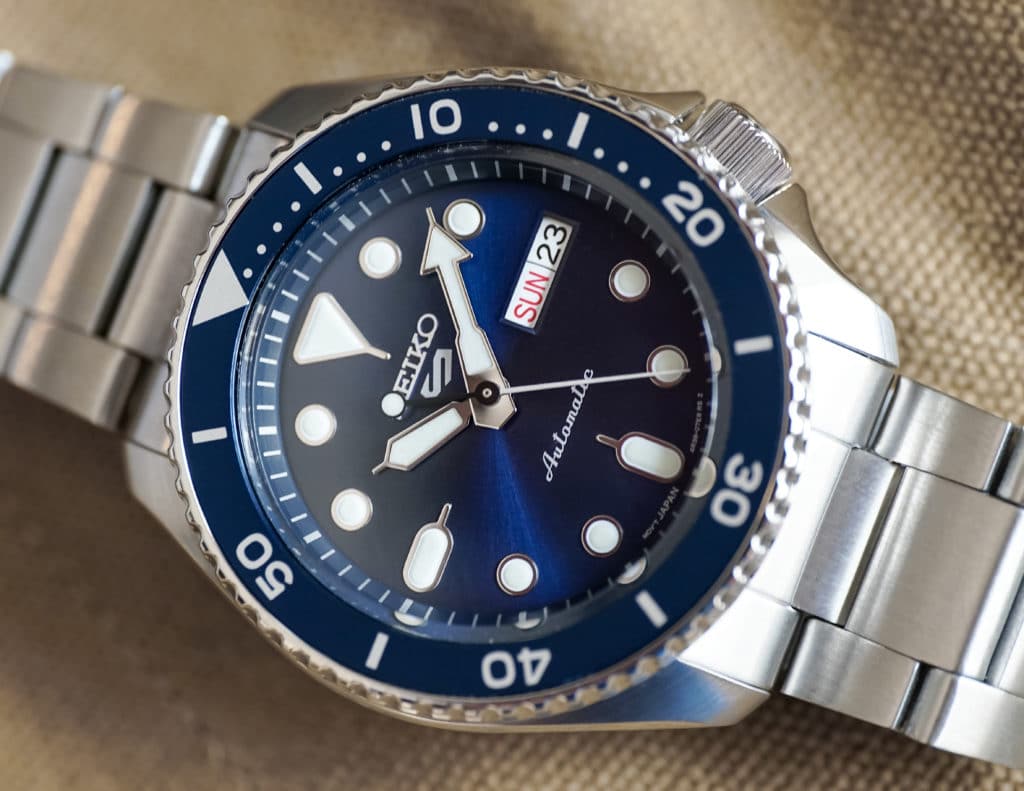
Seiko’s catalog revolves heavily around mechanical watches, but what stood out during our extended hands-on time was the variety within that framework. Spending time with models like the Seiko 5 Sports SRPD51 and SRPE51 showed us how Seiko can blur the lines between sport and dress. Both wore comfortably in casual settings and didn’t feel out of place in more formal environments, thanks to balanced case sizing and restrained dial layouts. Moving deeper into Seiko’s lineup, watches like the Turtle, Samurai, and Sumo reinforced the brand’s confidence in dive watches as a core strength. These weren’t just stylistic diver pieces. The cases felt solid without becoming cumbersome, the bezels had a deliberate, tactile feel during use, and dial legibility remained reliable even in low-light conditions.
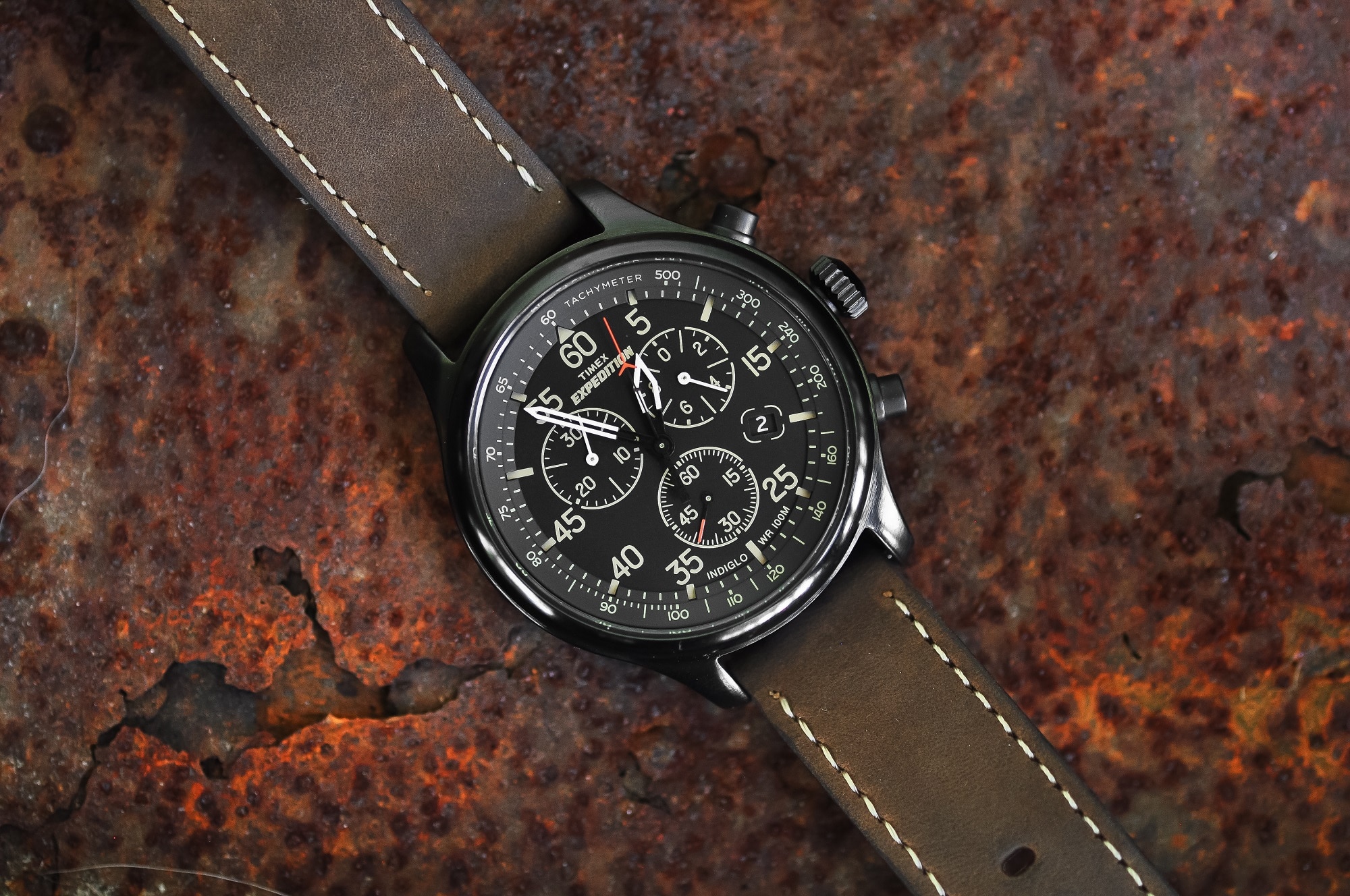
Timex, on the other hand, builds its catalog around flexibility and ease of ownership rather than centering everything on a single type of watch. Rotating pieces like the Weekender, Expedition Chronograph, and Easy Reader through regular wear made that approach clear. The Weekender, in particular, became an easy default because of its low commitment. Its lightweight build and interchangeable straps allowed it to shift between different roles without friction. The Expedition Chronograph we reviewed in-depth added another layer of utility, offering timing functionality in a package that still felt approachable and unintimidating. The Easy Reader leaned even further into clarity and comfort, prioritizing legibility above everything else. Then there’s the Deepwater Meridian 200, which showed that Timex can produce more capable dive-oriented watches without losing that sense of accessibility. Rather than focusing on a single core category, Timex builds watches across multiple styles, all centered on practicality, comfort, and everyday usability.
- Seiko’s core strength lies in its mechanical diversity, especially across everyday and dive watches. Its lineup consistently delivers automatic options that balance durability, versatility, and meaningful long-term ownership.
- Timex’s strength lies in its wide-ranging catalog built around accessibility and ease of use. Its lineup spans simple daily wear watches, field designs, chronographs, solar-powered models, and capable dive-style pieces that prioritize practicality over complexity.
Design & Wearability: Purposeful Presence vs Effortless Simplicity
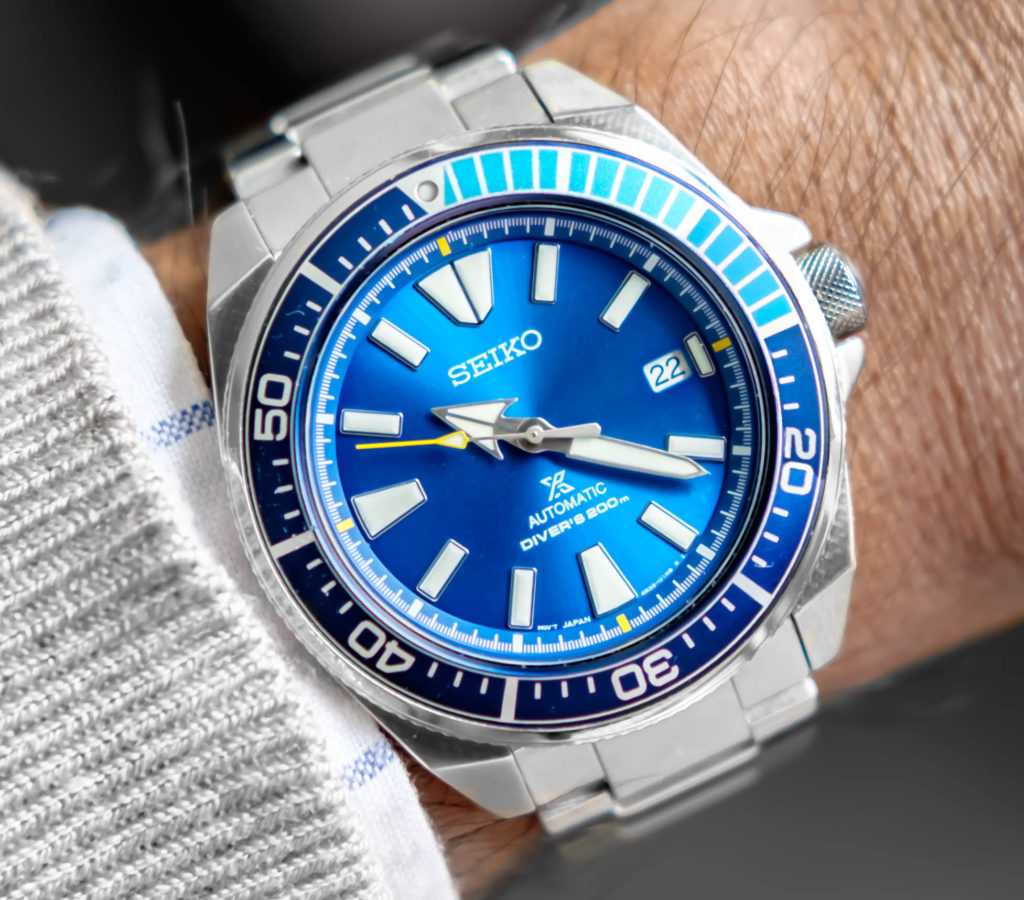
Seiko takes a tactile and visually engaging approach, especially across its dive and sport models. During our extended wrist time with the Seiko Turtle, the dial design immediately stood out. The broad hands and large applied indices made reading the time instinctive, even in low light, while the slightly cushioned case shape helped distribute weight evenly across the wrist. It never felt top-heavy or awkward despite its size. The Samurai and Sumo built on that experience with sharper case geometry and more pronounced finishing, which gave them a stronger identity without compromising comfort. The Seiko 5 GMT added another layer of interaction through its dial layout. The bold GMT hand and oversized markers made tracking a second time zone feel natural rather than forced, and the solid bracelet contributed a reassuring sense of durability. Seiko watches rarely disappear from the wrist. Instead, their added weight, textured dials, and sturdier bracelets create a physical presence that feels deliberate and engaging over the long term.
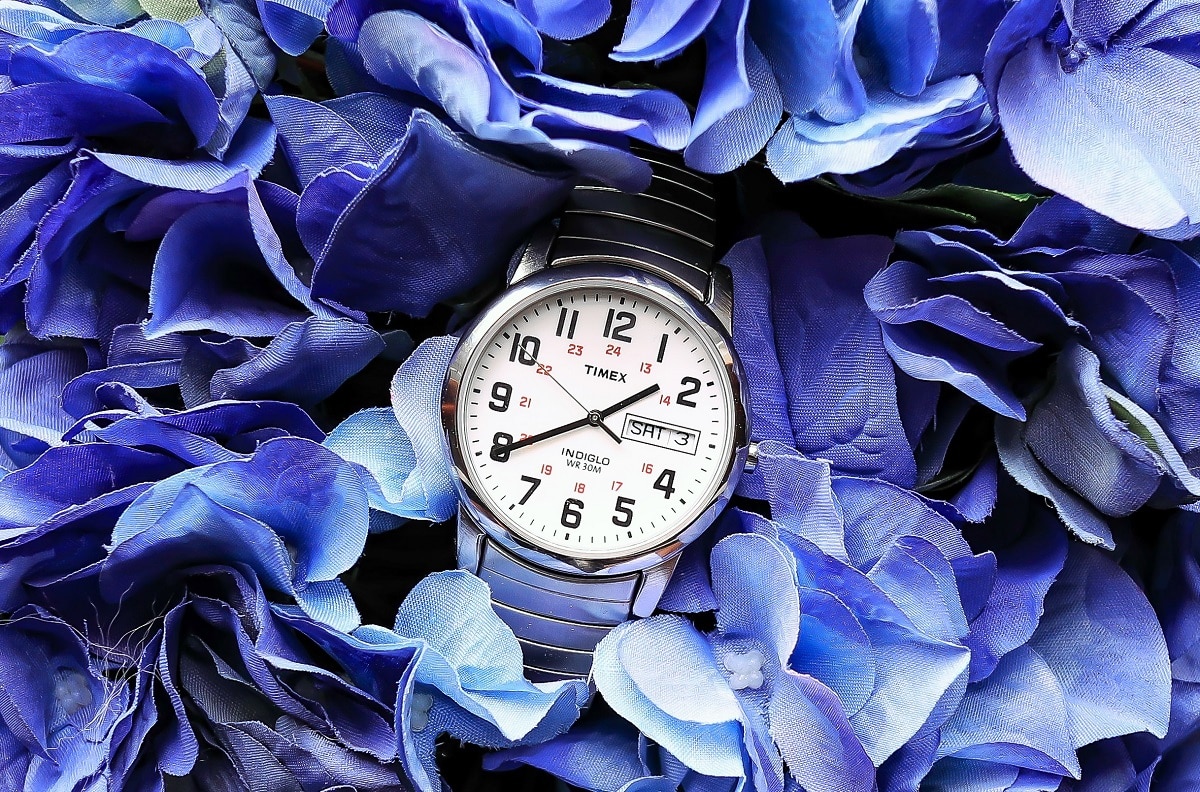
Timex leans in the opposite direction, prioritizing clarity and comfort above everything else. Wearing the Easy Reader made that philosophy obvious right away. The white dial, bold black numerals, and clean layout made telling the time effortless, regardless of lighting or angle. It never required a second glance. The expansion bracelet reinforced that same convenience-driven approach. It slipped on quickly without needing adjustment and stayed comfortable throughout the day without creating pressure points. The Expedition Atlantis carried that legibility-first mindset into digital form. Its large numeric display filled the screen, making information easy to absorb, and the soft strap kept the watch comfortable during extended wear. Even when worn for hours at a time, Timex watches tended to fade into the background, prioritizing ease and comfort over physical presence.
- Seiko stands out with tactile, visually engaging designs that emphasize presence and durability. Its bold dial elements, substantial bracelets, and balanced case shapes create a stronger physical and emotional connection on the wrist.
- Timex excels at clean, highly legible designs that prioritize comfort and ease of wear. Its lightweight cases, flexible straps, and simple dial layouts make the watches feel effortless and prepared for daily use.
Build Quality & Technical Approach
Movements:
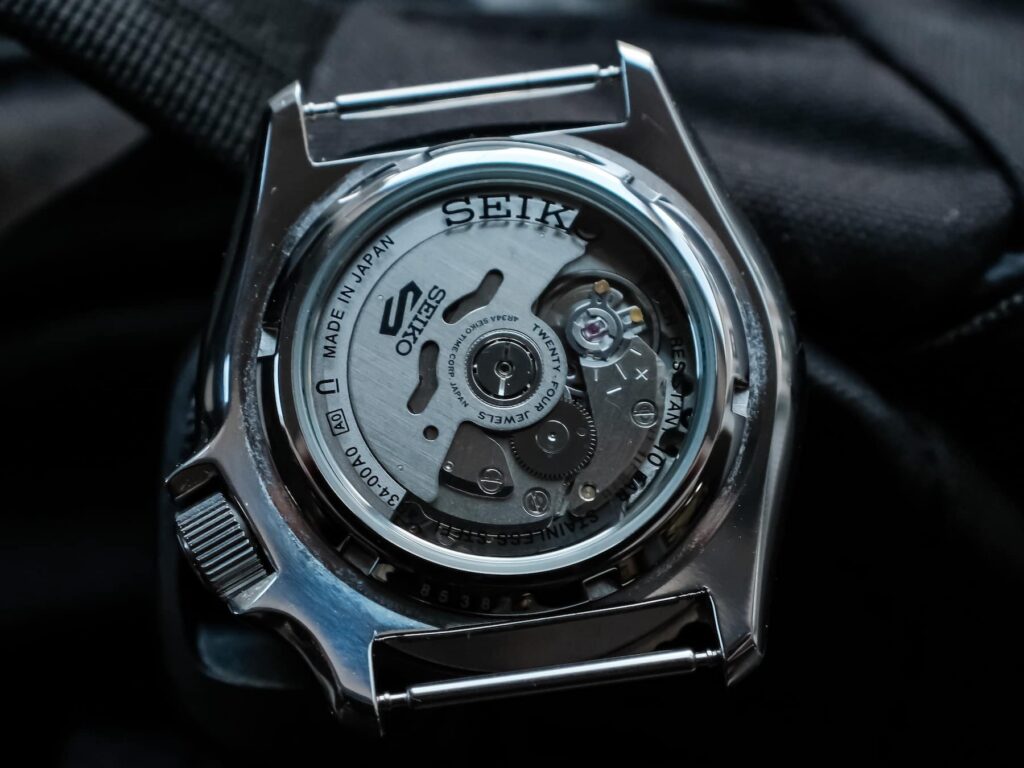
Despite having watches powered by quartz, solar, or kinetic movements, Seiko’s technical identity leans heavily on its in-house automatic movements, and after years of wearing models like the Seiko 5 Sports SRPD51, SRPE51, Turtle, Samurai, and Sumo, that consistency becomes easy to appreciate. Most of these watches rely on variations of Seiko’s 4R-series calibers, which offer hacking and hand-winding—features that make daily use smoother and more predictable. Setting the time feels deliberate, and once on the wrist, the movement settles into a steady rhythm. The Seiko 5 GMT introduced the newer in-house 4R34 automatic movement, which added practical GMT functionality while maintaining the same approachable character. During our hands-on time, it tracked a second time zone reliably and delivered around 40 hours of power reserve, which meant it could sit off the wrist for a day or so without stopping.
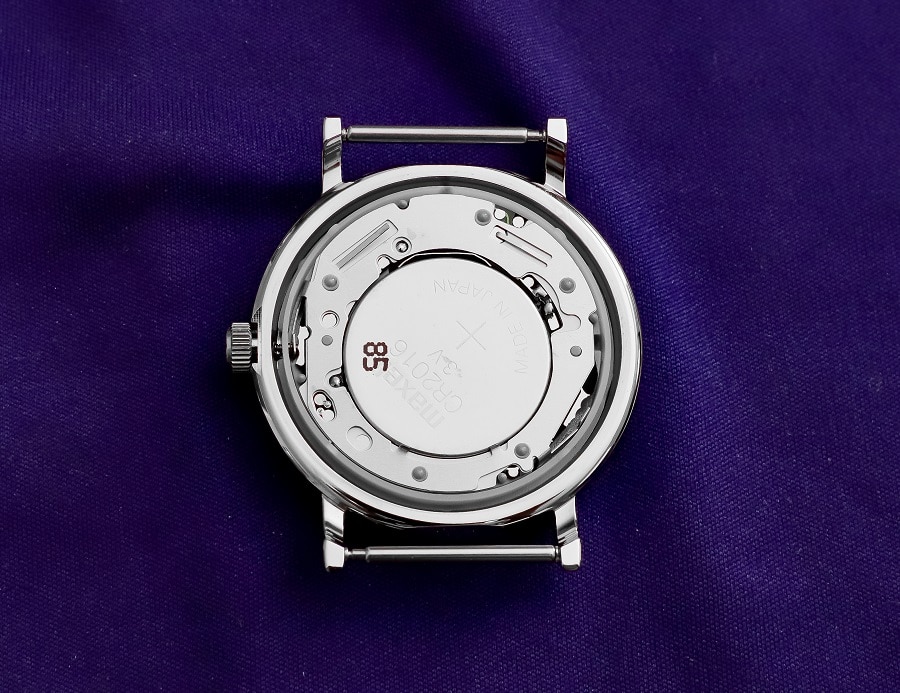
Timex takes a broader, more convenience-driven approach to its movements, relying mostly on quartz and solar quartz movements. Wearing watches like the Weekender and Easy Reader made it clear how much Timex prioritizes simplicity. Both use standard quartz movements that start instantly, require no winding, and stay accurate without intervention. The Expedition Chronograph added more functionality through its quartz chronograph movement, enabling us to time events without adding complexity to daily ownership. Digital models like the Expedition Atlantis we tested leaned even further toward practicality, using quartz-based digital modules to make alarms, timers, and timekeeping accessible.
Case Construction & Finishing:
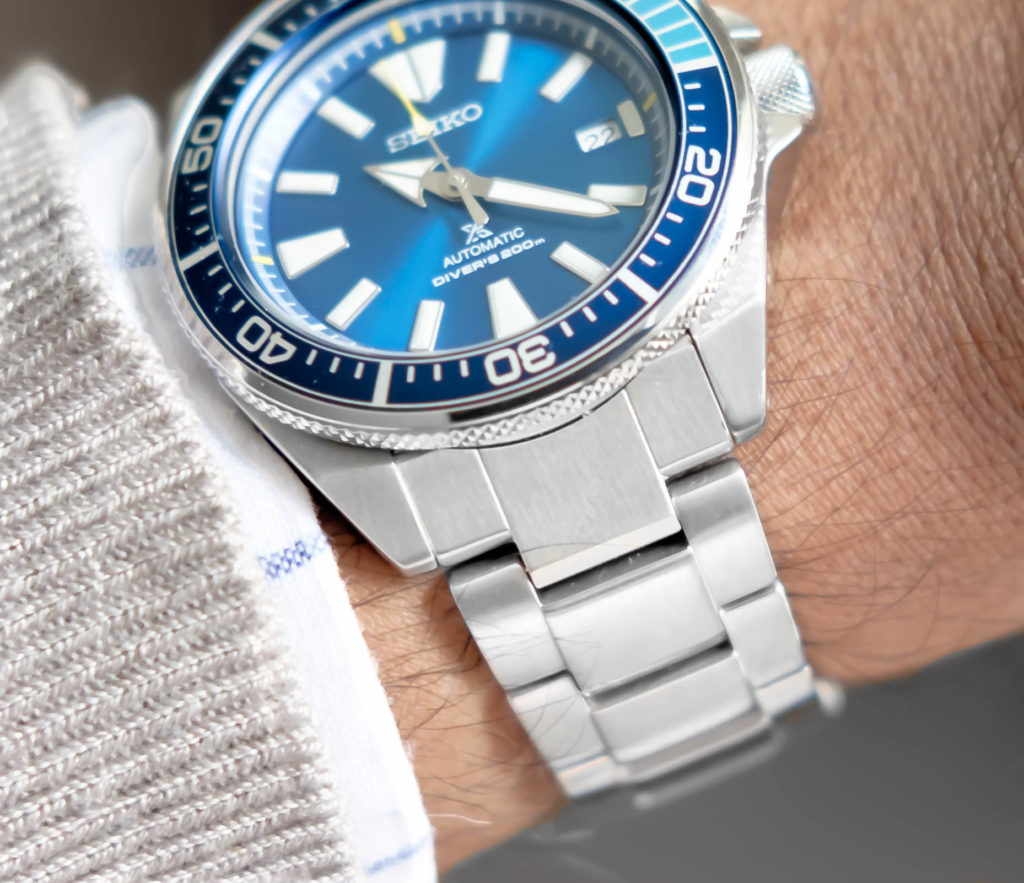
Seiko’s case construction feels more substantial, especially across its sport and dive lineup. During our time with the Seiko Samurai, the sharply angled case gave it a more defined personality compared to softer, rounded divers. The flat surfaces and crisp edges created a strong visual contrast, and the brushing helped minimize visible wear during regular use. It felt solid without becoming uncomfortable, and the screw-down crown reinforced confidence in its durability. Even on more affordable models like the Seiko 5 Sports SRPD51 and SRPE51, the brushing and polished accents held up well over extended wrist time. The finishing wasn’t too decorative, but it didn’t feel unfinished either. Across the board, Seiko cases strike a balance between durability and visual refinement.
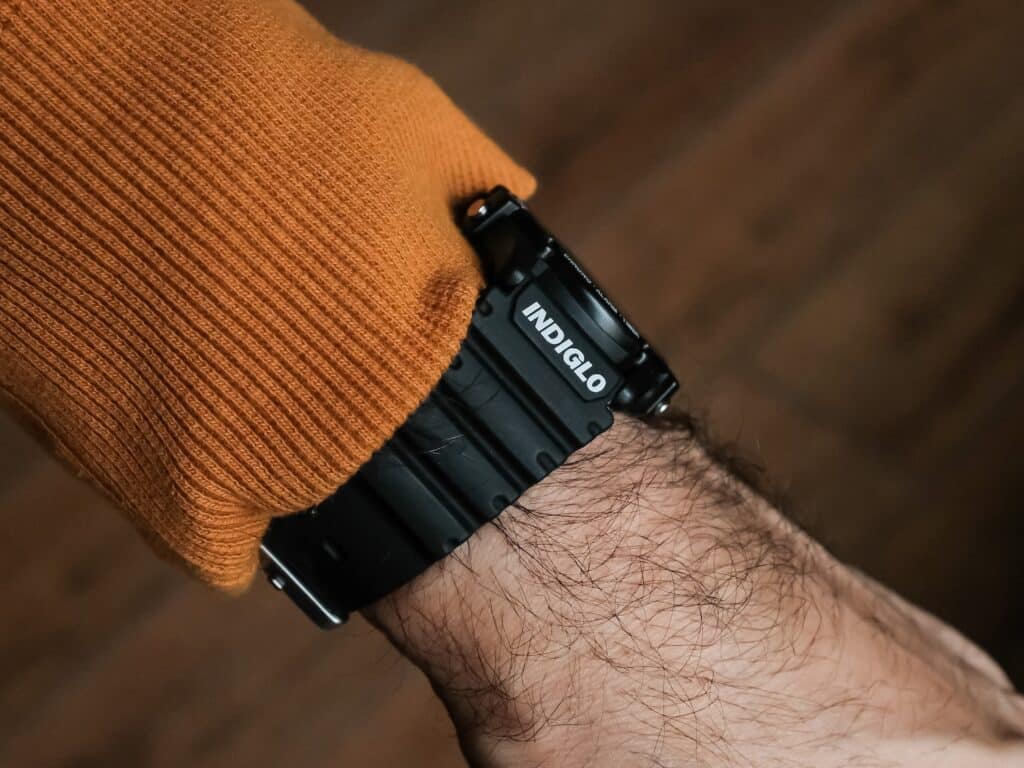
Timex takes a simpler and more functional approach to case construction, prioritizing comfort and practicality over visual refinement. Our experience with the Expedition Atlantis made that clear. Its lightweight resin case made it easy to wear for extended periods without fatigue, and the overall construction felt durable enough for everyday use without mimicking the heft of a steel watch. The pushers responded cleanly, and the case never felt fragile during regular wear. Watches like the Weekender and Easy Reader followed a similar philosophy, with lightweight metal cases that focused more on usability than on finishing details. Even the Deepwater Meridian 200, while more robust than most Timex models we’ve worn, maintained that same accessibility-driven construction.
Crystals:
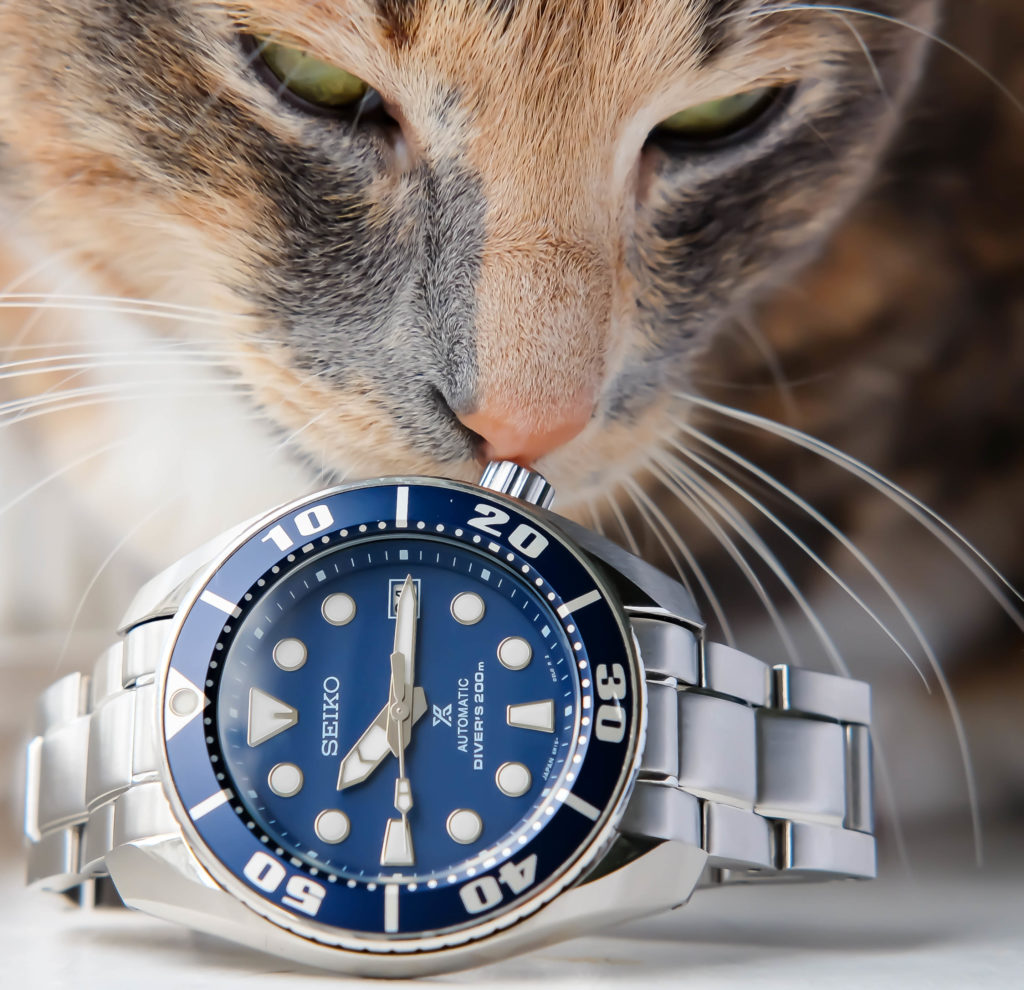
Seiko uses its proprietary Hardlex crystal across much of its affordable lineup, including models like the SRPE51, Turtle, Samurai, and Seiko 5 GMT. In our experience, Hardlex struck a practical balance between durability and clarity. It handled daily wear well, resisting scratches better than the standard mineral glass we’ve encountered on similarly priced watches, while maintaining clear dial visibility both indoors and outdoors. During extended wrist time with the Turtle and Samurai, the crystal never became a distraction. It preserved legibility and avoided the hazy look that can develop over time with softer materials. Moving up the range, the Seiko Sumo stepped things up with a sapphire crystal, which offered better scratch resistance over our long-term testing period. This tiered approach gives Seiko room to balance cost and durability while still offering meaningful upgrades as you move higher in the lineup.
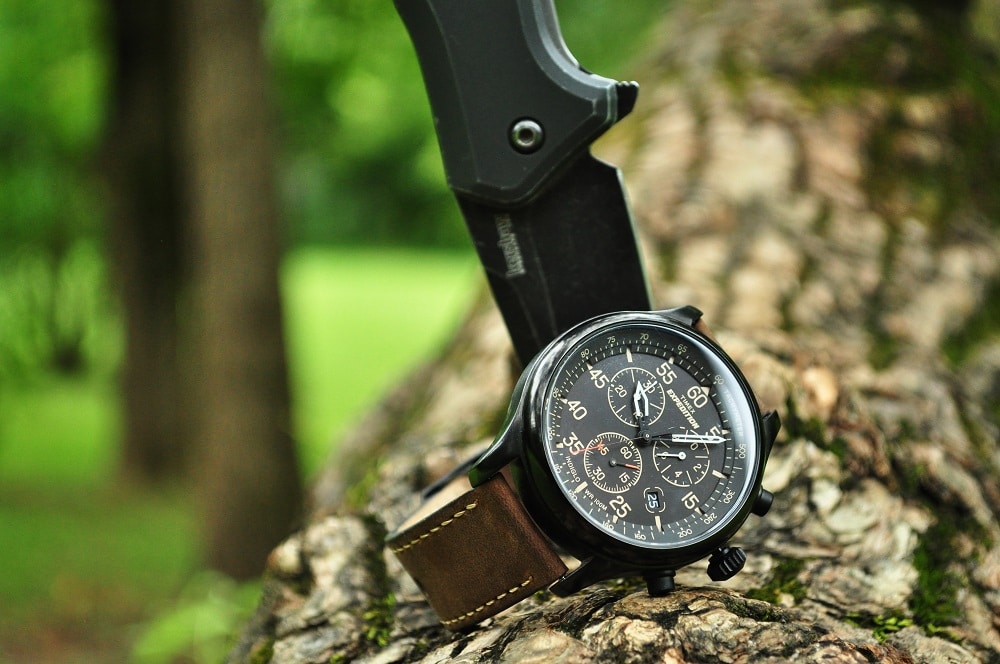
Timex takes a more straightforward and cost-conscious approach, relying mostly on mineral glass and acrylic crystals across its everyday watches. In our hands-on experience with the Weekender and Expedition Chronograph, the mineral glass crystals held up well under regular use. They stayed clear, preserved dial legibility, and didn’t show premature wear. Acrylic crystals, used on some models, added a bit of vintage character but were more prone to surface marks over time. Digital models like the Expedition Atlantis followed the same practical philosophy, prioritizing clear visibility without overengineering the crystal. The Deepwater Meridian 200 represented a step forward for Timex by incorporating a sapphire crystal with an anti-reflective coating, enhancing scratch resistance and visibility.
Water Resistance and Lume:
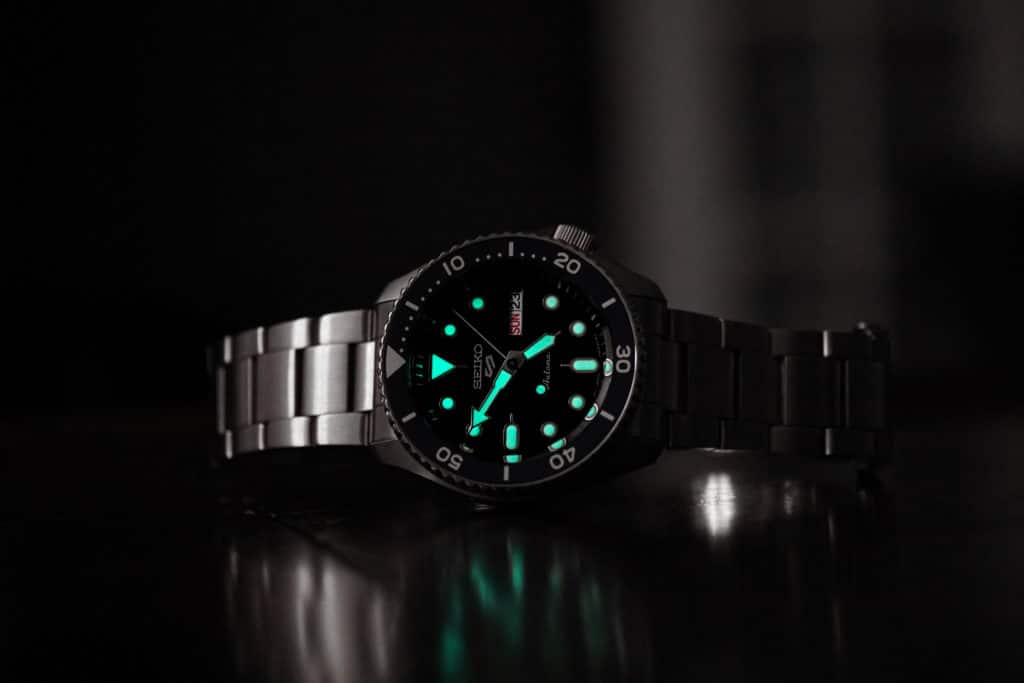
Seiko has built a reputation around dive-ready durability, and that becomes obvious the moment you spend time with watches like the Turtle, Samurai, and Sumo. These models carry 200m of water resistance and screw-down crowns, which gave us confidence wearing them around water without second-guessing their limits. Even outside professional dive territory, models like the Seiko 5 Sports SRPD51 and Seiko 5 GMT still offered 100m of water resistance, which proved more than sufficient for daily wear, rain, and casual swimming. Lume is where Seiko consistently stands apart. Across multiple models we’ve worn, Lumibrite charged quickly and stayed visible deep into the night. The large markers and hands didn’t just glow brightly at first; they remained readable for hours, making a noticeable difference when checking the time in dark environments.
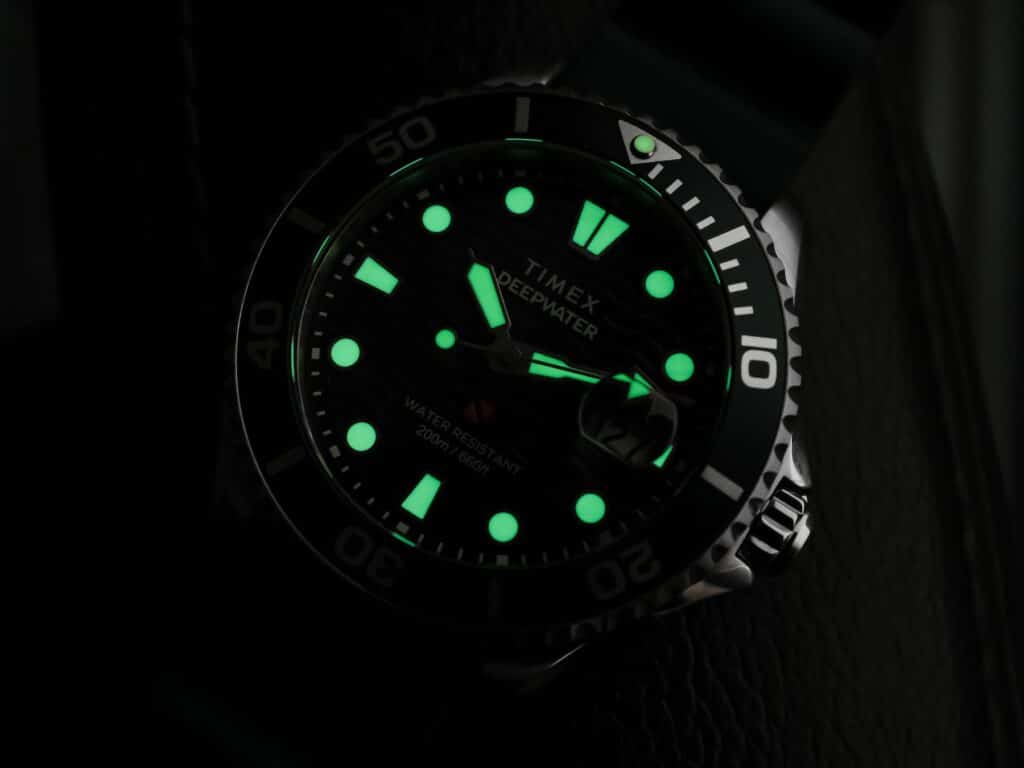
Timex approaches nighttime visibility differently, relying heavily on its Indiglo backlight system rather than traditional lume. After years of wearing the Weekender, Easy Reader, Expedition Chronograph, and Expedition Atlantis, Indiglo proved to be one of Timex’s most practical features. A simple press of the crown or pusher illuminated the entire dial or display evenly, making the time readable regardless of lighting conditions. Unlike traditional lume, which fades gradually, Indiglo delivers consistent brightness on demand. That said, the Deepwater Meridian 200 we spent time with leaned more toward traditional dive-watch construction. The 200m water resistance rating and a screw-down crown made it feel secure during water exposure. Its Super-LumiNova lume was functional and easy to read. Everyday watches like the Weekender offer 30m water resistance, which handles hand washing and splashes, but isn’t built for swimming.
- Seiko emphasizes mechanical durability and dive-ready engineering. Its in-house automatic movements, Hardlex and sapphire crystals, and strong water resistance, combined with long-lasting Lumibrite, create watches built for long-term ownership and regular use.
- Timex focuses on low-maintenance reliability and everyday practicality. Quartz and solar movements, simple case construction, and Indiglo backlighting prioritize convenience, instant legibility, and ease of ownership over mechanical complexity.
Community & Resale
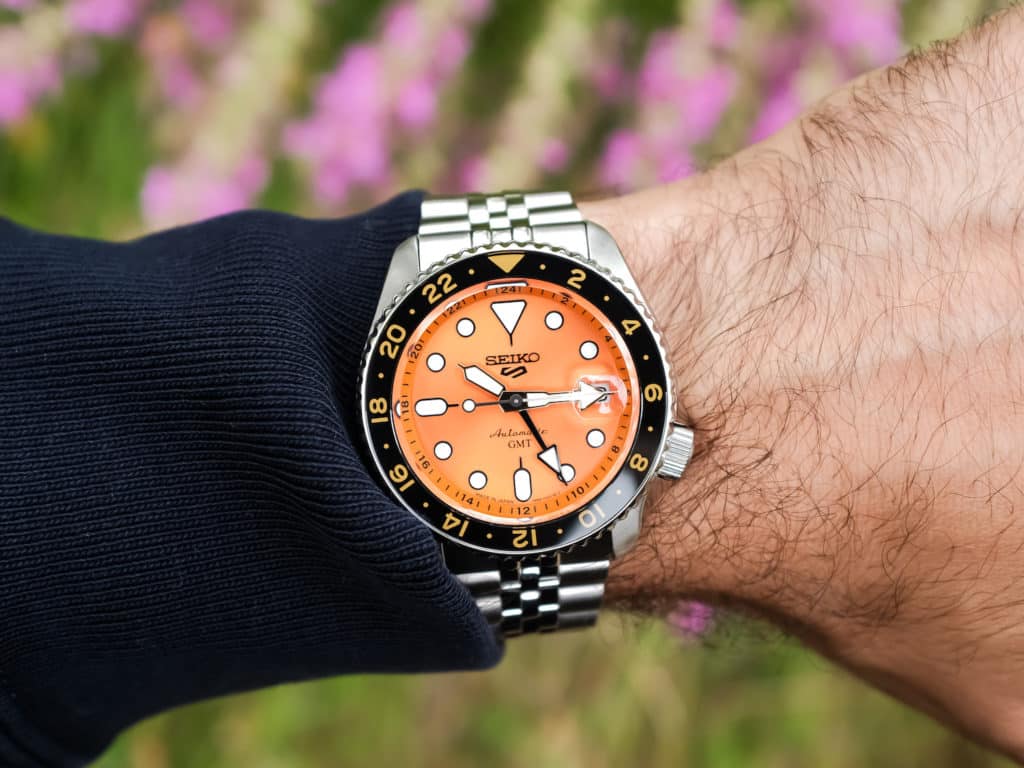
Seiko operates in an active collector ecosystem. We’ve seen models like the Turtle, Samurai, and Seiko 5 Sports circulate constantly through enthusiast forums, resale platforms, and personal collections. These watches often get traded, modded, and rediscovered years after their initial purchase. The Seiko 5 lineup, in particular, tends to follow collectors as their tastes evolve. Many owners sell them, regret it, and eventually buy another. The Samurai and Turtle have especially strong followings because of their dive heritage and modding flexibility. Even affordable Seikos maintain steady resale interest, not because of hype, but because the community remains engaged. Seiko encourages long-term involvement, giving collectors reasons to return to the brand again and again.
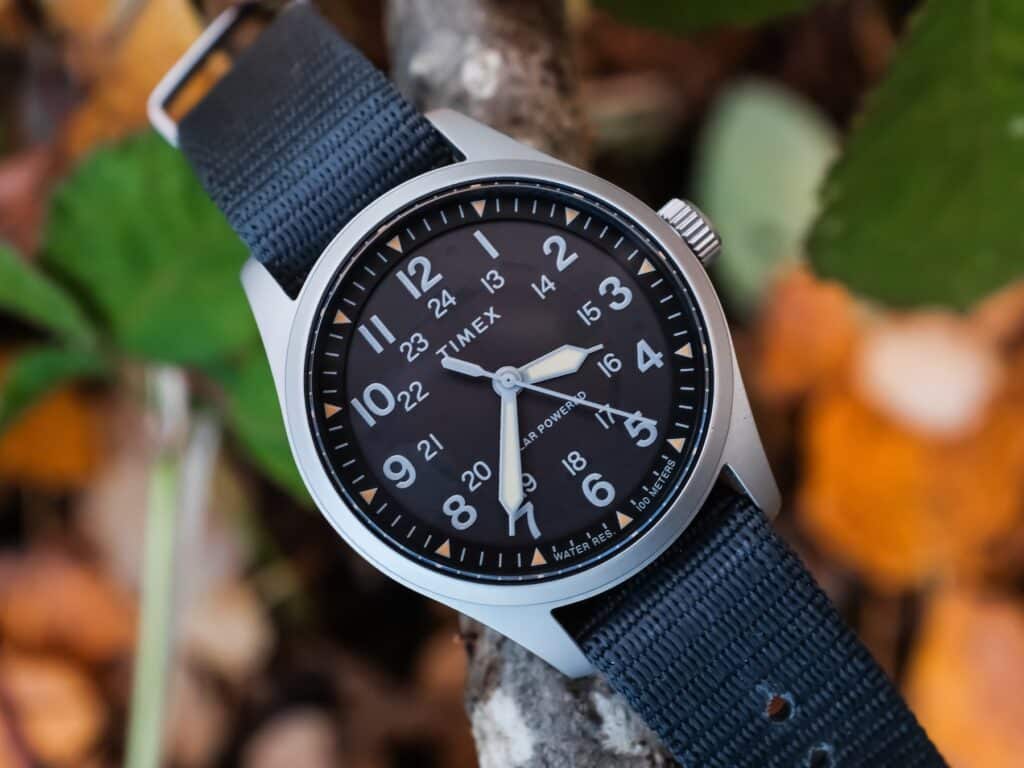
On the flip side, Timex ownership tends to be rooted more in familiarity than in active collecting. Over the years, we’ve noticed that watches like the Weekender and Easy Reader rarely leave collections once they’re in. They often start as first purchases, but instead of being replaced, they stick around because they remain useful. The Weekender, especially, developed a loyal following thanks to its interchangeable straps and easy wearability, which encouraged owners to experiment rather than move on. Expedition models like the Field Post Solar (full review here) and Expedition Chronograph have built similar appreciation among enthusiasts who value low-maintenance reliability. In short, Timex isn’t driven by resale speculation. Its community forms around daily wear, nostalgia, and watches that remain part of people’s routines.
- Seiko sustains an active collector community driven by modding culture, trading, and ongoing enthusiast engagement.
- Timex builds long-term loyalty through familiarity, nostalgia, and everyday usefulness.
Final Thoughts: Character vs Convenience — Where the Real Value Resides
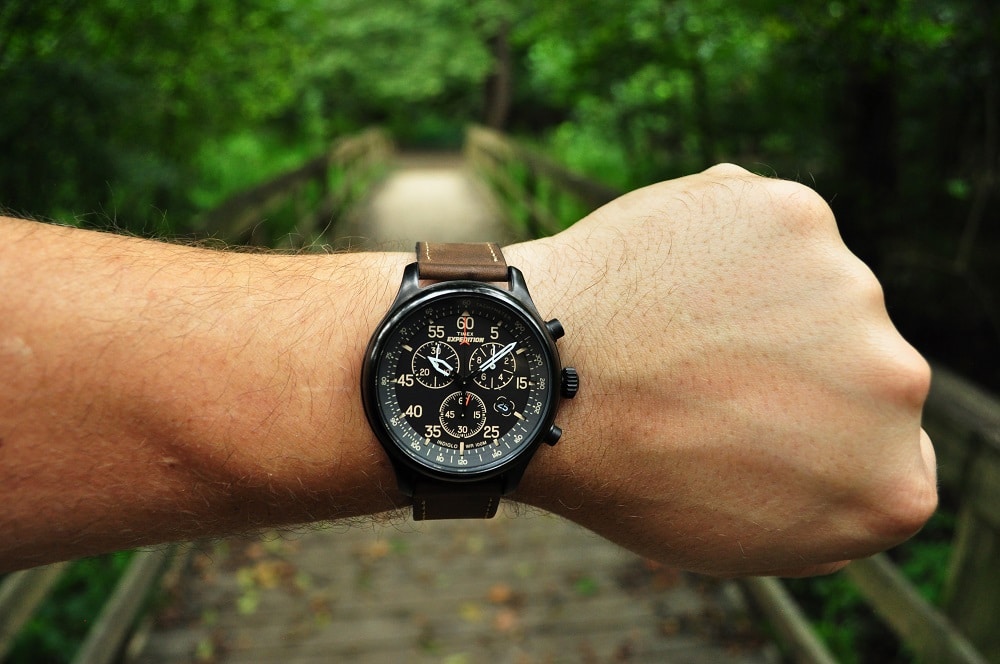
Timex delivers value in the most immediate and practical sense. Watches like the Weekender, Easy Reader, and Expedition Field Post Solar don’t ask anything from you. You pick them up, they’re running. You press the Indiglo button, and the time appears instantly, even in the wee hours. You don’t think about power reserve, accuracy drift, or whether the watch has been sitting too long. That frictionless ownership becomes more meaningful over time. They travel well, handle daily wear without complaint, and never make you feel like ownership is work. The tradeoff, in our experience, shows up in durability limits and technical depth. Lume performance can be inconsistent, water resistance varies widely, and most models aren’t very well-suited for rugged environments.

Seiko’s value shows up differently. It’s less about convenience and more about connection and experience. Wearing watches like the Turtle, Samurai, and Seiko 5 GMT creates a stronger sense of ownership. You notice the movement. You feel the case weight. You develop small habits around wearing and setting the watch. None of that makes Seiko objectively more practical. In fact, it introduces small inconveniences compared to quartz or solar alternatives. But those inconveniences are also what make the experience feel more personal. The watch becomes more than a timekeeping tool. It becomes something you interact with, maintain, and grow attached to over time.
So here’s our honest take after a decade of living with both. Timex is the better choice if you want simplicity, reliability, and a watch that disappears into your daily routine. But if you’re looking for long-term emotional value, stronger build quality, and a watch that feels more meaningful on the wrist, Seiko delivers more. For us, Seiko wins because in the long run it makes ownership feel more rewarding.

Co-Founder and Senior Editor
Kaz has been collecting watches since 2015, but he’s been fascinated by product design, the Collector’s psychology, and brand marketing his whole life. While sharing the same strong fondness for all things horologically-affordable as Mike (his TBWS partner in crime), Kaz’s collection niche is also focused on vintage Soviet watches as well as watches that feature a unique, but well-designed quirk or visual hook.
Love the Turtle photo with Kanji. Is that a mod, or a Japan release?
Hi, Mike:
It’s a Turtle model release specific to Japan actually – here’s the reference: SBDY015
Best,
-Kaz
Unfortunately, Seiko considers itself a “luxury” brand now. As a result, one gets half the watch for double the price. Seiko is just too freaking expensive compared to all of the other, really well made options out there.