How much better does an affordable dive watch actually get when we start spending more money? It’s a question that sounds straightforward until we put three familiar watches next to each other. The Casio Duro can be found for around $50, the Seiko 5 SRPD51 diver has historically been available near $200, and the Citizen Promaster Eco-Drive occupies a higher bracket around $350. That’s a substantial difference in price, especially when we’re talking about watches intended to handle everyday wear and the occasional trip into the water. But more expensive doesn’t automatically mean more capable. In fact, some of the specifications become less impressive as we move up the price ladder.
We’ve reviewed all three watches hands-on at TBWS, and our experiences with them reveal three very different approaches to affordable watchmaking. The Casio impressed us with how much it delivered for remarkably little money. The Seiko offered the familiar appeal of a mechanical movement and the kind of styling that helped make the brand a favorite among collectors. Meanwhile, the Citizen proved itself through years of dependable everyday use, becoming one of those watches we simply kept reaching for. Drawing on our Casio Duro review, Seiko 5 review, and Citizen Promaster Eco-Drive review, we’re looking at where the extra money actually goes, which improvements matter, and whether there’s a point where spending more stops making sense.
Overview and Identity
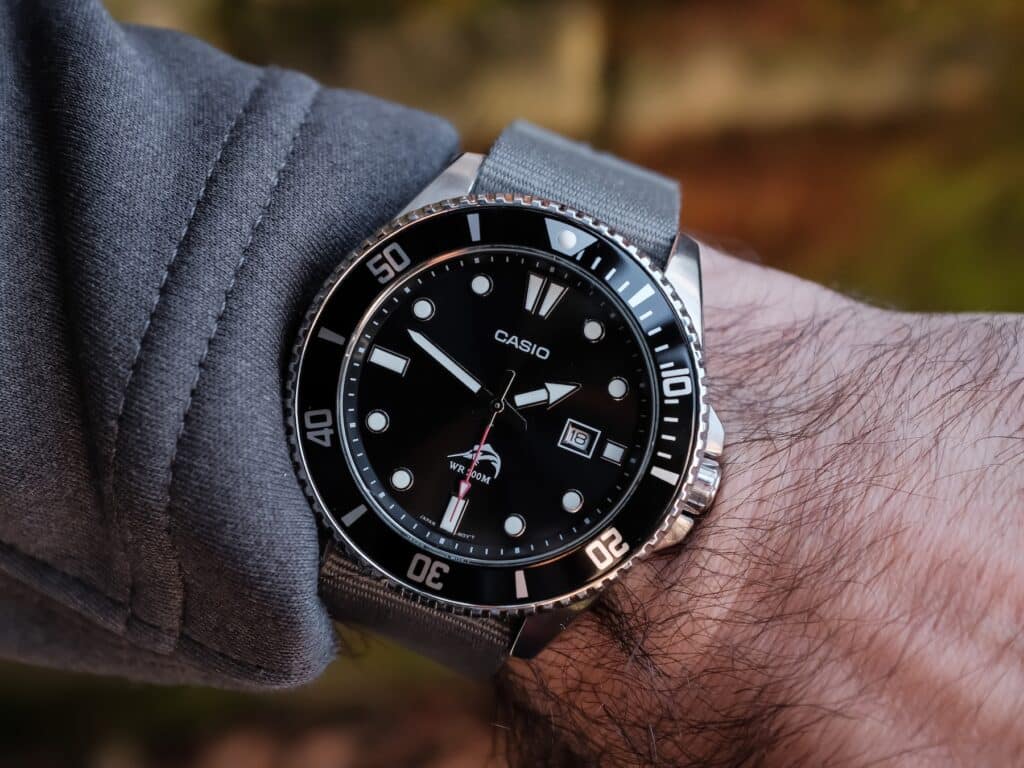
At the bottom of our price range sits the Casio Duro MDV106, a watch that has developed an unusually enthusiastic following for something so inexpensive. Its appeal isn’t particularly mysterious once we examine what Casio provides: a straightforward quartz movement, 200 meters of water resistance, a rotating dive bezel, and familiar styling without unnecessary decoration. The black-dial version we reviewed also features the marlin logo that has become closely associated with the model, giving an otherwise conventional design a little personality. We approached the Duro knowing its reputation among enthusiasts, but the actual wearing experience turned out to be more convincing than we’d anticipated. There’s something refreshing about a watch that doesn’t need an elaborate story to justify its existence. Casio gives us the basics, executes them surprisingly well, and leaves little reason to expect anything more complicated.

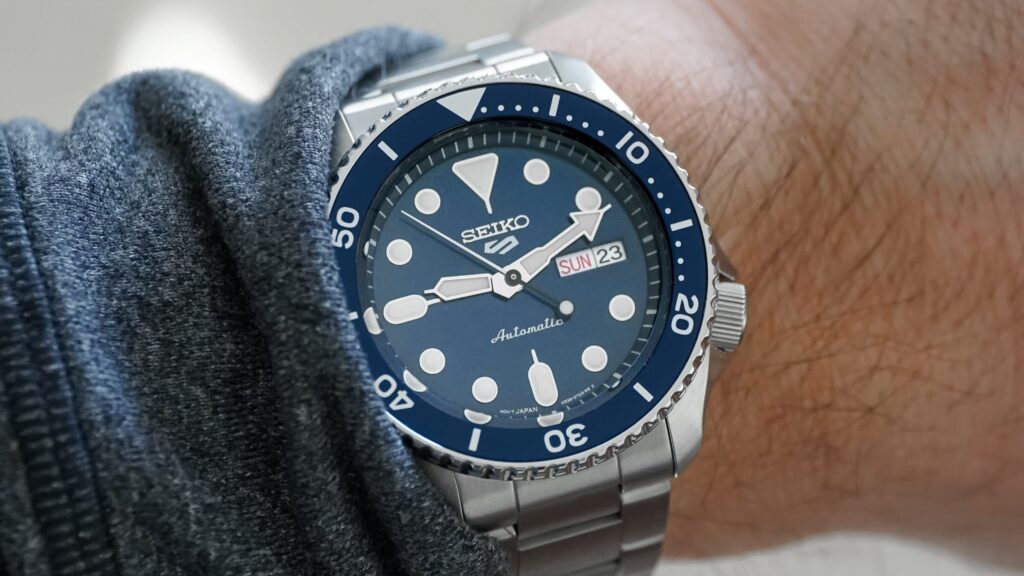
Moving into the middle bracket introduces a different kind of appeal. The Seiko 5 SRPD51, often nicknamed the 5KX because of its resemblance to the discontinued SKX007, draws heavily on one of the most recognizable affordable dive-watch designs ever produced. The familiar case, four-o’clock crown, rotating bezel, and broad handset remain, but Seiko has made several important changes. The automatic movement now hacks and hand-winds, the caseback displays the movement, and the dial incorporates more contemporary finishing. That makes it a particularly interesting entry in this comparison. We’re spending considerably more than we would on the Casio, but we’re not necessarily getting a watch that’s better equipped for diving.
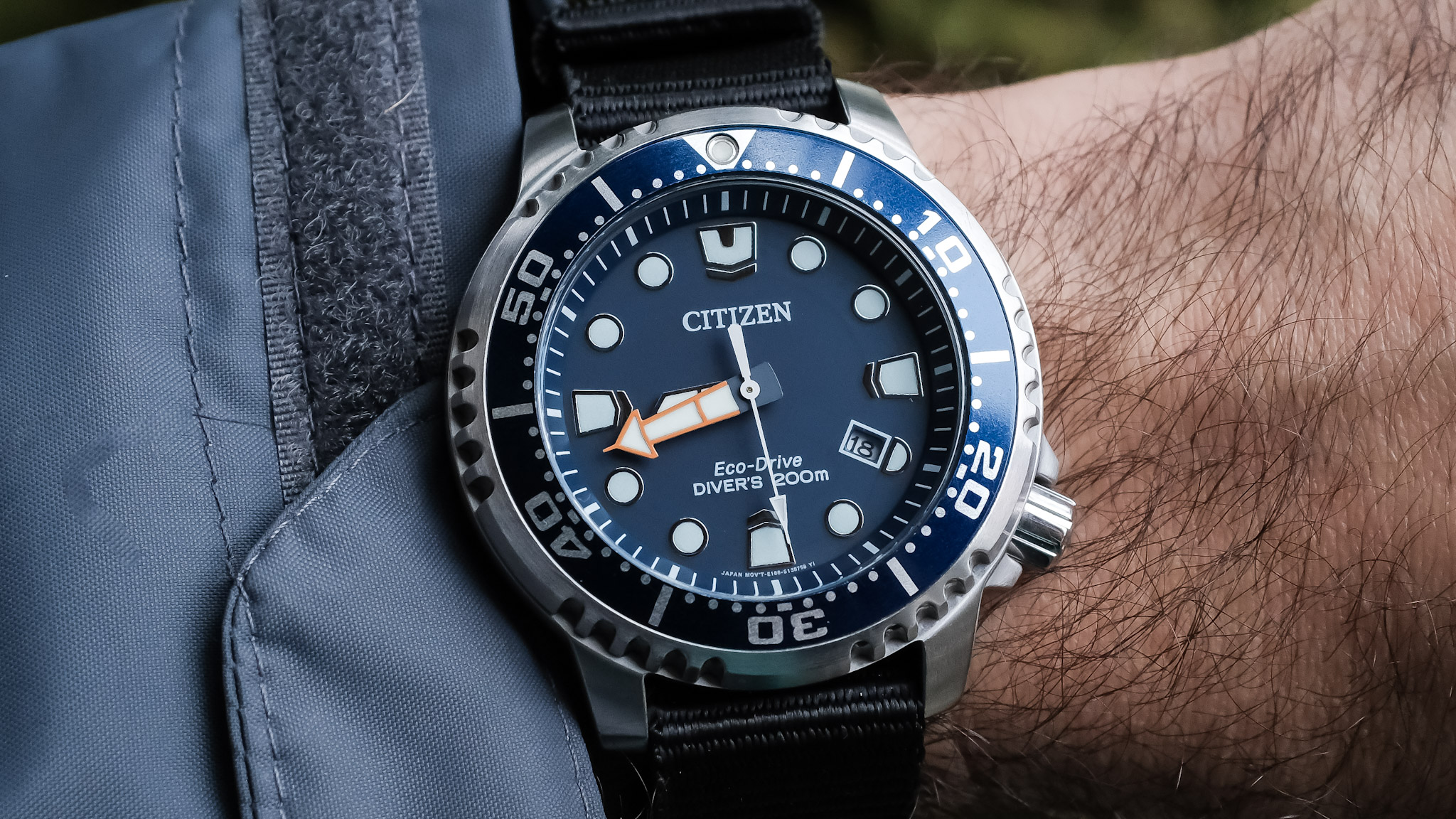
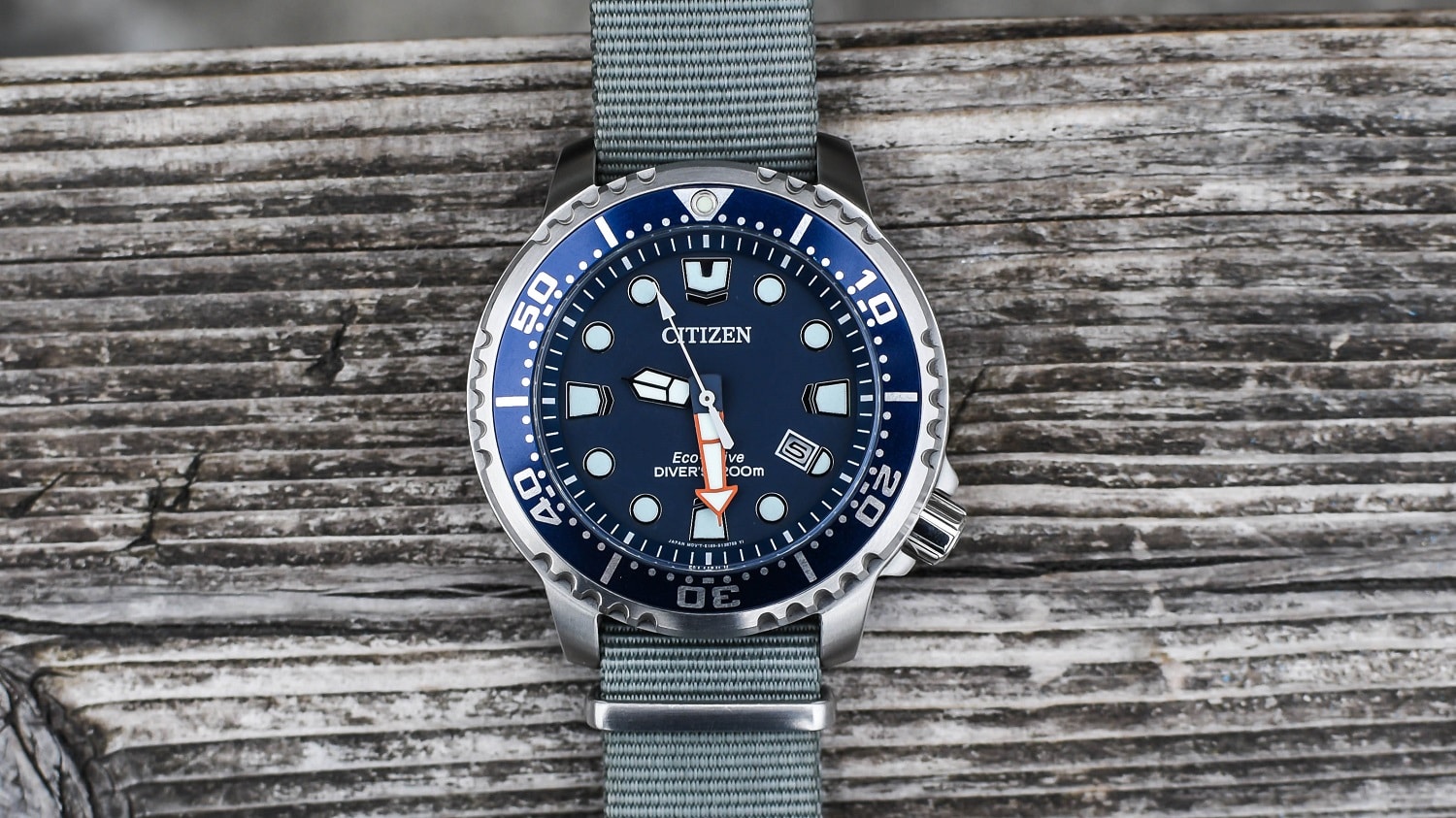
At the top of our price range, the Citizen Promaster Diver BN0151-09L brings the discussion back toward practical functionality. This is a watch built around Citizen’s Eco-Drive technology, combining solar-powered quartz timekeeping with ISO-certified 200-meter water resistance and a case designed for regular use. Our original review followed years of ownership after the watch entered the collection as a gift in 2016, giving us a much broader perspective on how its construction holds up over time. It’s not an especially elaborate watch, nor does it attempt to compete with more expensive automatic divers through decorative finishing. Instead, the Promaster has earned its reputation by being dependable, comfortable, and remarkably easy to live with. That becomes particularly important when we consider whether spending hundreds more than the Casio actually produces a better everyday experience.
Dial and Straps/Bracelets
Casio keeps the Duro’s dial relatively simple, which is exactly what we’d expect from a watch at this price. The black background provides strong contrast against the large arrow-shaped hands and applied hour markers, creating a display that’s immediately understandable. We were pleasantly surprised by the finishing on those hands, particularly their faceted surfaces and the way the polished sections catch light. The framed date window at three o’clock also feels more carefully integrated than we’d anticipated. Even the dial text is restrained, with the Casio branding, 200-meter designation, and familiar marlin emblem providing just enough visual interest. The seconds hand on our review example tracked the markers reasonably well, although it wasn’t perfectly aligned throughout the dial. That’s an understandable limitation on an inexpensive quartz watch, but the overall presentation gave us very little to complain about.
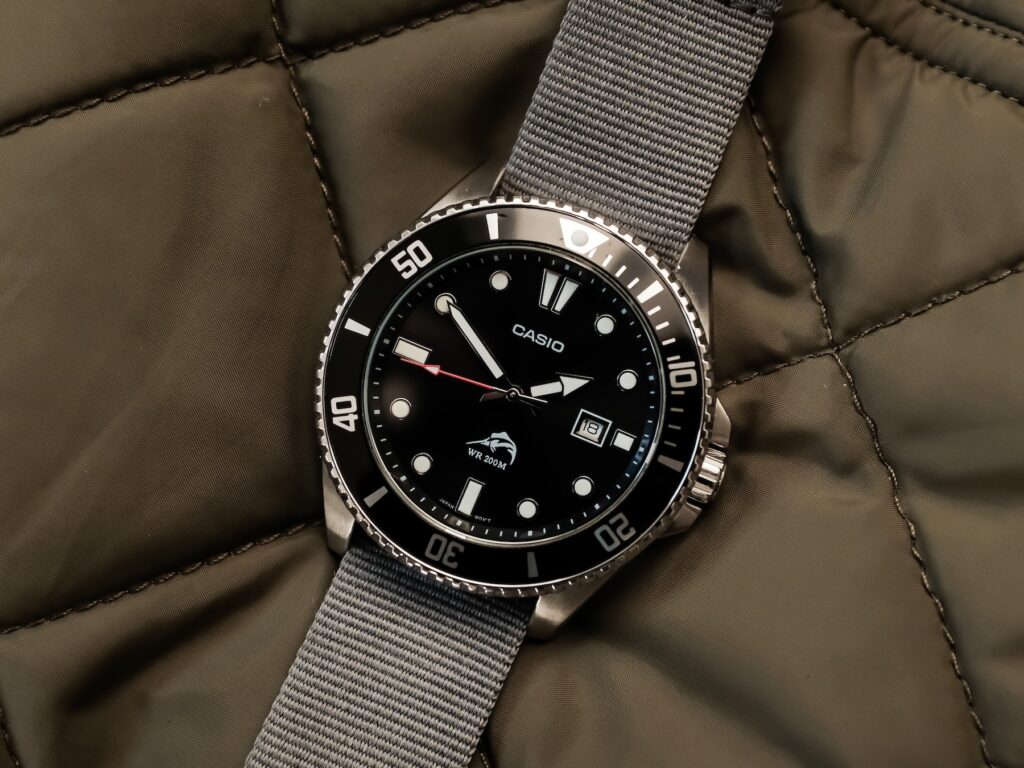
Our experience with the Duro’s strap configuration requires a small distinction. The example we reviewed was worn on aftermarket straps from Toxic NATOs and Prometheus Design Werx rather than its original resin strap. What we can speak to directly is how naturally the case accommodates different options. Its 22mm lug width gives owners access to an enormous range of replacements, and the watch worked particularly well with the nylon straps we used. There’s also a substantial aftermarket for bracelets and other accessories, which helps explain why the Duro has become such a popular platform for inexpensive customization. We wouldn’t claim that the factory strap matches the quality of more expensive alternatives based on this review, but the watch itself is remarkably flexible. It’s easy to imagine someone purchasing the Duro and gradually adjusting the wearing setup to suit their preferences.
The Seiko 5 immediately feels more expressive, particularly in the blue SRPD51 configuration we reviewed. Its sunburst dial changes character as the viewing angle shifts, moving from a subdued blue in indirect light to a brighter, more reflective appearance in stronger illumination. The matte blue aluminum bezel provides a welcome contrast, preventing the overall design from becoming excessively glossy. Seiko also uses applied hour markers and an applied logo, introducing a more contemporary feel than the printed details found on some older SKX models. The familiar handset remains, along with the day-date display at three o’clock. We weren’t particularly enthusiastic about the cursive Automatic text, but the dial maintains an attractive balance without feeling crowded. There’s more visual personality here than on the Casio, and for buyers who enjoy interacting with their watches beyond simply checking the time, that difference has genuine appeal.

Unfortunately, the bracelet is where the Seiko starts to lose some of that goodwill. Our SRPD51 arrived on a three-link stainless steel bracelet with a 22mm lug width, polished side sections, and a folding clasp that didn’t feel particularly refined. The combination of folded components and pin-and-collar sizing made the experience less satisfying than we’d hoped, especially given Seiko’s long history of producing affordable sports watches. We also disliked the lack of meaningful taper, which made the bracelet feel broader and less balanced than it needed to be. Our original review recommended replacing it with a better aftermarket option, and we still think that’s a sensible approach for anyone planning to wear the watch regularly. The Seiko offers more substantial materials than the Casio’s traditional resin setup, but more metal doesn’t automatically translate into a better bracelet.
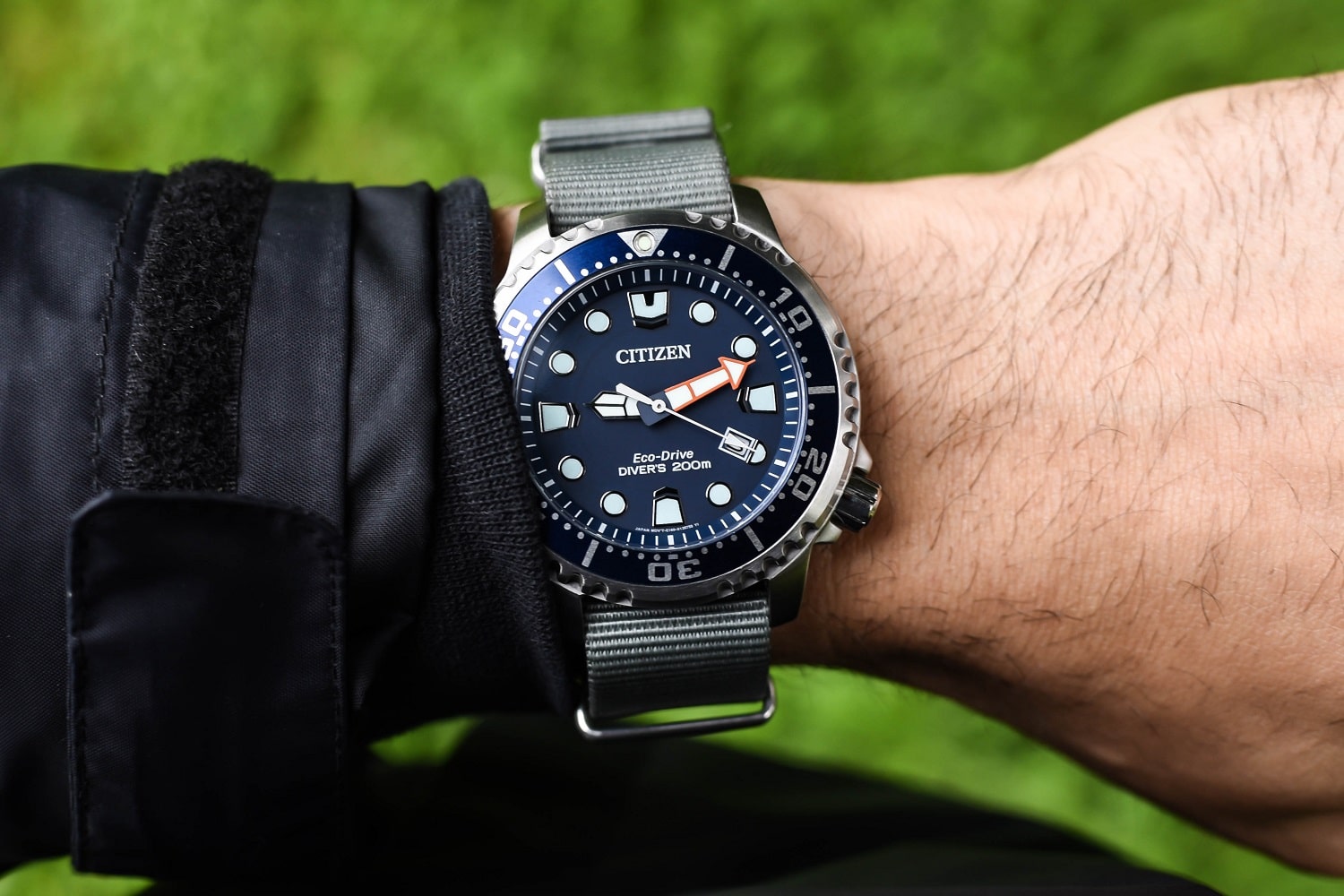
Readability is central to the Citizen Promaster’s personality, and the BN0151 delivers it without sacrificing visual interest. Its large hands and bold hour markers are easy to distinguish, while the date window at four o’clock integrates neatly into the dial. We particularly appreciate how the blue surface can develop an almost purple tone under certain lighting conditions. It’s a small detail, but one that gives an otherwise utilitarian watch considerably more character. The handset also feels appropriately proportioned for a professional-style diver, with enough separation between the hands to make reading the time straightforward. Compared with the Seiko’s more decorative sunburst treatment, Citizen’s approach is primarily functional. That doesn’t make it boring. If anything, the dial demonstrates how attractive a practical watch can become when the essential elements are executed properly.
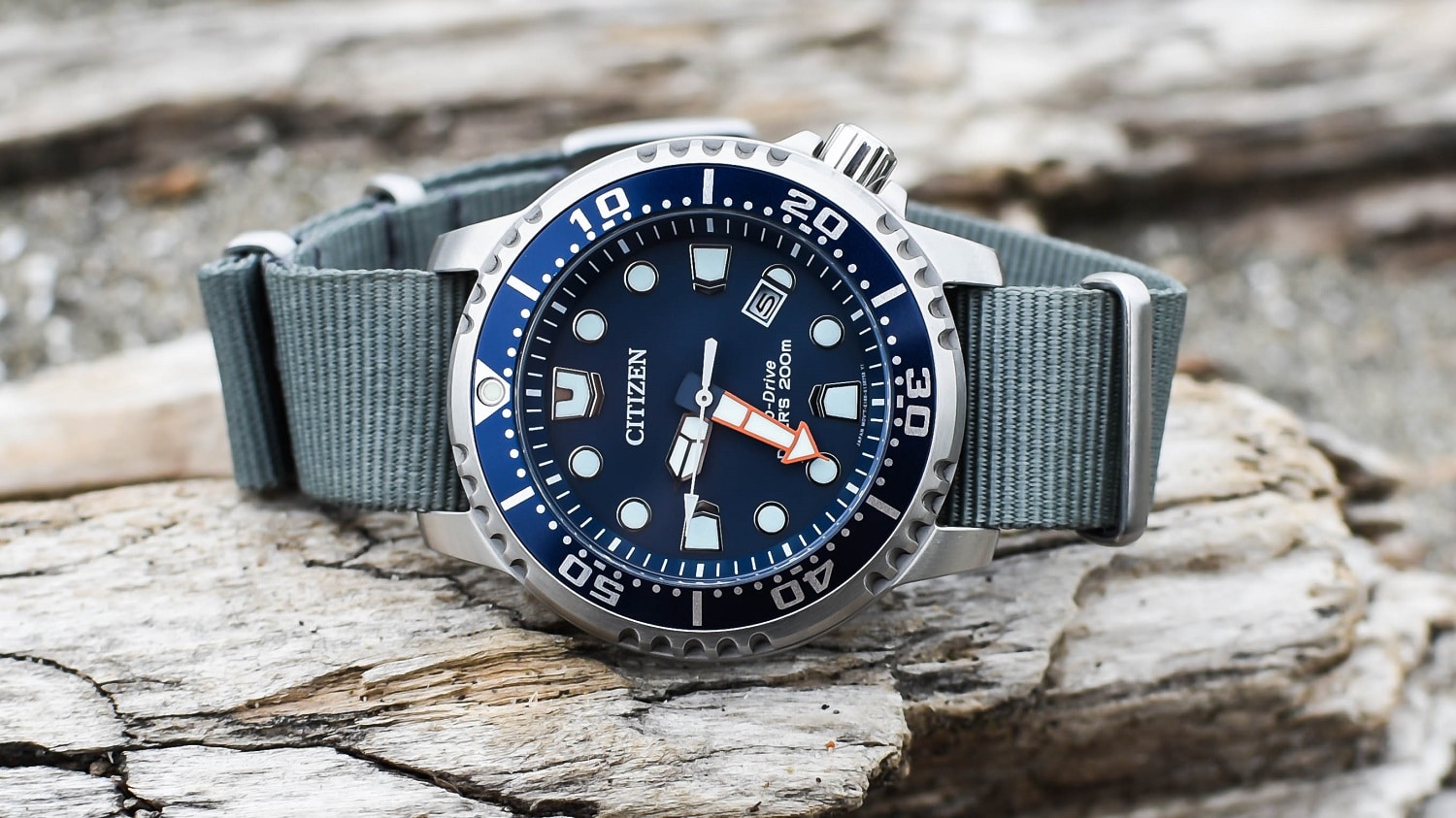
The included polyurethane strap was one of the few aspects of the Citizen we didn’t particularly enjoy. Its no-decompression markings reinforce the watch’s diving identity, but the material could be difficult to shape into a comfortable fit. We eventually replaced it with a standard NATO strap, which suited the relatively lightweight case exceptionally well. The 20mm lug width also makes alternative straps easy to find, and the watch has remained particularly comfortable in that configuration. It’s interesting that neither the $200 Seiko nor the $350 Citizen delivers a particularly satisfying factory wearing setup. The Seiko directs more of its appeal toward the automatic movement and familiar case design, while Citizen emphasizes Eco-Drive technology and professional diving credentials. Both watches benefit from an inexpensive strap upgrade, reminding us that spending more doesn’t necessarily buy a better bracelet or strap.
Build Quality & Technical Approach
Moving from $50 to $350 doesn’t produce a straightforward progression in quality. The Casio offers conventional quartz, the Seiko introduces an automatic movement, and the Citizen returns to quartz with solar charging and more specialized diving credentials. Each manufacturer prioritizes something different, and those decisions become particularly apparent when we examine the movements, case construction, and everyday usability.
Movements
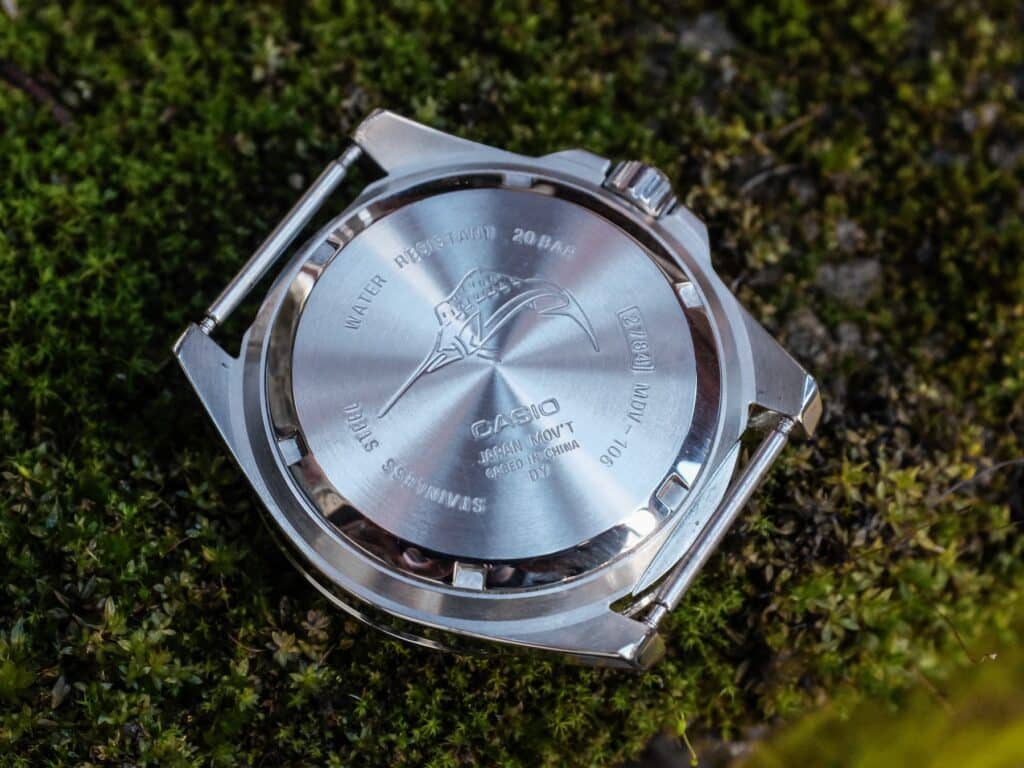
At roughly $50, Casio’s decision to use a conventional quartz movement makes complete sense. The Duro operates with the Casio 2784 caliber, offering a quick-set date, hacking seconds, and an estimated battery life of approximately three years. Its published accuracy is around plus or minus 20 seconds per month, comfortably adequate for an inexpensive everyday watch. We found that the movement suited the Duro’s uncomplicated character. There’s no winding routine, no concern about a limited power reserve, and very little to think about beyond the occasional battery replacement. Some enthusiasts may dismiss quartz as less interesting than a mechanical movement, but that criticism becomes difficult to sustain when the objective is producing a dependable diver at the lowest reasonable price.
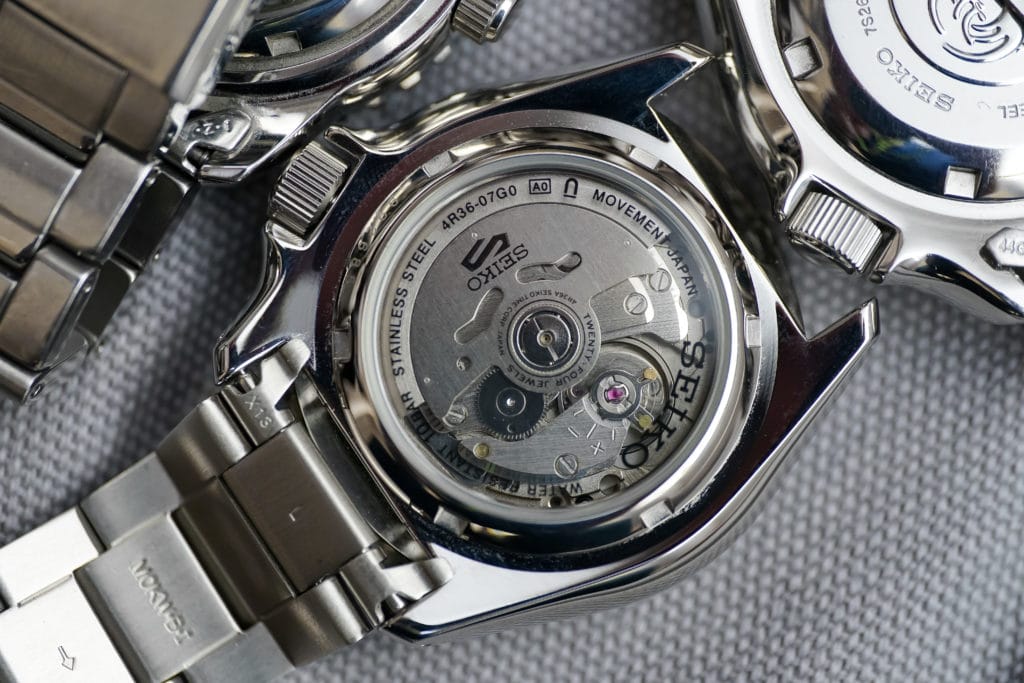
The Seiko 5 introduces a feature that many collectors consider worth paying extra for: an automatic mechanical movement. Its in-house 4R36 provides approximately 41 hours of power reserve, along with hacking seconds, manual winding, and a day-date complication. Those are meaningful improvements over the older 7S26 architecture used in many inexpensive Seiko watches, particularly for enthusiasts who enjoy setting and winding their watches. The exhibition caseback also allows us to watch the movement operating, adding an element of mechanical interest that’s entirely absent from the Casio. But there’s a trade-off. The movement’s published accuracy tolerance is considerably broader than either quartz alternative, and leaving the watch unworn long enough will eventually require resetting it. We’re paying more for mechanical engagement, not necessarily for better timekeeping.
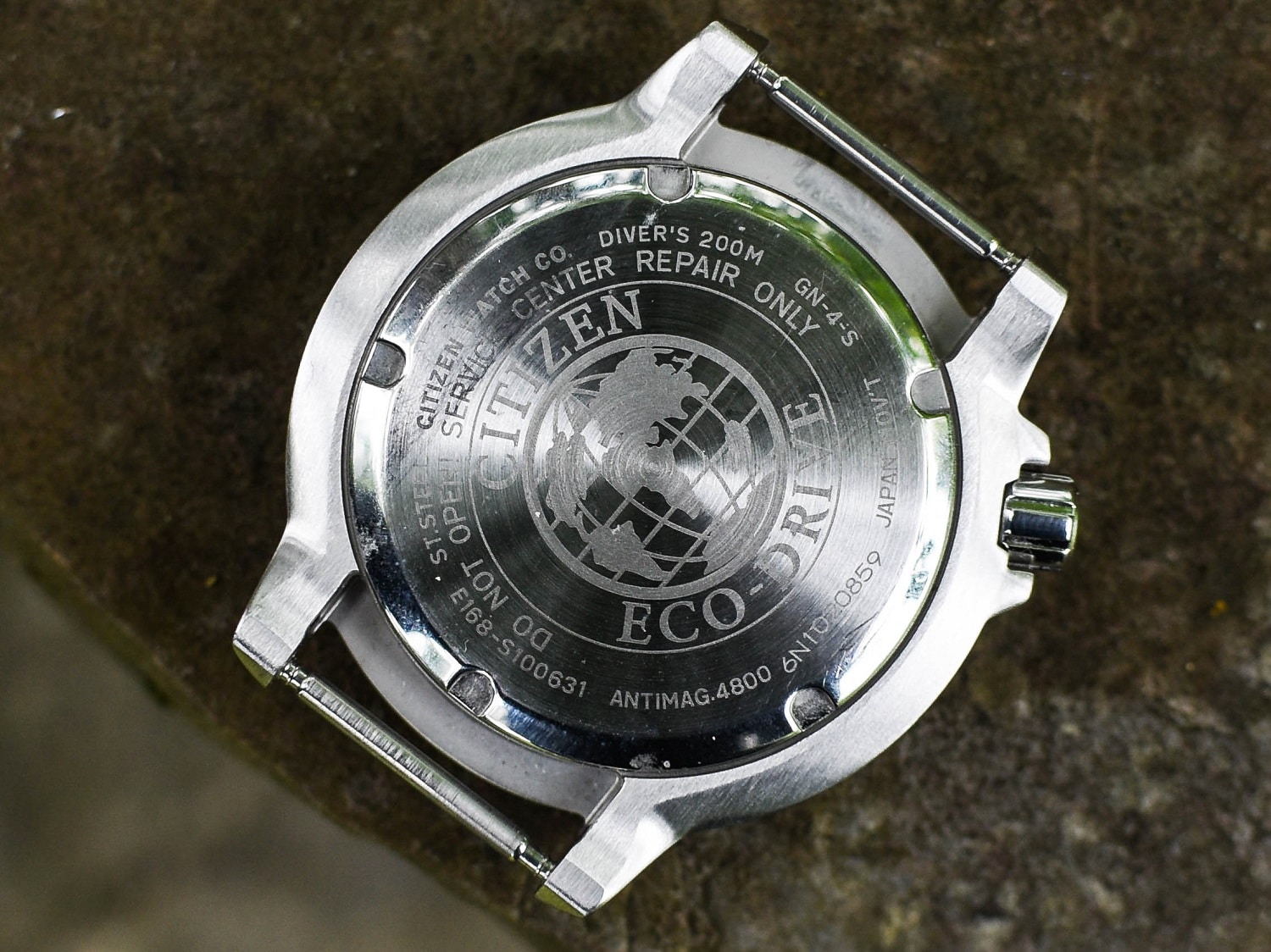
Citizen takes the convenience of quartz and removes another routine ownership concern through its Eco-Drive E168 movement. Rather than relying on a conventional disposable battery that requires periodic replacement, the movement converts light into energy and stores it in a rechargeable cell. Citizen specifies approximately six months of running time on a full charge, along with accuracy of around plus or minus 15 seconds per month. Our extended experience reinforced how useful that arrangement can be. We encountered the low-charge indicator once, and exposing the watch to light restored normal operation. Otherwise, the Promaster has required remarkably little attention. It’s the sort of movement that becomes easier to appreciate when several other watches are competing for wrist time.
So what does spending more actually buy in this category? The move from Casio to Seiko gives us mechanical engineering, an exhibition caseback, and the satisfaction of owning an automatic movement, but it also introduces a shorter power reserve and less precise timekeeping specifications. Moving to Citizen gives up the mechanical experience in favor of solar-powered convenience and a movement designed to minimize regular maintenance. We enjoy all three approaches, although they appeal to different priorities. For someone just beginning to collect watches, the Seiko may offer the most interesting introduction to mechanical watchmaking. For someone who simply wants a watch ready whenever it’s needed, the Casio already performs that role convincingly, while Citizen refines the convenience considerably.
Case Construction, Finishing & Wearability
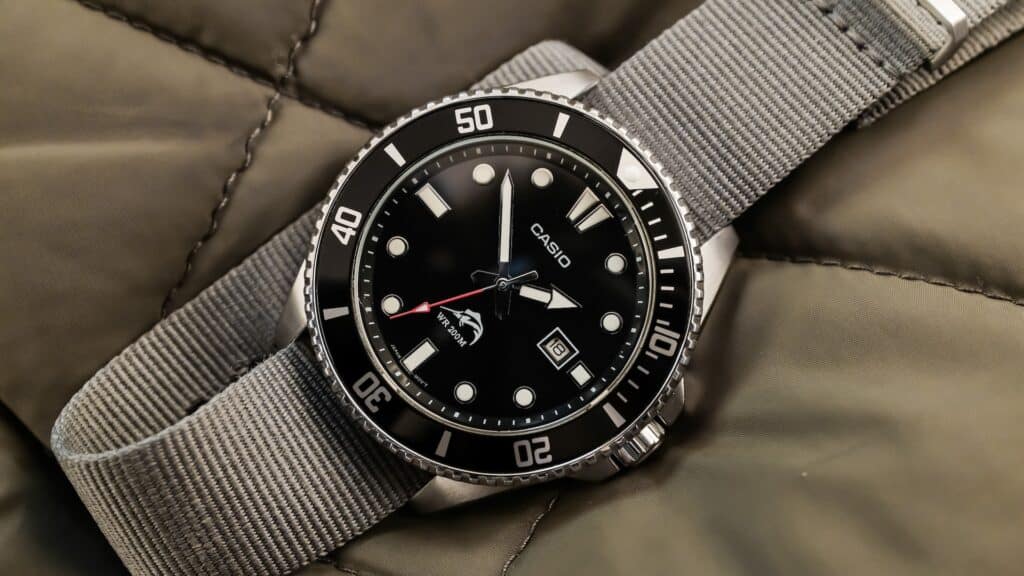
The Casio Duro measures approximately 44.2mm across, 48.5mm from lug to lug, and 12.1mm thick. Those dimensions initially gave us some reservations, particularly because a large case can quickly become uncomfortable when the proportions aren’t carefully managed. On the wrist, however, the Duro made more sense than we’d expected. The relatively short lug-to-lug distance and downward-curving lugs help prevent the case from spreading awkwardly across the wrist. We also appreciated the combination of brushed upper surfaces, polished sides, and subtle beveling around the lugs. Nothing about the finishing is especially elaborate, but the surfaces feel deliberate rather than carelessly executed. It’s a large watch, certainly, but not an unnecessarily clumsy one.
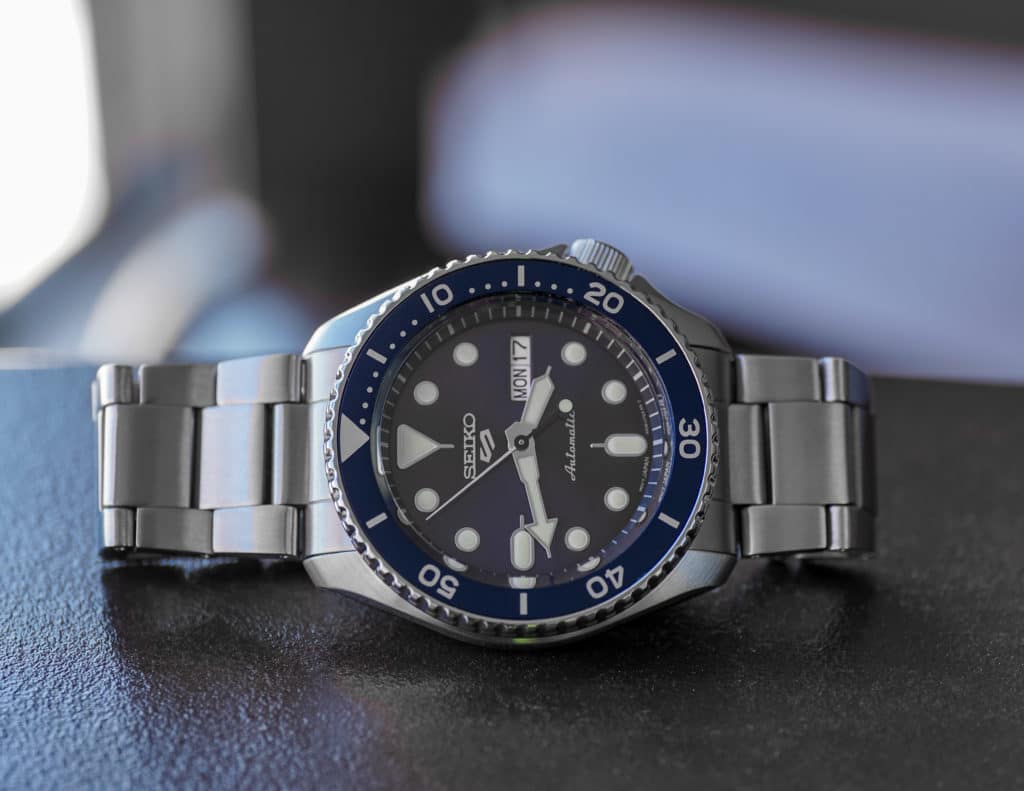
Familiarity is a major part of the Seiko 5’s appeal. Its 42.5mm case follows much of the recognizable SKX formula, with a compact 46mm lug-to-lug distance and the crown positioned at four o’clock. The rounded case shape feels natural on the wrist, particularly for anyone already comfortable with Seiko’s traditional diving designs. At approximately 13.5mm thick, however, the watch sits noticeably taller than its relatively manageable diameter might suggest. Some of that height accompanies the exhibition caseback and the automatic movement beneath the dial. We appreciated the addition of drilled lug holes, which make strap changes easier, along with the more practical grip provided by the crown’s revised surface. These are welcome details, even if the overall case construction doesn’t feel dramatically more refined than we’d expect from the brand.
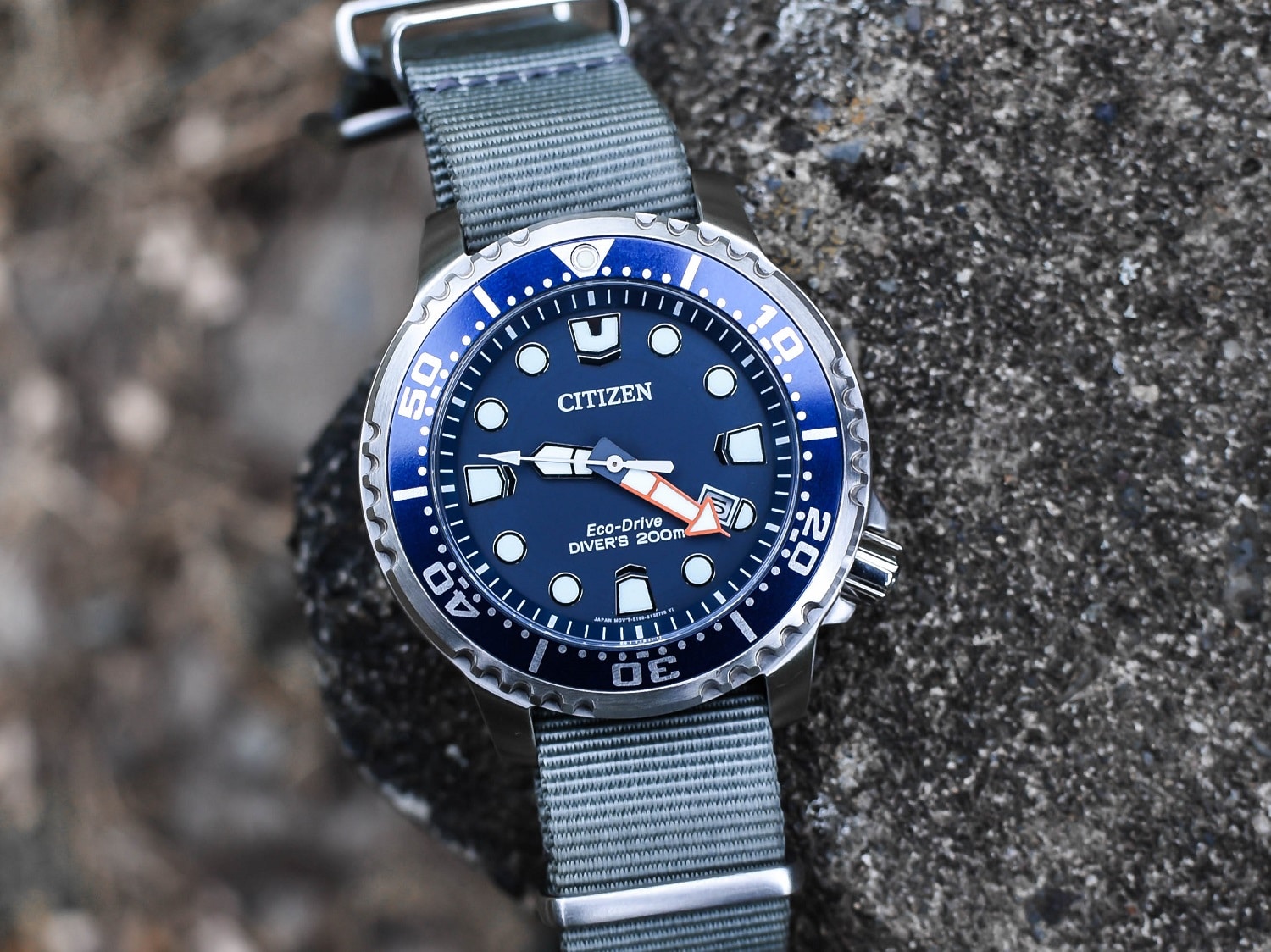
What surprised us most about the Citizen Promaster was how compact it felt despite its 43mm diameter. The case measures approximately 48mm from lug to lug and only 11.5mm thick, giving it a particularly comfortable profile on a nylon strap. The curved lugs and comparatively low weight make the Promaster feel almost smaller than it actually is, while the four-o’clock screw-down crown avoids interfering with the back of the hand. After years of ownership, those dimensions have become one of the main reasons we continue to appreciate the watch. It’s substantial enough to feel like a capable diver without becoming cumbersome during hiking, swimming, or an ordinary day at the office. Citizen hasn’t attempted to disguise the watch’s practical identity through elaborate finishing, and we don’t think it needs to.
The differences between these cases illustrate why spending more doesn’t always produce predictable results. Casio gives us a surprisingly comfortable 44.2mm watch for very little money, while Seiko offers a familiar case with the additional thickness associated with its mechanical construction. Citizen then delivers a thinner profile and a particularly balanced wearing experience, despite being closer to the Casio in overall diameter. There’s no simple relationship between price and comfort here. We can appreciate the Seiko’s recognizable design while preferring the Citizen’s lighter feel, just as we can acknowledge that the inexpensive Duro wears far better than its dimensions might suggest. The most important distinction is how the manufacturers have managed their proportions, not how much any particular case costs.
Crystals and Bezels
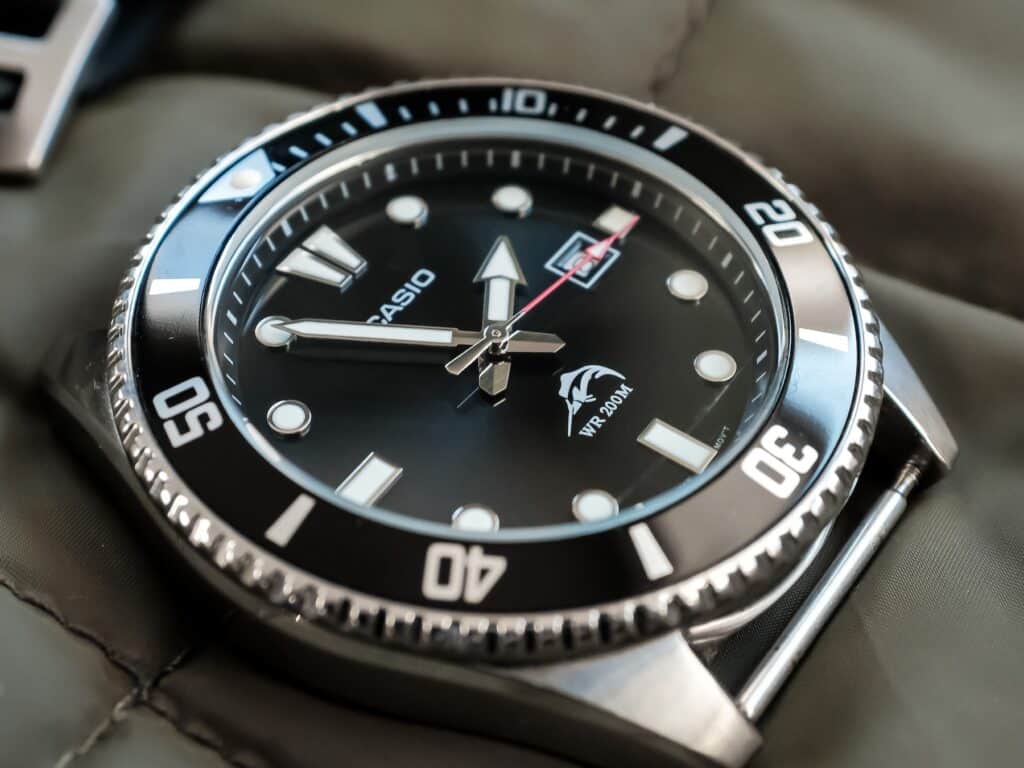
Mineral glass covers the Casio Duro’s dial, an understandable choice at this price, although it doesn’t provide the scratch resistance associated with sapphire. The unidirectional aluminum bezel was a more pleasant surprise. Its action felt firm and satisfying during our review, with a smoothness we wouldn’t necessarily expect from such an inexpensive watch. We also appreciated the pronounced gripping surface and the way the bezel complemented the straightforward case design. There isn’t much decorative sophistication here, but the basic execution is convincing. For buyers expecting every component on a $50 watch to feel cheap, the Duro offers a useful reminder that price alone doesn’t tell the whole story.
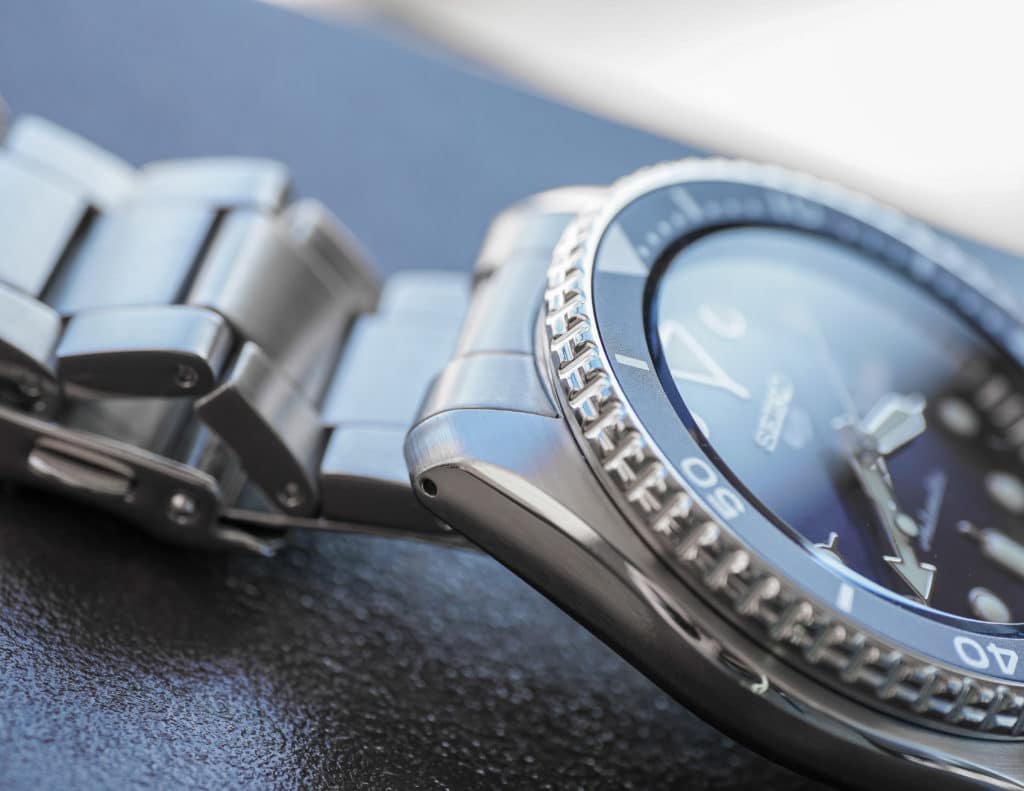
The Seiko 5 uses Hardlex for its crystal, a familiar material across Seiko’s affordable collections. It provides a conventional solution for everyday wear, although buyers expecting sapphire at this price may be disappointed. The blue aluminum bezel insert has an attractive matte finish that complements the reflective dial, creating a combination we particularly enjoyed in the SRPD51. The bezel also preserves the familiar appearance of Seiko’s earlier dive watches, even if the rest of the watch no longer carries the same diving credentials. We wouldn’t identify the crystal or bezel materials as a clear upgrade over the Casio simply because the Seiko costs more. Much of the appeal comes from the design, finishing choices, and connection to the SKX family rather than a dramatic improvement in materials.
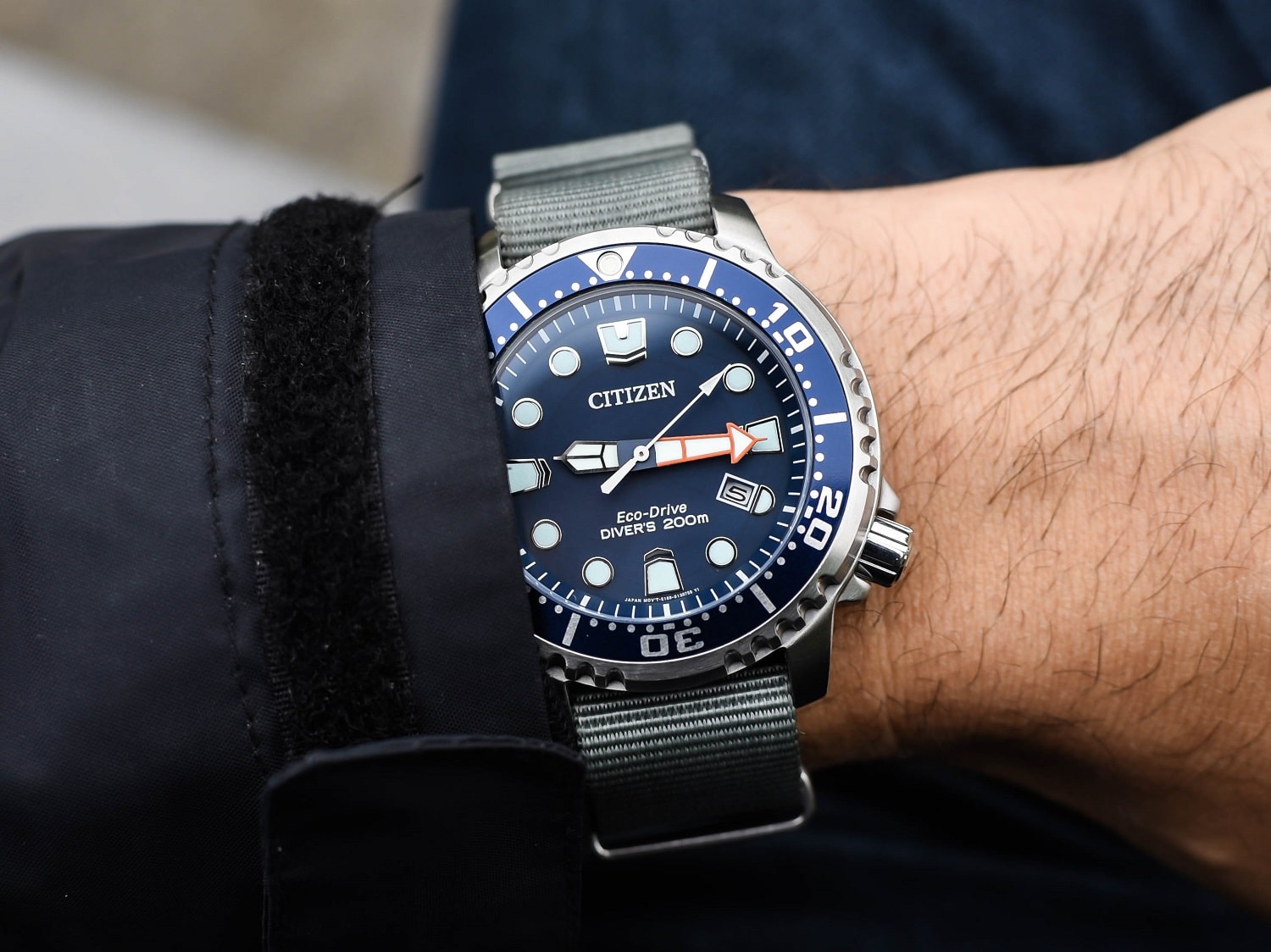
Citizen also uses a mineral crystal, this time with an anti-reflective coating that performed well throughout our ownership. We reported no noticeable chips or scratches in the original review, which helped reinforce our confidence in the watch’s everyday durability. The aluminum bezel incorporates a 60-click unidirectional mechanism with accurate alignment, and we appreciated how naturally the graduated insert worked with the dial. Our principal criticism concerned the grip. The bezel teeth weren’t quite as pronounced as we’d have preferred, making operation less reassuring with wet hands. That’s particularly interesting in the context of this comparison. The more expensive Citizen has stronger professional diving credentials than the Casio, but its bezel isn’t necessarily more satisfying to manipulate. Spending more can improve construction and certification without guaranteeing that every tactile detail feels better.
Water Resistance & Lume
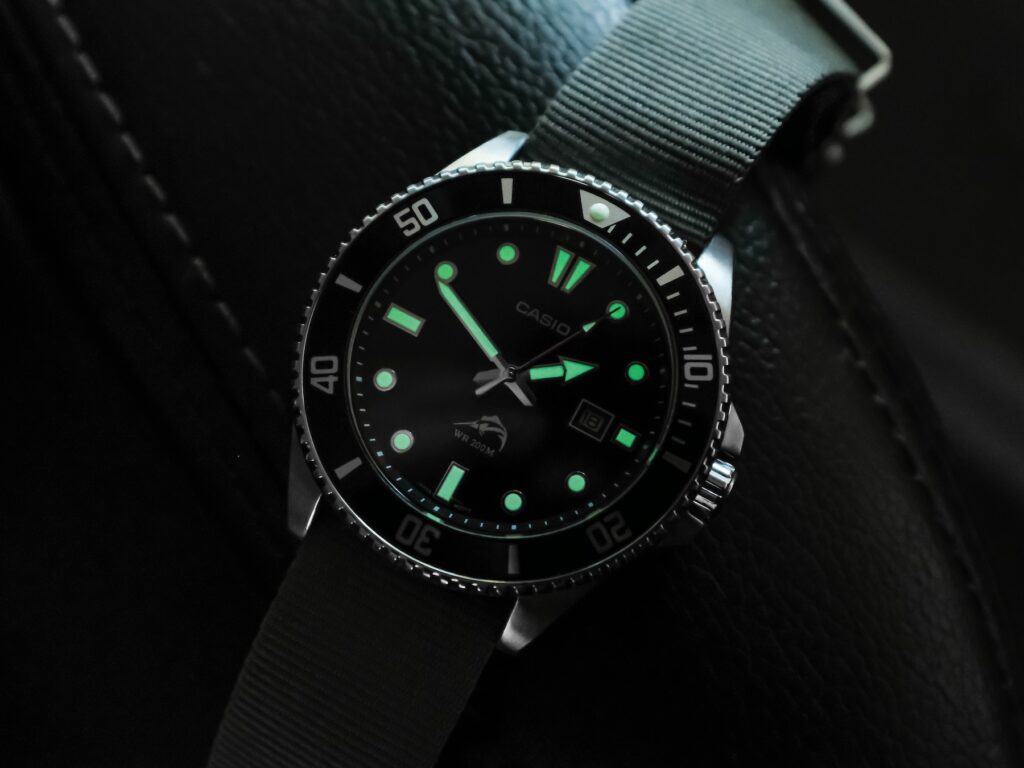
Two hundred meters of water resistance is an impressive specification for a watch in the Casio Duro’s price category. The screw-down crown and caseback reinforce its intended diving functionality, while the rotating bezel provides a straightforward means of monitoring elapsed time. We found the overall construction reassuring during our review, although we wouldn’t confuse a published water-resistance rating with independent proof of ISO diving certification. The luminous treatment is one area where the low price becomes more apparent. Although the applied markers contain a reasonable amount of luminous material, the brightness doesn’t remain particularly strong for as long as we’d prefer. It’s serviceable for everyday use, but anyone who regularly relies on nighttime legibility may find the performance limiting.
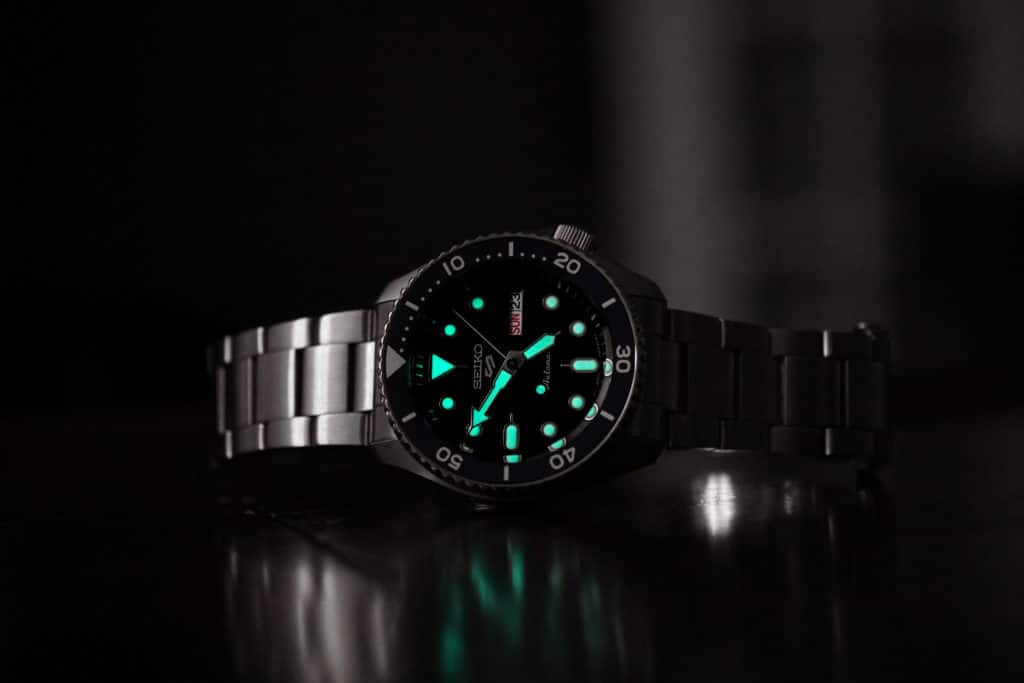
Seiko takes a surprising step backward in official diving specifications. The Seiko 5 offers 100 meters of water resistance with a push-pull crown rather than the screw-down construction and ISO certification associated with the older SKX diver. Our reviewer wore it in swimming pools and a hot tub without experiencing problems, although that doesn’t change what the watch is officially rated to handle. This is a sports watch with unmistakable diving influences, not a modern replacement for a certified professional diver. Its luminous performance, however, is a genuine strength. Seiko’s LumiBrite treatment delivered the strong, long-lasting glow we’ve come to expect from the brand, and the clearly defined markers made the display easy to read. That gives the Seiko one meaningful advantage over the Casio, even while the cheaper watch offers a higher water-resistance rating.
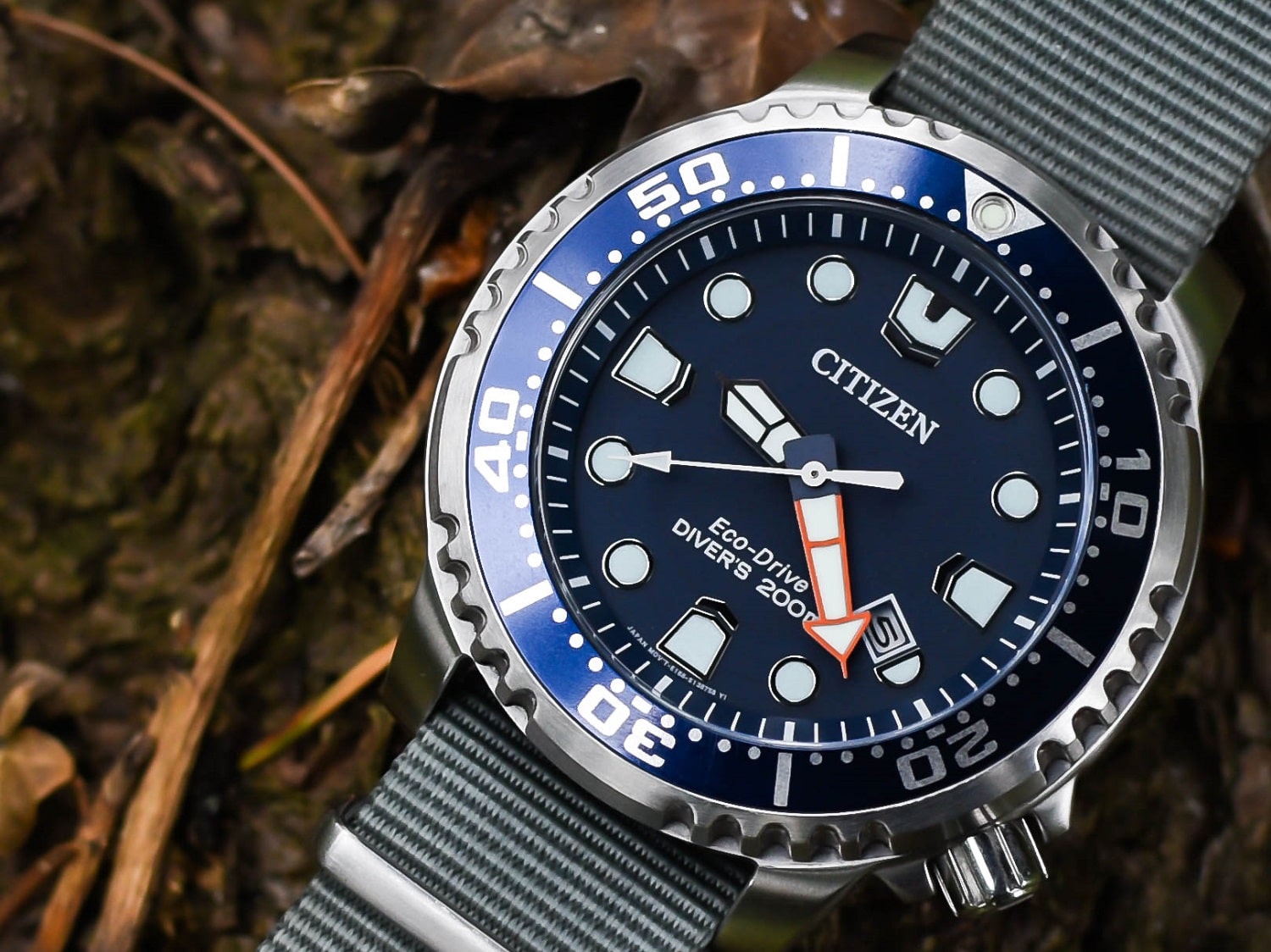
The Citizen Promaster brings the discussion back to purpose-built diving credentials with its ISO-certified 200-meter rating. Its screw-down crown, carefully considered case, and strong dial legibility all support that identity, and our ownership experience included swimming and other activities around water. We also appreciated the aqua-toned BGW9 lume, which provides excellent visibility across the hands and markers. The luminous detail on the seconds hand is particularly useful, making it easier to confirm that the watch is operating in darker conditions. In this section, Citizen offers the most complete package of the three. But the comparison remains revealing: the Casio already provides 200 meters of rated water resistance, while the more expensive Seiko prioritizes mechanical appeal and luminous performance over professional diving certification.
Cost Considerations
At roughly $50 through discounted retailers, the Casio Duro establishes a remarkably difficult baseline for the other watches to beat. Its official list price is higher, but the appeal of the Duro has always been tied partly to how inexpensive it can be to purchase. We’re getting a conventional quartz movement, 200 meters of water resistance, a rotating bezel, and a case that proved more comfortable than its dimensions suggested. The mineral crystal and limited luminous performance are understandable compromises, and the stock strap may not be everyone’s preference. For someone who wants a straightforward, inexpensive diver without developing a new collecting obsession, the Duro already provides most of what we’d consider essential.
The Seiko 5 changes the equation because its value is more closely connected to the experience of owning a mechanical watch. Our original SRPD51 was purchased for approximately $200 through a department-store promotion, although current pricing varies considerably and can be substantially higher. For that money, we get an automatic movement with hacking and hand-winding, a day-date complication, an exhibition caseback, strong lume, and attractive Seiko styling. Those mechanical benefits come with compromises that aren’t immediately apparent from the price difference. That makes the Seiko difficult to evaluate purely through practical specifications. The added expense buys an experience that many watch enthusiasts genuinely enjoy, but not necessarily greater functionality as a diving instrument.
With the Citizen Promaster Eco-Drive, we’re spending approximately $350 in our working price comparison, although actual retail prices vary. The additional money buys a solar-powered quartz movement, ISO-certified 200-meter water resistance, excellent luminous performance, and a case that has proved exceptionally comfortable over years of use. We also receive a functional but relatively basic polyurethane strap and a bezel whose grip could be improved. Those shortcomings matter, particularly because the Citizen costs considerably more than the other watches. Still, the Promaster offers an unusually satisfying balance of convenience, durability, and everyday wearability. The appeal isn’t that every component looks or feels more expensive. It’s that the entire package works together without demanding much from the owner.
The most interesting result is how little the price brackets resemble a straightforward progression in quality. Moving from $50 to $200 introduces mechanical watchmaking and more expressive dial finishing, but also gives up some of the Casio’s water resistance. Moving from $200 to $350 restores professional diving credentials and introduces Eco-Drive convenience, yet returns us to quartz and a relatively ordinary mineral crystal. There isn’t a point where every specification suddenly improves together. Each additional dollar changes the balance of features rather than simply making the watch better. For buyers whose primary concern is affordability, the Casio offers extraordinary value. For enthusiasts who want to engage with a mechanical movement, the Seiko provides something neither quartz alternative can replicate. Citizen makes its strongest argument through the complete everyday experience.
Final Thoughts: Casio Duro vs Seiko 5 vs Citizen Promaster
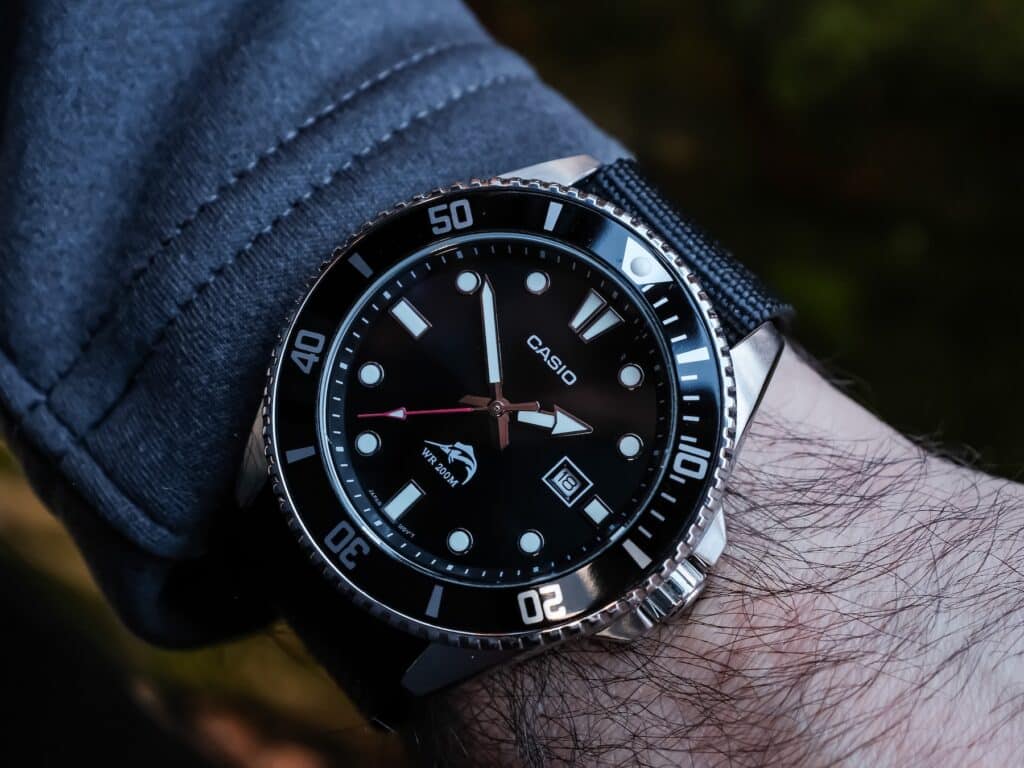
The Casio Duro is probably the most surprising watch in this comparison, not because it does something revolutionary, but because it provides so much of the basic dive-watch experience for so little money. The case feels more carefully considered than we’d expected, the bezel action is satisfying, and the dial delivers strong everyday readability. Its limitations are apparent, particularly in the luminous performance and relatively ordinary materials, but those compromises become easier to accept when the watch costs less than many replacement straps. We can understand why the Duro has developed such an enthusiastic following. There’s a certain satisfaction in buying something inexpensive and discovering that it works considerably better than we had any right to expect.
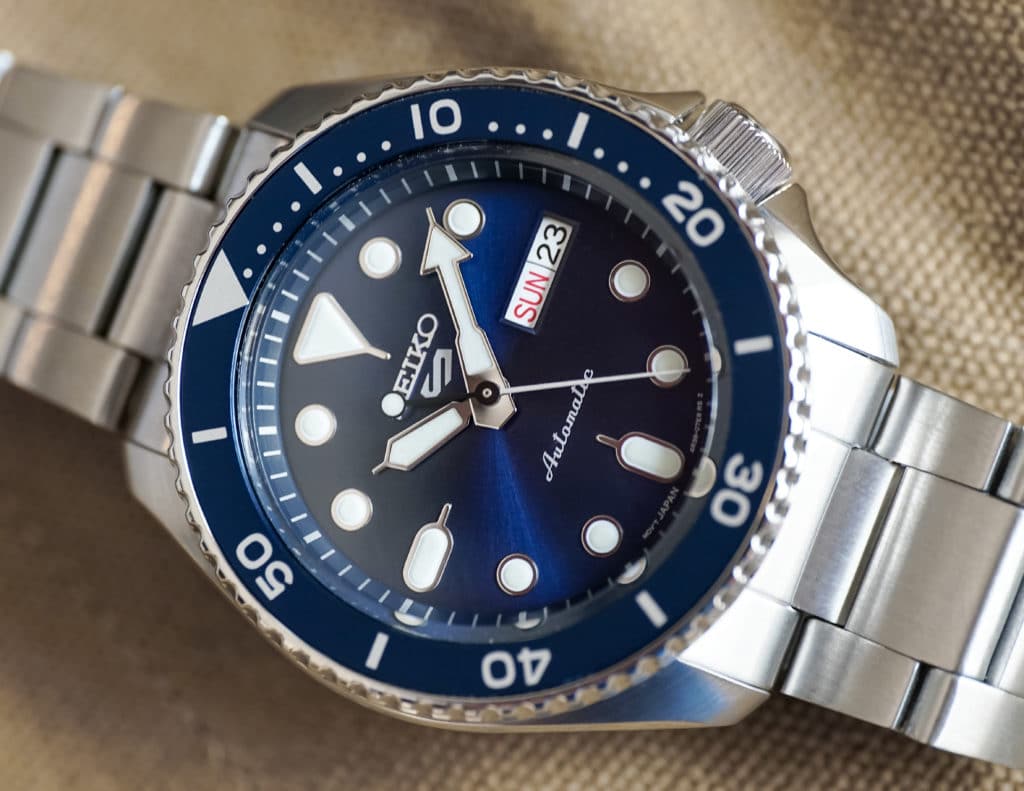
The Seiko 5 is the most difficult watch to judge through price and specifications alone. As an affordable mechanical watch, it offers a compelling combination of recognizable design, attractive dial finishing, and a movement that encourages us to interact with it. We appreciate the improvements over older entry-level Seiko movements, particularly hacking and hand-winding, and the blue SRPD51 remains a handsome watch. But the bracelet deserves criticism, and the reduction to 100 meters of water resistance makes the Seiko a less convincing choice for someone specifically seeking professional diving capability. We wouldn’t dismiss it simply because a cheaper Casio has a higher depth rating. The Seiko appeals to a different part of the collecting experience, and there’s genuine value in that distinction.
Years with the Citizen Promaster have made its strengths particularly difficult to overlook. The Eco-Drive movement is dependable and convenient, the case wears comfortably despite its size, and the ISO-certified construction gives it genuine tool-watch credentials. We also appreciate the excellent luminous performance and the way the watch manages to feel practical without being completely devoid of personality. The polyurethane strap and relatively slippery bezel remain criticisms, but neither has prevented the Promaster from becoming a long-term favorite. It isn’t the most mechanically interesting watch here, and its finishing doesn’t suddenly make the other two feel disposable. What it does exceptionally well is combine the features we care about into a watch that’s easy to recommend and even easier to wear.
Our overall choice is the Citizen Promaster Eco-Drive, but the Casio Duro is the standout value. That’s an important distinction. We think the Citizen delivers the most complete everyday dive-watch experience, particularly for someone who prioritizes comfort, dependable timekeeping, and professional diving credentials. The Seiko 5 remains our recommendation for buyers who specifically want an affordable automatic with classic Seiko styling. But if the question is how much someone actually needs to spend to enjoy a capable dive watch, the Duro makes an unusually convincing argument for keeping the budget small. Spending more can absolutely buy worthwhile improvements. What these three watches demonstrate is that those improvements aren’t always found where we expect them, and they aren’t necessarily the features every buyer needs.

Co-Founder and Senior Editor
Kaz has been collecting watches since 2015, but he’s been fascinated by product design, the Collector’s psychology, and brand marketing his whole life. While sharing the same strong fondness for all things horologically-affordable as Mike (his TBWS partner in crime), Kaz’s collection niche is also focused on vintage Soviet watches as well as watches that feature a unique, but well-designed quirk or visual hook.