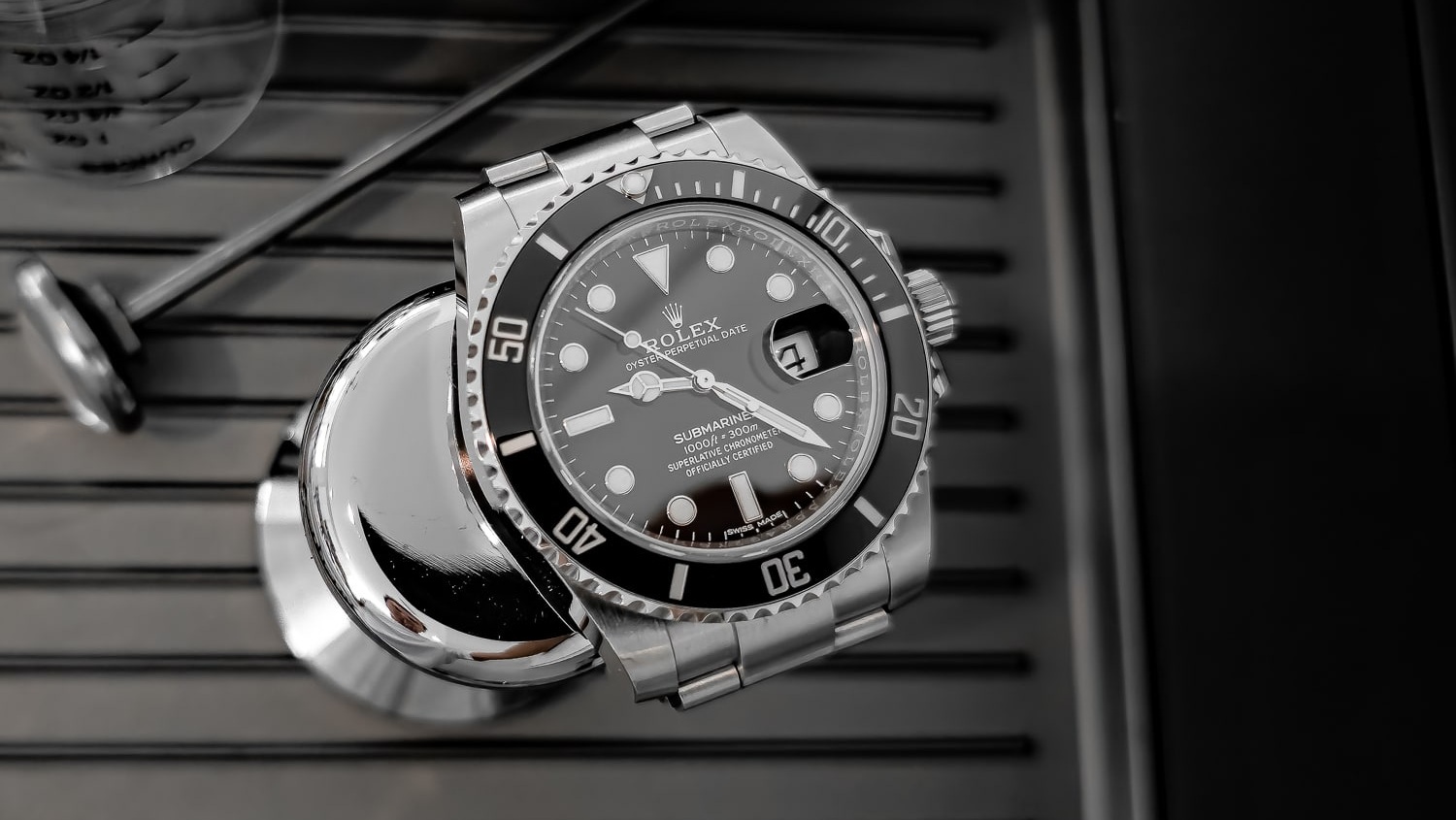
Spending more than $10,000 on a Rolex Submariner is easy to rationalize when you’re looking at the watch itself. The finishing is exceptional, the bracelet is fantastic, and there’s a reason the Submariner has remained one of the most recognizable dive watches ever made. But things get a little more complicated when a Citizen Promaster costing a few hundred dollars can handle most of the same everyday duties. We’ve spent years with both, and while the Rolex is unquestionably the more refined watch, that doesn’t automatically make it the smarter purchase. So how much of the Submariner’s premium actually translates into a better experience, and how much comes down to what we want from a watch?

We’ve spent years with both watches, and their appeal has become clearer through regular use. Our Rolex Submariner Date 116610 has impressed us with its bracelet, exceptionally precise bezel, and the kind of finishing that becomes easier to appreciate the longer we wear it. The Citizen Promaster BN0151-09L has followed a different path, proving itself through everyday comfort, excellent legibility, and an Eco-Drive movement that requires remarkably little attention. Drawing on our Rolex Submariner review and Citizen Promaster Diver review, we’re comparing what each watch actually delivers, where the additional money goes, and how much of that premium makes a meaningful difference.
Overview and Identity
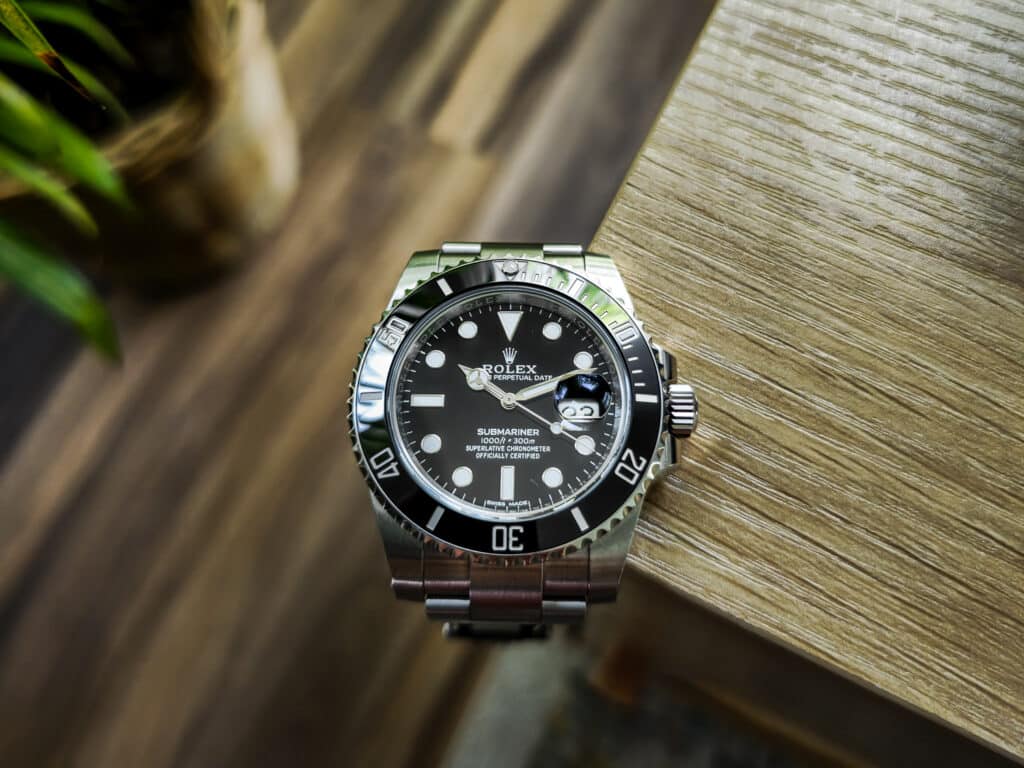
Few dive watches have influenced the category as profoundly as the Rolex Submariner, which helped establish the visual language of the modern dive watch following its introduction in 1953. The reference 116610 we reviewed belongs to the generation characterized by its substantial Maxi-case lugs, ceramic bezel, and highly refined Oyster bracelet. It combines 300 meters of water resistance with an in-house automatic movement, sapphire crystal, and a level of construction that explains much of the model’s enduring popularity. But Rolex ownership also comes with considerations that extend beyond the watch itself. Scarcity, secondary-market premiums, and the cultural importance of the crown complicate what should otherwise be a relatively straightforward assessment of a steel diver. We’ve appreciated the Submariner enormously during ownership, even as we’ve questioned whether its exceptional quality necessarily translates into exceptional value.
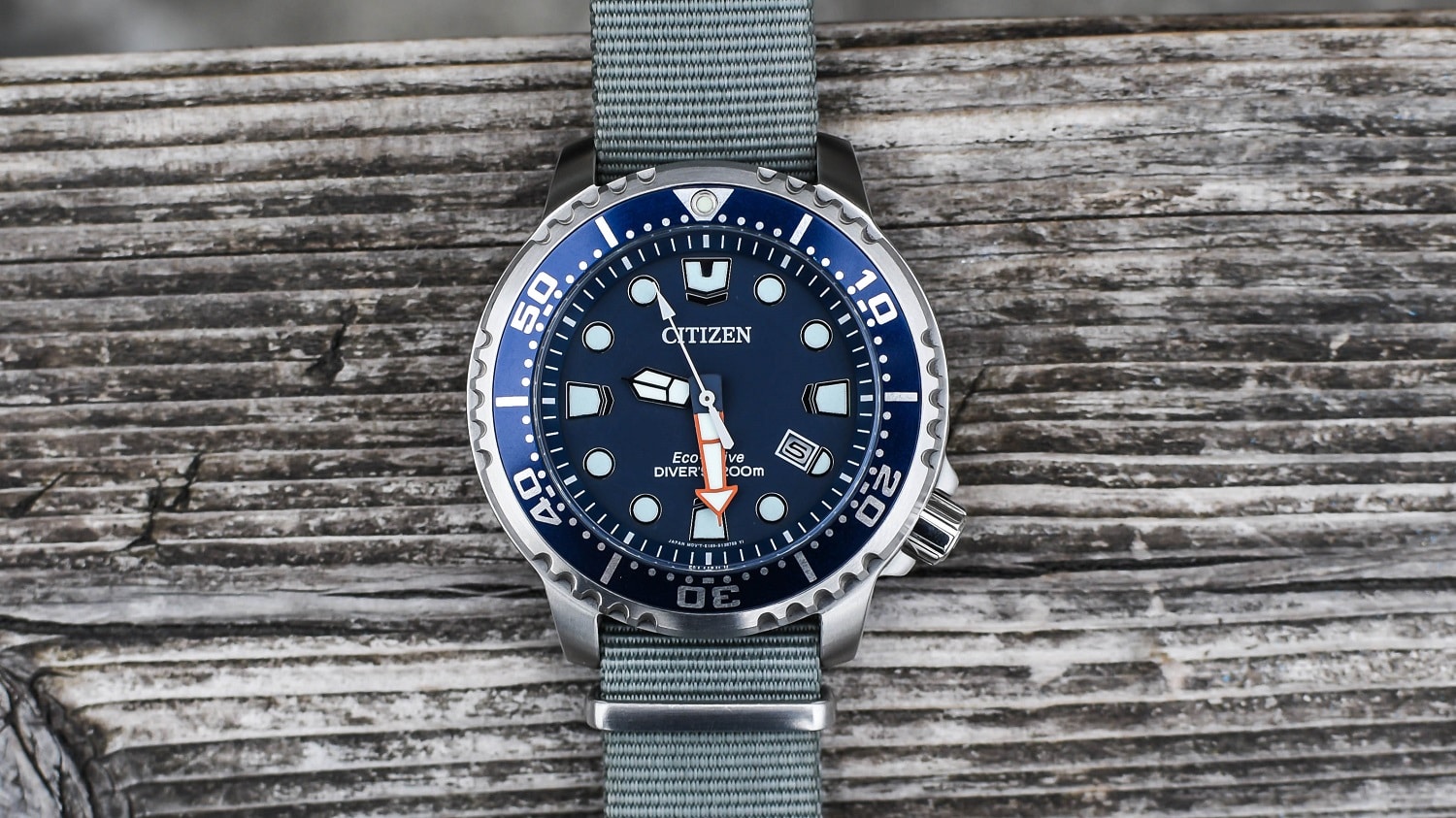
Prestige has never been central to the Citizen Promaster Diver’s appeal. Its identity is built around practical diving specifications, reliable timekeeping, and a design that prioritizes functionality over elaborate finishing. Citizen equips the BN0151 with an ISO-certified 200-meter water-resistance rating, a solar-powered quartz movement, and a highly legible dial. Our watch entered the collection as a gift in 2016 and gradually became one of the watches we could depend on without much consideration. Its appeal isn’t rooted in exclusivity or the pleasure of owning a complicated mechanical instrument. Instead, the Promaster demonstrates how effectively a relatively inexpensive watch can satisfy the requirements of everyday ownership. The absence of a prestige-driven identity is part of what makes it such an interesting alternative to the Rolex.
Dial and Straps/Bracelets
After years of seeing the Submariner’s dial reproduced and imitated, it’s easy to overlook how well the original works. The glossy black background provides excellent contrast against the white gold surrounds, luminous markers, and recognizable Mercedes handset. Despite the amount of printed text, the arrangement feels balanced and immediately legible. Our 116610 also includes a date window at three o’clock with Rolex’s characteristic Cyclops magnifier, which improves readability even if the resulting appearance isn’t to everyone’s taste. We appreciate how little effort the dial requires from the wearer. Every important element is easy to locate, and the proportions feel carefully considered rather than unnecessarily decorative. The Submariner may not offer the most adventurous dial design, but its restraint is a major part of its appeal.
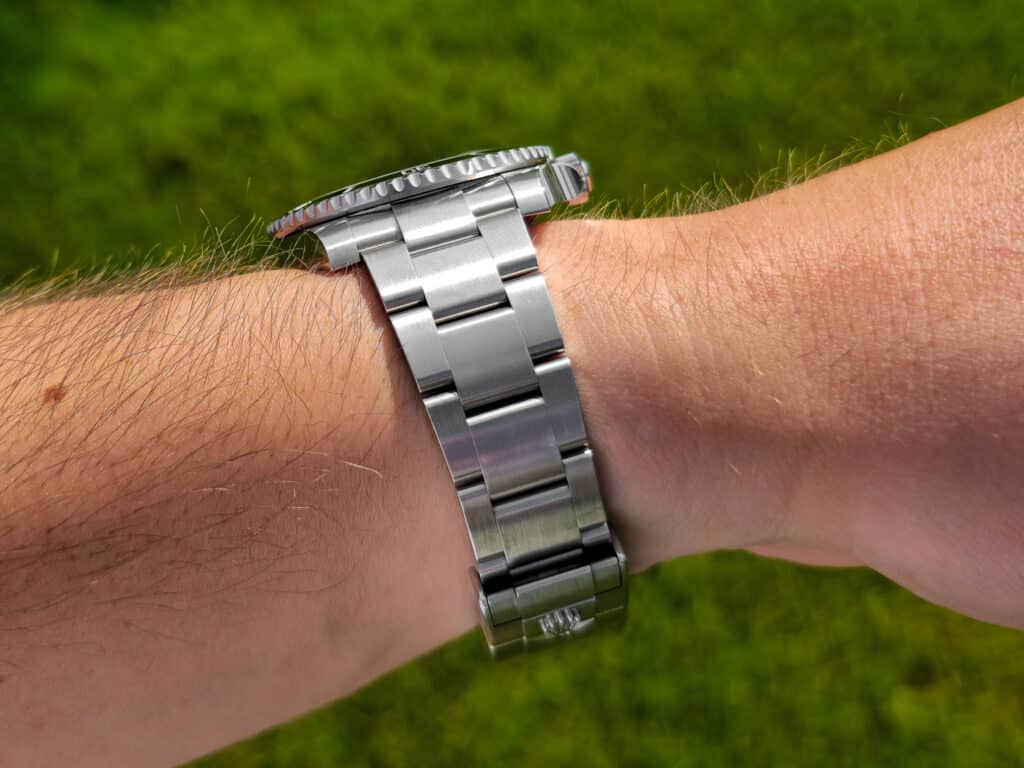
If there’s one part of the Submariner that makes us understand why people spend this kind of money on a watch, it’s the bracelet. We’ve handled plenty of expensive watches over the years, and the Oyster remains one of the best we’ve experienced. Everything feels deliberate. The links articulate naturally, the solid end links fit tightly against the case, and the taper from 20mm to 16mm gives the bracelet a comfortable, balanced feel. Then there’s the Glidelock clasp, which allows us to make small adjustments without reaching for a tool. It’s one of those features that sounds relatively ordinary until you’ve lived with it and realize how often you appreciate having it. Does an exceptional bracelet justify spending thousands more? Not by itself. But it’s also difficult to go back to a mediocre one after experiencing something this well executed.
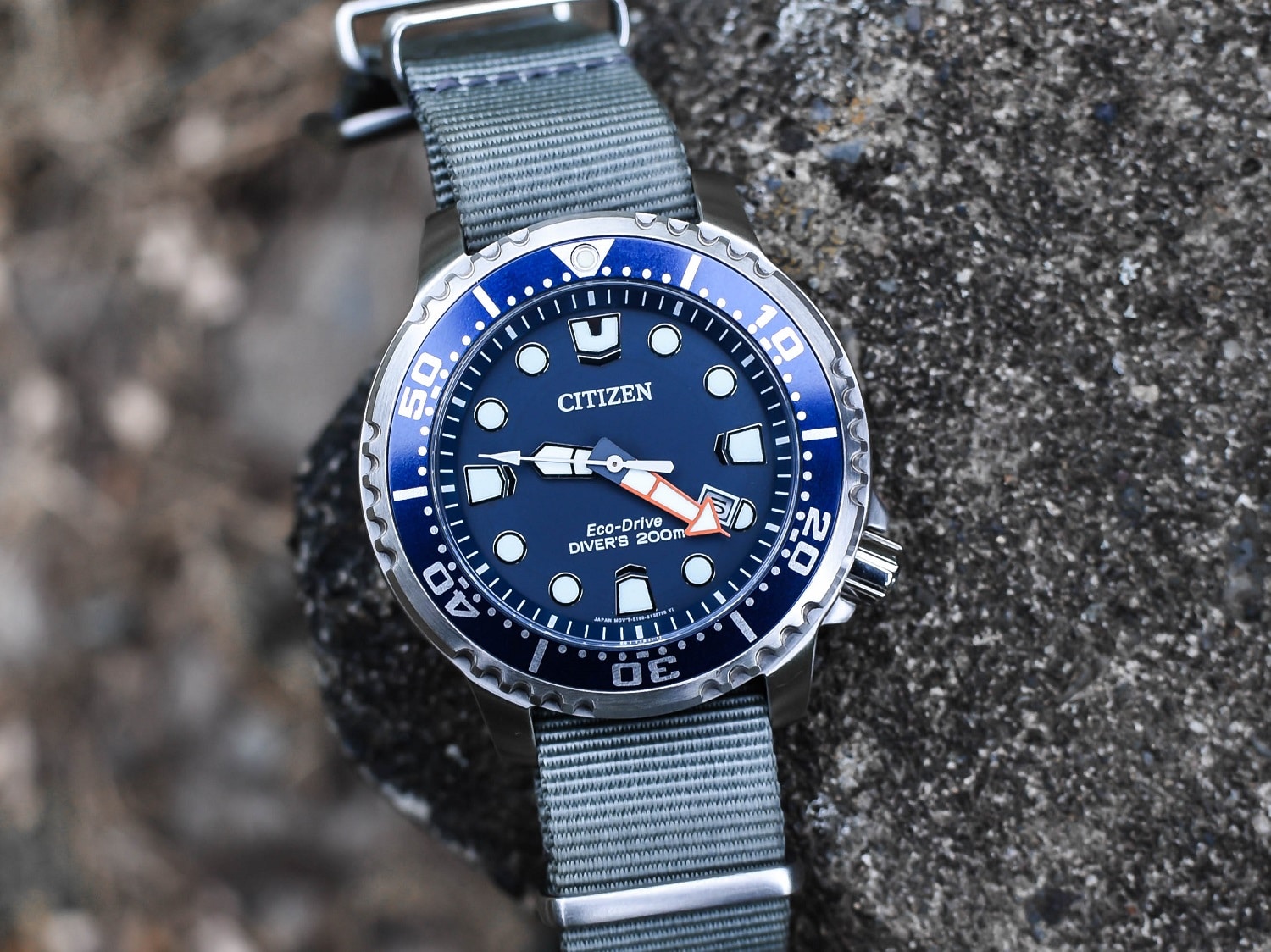
Legibility is equally important at the opposite end of the price spectrum, and Citizen approaches it with a distinctly utilitarian design. Large hands, prominent markers, and a high-contrast layout make the Promaster easy to read in a variety of lighting conditions. The blue-dial also offers a subtle detail that we grew to appreciate during ownership: under certain lighting, the dial develops an almost purple appearance. That variation brings character to an otherwise straightforward tool-watch design without interfering with its purpose. The date window occupies the four-o’clock position, sitting naturally within the dial’s functional arrangement. Citizen isn’t attempting to match Rolex’s meticulous finishing or polished visual presentation. Instead, the Promaster provides a clear, attractive display that consistently performs the task for which it was designed.
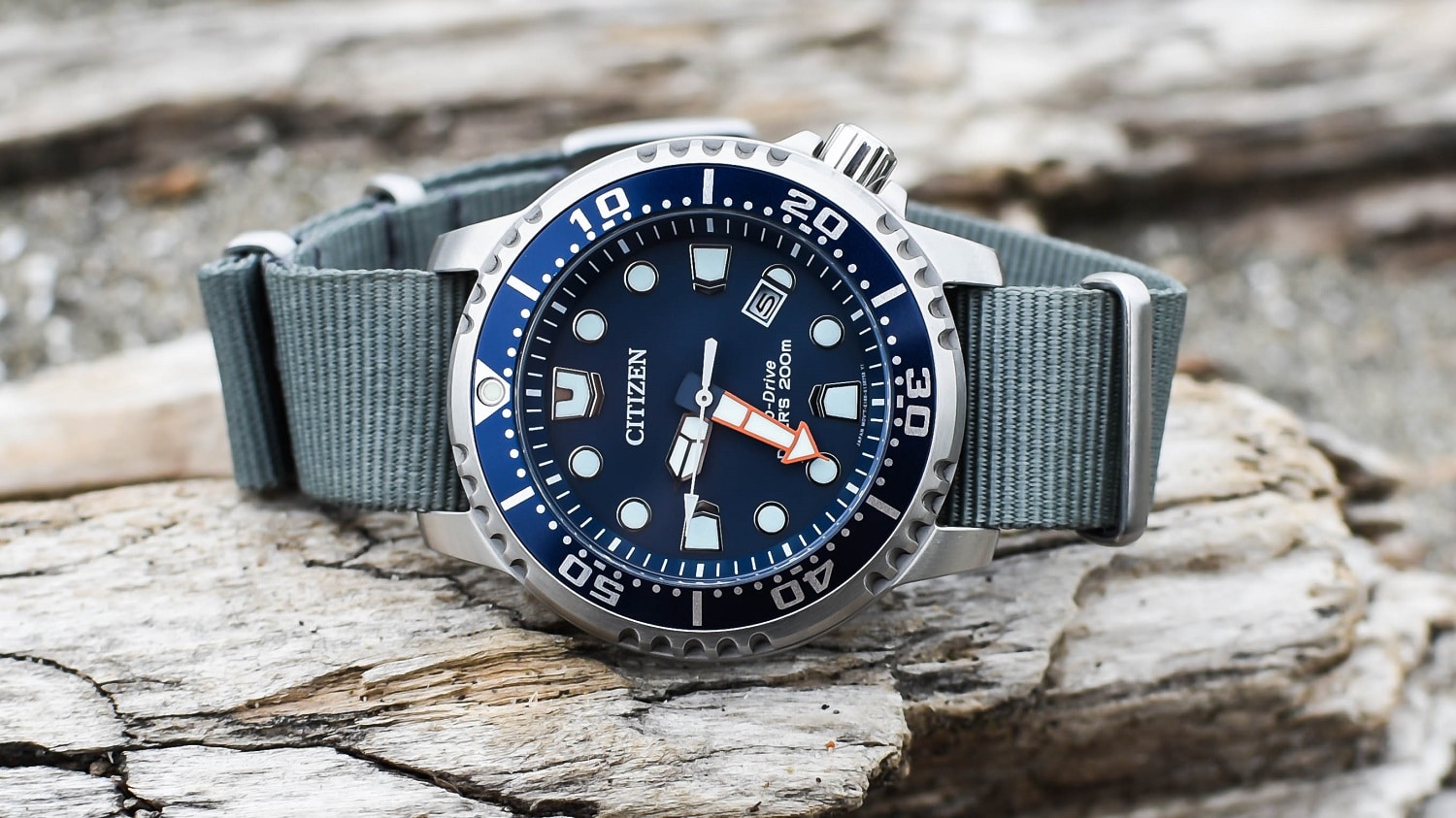
Unfortunately, the same practicality doesn’t extend quite as convincingly to the Promaster’s original polyurethane strap. The material initially felt stiff and required some adjustment to achieve a comfortable fit, despite complementing the watch’s diving identity. We eventually replaced it with a standard NATO strap, which worked particularly well with the lightweight case and made the watch more enjoyable throughout the day. The 20mm lug width provides plenty of replacement options, although buyers should recognize that the stock configuration is fairly basic. The difference between these two wearing setups is substantial. Rolex provides an exceptionally refined bracelet that feels integral to the watch, while Citizen supplies a functional strap that may leave owners wanting an inexpensive replacement. Both can be comfortable, but only one offers a truly exceptional bracelet experience directly from the factory.
Build Quality & Technical Approach
Although both watches have legitimate diving credentials, their engineering reflects two very different priorities. Rolex devotes considerable attention to mechanical precision, material quality, finishing, and the way individual components interact during everyday use. Citizen concentrates on dependable operation, practical construction, and reducing the amount of attention a watch requires from its owner. Those differences become clearer when examining their movements, case proportions, crystal materials, and diving specifications.
Movements
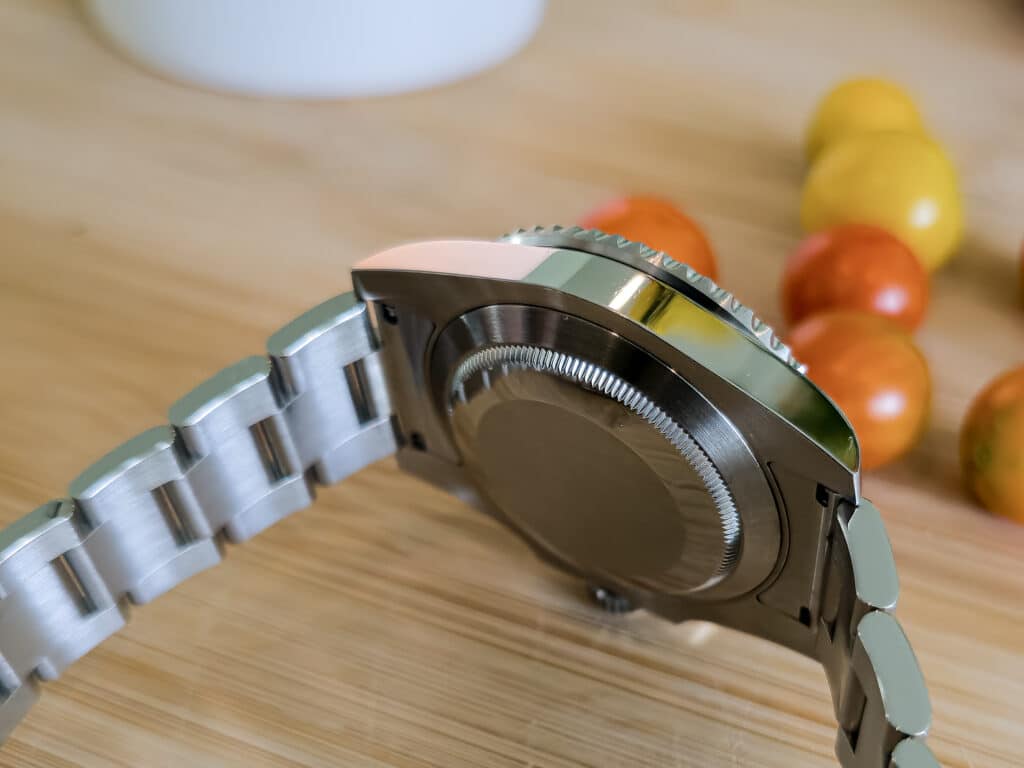
Mechanical precision is one area where Rolex’s engineering becomes particularly impressive. Our Submariner Date 116610 uses the in-house Caliber 3135 automatic movement, a proven design with approximately 48 hours of power reserve. The movement isn’t particularly elaborate from a decorative standpoint, but its reputation rests on reliability and precision rather than exhibition finishing. The watch delivered accuracy of approximately +0.5 seconds per day, an impressive result for a mechanical watch and comfortably within Rolex’s modern Superlative Chronometer standard of -2/+2 seconds per day. That performance reinforced our appreciation for the movement, particularly because the Submariner is intended to function as a practical everyday watch rather than a delicate mechanical showpiece. The date complication is useful, the winding system is familiar, and the movement offers much of what enthusiasts expect from a high-quality Swiss automatic.
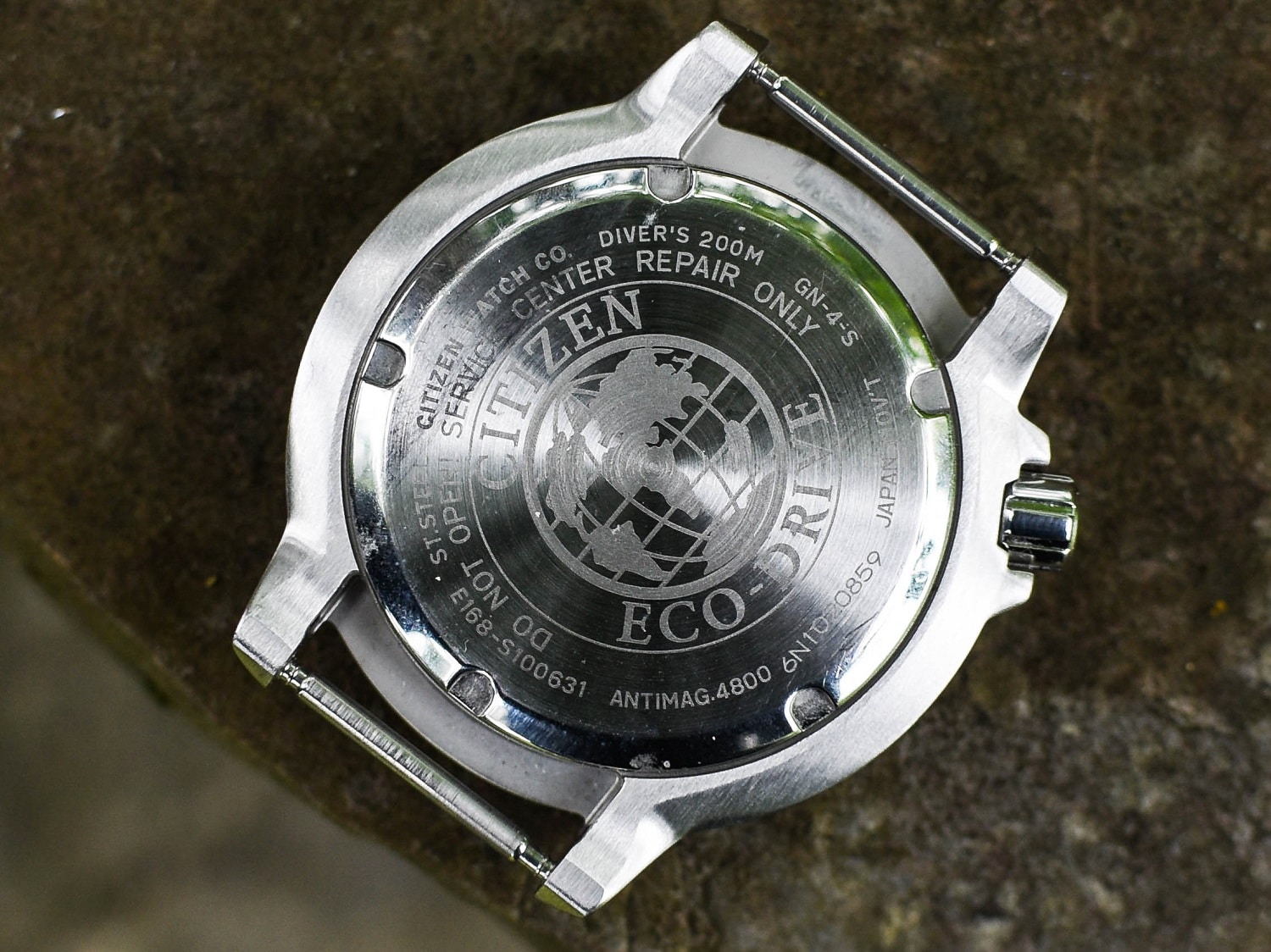
Convenience, rather than mechanical complexity, defines the Eco-Drive experience. Citizen’s E168 solar quartz movement operates with an entirely different set of priorities, offering approximately six months of operation after a full charge and accuracy of around plus or minus 15 seconds per month. In our extended experience, the movement performed consistently and rarely demanded attention. We also encountered the low-charge indicator during ownership and found that exposing the watch to light restored normal operation. There was no routine winding requirement, and leaving the Promaster unworn for several days didn’t create the same reset procedure we’d expect from an automatic diver. For a watch intended to be ready whenever we need it, that simplicity is a genuine advantage. The movement lacks the mechanical fascination of the Rolex, but it delivers exceptionally practical timekeeping.
Here’s where our preferences start pulling in different directions. We love automatic movements, and the Caliber 3135 gives us plenty to appreciate. Getting the kind of accuracy we observed from a mechanical watch is impressive, and there’s something satisfying about knowing how much engineering goes into making that possible. But the Citizen keeps excellent time without requiring us to wind it, reset it, or give it much attention at all. Leave it somewhere with adequate light, and it’s generally ready whenever we need it. That’s a difficult advantage to dismiss, especially when we have other watches competing for wrist time. The Rolex wins on mechanical sophistication, but if we’re judging these movements purely by how convenient they are to live with, the Citizen makes a very persuasive argument.
Case Construction, Finishing & Wearability
Much of the Submariner’s premium becomes easier to appreciate once it’s on the wrist. The reference 116610 measures 40mm across, approximately 48mm from lug to lug, and 12.5mm thick. Its Maxi-case construction gives it a substantial visual presence, particularly around the lugs, although those dimensions translate into a remarkably comfortable watch. The combination of brushed upper surfaces and polished case sides is relatively restrained, but the transitions and overall construction feel carefully executed. During our review, we appreciated how naturally the case sat on the wrist despite its considerable diving credentials. The Submariner has enough presence to feel substantial without becoming uncomfortable, and its proportions work well across situations where more obviously specialized dive watches might seem out of place. That versatility is one of its greatest strengths.
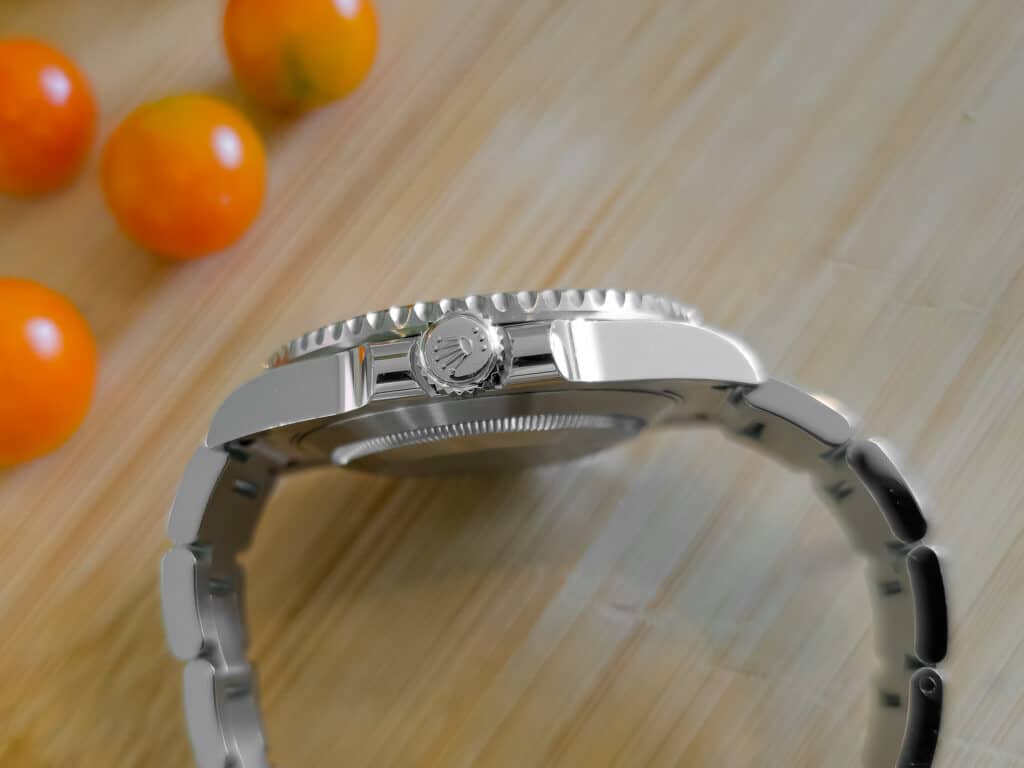
Attention to detail extends well beyond the case’s exterior finishing. The caseback sits smoothly against the wrist, the crown guards integrate neatly into the case, and the Triplock screw-down crown provides a reassuring sense of precision during operation. We didn’t find Rolex’s 904L-family Oystersteel dramatically different from conventional stainless steel in everyday use, despite its corrosion-resistant properties. What impressed us more was how carefully everything fit together. The case, bracelet, and clasp felt like parts of a single design rather than components assembled to meet a specification. That cohesion is difficult to quantify, but it makes a meaningful difference when wearing the Submariner regularly.
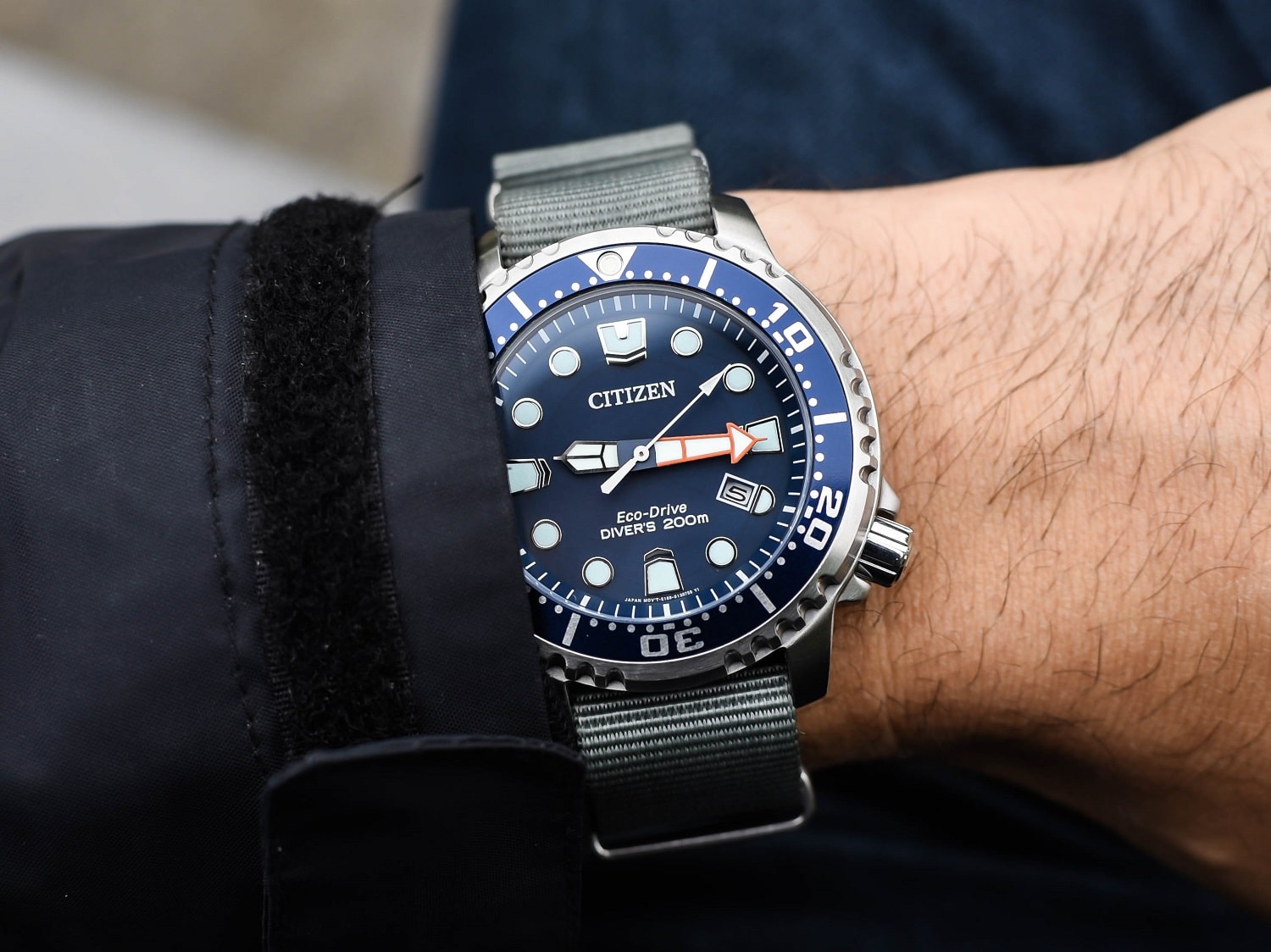
Here’s where the specifications become somewhat misleading: despite its larger diameter, the Citizen Promaster is thinner than the Rolex. It measures approximately 43mm across, with a 48mm lug-to-lug distance and a thickness of 11.5mm. Those proportions reveal something important about the wearing experience. The relatively short, downward-curving lugs help the case sit comfortably against the wrist, making the Promaster feel more compact than its diameter initially suggests. We found that its proportions worked particularly well after replacing the stock strap. The four-o’clock crown position also keeps it away from the back of the hand, avoiding the discomfort that can accompany larger sports watches with conventional crown placement. Citizen has clearly prioritized ease of use, even if the case finishing lacks the refinement found on the Submariner.
What’s interesting is how comfortable both watches manage to be despite taking such different approaches. The Rolex feels like everything has been considered, from the way its bracelet follows the wrist to how naturally the case sits against the skin. It’s the kind of refinement we notice more after wearing it for several hours than during the first few minutes. The Citizen gets there with considerably less fuss. Its curved lugs, thinner profile, and lightweight strap setup make it surprisingly comfortable for a 43mm diver. We’d happily wear either all day, although the Submariner transitions into dressier situations more naturally. There’s no question that Rolex has put more work into the details, but Citizen deserves credit for achieving a genuinely comfortable wearing experience without needing those same expensive finishing touches.
Crystals and Bezels
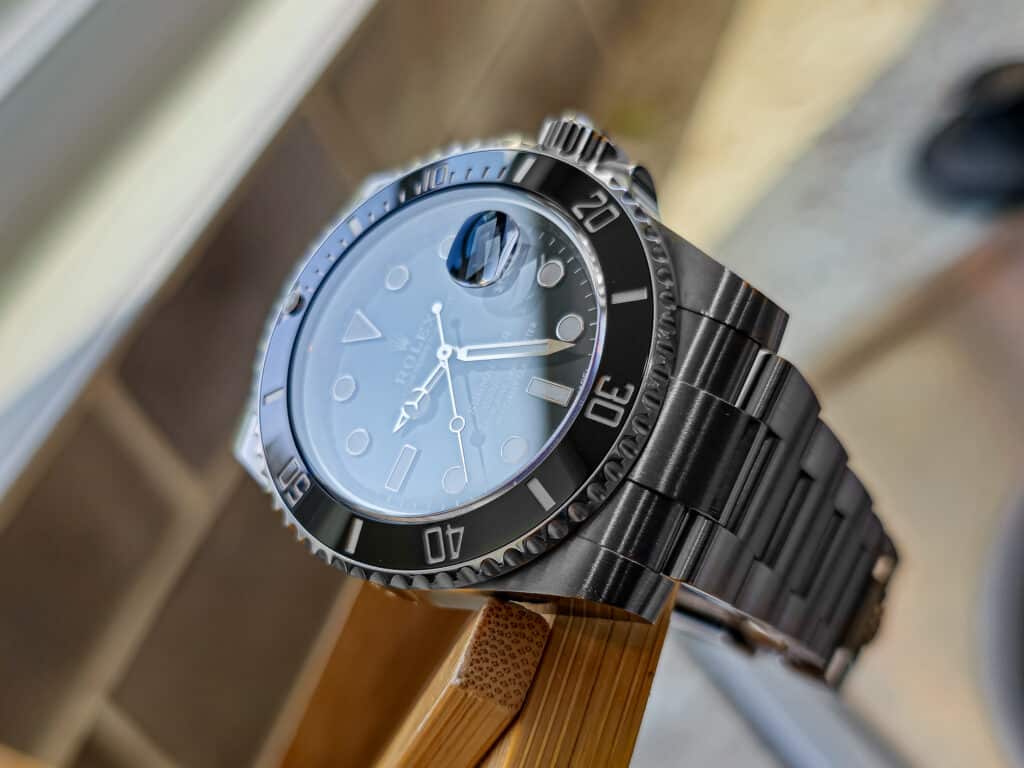
Turning the Submariner’s bezel reveals one of the clearest differences between these watches. Its unidirectional action feels exceptionally precise, with clear engagement, no noticeable backplay, and accurate alignment against the minute markers. The ceramic Cerachrom insert provides excellent resistance to scratching and fading, while the coin-edge design offers substantial grip. Rolex also equips the watch with a sapphire crystal and Cyclops magnifier over the date window, although our original review identified a minor weakness in its anti-reflective treatment. Under certain lighting, the dial could develop a faint reflective haze that seemed unnecessary at this price. Even with that criticism, the combination of premium materials and exceptionally controlled bezel construction remains one of the most convincing examples of Rolex’s superior execution.
Years of regular use gave us an opportunity to see how Citizen’s more affordable materials hold up. The Promaster uses an anti-reflective-coated mineral crystal rather than sapphire, an understandable cost-saving decision that sacrifices some scratch resistance. The watch held up well during extended ownership, without the obvious damage we might have expected from years of regular use. Its aluminum-insert bezel operates through a 60-click unidirectional mechanism, with accurate alignment and satisfactory tactile feedback. The principal criticism concerned its grip, which became less reassuring when our hands were wet. That’s a meaningful limitation for a watch designed around diving and water-related activities, even though the bezel continued to function correctly. The Citizen handles the fundamentals competently, but this is one section where the Rolex provides a noticeably more refined experience. Its combination of sapphire, ceramic, and exceptionally precise bezel construction helps explain part of the premium without requiring an appeal to brand reputation.
Water Resistance & Lume
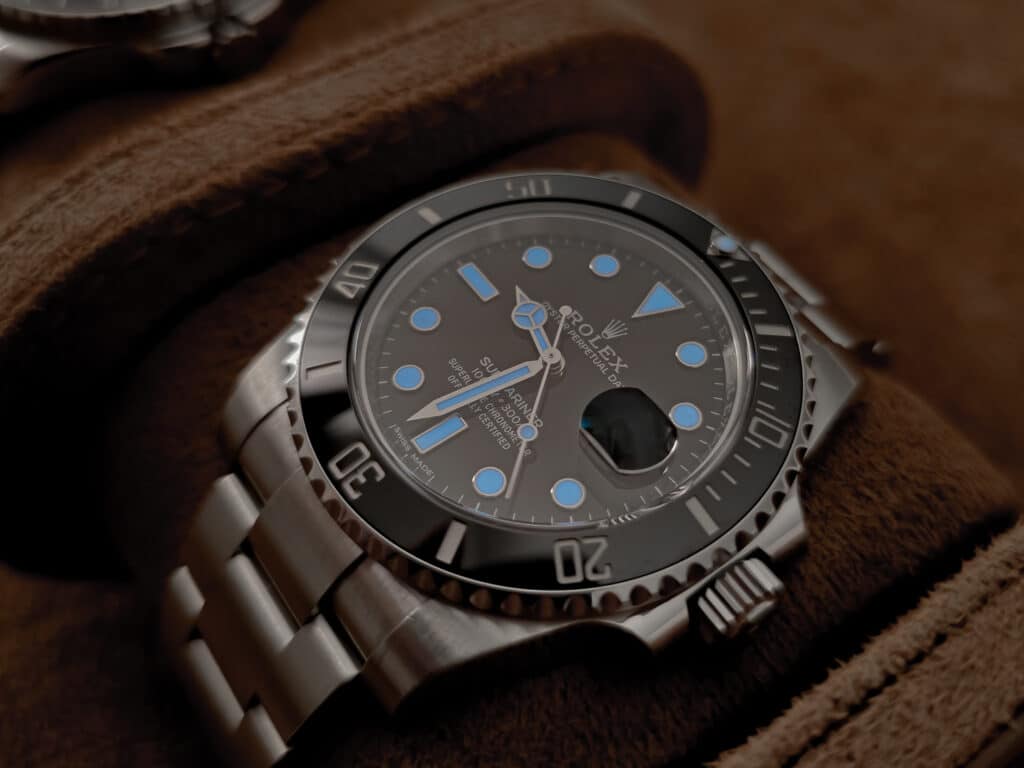
Three hundred meters of water resistance is considerably more than most Submariner owners will ever need, but it remains an important part of the watch’s identity. Rolex achieves that rating through its Oyster case construction, screw-down caseback, and Triplock crown. The diving credentials are substantial, although everyday versatility is arguably just as important to the Submariner’s appeal. Rolex also uses blue Chromalight luminous material across the hands, hour markers, and bezel pip. We found the lume effective during ordinary nighttime use, remaining legible well into the early morning. The familiar dial layout helps distinguish the hands quickly, with enough contrast to avoid confusion in poor lighting. Our experience reinforced how effectively Rolex has refined these elements over successive generations.
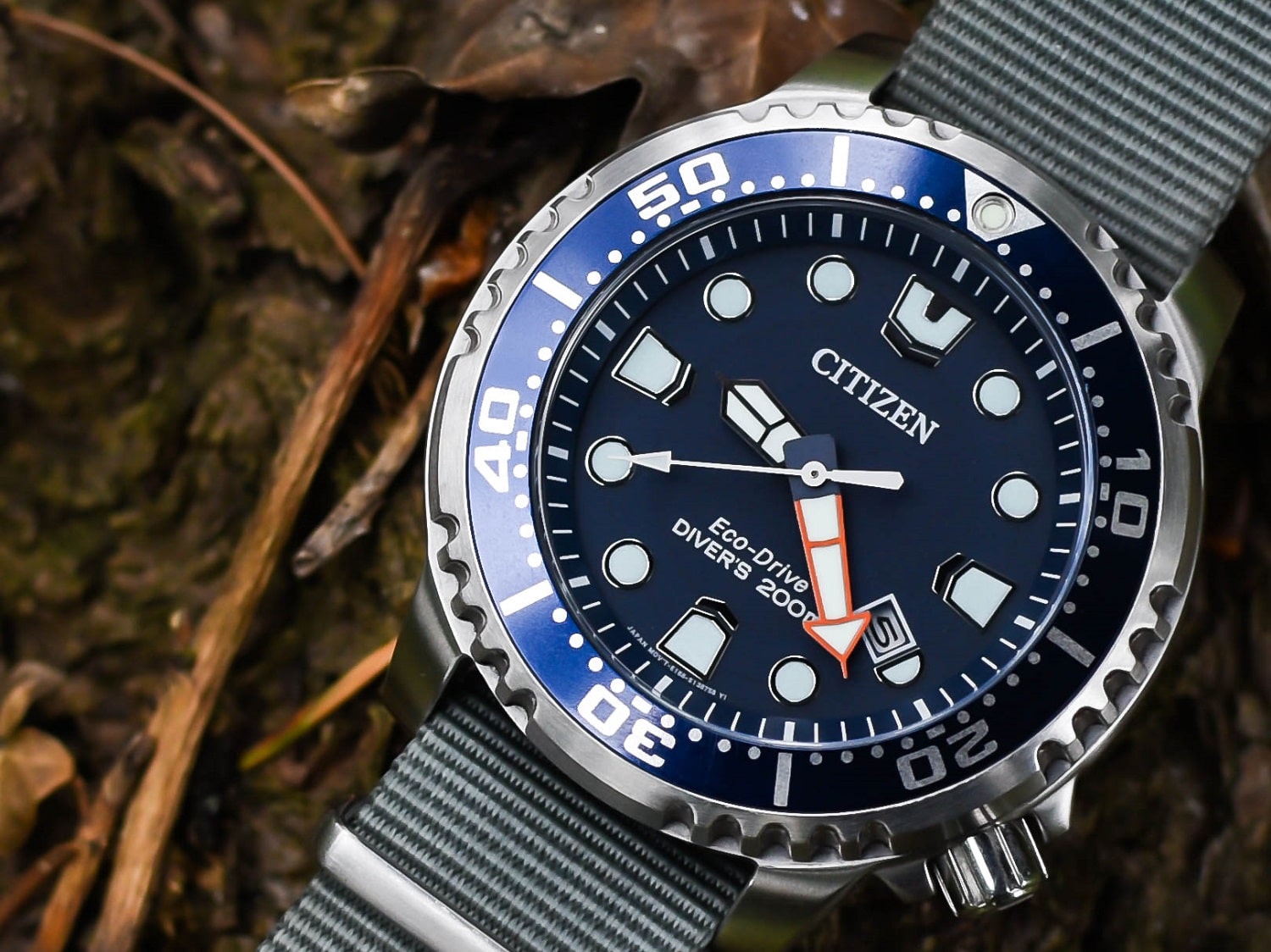
Giving up 100 meters of rated water resistance doesn’t make the Citizen Promaster an incapable diver. Its ISO-certified 200-meter rating provides serious diving credentials, and we wore the watch while swimming and during other water-related activities without feeling the need to treat it delicately. The luminous treatment was another highlight, producing a bright aqua-toned glow across the hands and hour markers. We were particularly impressed by its visibility over time and the inclusion of a luminous seconds-hand pip, which makes it easy to confirm that the watch is operating in darker conditions. The Rolex offers a higher nominal water-resistance rating and exceptionally refined construction, but the Citizen delivers the practical capabilities most recreational users are likely to need. Its strong legibility and dependable performance around water reinforce how little of the Submariner’s premium is necessary to obtain a genuinely capable diving instrument.
Cost Considerations
Spending five figures on a stainless steel dive watch requires some justification, particularly when the model in question is no longer available new through its manufacturer. Rolex discontinued the Submariner Date 116610 in 2020, leaving buyers to search the secondary market for examples in varying conditions. Prices depend on age, service history, and whether the original box and papers are included, with recent market estimates placing the conventional black-dial reference around $11,000. Dealer listings and certified pre-owned examples can command considerably more. That’s a substantial commitment for a watch whose fundamental purpose can be fulfilled by far less expensive alternatives. The current Submariner generation also remains expensive, reinforcing that the premium isn’t simply a consequence of this reference’s discontinued status.
Some of that money purchases improvements we’ve experienced firsthand. The Oyster bracelet and Glidelock clasp are exceptional, the bezel action is among the best we’ve encountered, and the case finishing feels carefully controlled throughout. The movement also delivered impressive mechanical accuracy, while the overall design provides versatility that few dedicated dive watches manage quite as naturally. Those characteristics matter, particularly for someone planning to wear the same watch across work, travel, and more formal occasions. The Submariner also carries strong brand recognition and a well-established secondary market, although resale values are not guaranteed and shouldn’t automatically be treated as a justification for the purchase. Rolex offers a genuinely superior level of refinement. The difficult question is whether that refinement represents enough additional satisfaction to support the price.
For a fraction of that investment, Citizen offers a remarkably complete ownership experience. The Promaster Diver BN0151-09L carries a $450 manufacturer’s suggested retail price, with Citizen listing it for $350 when we checked. We’ve also encountered the model at lower prices over the years, placing it firmly within reach of buyers who want a capable dive watch without making a significant financial commitment. For that money, Citizen delivers solar-powered quartz timekeeping, ISO-certified 200-meter water resistance, an effective luminous dial, and a case that’s surprisingly comfortable despite its relatively large diameter. The watch doesn’t attempt to compete with Rolex in finishing or mechanical sophistication. Instead, it provides the practical features most owners will actually use, packaged in a design that has proven dependable through years of wear.
Our long-term experience also makes the Promaster’s compromises relatively easy to evaluate. Its mineral crystal doesn’t provide the same scratch resistance as the Rolex’s sapphire, the aluminum bezel is less refined, and the stock polyurethane strap falls well short of the Oyster bracelet’s quality. Those differences are real, and reducing the comparison to water-resistance ratings or timekeeping accuracy would overlook much of what makes the Submariner special. Yet the Citizen’s shortcomings are also straightforward to live with. Replacing the strap is inexpensive, the bezel remains functional, and the Eco-Drive movement demands very little attention. Our extended ownership has demonstrated how satisfying the Promaster can be precisely because it doesn’t require the same financial or emotional investment as a much more expensive watch.
This is where we have to separate what we appreciate as watch enthusiasts from what we’d actually recommend spending money on. We can spend an afternoon admiring the Submariner’s bracelet, bezel, movement, and finishing without finding much to criticize. Rolex deserves credit for getting those details right. But when we put the watch next to a Citizen that costs a few hundred dollars, it’s hard to argue that the difference in everyday functionality comes anywhere close to the difference in price. The Rolex is unquestionably more sophisticated, and that sophistication has value. Whether it’s worth thousands of additional dollars depends on how much satisfaction we get from the details. If all we want is a dependable, comfortable dive watch, the Citizen has already answered most of our questions.
Final Thoughts: Rolex Submariner vs Citizen Promaster
After years with both watches, the distinction between superior craftsmanship and better value has become increasingly clear. The Submariner deserves much of its reputation, and our hands-on experience with the 116610 reinforced that conclusion. Its bracelet remains one of the finest we’ve worn, the bezel operates with exceptional precision, and the case combines substantial diving credentials with impressive everyday versatility. The movement’s accuracy was also remarkable for an automatic, making it easier to appreciate the engineering hidden beneath the familiar black dial. These aren’t abstract advantages invented to justify an expensive brand name. They’re tangible qualities that become apparent through regular use. For collectors who value mechanical engineering, meticulous finishing, and a highly refined ownership experience, the Submariner remains an exceptionally compelling watch.

The Citizen Promaster delivers a different kind of satisfaction. Its Eco-Drive movement maintains dependable timekeeping without requiring routine winding, while its ISO-certified water resistance and excellent legibility make it a credible tool watch rather than a diving-inspired fashion accessory. We’ve enjoyed wearing it through swimming, hiking, and ordinary daily activities, and its comfort improved further once we replaced the stock polyurethane strap. The mineral crystal and less sophisticated bezel are obvious compromises, but neither has prevented the watch from becoming a long-term favorite. The Promaster succeeds because its fundamental design choices are sensible, and it doesn’t demand that we overlook significant functional weaknesses in exchange for its affordable price.
That leaves the question of what the Rolex’s premium actually accomplishes. It buys an extraordinary bracelet, more refined case construction, better crystal and bezel materials, and the pleasure of an exceptionally precise mechanical movement. It also buys an iconic design and a recognizable name whose cultural significance can’t be separated entirely from the ownership experience. Those qualities can make the Submariner worth the money to someone who specifically wants them. But they don’t make the Citizen twenty or thirty times less capable as a practical diving watch. In the situations where we’ve relied on the Promaster, its lower price hasn’t prevented it from doing the job well. The Rolex is more sophisticated, but sophistication and necessity aren’t the same thing.
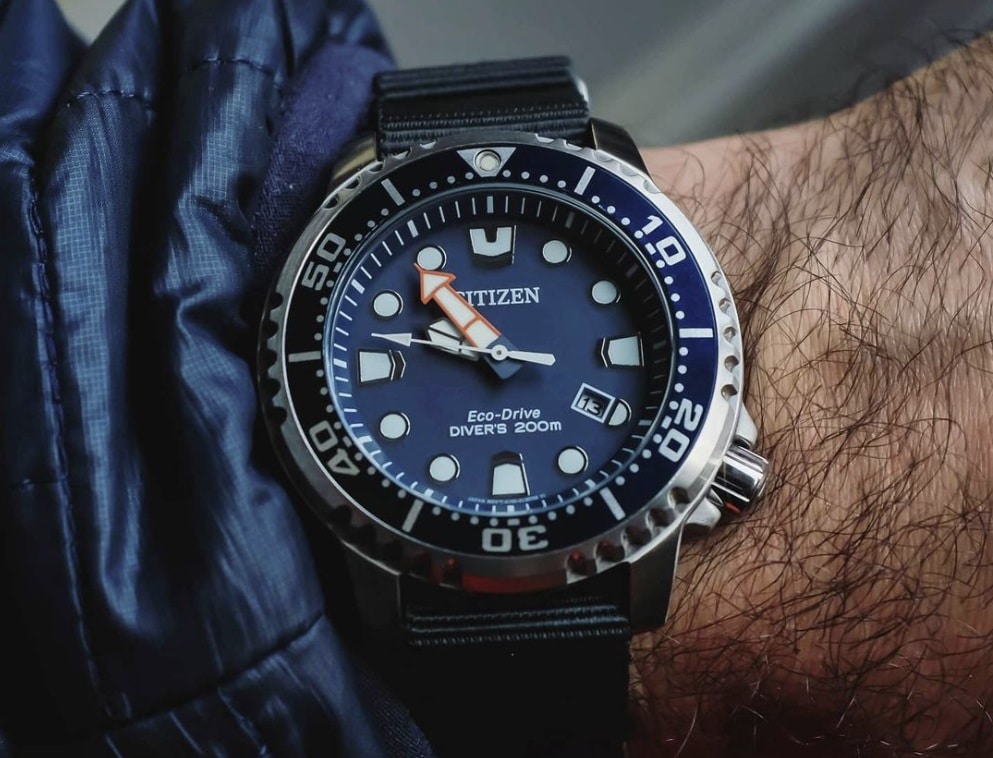
For everyday dive-watch value, we’d take the Citizen Promaster Diver BN0151. It’s dependable, comfortable, and remarkably easy to live with, which is exactly what we’ve come to appreciate after years of ownership. That doesn’t mean we’d trade away everything we love about the Submariner. The Rolex is a genuinely exceptional watch, and its bracelet, finishing, and mechanical precision give us plenty of reasons to want one. But wanting a watch and being able to justify its price are two different things. We can appreciate everything Rolex has accomplished without pretending those improvements are necessary to enjoy a great diver. The Submariner shows us how refined a dive watch can become. The Promaster reminds us how little we actually need to spend to enjoy one.

Co-Founder and Senior Editor
Kaz has been collecting watches since 2015, but he’s been fascinated by product design, the Collector’s psychology, and brand marketing his whole life. While sharing the same strong fondness for all things horologically-affordable as Mike (his TBWS partner in crime), Kaz’s collection niche is also focused on vintage Soviet watches as well as watches that feature a unique, but well-designed quirk or visual hook.