Christopher Ward and Mido can end up on the same shortlist for very different reasons, and that’s where this comparison gets interesting. Both offer serious Swiss watches for enthusiasts who don’t want to jump straight to the usual luxury names, but choosing between them isn’t as straightforward as comparing prices or specs. Once you’ve worn watches from both, the differences start showing up in the things that don’t fit neatly into a specification sheet: how a watch sits on the wrist, how much thought went into the details, what stays enjoyable after the first few weeks, and which compromises you’re willing to live with. We’ve found that those details can change the way you look at the brands entirely.

Over more than a decade of reviewing watches, we’ve had the chance to put enough Christopher Ward and Mido models through our hands to see patterns rather than isolated wins or misses. That makes this less about deciding which logo carries more weight and more about what our experience with these watches tells us about the value they provide. In this Mido vs. Christopher Ward comparison, we’re looking at where those differences matter once you’re the one wearing the watch.
Brand Identity & Philosophy: Enthusiast Experimentation vs Quiet Swiss Refinement
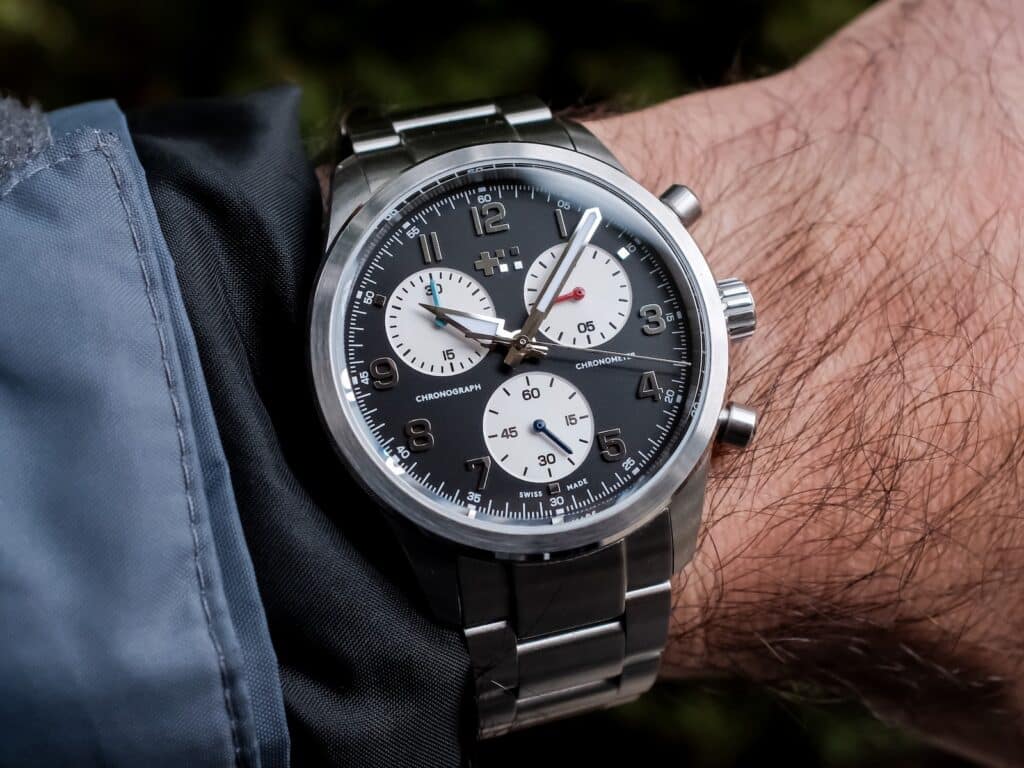
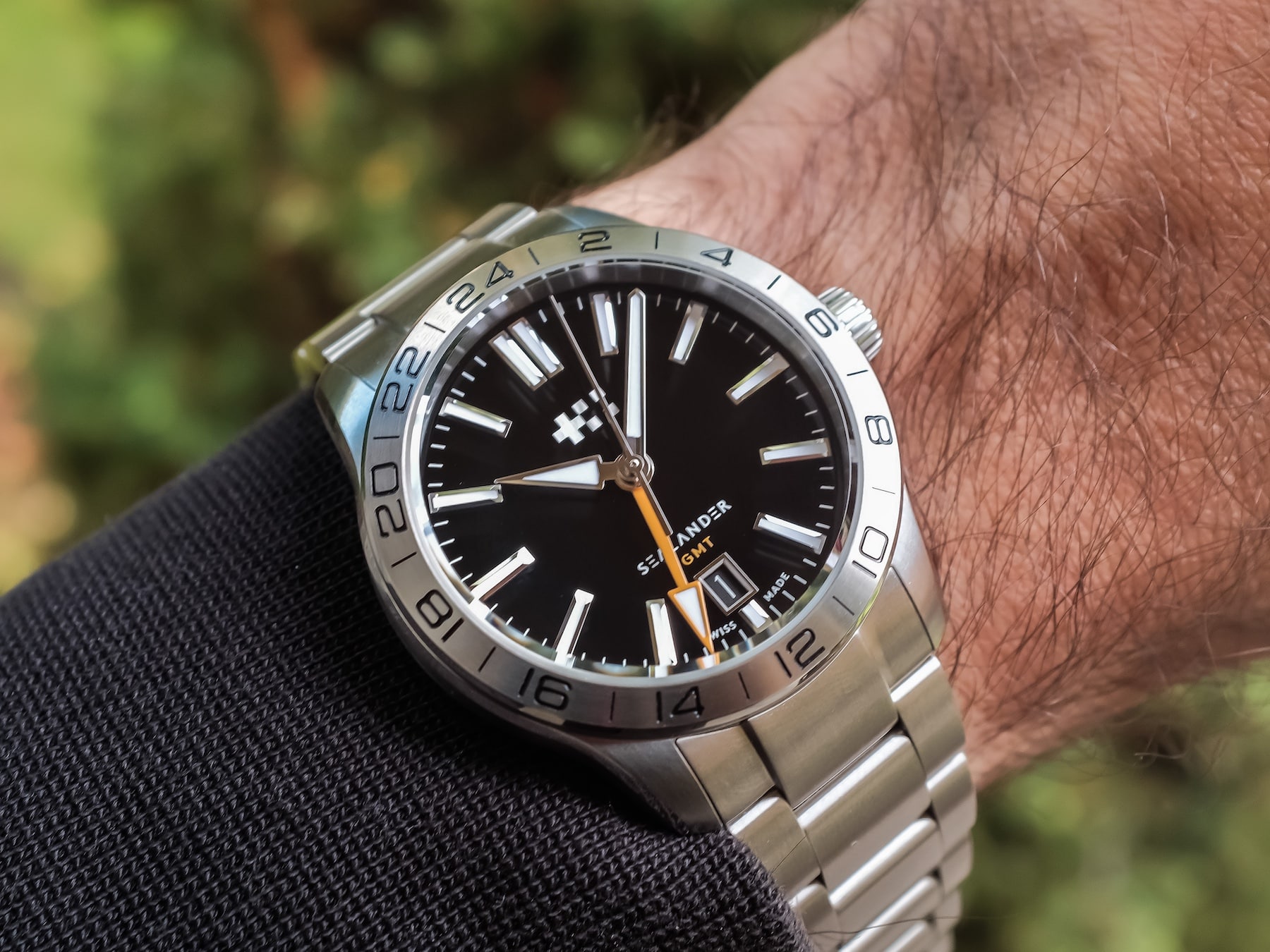
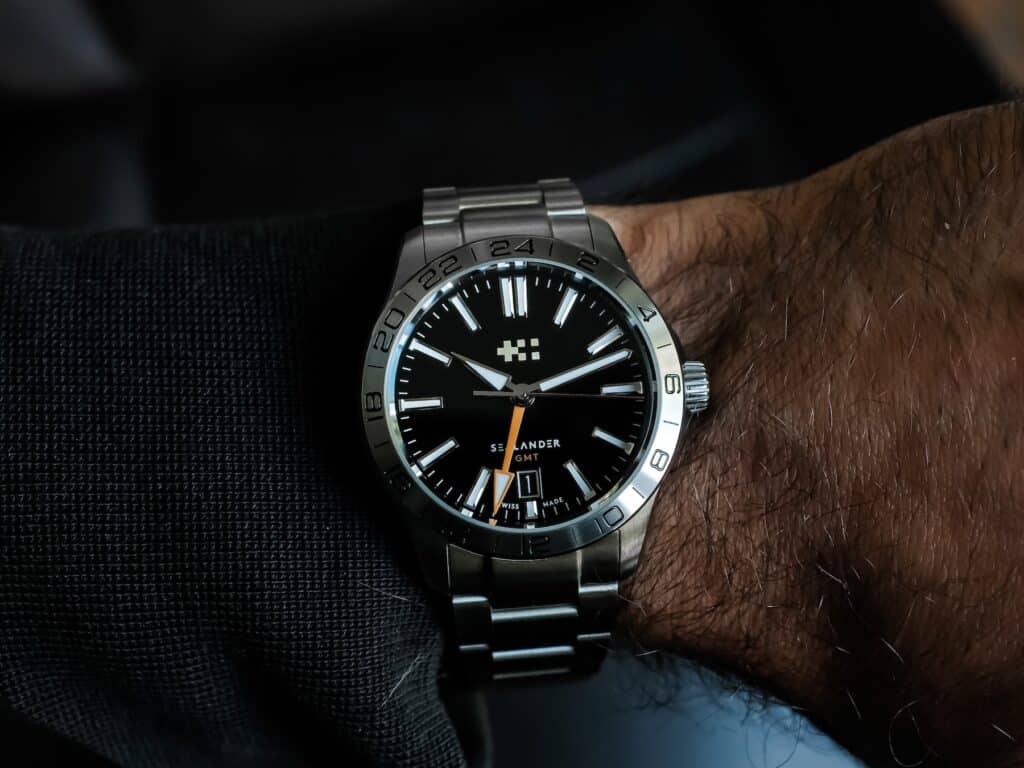
Christopher Ward has a harder time sitting still. The C63 Valour is a quartz chronograph, yet the case finishing, applied numerals, military details, and COSC-certified movement give it far more personality than “quartz chronograph” might imply. The Twelve takes the now-familiar integrated-bracelet formula and shrinks it to 36mm in titanium. The C65 Super Compressor even brings back the compression system (even though we found the feature technically redundant). Then there’s the C63 Sealander GMT, where Christopher Ward kept revising a watch that was already good, but a few details still bugged us. After wearing the latest version, those small changes added up to a watch that finally felt resolved. That’s the fun with Christopher Ward: sometimes you get a feature because it’s useful, and sometimes you get it because someone at CW apparently couldn’t leave “well enough” alone.
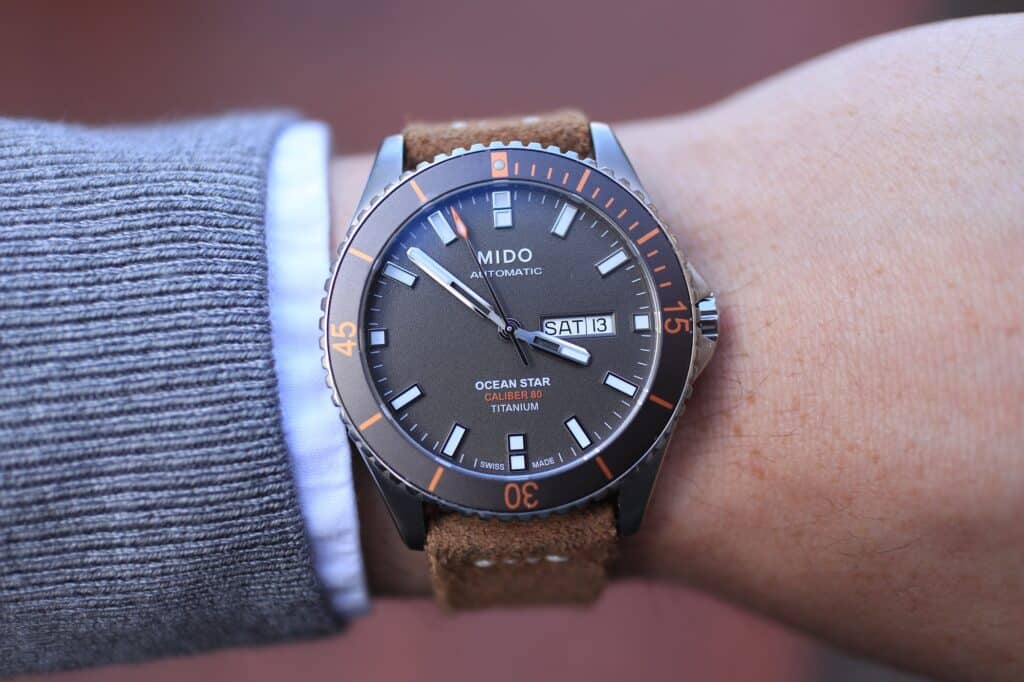
Mido has never felt like a brand in a hurry to prove itself. Spend time with the Ocean Star 200, Commander Datoday, Ocean Star Tribute, and Ocean Star Titanium, and the pattern is pretty easy to spot. Mido tends to take an established formula and keep sanding down the rough edges. The refreshed Ocean Star 200 is a good example: after wearing three versions for weeks, the improvements felt useful without turning the watch into something radically different. The Commander Datoday takes more stylistic liberties, but the 40mm case and integrated bracelet keep it grounded enough for daily wear. The Ocean Star Titanium takes that same approach further; after extended wear, what kept us coming back was its low weight and comfort, not the titanium label itself. Mido’s appeal is in that consistency. It rarely feels like it’s trying to impress you before you’ve had a chance to wear it.
- Christopher Ward builds its appeal through experimentation, enthusiast-focused details, and a willingness to revisit ideas until they feel properly resolved.
- Mido’s value comes from steady refinement, practical wearability, and knowing when to leave a good formula alone.
Dial, Bracelets/Straps & Wearability: Enthusiast Detail vs Understated Cohesion
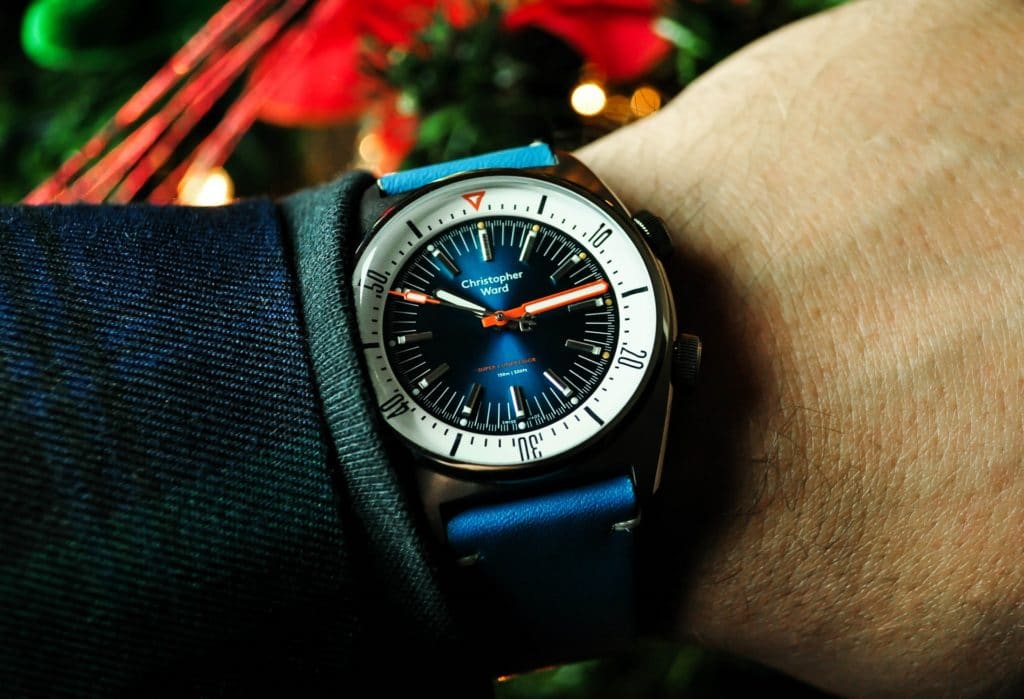
Christopher Ward puts more of the personality into the details you notice while wearing the watch. As covered in our dedicated review, the C65 Super Compressor’s Ocean Blue dial shifts from deep navy to lighter blue as it catches the light, while the applied markers and restrained orange accents add vintage character without hurting readability. The C63 Valour takes a different route with its matte black reverse-panda layout and contrasting white sub-dials. Still, the high-contrast arrangement stays easy to parse even with three different-colored chronograph hands. The bracelet work is similarly deliberate. The Valour’s Bader bracelet tapers from 20mm to roughly 16mm and has enough full and half links to make sizing straightforward, with an on-the-fly extension that came in handy on warmer days. The Twelve 36mm Titanium, as mentioned in our hands-on video review, takes comfort even further with an articulated titanium bracelet that follows the wrist closely and stays remarkably light throughout the day. Screw links made sizing easy, although the quick-change mechanism underneath proved annoyingly fiddly. That’s Christopher Ward in a nutshell: even the bracelet gets an enthusiast-level detail to obsess over.
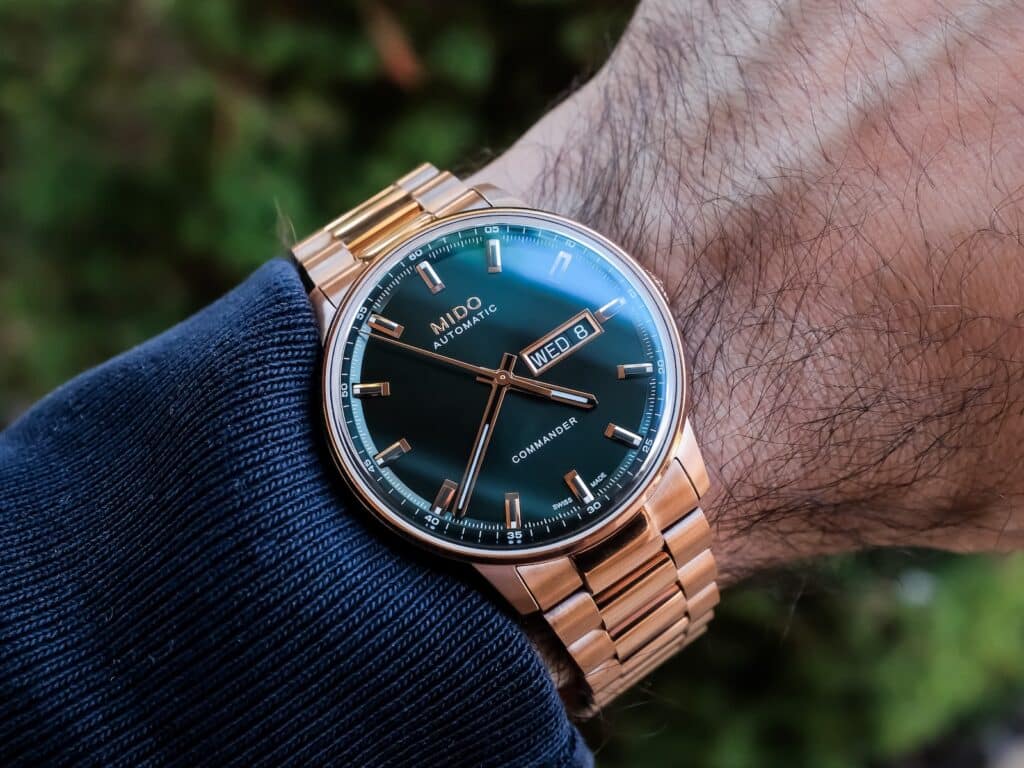
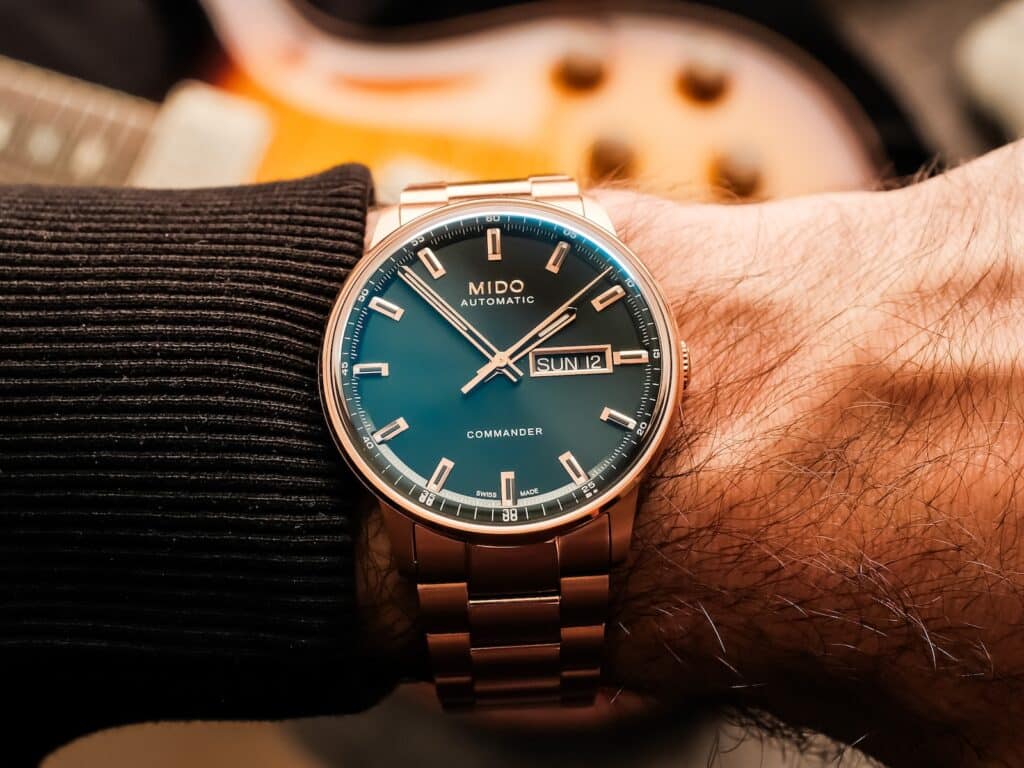
Mido generally gives us dials that reward a glance without needing a second look to figure out what’s happening. The refreshed Ocean Star 200 is a good example: the grained dial picks up light without getting flashy, while the larger applied markers and thicker hands add depth and make quick time checks easier. After wearing three versions side by side, we kept reaching for the white dial because the contrast made it the easiest to read, while the silver took longer to appreciate as its texture came alive under changing light. The rose-gold Commander Datoday we tested hands-on is more decorative, with its green sunray dial moving from blue-green in cooler light to a deeper forest tone as the light changes, while the stepped layout keeps the day-date from throwing off the dial. On the bracelet, Mido favors comfort over fuss. For instance, the Ocean Star Titanium’s 22mm titanium bracelet curves neatly around the wrist, tapers to 19mm, and uses a ratcheting clasp that makes small fit adjustments easy throughout the day. We wore that watch heavily for more than a year and a half, and that comfort did more to keep it in rotation than any headline specification.
- Christopher Ward puts more into the details you keep noticing, so the dial and bracelet remain part of the appeal long after the first impression wears off.
- Mido keeps things cohesive, using restrained dial detail, straightforward legibility, and bracelets that prioritize comfort over fuss.
Build Quality & Technical Approach
Movements:
Movements:
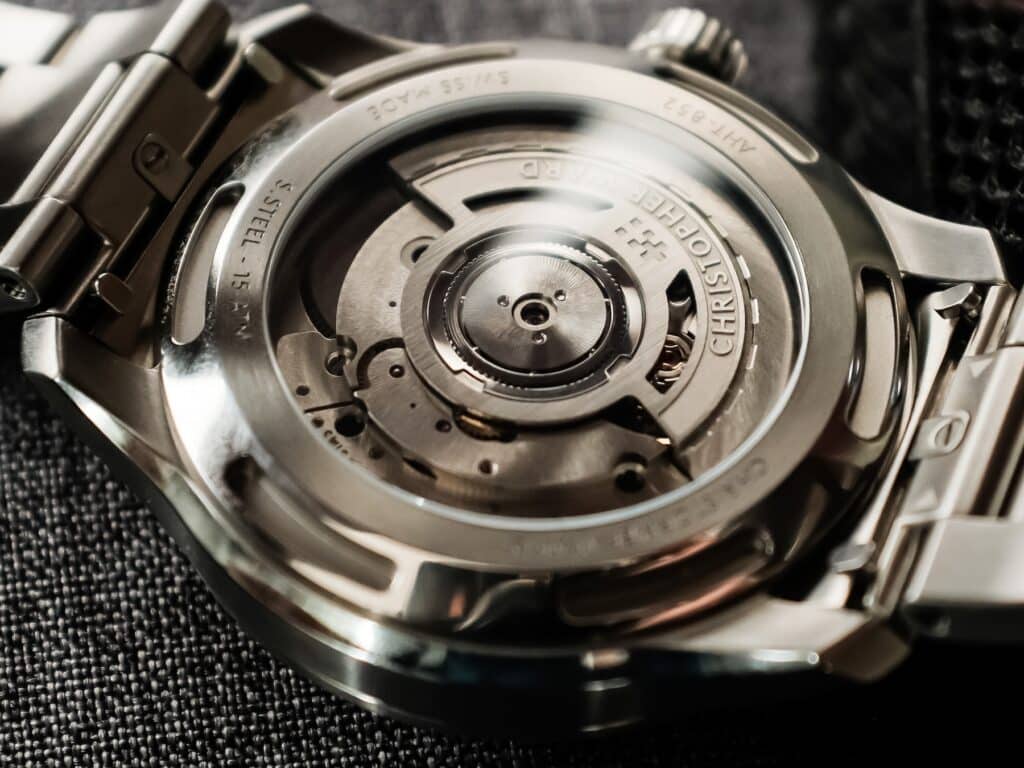
Christopher Ward is less interested in giving every watch the same mechanical recipe. The C65 Super Compressor uses the dependable Sellita SW200-1 with a modest 38-hour reserve and fairly ordinary regulation, but that doesn’t bother us much because the movement does what the watch needs it to do. Then the C63 Valour takes a hard left turn with an ETA G10.212 AD COSC quartz chronograph rated to ±10 seconds per year. We set it, wore it for weeks, and largely forgot about it, which is a very strong case for quartz. The Twelve 36mm Titanium steps back into mechanical territory with a COSC-rated Sellita SW300-1 and 56 hours of reserve, while the C63 Sealander GMT uses an SW330-2 with the same 56-hour reserve. The latter is a caller GMT, but during our time with it, independently setting the GMT hand suited the way we actually used the complication.
Among the pieces we’ve included here, Mido keeps things pretty uncomplicated with its Caliber 80 family. We’ve seen the movement across the Ocean Star 200, Commander Datoday, Ocean Star Tribute, and Ocean Star Titanium, and the 80-hour reserve keeps proving its worth when you rotate watches regularly.
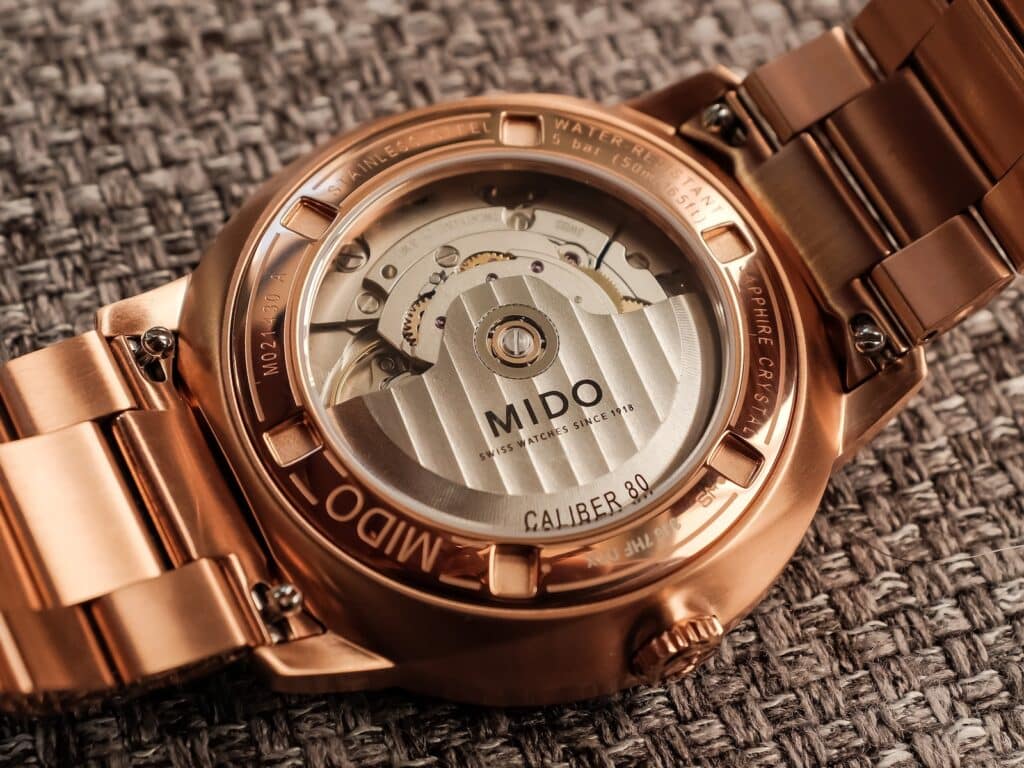
During our Ocean Star 200 review, we could leave one of three references aside for a couple of days and come back to it still running. The Commander Datoday brought the same convenience, along with a Nivachron balance spring that adds practical resistance to magnetism and shocks without making you think about it. The Ocean Star Titanium adds a silicon hairspring to the mix, while the Tribute managed a very respectable +2 seconds per day. The 21,600-bph beat rate may give certain movement snobs something to complain about over coffee, but after living with these watches, we’d take the 80-hour reserve and dependable behavior every time.
Christopher Ward’s approach feels more varied because the movement seems chosen around each watch’s character and purpose, not a single house formula. Mido’s movement philosophy is pretty easy to appreciate in a different way: make the mechanics useful, keep them reliable, and don’t make the owner babysit them.
Case Construction & Finishing:
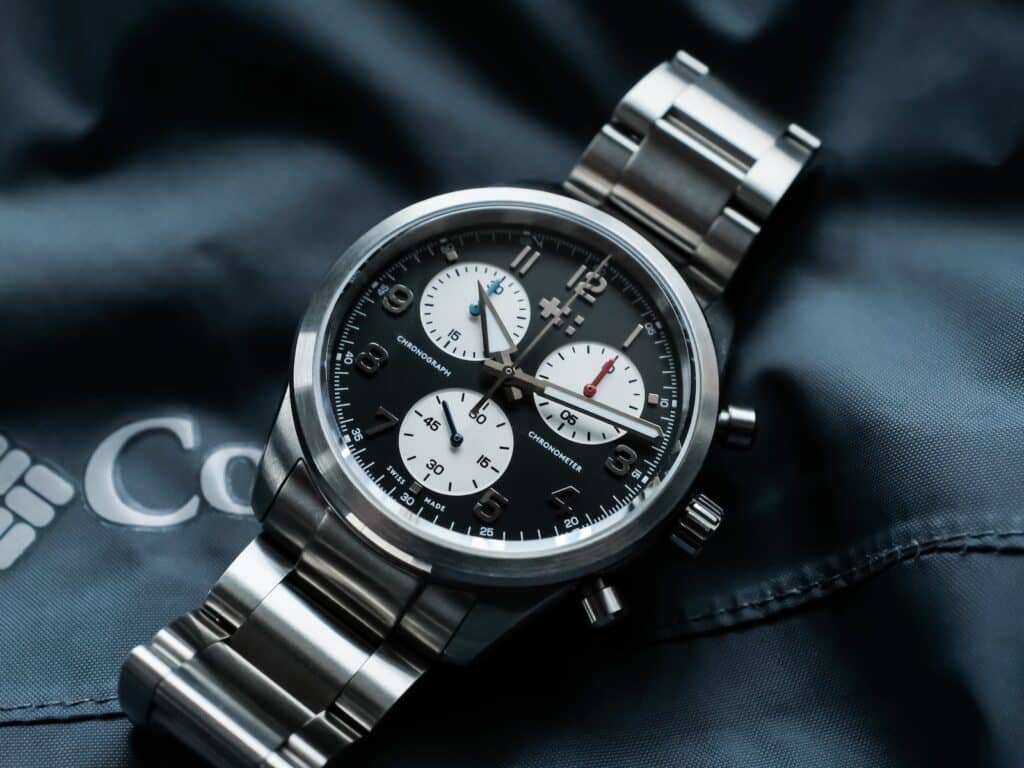
Christopher Ward makes finishing part of the reason you keep looking at the watch. On the C63 Valour we spent significant wrist time with, the mix of brushed surfaces and polished accents creates constant changes as the light moves, giving what could have been a purely military-looking watch a more dressed-up character. It’s easy to notice on the wrist and helps the watch feel more versatile than its brief might suggest. The C65 Super Compressor pushes this further, with exceptionally clean brushing and polished edges that give it a level of visual refinement we didn’t expect at this price. The Twelve 36mm Titanium is the most elaborate example of the bunch. Its combination of matte and intricate polished surfaces gives the titanium case a dynamic appearance that changes constantly under different lighting. At the same time, the lightweight construction keeps all that finishing from making the watch feel heavy or precious.
In short, Christopher Ward’s casework is more obvious than Mido’s, and for enthusiasts who enjoy inspecting the little details, that extra effort becomes part of the fun. There’s always another surface catching the light, which is either delightful or a great way to lose ten minutes when you’re supposed to be doing something else.
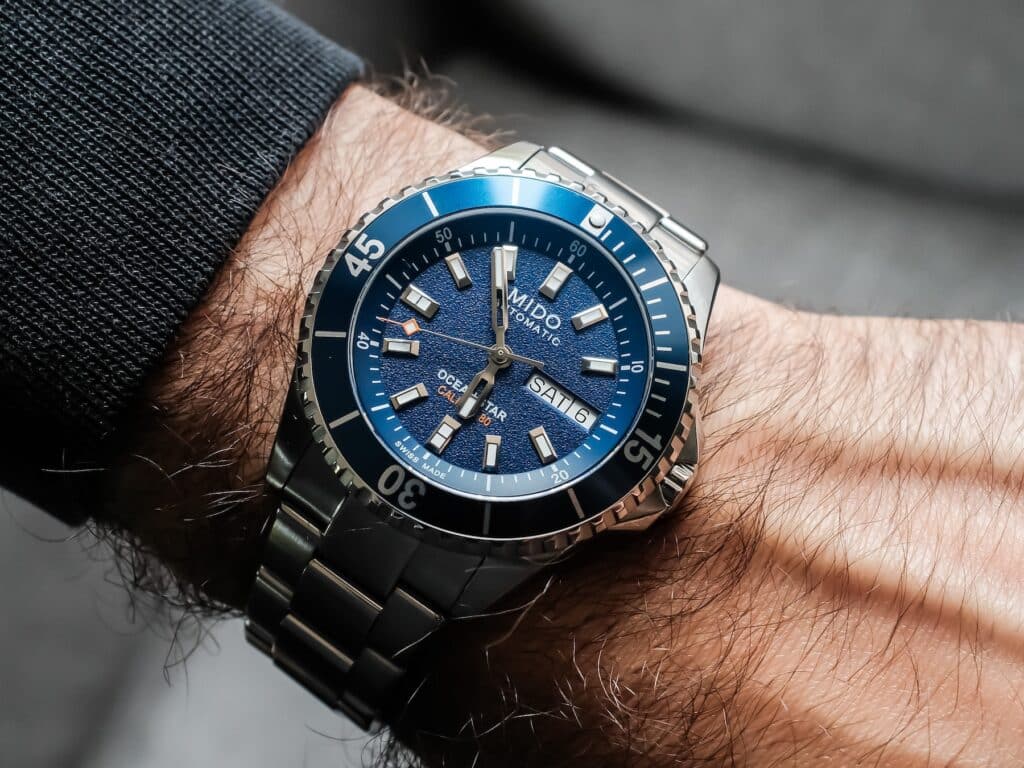
Mido’s case finishing tends to stay in the background, which is probably why it works so well across different kinds of watches. The refreshed Ocean Star 200 is a good example. After rotating three versions for several weeks, the broader chamfer and sharper transitions gave the watch more definition without making it look too polished or fussy. The Ocean Star Titanium takes a quieter route again, with its fully brushed titanium construction giving it a soft, utilitarian appearance that became more appealing the longer we wore it. The crown guards and caseback details add personality without turning the exterior into a showroom exhibit. Then there’s the Ocean Star Tribute, which largely throws the restraint argument out the window. The entire watch is polished, and while that makes it more eye-catching, it also means every little mark will announce itself (more on that in our dedicated review).
Overall, Mido clearly knows how to finish a case; it simply doesn’t seem particularly interested in making us admire every surface under a desk lamp.
Crystals and Bezels:
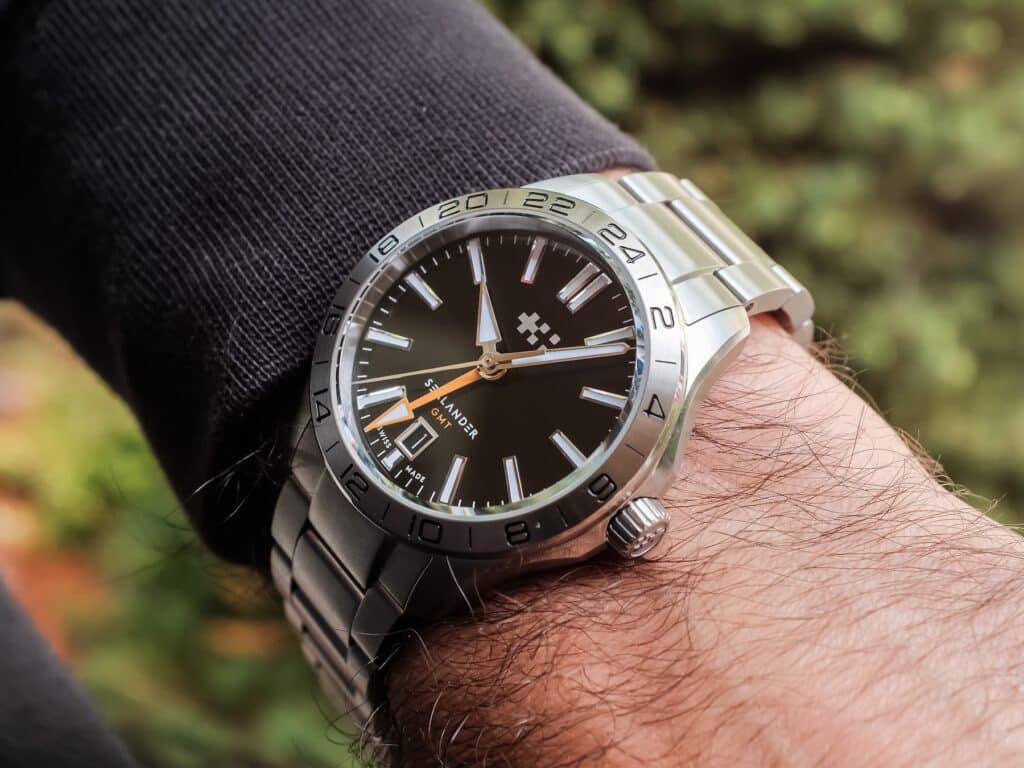
Christopher Ward is more willing to make the crystal and bezel part of the watch’s personality. The C65 Super Compressor uses a domed sapphire crystal that catches light from different angles, while its actual dive bezel sits underneath the glass and turns with smooth, defined clicks. There is a little backward slack, but once we understood the crown-operated system, it didn’t bother us much. More importantly, it gives the watch a bezel setup you don’t come across every day. The latest C63 Sealander GMT takes a simpler route with sapphire and a fixed stainless-steel bezel, but even here Christopher Ward made a small revision that mattered. The bezel has a larger footprint and a shallower angle, and after wearing the new version, we found it sat more naturally with the rest of the watch than before. As said earlier, too, that’s a very Christopher Ward move: take something that already works, fiddle with it anyway, and occasionally make us admit the fiddling paid off.
Mido tends to keep crystal and bezel choices sensible, with enough variation between models to give each watch its own flavor. The refreshed Ocean Star 200 uses sapphire with anti-reflective coating on both sides, and the larger bezel numerals and markers make the whole setup easier to read at a glance. After wearing three versions for several weeks, the combination felt practical rather than over-engineered. The Ocean Star Titanium takes a similar route with double AR-coated sapphire, which kept unwanted reflections close to nonexistent during our time with it. Its sloped, grooved bezel uses a matte insert that usually reads as gray-brown and works in tandem with the rest of the watch.
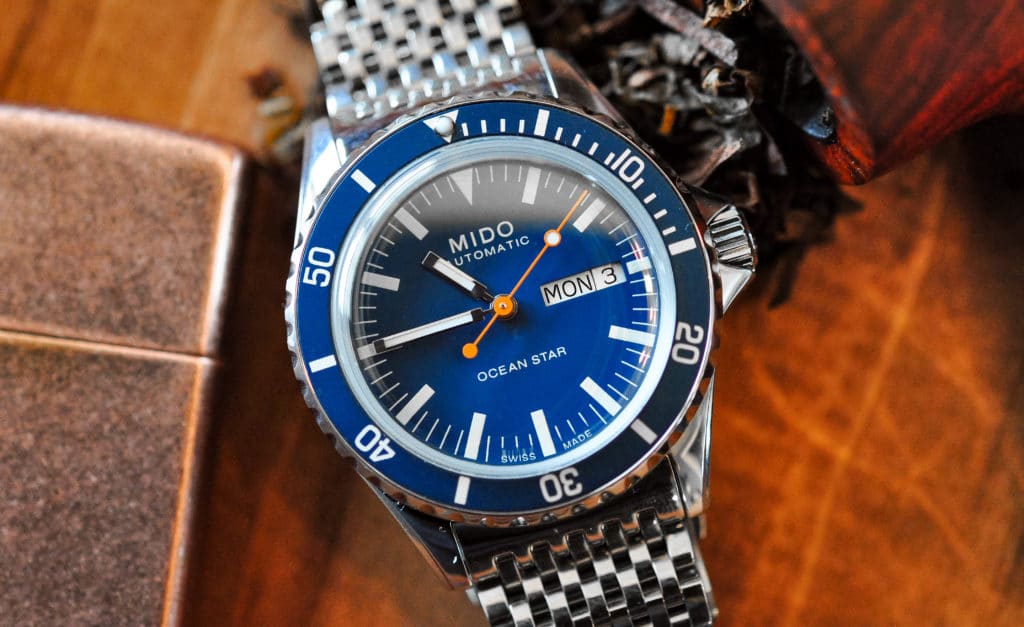
The Ocean Star Tribute goes in a completely different direction. Its tall box-shaped sapphire crystal creates some distortion toward the edges, but the center stays remarkably clear from awkward angles. There’s no AR coating, either, and we didn’t miss it. The vintage character suits the uncoated crystal better than an ultra-clean modern treatment probably would. The coin-edged aluminum bezel also fits that throwback approach, giving it a warmer feel than the ceramic inserts found on many newer divers. Mido doesn’t reinvent these components for their own sake, but it knows when a different choice makes sense.
Water Resistance & Lume:
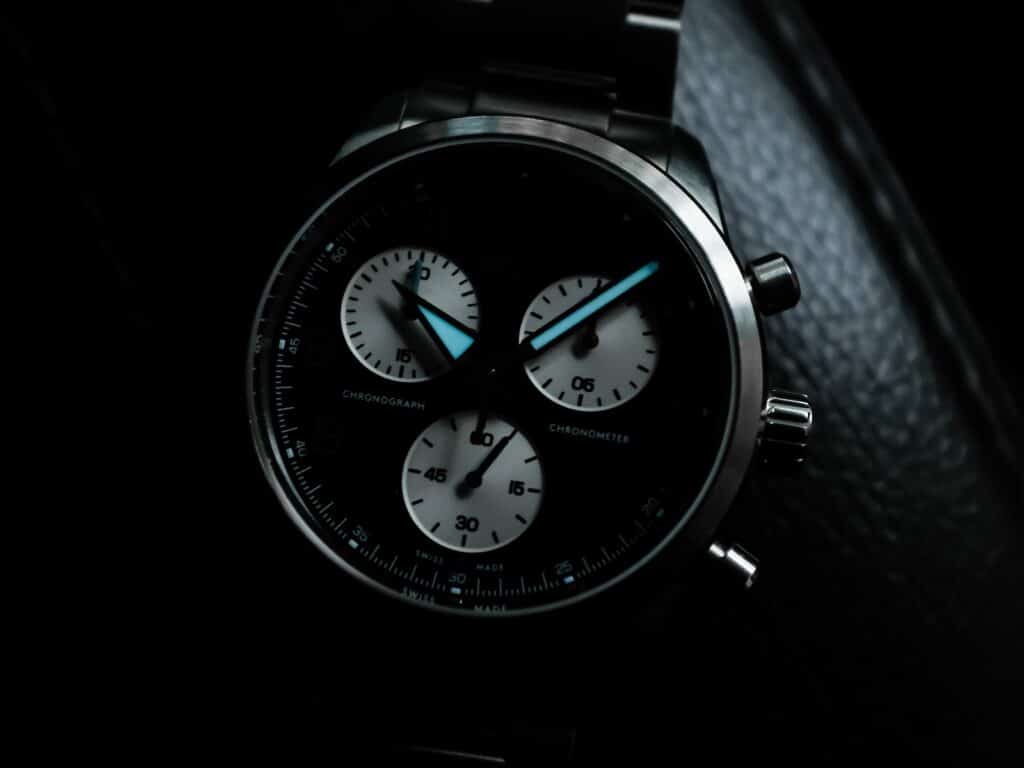
Christopher Ward is a little less uniform, which makes each model more revealing. The C63 Valour has 150 meters of water resistance and a screw-down crown, giving its chronograph far more water freedom than most owners will ever need. Its Super-LumiNova X1-filled hour and minute hands are strong in both daylight and low light, and we never had to strain to read them after dark. The C65 Super Compressor is rated to 150 meters too, but the lume is less impressive; we even ranked it below Christopher Ward’s C60. That feels appropriate for a watch whose appeal is tied more to its unusual engineering and retro character than outright dive-watch performance. The Twelve 36mm Titanium sits at 10 ATM, making it perfectly usable for everyday exposure, while Christopher Ward’s latest C63 Sealander GMT again gives you 150 meters and a screw-down crown for similarly carefree daily wear. Across these watches, CW seems more willing to let each model have its own priorities. Sometimes that produces excellent low-light performance, and sometimes the engineering gets more attention than the lume.
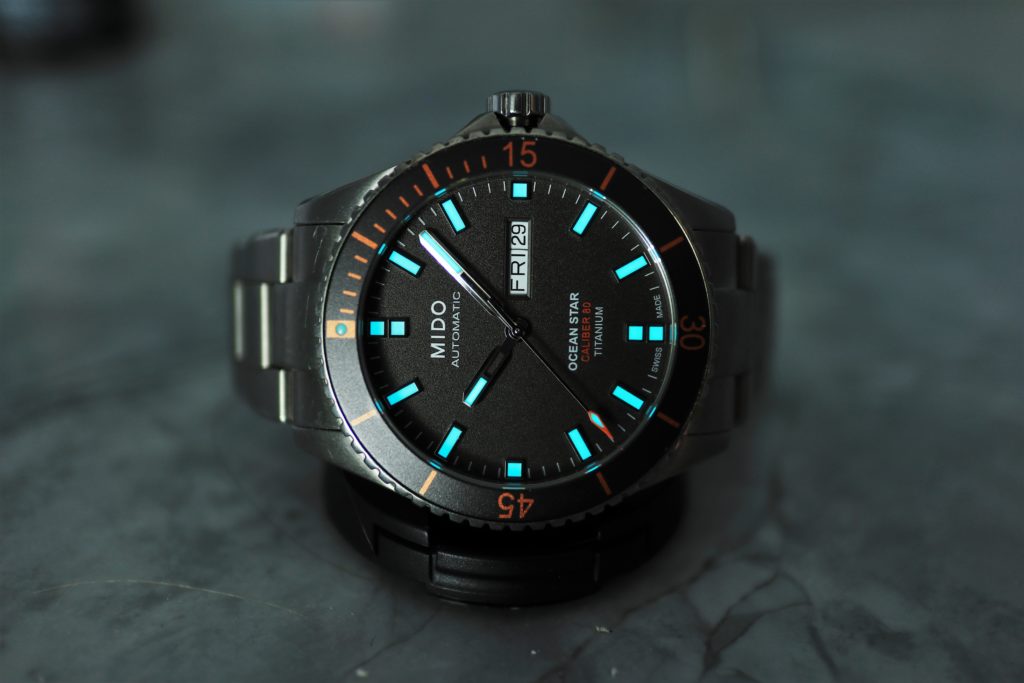
Mido generally gives its sportier watches enough water resistance that we don’t have to think twice about normal water exposure. The Ocean Star 200 is rated to 200 meters with a screw-down crown, and that rating felt like part of the watch rather than a number added for the spec sheet. The Ocean Star Tribute gets the same 200-meter rating, but its lume is less convincing. The hands and bezel pip glow brighter than the dial, but the overall lume is noticeably underwhelming for a watch with that much dive-watch intent. We found the Commander Datoday’s 50-meter rating more revealing because it makes its limits clear: this is an everyday watch, not something Mido is pretending belongs in the deep end. Its lume is similarly modest, doing its job when needed without making a fuss. The older Ocean Star Titanium is the happier extreme, with bright blue-green Super-LumiNova that charges quickly and stays highly visible. Mido’s pattern is easy enough to understand: solid water resistance where the watch calls for it, with lume that can range from genuinely useful to “well, technically it glows.”
- Christopher Ward mixes varied movements with more elaborate finishing and more inventive component design, accepting occasional quirks in exchange for a more enthusiast-focused experience.
- Mido leans on long-reserve movements, restrained finishing, sensible crystal choices, and capable water resistance, with performance generally taking priority over showing off.
Ownership & Resale: Enthusiast Attention vs Under-the-Radar Loyalty
Christopher Ward has a more obvious enthusiast conversation around it, and our reviews make it easy to understand why. The C63 Valour shows the brand has grown from something experimental and hard to pin down into a more focused, value-driven operation, with newer releases giving enthusiasts more to discuss and scrutinize. The C63 Sealander GMT takes that enthusiast relationship a step further. Earlier versions left a few things unresolved for us, and when Christopher Ward revised the watch in 2026, those changes stood out because we’d already spent time with the older designs. That makes following the brand more interesting: you can disagree with a design choice, complain about it for a while (a cherished watch-nerd tradition), and then see whether the next version did anything about it. We wouldn’t use these reviews to claim that either brand dominates resale, but they do show a difference in how the watches engage collectors.
Mido doesn’t strike us as a brand people buy because they’re already thinking about what it might be worth three years from now. The Ocean Star Titanium is great evidence of that. We spotted a barely used example below retail, bought it on impulse, and then wore it heavily for a year and a half despite having 15–20 other watches to rotate through. That is not exactly a spreadsheet-driven purchasing decision, and we trust it more than a resale argument anyway. The Ocean Star Tribute tells another part of the Mido story. When we reviewed it, information about the model was surprisingly hard to find in the US, eventually pushing us toward an overseas authorized dealer. At least from our experience, Mido has had a harder time staying visible in the US watch conversation. That relative lack of noise can be a drawback when you’re researching a model, but it also fits Mido’s low-key place in the watch world. People who discover the brand tend to have done some digging first.
- Christopher Ward creates more ongoing enthusiast engagement, with new designs and revisions giving collectors plenty to scrutinize beyond the initial purchase.
- Mido’s strongest ownership story is quiet staying power: watches can fly under the radar and still earn significant wrist time once discovered.
Final Thoughts: Mido vs Christopher Ward — Which Offers the Better Overall Value?
After enough time with both brands, we think the real test is what happens once the spec sheets stop mattering. Mido makes a strong case for itself there. The watches are comfortable, dependable, and easy to keep wearing without constantly thinking about why you bought them in the first place. Our experience with the Ocean Star Titanium is probably the best example: it quietly earned an unusual amount of wrist time despite plenty of competition in the collection.
Christopher Ward, though, gives us more to point to when we step back and look at the overall value proposition. Across the watches we’ve reviewed, the finishing is generally more ambitious, the movement choices are more varied, the bracelets and cases tend to carry more enthusiast-focused detail, and the brand seems more willing to rethink a design when something can be improved. Not every experiment works perfectly, but there is usually a sense that you’re getting more than the basic formula for the money.
So our verdict is Christopher Ward. Mido may be the easier brand to simply wear and forget about, and there is real value in that, but Christopher Ward gives us more reasons to be impressed when we compare what each brand is actually delivering at these prices. For enthusiasts who care about finishing, technical variety, thoughtful details, and a little more personality, that makes Christopher Ward the stronger overall value.

Co-Founder and Senior Editor
Kaz has been collecting watches since 2015, but he’s been fascinated by product design, the Collector’s psychology, and brand marketing his whole life. While sharing the same strong fondness for all things horologically-affordable as Mike (his TBWS partner in crime), Kaz’s collection niche is also focused on vintage Soviet watches as well as watches that feature a unique, but well-designed quirk or visual hook.