British watch brands don’t really move in one neat little lane. Some chase modern value with enough polish to make the usual Swiss suspects sweat a bit. Some lean hard into military utility. Others care more about color, craft, or telling time through a flying saucer and an abducted pig, because apparently, this hobby needed that too. This list is meant to answer a simple question: which British watch brands are truly worth paying attention to right now if you care about wrist time, value, design, and character more than logo worship? We’re looking at brands we’ve reviewed, handled, argued with, warmed up to, and occasionally wanted to keep after the review period ended.
That perspective matters because we’re not building this from press releases or patriotic packaging. After nearly 10 years of reviewing watches, we’ve spent time with British brands across a wide spread: Christopher Ward’s value-focused modern watchmaking, CWC’s no-nonsense military tool watches, Bremont’s pricier field and travel pieces, Farer’s colorful complications, anOrdain’s Scottish enamel work, and Mr Jones Watches’ playful London-made oddities. Each brand here has shown us something useful about what British watchmaking can look like today, whether you’re buying your first serious piece, hunting for underrated watch brands, or trying to find watches worth the money without falling face-first into hype.
1. Christopher Ward
Christopher Ward earns its place on a list of the best British watch brands because it has become hard to dismiss as “just” an online value brand. In our time with several pieces, the brand felt more focused than that, especially in the way it balances British design identity with Swiss assembly, better case finishing, and performance-minded movements. The Military collection is a useful example here, since it carries British Ministry of Defence approval and gives the brand a more credible lane than vague vintage cosplay. The bigger point is range. Christopher Ward can make a compact integrated-bracelet watch, a sporty military chronograph, a glowing worldtimer, a real Super Compressor, and a clean naval-inspired diver without each one feeling as if it escaped from a different brand’s catalog. That matters if you’re an enthusiast trying to buy watches worth the money rather than chase whatever the algorithm is pushing this week.

The Christopher Ward The Twelve 36mm in Titanium is probably the clearest example of why the brand clicks with modern collectors. Integrated-bracelet watches have been everywhere lately, and most of them either feel like affordable PRX alternatives or like awkward attempts to borrow the body language of expensive watches. The Twelve landed better in our hands-on video review because it wore with more flexibility than expected. The 36mm case, 8.95mm thickness, and lightweight titanium construction made it an easy everyday watch, especially for smaller wrists or anyone tired of slabby sports watches pretending to be elegant. It dressed up without feeling precious and dressed down without looking like someone brought a wine glass to a barbecue. The trade-offs were real, though. The quick-change system was fiddly, the Lagoon Blue dial could lose contrast, and at $1,895, it is not sitting in “best watches under 500” territory. But the finishing, sizing experience, and bracelet execution helped explain why people keep bringing Christopher Ward into aggressive-value watch conversations.
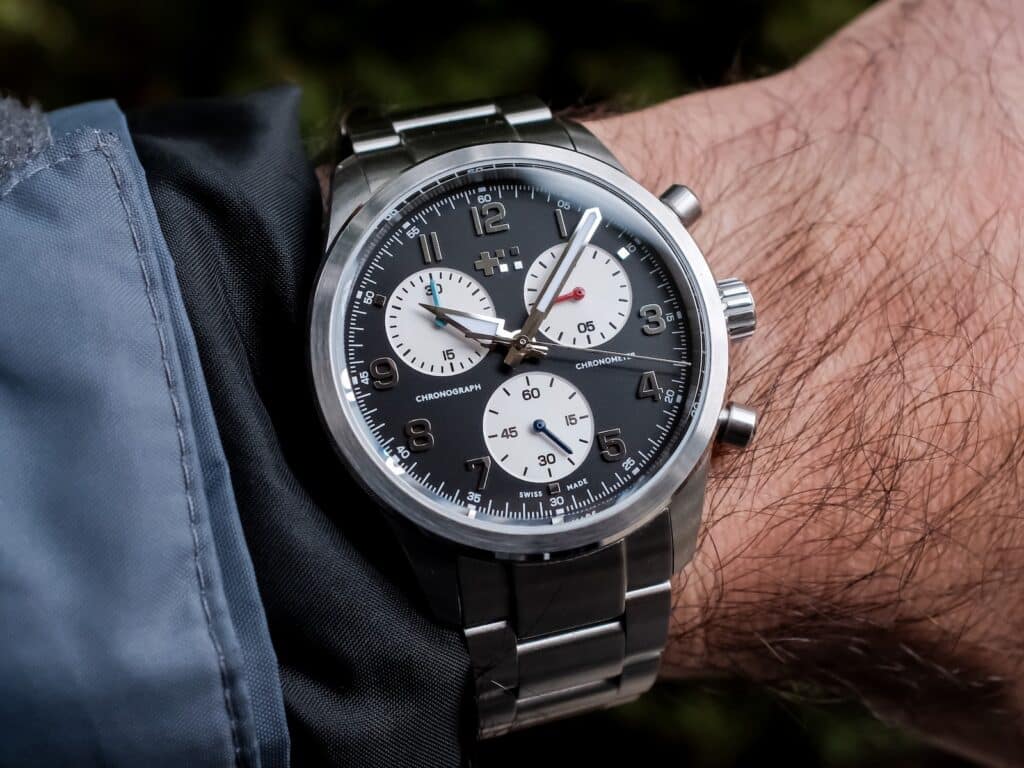
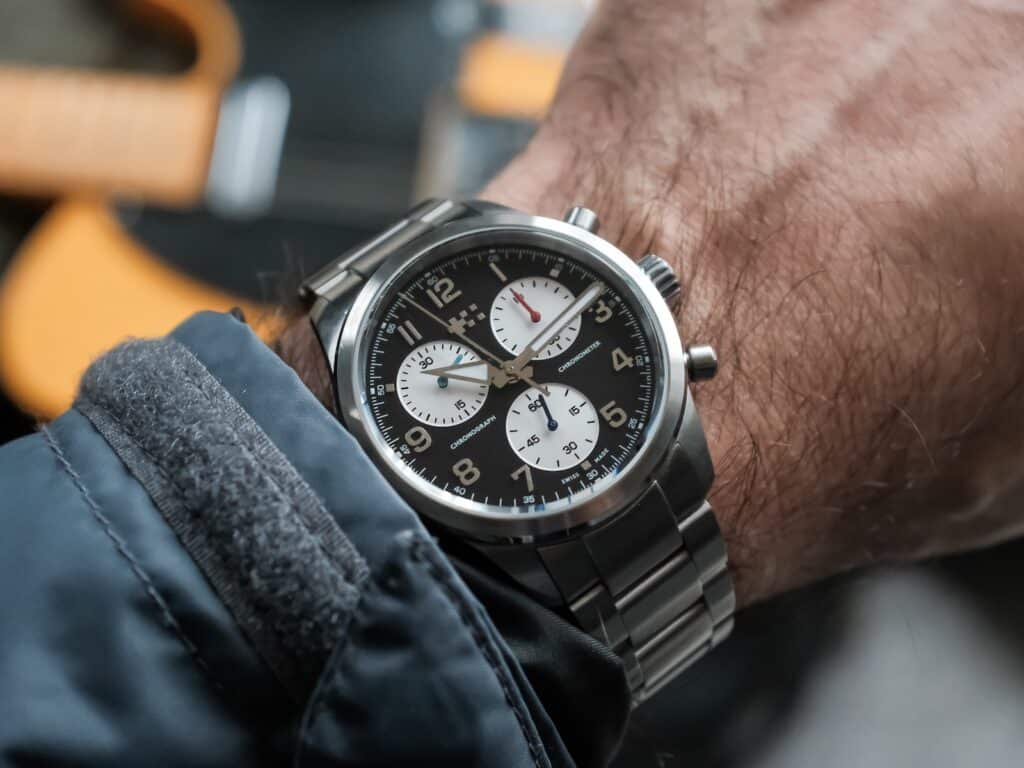
The C63 Valour shows another side of the brand. It is a 39mm military-inspired quartz chronograph with COSC certification, 150 meters of water resistance, and a compact, balanced case rather than a chunky one. What stood out during testing was not only the spec sheet but also the way the watch made high-accuracy quartz feel intentional rather than apologetic. Set it, wear it, stop thinking about it. That is the benefit. For someone who wants a sporty chronograph without mechanical fuss, it makes a pretty good argument for quartz. The bracelet had a faint squeak, and some buyers will still struggle with paying close to $1,000 for a quartz chronograph. Still, the build, accuracy, and military-design context gave the watch more substance than the usual “grab-and-go” label would suggest. For more detailed insights on this, check out our detailed review.
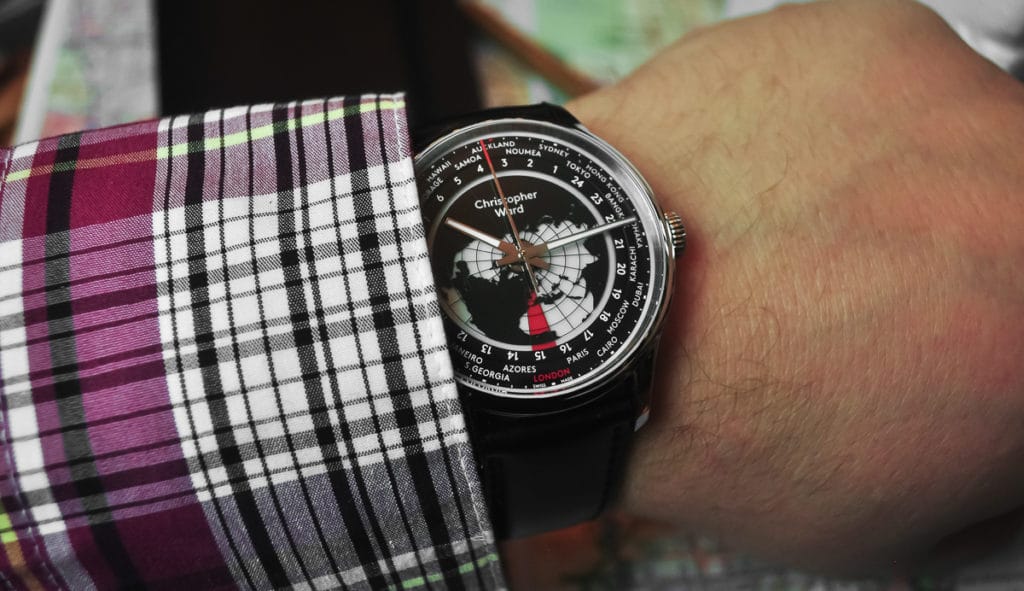
The C1 Worldglow supports Christopher Ward’s case by showing the brand is willing to move beyond safe, value-led sports watches. While spending time with it during testing, it came across as a more ambitious side of CW: a dress-leaning worldtimer with a polished, sharply shaped case, a larger glowing world map, a rotating 24-hour ring, and enough lume to make the whole concept feel different on the wrist. That personality comes with a trade-off. The dial can take a moment to read, especially without traditional hour markers. But that is why it matters here. Among British watch brands, Christopher Ward stands out because it can do practical value, then turn around and make something like this without feeling completely out of character. It gives the brand range, even if the Worldglow itself is more enthusiast bait than a daily no-brainer.
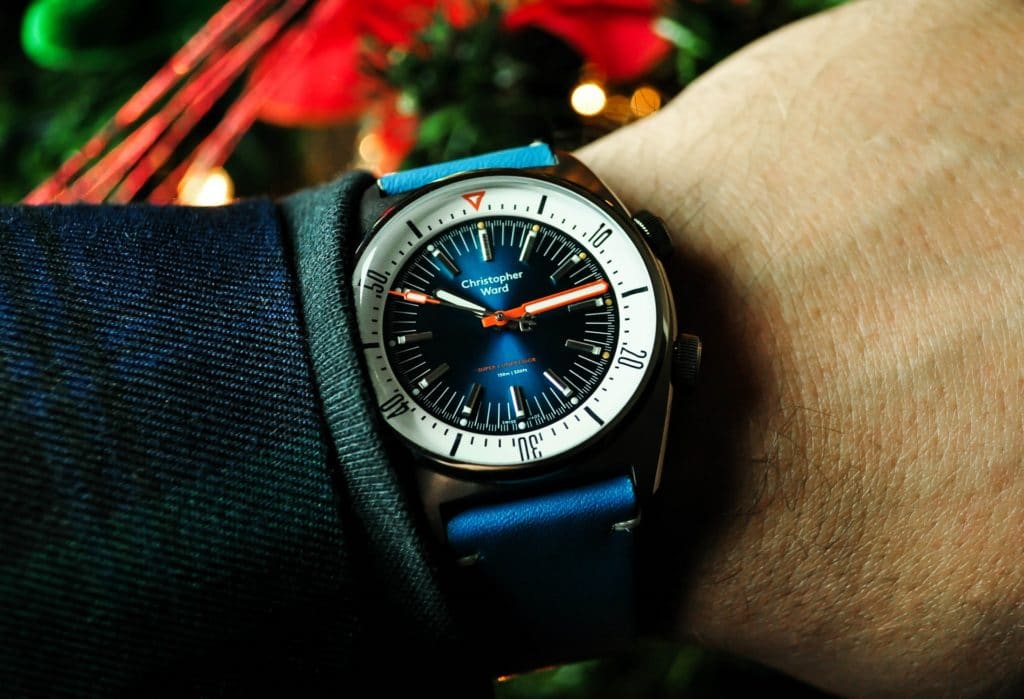
The C65 Super Compressor gives Christopher Ward’s dive-watch side a nerdier reason to exist. As mentioned in our review, the point was not that it out-tools the C60, but that CW revived actual Super Compressor case tech rather than using the name as retro-decoration. That says something useful about the brand: it will spend effort on enthusiast details even when they are not strictly necessary. On the wrist, the 41mm case, polished chamfers, smooth internal bezel, strong dial personality, and comfortable strap options made it feel more like a modern skin diver than a spec-war tool watch. The trade-off is that 150 meters of water resistance, softer lume than the C60, and a dependable-but-unsurprising Sellita SW200-1 keep it from being the brand’s toughest diver. Still, as proof of Christopher Ward’s place among the best British watch brands, it shows the brand can make something technically interesting, wearable, and nerdy without turning it into a museum prop.
- Christopher Ward is not the brand for someone who wants pure heritage, old-world romance, or bargain-bin pricing. It is for the buyer who wants a British-designed watch with modern finishing, strong everyday wearability, and enough enthusiast detail to keep the purchase interesting after the box gets shoved into a closet.
- Among British watch brands, it is the value-and-execution pick, especially if your collecting brain lives somewhere between affordable watches, microbrand watches, and “I want the nice thing, but I’m not selling a kidney for the logo.”
2. CWC
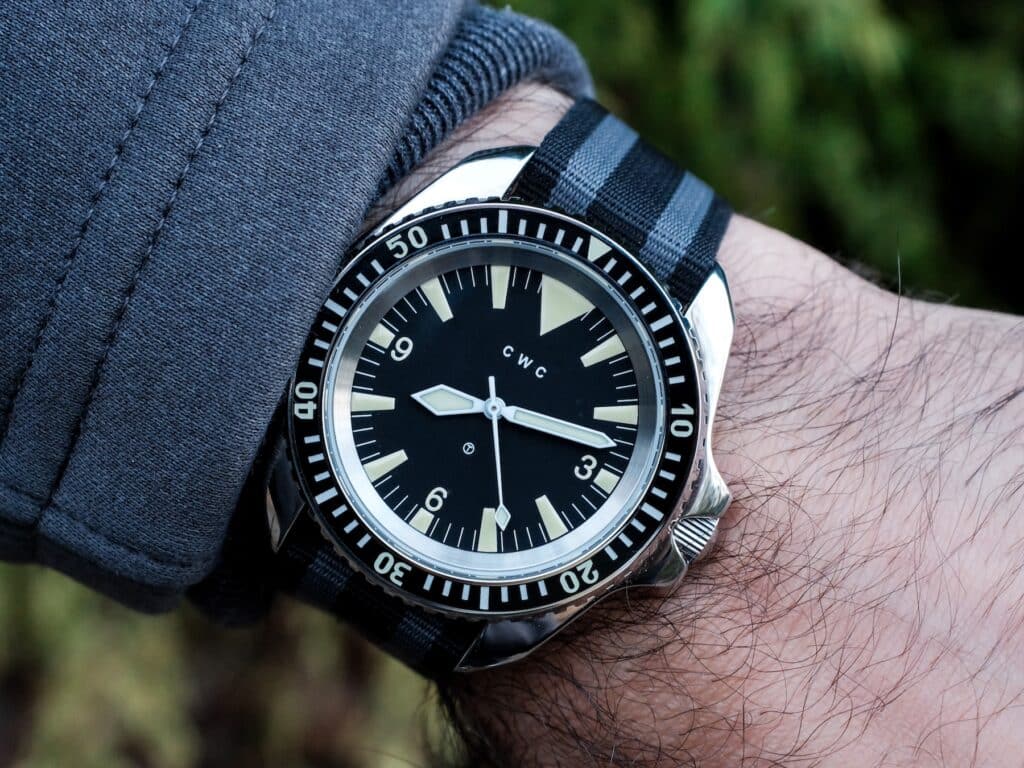
CWC belongs here because its military-watch credibility does not feel borrowed. As covered across our CWC reviews, Cabot Watch Company was started by Ray Mellor, formerly Hamilton’s UK Managing Director, in 1972 to continue supplying watches for MOD contracts after Hamilton exited that role. That history still shapes the watches: Royal Navy divers, RAF and RN pilot-chronograph inspiration, General Service field designs, fixed spring bars, legibility-first dials, and quartz movements treated as practical tools rather than compromises. The Royal Navy Diver, introduced in 1980 to replace the Rolex Milsub, gives the brand a clear collector’s hook, but its appeal is not solely nostalgia. CWC’s strength is that its watches still feel usable, direct, and purpose-built today.
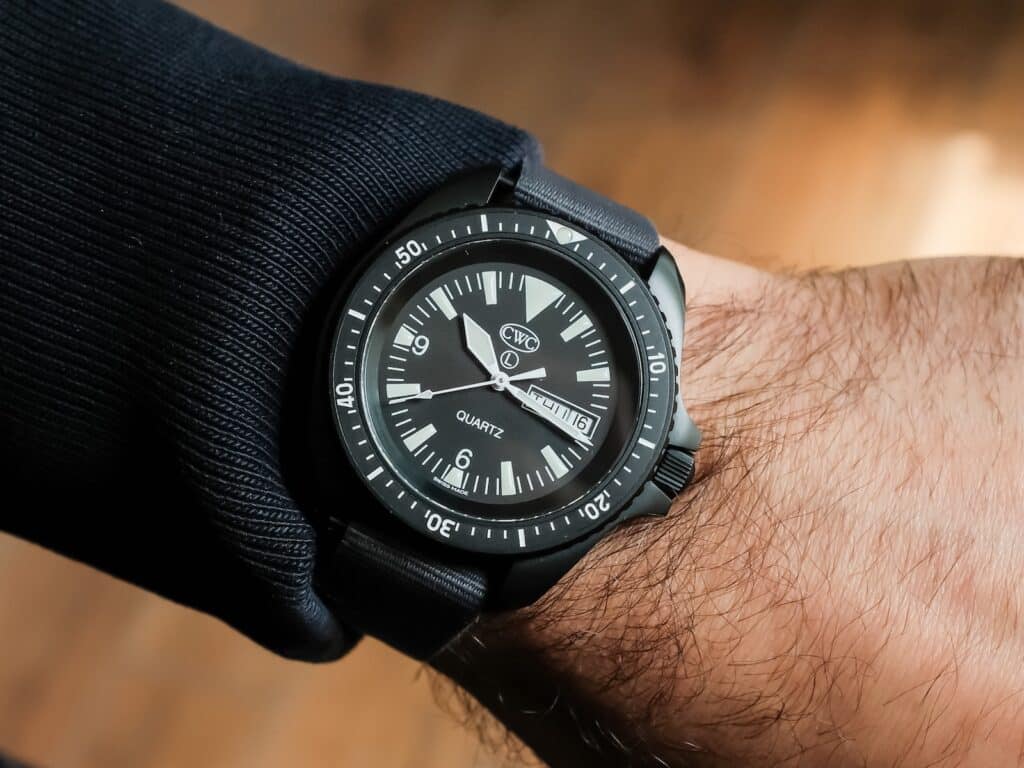
The SBS Diver we reviewed hands-on supports that position by showing CWC at its most modern and tactical. The black PVD case, 300 meters of water resistance, strong lume, and compact-but-solid wrist feel all push it toward “piece of kit” rather than luxury diver. That is useful for the brand’s place on this list because CWC does not need to compete with Christopher Ward on polish or Farer on color. Its appeal is narrower and more functional. The catch is price. At £749 (around $1,000), it is not the obvious budget dive watch, especially given the availability of Seiko and Luminox alternatives. But for someone who wants a modern British military diver that feels connected to actual use, the SBS gives CWC credibility that cheaper spec-sheet divers usually cannot fake.
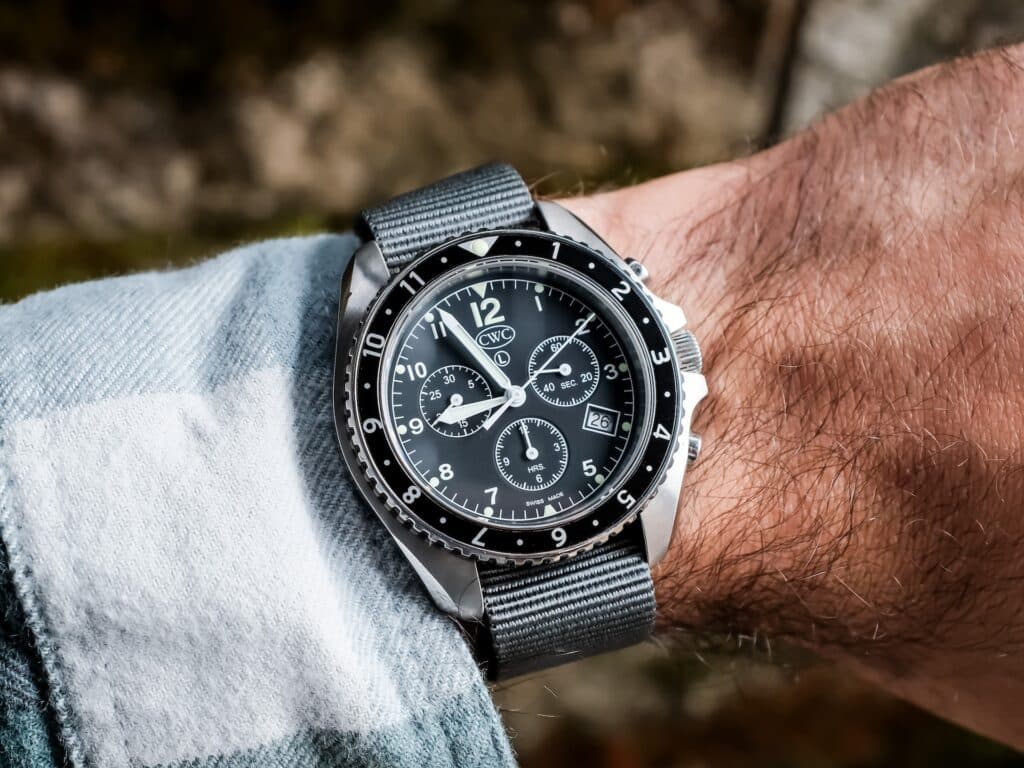
The Sea Falcon Chronograph broadens the case for CWC without breaking the brand’s identity. In our testing and wear experience, it became one of our most-worn watches of 2024, which says something because quartz chronographs do not always get collector hearts fluttering. The 41mm case, 200 meters of water resistance, Ronda gold-plated movement, sapphire crystal, and timing-focused layout made it feel useful in a way that matched the brand’s tool-watch lane. The bezel and chronograph functions added real day-to-day flexibility, whether you are timing something boring like a parking meter or pretending your coffee brew method needs military precision. The fixed spring bars and quartz pricing will still irritate some buyers, but as a brand proof point, the Sea Falcon shows CWC can move into aviation-inspired watches without turning into a lifestyle brand.
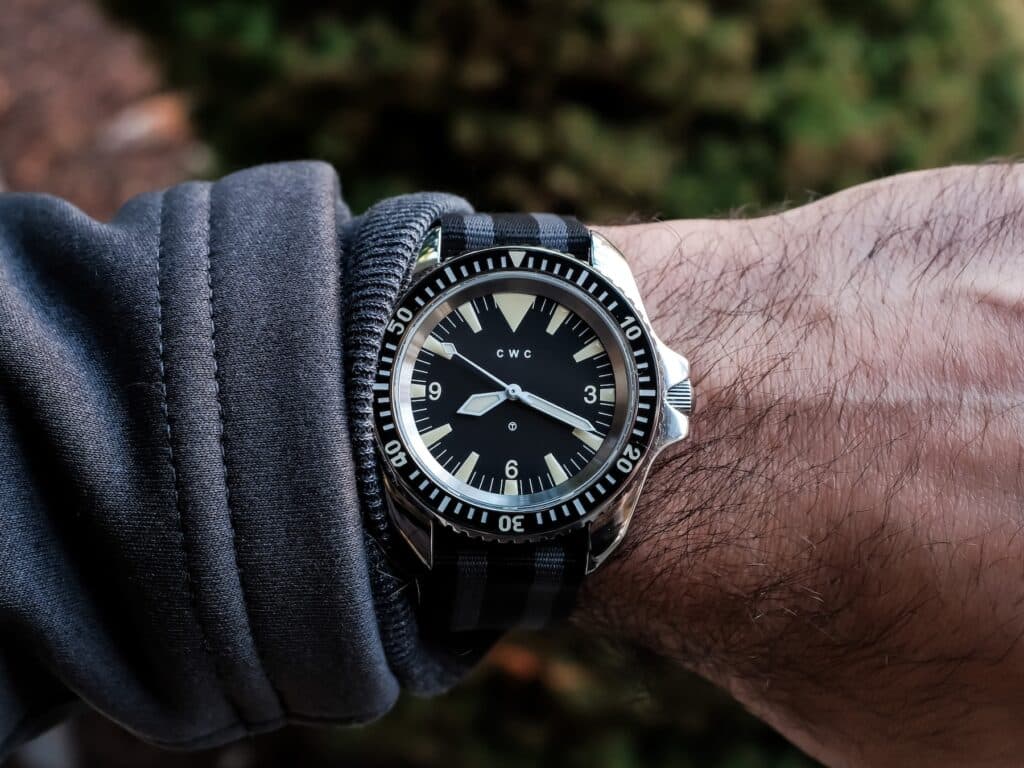
Next, the 1980 Royal Navy Diver Re-Issue is the heritage anchor. This is where CWC’s place among the best British watch brands feels most obvious, because the watch ties directly into the Royal Navy diver story rather than borrowing vague military aesthetics. During our extended review, the case wore better than its numbers suggested, closer to an older Submariner feel than a bulky modern diver. The 300-meter water resistance, sword hands, clean dial, 60-click bezel, and fixed spring bars all served the same purpose: easy reading, secure wear, and no unnecessary ornament. We did run into an early movement issue, but CWC handled it quickly, and the ETA 2824-2 settled into solid accuracy afterward. That matters because it keeps the judgment honest. CWC’s charm is real, but niche military watches are still objects you have to live with, service, and sometimes send back when they misbehave.
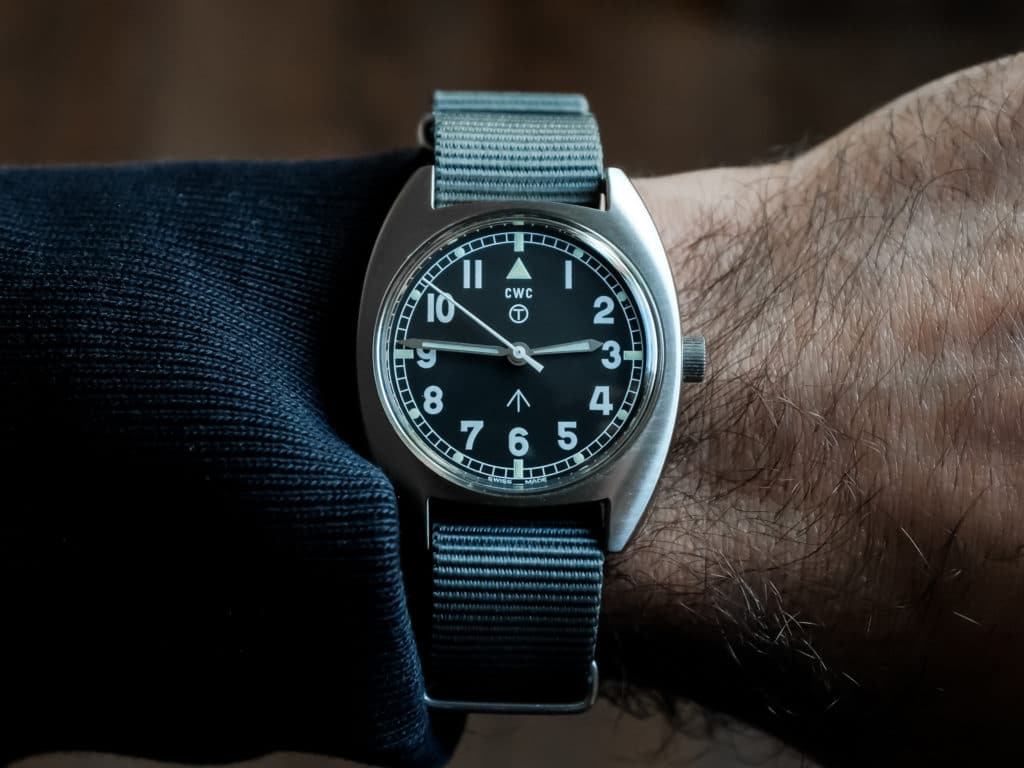
The Mellor 72 proves CWC does not need dive-watch bulk to be compelling. It is the smaller, quieter side of the brand: a hand-wound military-style field watch that wears larger than its 35mm case suggests, thanks to the case shape and NATO strap setup. The fixed spring bars, Hesalite crystal, brushed stainless steel case, and straightforward dial made the experience feel stripped down in the right way. For newer collectors, this is one of the most approachable ways into CWC because it explains the brand without requiring a love of dive bezels or Royal Navy lore. That said, it is not perfect. The 18.5mm lug width is annoying, and fixed bars limit strap freedom. But as a brand signal, the Mellor 72 shows CWC’s strength in plainspoken, wearable utility. Read our full review for the smaller on-wrist details.
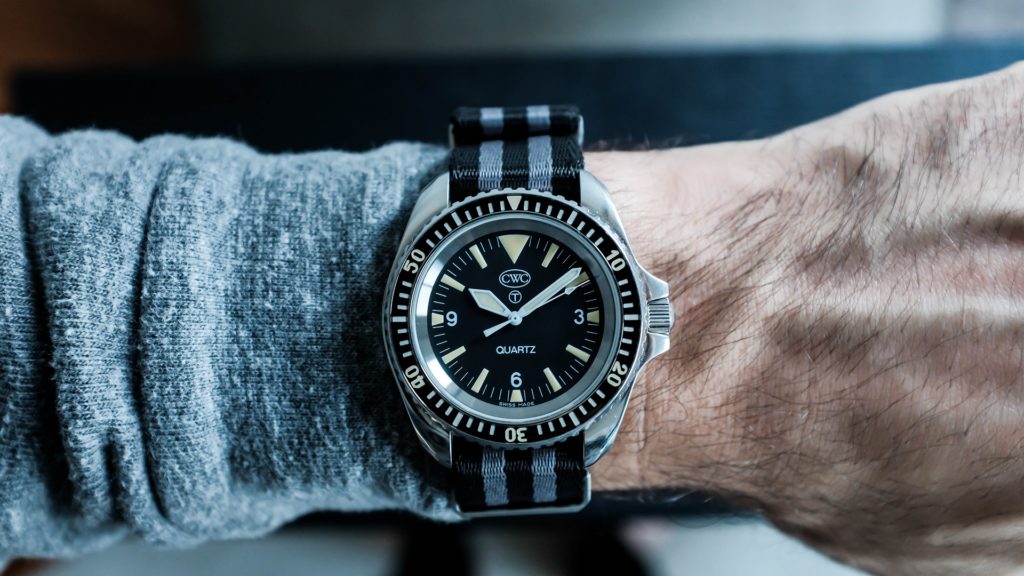
Finally, the 1983 Quartz Royal Navy Diver we lived with and tested might be the clearest argument for why quartz is part of CWC’s identity rather than a compromise. The high-contrast dial with minimal text, large sword hands, screw-down crown, 300 meters of water resistance, fixed bars, and accurate ETA quartz movement makes the watch feel like something you could grab without checking whether it was wound, set, or sulking in a drawer. That matters for real ownership. A lot of enthusiasts say they want tool watches, then get weird about quartz. This CWC diver is a useful correction to that. The price is still tough at £899 (around $1,200), especially if you reduce the watch to its movement. But viewed as a British military-style diver built around practicality, the quartz version makes functional sense.
- Taken together, these watches make CWC the military-tool-watch pick among British watch brands. It is not the most versatile brand here, and it is not always the easiest value argument. But that is part of the point.
- For collectors who want issued-watch energy, fixed-bar honesty, quartz practicality, and designs that feel better on nylon than in a watch box, the brand offers a clarity that many broader-catalog brands lack.
3. Bremont
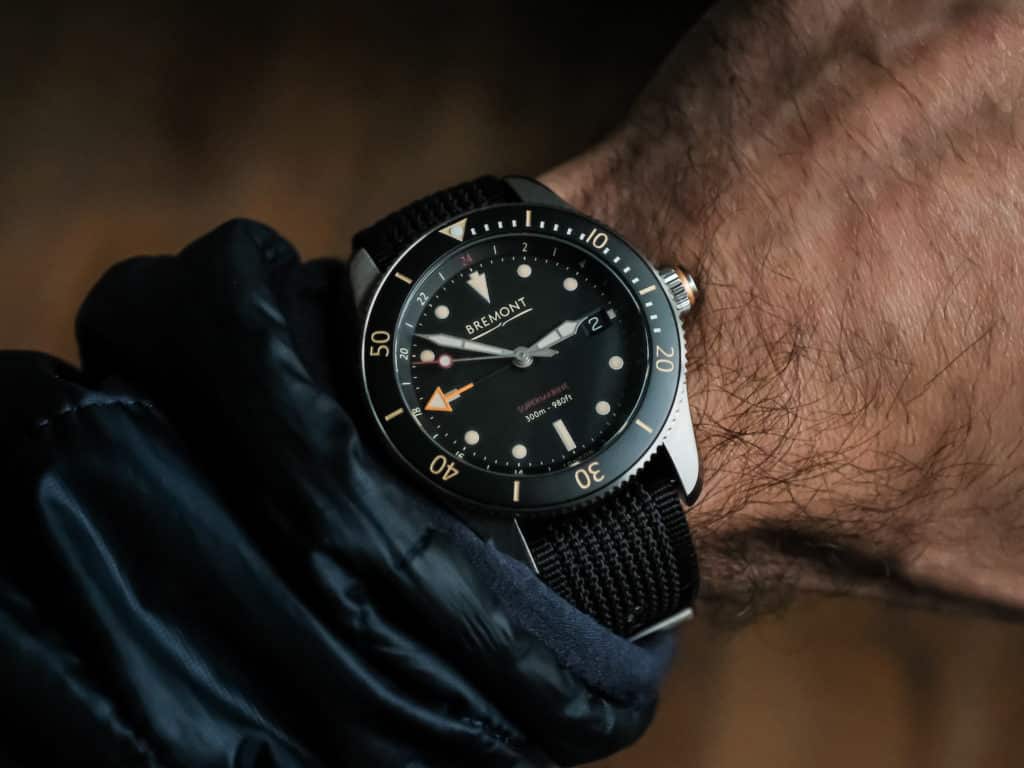
Bremont is where this list gets more expensive, and also where the value argument gets a little more complicated. The brand leans heavily into aviation, military partnerships, and tool-watch design, but it operates at a price point where the details need to hold up on the wrist. Its identity is tied to Swiss-made movements, British-linked case work, and The Wing in Henley-on-Thames, where machining, finishing, assembly, testing, and modification are part of the story. Bremont also has an official Ministry of Defence connection, which gives its military-inspired watches more context than the usual “field watch but make it khaki” routine.
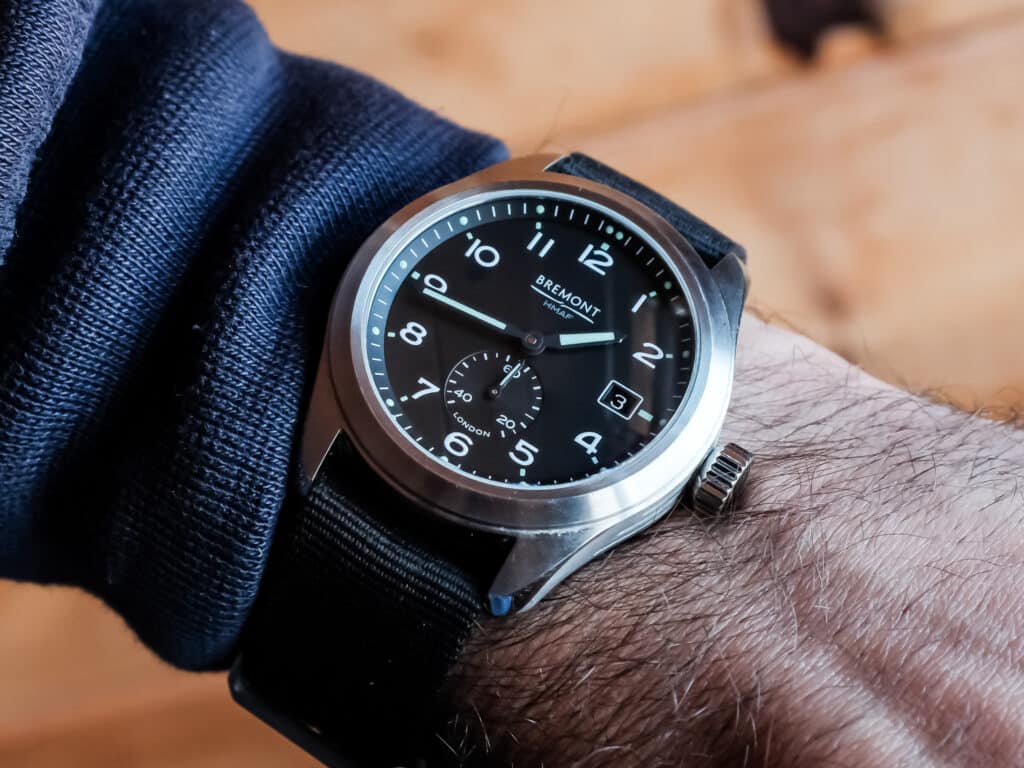
The Bremont Broadsword is the cleaner starting point for the brand because it shows Bremont trying to make its military connection wearable rather than too theatrical. As part of the Armed Forces Collection, it gives the brand’s Ministry of Defence link a practical shape: a 40mm field-style watch with a matte black dial, Arabic numerals, sword hands, strong lume, and a 47mm lug-to-lug that kept it from feeling oversized in our in-depth wrist-time review. The point here is not that the Broadsword is some bargain field watch. At $3,445, it absolutely isn’t. Its value is in how restrained and usable it feels for a premium British tool watch. It works better on nylon or canvas than on the bracelet, which felt like extra weight for the kind of watch this wants to be. That validates Bremont pretty well: the brand can make serious, legible, military-inspired watches with real daily utility, but the price only makes sense if you care about the case identity, MOD connection, and boutique British positioning behind it.
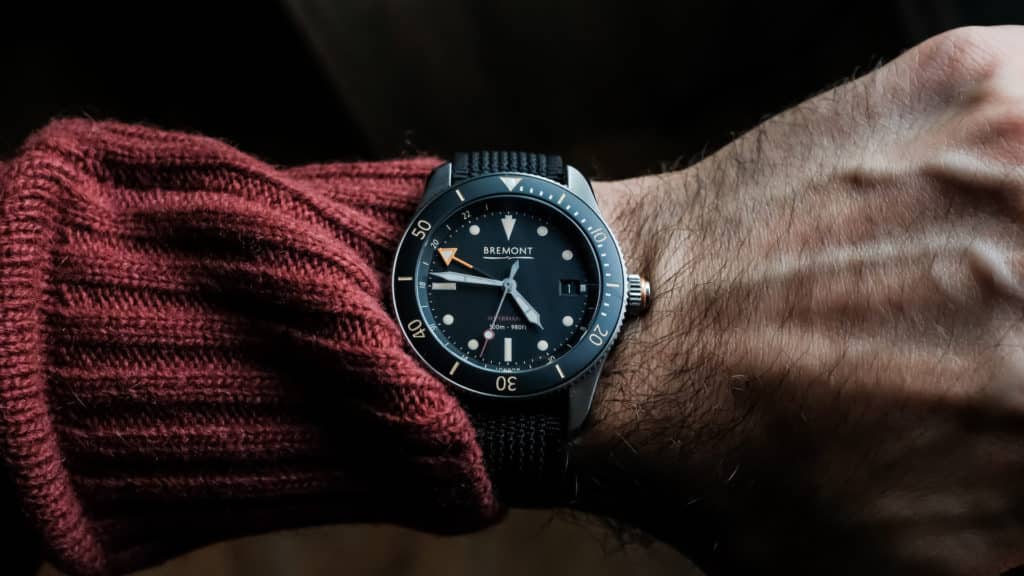
The Bremont Supermarine S302 GMT then shows the more capable, sport-travel side of the brand. Where the Broadsword keeps things stripped back and military-adjacent, the S302 makes Bremont’s higher-end tool-watch argument feel more complete. As covered in our full review, the watch combined dive-watch practicality with GMT functionality without turning the dial into a mess. The 40mm Trip-Tick case gave it Bremont’s recognizable wrist presence. At the same time, the 300 meters of water resistance, matte ceramic bezel, and clean GMT layout made it feel useful for actual travel, swimming, and daily wear. It is still not an easy value argument, since there are plenty of less expensive GMT watches using similar movement architecture. But the S302 matters because it shows Bremont at its most convincing: sturdy, distinct, practical, and premium enough on the wrist to make the British boutique-tool-watch pitch feel less abstract.
Together, they explain why Bremont belongs in this list, but also why it will not be for everyone. The through-line is not affordability. It is case identity, British boutique positioning, real-world toughness, and a more elevated tool-watch feel.
- Choose Bremont if you want a premium British watch with substance on the wrist and you are willing to pay for the brand’s construction and design language.
- Skip it if your version of value starts and ends with movement specs, because Bremont asks for more patience than that.
4. Farer
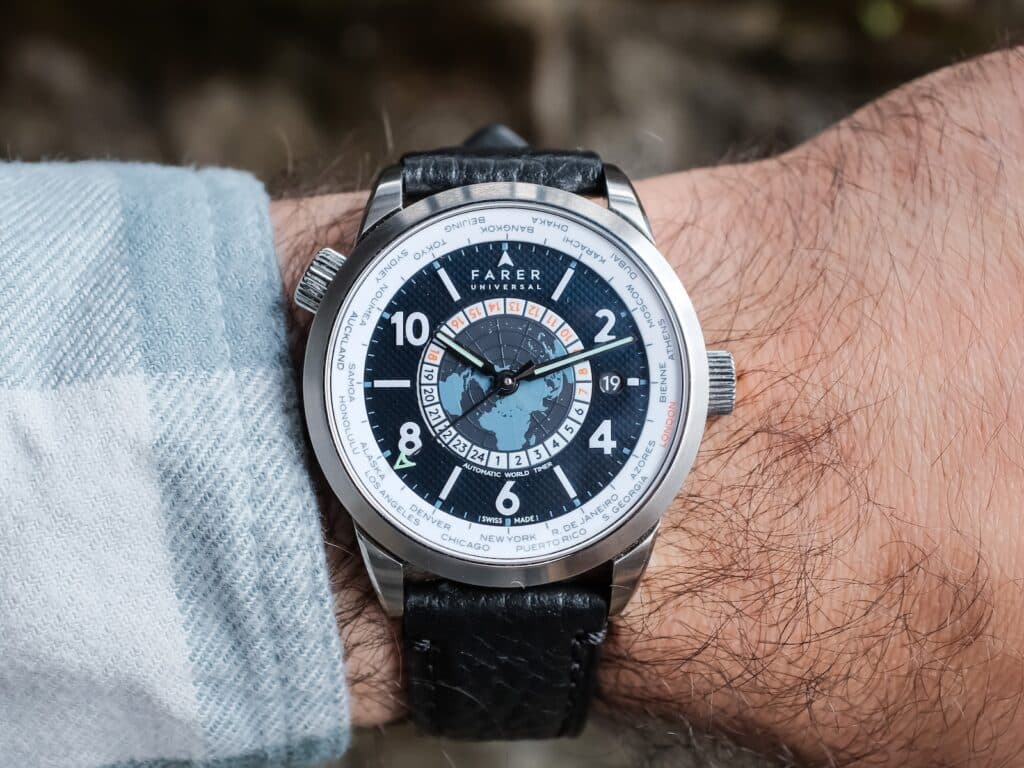
Farer brings some color into a list that can otherwise get very military, very steel, very serious. The brand’s lane is modern British design with Swiss-made execution, usually built around classic watch formats that feel less stiff once Farer gets involved. It is not chasing issued-watch authenticity like CWC or premium tactical polish like Bremont.
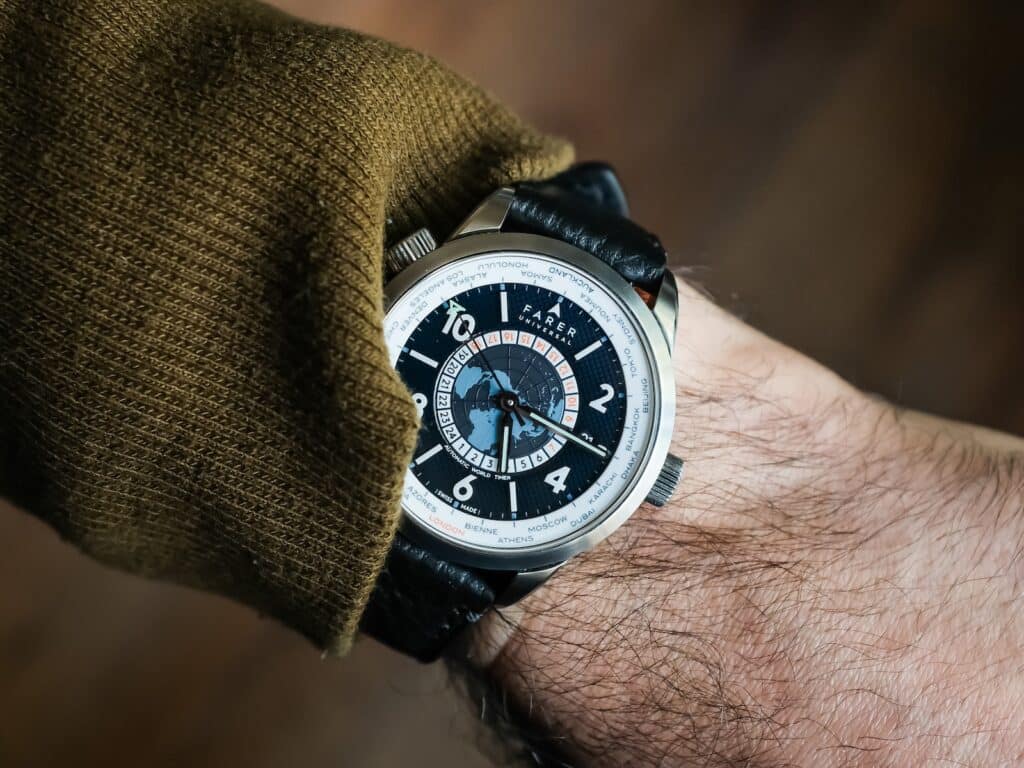
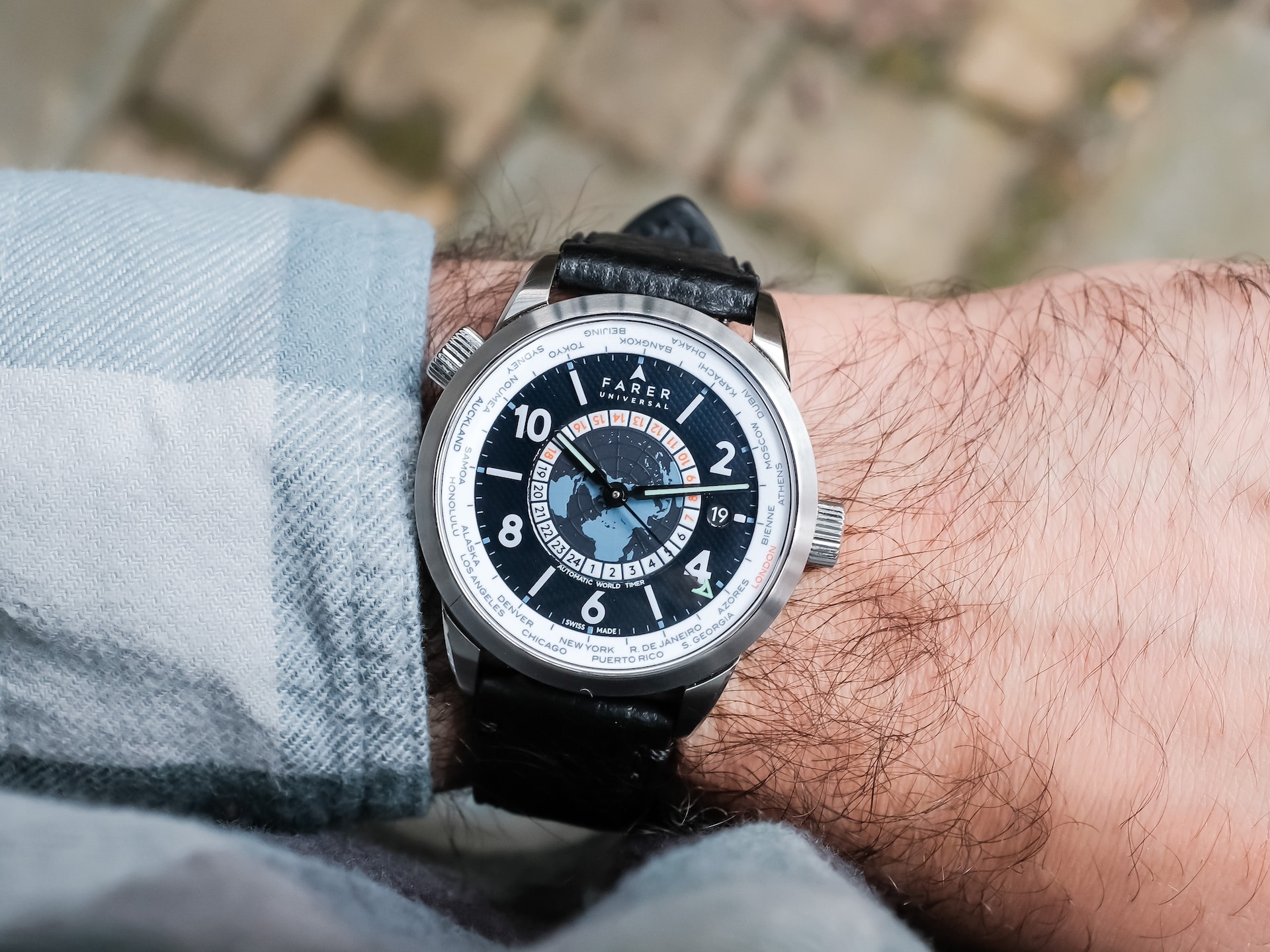
That’s important since a worldtimer can turn into a tiny geography worksheet pretty quickly. However, the Farer World Timer Roché II felt more relaxed during testing. The proportions kept it approachable, the 100 meters of water resistance made it feel travel-ready rather than fragile, and the dial had enough color, texture, and lume to feel distinctly Farer without becoming unreadable for the sake of cleverness. We were not suddenly converted into worldtimer obsessives after wearing it, which is worth admitting. But the watch did make the complication feel more enjoyable and less formal. That is the larger Farer point: the brand takes familiar watch categories, adds personality, keeps the wearing experience comfortable, and avoids treating fun as a design flaw. At its price, the Roché II still needs a buyer who cares about design character as much as specs, but as proof for Farer’s place among British watch brands, it does the job well. Read our complete review for the smaller hands-on details.
- This is not the brand for someone who wants military restraint, bargain pricing, or a black-dial daily beater that disappears on the wrist.
- Farer is for the collector who already owns the safe stuff and wants a British watch with more character, better color sense, and enough real-world comfort to avoid becoming a novelty purchase.
5. anOrdain

anOrdain slows the whole list down in the best possible way. The Glasgow-based microbrand brings a more artisanal Scottish angle to modern British watchmaking, built less around military contracts or sport-watch toughness and more around craft, color, and patience. Its name comes from Loch anOrdain in the Scottish Highlands, a place obscure enough that you may need old ordnance survey maps to find it. That map connection matters because it feeds into the brand’s design language, but the bigger story is enamel. anOrdain crafts vitreous enamel dials in-house, using a difficult, high-failure-rate process in which enamel powder is applied in layers and fired at high heat. For collectors, that gives the brand a different kind of appeal. This is not “look how many meters of water resistance we squeezed into the case.” It is more about owning something where the dial has depth, irregularity, and a little human weirdness baked into it.
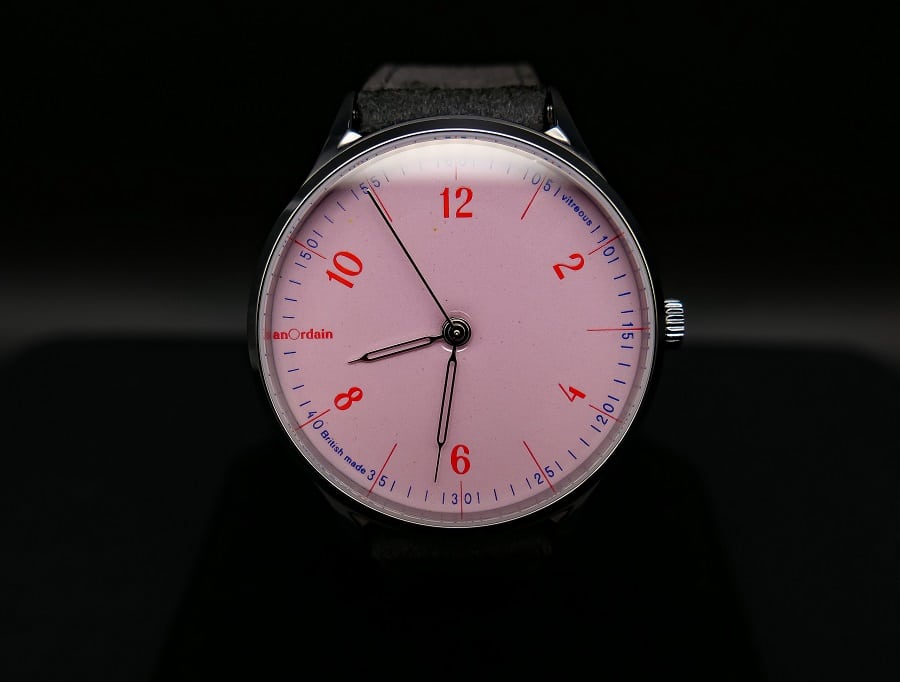
The anOrdain Model 1 supports the brand’s place here because it shows how that focus on craft translates into a watch you can wear, not a delicate object you admire from across the room. The enamel dial was the emotional center of our time with it, with light playing across the surface in a way that felt organic rather than manufactured flatness. The time-only layout helped too. It gave the dial space to breathe, which is a smarter choice than cramming in complications only to prove a point. On the wrist, the hardened steel case (800 Vickers) added some everyday confidence, and the 38mm size made the watch feel approachable across a range of wrist sizes. It is still not a rough-use piece, with 5 ATM water resistance and a smaller crown that made winding a little fiddly at times. But that trade-off fits the brand’s role in this list. anOrdain is not trying to be the British tool-watch pick. It fits the conversation because it proves British watchmaking can still feel intimate, craft-led, and emotionally calming without turning into luxury posturing. Our full write-up on the Model 1 goes deeper into how that dial, case, strap, and wearing experience come together.
- Best for someone who wants their British watch to feel handmade in the parts they’ll stare at most, rather than engineered around bezel clicks, crown guards, or military markings.
- Skip if you need a brand with lots of case styles, complications, and sport-watch options.
6. Mr Jones Watches
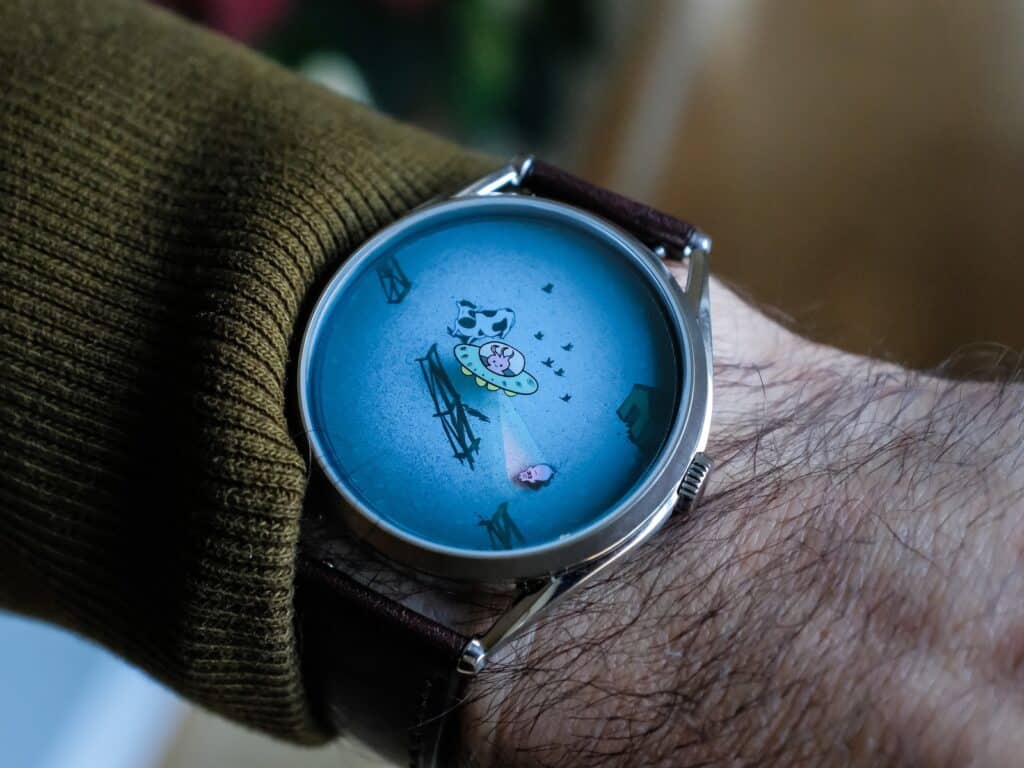
Mr Jones Watches is the wildcard in the list, where the usual watch-collector measuring stick becomes less useful. The London-based brand was founded by Crispin Jones in 2007, and its entire identity is built around treating the dial less like a traditional timekeeping layout and more like a canvas for illustration, storytelling, and visual jokes that still tell the time. As the brand grew, it brought in other artists and creatives, which explains why the catalog can feel varied without losing its odd little internal logic. The fact that design and assembly are still handled in-house in London also gives the brand more substance than “quirky watch with a funny dial” might suggest.
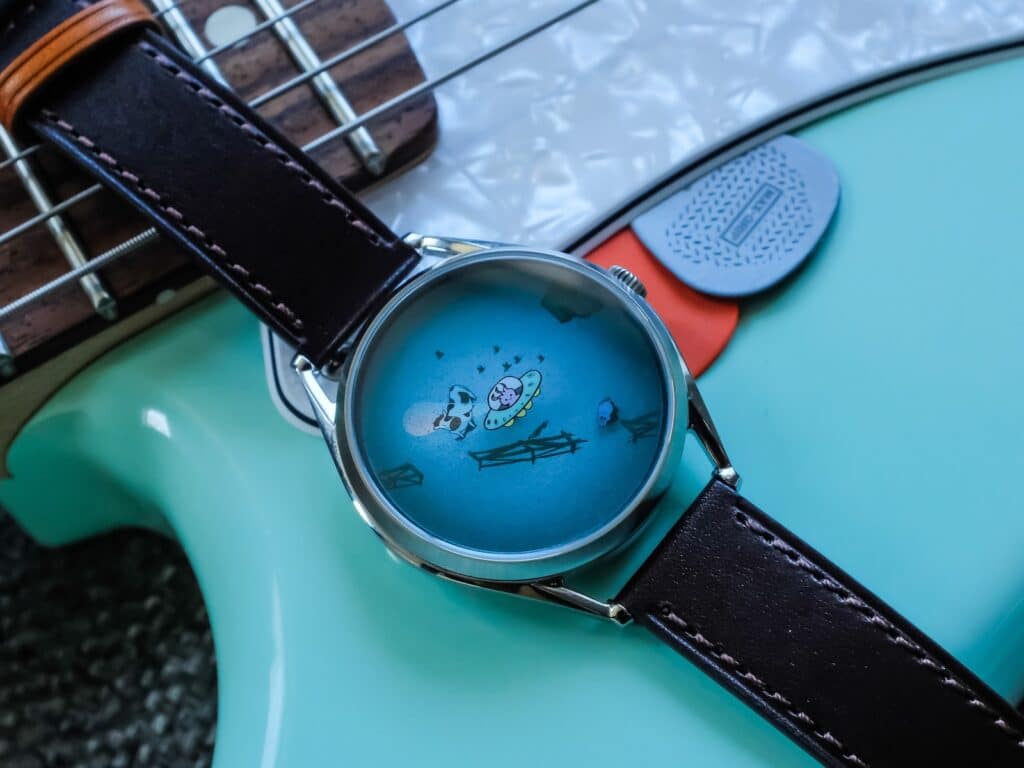
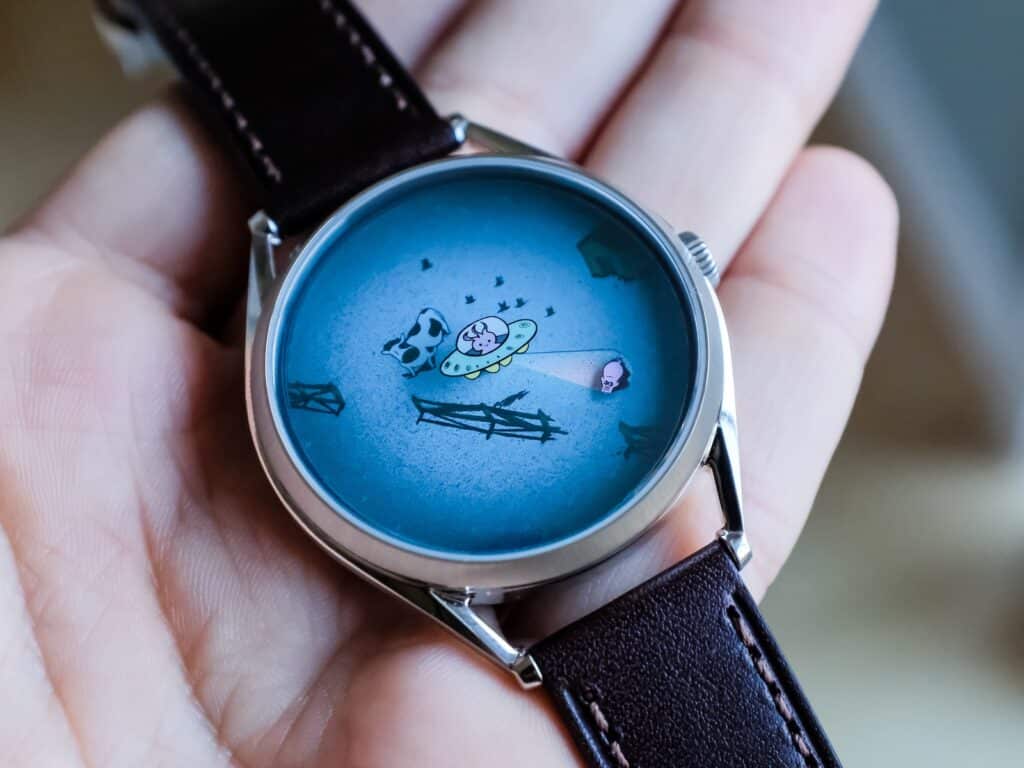
The Beam Me Up! Mechanical helps Mr Jones’ place among the best British watch brands because it shows how far the brand can push personality while still making something wearable. The playful UFO-and-pig-abduction dial sounds ridiculous because it is, but during our time with it, the watch did not feel cheap. The hand-finished dial, designed by French illustrator Xavier Broche, had enough color, depth, and texture to make the scene feel intentional rather than slapped-on novelty. Reading the time took a short adjustment period, since the beam tracks the minutes and the pig marks the hours, but that slower interaction became part of the charm. You do not glance at it the way you glance at a field watch. You spend a second with it, which is the point. It again proves British watchmaking does not have to mean military heritage, dive specs, or polished boutique seriousness. The case and strap kept the Beam Me Up! grounded enough for casual wear, while the Sellita SW200 movement made the mechanical side feel reliable rather than precious. Our full review goes into greater detail on how that experience settles in after a few weeks on the wrist.
- Best for collectors who want a watch with an artistic point of view, especially one that starts conversations without leaning on size, price, or brand flex.
- Ignore if your collection still needs a reliable “wear anywhere” piece first. Mr Jones makes more sense once you already have the practical bases covered.
Let us know what you think in the comments below. We’re only drawing from British watch brands we’ve spent real time with here. If there’s a British brand you think deserves a spot, would change the order, or would make us regret one of these takes in public, tell us. We’ll see if we can get one in for a proper review.

Co-Founder and Senior Editor
Kaz has been collecting watches since 2015, but he’s been fascinated by product design, the Collector’s psychology, and brand marketing his whole life. While sharing the same strong fondness for all things horologically-affordable as Mike (his TBWS partner in crime), Kaz’s collection niche is also focused on vintage Soviet watches as well as watches that feature a unique, but well-designed quirk or visual hook.