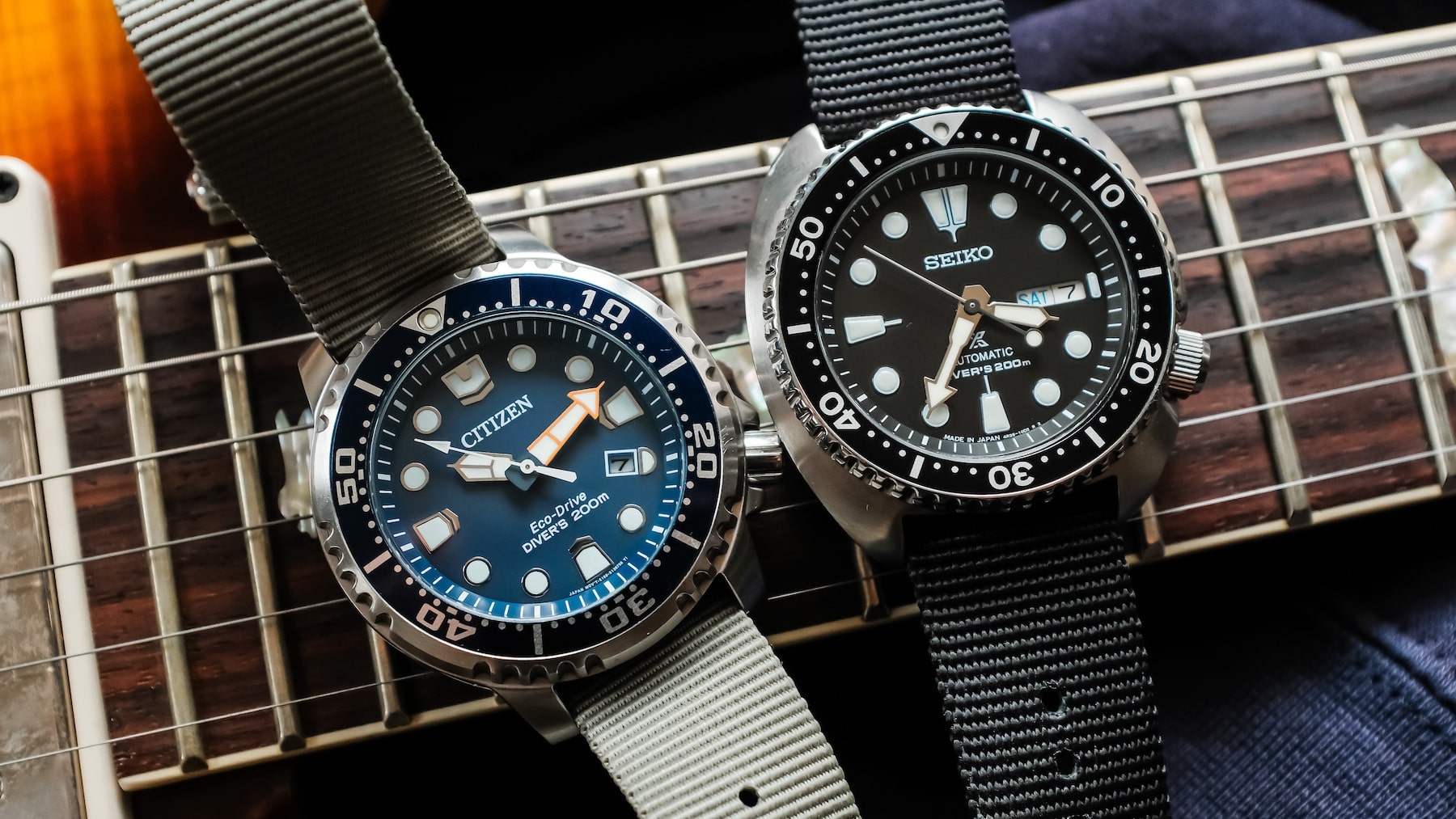
If you’ve spent any time shopping for watches, you’ve probably hit the same wall we have: the quartz dive watch vs automatic dive watch debate that gets weirdly emotional, fast. One side points to grab-and-go pieces with quartz (battery) powered movements. The other side leans toward mechanical divers that offer a bit more of a nuanced and tactile wearing experience. After years of reviewing and wearing these exact kinds of divers, we’ve had the opportunity to experience first-hand the pros and cons of both dive watch types.
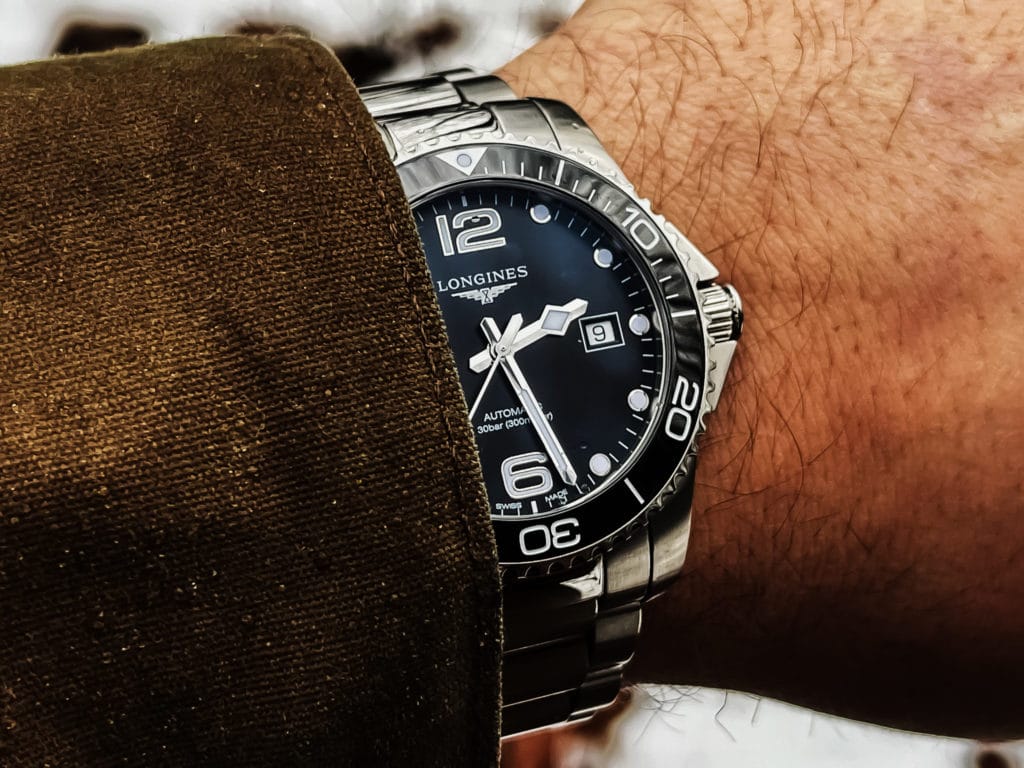
So we’re going to pit real models from both camps towards each other on the stuff that matters once the honeymoon wears off: accuracy, maintenance, reliability, comfort, durability, and how these watches fit into normal life. By the end, we should have a clearer answer for anyone using this as a practical dive watch-buying guide, not another excuse to argue with strangers about “soul” in a comments section.
Category Identity & Philosophy: Low-Friction Reliability vs Mechanical Involvement
Quartz dive watches tend to be the more honest tool watches in this conversation. Their whole appeal is that they stay ready without asking much from you. In our time with pieces like the Casio Duro, Citizen Promaster Diver, and Scurfa Diver One, the common thread wasn’t romance or mechanical charm. It was the ease of use. You pick them up, they’re accurate, they can get wet, they time things, and they don’t turn ownership into another small chore disguised as character.
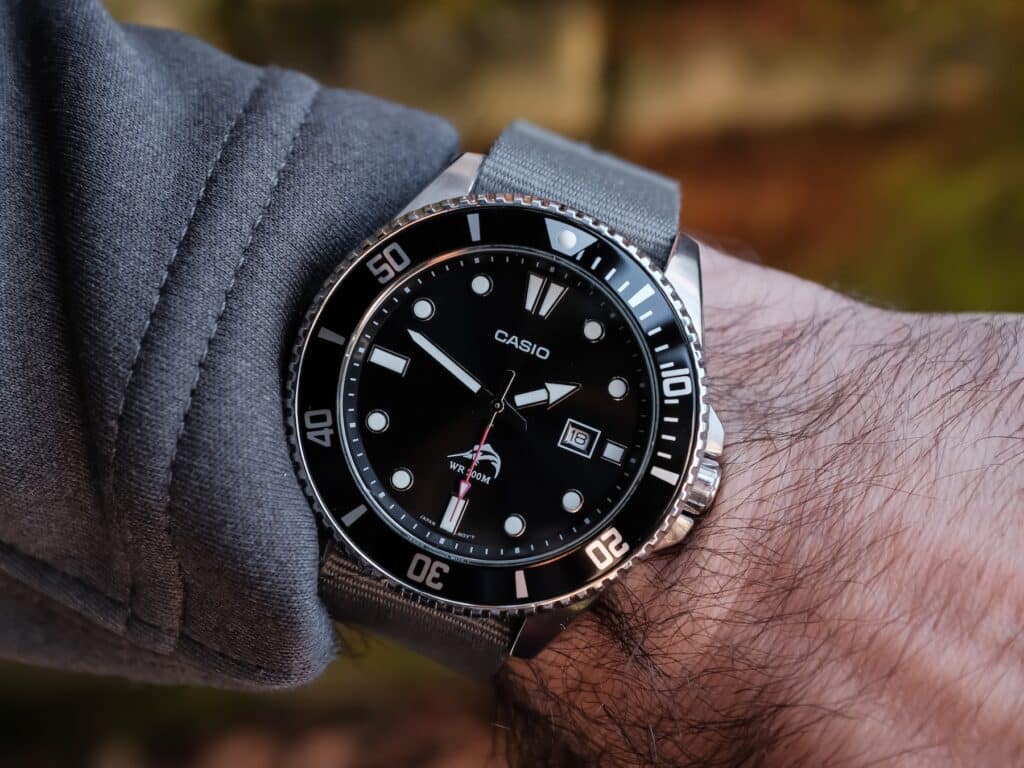
That philosophy shows up in different ways. The Duro makes quartz feel appropriate because the whole watch is inexpensive, durable, and easy to throw on without ceremony. The Promaster takes that idea further with Eco-Drive, giving you the grab-and-go accuracy people usually want from a daily diver without the anxiety of battery changes. The Scurfa feels more purpose-built, using quartz as part of a serious tool-watch package rather than treating it like a compromise. Different personalities, same larger point: quartz divers are at their best when they remove distractions from ownership.
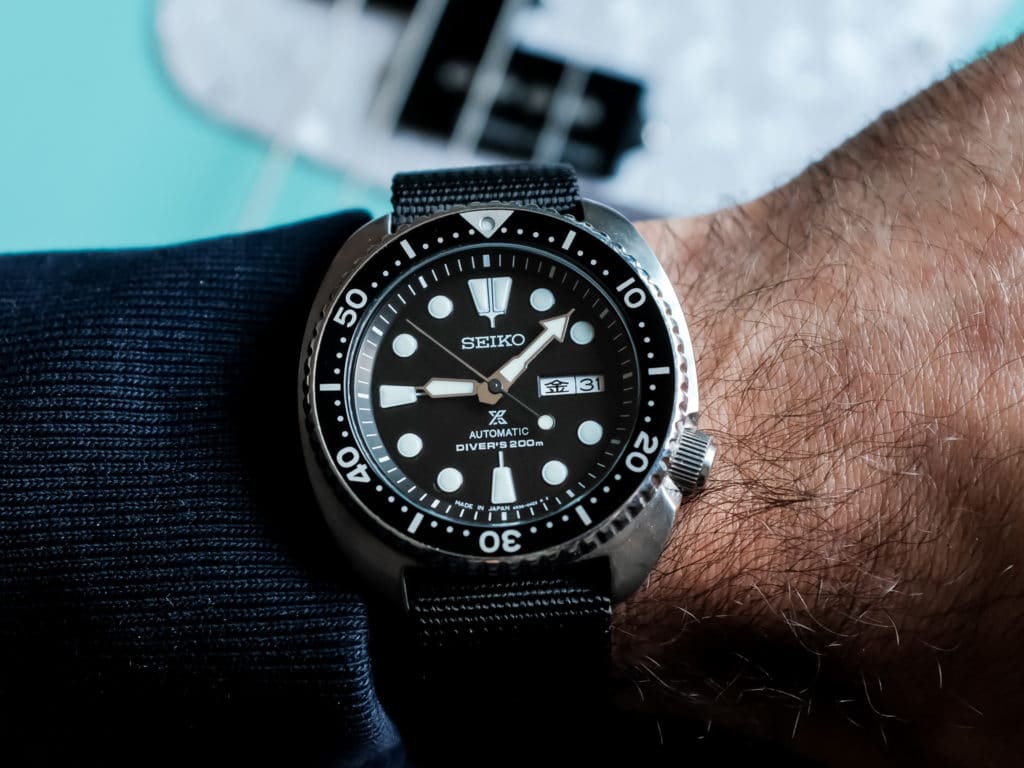
Automatic dive watches come from a more involved place. The Orient Mako II, Seiko Turtle, and Longines HydroConquest all ask you to engage with them more. You set them, wind them, notice the sweep, live with the accuracy drift, and accept that part of the appeal is the machinery doing its thing on your wrist. That can be satisfying, especially when the case shape, dial layout, or wrist feel gives the watch a personality. It can also be mildly inconvenient, depending on how much patience you have before coffee.
So, before getting into accuracy, maintenance, reliability, comfort, and real-world use, that’s the split.
- Quartz divers are usually built around dependable ownership with minimal drama.
- Mechanical automatic divers are about connection, ritual, and mechanical personality.
Accuracy and Movement Reliability
This is where the quartz dive watch vs automatic dive watch argument stops being romantic and starts getting a little annoying for the mechanical crowd. Not because automatic divers are bad, but because accuracy is one of the few areas where quartz doesn’t need much defending. In our Casio Duro review, the basic Casio 2784 movement made perfect sense for the watch: quick-set date, hacking seconds, roughly +/-20 seconds per month, and about three years of battery life. We picked it up and got on with the day, which is often what people mean when they say they want a reliable everyday diver.
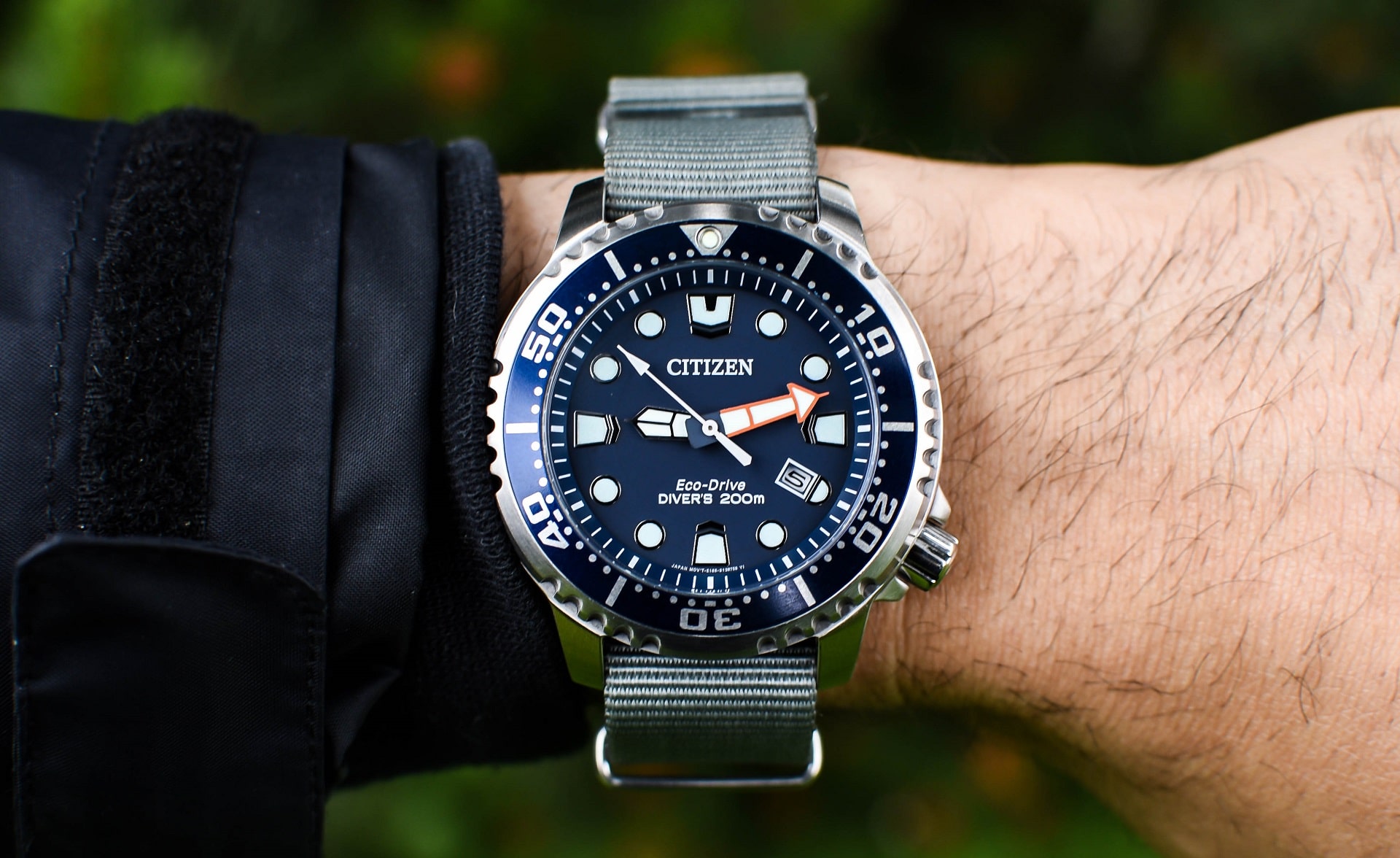
The Citizen Promaster Diver BN0151-09L pushes that logic even further, and this is why it keeps coming up as the smart ownership choice in this comparison. Citizen’s Eco-Drive E168 movement gives you six months of power reserve on a full charge and a quoted accuracy of +/-15 seconds per month, while the low-charge warning shifts the second hand into a two-second interval when it needs light. That is not exciting in the mechanical sense, but it is deeply satisfying in the real-life sense. During hands-on testing, we’ve had that low-charge warning happen once, and a few hours on a windowsill brought the watch back without drama. That kind of reliability matters when the watch has been through hikes, lake outings, jogging, and casual office days, rather than sitting around waiting to be admired in perfect lighting.
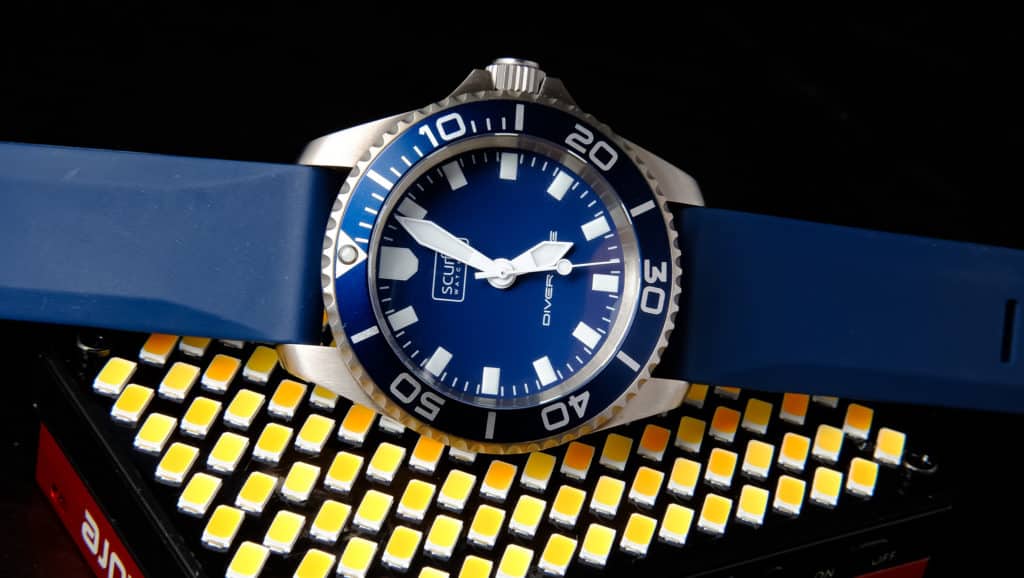
The Scurfa Diver One also makes a strong case for quartz as a serious tool-watch choice, not the “budget compromise” some collectors still pretend it is. Its Ronda 713SM Swiss quartz movement is jeweled, serviceable, and built with repairable metal parts rather than the disposable-feeling plastic guts found in many cheaper quartz movements. It also offers a five-year battery life and a quoted accuracy range of -10/+20 seconds per month. That combination fits the watch’s function-first personality.
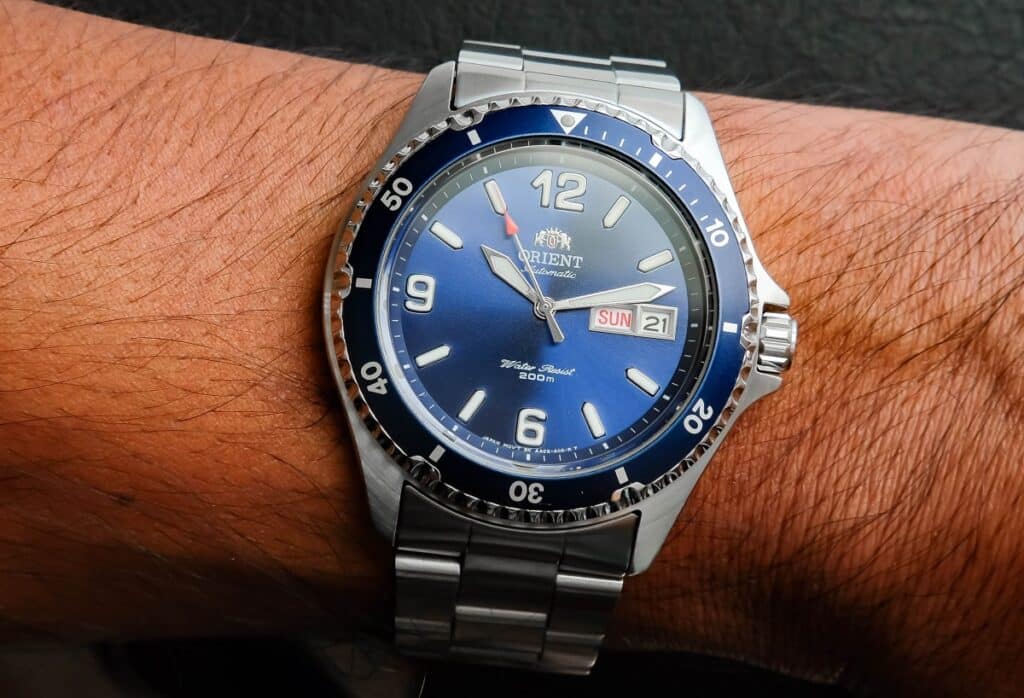
Automatic dive watches answer this from a completely different perspective. The Orient Mako II is the emotional case for mechanical because its F6922 movement makes the watch more satisfying to interact with than the older Mako formula. Hacking, manual winding, and the integrated quick-set day feature all make the watch easier to live with, and the ability to stop the seconds hand gives you a more direct way to track accuracy (around +/- 15 sec per day). Manual winding also matters if you rotate watches often. Instead of picking up a dead automatic and doing the sad little shake routine, you can wind it through the crown and feel the movement come back to life. While testing it, we also found that there’s a bit of bite to the winding action, which gives the Mako II some tactile personality instead of making it feel sterile. But that involvement is the point and the problem. With the Mako II, you still have to participate. The watch may stop after sitting for a few days. You may need to reset the time and day/date. You may start checking whether it gained or lost time over the week. For enthusiasts, that can feel like a connection. For someone who wants a diver to wear on Monday morning without thinking about it, it can feel like unnecessary admin.
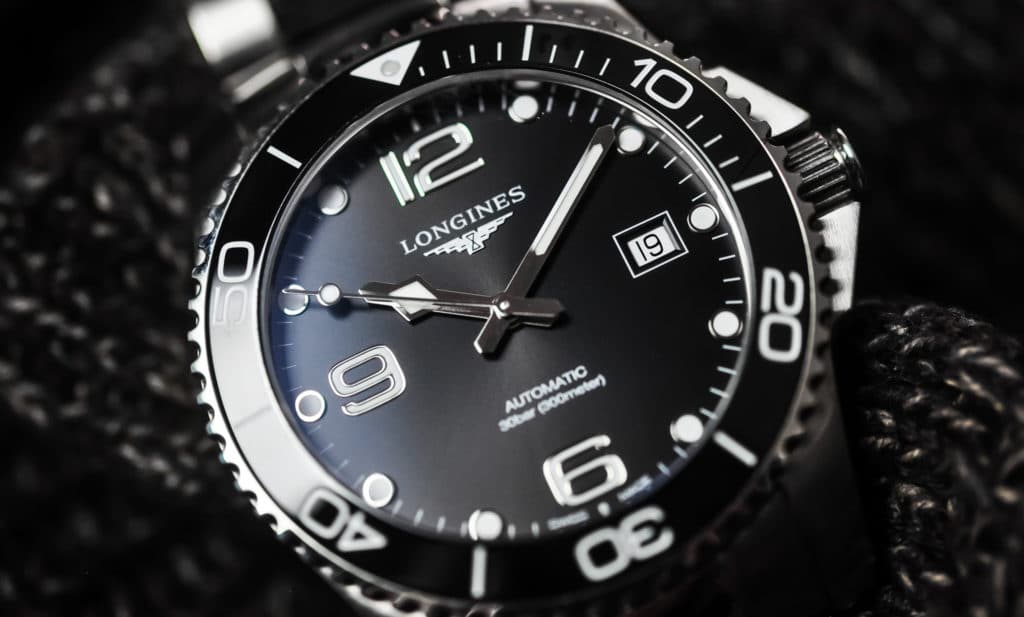
The Seiko Turtle and Longines HydroConquest share the same mechanical appeal, but at opposite ends of the ownership spectrum. The Turtle’s 4R36 automatic movement is part of the watch’s approachable charm, despite its -35/+45 seconds-per-day accuracy. The HydroConquest, rated at -5 to +15 seconds a day accuracy, moves the automatic diver into a more refined space, with a slim, quiet Longines L888 movement that keeps the watch thin and makes winding feel almost invisible unless you’re paying close attention. Both make strong emotional arguments for mechanical divers, but they still ask more from the wearer than a Promaster, Duro, or Diver One.
So, in terms of accuracy and movement reliability, the category difference is pretty clear.
- Quartz divers give you consistency with fewer interruptions to ownership.
- Automatic divers give you a feel, ritual, and mechanical personality, but they also bring drift, downtime, and the need to reset or wind when your rotation gets crowded.
Durability and Maintenance
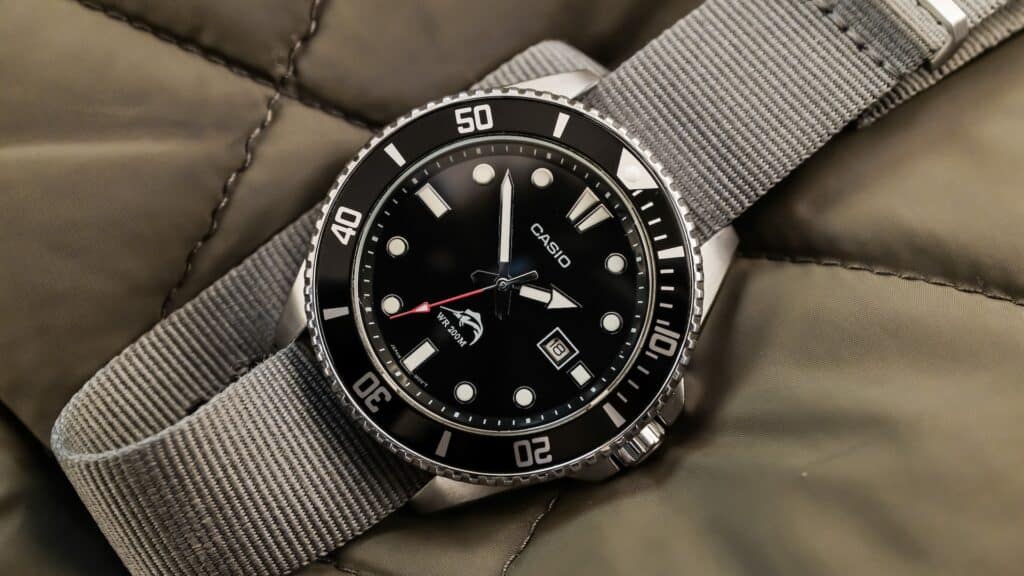
Durability is where the quartz dive watch vs automatic dive watch debate gets less philosophical and more practical. The Casio Duro keeps the formula simple: 200 meters of water resistance, a screw-down crown and caseback, and a bezel that felt better than its price had any right to. The Citizen Promaster Diver adds Eco-Drive to that same low-stress ownership formula, which means fewer “is this thing dead?” moments and more genuine grab-and-go use. Both are durable in the way most people need a dive watch to be durable: ready for water, sweat, knocks, and the occasional drawer exile.
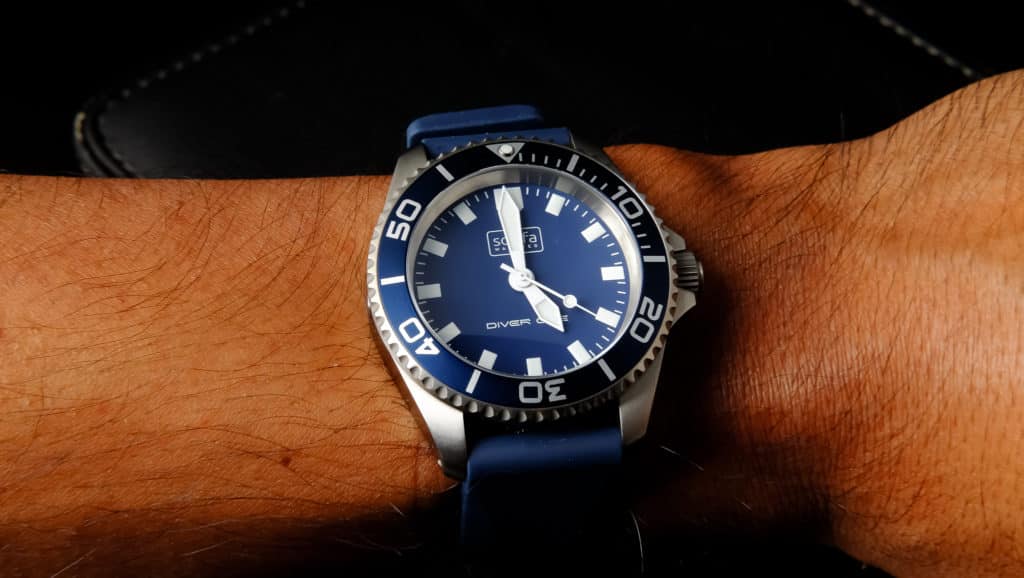
The Scurfa Diver One is the quartz model that makes the strongest case for overbuilt practicality. Its 500-meter water resistance isn’t just brochure flex. The case has the thickness needed to support that rating, but the upward case contour keeps it from wearing like a steel hockey puck. That balance matters. A dive watch can be technically impressive and still be a pain on the wrist, and the Scurfa avoids most of that trap. The finishing also feels very tight for the price. As mentioned in our in-depth review, the bevels are smooth, the edges don’t feel like anyone gave up on a Friday afternoon, and the bezel action lands in that sweet spot between firm and usable. No sloppy play, no over-stiff nonsense. The bezel teeth offer enough grip without visually swallowing the watch, and the insert stays legible when timing normal human things, like food, coffee, or how long you’ve been pretending to “compare strap options.” The helium escape valve, screw-down caseback, and screw-down crown all support the 500-meter rating, while the crown action itself feels clean and positive.
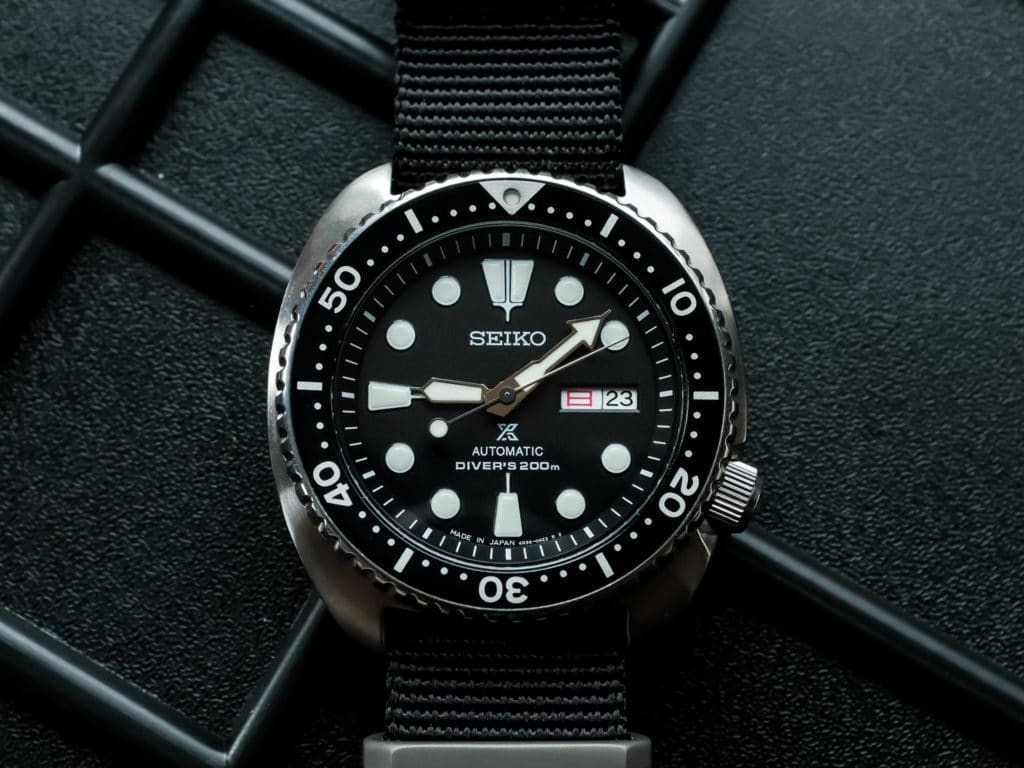
On the mechanical side, the Orient Mako II and Seiko Turtle both bring proper dive-watch bones, but they also show the usual affordable automatic compromises. The Mako II has 200 meters of water resistance, a screw-down crown, and a bracelet that feels solid for the money, but the mineral crystal, hollow end links, and awkward bezel grip keep it grounded. The Turtle feels tougher and more Seiko-ish on the wrist, thanks to that comfortable cushion case and a solid 200-meter setup. However, the bezel alignment issue still gives us the familiar, affordable Seiko sigh.
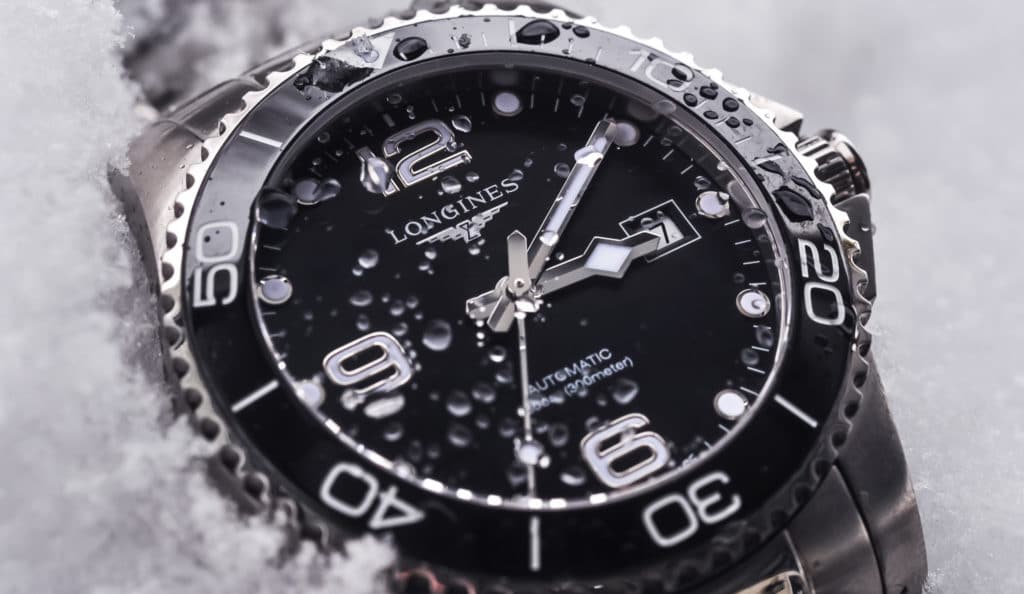
The Longines HydroConquest is the more polished automatic case study here. It brings 300 meters of water resistance, a ceramic bezel, and a 72-hour automatic movement in a case that wears slimmer and more comfortably than many dive watches chasing the same everyday-versatile lane. In our review, it became one of those watches that kept finding its way back onto the wrist because it handled work, casual wear, and outdoor use without feeling too delicate or too bulky. That said, even the HydroConquest reminds you that automatic ownership comes with more moving parts, literally and financially. The watch head feels strong, refined, and well-finished, but the clasp does not feel as special as the case. Long-term, the automatic movement adds future servicing to the equation, while quartz options like the Promaster and Scurfa keep maintenance closer to “wear it, charge it, or change the battery, move on.”
So in this part of the quartz vs automatic watches comparison, durability is not the issue. Both camps can withstand real use. The difference is upkeep.
- Quartz divers usually reduce the number of chores and failure points.
- Automatic divers give you more mechanical charm, but they also bring more things to monitor, maintain, and eventually service.
Design & Wearability: Easy on the Wrist vs Worth Noticing
Design and wearability are where this quartz dive watch vs automatic dive watch comparison becomes more about wrist time. A diver can be accurate, tough, and affordable, but if it wears like a dinner plate or feels annoying by mid-afternoon, it eventually becomes drawer decor.
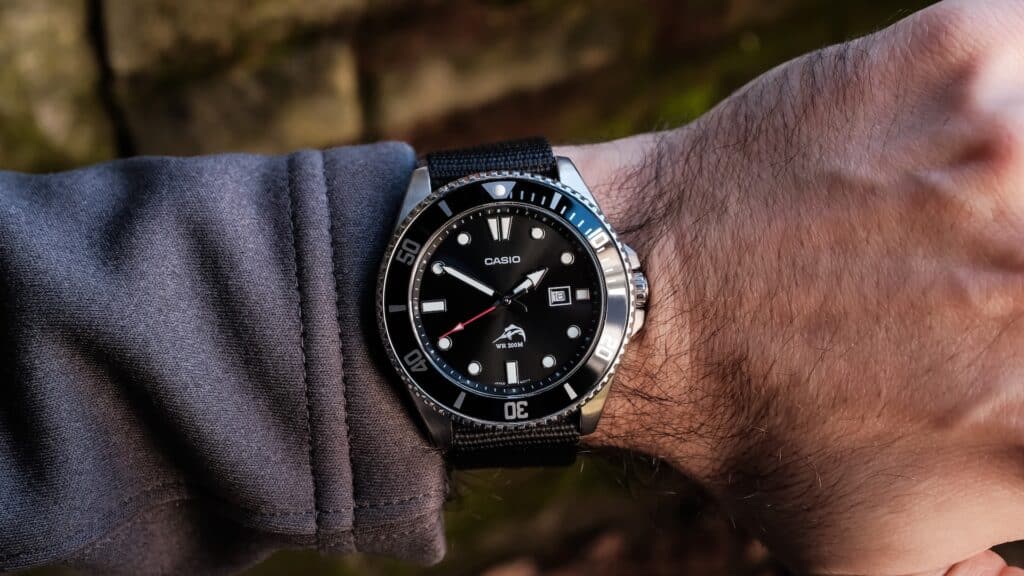
That’s where the Casio Duro surprised us during our review. On paper, the 44.2mm case, 12.1mm thickness, and 48.5mm lug-to-lug sound like a warning label for smaller wrists. Once on the wrist, though, the Duro settles better than expected. The shorter lug-to-lug helps, and the downward curve of the lugs keeps the case from sprawling across the wrist. It wears large, but not in a clumsy way, which is a big distinction for an inexpensive diver. The Duro also has a design confidence that explains why people keep circling back to it. The brushed top surface, polished case sides, subtle bevel, and shaped lugs give it more intention than the price suggests. It does not feel fancy, and it shouldn’t. What it does feel is settled. Shrinking it might make the dimensions easier on paper, but it would probably sand off some of the character that makes the watch work. The 22mm lug width helps too, because the Duro takes well to NATOs, rubber straps, and aftermarket bracelets. That matters in real ownership because a cheap, strap-friendly diver can keep changing enough to stay fun without turning into a project watch with invoices.

The other quartz divers here lean more toward comfort than personality. The Citizen Promaster Diver wears almost lugless despite its 43mm case, and the light Eco-Drive movement makes it feel especially easy on a NATO strap. The stock polyurethane strap has the right dive-watch look, but we found the watch more natural day-to-day once it moved to nylon. The Scurfa Diver One is more purpose-built: 40mm, compact, and comfortable on its rubber strap, with drilled lugs available if you insist on changing straps, though we never felt much need to.
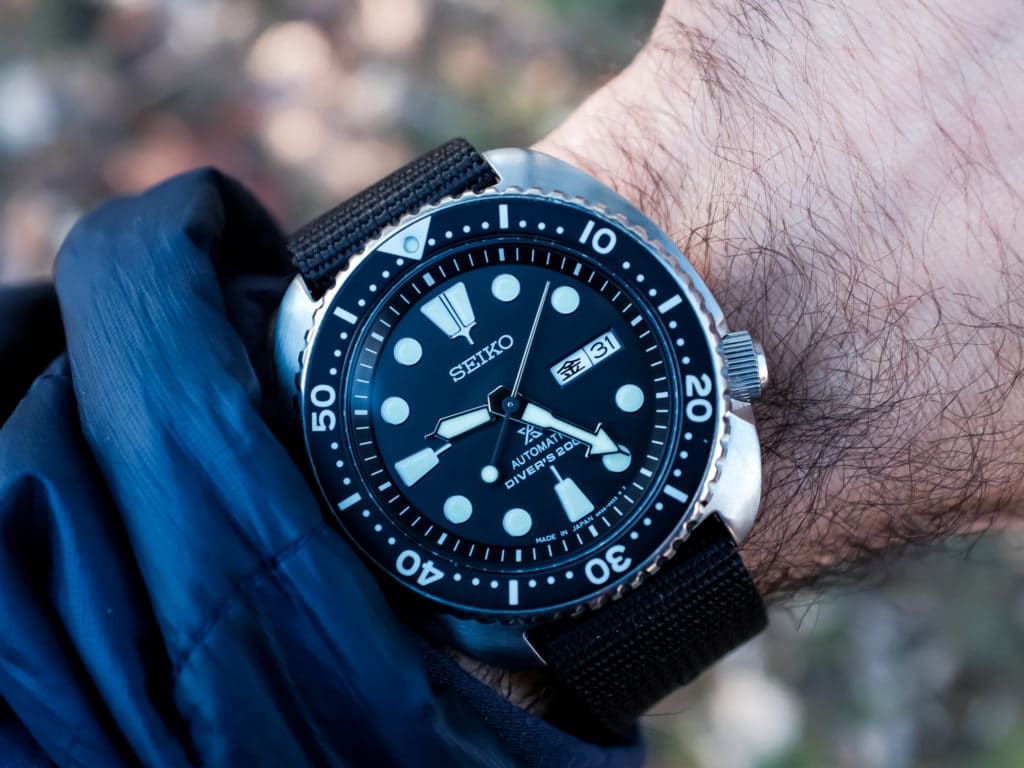
On the other hand, the Seiko Turtle is the automatic diver that best explains why people still put up with mechanical quirks. It’s a 44.3mm case, 14mm thick, and 48mm lug-to-lug, which should feel chunky, especially if you’re used to smaller everyday watches, but the Turtle does the usual Seiko case-shape magic trick. On a 6.75-inch wrist, it remains manageable because the cushion case distributes the mass in a way that feels rounded and intentional rather than slabby. It does not disappear like the Promaster, and that is part of the appeal. The Turtle has presence, but it feels friendly rather than overbuilt. That case shape is also why the Turtle feels more emotionally rewarding than many spec-comparable divers. The asymmetrical design, screw-down crown at 4 o’clock, matte dial, beefy Lumibrite markers, and little collector details like the JDM text or Kanji day wheel give it a personality that doesn’t rely on hype. The stock vented strap is one of Seiko’s better rubber options, with a softer feel, beefier buckle, and steel keeper, but the watch really wakes up on a NATO, as we found out during our testing period. A Turtle on a NATO feels like it belongs there, in that annoying way enthusiasts say something “just works” and then spend three paragraphs proving it.

The remaining automatic divers sit on either side of that Turtle personality. The Orient Mako II is more traditionally proportioned at 41.5mm by 47mm by 13mm, with a case and bracelet that integrate well for the money. However, the bezel grip can be frustrating in actual use. The Longines HydroConquest feels more refined and flatter on the wrist than its 50mm lug-to-lug suggests, thanks to its 11.9mm thickness and low center of gravity, but the 21mm lug width and basic bracelet keep it from being as easy to play with as the case warrants.
- Quartz divers tend to prioritize wearability that stays out of your way. Their lighter movements, flexible strap options, and compact-feeling case geometry make them easier to wear all day without turning wrist presence into wrist fatigue.
- Automatic divers tend to prioritize wearability that you notice and enjoy. They often ask you to accept more thickness or presence, but a good case shape, dial detail, and strap pairing can make that extra mass feel intentional rather than annoying.
Cost Considerations & Resale
Cost is where quartz divers make their least glamorous, most useful argument. The Casio Duro is the clearest example: officially $84.95 on Casio’s site, and often found for less, which puts it in that weird zone where resale almost stops mattering. You don’t buy a Duro to flip it. You buy it because it’s cheap enough to keep, strap-swap, lend out, beat up, or accidentally wear more than watches that cost ten times as much. The Citizen Promaster Diver sits higher, usually around $250–$300, but Eco-Drive eases the ownership math significantly. The Scurfa Diver One plays a similar value game under $300, but with a more microbrand-tool-watch flavor: titanium, 500 meters of water resistance, a serviceable Swiss quartz movement, and enough build quality that the value stays on the wrist instead of living in some resale fantasy.
Contrarily, automatic divers make the cost feel more emotional. The Orient Mako II was listed at around $140 in our review, which explains why it has become such a common first mechanical diver. At that price, hacking, hand-winding, 200 meters of water resistance, and a bracelet that mostly works feel like a lot of watch for the money. The Seiko Turtle sits in a different emotional lane. It could once be found for $475 or less on the street, while later examples were around $370. That makes it less of an impulse buy than the Mako, but still one of those mechanical divers people sell, miss, rebuy, and then pretend that was a learning experience. The Longines HydroConquest is where the automatic side starts asking for real commitment. At $1,600, it offers 300 meters of water resistance, a 72-hour movement, strong finishing, and the kind of everyday comfort that made it one of the most-worn watches in our collection. But that price also changes expectations.
- Quartz divers usually win on ownership cost efficiency. They cost less to buy, less to keep running, and stay useful without making you justify the invoice emotionally.
- Automatic divers can feel more meaningful and collectible, but that meaning comes with higher buy-in, future servicing, and more money tied up in the hobby.
Final Verdict: Which One Should You Actually Consider Purchasing, Quartz or Automatic?
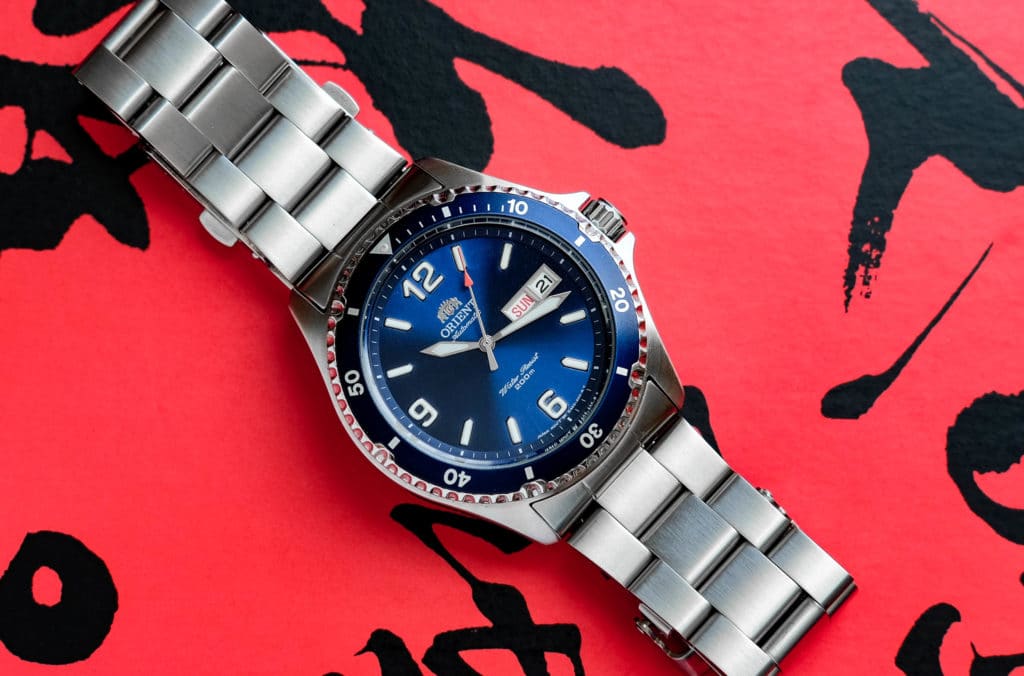
Automatic dive watches still have their pull, and we’re not going to pretend otherwise. A Seiko Turtle on a NATO or a well-worn Orient Mako II can make a strong emotional case for mechanical ownership. You get the sweep, the winding, the small rituals, and the feeling that there’s something alive under the dial. That stuff matters if you enjoy watches as objects rather than just tools. But it also comes with baggage: accuracy drift, power reserve, resetting, future servicing, and the occasional reminder that “character” can look a lot like inconvenience when you’re trying to leave the house.
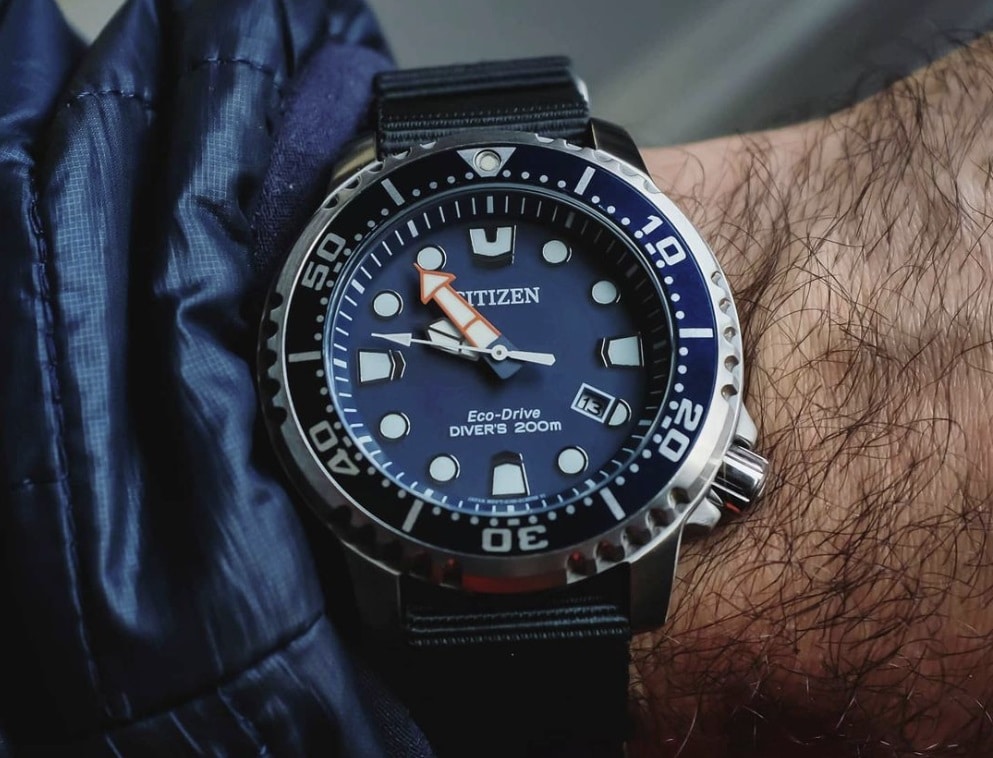
Quartz divers win because they match the way most dive watches end up living. They spend time in drawers, on nightstands, in gym bags, under shirt cuffs, near pools, on vacation, and occasionally in water deep enough to justify the bezel. They don’t punish you for ignoring them for a week. They don’t need a shake, a wind, a reset, or a small apology before you leave the house. They’re ready when the trip starts, when the grill needs timing, when the kid wants to swim, or when you need one watch that can take sweat, rain, sunscreen, and a rubber strap without turning ownership into homework. That’s not romantic, but it is the version of value most people notice after the honeymoon wears off.
So, which one should you actually buy? If you want the smarter everyday diver, buy a quartz watch. For most buyers, especially those shopping for affordable watches or looking for watches worth the money, a quartz diver offers more usable value with less upkeep.
Buy an automatic diver only if you know you want the ritual. If the case shape, dial personality, and mechanical feel make you happy every time you put it on, then the extra fuss is part of the deal. But don’t buy mechanical because the internet told you it’s more “serious.” Buy it because you’re willing to trade convenience for connection. For everyone else, quartz is the better option.

Co-Founder and Senior Editor
Kaz has been collecting watches since 2015, but he’s been fascinated by product design, the Collector’s psychology, and brand marketing his whole life. While sharing the same strong fondness for all things horologically-affordable as Mike (his TBWS partner in crime), Kaz’s collection niche is also focused on vintage Soviet watches as well as watches that feature a unique, but well-designed quirk or visual hook.
Excellent article. You have described, discussed and nailed all aspects of the dilemma that exists between quartz and mechanical/automatic dive watches.
Thanks Bobby, really appreciate that. Glad the piece covered it thoroughly. Thanks for reading.