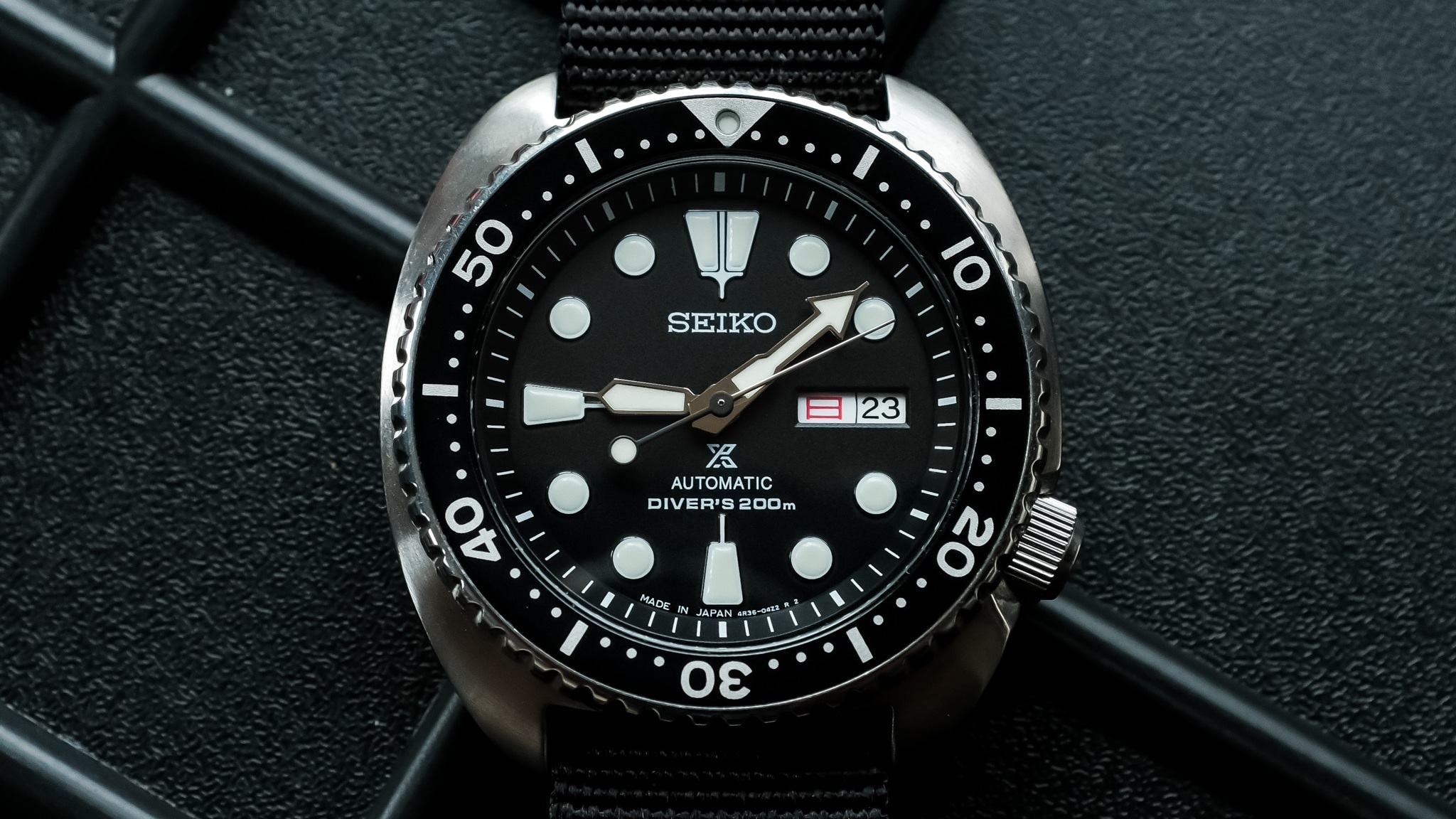
Read any online watch forum or scroll through recommendations for the best watches under $500, and you’ll see Casio and Seiko mentioned. These two brands sit at the center of countless recommendations, and for good reason. We’ve worn Casios like the F-91W and A168WA when we wanted something effortless and reliable, and we’ve relied on Seiko models like the Turtle, Samurai, and Seiko 5 Sports when we wanted a watch that felt more mechanically engaging and personal. They’ve covered different roles in our collections over the years: gym watches, daily commuters, travel companions, and even those fallback pieces we reach for when everything else feels like too much effort.
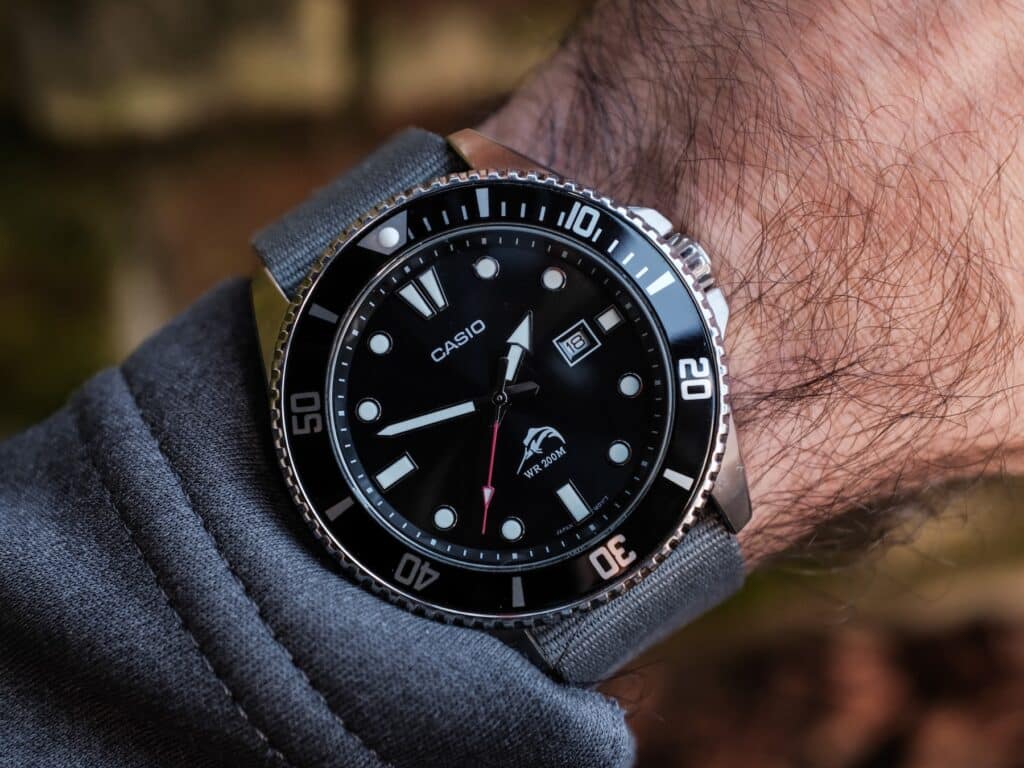
Moreover, over the past decade, we’ve scratched them, knocked them around, and lived with them. That kind of wrist time reveals things spec sheets never show, like how a resin Casio disappears on the wrist or how a Seiko automatic subtly changes your relationship with time. In this Casio vs Seiko comparison, we’re answering a simple but important question: which of these iconic watch brands gives you more value, more satisfaction, and more reason to keep wearing it years down the line?
Brand Identity & Philosophy: Practical Utility vs Mechanical Refinement
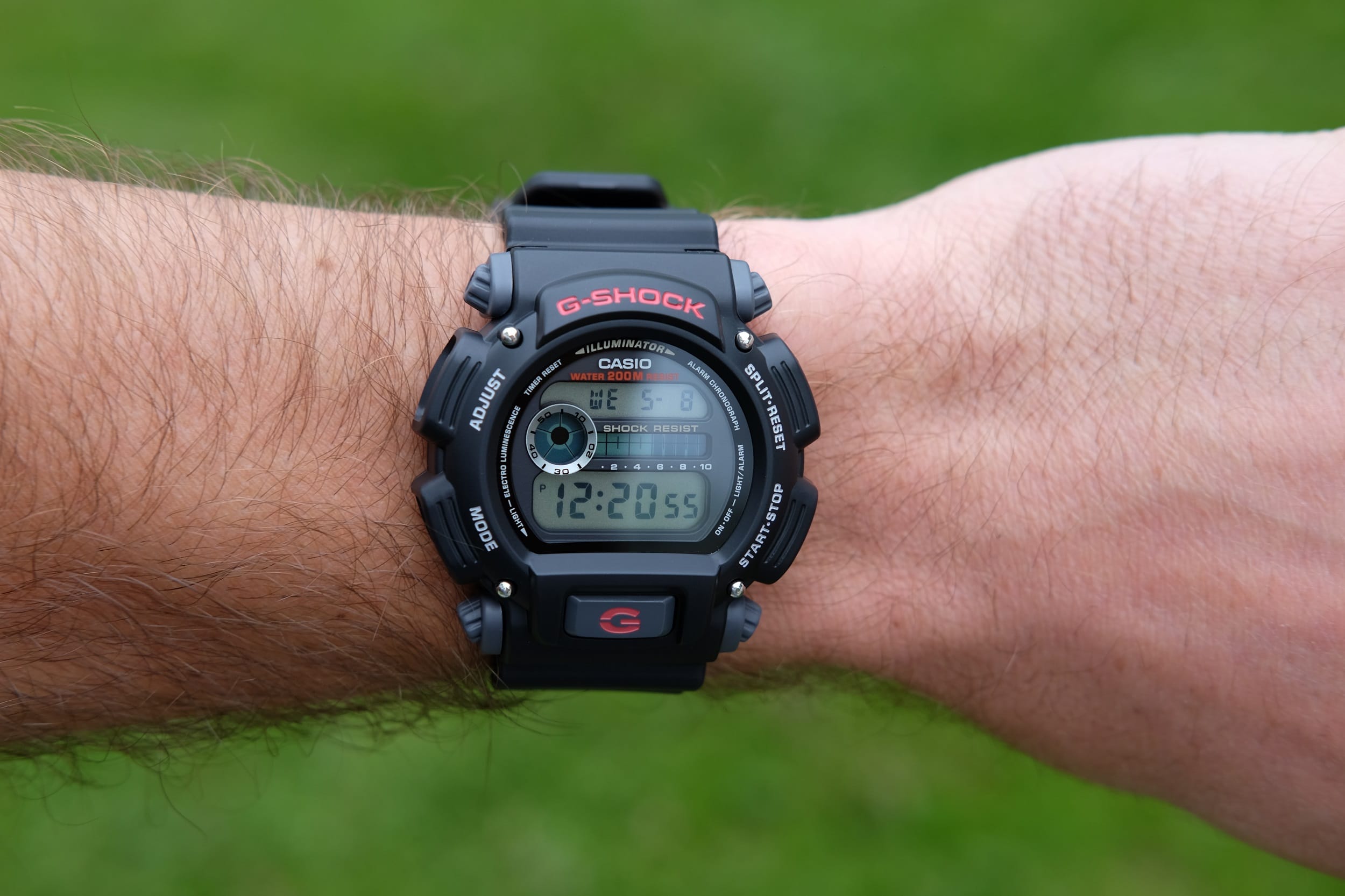
Casio has always approached watchmaking with pure utility in mind. The goal isn’t to romanticize timekeeping; it’s to make watches that work, last, and stay out of your way. That mindset becomes obvious the moment you wear something like the F-91W or A168WA. Both are incredibly lightweight, to the point that we’ve forgotten they’re on the wrist entirely, yet they handle daily wear without complaint. Even stepping up to more purpose-built models like the G-Shock DW9052-1V or the Mudmaster GG-1000-1A5, the philosophy remains the same. The oversized buttons, protective resin cases, and highly legible digital displays all serve a clear function: reliability in unpredictable conditions. There’s no expectation that you’ll baby them.
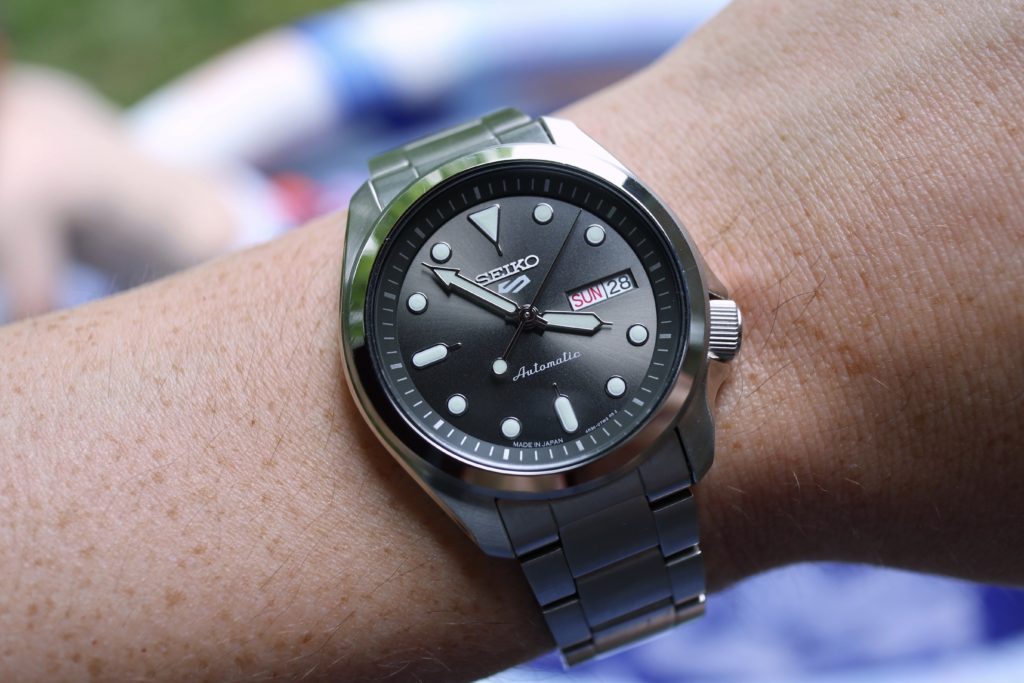
Seiko, on the other hand, builds watches that invite you to engage with them more personally. Even at the entry level, there’s an intentional effort to make the watch feel meaningful beyond its basic job. Wearing models like the Seiko SRPE51 or the Seiko 5 Sports SRPD51, we noticed that the weight, dial finishing, and smooth automatic movement created a stronger sense of presence than digital alternatives. Dive watches like the Turtle and Samurai reinforced that impression. Their cases feel substantial without becoming uncomfortable, and details like the bezel action and dial texture give the impression of thoughtful refinement rather than pure function. The Seiko 5 GMT takes that further by adding real travel utility while still preserving the mechanical character that defines the brand.
- Casio appeals to buyers who prioritize function over sentiment. These are watches built to handle daily abuse, deliver consistent accuracy, and stay comfortable without demanding attention or maintenance.
- Seiko connects with enthusiasts who want a deeper, more engaging ownership experience. Its watches offer mechanical character, tactile feedback, and design details that reward long-term wear and familiarity.
Catalog Scope & Core Strengths
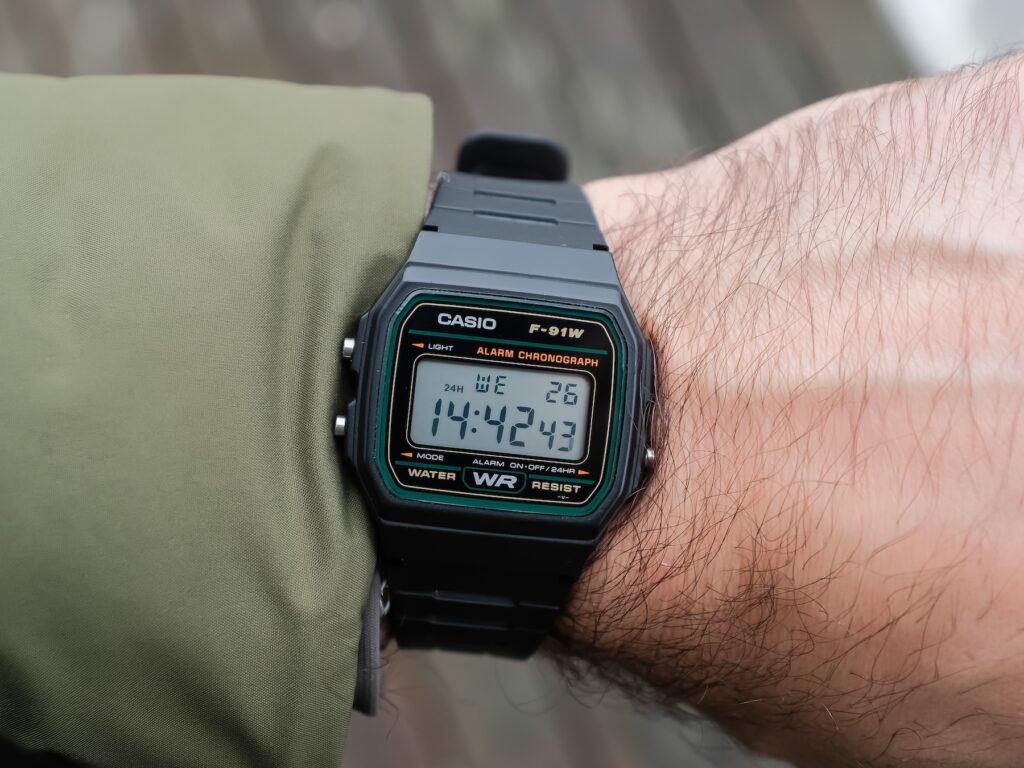
Casio’s catalog feels less like a traditional watch lineup and more like a toolkit built for different situations. After years of wearing everything from the barebones F-91W to more advanced pieces like the G-Shock GW6900-1 and Mudmaster GG-1000-1A5, what stands out most is how effortlessly these watches slot into daily life. The F-91W and A168WA cover the ultra-lightweight, no-maintenance end of the spectrum. Meanwhile, stepping into the G-Shock range adds serious durability and autonomy. Models like the GW6900-1, with its solar charging and atomic timekeeping, stayed perfectly synced without intervention, even after sitting unused for days. That wide functional range shows how Casio builds its catalog around convenience, resilience, and practical ownership rather than mechanical novelty.

Seiko’s catalog, by contrast, revolves mostly around mechanical watches that encourage regular wear and interaction. Testing models like the Seiko 5 Sports SRPD51 and SRPE51 revealed how the brand prioritizes versatility (dive, dress, sport, or travel) within a mechanical-first framework. Both transition easily between casual and more polished settings, largely because of their balanced case proportions and restrained dial designs. Moving into more purpose-built territory, watches like the Turtle, Samurai, and Sumo reinforce Seiko’s strength in dive watches. Their cases feel solid and confidence-inspiring, while the bezel action and dial legibility make them practical beyond just aesthetics. Overall, Seiko’s lineup stays anchored mostly around automatic watches designed for daily wear, giving enthusiasts a consistent mechanical experience across a wide range of styles and use cases.
- Casio offers one of the broadest functional catalogs in the affordable space. From ultra-light digital staples to solar-powered G-Shocks, the focus stays on reliability, accuracy, and zero-maintenance ownership.
- Seiko’s strength lies in its mechanical diversity, especially in everyday and dive watches. Its lineup delivers consistent automatic options that balance durability, versatility, and long-term enthusiast appeal.
Design & Wearability: Clarity-First Function vs Intentional Wrist Presence
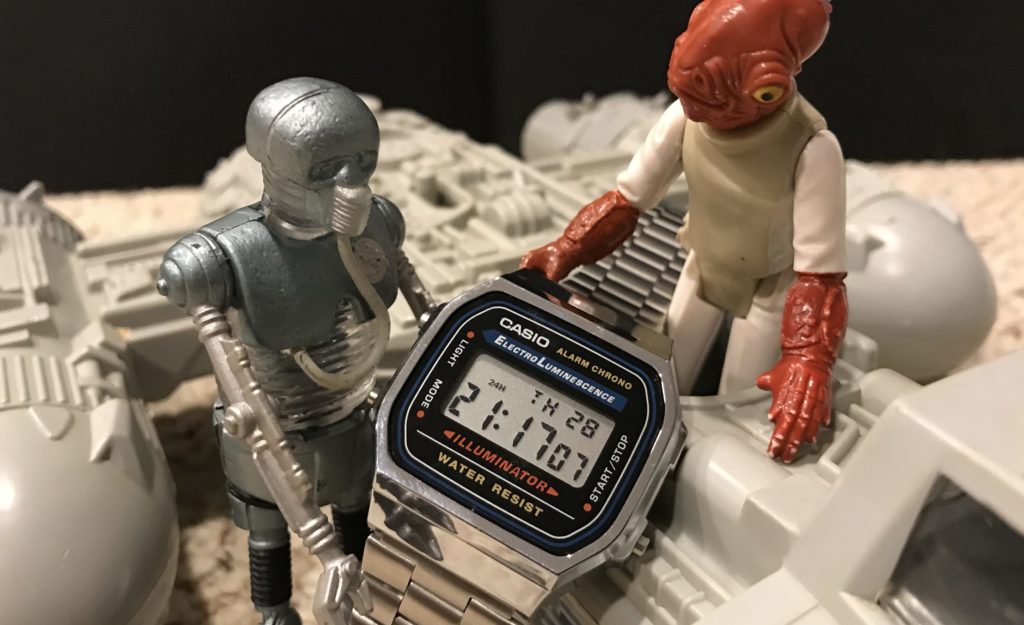
Casio’s design language is driven almost entirely by legibility and functional density. Wearing the A168WA over extended periods made that clear right away. The digital display is crisp and readable, even at a glance, and the compact case keeps it from ever feeling bulky. Its lightweight bracelet disappears on the wrist, though it has that familiar folded-metal feel that reminds you where the cost savings lie. Moving into the G-Shock lineup, models like the DW9052-1V and GW6900-1 lean harder into durability with deeply recessed displays. Despite their size, the curved case backs and soft resin straps helped distribute weight evenly, making them easier to wear for long stretches than their dimensions suggest. Even the more stylized CasiOak and Mudmaster GG-1000-1A5 maintain that same clarity-first philosophy, with oversized markers, bold hands, and high-contrast layouts to stay readable in motion or low light.
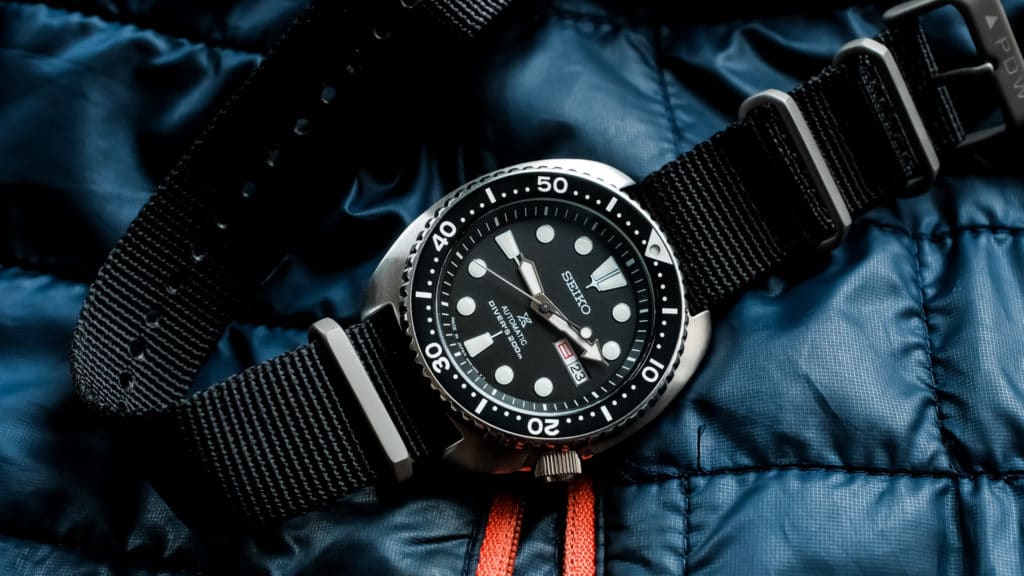
Seiko takes a more tactile and visually engaging approach, especially with its dive and sport models. During our time testing the Seiko Turtle, the broad hands and large applied indices made reading the time effortless, while the slightly cushioned case shape kept it securely in place without digging into the wrist. The Samurai and Sumo pushed that further with sharper case lines and more pronounced finishing, giving them a stronger visual identity without sacrificing usability. The Seiko 5 GMT stood out for its dial, which balanced functionality and personality. The bold GMT hand and large markers made tracking multiple time zones intuitive, while the solid bracelet added reassuring weight. Unlike Casio’s near-weightless feel, Seiko watches remind you they’re there, but in a way that feels intentional. The added weight, textured dials, and more substantial bracelets create a stronger physical connection.
- Casio prioritizes instant legibility and function above all else. Manageable cases, high-contrast displays, and flexible straps make them easy to wear for long hours without fatigue or adjustment.
- Seiko focuses on balanced proportions and a more substantial wearing experience. Larger markers, textured dials, and solid bracelets create a sense of presence that feels deliberate and satisfying over time.
Build Quality & Technical Approach
Movements:
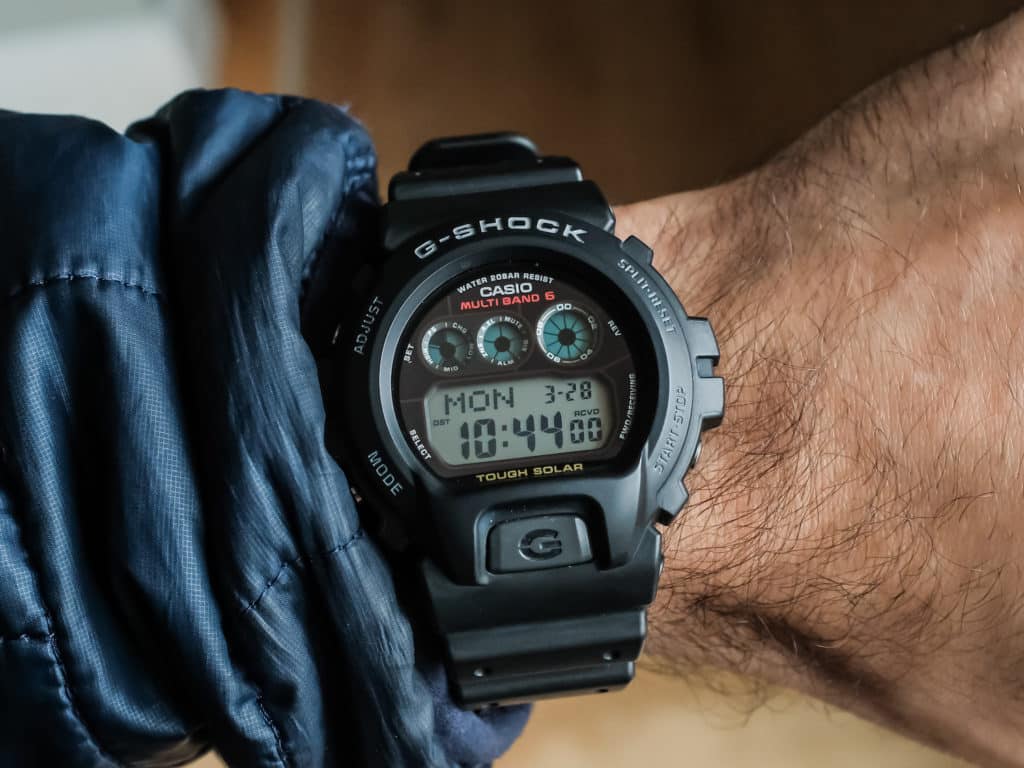
Casio builds its reputation on quartz and solar modules designed to run without intervention. Wearing the F-91W and A168WA long-term showed how dependable these simple quartz setups are. They kept consistent time and needed nothing beyond the occasional battery swap. Moving into the G-Shock range, autonomy improves even further. The GW6900-1’s solar module proved especially practical during hands-on testing. After sitting unused for weeks, a few hours in sunlight quickly restored a full charge, removing any need to open the case back. Other models, such as the DW9052-1V, Mudmaster GG-1000-1A5, and CasiOak, with their quartz-based multi-function electronic modules, prioritize durability, accuracy, and independence.
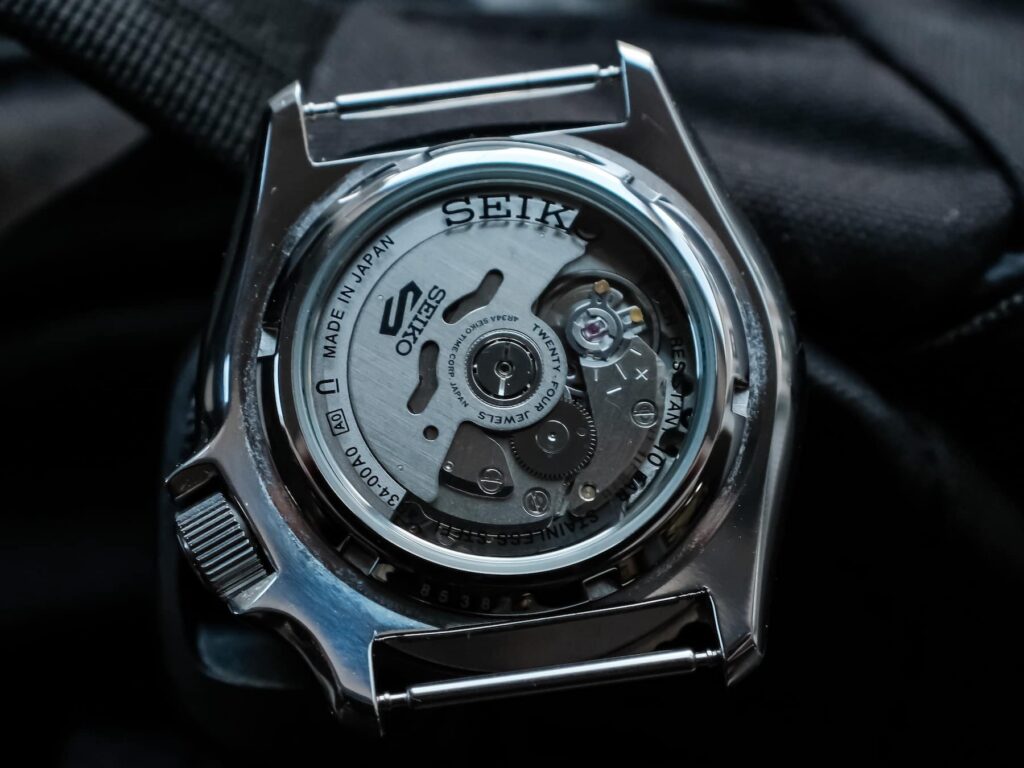
Although Seiko has watches powered by quartz, solar, or kinetic movements, it focuses heavily on automatic movements that encourage regular wear and interaction. Models like the Seiko 5 Sports SRPD51 and SRPE51 use the in-house 4R36 caliber, which adds hacking and hand-winding for easier time-setting and daily usability. In practice, these movements stayed reliable through regular rotation and held enough reserve to keep running overnight. Dive models like the Turtle, Samurai, and Sumo continue this formula, pairing durable cases with proven automatic calibers. The Seiko 5 GMT we reviewed in depth features the newer 4R34 movement, offering GMT tracking and about 40 hours of power reserve. During daily use, tracking multiple time zones felt straightforward, and the movement ran consistently without excessive adjustment.
Case Construction & Finishing:
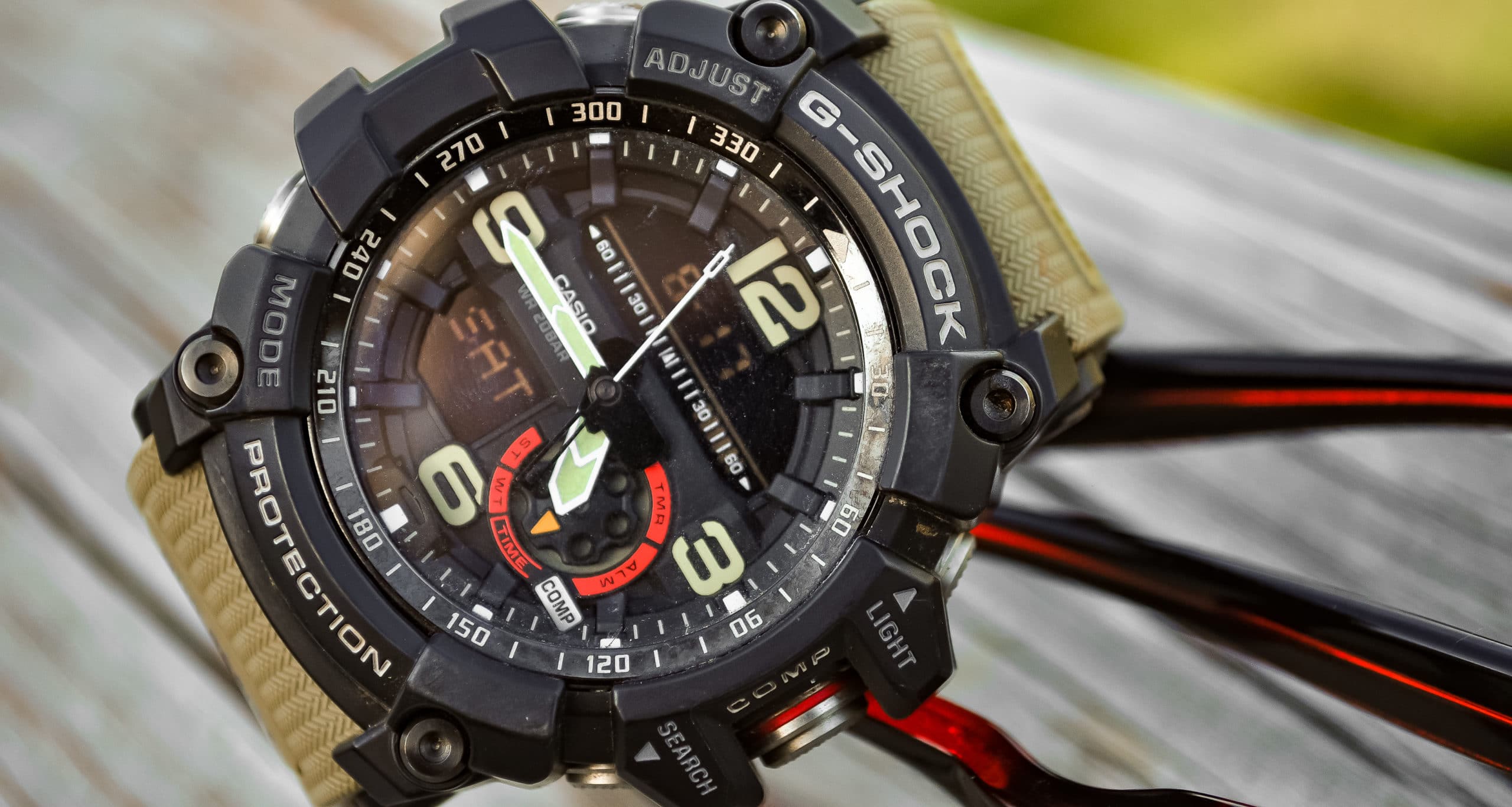
Casio cases are built with protection and longevity as the priority, even when refinement takes a back seat. The F-91W and A168WA use lightweight resin and plastic construction that keeps them easy to wear long-term, with the F-91W weighing just over 20 grams and relying on simple materials that emphasize function over refinement. While they don’t feel luxurious, they hold up well and help hide scratches. Moving into the G-Shock lineup, that philosophy evolves into full structural protection. The DW9052-1V and GW6900-1 both feature thick resin cases designed to absorb shock and protect internal components. The Mudmaster GG-1000-1A5 we reviewed hands-on takes it further with reinforced guards and a layered case structure that resists dust, debris, and impact during extended wear. Even the CasiOak blends angular styling with shock-resistant resin construction, giving it more visual presence while preserving the rugged durability Casio is known for.
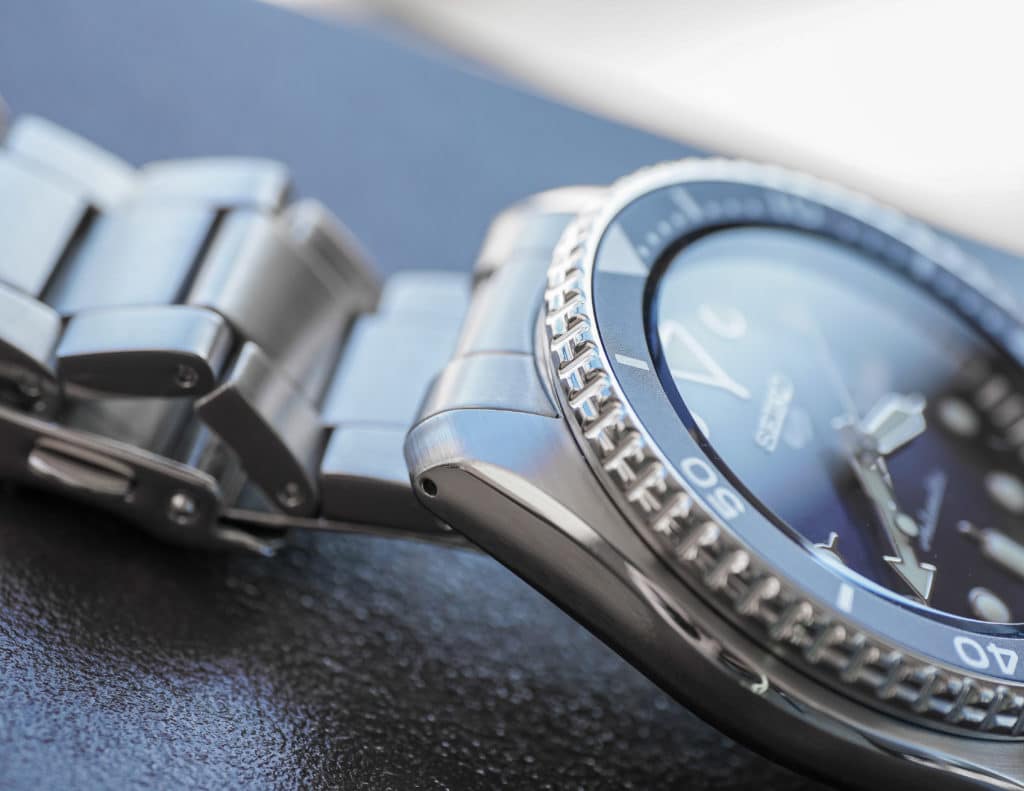
Seiko approaches case construction with more attention to finishing and structural balance. The Seiko 5 Sports SRPD51 and SRPE51 both use stainless steel cases with brushed surfaces and polished accents that add depth without feeling excessive. Dive watches like the Turtle and Samurai reinforce Seiko’s strength in building cases that feel tough yet wearable. The Turtle’s cushion case wears smaller than its dimensions suggest, while the Samurai’s angular case design gives it a sharper, more defined look that still feels comfortable during daily wear. The Sumo pushes finishing further with cleaner transitions between brushed and polished surfaces. Seiko’s cases feel way more refined, offering durability without losing visual and tactile appeal.
Crystals:
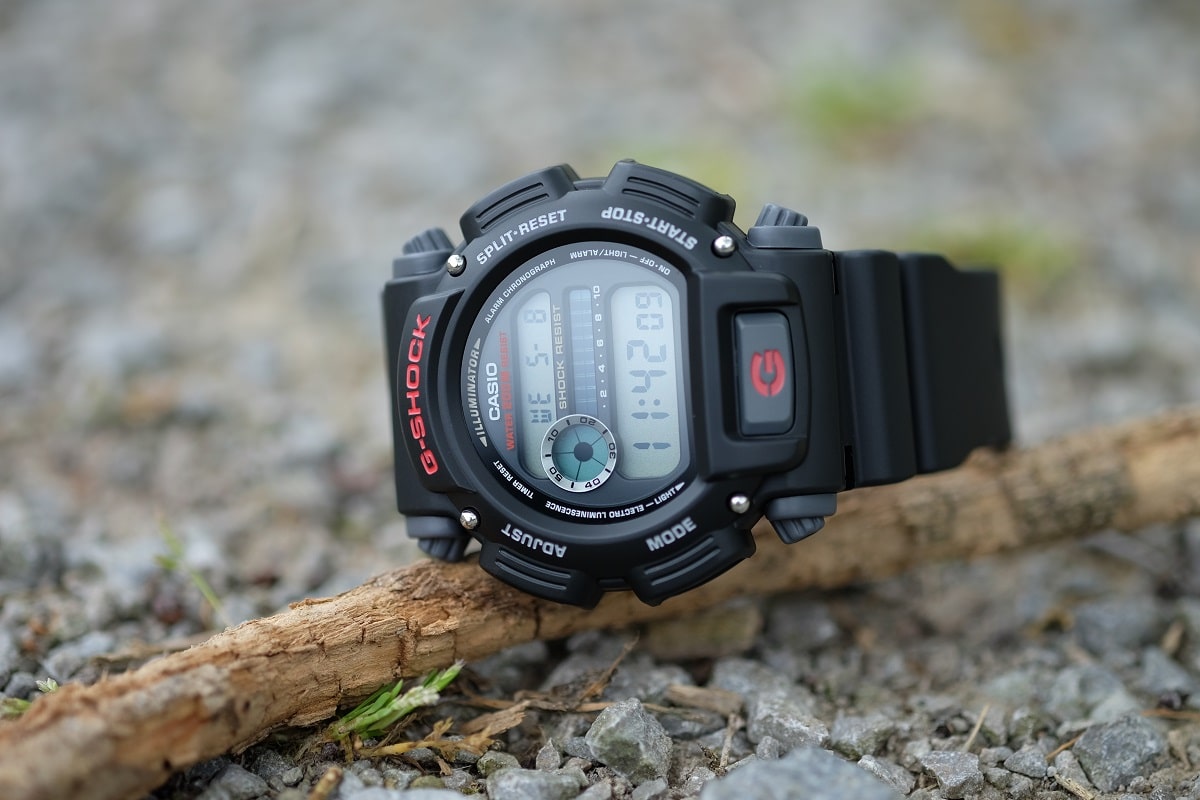
Casio maintains consistency in its crystal materials, aligning with its broader focus on practicality and cost efficiency. Models like the F-91W use resin crystals, which prioritize impact resistance and easy replacement over scratch resistance. In daily wear, this made sense. Minor marks showed up over time, but they never affected legibility, and the softer material avoided cracking under pressure. Moving into the G-Shock lineup, the DW9052-1V we spent time with relies on mineral glass instead. That upgrade provides better scratch resistance while still working within the shock-resistant case architecture. In practice, the recessed crystal design adds an extra layer of protection, keeping the surface shielded from direct contact. Casio’s crystal choices reflect its larger philosophy: prioritize durability and serviceability over premium materials that could compromise toughness.
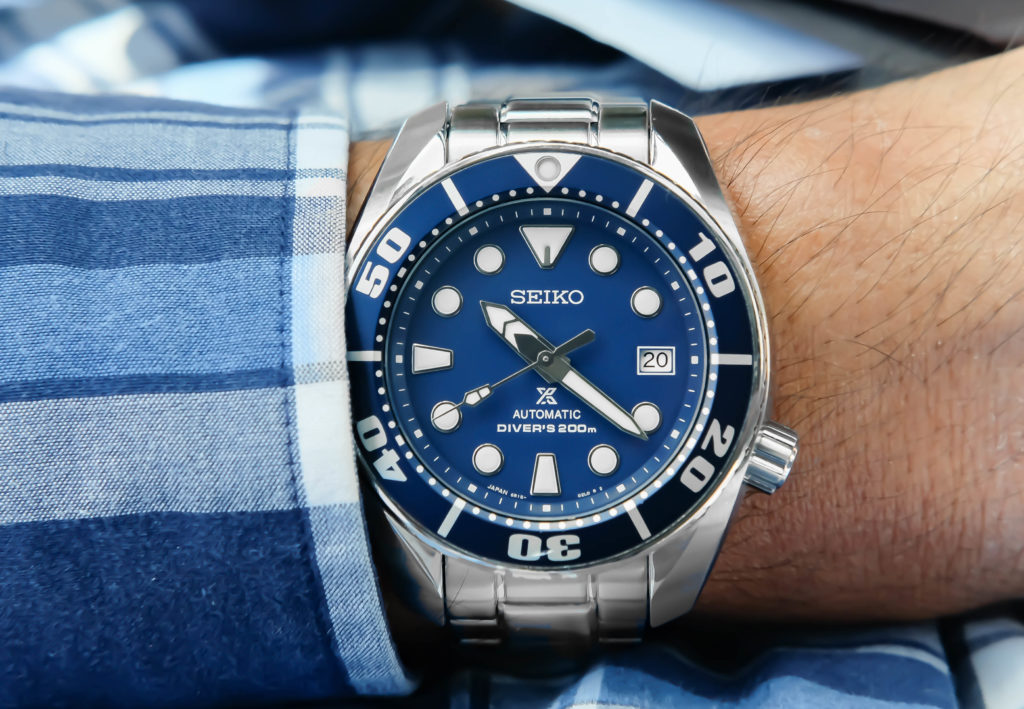
Seiko uses its proprietary Hardlex crystal across most of its affordable lineup, including the SRPE51, Turtle, Samurai, and Seiko 5 GMT. In practice, Hardlex held up well against daily wear, resisting scratches better than standard mineral glass while maintaining strong clarity outdoors and indoors. The Seiko Sumo takes a step further with a sapphire crystal, offering noticeably better scratch resistance during extended wear while preserving excellent dial clarity. This tiered approach allows Seiko to balance durability and cost at entry levels while offering upgraded materials, such as sapphire, in more premium models. And that reinforces its reputation for producing the best value watches with thoughtful material progression.
Water Resistance and Lume:
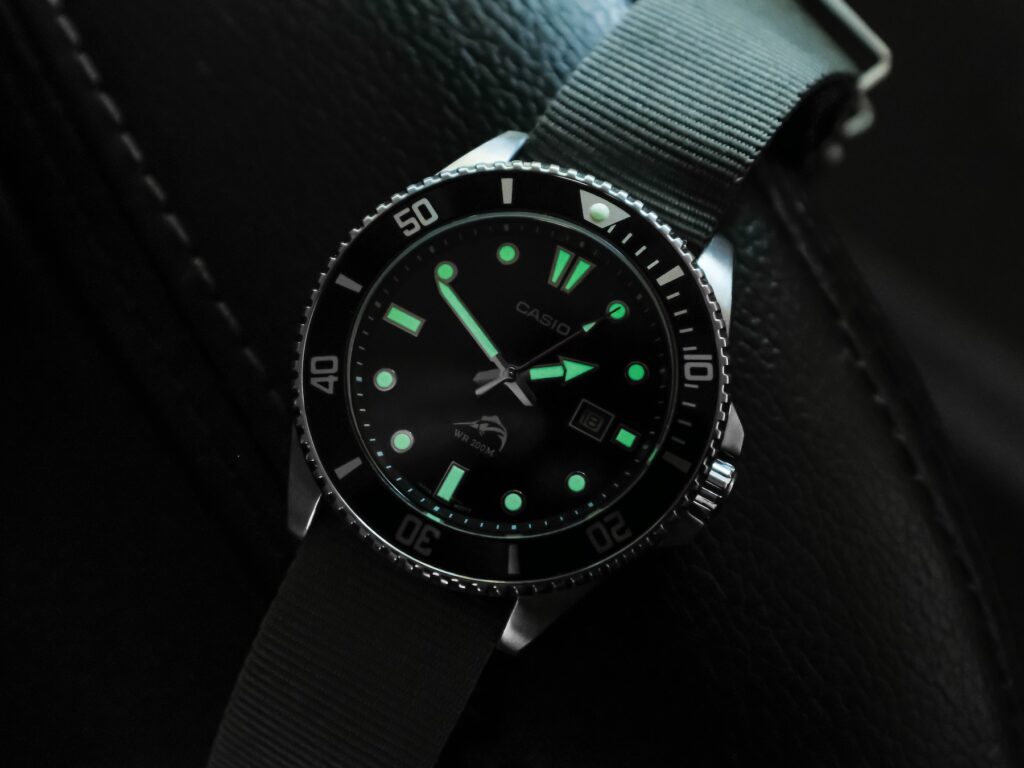
Casio approaches water resistance and visibility with real-world practicality in mind. Entry-level models like the F-91W and A168WA offer basic splash resistance, enough for handwashing and daily use, but clearly not designed for prolonged water exposure. The G-Shock lineup changes that entirely. Watches like the DW9052-1V and GW6900-1 carry 200m water resistance, making them viable for swimming and harsher conditions without hesitation. The CasiOak stands out here, combining its square-adjacent profile and resin-sealed case with the same 200m rating. During long-term wear, the analog-digital layout remained easy to read, though the lume on the large markers and hands is quite underwhelming. In general, G-Shock watches aren’t known for their incredible lume. One exception would be the Casio Duro that we also tested hands-on. It follows a more traditional dive watch format and features 200m of water resistance.
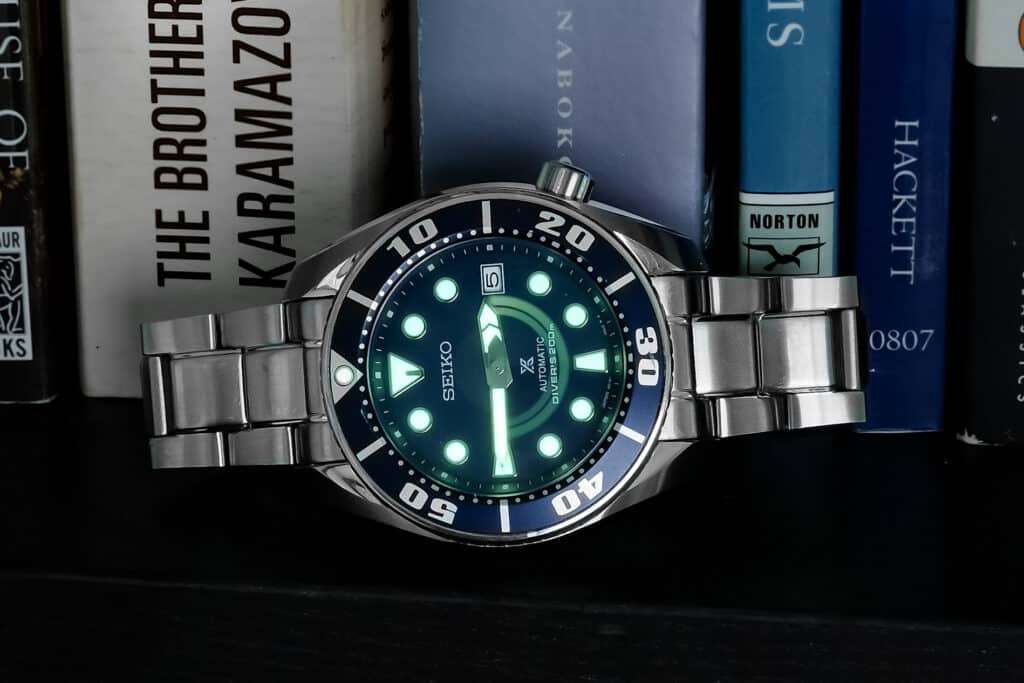
Seiko treats water resistance and lume as core strengths, especially in its dive-oriented watches. The Seiko Sumo is a strong example. Its 200m water resistance and screw-down crown gave us full confidence wearing it around water without a second thought. More importantly, Seiko’s Lumibrite proved very effective. During extended wear, the large applied markers and broad hands absorbed light quickly and stayed visible for hours in low-light conditions. That consistency made nighttime legibility effortless. The Turtle and Samurai follow a similar formula, combining true dive-ready water resistance with lume that remains bright and evenly distributed. Seiko’s approach emphasizes both durability and sustained visibility.
- Casio prioritizes durability, autonomy, and low-maintenance ownership. Its quartz and solar modules, resin-heavy construction, and protected mineral crystals are built to withstand abuse while requiring minimal user involvement.
- Seiko focuses on mechanical engagement paired with more refined materials. Automatic movements, solid steel cases, Hardlex or sapphire crystals, and exceptional Lumibrite enhance both long-term durability and ownership satisfaction.
Community & Resale
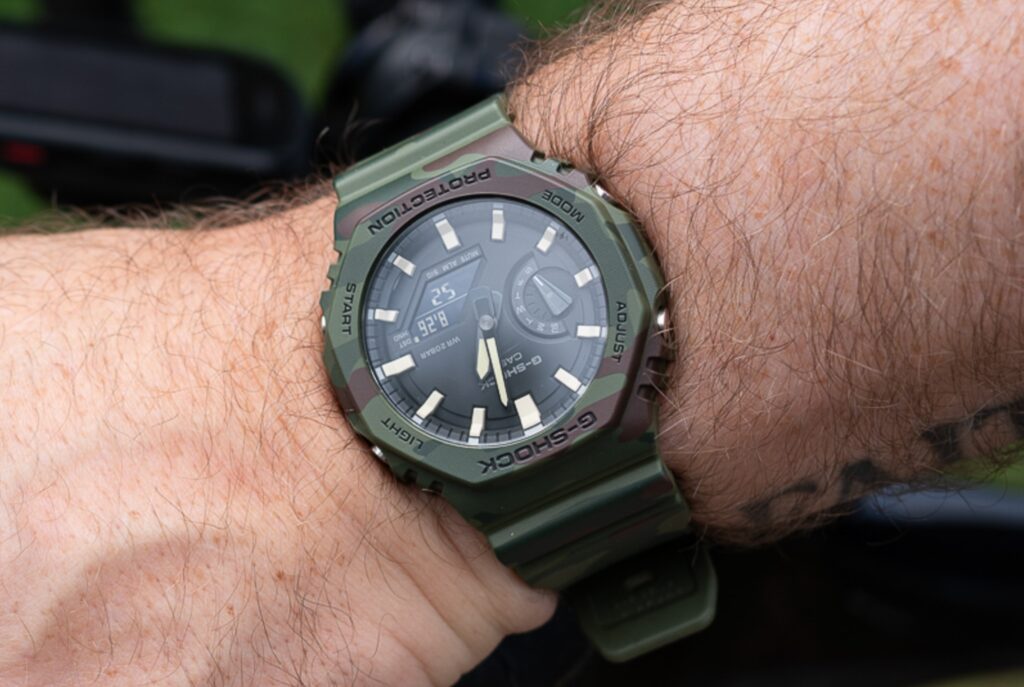
Casio’s community thrives on accessibility and constant rediscovery. Watches like the F-91W and A168WA never really disappear from circulation. We’ve seen them passed between collectors, re-purchased out of nostalgia, or kept around simply because they remain useful long after newer watches arrive. Their low cost and durability make them easy to revisit without hesitation. The G-Shock lineup deepens that connection. Models like the GW6900-1, Mudmaster, and CasiOak have built strong followings because they deliver practical functionality that holds up over time. Owners tend to keep them as long-term utility pieces rather than resale assets.
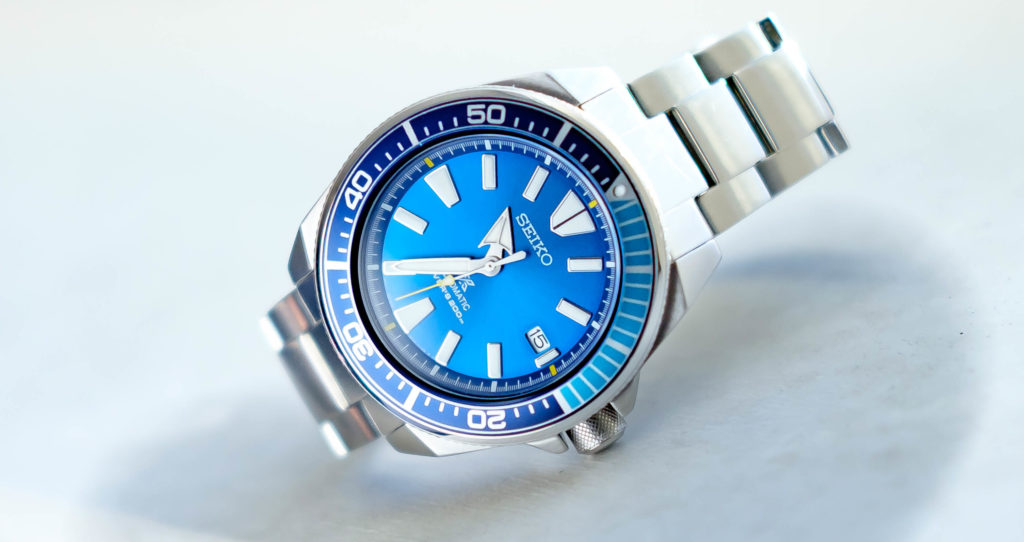
Seiko operates in a more active collector ecosystem. Models regularly circulate across forums, resale platforms, and enthusiast groups. We’ve seen these watches bought, traded, modded, and re-owned countless times. The Samurai, in particular, has a strong enthusiast following because of its heritage and different designs, while the Seiko 5 lineup remains a common entry point that collectors revisit later. Even affordable Seikos retain resale interest because the community stays engaged. The brand encourages experimentation and long-term involvement, which keeps its watches moving between collectors rather than sitting unused.
- Casio builds loyalty through reliability and cultural familiarity. Owners often keep or re-buy them because they remain useful, dependable, and emotionally familiar.
- Seiko supports a more active resale and enthusiast ecosystem. Its watches are frequently traded, modified, and collected, keeping them relevant long after the initial purchase.
Final Thoughts: Which Brand Makes More Sense After Living With Both for Years?
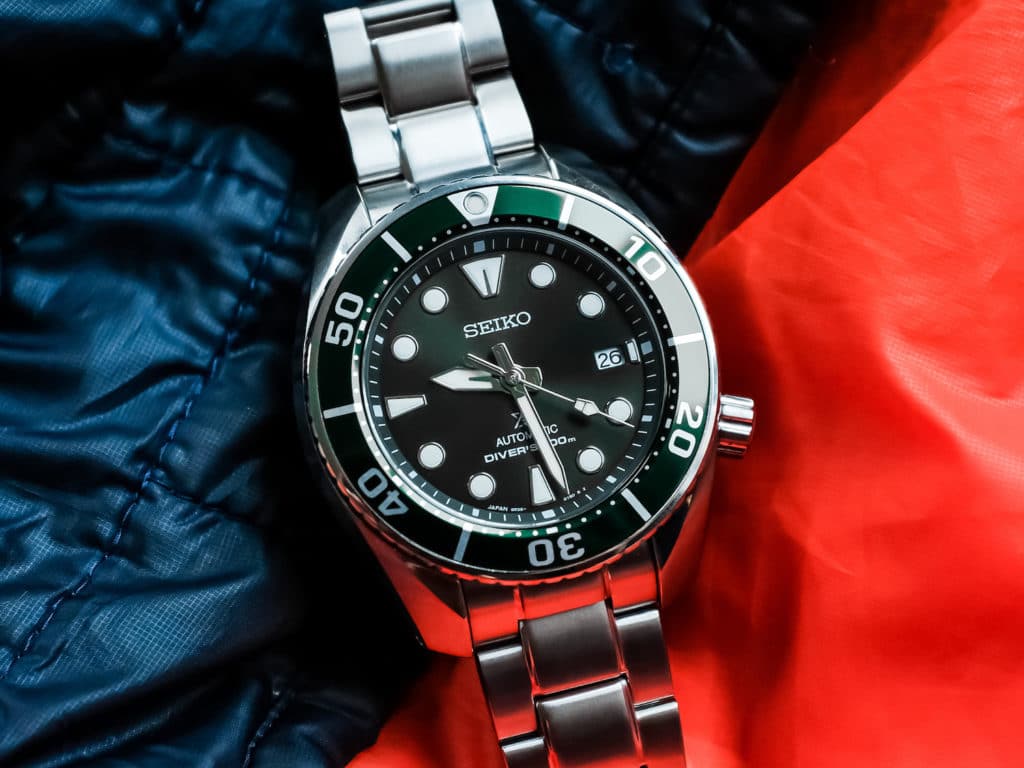
Seiko gives you more for the enthusiast side of your brain. Wearing models like the Turtle, Samurai, and Seiko 5 GMT over extended periods reminded us why mechanical watches pull people into the hobby in the first place. You feel the weight. You notice the dial details. You build familiarity with how the movement behaves over time. And at prices often sitting in the $200–$600 range, Seiko makes that experience accessible without feeling disposable. But that value comes with responsibility. Automatic movements need resetting after downtime. Accuracy varies. Servicing, eventually, becomes part of ownership. The upfront price is reasonable, but the long-term cost includes attention and maintenance.
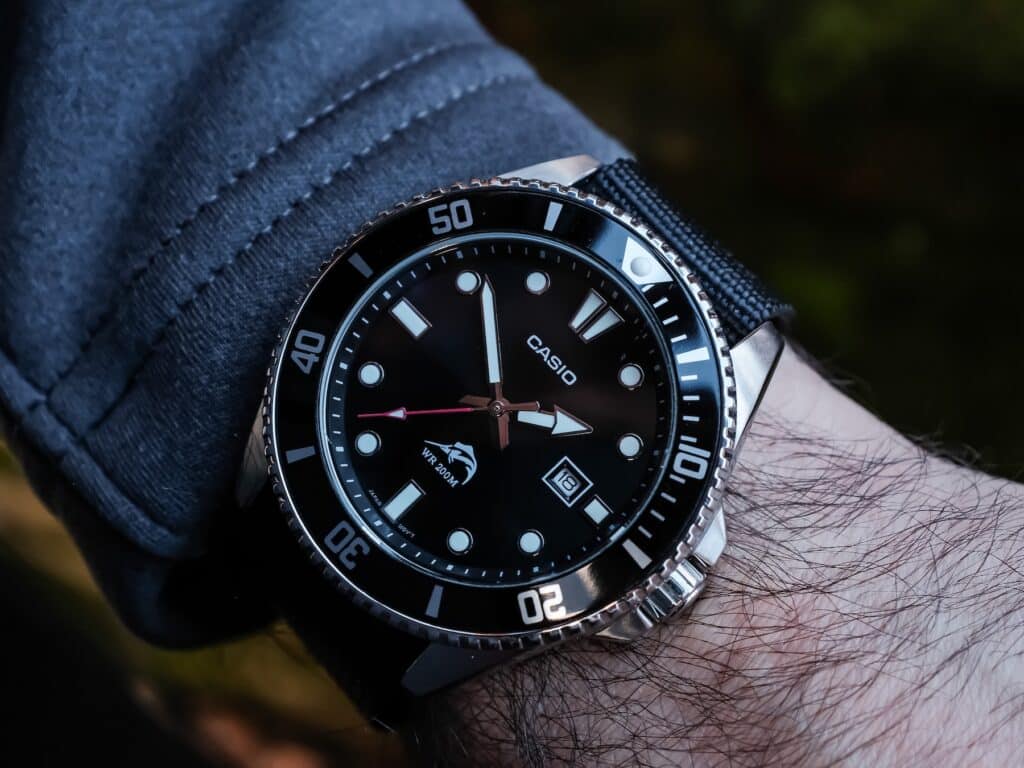
Casio’s value, on the other hand, is brutally straightforward. Watches like the F-91W, GW6900-1, Duro, and CasiOak deliver years of reliable use for a fraction of the cost, often between $20 and $150. They stay accurate without adjustment, survive abuse without complaint, and rarely require more than a battery change or nothing at all if solar-powered. Over time, that simplicity translates into real savings, both financially and mentally. There’s no servicing to budget for, no major accuracy drift to manage, and no hesitation about wearing them anywhere. You buy it once, and it keeps doing its job.
So here’s our honest conclusion after living with both brands for years. Seiko offers a richer ownership experience and remains one of the best gateways into mechanical watches. But if we’re talking strictly about overall value for money, including upfront cost, maintenance, and long-term reliability, Casio comes out ahead. It delivers dependable performance at a lower price, and for most buyers looking for the smartest investment in an affordable watch, Casio is the clear winner.

Co-Founder and Senior Editor
Kaz has been collecting watches since 2015, but he’s been fascinated by product design, the Collector’s psychology, and brand marketing his whole life. While sharing the same strong fondness for all things horologically-affordable as Mike (his TBWS partner in crime), Kaz’s collection niche is also focused on vintage Soviet watches as well as watches that feature a unique, but well-designed quirk or visual hook.