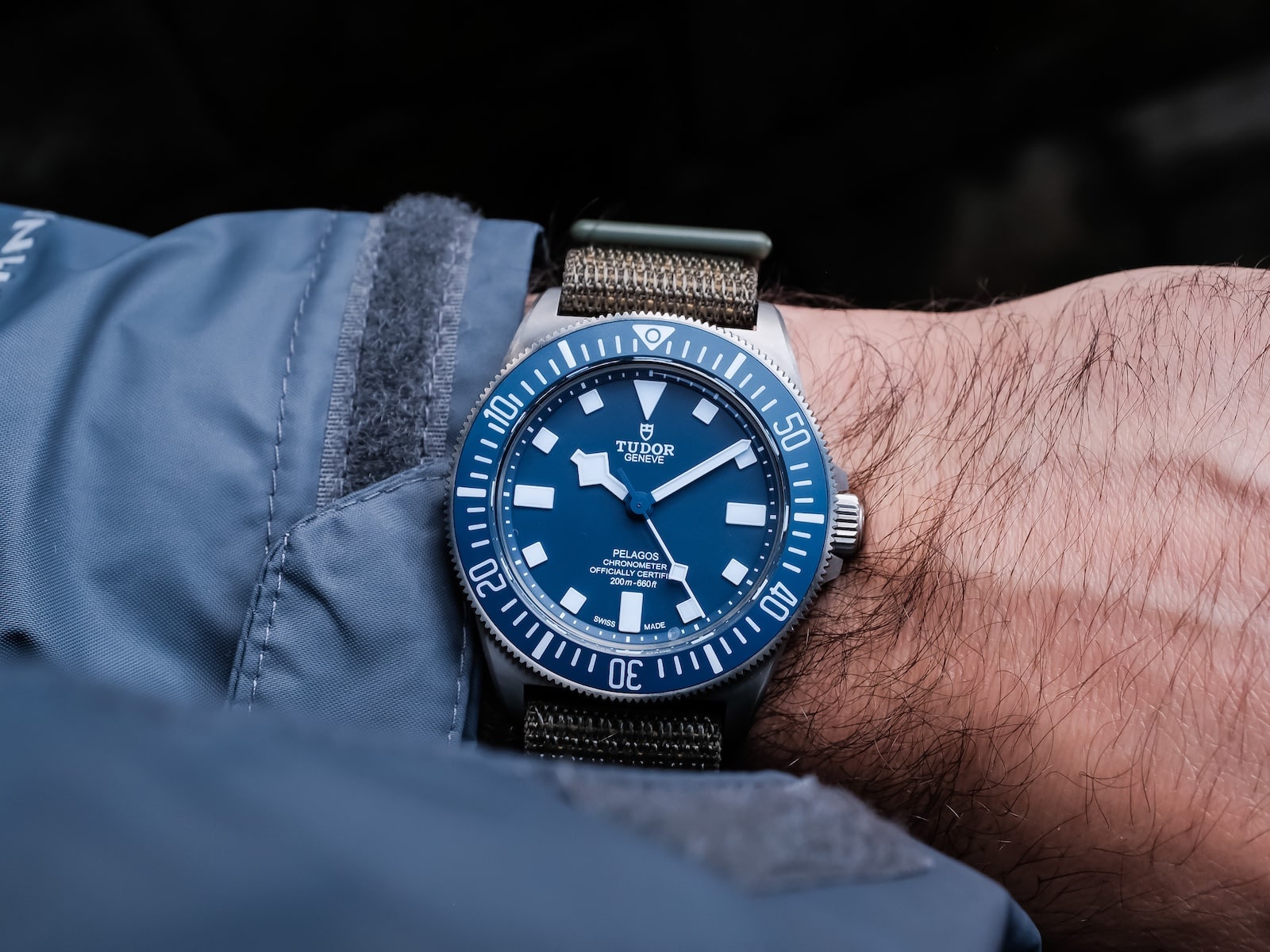
I first wrote about the Tudor Pelagos FXD back when it was announced in 2021, and I remember thinking Tudor had accidentally made one of the most convincing modern military watches on the market. At the time, though, that opinion was still based on press photos, specifications, and the broader idea of the watch itself. The Pelagos FXD quickly developed a reputation online as this almost untouchable modern tool watch, which usually makes me a little suspicious. Collector hype has a way of flattening nuance, especially once a watch starts becoming “the one” people recommend before they’ve actually spent meaningful time wearing it.
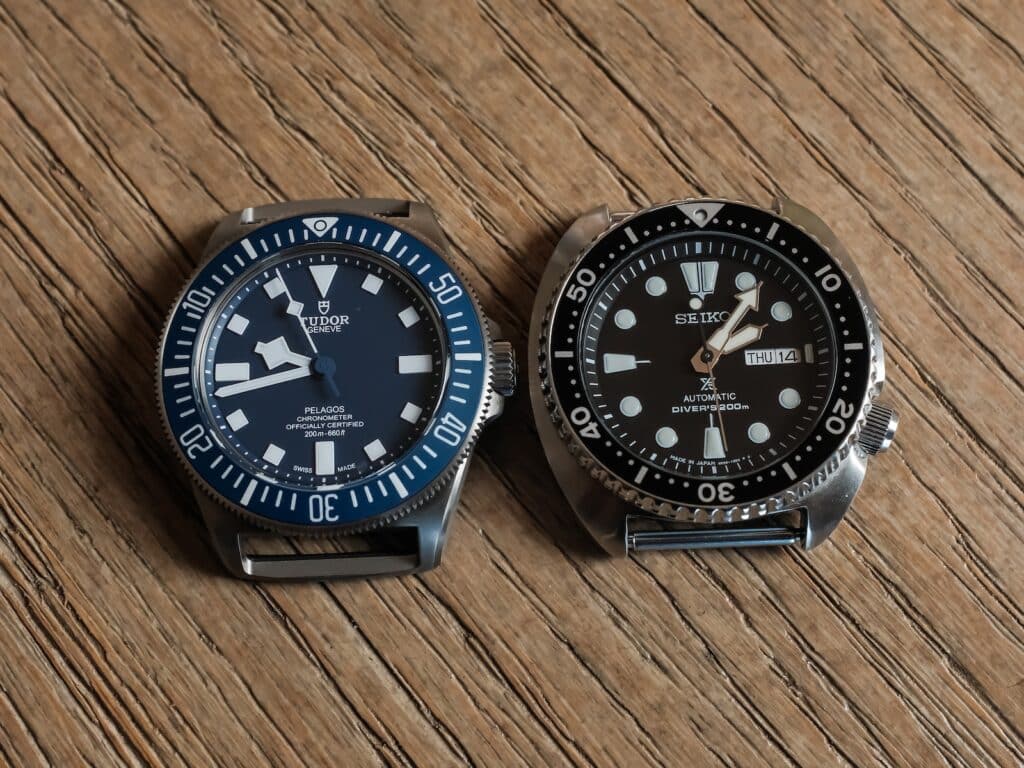
After a week with the original blue “Marine Nationale” version, I think the FXD earns most of that reputation. What surprised me is that the appeal has very little to do with the Marine Nationale branding or the military associations surrounding the watch. In person, the FXD feels far more restrained than the internet tends to make it seem (I’ve included a photo of it next to my Seiko Turtle just to put things in perspective). The fully matte titanium case, fixed strap bars, blocky handset, and oversized bezel all sound aggressive on paper. On the wrist, though, the FXD settles into daily wear surprisingly easily, and more importantly, it never really wears as large as the specifications suggest. Let’s get into it.
Case and Wearability
The FXD feels noticeably different from the standard Pelagos. On paper, the 42mm case dimensions sound large, especially once you see the 52mm lug-to-lug measurement. In practice, the watch wears smaller than the numbers suggest, and I think a lot of that comes down to the thinner case profile and the overall simplicity of the design. At 12.75mm thick, the FXD loses some of the slab-sided feel that has always made the standard Pelagos wear a little more aggressively on my wrist.
Tudor also made a few decisions here that make the watch feel more purpose-built instead of simply more capable on paper. The helium escape valve is gone, and water resistance drops from 500 meters to 200 meters. Normally, enthusiast culture treats reductions like that as compromises. In reality, the FXD feels more honest because of them. Nothing about the watch feels designed around spec-sheet competition.
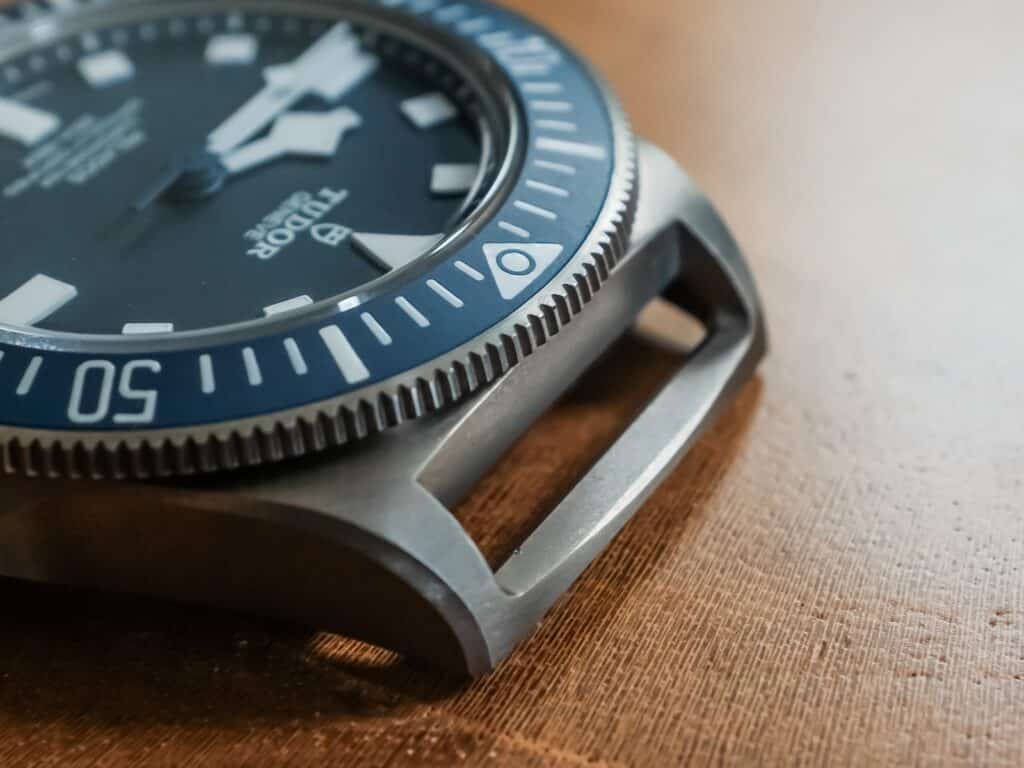
The titanium case itself is exactly what I’ve come to expect from Tudor over the last few years. The lines are crisp, the brushing is consistent throughout, and the fully matte surfaces give the watch a very utilitarian look without making it feel unfinished. The bezel deserves some credit too. The larger knurling makes it noticeably easier to grip than most of Tudor’s other dive watches, especially once your hands are wet or you’re adjusting it quickly throughout the day. Still, the fixed bars are really the defining feature here.
Fixed Bars and Straps
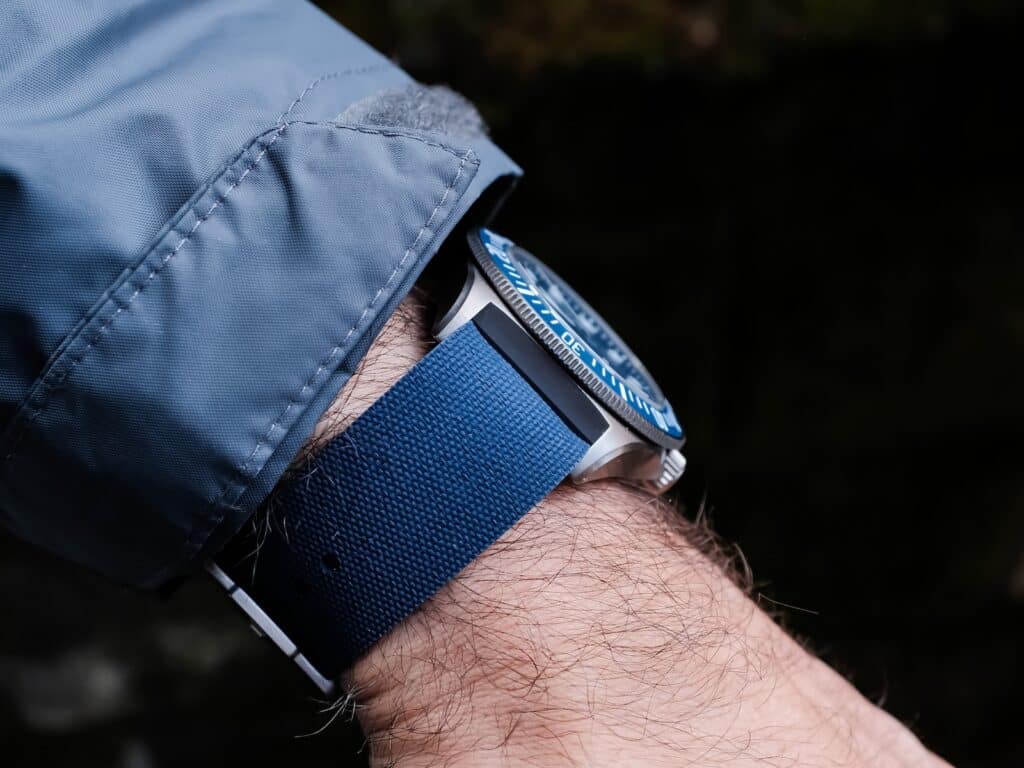
A lot of vintage military-issued dive watches used fixed bars because they were simply more secure in actual use, and Tudor clearly understood that collectors paying attention to the FXD would care whether this detail felt authentic or decorative. Instead of using separate tubes or spring-loaded solutions, the bars are machined directly into the case itself. There’s also a slight chamfer along the edges of the bars to reduce wear on fabric straps, which feels like the kind of detail most people would never notice unless they spent a lot of time actually swapping straps. This thing becomes addictive once you start experimenting with straps.
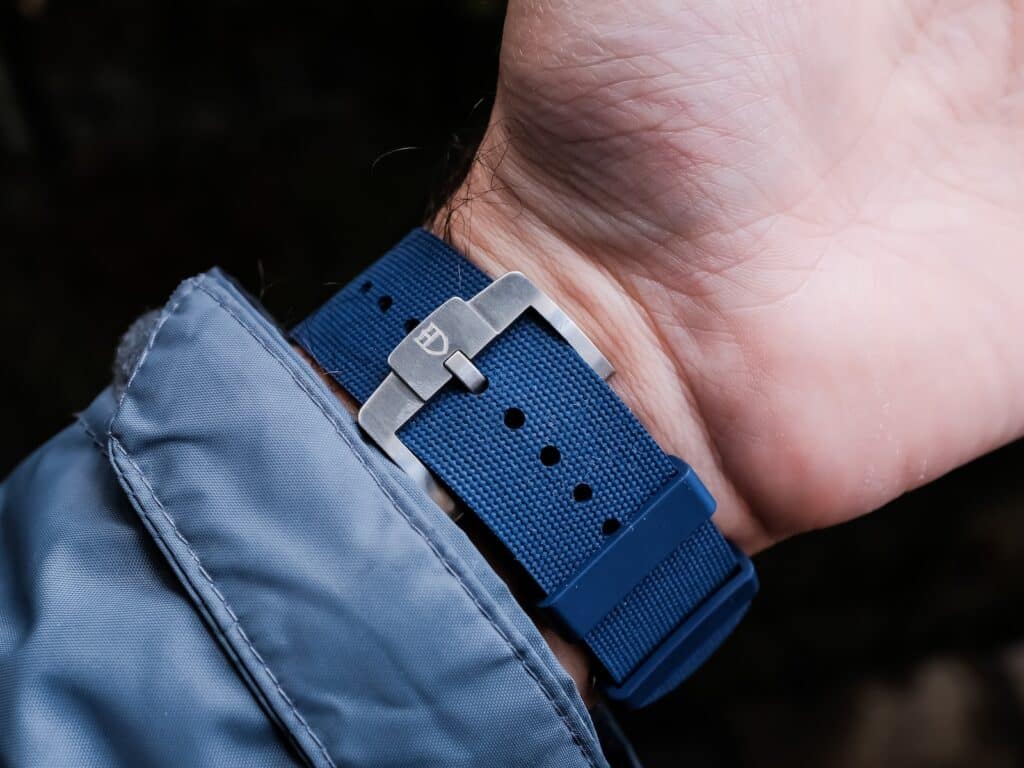
The rubber strap Tudor includes feels solid and appropriately overbuilt, but I spent most of my time wearing the FXD on aftermarket options instead. A Prometheus Design Werx Ti-Ring strap worked particularly well, and the same went for a Watches of Espionage Glomar Explorer strap I’ve had sitting around for a while. Oddly enough, even the cheap elastic Garmin-style straps floating around Amazon (20 bucks for a pack of three) ended up working surprisingly well here. The Tudor Pelagos FXD has that rare ability to make almost every strap feel awesome.
Dial and Bezel
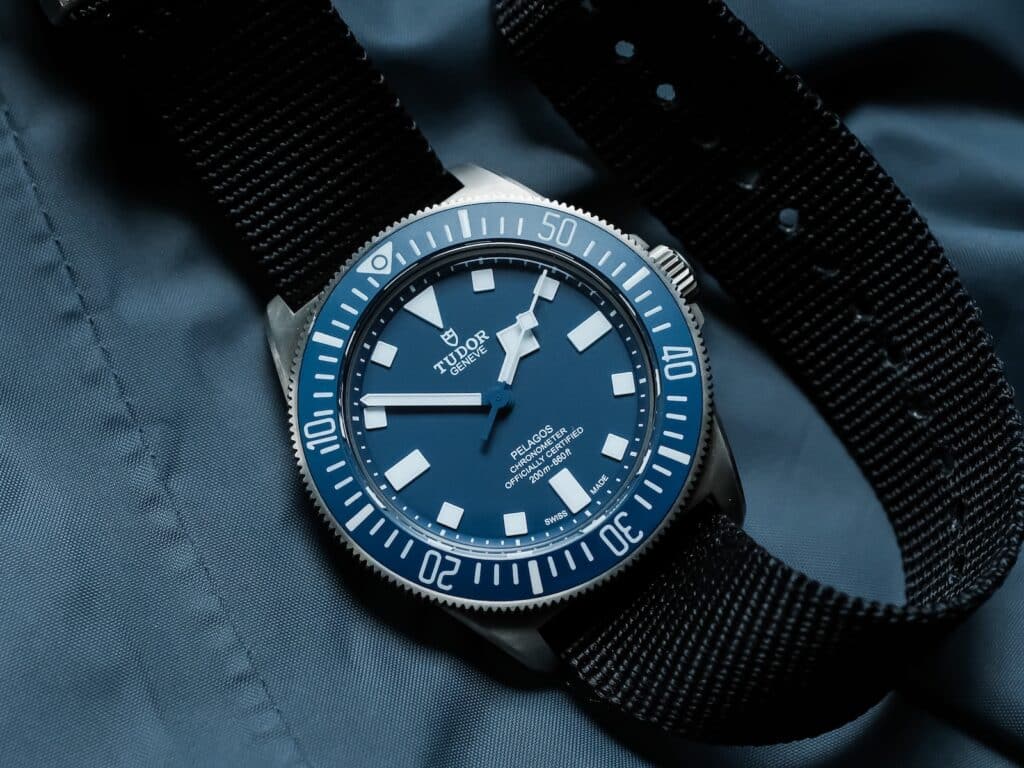
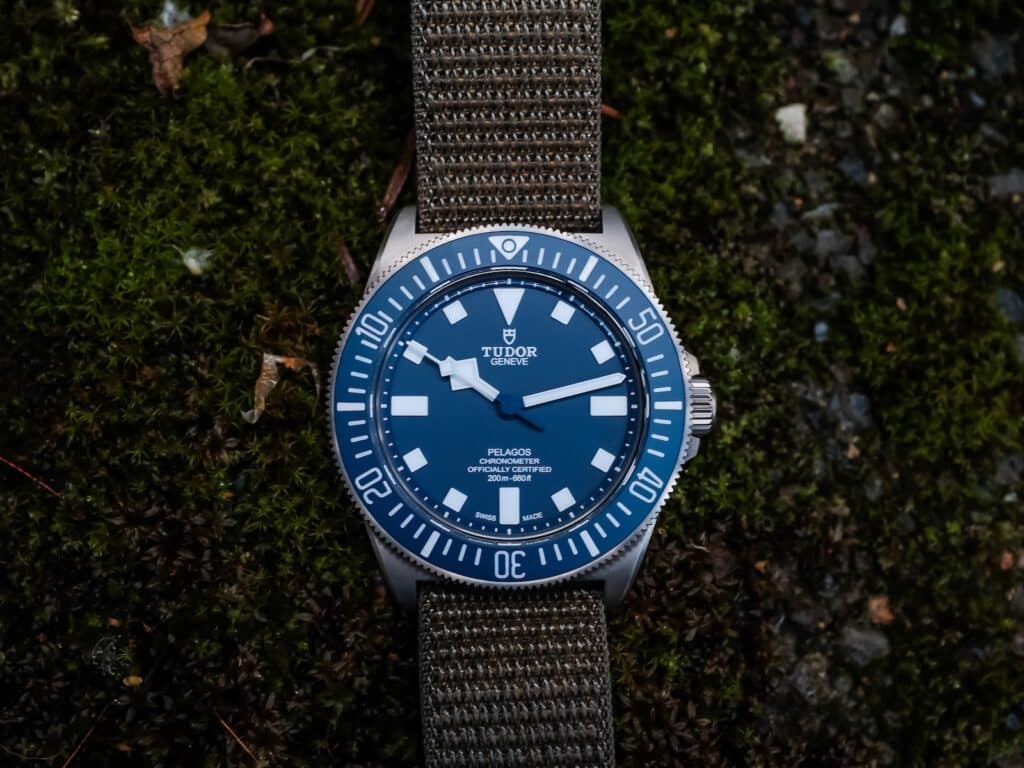
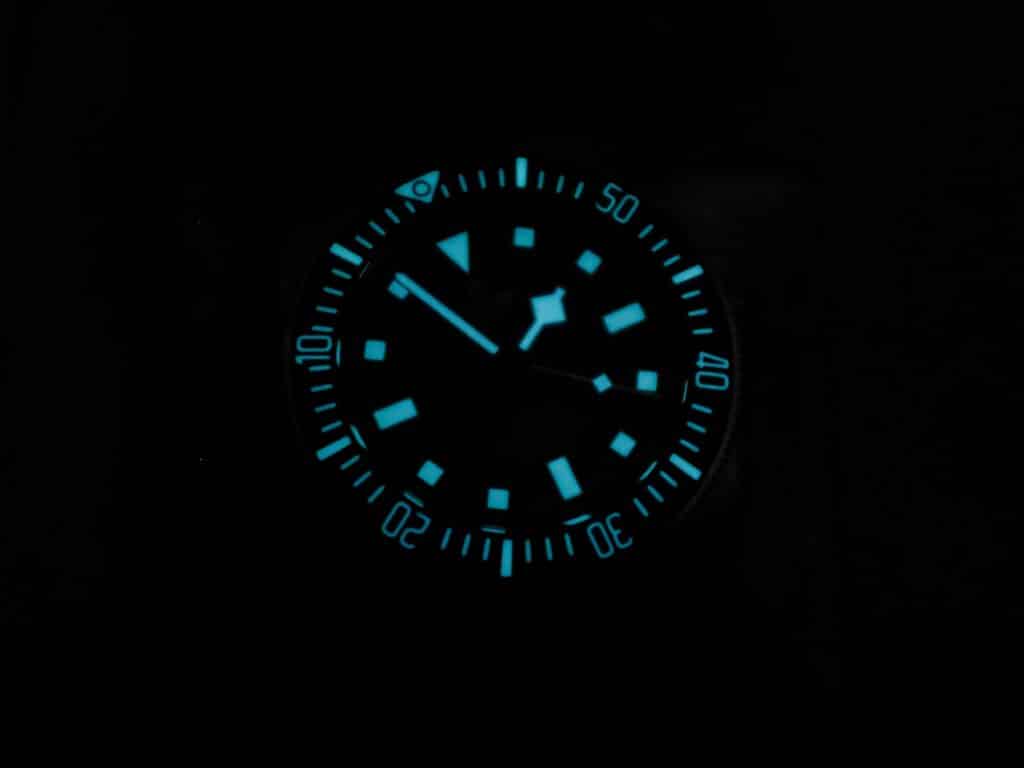
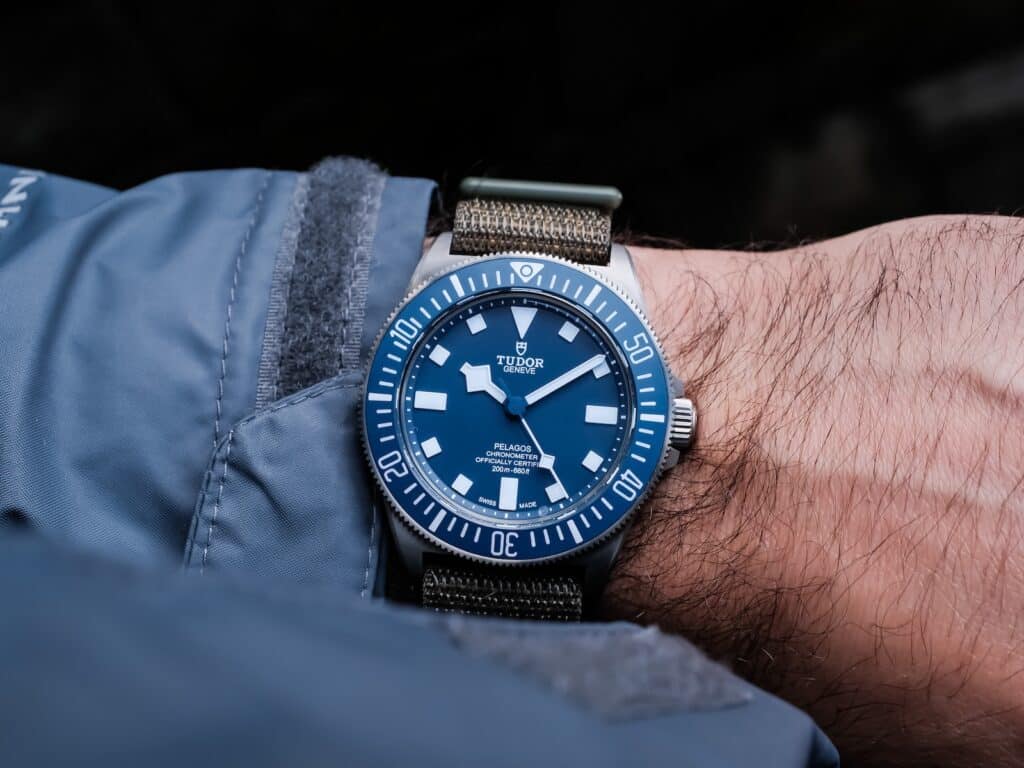
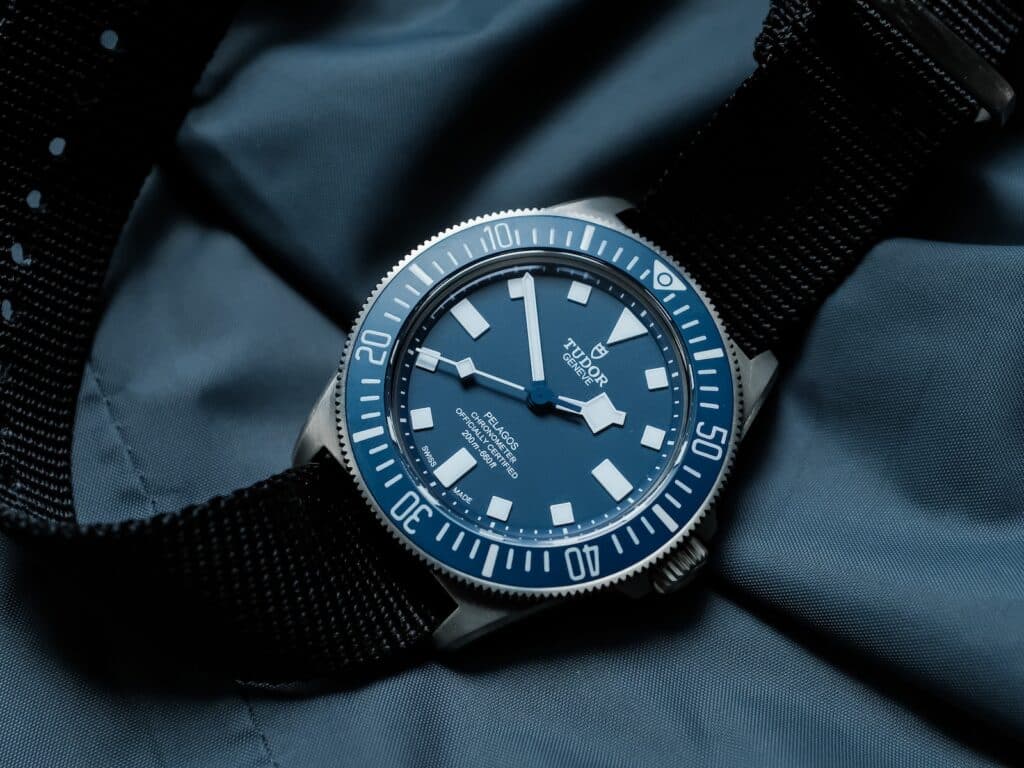
The dial and bezel are probably where the FXD feels the most refined compared to the standard Pelagos. At a glance, the watch doesn’t look dramatically different, especially if you’re already familiar with the blue Pelagos models. After spending time with it, though, the changes start to add up. The bezel itself is wider and easier to grip, with a crisp 120-click action that feels more deliberate than older Pelagos bezels I’ve handled. The fully lumed ceramic insert remains one of the more distinctive elements of the watch, particularly once the light drops.
The blue tone also deserves mentioning because Tudor got it exactly right here. The Tudor Pelagos FXD uses a darker navy shade compared to the brighter blue found on the standard Pelagos, and I think the watch benefits from the shift. Combined with the matte titanium case, the darker dial keeps the FXD from feeling overly colorful or attention-seeking on the wrist.
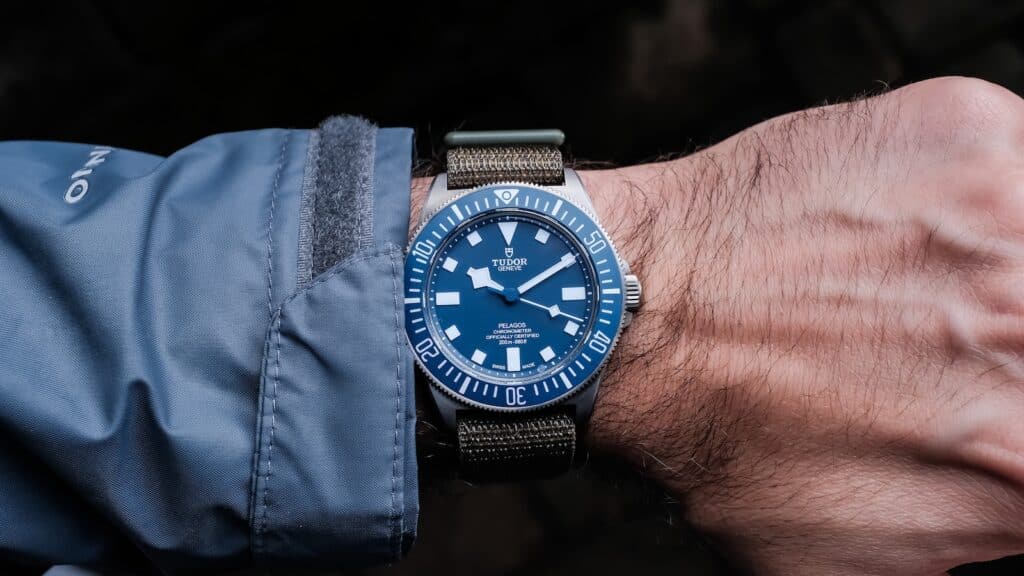
Tudor also cleaned up the dial considerably. The unnecessary text is gone, the rehaut no longer crowds the hour markers, and removing the date keeps the entire layout feeling balanced and purpose-built. More importantly, the watch is just extremely easy to read in almost every lighting condition. Between the snowflake handset, matte dial texture, strong contrast, and excellent lume, the FXD consistently feels like a watch designed around legibility first rather than aesthetics alone.
The Movement Question
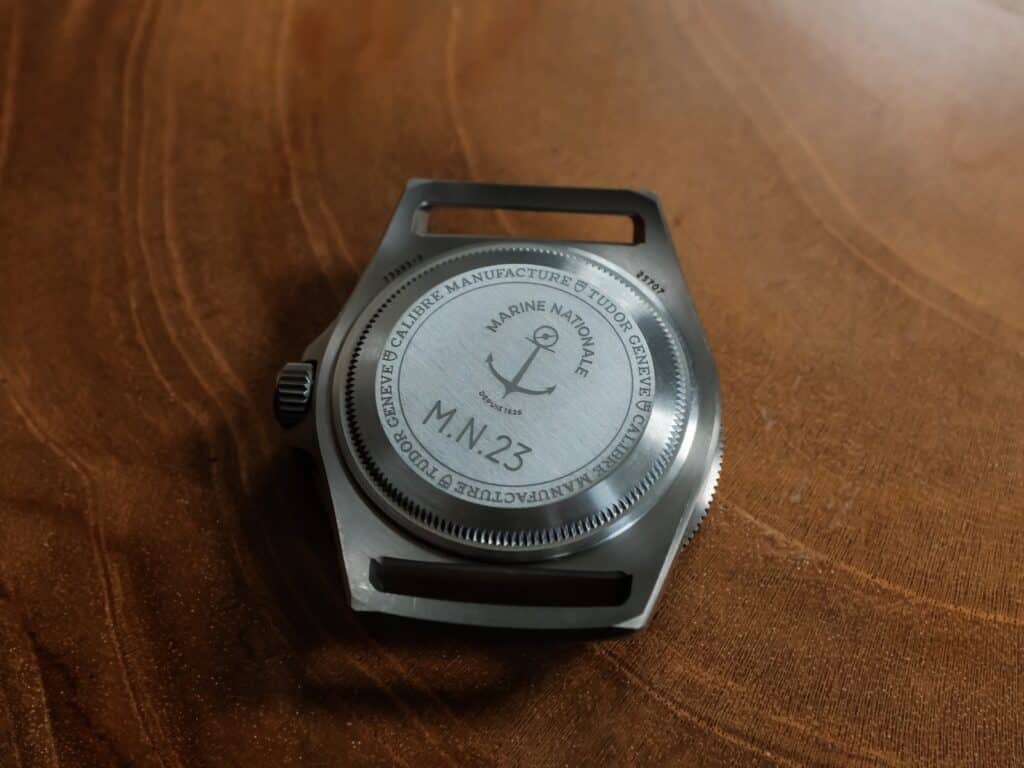
Around back, Tudor keeps things relatively restrained. The caseback carries the Marine Nationale insignia alongside the production year engraving, which references the markings found on vintage military-issued Tudor dive watches. Normally, commemorative engravings don’t do much for me, but here it feels appropriate to the broader concept of the watch rather than forced branding.
I’m still cautious when it comes to Tudor’s in-house movements. My past experiences haven’t been entirely positive, so I came into this review carrying a bit of skepticism because of that history. So far, though, the MT5602 has been performing extremely well during my time with the FXD. Accuracy has been solid, the 70-hour power reserve makes the watch easy to rotate in and out during the week, and more importantly, the movement has simply stayed out of the way.
I found that the Tudor Pelagos FXD works best once you stop thinking about specifications and start paying attention to how naturally the watch settles into daily wear. That probably sounds strange for something with fixed bars, a countdown bezel, and a case shape that looks far more aggressive in photos than it does in person. Still, after a few days, the FXD stopped feeling like a novelty or a modern military tribute piece and just became an easy watch to wear. A lot of modern tool watches feel like they were designed primarily for collectors who enjoy the “idea” of utility.
Final Thoughts
Overall, I think what I really learned after spending time with the FXD was to stop being afraid of it. I wasted a lot of time listening to people argue that the watch was simply too large, too specialized, or too aggressive for everyday wear. In reality, the FXD wears far closer to something like a Seiko SRP777 than the internet discourse would lead you to believe.
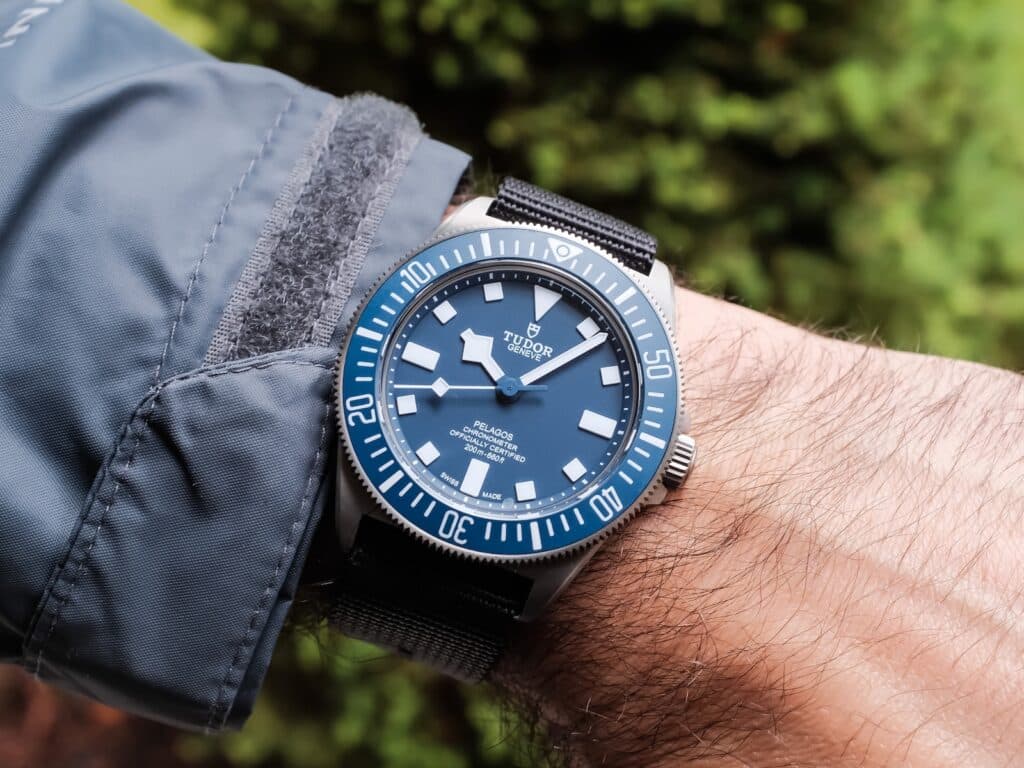
Once it’s actually on the wrist, the watch starts feeling surprisingly straightforward. There’s also something genuinely interesting about seeing a modern military-issued Tudor exist within the same broader lineage as watches like the Submariner 5517, which remains one of my absolute white whale pieces. At $5,025, the FXD obviously isn’t trying to recreate that watch directly, and I think it benefits from that restraint. It feels like its own thing.
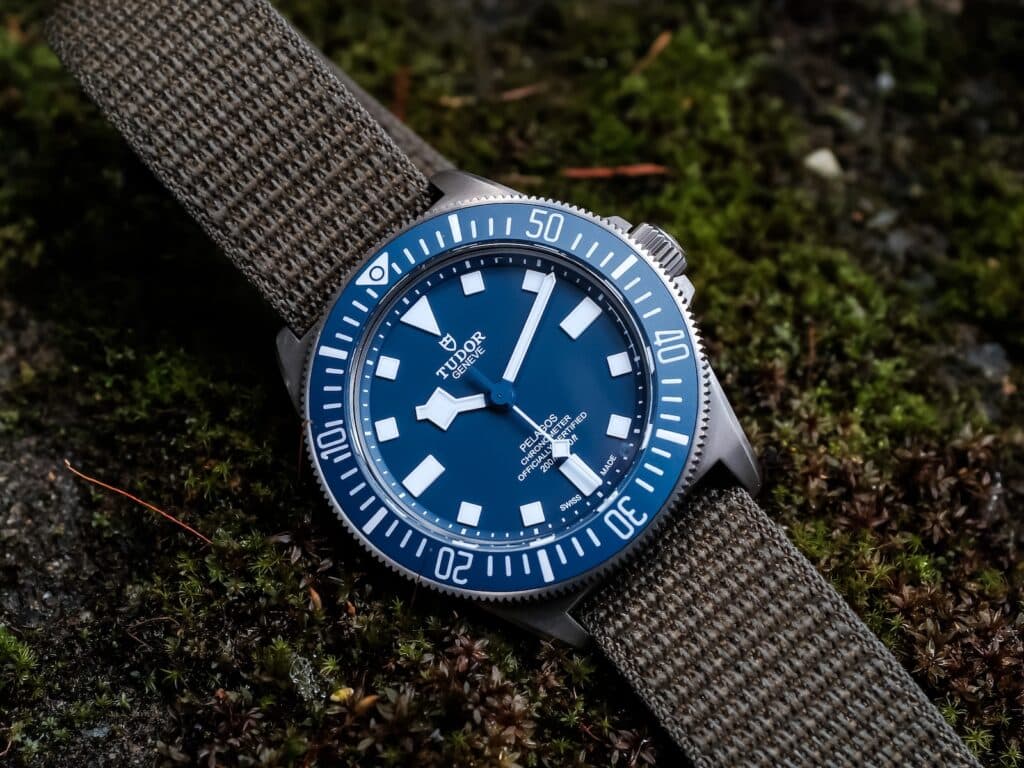
Sure, the fixed bars are going to limit versatility for some people, and I do think that matters. This isn’t the kind of diver you casually throw on a bracelet or constantly swap between completely different personalities. The countdown bezel also makes the watch feel more niche than something like a Black Bay 58 or even the standard Pelagos. Still, I think those tradeoffs are part of why the FXD works as well as it does. Nothing about it feels watered down to satisfy a broader audience.
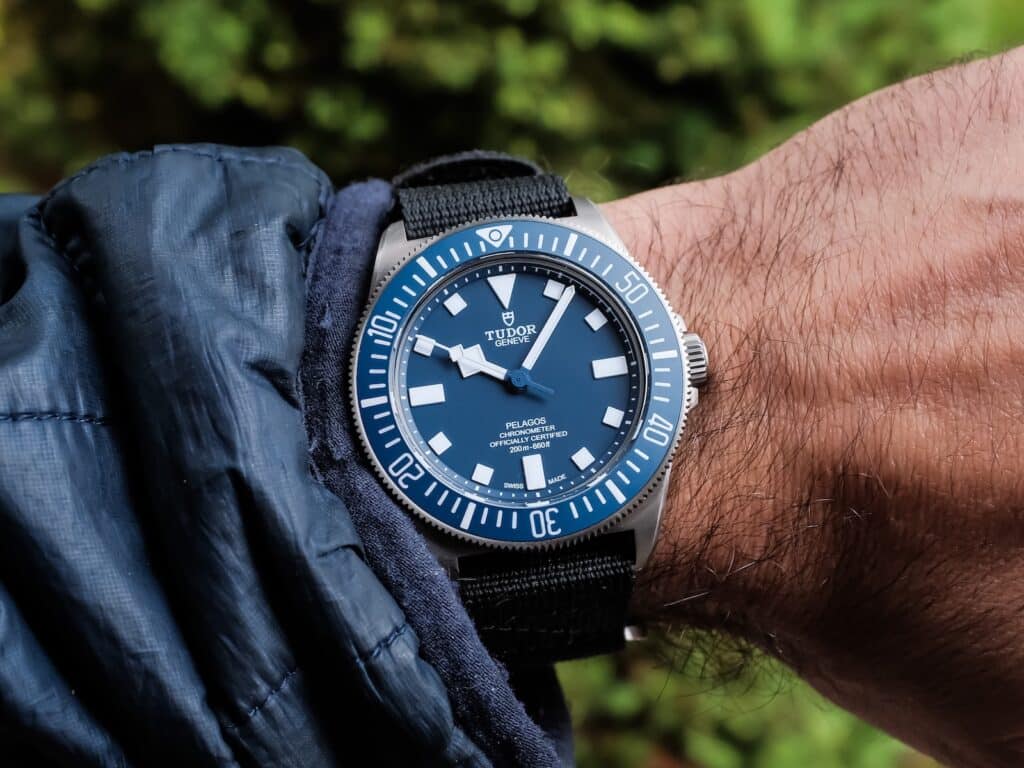
Sitting alongside watches like my CWC Royal Navy Diver, the Tudor Pelagos FXD feels completely at home. After spending real time with it, I understand why collectors latched onto this watch so quickly after release. Of all the FXD variants Tudor has introduced so far, I also think this still feels like the one to get. Whether it becomes a permanent part of the collection is something only time can answer, but for now, the FXD absolutely earns its reputation.

Co-Founder & Senior Editor
Michael Peñate is an American writer, photographer, and podcaster based in Seattle, Washington. His work typically focuses on the passage of time and the tools we use to connect with that very journey. From aviation to music and travel, his interests span a multitude of disciplines that often intersect with the world of watches – and the obsessive culture behind collecting them.
Is the reason the watch snob is broke because he spent so much money on the admittedly excellent Tudor?
Well yes, on both of these 😀
What is the watch strap in the first photo? The brownish/green one?
That’s a cheap copy of a Garmin velcro strap I got from Amazon.