Choosing between Seiko and Orient sounds straightforward until you spend a few days researching affordable dive watches. Before long, your shortlist starts looking familiar: the Seiko 5KX, Turtle, and Samurai on one side, the Orient Kamasu, Mako II, and Ray II on the other. Both brands have earned loyal followings; their dive watches are recommended time and again by enthusiasts, and neither feels like a compromise despite the price. The difficult part isn’t finding a good watch. It’s figuring out which one you’ll still be happy wearing long after the excitement of buying something new has worn off.
After more than a decade of hands-on reviews, we’ve learned that our first impressions don’t always match the watches we end up recommending months later. The differences between Seiko and Orient become clearer after they’ve been through daily wear, weekend trips, desk dives, strap changes, and the small annoyances or pleasant surprises that only show up over time. That’s the comparison we’re making here. Rather than declaring one brand the clear winner, we’ll show where each one excels and falls short, so you can choose the one you’ll be happier owning six months from now.
Brand Identity & Philosophy: Collector Appeal vs Value-First Approach
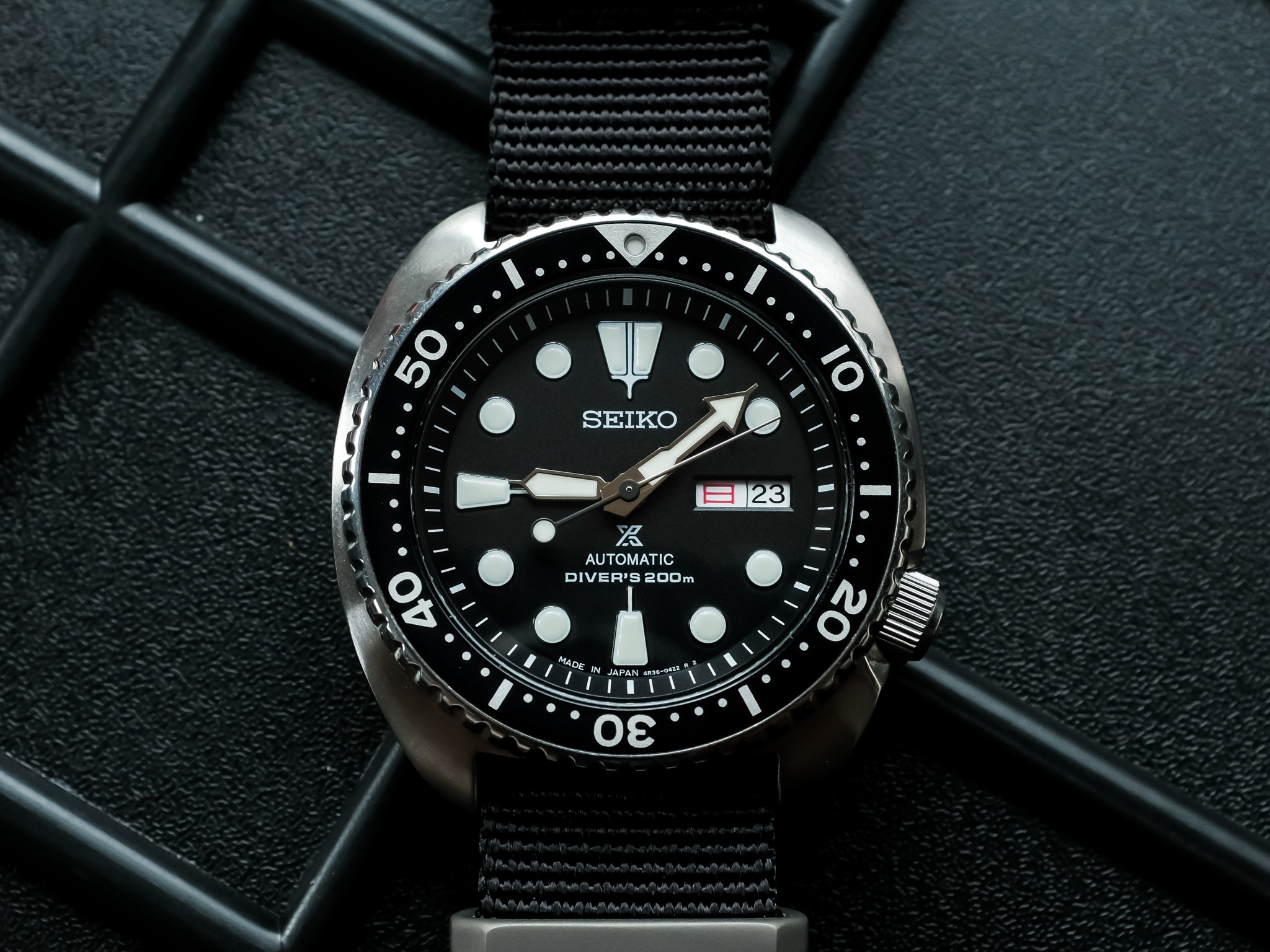
Seiko’s dive watches have a habit of turning a single purchase into something more. That’s something we’ve noticed after spending time with the Seiko Turtle, Samurai, and 5 Sports SRPD51. The Turtle never felt like it was chasing perfection; its easygoing character simply made us want to keep wearing it. The Samurai left a completely different impression, leaning into a bolder personality that stood out every time we picked it up. Even the 5KX, despite taking a more casual approach to the dive-watch formula, captured why Seiko has such a devoted following—it feels like the kind of watch that naturally pulls you deeper into the hobby. By the time we finished reviewing all three, we weren’t thinking about whether we liked Seiko. We were thinking about which Seiko we’d want to wear next. That’s a feeling few brands create at this price point.
Orient takes a simpler approach, and something is refreshing about that. After living with the Kamasu, Mako II, and Ray II, we never felt like the brand was trying to sell us on collector prestige or decades of enthusiast lore. The Kamasu consistently punched above its price, leaving us wondering how Orient managed to include so much without stretching the budget. The Mako II came across as honest and uncomplicated, never trying to be more than a dependable mechanical diver you could wear every day. The Ray II followed the same philosophy, offering a legibility-oriented ownership experience that remained approachable from day one. Across all three models, the takeaway was remarkably consistent: Orient focuses on giving you a strong automatic dive watch.
- Seiko feels like the brand for enthusiasts who enjoy the journey of collecting as much as owning the watch itself.
- Orient is built for buyers who simply want an excellent automatic diver without paying for the story around it.
Dial & Wearability: Distinctive Character vs Refined Practicality
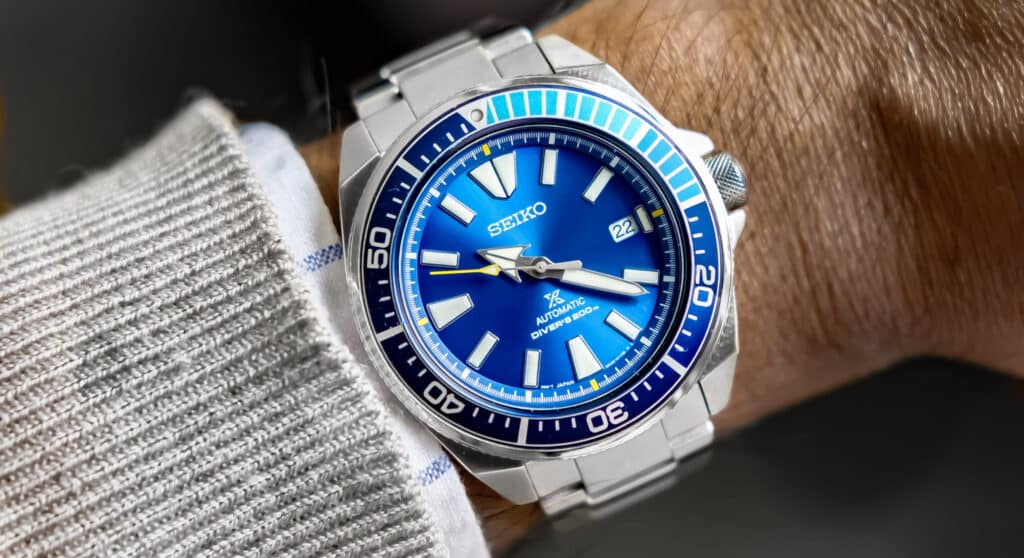
Seiko’s dive watches have always prioritized character over polish, and that becomes obvious once you spend time with more than one model. The Samurai immediately stood apart during our hands-on review. Its Monster hands, angular applied markers, and blue dial that shifted from bright ocean tones to a deeper navy depending on the light gave it a personality that matched its sharp-edged case. It isn’t subtle, but it never looked overdesigned either. The Turtle takes a softer approach. Its matte black dial keeps distractions to a minimum, making it quite easy to read at a glance, while the real surprise is in wearability. Despite looking chunky on paper, the watch wrapped around the wrist more naturally than expected and remained comfortable through long days of wear. It’s also one of those rare dive watches that seems happy on almost any strap, whether rubber, canvas, NATO, or steel, which helps keep it feeling fresh years into ownership. The 5 Sports SRPD51 (5KX) sits comfortably between the two. Its sunburst blue dial shifts noticeably with changing light, while the applied markers give it a cleaner, more contemporary look than the older SKX. More importantly, it felt familiar almost immediately. The drilled lugs made it an easy watch to swap straps on.
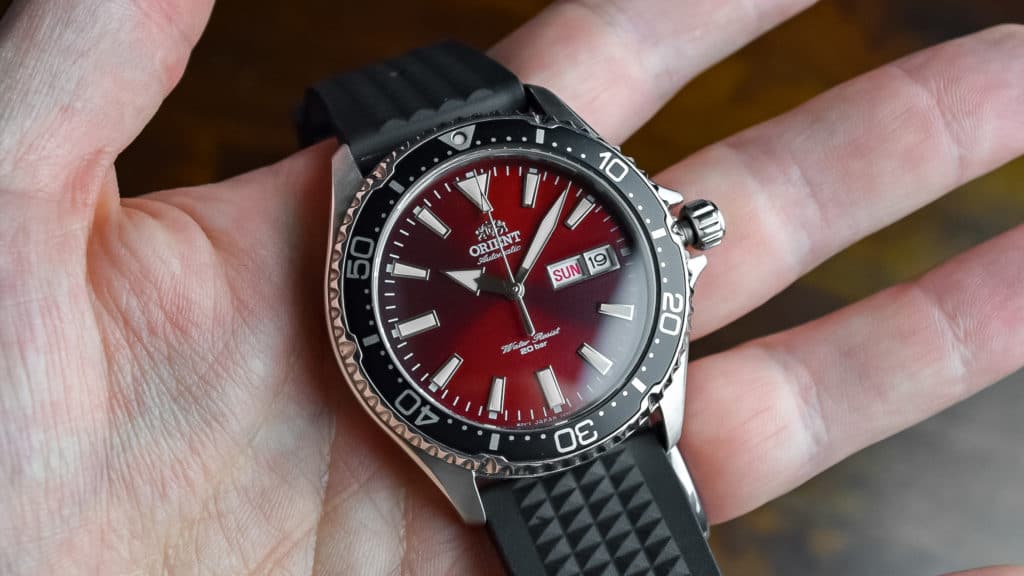
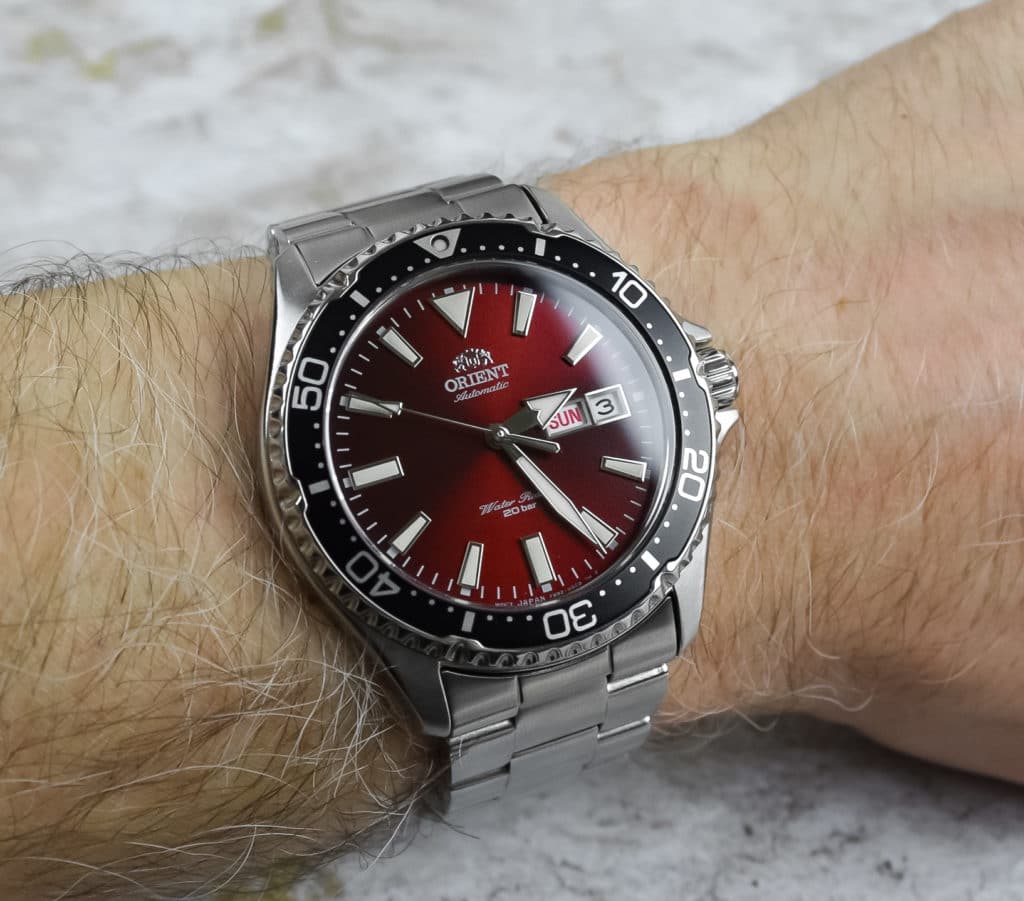
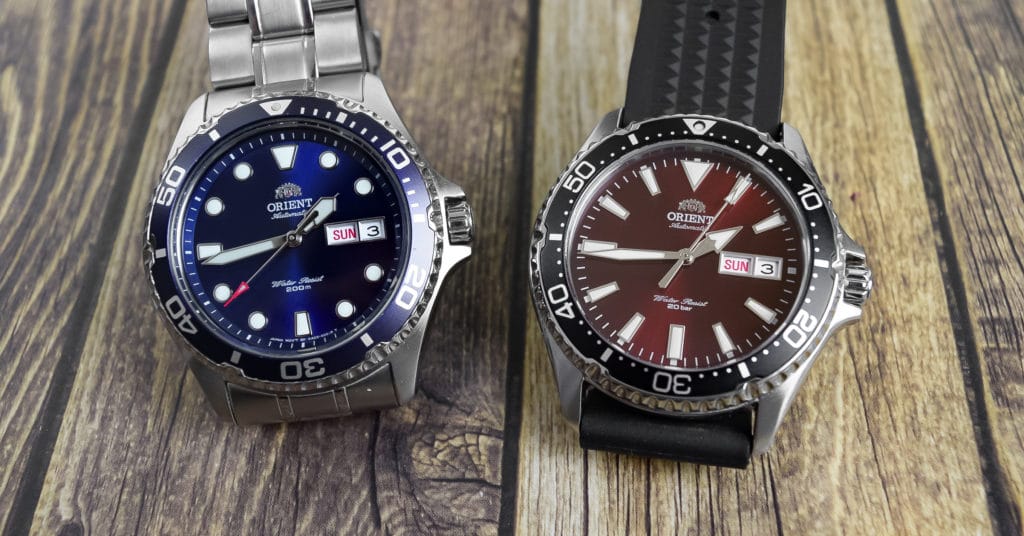
Orient takes a more refined approach, particularly with its dial work. The Kamasu immediately caught our attention because the applied indices seem to float without a chapter ring getting in the way, while the red sunburst dial we tested transformed dramatically as it caught the light throughout the day. Small touches like the framed day-date window and well-proportioned handset made the watch feel more considered than we’d expect at its price. The Mako II doesn’t rely on those visual flourishes, but it impressed us through balance. Its proportions felt natural on the wrist, the bracelet distributed its weight well, and after a few days of wear it became the kind of watch we stopped thinking about until it was time to check the time. The Ray II sits comfortably between the two. Its Submariner-inspired layout, matte dial, chromed indices, and thoughtfully framed day-date add more visual depth than the price implies. The overall package retains the easygoing wearability that has made it one of Orient’s longest-standing recommendations.
- Seiko favors instantly recognizable dive-watch styling and comfortable wear that becomes even more enjoyable the longer you own them.
- Orient focuses on cleaner dial execution and balanced wearability, giving its dive watches a more refined feel without losing their everyday practicality.
Build Quality & Technical Approach
Movements:
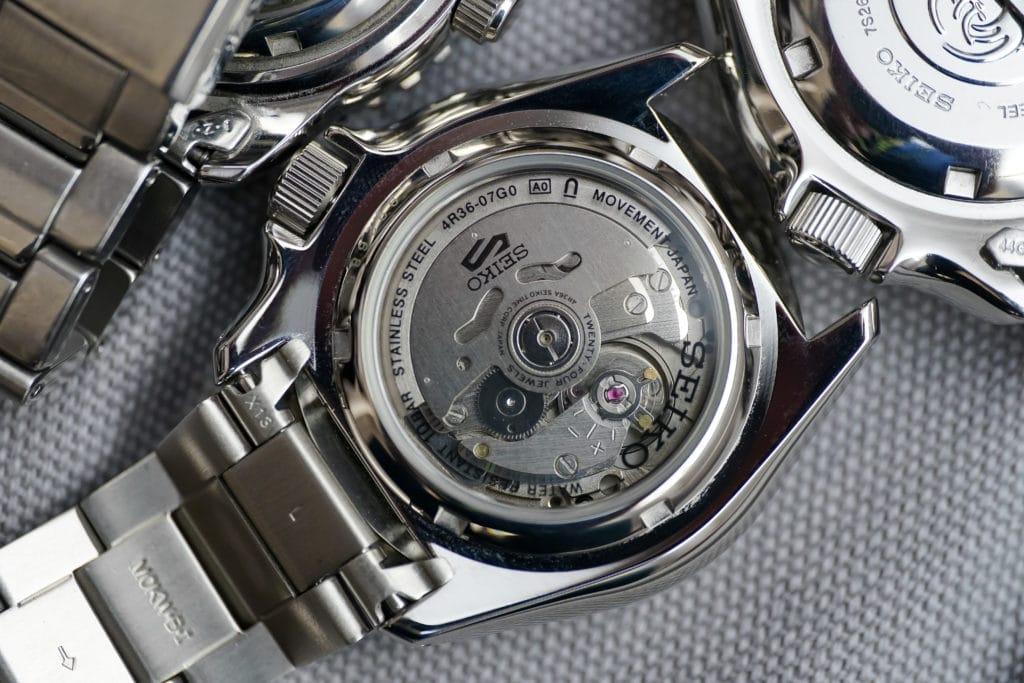
Seiko’s affordable divers all use movements that prioritize familiarity over headline specifications, but each one brings that philosophy to life a little differently. The Turtle’s 4R36 earned our confidence by consistently running better than Seiko’s conservative accuracy rating during our review, to the point where we stopped checking its performance and simply wore it. The Samurai’s 4R35 follows the same proven formula, minus the day display, and its smooth hand-winding and straightforward operation made it feel immediately familiar. The 5 Sports SRPD51 (5KX) also uses the 4R36, but the display caseback makes the movement a more visible part of the ownership experience. Watching the rotor spin whenever we took the watch off the wrist added a bit of mechanical appeal that newer collectors, especially, are likely to appreciate. After enough time on the wrist, these movements prove why Seiko has stuck with them for so long.
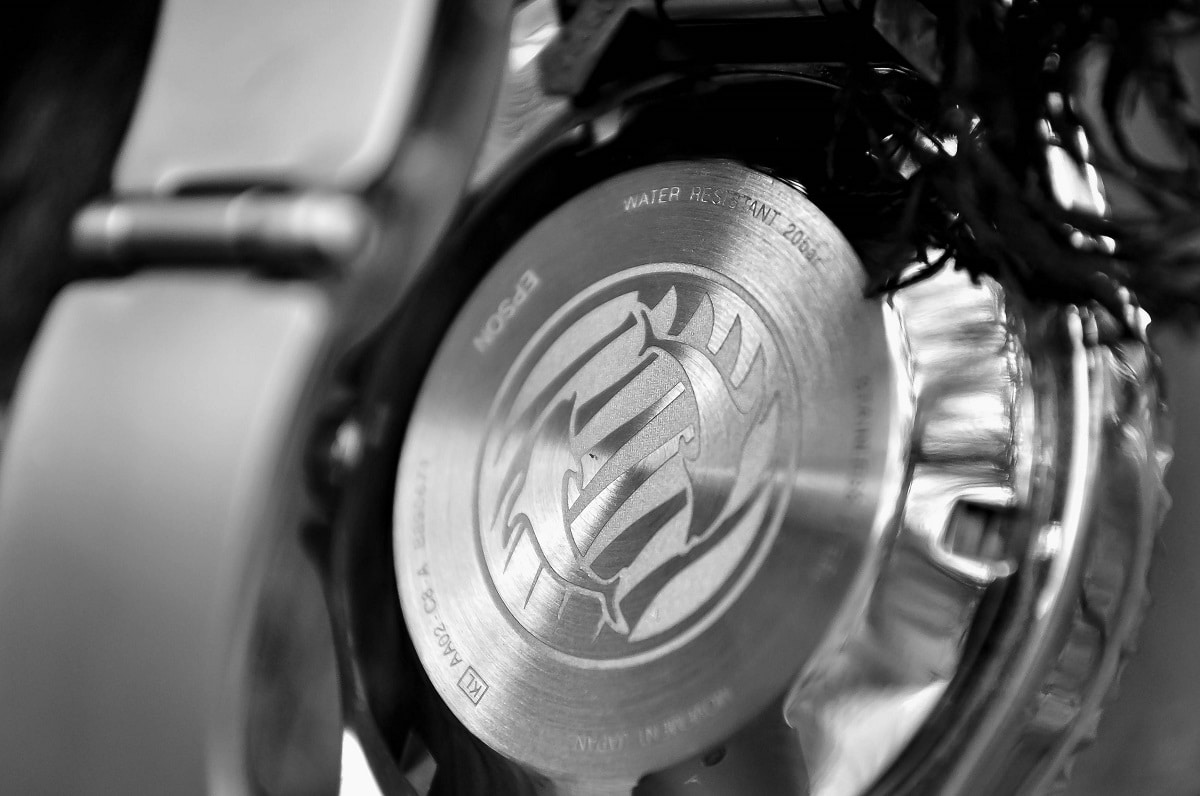
Orient takes a similarly consistent approach, centering all three watches around the in-house F6922, but squeezes a little more functionality from the package. The Kamasu pairs hacking and hand-winding with a tighter published accuracy rating than Seiko’s equivalent calibers, and during our testing period, it remained smooth to wind and consistent in daily use. The Mako II benefited noticeably from Orient’s move to the F6922, as hacking seconds and hand-winding made resetting the watch after a few days off the wrist far less fiddly than older Orient divers. The Ray II carries over that same upgraded movement, so choosing the most affordable watch in the lineup never feels like settling for an older or less capable caliber. Instead of chasing variety, Orient refines one dependable movement across the range we reviewed, creating a mechanical experience that stays consistent no matter which model you choose.
Case Construction & Finishing:
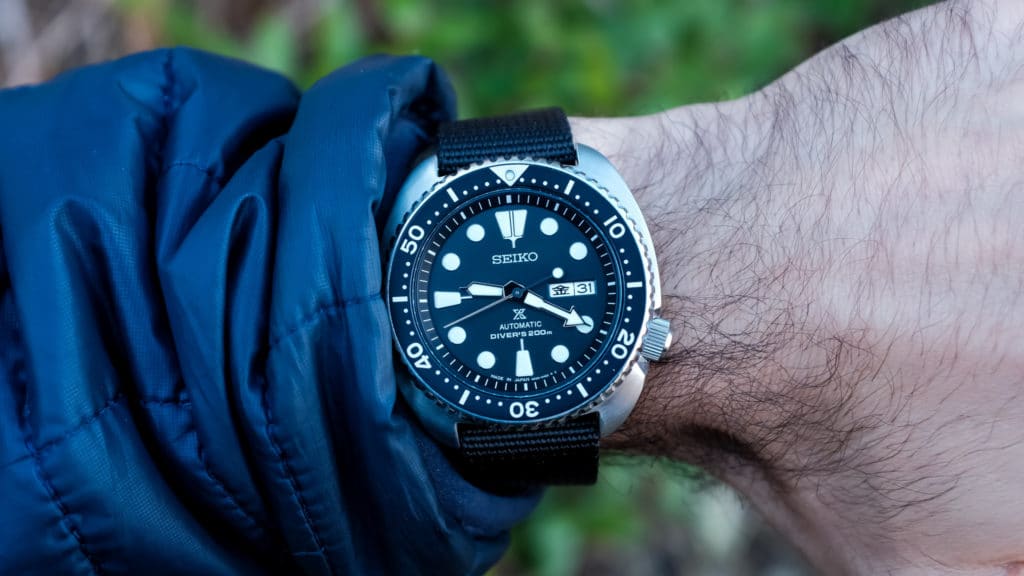
Seiko’s dive cases have a habit of making themselves known before you even check the dial, and the Turtle is the best example of why. As we noted in our hands-on review, its updated cushion case stays true to the spirit of the original 6309 while refining the proportions just enough for modern wrists. On paper, the 44.3mm case sounds substantial, but Seiko’s familiar cushion-case magic makes it wear smaller. The asymmetrical shape gives it a personality that’s instantly recognizable from across the room. However, the Samurai takes a very different approach. Its sharply faceted case, angular lugs, and predominantly brushed surfaces give it a far more architectural look, catching the light in ways the rounded Turtle never does. Despite that aggressive styling, it settled on the wrist more naturally than we expected. The 5 Sports 5KX’s softer, conventional case shape also feels familiar. Rather than chasing elaborate finishing, Seiko gives each case a distinct identity that becomes part of the ownership experience.
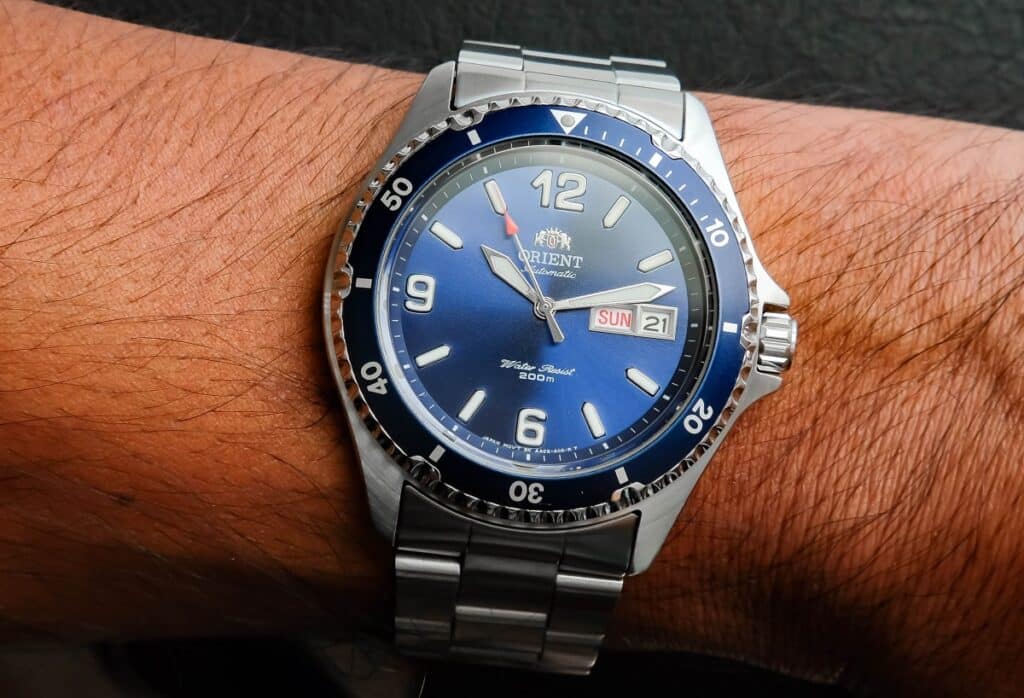
Orient goes for a cleaner, more connected kind of case design. The Kamasu uses a familiar mid-size shape, but the brushed top and polished sides give it enough contrast to feel more finished than its price indicates, and the downturned lugs help it settle comfortably on the wrist. The only real frustration is the crown, which is small enough that screwing it down can feel fiddly once the guards get involved. The Mako II, as we discussed in our on-wrist impressions, is probably the best example of Orient getting the case-and-bracelet relationship right; the polished and brushed surfaces transition smoothly, and the endlinks feel like part of the case rather than something bolted on afterward. The Ray II keeps that same basic logic going, with a brushed front, polished flanks, and softly rounded edges that make the watch feel more refined than flashy. It does not try to shout for attention. It just lands as a very well-sorted affordable diver case, and that restraint is a big part of the appeal.
Crystals and Bezels:
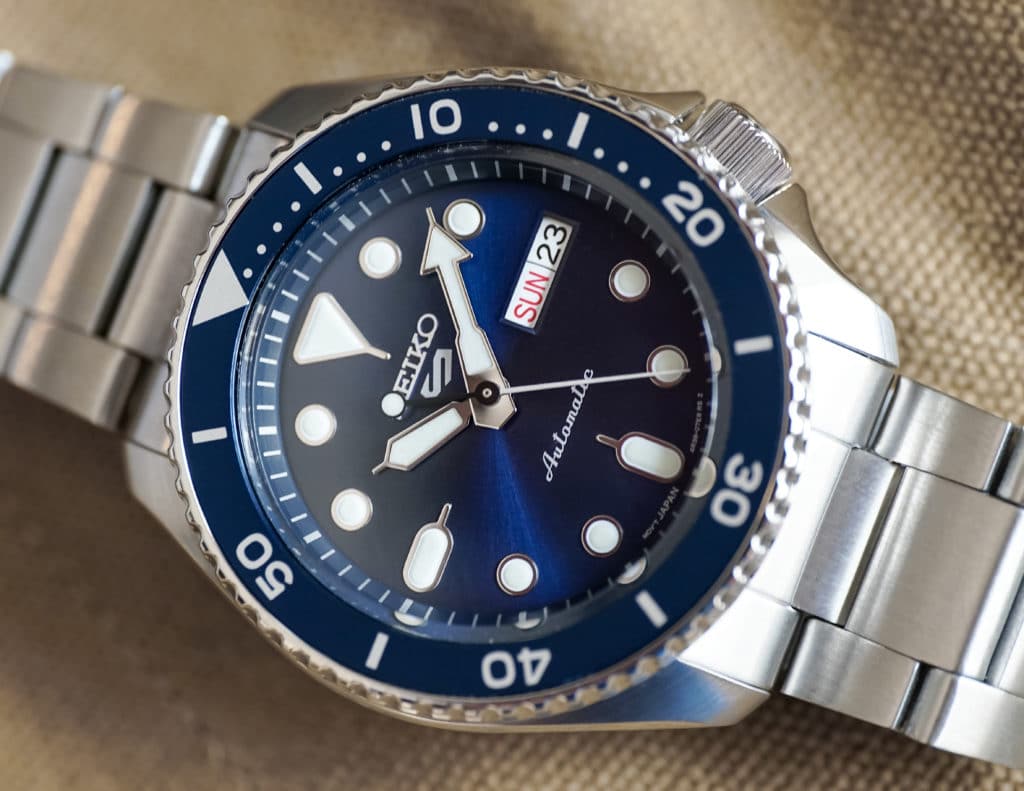
Seiko keeps its crystal and bezel choices rooted in day-to-day use, but the experience shifts from model to model in ways that matter more than the spec sheet. The Turtle sticks with Hardlex, and during everyday wear, that never felt like a problem; the bigger issue was the bezel/insert alignment, which was a little embarrassing on an otherwise smooth and satisfying bezel action. The Samurai also uses Hardlex, and while the knurled bezel itself has a nice look and the familiar Samurai-style markings are part of the appeal, it was notably difficult to turn in our testing. The Seiko 5 Sports SRPD51 (5KX) we reviewed in-depth takes a more casual route, with a pleasantly matte blue aluminum bezel that matched the dial nicely and gave the watch a cleaner, more modern feel than the older SKX-era formula. Seiko does not try to make every one of these watches feel premium in the same way. Instead, it gives each one enough personality that the crystal and bezel package becomes part of the model’s character.

Orient is a little more uneven on paper, but that is also part of the appeal. The Mako II uses mineral crystal, which keeps the price in a friendly place, and its updated 120-click aluminum-insert bezel feels solid once it gets moving, even if the grip itself can be a little awkward. The Kamasu is the standout here because the flat sapphire crystal gives it an everyday advantage, and the 120-click bezel is smooth and consistent even though the coin edge can be fiddly to grab. The Ray II stays with mineral crystal too, but its polished bezel, aluminum insert, and 120-click action keep it from feeling stripped down, even if the low-profile bezel grip can be frustrating in real use. Orient does not treat crystal and bezel choices like one-size-fits-all hardware. It uses them to separate the lineup.
Water Resistance & Lume:
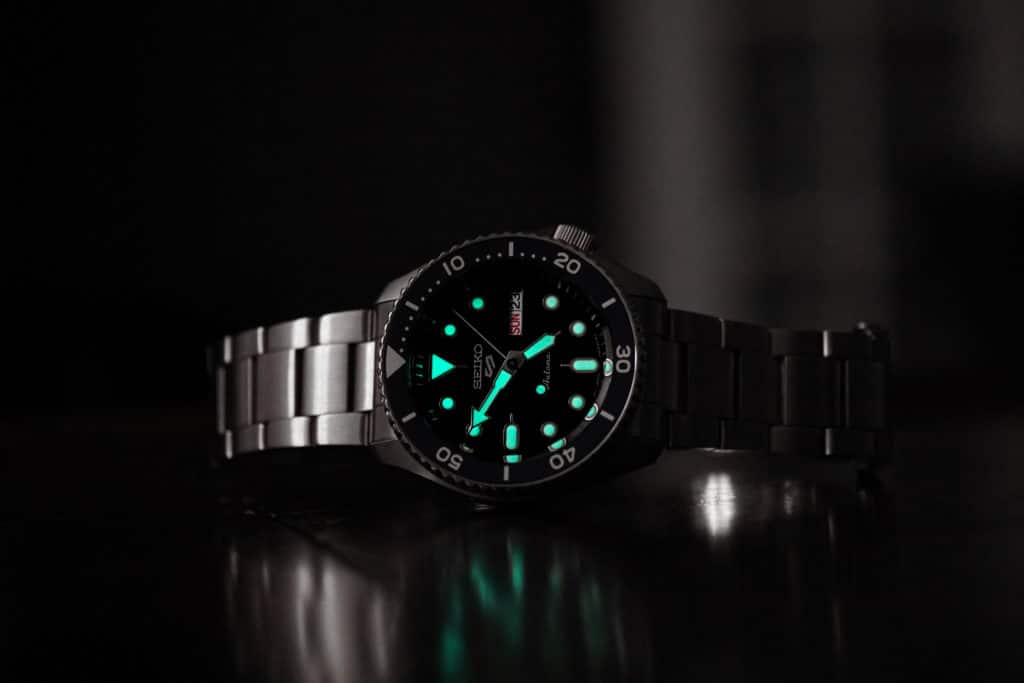
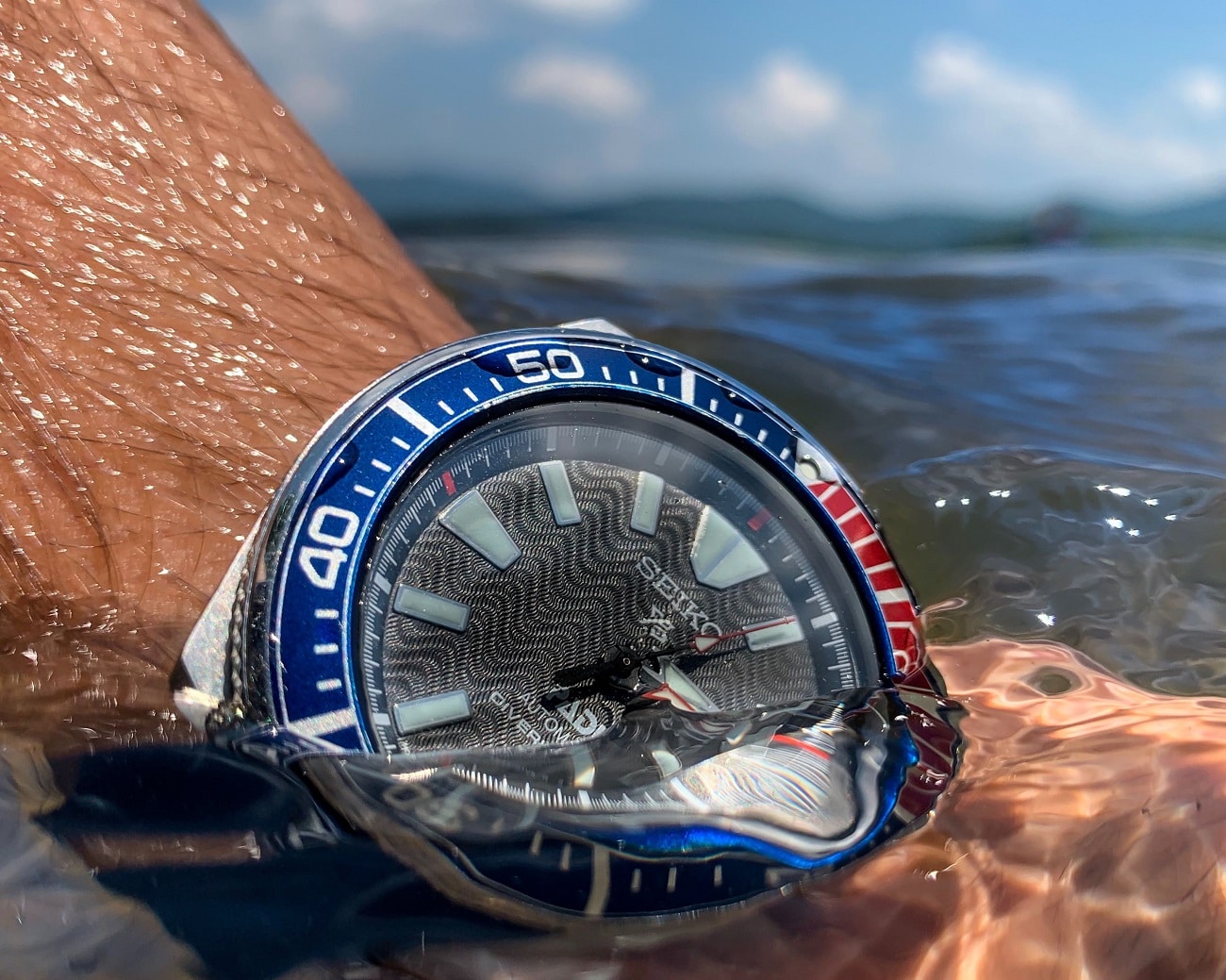
Looking specifically at the three Seiko divers we’ve reviewed, each one approaches water readiness a little differently. The Turtle sets the standard. During our time with it, the combination of a screw-down crown and 200m water resistance meant we never had to think twice before wearing it around water, while the broad markers and oversized Lumibrite-filled hands and indices remained quite easy to read once the lights went down. The Samurai inspires the same confidence, but with a more modern feel. Its sharply faceted hands and generously applied Lumibrite create a crisp, high-contrast glow that makes the time instantly readable in low light, complementing the watch’s bold design rather than simply illuminating it. The Seiko 5 Sports SRPD51 (5KX) takes a more relaxed approach. We never treated it like a true dive watch because of the push-pull crown, but its 100m water resistance proved more than sufficient for everyday wear. The Lumibrite charged quickly and stayed bright enough for effortless nighttime checks, preserving a distinctly Seiko ownership experience even without the Turtle or Samurai’s outright dive credentials.
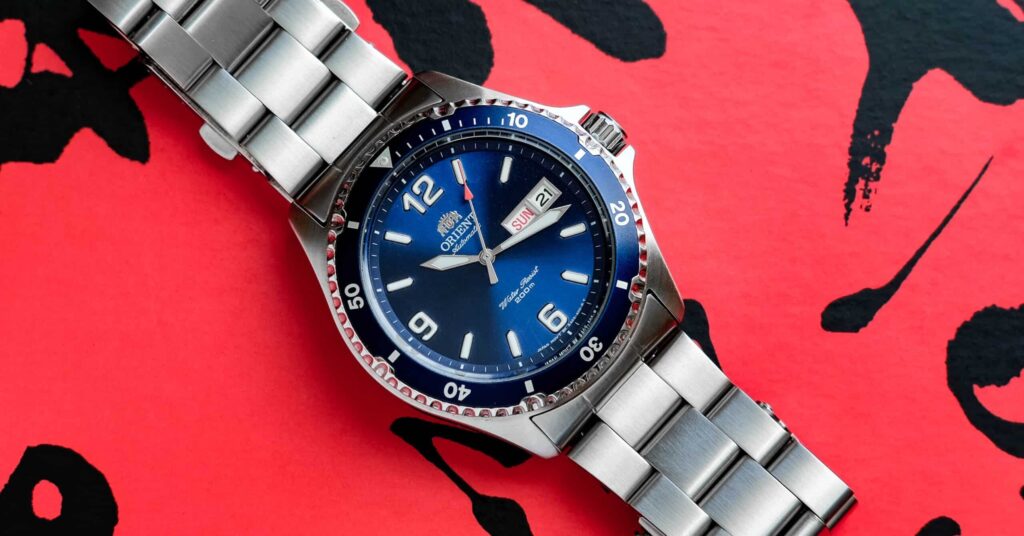
The three Orient divers we’ve spent time with take a much more uniform approach. The Mako II, Kamasu, and Orient Ray II all pair a screw-down crown with 200m water resistance, so we wore each one with the same confidence around water. The Kamasu remains the standout after dark. Its lume reacts almost instantly to light and shines with an intensity that genuinely rivals Seiko’s better-known divers. The Mako II takes a more balanced approach, starting a little less aggressively but maintaining clear, even legibility well into the night. And as pointed out in our full write-up, the Ray II mirrors that dependable formula, with generously applied bright green lume across the hands and markers making quick nighttime checks just as easy as on its siblings. Across all three, we never found ourselves wishing for more practical capability.
- Seiko prioritizes proven movements, distinctive case designs, and model-specific personalities, even if that means accepting compromises like Hardlex crystals or occasional bezel alignment quirks.
- Orient refines a shared formula across its dive lineup, combining dependable F6922 movements, cohesive case design, and consistently capable water-ready hardware without overcomplicating the ownership experience.
Community & Resale
Seiko’s enthusiast community extends well beyond ownership. The Turtle has remained a modern classic despite countless special editions and newer releases, and it’s still one of the few Seiko divers that has never left our collection. The Samurai attracts collectors who appreciate its unmistakable case design. At the same time, the Seiko 5 Sports SRPD51 (5KX) has become one of the hobby’s most recognizable gateway watches thanks to its endless strap options and thriving mod culture. Conversations around these watches naturally spill into Seiko’s rich dive heritage, discontinued references, and future purchases, giving them an emotional pull that often keeps them in collections long after owners have moved upmarket.
Orient’s community is built around a different kind of loyalty. The Kamasu, Mako II, and Ray II have earned a reputation as some of the strongest values in affordable automatic dive watches. Hence, discussions usually revolve around which model offers the best ownership experience. These watches certainly appear on the secondary market, but they’re exchanged between enthusiasts rather than chased as investment pieces. Moreover, many owners buy one as their first mechanical diver and keep it even after expanding their collections, not because of heritage or collector prestige, but because the watches continue to deliver exactly what they’re supposed to. That focus on dependable automatic divers over hype has helped Orient build a smaller, but remarkably loyal enthusiast following.
Final Thoughts: Who Wins?

Orient makes the stronger case on pure value. The Kamasu, Mako II, and Ray II deliver dependable movements, solid everyday performance, and very little sense that you have compromised to stay within a budget. For someone who simply wants a capable affordable automatic diver, Orient is exceptionally difficult to beat.
But Seiko wins this comparison.
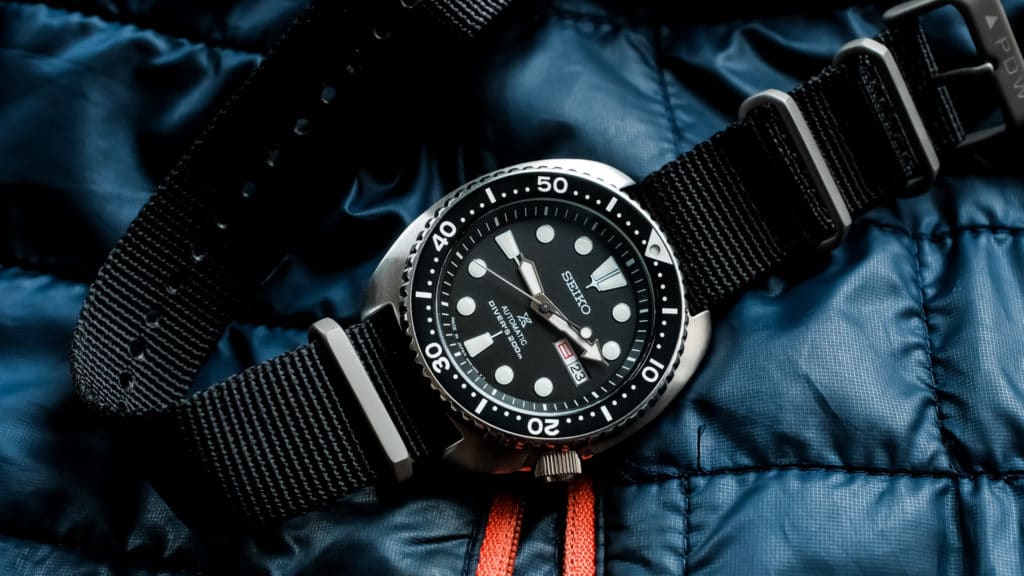
The Turtle, Samurai, and 5KX offer more than straightforward functionality. Their distinctive designs, proportions, and personalities tend to reveal more over time, giving owners new details to appreciate as their interest in watches grows. That lasting character is something we have consistently found across Seiko’s dive lineup.
Orient may be the smarter purchase for pure performance per dollar, but Seiko is the brand we would choose for long-term ownership. Its watches are more likely to deepen your interest in the hobby rather than simply satisfy the need for an affordable dive watch.

Co-Founder and Senior Editor
Kaz has been collecting watches since 2015, but he’s been fascinated by product design, the Collector’s psychology, and brand marketing his whole life. While sharing the same strong fondness for all things horologically-affordable as Mike (his TBWS partner in crime), Kaz’s collection niche is also focused on vintage Soviet watches as well as watches that feature a unique, but well-designed quirk or visual hook.
I had multiple Seikos and Orient. For some reason Orient always ended up feeling pretty meh to me. But I also ended up selling almost every Seiko I’ve owned. Between the two, I choose Citizen. They don’t even have many iconic models but the NY0040 and the quartz bn0000 are watches that I ended up keeping and still wear today. The Bn0000 especially and for some reason that I can’t really pinpoint.
I have the bn0151 and ny0040 and love them – core Citizen divers right there.