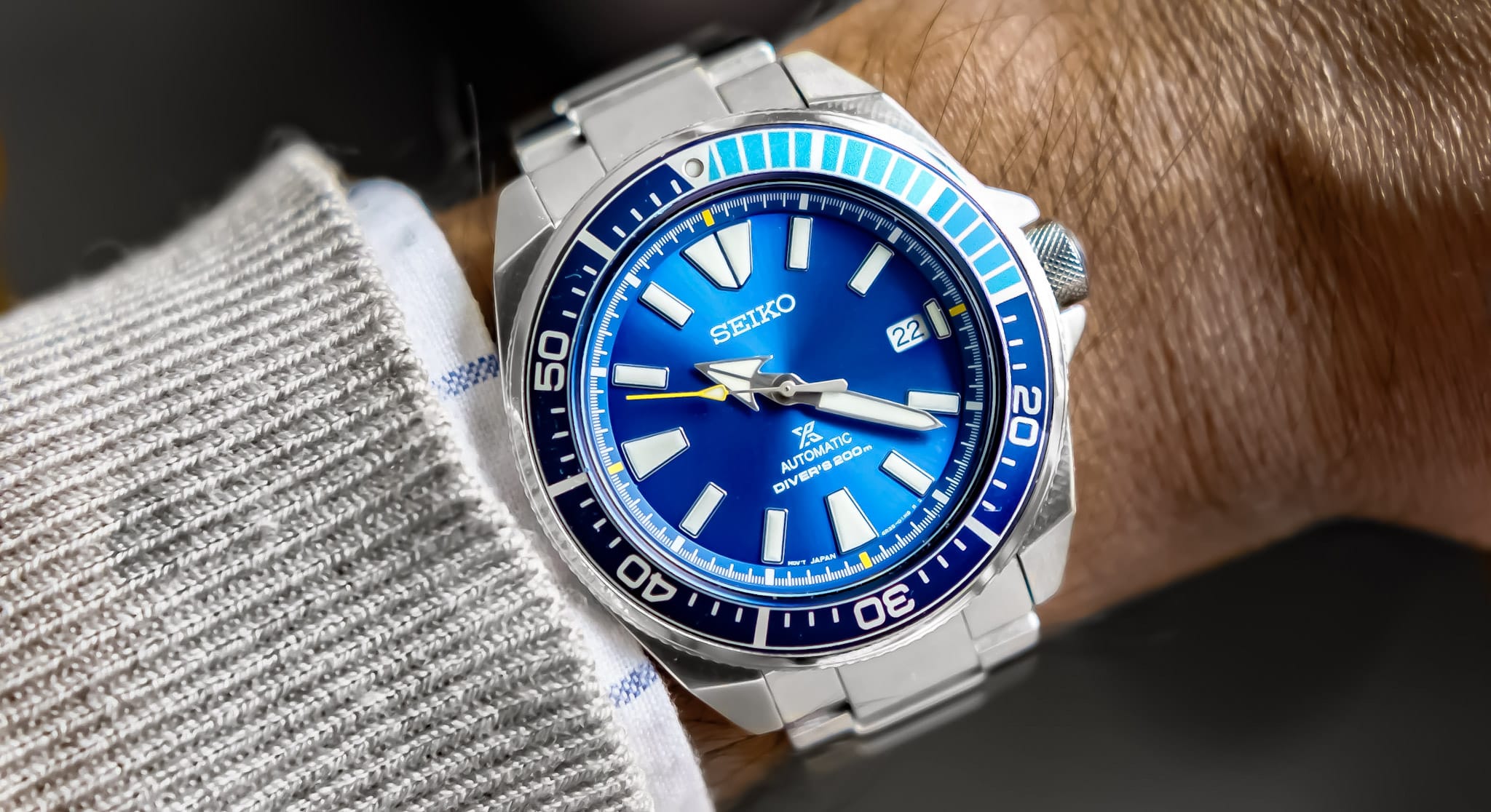
This is one of those affordable Seiko diver debates that sounds easy until you’re the one staring at both and trying to decide where your money goes. Both the Samurai and Turtle live in a similar world: automatic Seiko dive watches, approachable pricing, plenty of enthusiast chatter, and enough model variations to make a simple purchase feel like homework. But the real question is which one makes more sense once you’re wearing it regularly, swapping straps, checking the time half-asleep, and wondering whether this is the Seiko diver that finally scratches the itch.
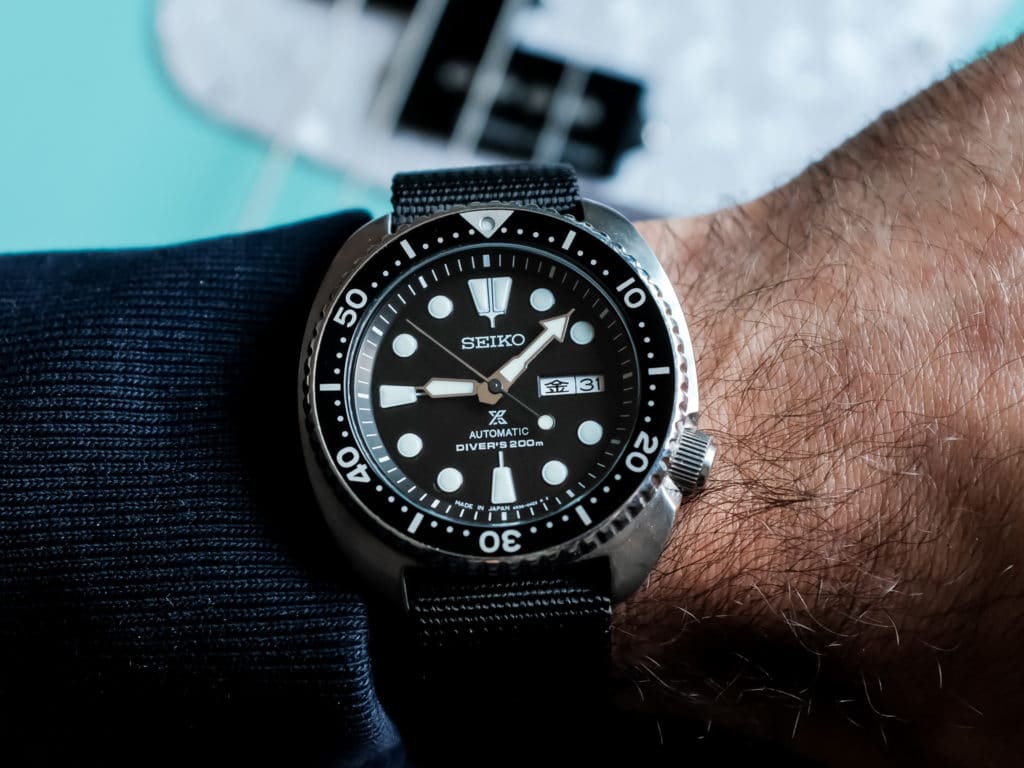
We’ve spent years reviewing and living with watches like these, including hands-on time with both the Samurai and the Turtle in previous TBWS reviews. That matters here because Seiko divers have a funny way of looking one way in specs and another way entirely on the wrist. Case dimensions, movements, bezels, dials, and straps all matter, sure, but only because they affect the daily experience. So this comparison is meant to unpack the Seiko Samurai vs. Seiko Turtle decision the way most of us actually approach it: not as collectors chasing the “correct” answer, but as watch nerds trying to pick the one that truly offers a better wearing experience and reliability.
Overview & Identity
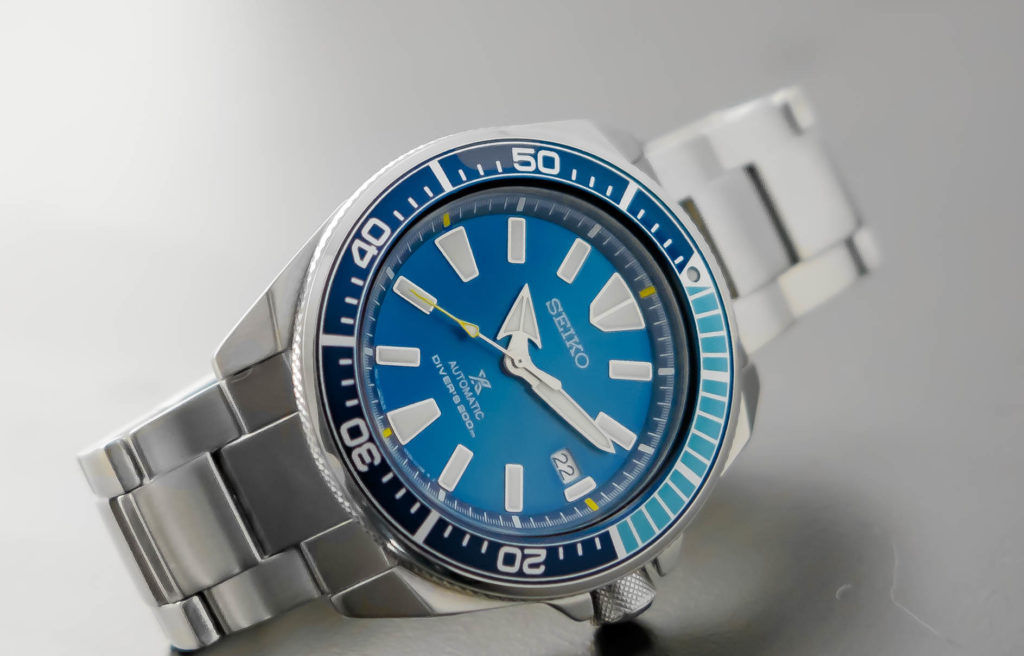
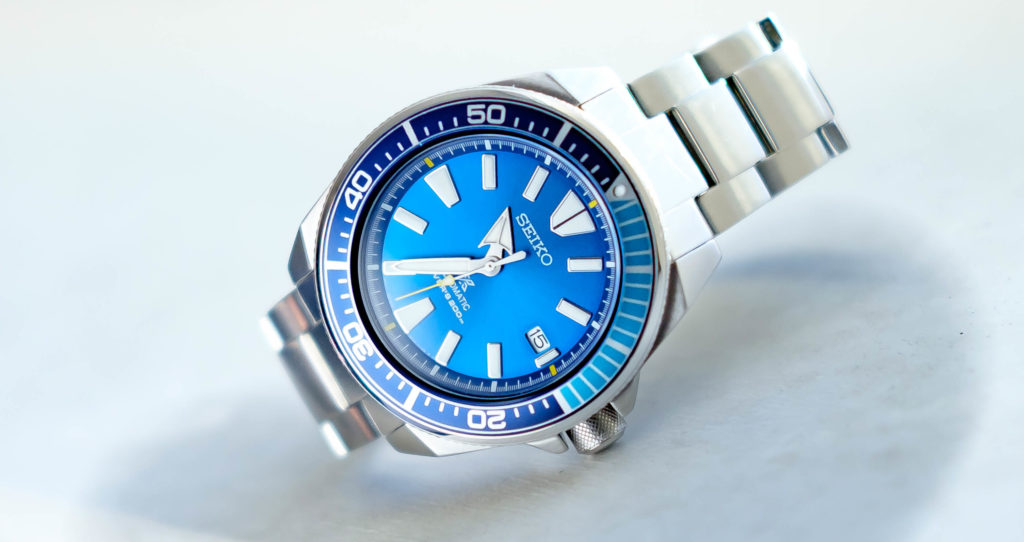
The Seiko Samurai sits on the louder, more deliberate side of the modern Prospex diver world. In our hands-on Seiko Samurai review, it didn’t come across as the easy default pick or the safest affordable diver recommendation. It felt more like the Seiko you buy because you want something with a stronger point of view. There’s a harder edge to its whole personality, and that gives it plenty of charm when you want a watch that feels different from the usual rounded Seiko formula. But that same boldness also makes it a little less universal.
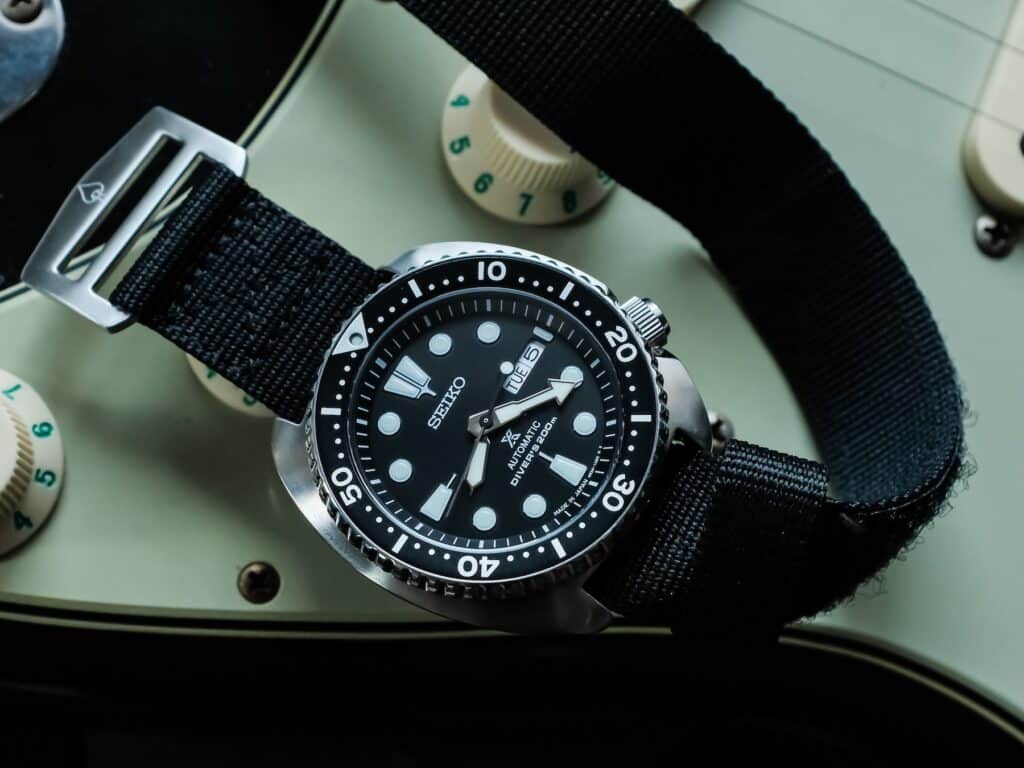
The Seiko Turtle feels more like the affordable Seiko diver people accidentally keep wearing for years. In our Seiko Turtle review, the connection was less about novelty and more about that familiar “yeah, this works” feeling that makes certain watches stick around after others get sold off. It has a softer, more relaxed identity, and it leans into the kind of everyday usefulness that makes watch collecting feel less like a spreadsheet and more like a habit. There’s still plenty to nitpick. But the Turtle’s charm comes from how naturally it settles into rotation, especially for someone who wants a classic, more vintage-leaning, affordable diver that does not feel like it’s trying too hard.
- The Seiko Samurai is the bolder, more angular-feeling Prospex diver with a stronger visual attitude.
- The Seiko Turtle is the more familiar, classic, easy-wearing Seiko diver that feels built for long-term ownership.
Design & Wearability: Angular Aggression vs Cushion-Case Comfort
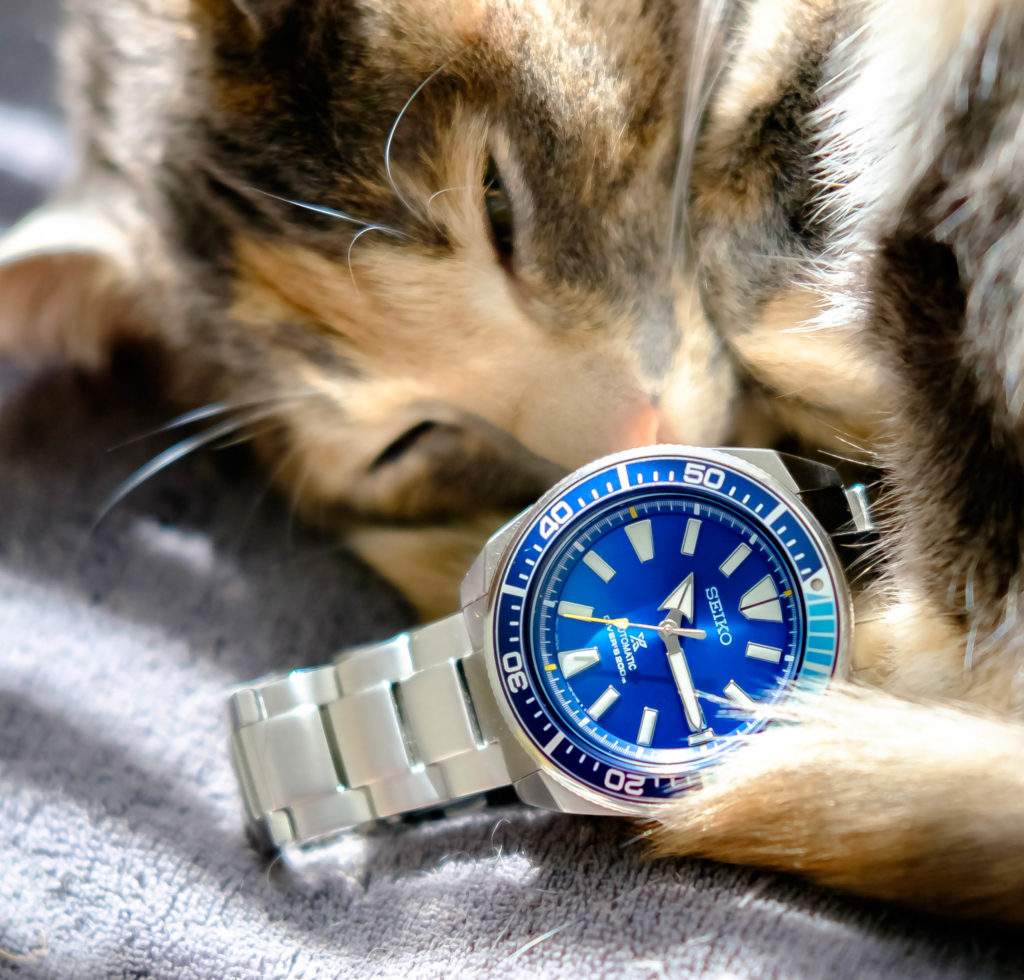
The Seiko Samurai is the more visually assertive watch in this matchup, and our hands-on review made that clear pretty quickly. The blue dial on the model we reviewed shifts between lighter, shallow-water tones and a deeper ocean blue depending on the light, giving the watch more depth than a flat blue diver usually has. It has applied indices, while the Monster-style hands add to the watch’s aggressive personality rather than fighting it. Purists may miss the original Samurai handset, but on this version, the sharper hand design fits the case attitude well. We also liked the exaggerated yellow spear tip on the seconds hand, along with the small yellow accents around the chapter ring. They cut through all that blue without turning the dial into a carnival booth.
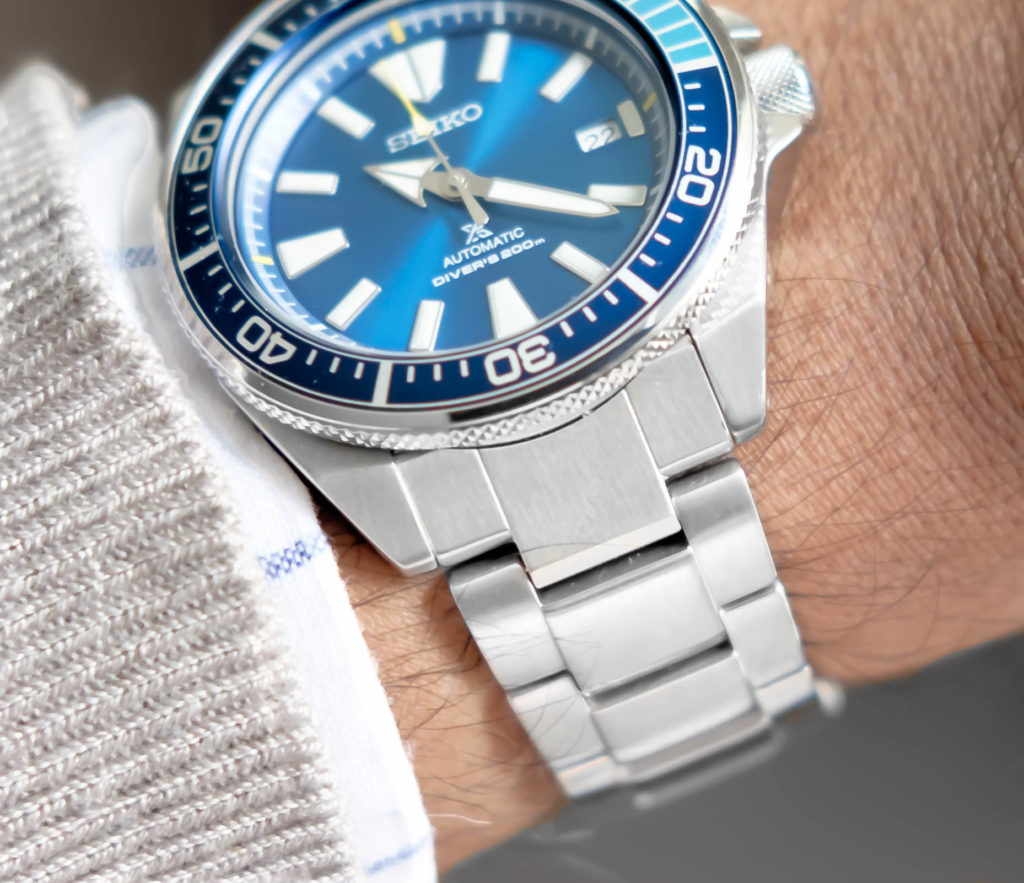
What surprised us most about the Samurai was the bracelet integration. The end links continue the case’s slope, making the whole watch feel designed as one piece rather than a head slapped onto a bracelet. That matters on the wrist because removing the bracelet almost makes the case feel incomplete, like something’s missing. We usually swap straps early and often, but this one stayed on the bracelet because it was comfortable enough not to annoy us into taking it off. The mostly brushed finish keeps the tool-watch feel intact, while the polished sides and small link accents add movement without getting shiny for its own sake. The clasp is typical sub-$1k Prospex stuff: three-piece stamped folding, but on our example, the bracelet felt sturdy and well-made.
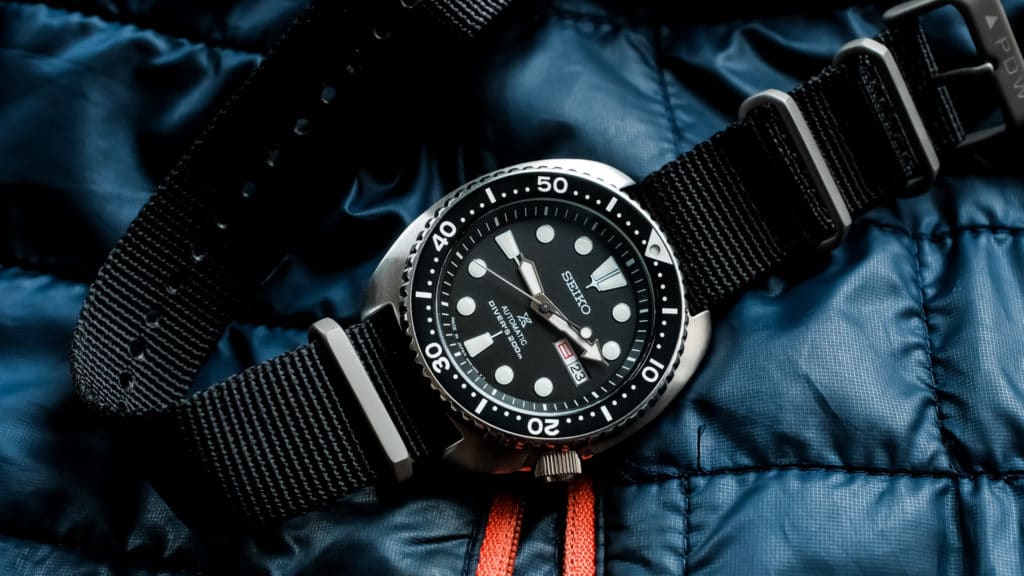
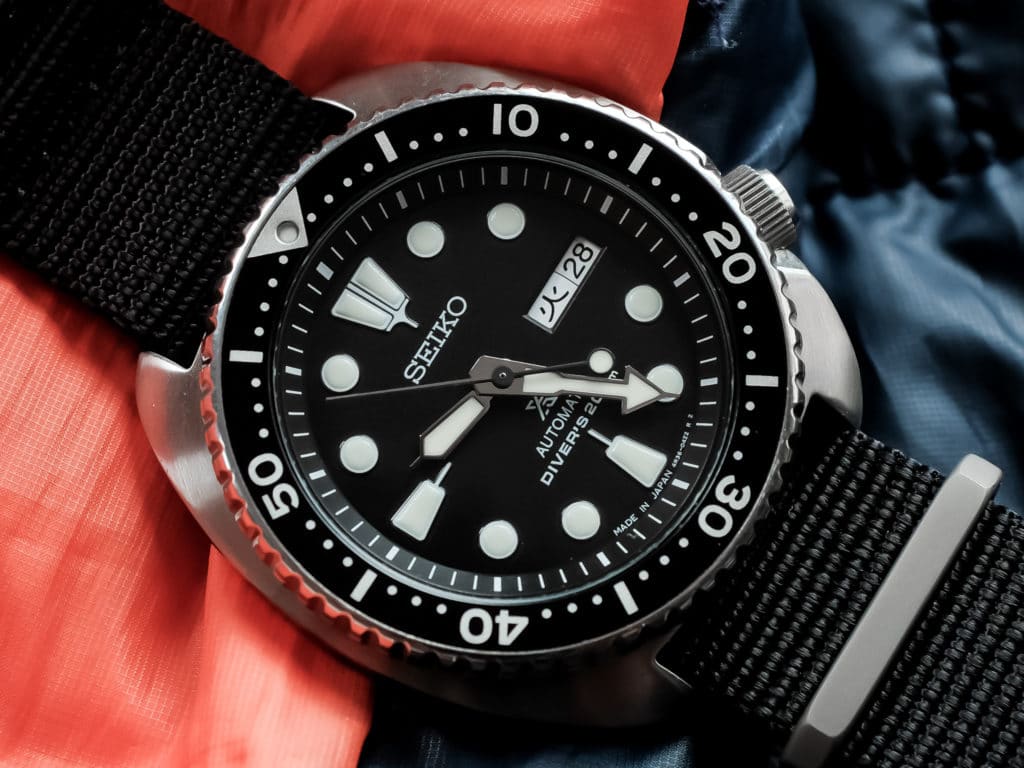
The Seiko Turtle takes the opposite route: simpler, softer, and more comfortable in that very Seiko way. Our review team found the matte black dial to stand out because it does not try to be clever. The Prospex ‘X’ logo didn’t bother us, and the whole layout feels like something Seiko has been getting right for decades. The JDM “Made in Japan” text and Kanji day wheel add collector charm, though we’ll admit the Kanji is less useful if you can’t read it. That’s part of the fun, though. It is the kind of detail that mostly matters to the person wearing the watch, which is often how the best affordable watches build attachment over time.
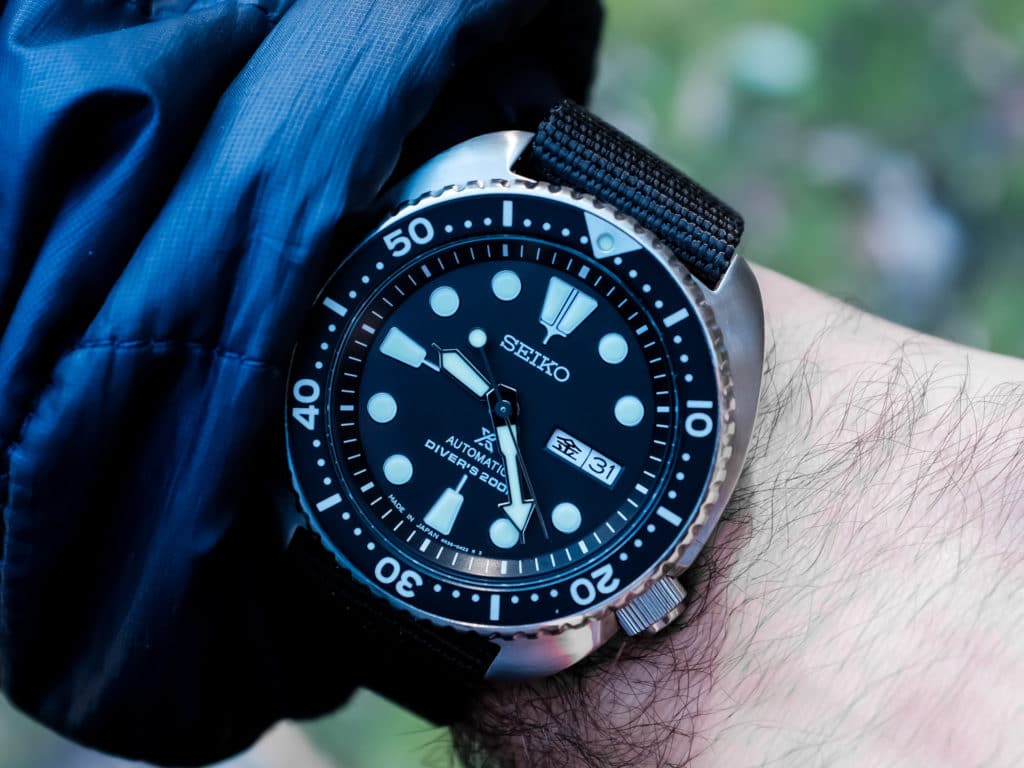
The Turtle also wins points for being a strap monster without making it feel like work. The stock soft-vented silicone strap is already solid, with a beefier buckle and a steel keeper, but the watch wakes up once you start experimenting. A Turtle on a NATO feels almost annoyingly right, like it skipped the awkward first-date phase and went straight to “daily wearer.” We wore ours often on a Ute strap and later enjoyed it on a Ti-NATO with titanium hardware. That said, we have not spent time with this Turtle on the stock stainless-steel bracelet, so we won’t fake an opinion there. But on rubber and fabric, it nails that easy, lived-in Seiko diver comfort.
- The Seiko Samurai delivers a bolder design, with a more aggressive dial, sharper visual energy, and a bracelet that feels central to the watch.
- The Seiko Turtle offers an easier-to-wear experience, with a cleaner dial and the kind of strap-friendly comfort that makes it hard to overthink.
Build Quality & Technical Approach
Both the Seiko Samurai and Seiko Turtle are built to handle everyday abuse, weekend water, and the usual desk-diving nonsense most of us pretend is field testing. But each takes a different path to that familiar Seiko toughness.
Movements:
The Samurai keeps things familiar with the 23-jewel 4R35, which is about as much of a “known quantity” as modern, affordable Seiko gets. As our review team found, there isn’t much mystery here: it hacks, hand-winds, and gives you around 40 hours of power reserve. The hand-winding felt smooth, which is always nice when a watch doesn’t make you feel like you’re grinding coffee beans through the crown. Seiko rates it at +45/-35 seconds per day, and our example stayed within those factory expectations.
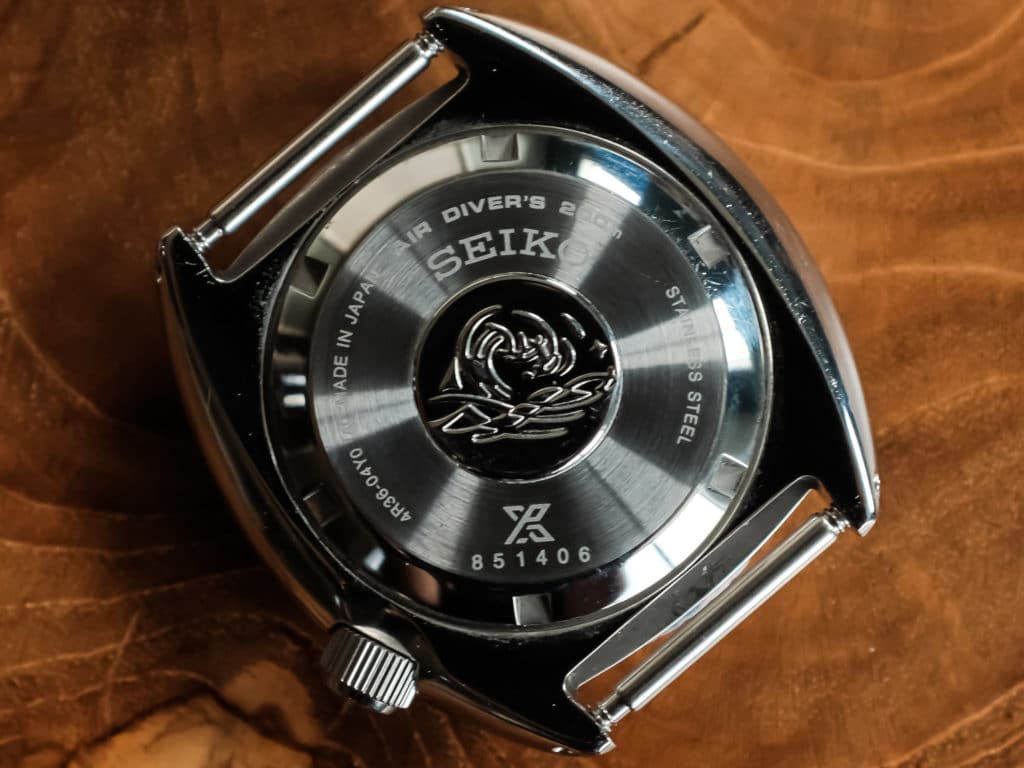
The Seiko Turtle runs the 4R36, and honestly, the story is similar with one very Seiko-shaped caveat: your results may vary. In our review, we described it as essentially a 7S26 with the useful additions of hacking and hand-winding, plus a roughly 40-hour power reserve. Our example performed well within Seiko’s -35/+45 seconds-per-day range and exceeded expectations in practice. It’s not a movement you buy for bragging rights, but it should serve most wearers fine, assuming the regulation lottery doesn’t decide to be a jerk that day.
Case Construction & Finishing:
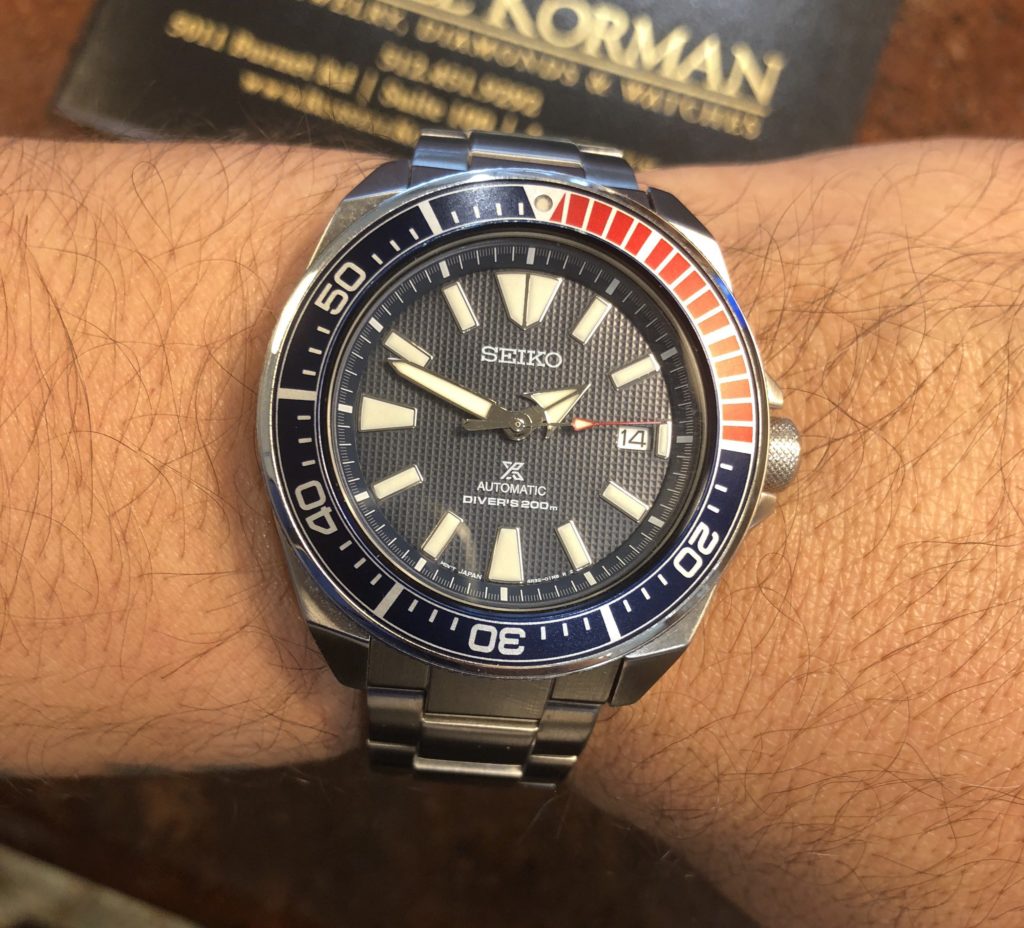
The Seiko Samurai is where Seiko lets the case do most of the talking. The 43.8mm x 47mm x 13mm case looked like it might wear large or sit a little tall at first glance, but that worry faded once it was on the wrist. The case is designed with comfort in mind, and the way it hugs the wrist keeps the Samurai from feeling like a slab of steel trying to prove a point. Its sharp angles and sloped surfaces create strong light and shadow across the case, giving it a more aggressive presence than rounder Prospex divers. Most of the finishing is brushed, which suits the no-nonsense tool-watch personality without dressing it up too much. The unidirectional bezel keeps that same tactile, purposeful feel with knurling around the edge, Samurai-style markings through the first 15 minutes, and cleaner 10-minute partitions after that. It looks the part, but our only real complaint was the stiffness. Turning the bezel took more effort than expected, though that may be less a Samurai-only issue and more another example of Prospex bezel variation doing Prospex bezel variation things.
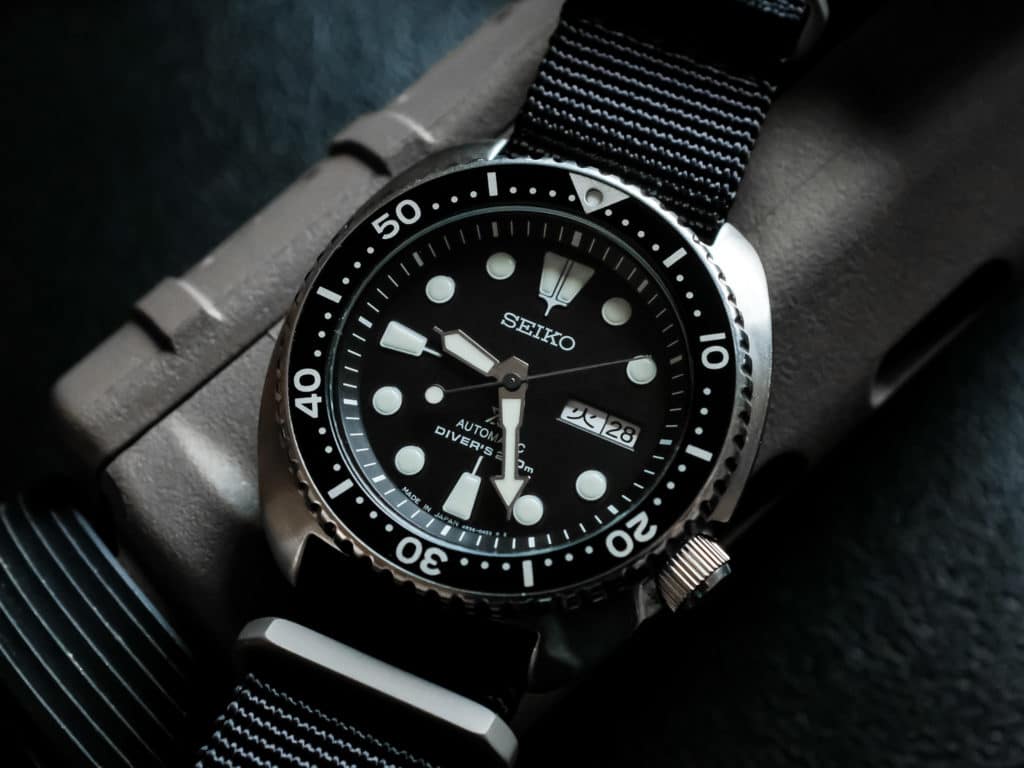
The Seiko Turtle takes the softer, more familiar route, and that is why it works. On paper, the 44.3mm case, 14mm thickness, and 48mm lug-to-lug measurement sound like they might be pushing it, especially if your wrist lives anywhere near the modest side. But as mentioned in our dedicated review, the Turtle wore smaller than those numbers suggest, even on a 6.75-inch wrist. That’s the usual Seiko case-shape sorcery: annoying to explain, easy to appreciate once it’s on. The cushion case feels rounded and settled rather than bulky, though we still would have loved the shorter, stubbier lug feel of the old 6309. Compared to sharper or more angular divers like the Samurai, the Turtle has a more relaxed silhouette. The bezel action itself was smooth and satisfying, which made the alignment issue on our example even more frustrating. It’s the kind of flaw that doesn’t ruin the watch, but it does make you stare at it longer than any sane adult should.
Crystals:
The Samurai keeps things very Seiko with Hardlex instead of sapphire. That choice won’t impress anyone shopping by spec sheet, but in the context of a practical Prospex diver, it fits the watch’s affordable tool-watch attitude. Scratch resistance will not be on the same level as sapphire, but it keeps the Samurai feeling honest rather than overbuilt for the sake of a cleaner product page.
The Turtle also uses Hardlex. No sapphire crystal here either, which some buyers will grumble about, especially when plenty of microbrand watches chase stronger specs for the money. But we’ve never had any issue with Seiko’s Hardlex on this watch, and that matters more than pretending every affordable diver needs sapphire to be worth owning.
Water Resistance & Lume:
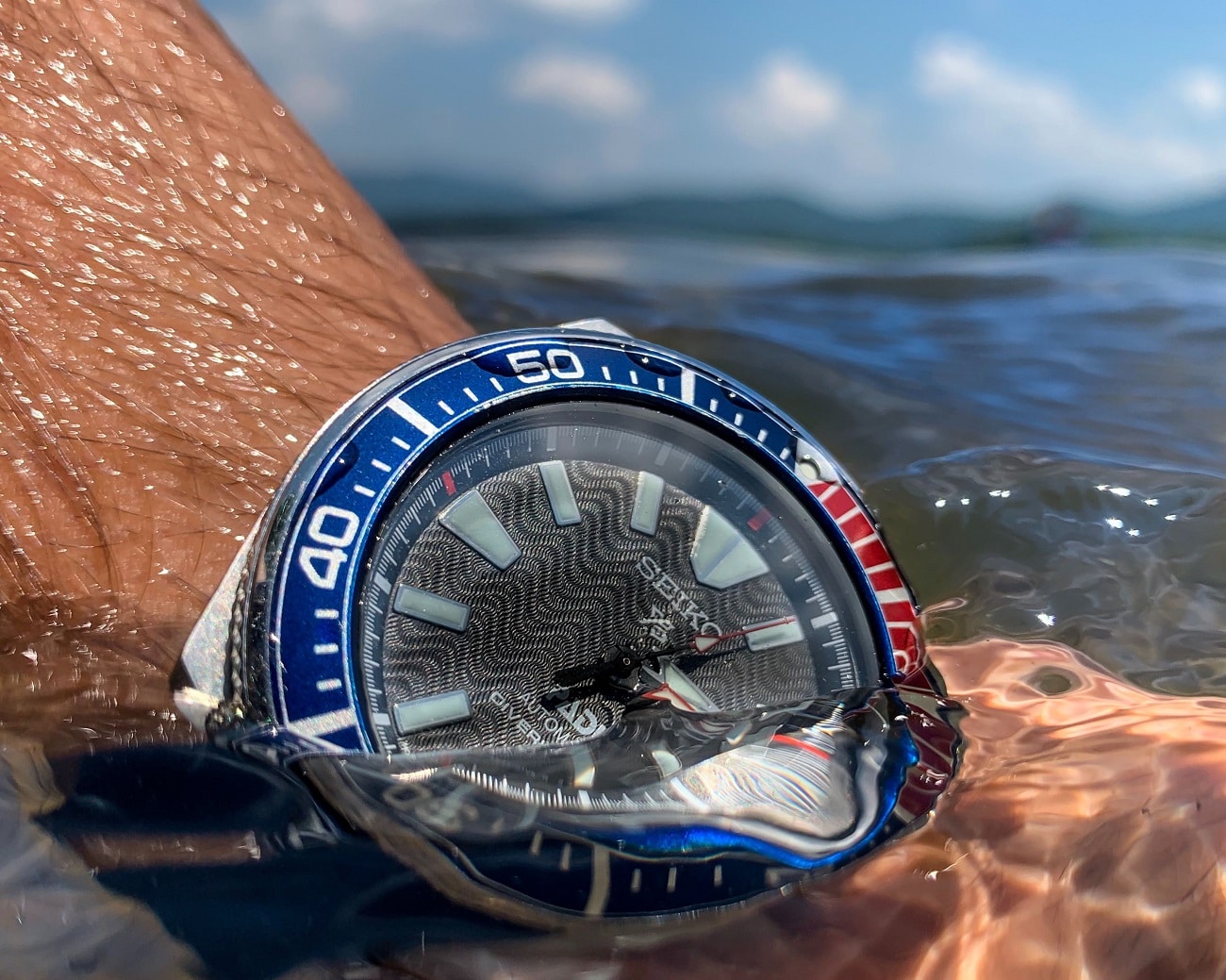
The Seiko Samurai keeps things properly dive-watch practical with 200 meters of water resistance and a screw-down crown. That is more than enough for swimming, beach days, and the sort of aquatic adventures most of us encounter. The lume was what we expected from Seiko: strong, bright, and easy to trust in the dark. The applied indices glow hard, and the hands keep up just as well, which matters more than any romantic tool-watch nonsense when you’re trying to read the time in a dark room at 2:13 a.m.
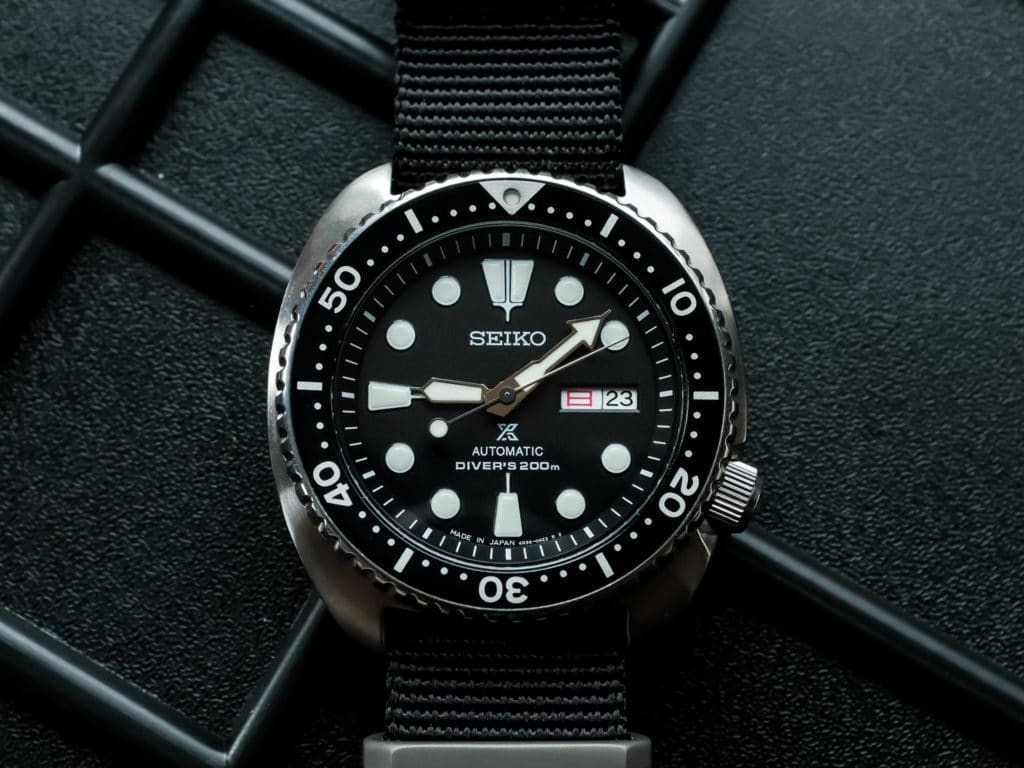
The Turtle follows the same useful formula, with 200 meters of water resistance, aided by its screw-down crown and asymmetrical case design. The Lumibrite markers are big, clear, and almost impossible to mix up when reading the time. In low light, the Turtle does what Seiko divers tend to do best: glow confidently while reminding more expensive watches that lume is not supposed to be complicated.
- The Samurai features sharper casework and a more structured wrist feel. The 4R35 is familiar and serviceable, the case hugs better than expected, and the lume is classic Seiko-bright, though the bezel can be stiff.
- The Turtle prioritizes comfort and long-term wear more than crisp geometry. The 4R36 is similarly dependable, the cushion case wears smaller than its specs, and the lume is excellent, but bezel alignment can still be very Seiko.
Cost Considerations
The Seiko Samurai usually lives in that flexible, affordable-diver zone, with prices landing anywhere from around $300 to $700+, depending on the model, condition, and whether you catch a sale. That range makes sense when you remember how many versions exist: PADI models, black waffle dials, Save The Ocean editions, and other variants that can quietly tempt you into “just one more Seiko” behavior. It’s still a strong value play, but the price can creep up fast once limited editions and colorways enter the chat.
On the other hand, the Seiko Turtle tends to feel a bit more grounded in value. The model we reviewed could originally be found around $475 or less at street pricing, and around the time of our review pre-owned models were still showing up around $370. That makes it hard to argue against if you want an affordable Japanese diver that can last for years without pulling you into the fancier $1,000+ modern versions.
Final Thoughts: Which Seiko Diver Actually Makes More Sense Long Term?
At the end of the Seiko Samurai vs. Seiko Turtle comparison, the stronger answer is the Seiko Turtle. It’s the better fit for most buyers because it settles into real life more naturally: comfortable, easy to wear, strap-friendly, and capable of aging into scratches instead of looking like it lost a fight with your desk. That said, it is not the pick for someone chasing the sharpest, most modern-looking Prospex diver or a watch that announces itself from across the room.
Contrarily, the Seiko Samurai still makes sense for the collector who already has the daily-wear slot covered and wants something sharper, louder, and more visually aggressive in the box. We get the appeal. It has personality, and some of the many Samurai variations are genuinely fun. But that aggressive case shape also feels a little over-designed for long-term daily abuse, and we’re not convinced it will wear damage as gracefully as a true beater should. For us, it works better as a rotation piece than the one Seiko diver to live with every day.
So, at the end of the day, we feel the Seiko Turtle is the better Seiko dive watch for most people. Let us know your thoughts on our analysis in the comments below.

Co-Founder and Senior Editor
Kaz has been collecting watches since 2015, but he’s been fascinated by product design, the Collector’s psychology, and brand marketing his whole life. While sharing the same strong fondness for all things horologically-affordable as Mike (his TBWS partner in crime), Kaz’s collection niche is also focused on vintage Soviet watches as well as watches that feature a unique, but well-designed quirk or visual hook.
Totally agree with the review, I have turtle’s and samurai’s and must admit the turtle wears a lot better.Not saying the samurais not uncomfortable it’s a great weekend watch,but for everyday you can’t beat the turtle.
Geoff:
The on-wrist comfort factor alone is probably one of the biggest reasons it’s so popular and everyday-friendly.
Best,
-Kaz
No problems with either watch. To save choosing I just have both.
Hi, John:
Honestly, that’s the best way to make sure you’re coming out on top lol – a collection would totally be welcome with both of these if something chose.
Best,
-Kaz
I would choose Turtle 10 times on 10 times, completely don’t like Samurai DNA. Turtles is a clear and clean Seiko design esension. I have few 6306 and 6309 and few modern Turtles and mini Turtles. And zero Samurais haha, and probably it would stay this way, moment there is one Samurai, don’t remember his references but it was Titan watch round indexes.
Haha love the username. That’s a committed Turtle collection, and I respect the conviction. The case shape on the originals is one of those designs that just works and doesn’t need to be reimagined. Hard to argue with someone who’s backed the preference up with that many purchases.
I have both 2016 version”Batman” turtle and latest 2025 PADI version “Shogurai”. Love them both, but have to admit that I am wearing turtle more than my Shogurai. I only use Shogurai as weekend watch.
The Turtle has a way of winning the wrist time battle. There’s something about that case shape that just works for daily wear. Glad you’re enjoying both.