I’ll be honest, most of what I expected from the first quarter this year was the usual slow drip of safe releases and minor updates dressed up as something worth caring about. And for the most part, that’s exactly what we got. But buried in all of that, a few dress watches started showing up that felt like brands were actually trying again (and not just resizing something from the archive and calling it a day).
What surprised me more is where these are coming from. It’s not just the usual suspects at the higher end, and it’s definitely not limited to microbrands trying to punch above their weight. There’s a mix here that actually makes the category feel a little less predictable, whether you’re looking to keep things relatively affordable or you’re willing to spend more for something that feels considered. Either way, these are the ones that managed to break through the noise a bit.
Timex Draper Automatic
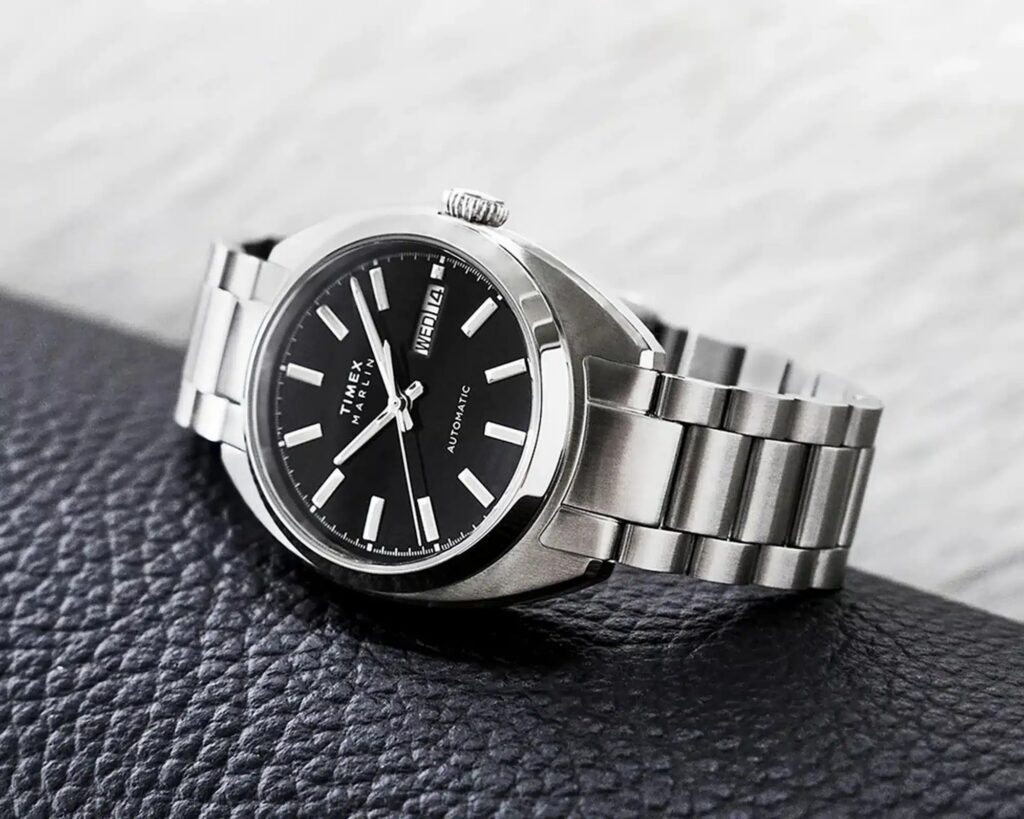
I’ve gotten into the habit of checking Timex releases with somewhat mixed expectations, which is probably why something like this lands a little harder when it works. Most of the time it’s another Marlin variant that doesn’t really move things forward, but every now and then they pull something out that feels a bit more considered. The Draper was one of those for me, mostly because the case actually made me stop and look twice. That barrel-shaped cushion profile isn’t something Timex leans on often with its dress watches, and it gives this a different kind of presence than the usual round-case Marlin formula.
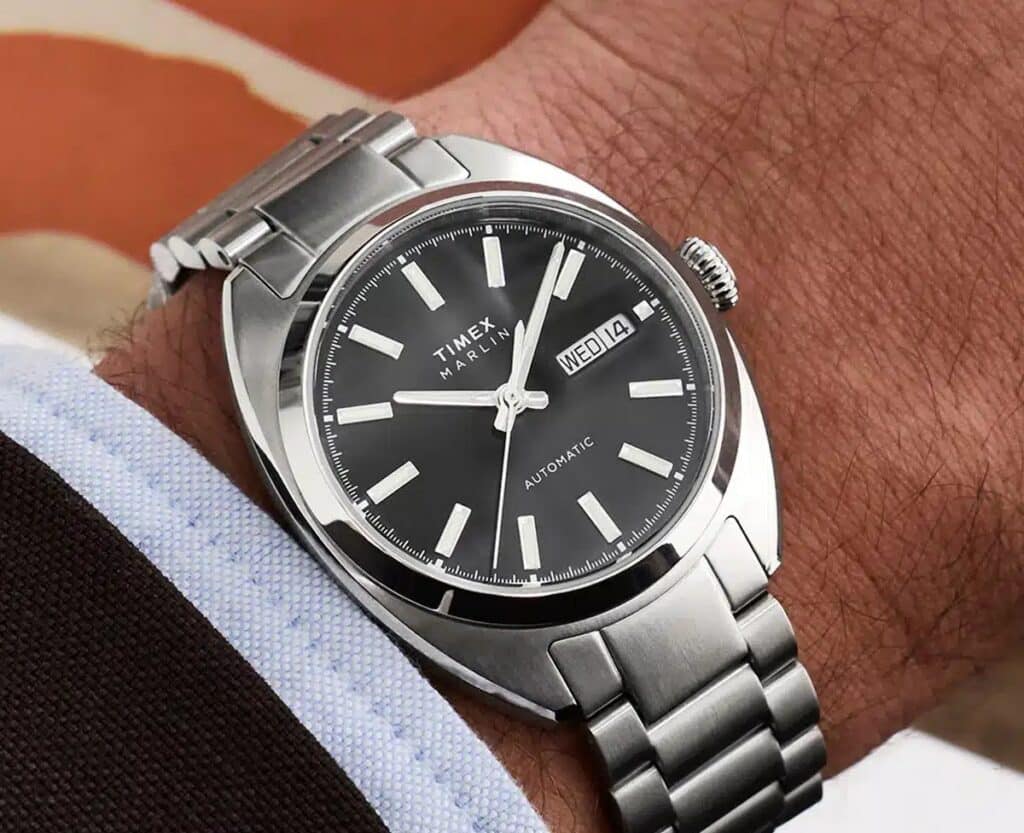
At 37mm, it stays compact in a way that suits the whole mid-century direction, and the rest of the watch keeps things pretty grounded. You’re getting a straightforward automatic with a display caseback, mineral crystal, and just enough lume to keep it usable without pretending it’s something it’s not. The different dial and bracelet combinations give you some flexibility, but the appeal here is really the shape and how restrained it feels overall. Sitting under $300, this is Timex doing what it tends to do best lately, digging into the archive and getting just enough right to make you pay attention again.
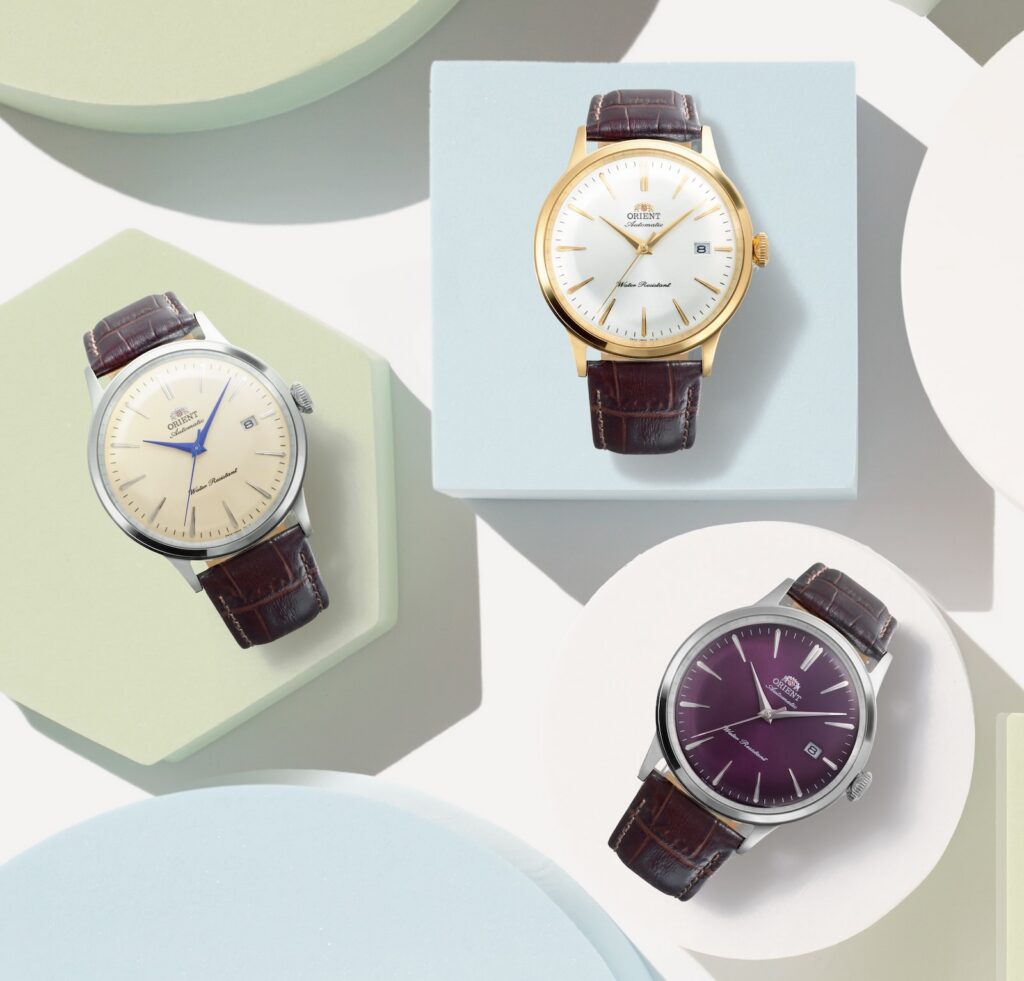
Orient Bambino 2026 Models
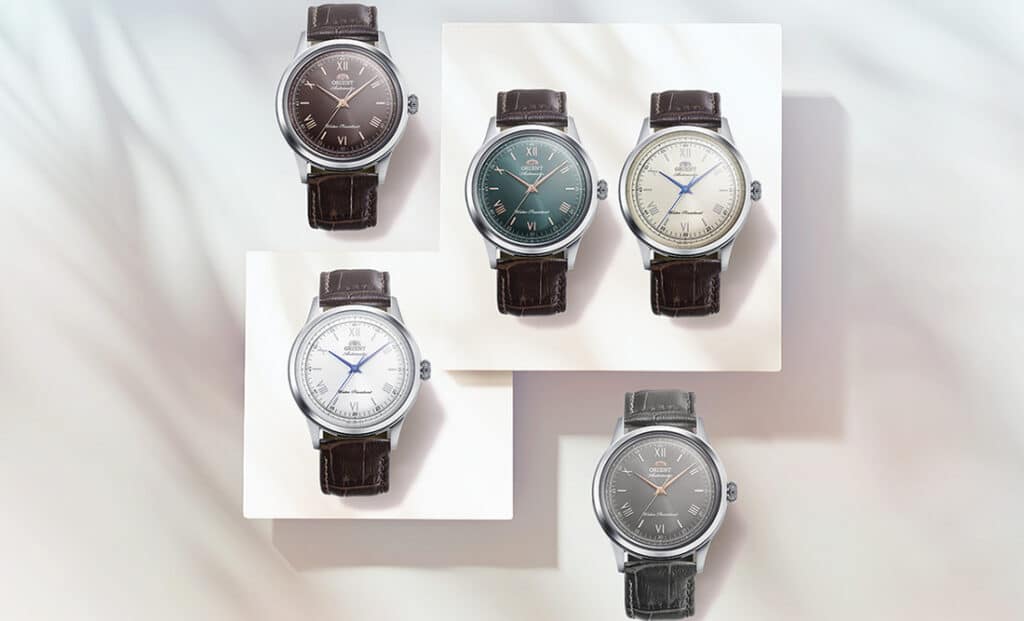
Affordable mechanical dress watches used to feel like placeholders, something you bought until you could justify something better. The Bambino was one of the first that didn’t come across that way. It’s been the default entry point for a lot of collectors ever since, and honestly, for good reason. So seeing Orient not just refresh it, but actually refine it in ways people have been asking for, feels like they’re paying attention rather than just riding the name.
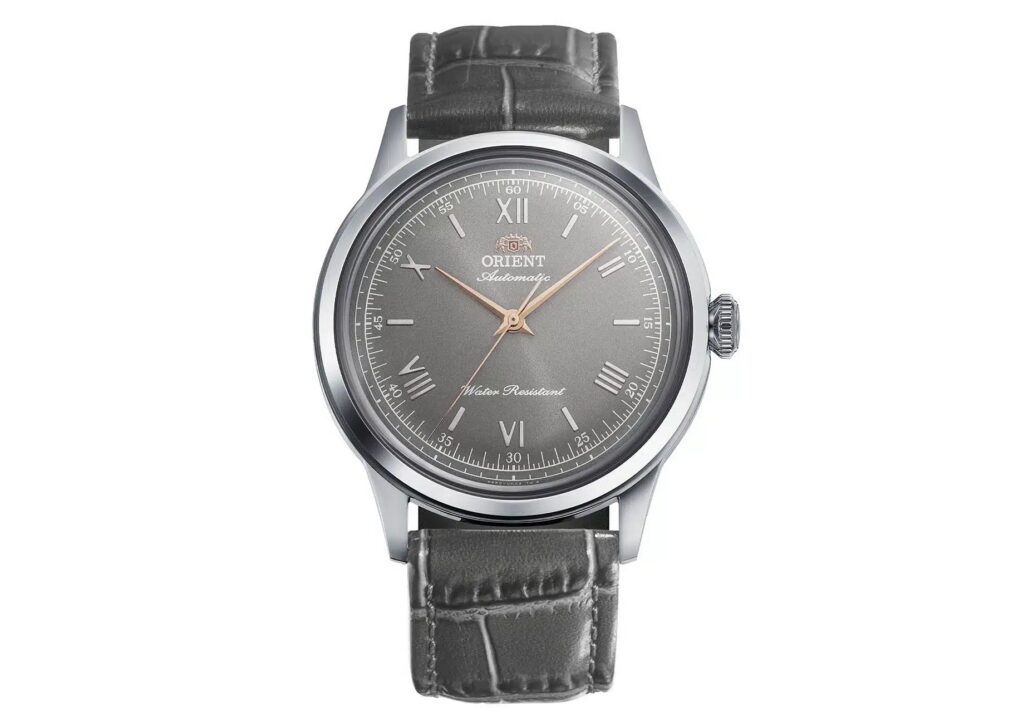
The 38mm no-date version is the one that stands out to me. Dropping the date cleans up the dial in a way that makes the whole watch feel more intentional, and pairing that with an in-house automatic keeps it from feeling like a stripped-down option. The larger 40.5mm models lean more into variety, with gradient dials and even Eastern Arabic numerals that shift the character without changing the core formula. At well under $400, this is still one of the easiest recommendations in the hobby, but it also feels a little less like a starter watch now. This is the kind of piece you end up holding onto longer than you expected.
Orient Stretto
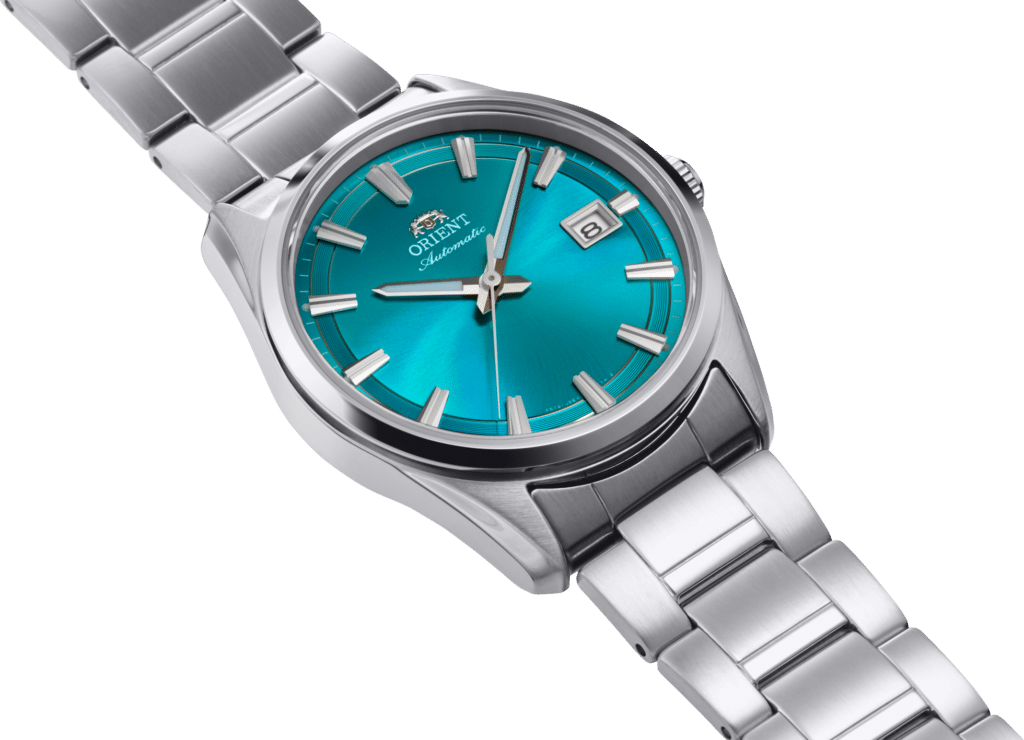
Orient has always been one of those brands I end up recommending almost by default when someone wants an affordable mechanical watch, but if I’m being honest, not everything they put out hits the same way. The Stretto didn’t really grab me when it first showed up, especially compared to how strong the Bambino lineup has been lately. But this update, with a full spread of new dial colors, feels like Orient realizing this dress watch had more potential than they initially let on.
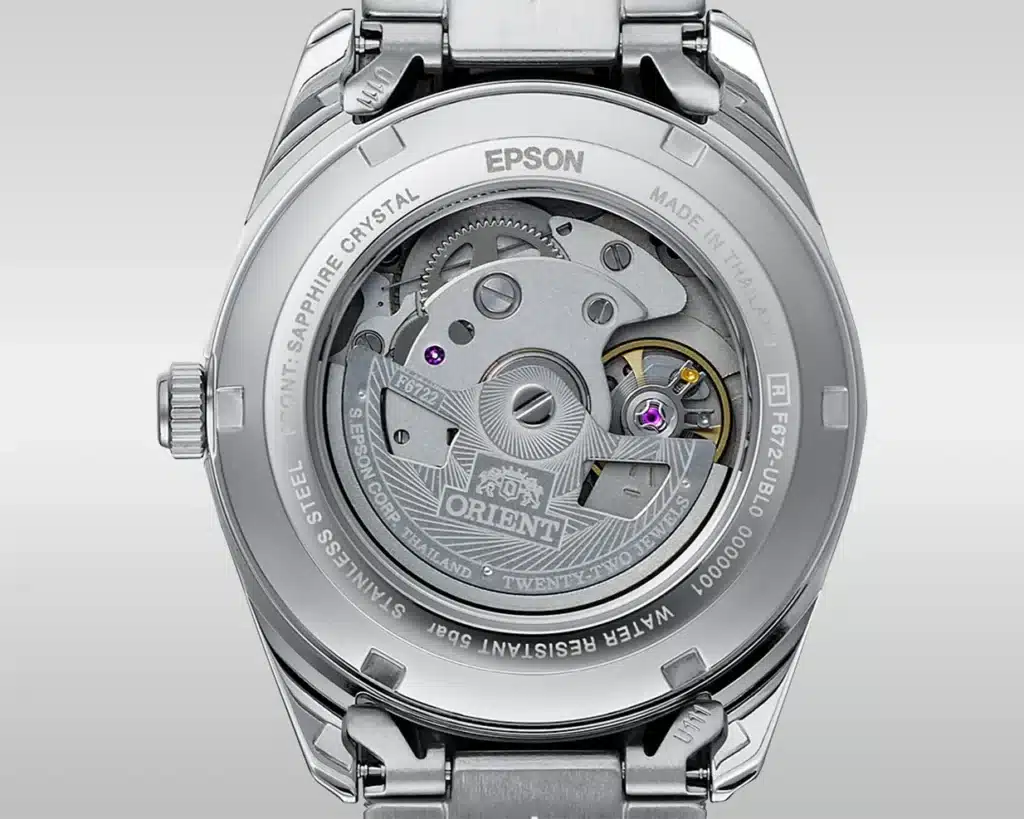
The core watch hasn’t changed, and that’s probably for the best. You’re still getting a clean 38mm steel case, a simple three-link bracelet, and an in-house automatic that does exactly what it needs to without any fuss. The difference now is the personality. The new colors, especially the turquoise and green, give the Stretto a bit more presence without pushing it into anything too loud. At around the sub-$400 mark when these land in the US, this feels like Orient making a stronger case for itself outside of the Bambino. I’m still not sure I’d reach for it first, but it makes the decision a lot less obvious than it used to be.
Tissot Visodate 2026 Revival
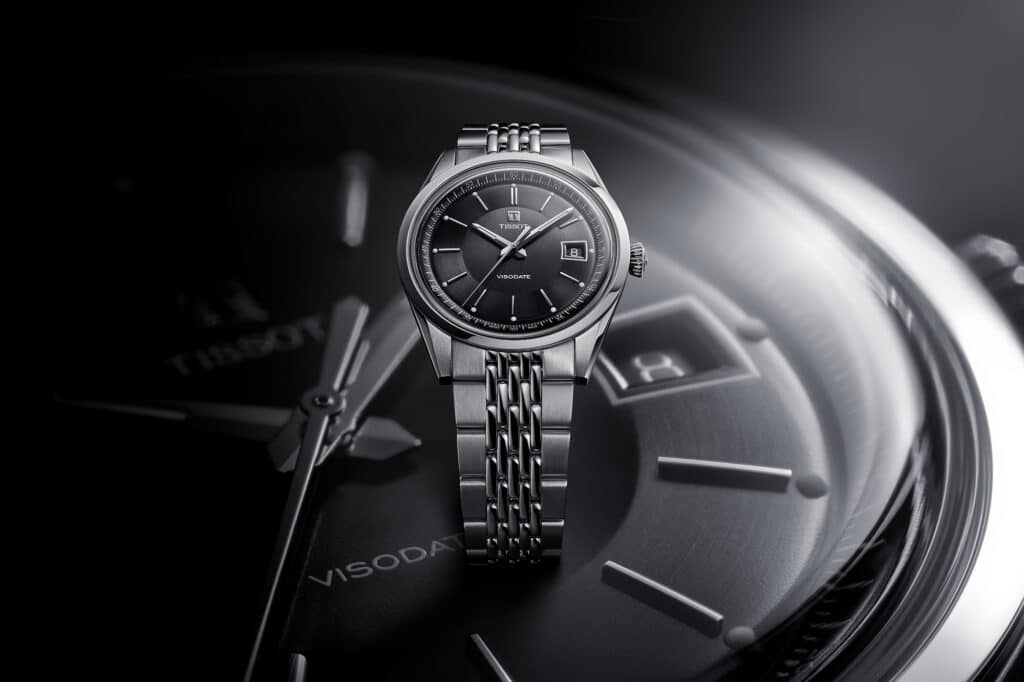
There was a stretch in the 2010s where it felt like every other “what should I buy first?” conversation ended with someone recommending a Tissot Visodate as the gold standard everyday dress watch. I’ve made that recommendation myself more times than I can count, mostly because it hit that sweet spot of being affordable, proportioned well, and just dressy enough without feeling like you were trying too hard. So seeing Tissot bring it back in a more restrained way actually feels like a course correction, not just another heritage rehash.
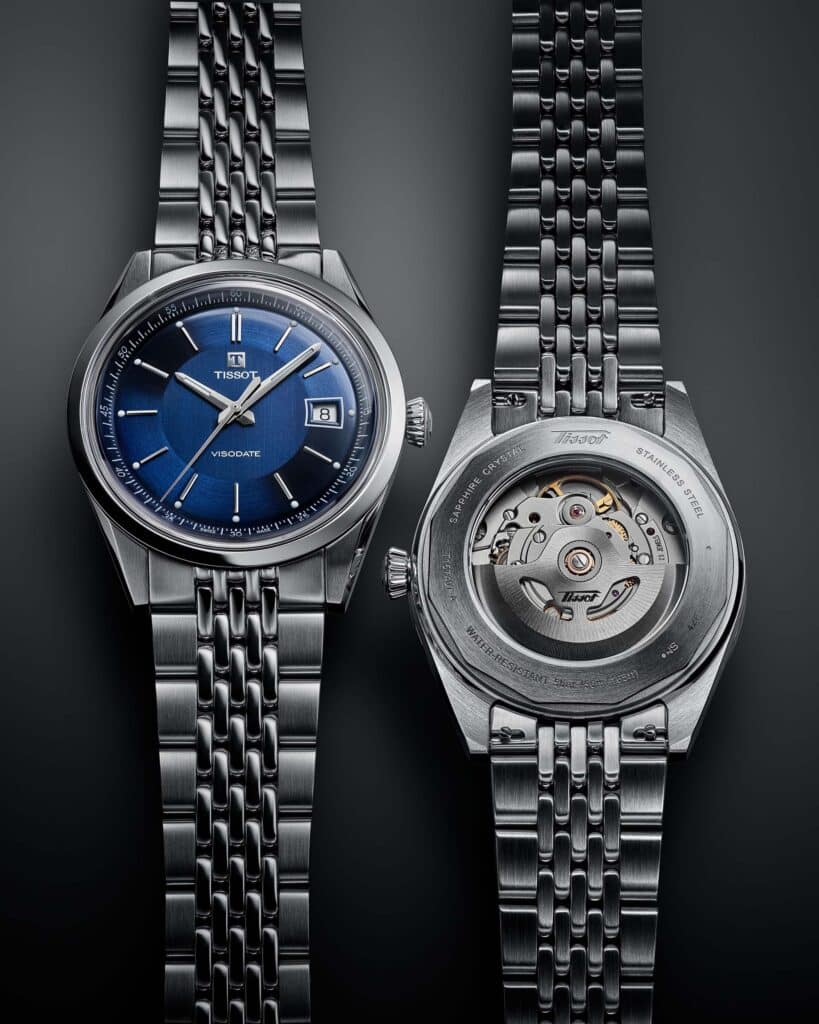
The biggest win here is the dial. Dropping the day-date and going back to a cleaner, date-only layout makes a bigger difference than you’d expect, especially with the domed surface, brushed finishing, and that box sapphire adding some depth. At 39mm and just over 10mm thick, it stays right in that easy-wearing zone, and the Powermatic 80 inside keeps things practical for everyday use. Starting at $850, this feels like Tissot remembering exactly why the Visodate worked in the first place. I’m just curious if it lands the same way now, in a market that’s a lot more crowded and a lot more opinionated than it was back then.
Mido Commander Datoday
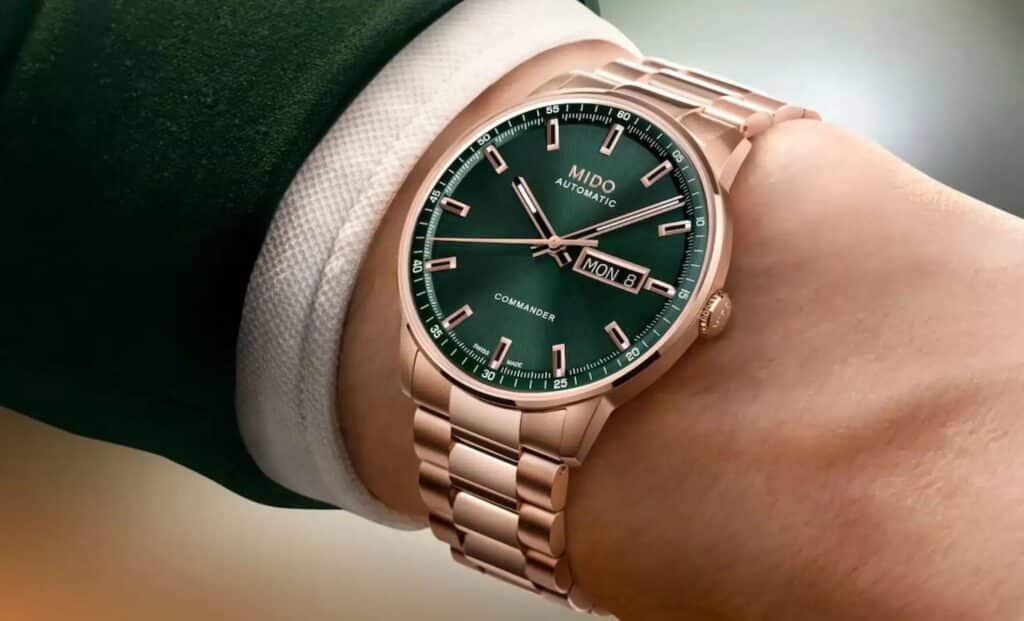
I didn’t have Mido pegged as one of the brands I’d be paying attention to this early in the year, but here we are. The updated Commander Datoday feels like a pretty deliberate attempt to clean things up and aim straight at that everyday, do-it-all dress watch, just without the usual price tag baggage. The biggest shift is on the dial, where the old dot indices are gone in favor of batons, paired with faceted hands and a sunburst finish that reads a lot more modern than what this line used to give off. It’s a safer look, sure, but it’s also a more wearable one. The day-date at 3 o’clock does its job, even if the placement feels a bit tucked inward, like it’s fighting for space with the rest of the dial.
At 40mm wide and just over 10mm thick, it lands right in that comfort zone most of us default to, and the Powermatic 80 inside (with Nivachron) is about as proven as it gets at this level. The Oyster-style bracelet and quick-release setup make it easy to live with, even if the 21mm lug width is one of those small decisions that ends up mattering more once you start thinking about strap options. Starting just over $1,000, this is clearly Mido taking a shot at the whole “Oyster Perpetual alternative” space. It checks the right boxes on paper, but this is one of those watches where I’d want to see if anything about it actually sticks once it’s on the wrist for a few weeks.
Farer Cushion Case 35mm
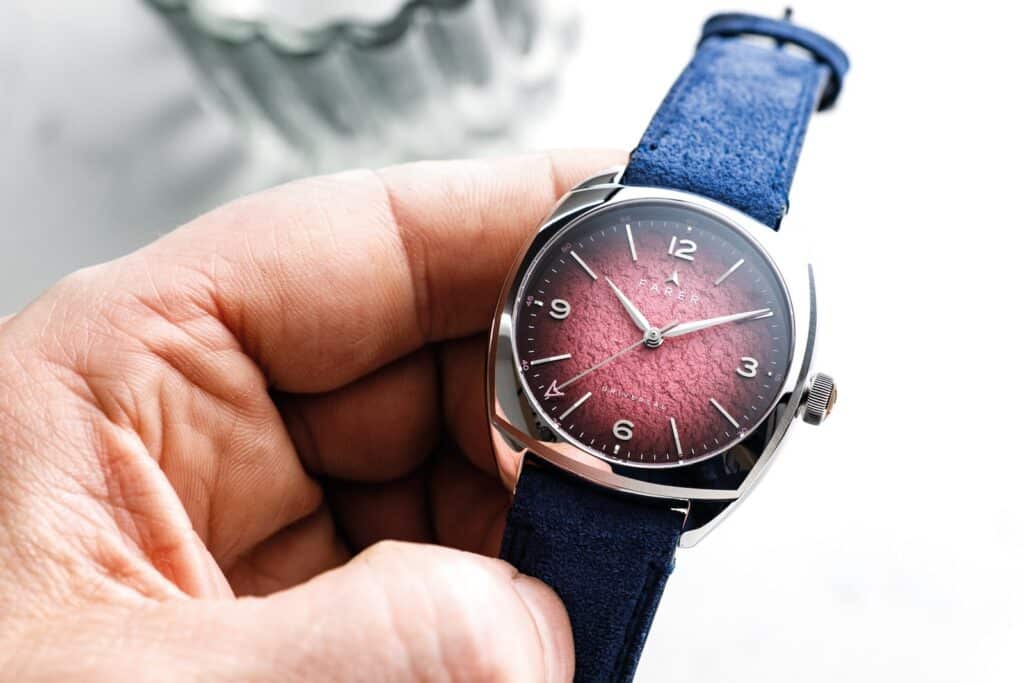
Farer is one of those brands I keep checking in on, mostly because they don’t seem interested in playing it safe, even when they probably could. I remember spending time with one of their world timers a while back and realizing they actually sweat the small stuff in a way a lot of brands in this price range don’t. So seeing them double down on their Cushion Case line, and then shrink it down to 35mm, feels less like a risk and more like them committing to a very specific idea of what a dress watch should be.
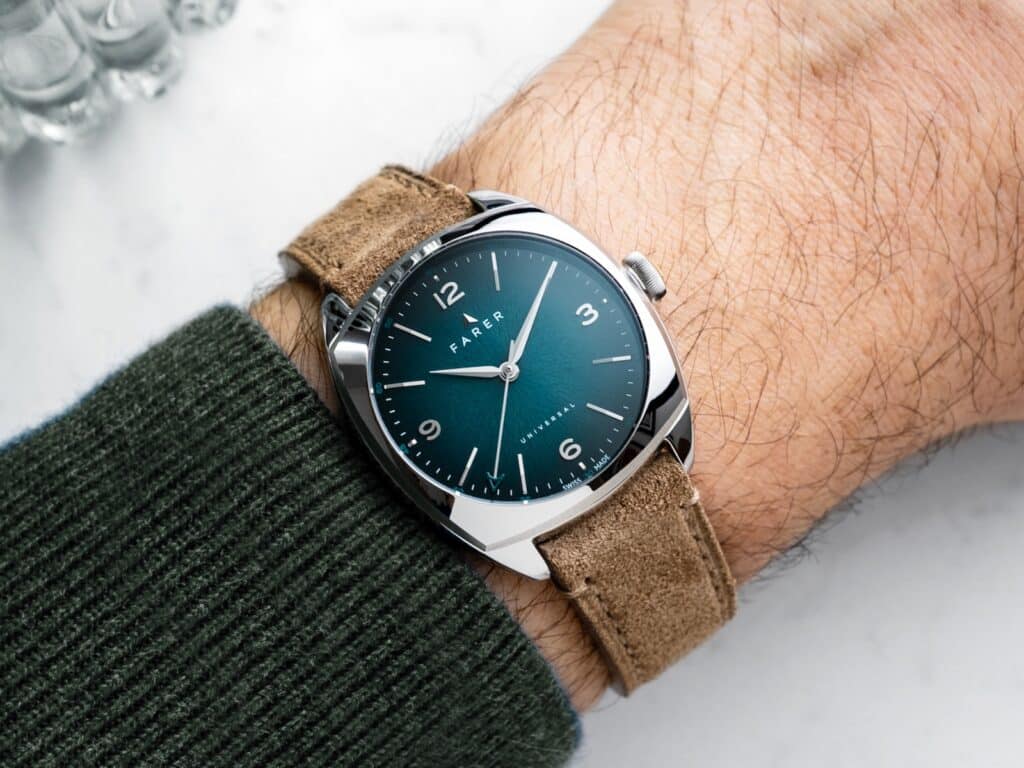
The size is going to be the sticking point for some people, no way around that, but the execution here makes a decent argument for it. The case has been reworked rather than just scaled down, and the dial work is where things really start to justify the whole thing. That layered, spun gradient finish gives both the raspberry-toned Furneaux and the teal Belzoni a lot more depth than you’d expect from photos alone. Inside, the hand-wound Sellita keeps things simple in a good way, and at just over $1,100, this ends up being less about versatility and more about whether you’re willing to lean into something with a bit more personality.
Kurono Tokyo Inseki

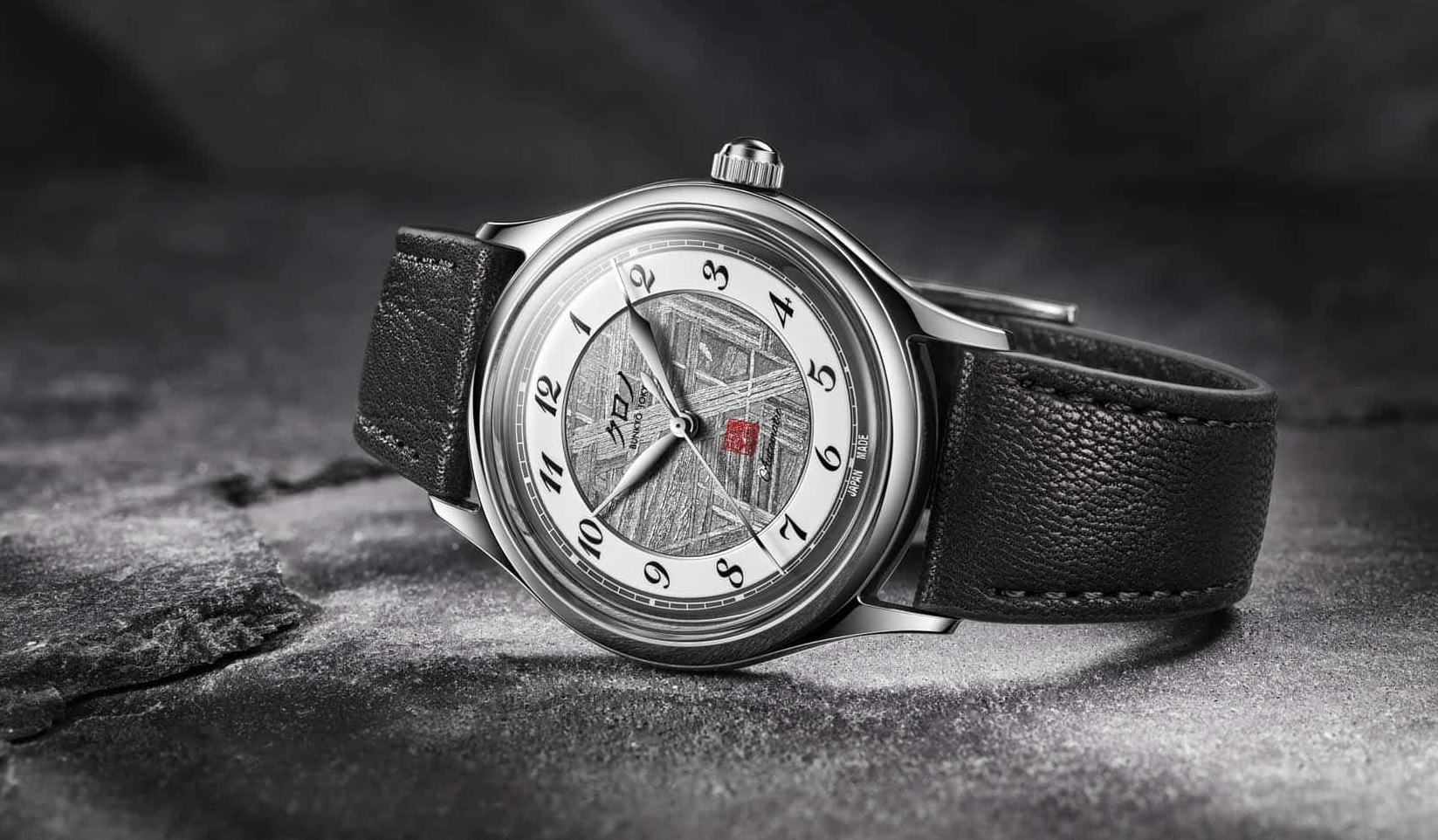
Meteorite dials are one of those things I tend to approach with a bit of skepticism. More often than not, the material ends up being the entire story, and the watch around it feels secondary. That’s why the Kurono Tokyo Inseki caught my attention, especially knowing Hajime Asaoka has been pretty deliberate about what makes it into this lineup.
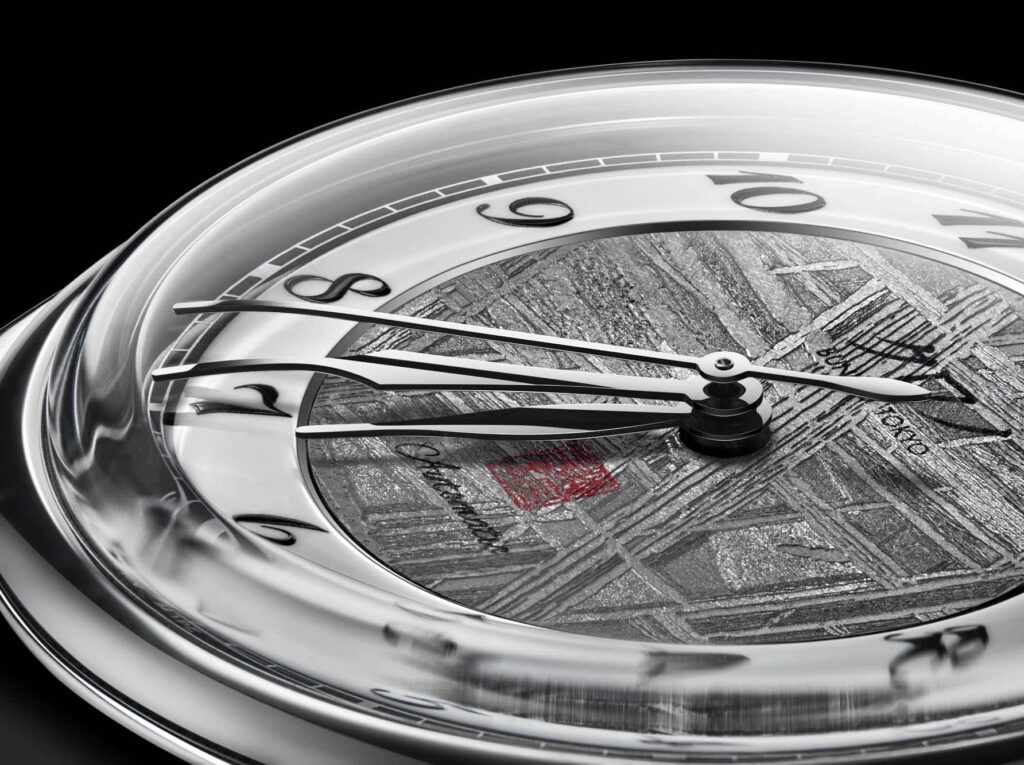
What makes this dress watch release stand out is how controlled it feels. Instead of forcing meteorite into their usual domed dial format, Kurono builds around it with a two-piece layout that keeps the meteorite centered and contained, surrounded by a lacquered outer ring that stays true to the brand’s design language. At 37mm with a Miyota automatic and a price that creeps over $2,000 for U.S. buyers, this feels less like a typical “material-first” release and more like a careful expansion of what Kurono already does well.
What stands out to me across all of these isn’t just that they’re good, it’s that they feel considered. Whether it’s brands tightening up their core designs or trying something slightly outside their usual lane, there’s a bit more intention here than I expected this early in the year. If this is where things are starting, I’m a lot more curious to see where the rest of 2026 goes.

Co-Founder & Senior Editor
Michael Peñate is an American writer, photographer, and podcaster based in Seattle, Washington. His work typically focuses on the passage of time and the tools we use to connect with that very journey. From aviation to music and travel, his interests span a multitude of disciplines that often intersect with the world of watches – and the obsessive culture behind collecting them.