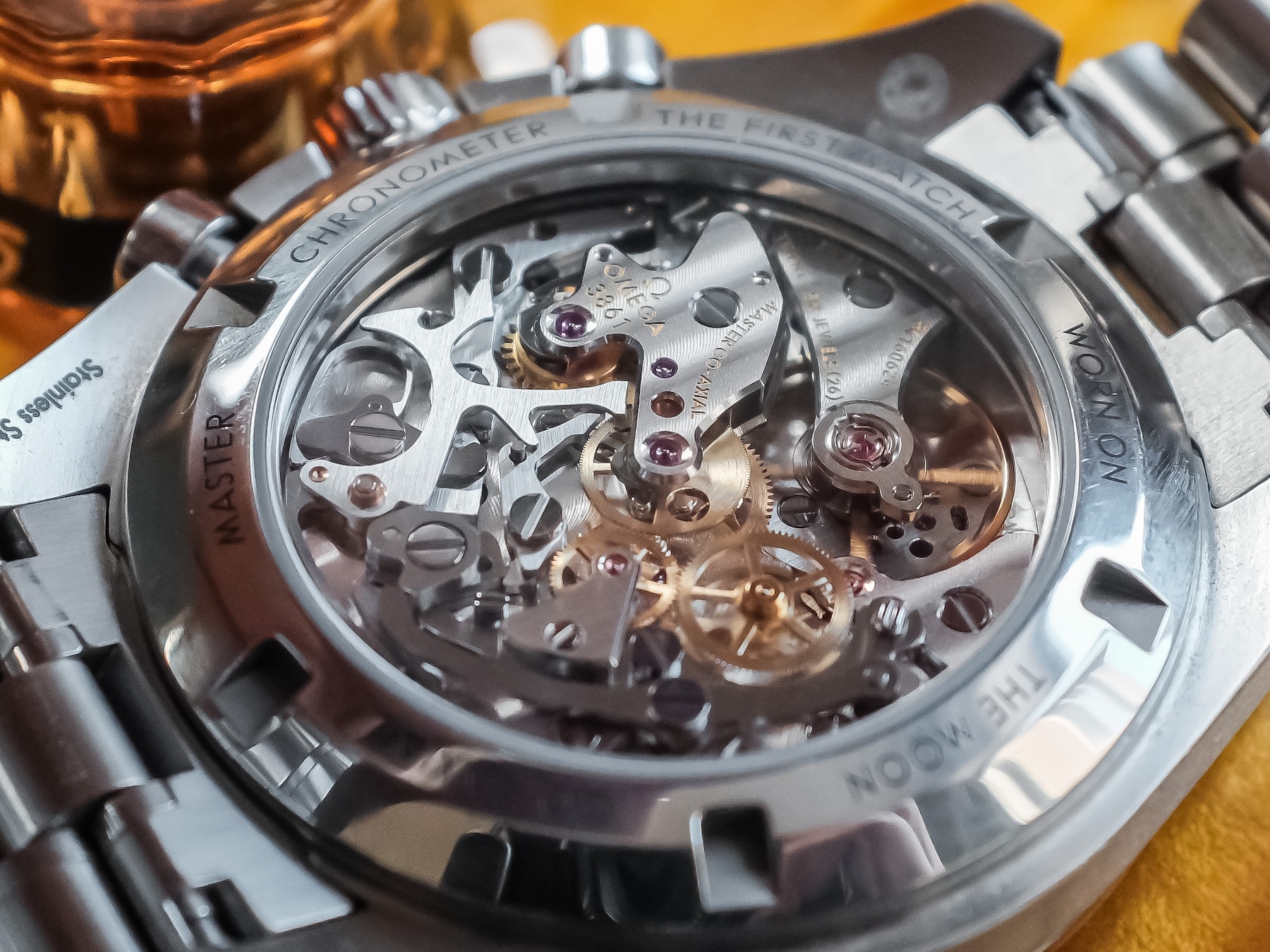
If you’ve spent any time shopping for chronographs, you’ve probably run into the same slightly exhausting argument we have: Mechanical Chronograph vs Quartz Chronograph. One side wants the tactile satisfaction of a real mechanical movement, with pushers that click, snap, and reset with a little ceremony. The other side wants a chronograph that can sit in the drawer, come out running, reset cleanly to zero, and not quietly threaten your bank account with future servicing costs. After 10 years of reviewing watches across both camps, we’ve learned that the smarter choice often depends less on movement snobbery and more on how you’ll live with the watch after the first few weeks.
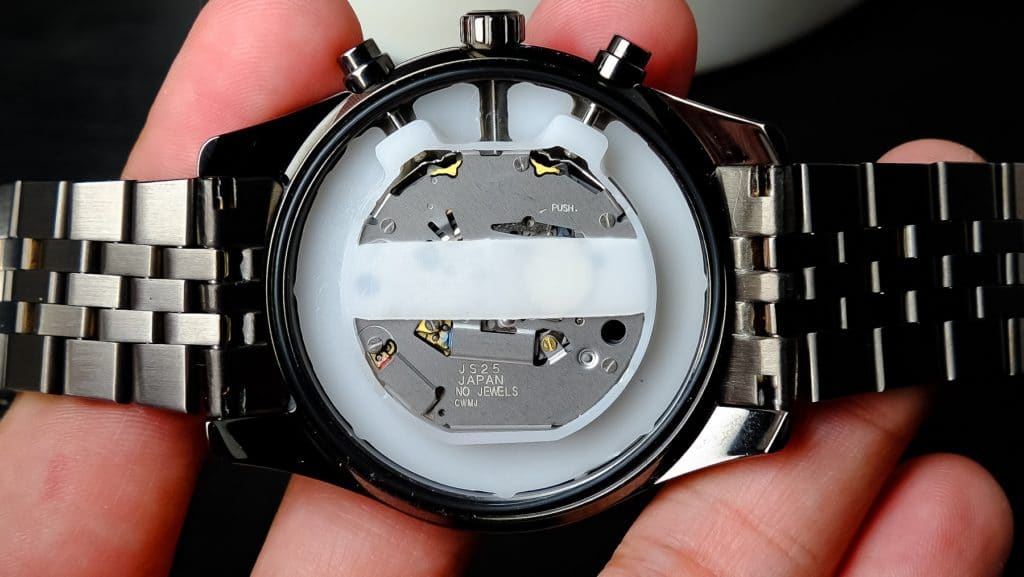
So we’re going to compare these two approaches on what matters in normal ownership: accuracy, reset precision, pusher feel, maintenance, servicing costs, wrist presence, and whether the “soul” tax is worth paying. A Speedmaster or Spitfire can make timing pasta feel weirdly satisfying. But pieces like the Lunar Pilot, C63 Valour, and Vaer R1 make the battery-powered side harder to dismiss than some enthusiasts would like. Once you get past the romance, the specs, and the forum arguments, the choice comes down to a practical question: between a mechanical chronograph and a quartz chronograph, which one is smarter for most buyers?
Category Identity & Philosophy: Convenient Precision vs Mechanical Engagement
Quartz chronographs tend to be the lower-drama side of the Mechanical Chronograph vs Quartz Chronograph debate. That does not make them boring. It makes them honest. Across watches like the Bulova Lunar Pilot, Vaer R1, Christopher Ward C63 Valour, and Bulova Marine Star Chronograph, the greater appeal lies in how little they ask of you. You pick them up; they are ready; the timing function works; and ownership does not become another small chore dressed up as passion.
That is the real personality of a good quartz chronograph. It is built around usefulness first. The better ones still give you enough pusher feel, dial presence, and wrist character to avoid feeling disposable, but their main job is to stay accurate, reset cleanly, and make daily use easy. For buyers looking for affordable or best-value watches, that matters. A chronograph already adds visual and functional complexity. Quartz keeps the ownership side from getting complicated, too.
Mechanical chronographs come from a different emotional place. Watches like the Omega Speedmaster, IWC Spitfire Chronograph, Zodiac Sea-Chron Automatic, and TAG Heuer Carrera Glassbox remind us why people are still drawn to this category. You are not buying one because it is the most convenient way to time a parking meter. You are buying it because the interaction feels more deliberate. You wind them, set them, notice the pushers, listen to the reset, and accept that accuracy will not be the entire point.
That involvement is the charm, but it is also the catch. It can also cost more to buy, cost more to service, and require more patience from the owner. So, before we get into accuracy, maintenance, reset precision, servicing costs, tactile satisfaction, and daily wear, the split is pretty simple.
- Quartz chronographs are usually about easy precision, practical ownership, and value without much drama.
- Mechanical chronographs are about interaction, ritual, and the satisfaction of wearing a more involved machine.
Accuracy, Reset Precision, and Movement Reliability
This is where the Mechanical Chronograph vs Quartz Chronograph debate stops being about romance and starts being about how much attention you want to give your watch during a normal week. Chronographs already bring more going on than a simple three-hander: pushers, sub-dials, reset behavior, and the tiny joy or irritation of watching the hand return to zero. So when the movement is accurate, reliable, and easy to live with, you feel that benefit every time you pick up the watch.
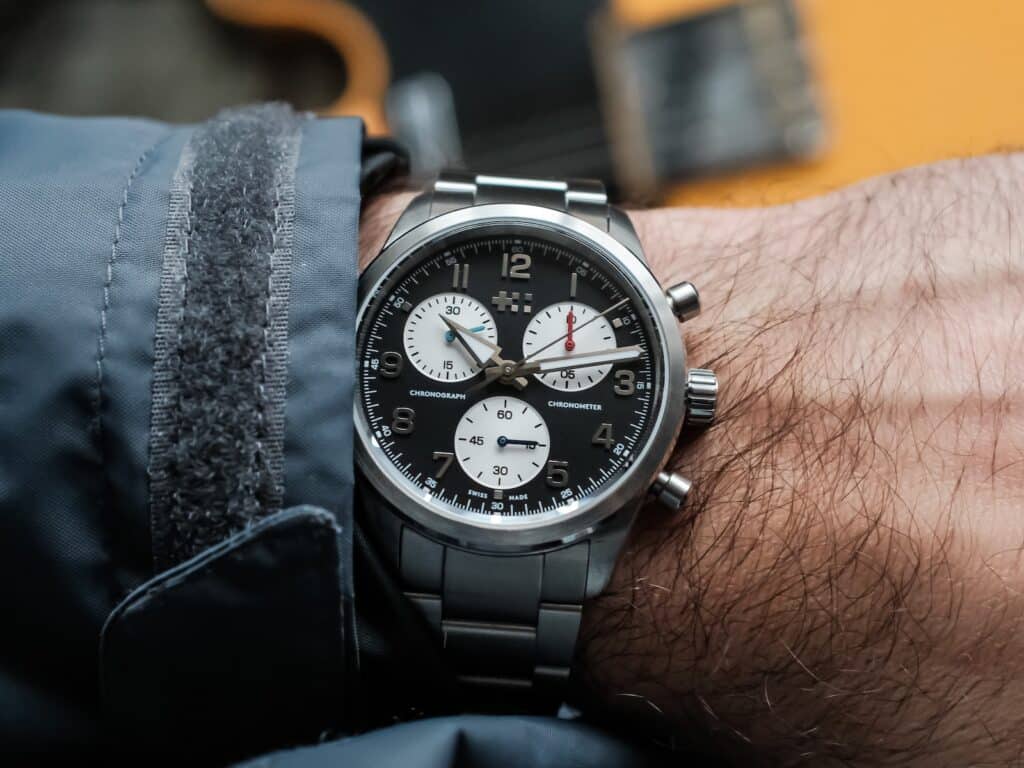
On the quartz side, the Christopher Ward C63 Valour makes one of the clearest arguments for practical ownership. Its ETA G10.212 AD COSC quartz chronograph is rated to ±10 seconds per year, which is the kind of accuracy that makes the usual “but quartz has no soul” argument feel a little tired after a while. In extended use, that meant setting the watch and then not babysitting it. The pushers also helped the case for quartz: actuation felt crisp, and the hands snapped back to zero in a way that felt engineered rather than cheap. That matters because reset precision is one of those things you notice immediately when it is wrong. The Valour avoided that, which is why it works as more than a spec flex.
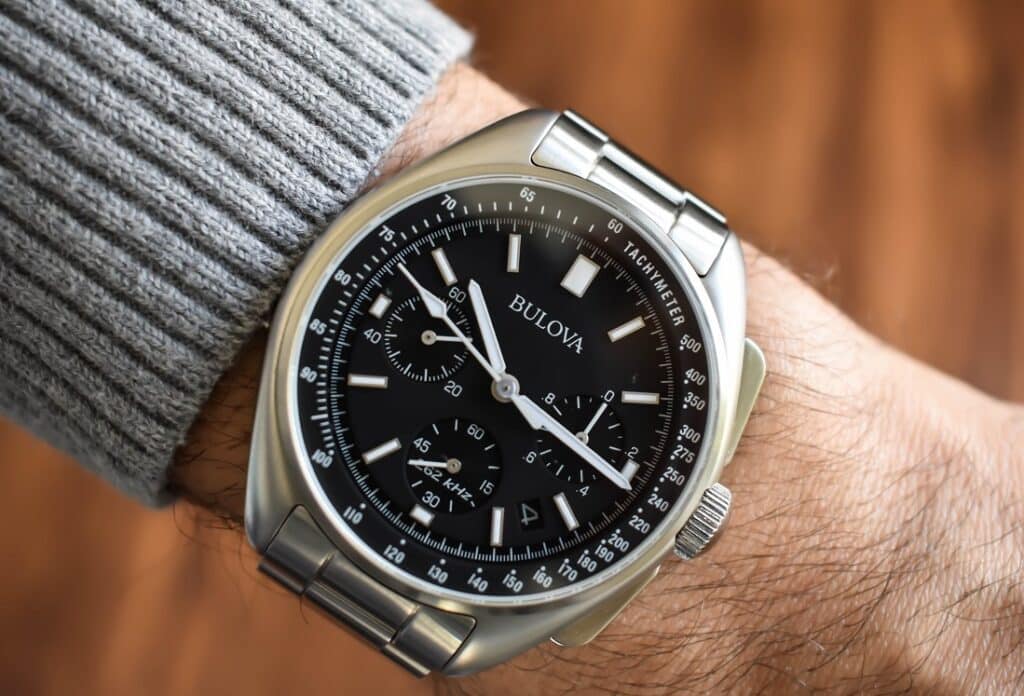
The rest of the quartz group supports that same point, but from different angles. The Bulova Lunar Pilot we reviewed brings high-accuracy quartz into NASA heritage in a larger, more enthusiast-leaning package, with its 262 kHz movement rated to about ±10 seconds per year and a pseudo-sweep on the seconds hand that gives it more visual life than a typical quartz tick. The Vaer R1 takes the affordable route with a Seiko VK-63 meca-quartz movement, giving buyers that satisfying pusher click and crisp reset without dragging mechanical maintenance into the deal. Even the Bulova Marine Star shows how quartz can still feel engaging at a lower price, with an audible chronograph click and a chrono seconds hand that moves at four ticks per second, though its roughly ±20 seconds per month performance and missed opportunity for a higher-grade Bulova movement keep it from feeling as sharp as the better examples here.
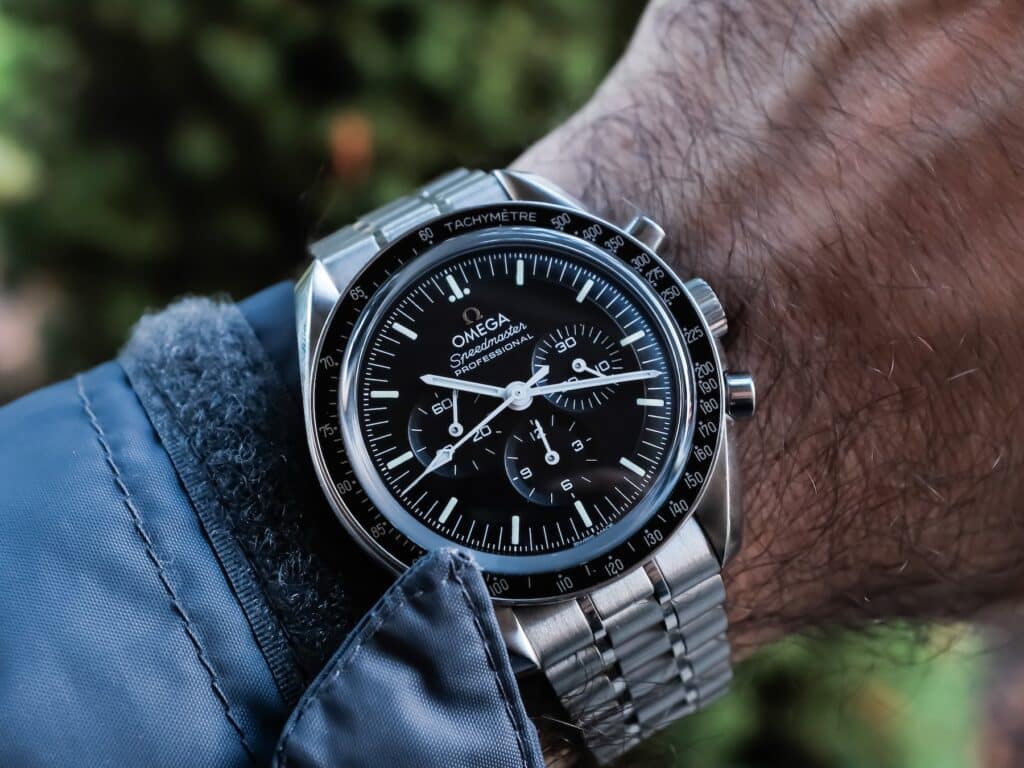
The Omega Speedmaster 3861 is the strongest mechanical counterargument here, with unmatched historical significance, because it does not ask us to ignore accuracy just because the watch is charming. In our hands-on review, the 3861 ran about 3 seconds fast per week, which is excellent for a hand-wound mechanical chronograph. But the bigger point is how that accuracy comes wrapped in interaction. Winding feels smoother and more reassuring than the older 1861, and the pushers have a firm, deliberate action that makes starting, stopping, and resetting the chronograph feel like part of the ownership experience rather than a feature you occasionally remember exists. That is the mechanical chronograph advantage when it works: the watch gives you precision, but also ceremony.
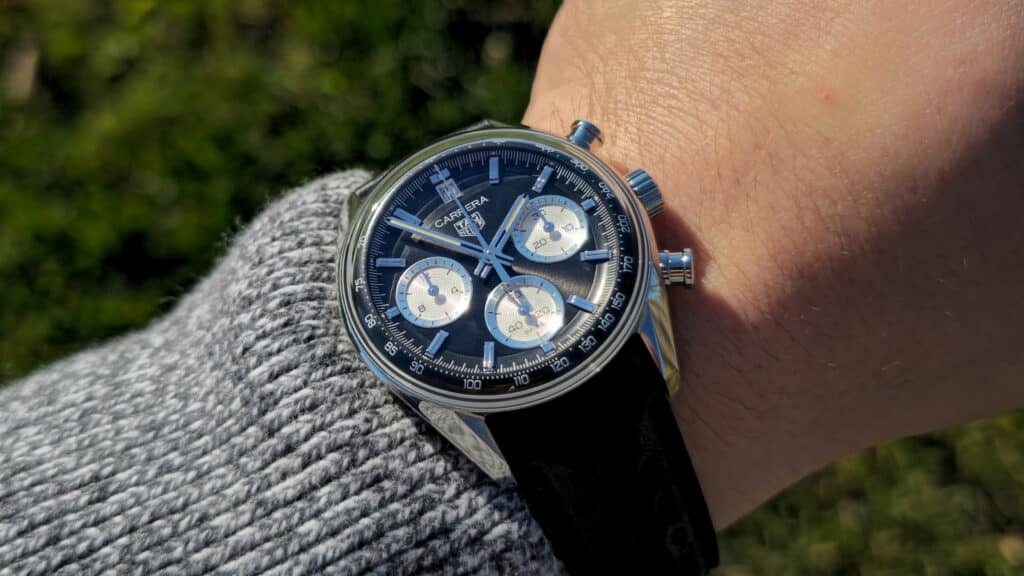
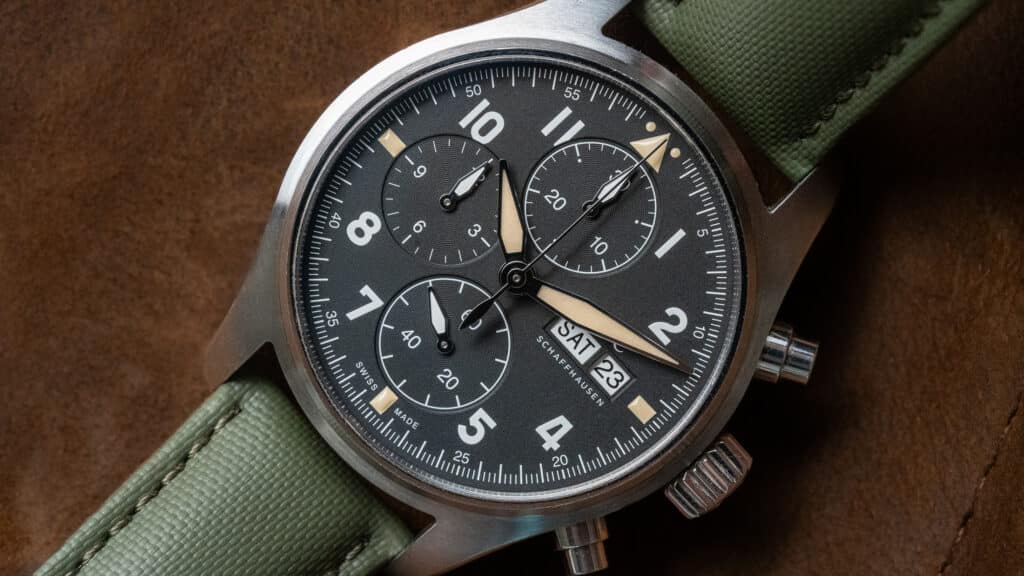
The other mechanical chronographs show why this category still pulls people in, even when quartz wins the convenience fight. The IWC Spitfire Chronograph’s Caliber 69380 ran spot-on within COSC spec in our experience, with a crisp chronograph break and decisive reset. However, its 46-hour power reserve feels more “fine” than generous by modern expectations. The Zodiac Sea-Chron Automatic uses a Sellita SW510B, a Valjoux-family design that delivers proven reliability and a useful 62-hour power reserve, but also helps explain some of the watch’s thickness. The TAG Heuer Carrera Glassbox we tested in-depth is more modern and premium, with its TH20-00 automatic chronograph movement, offering a column wheel, vertical clutch, bi-directional winding, and an 80-hour power reserve, plus a winding feel that came across as more positive and old-school than the grainier feel we associate with many Valjoux-style chronographs.
So, in terms of accuracy, reset precision, and movement reliability, the category difference is pretty clear.
- Quartz chronographs give most buyers better set-it-and-forget-it accuracy and cleaner reset behavior with fewer interruptions to ownership.
- Mechanical chronographs give you more tactile satisfaction, more ritual, and more emotional payoff, but they make the most sense when you actually want that involvement.
Durability, Maintenance, and the Cost of Keeping It Alive
Chronographs are already more complicated than simple three-handers, so durability is not only about whether the case can handle daily knocks. It is also about what happens after a few years of use, when seals age, pushers loosen, batteries die, or a mechanical service bill starts breathing heavily in the corner.
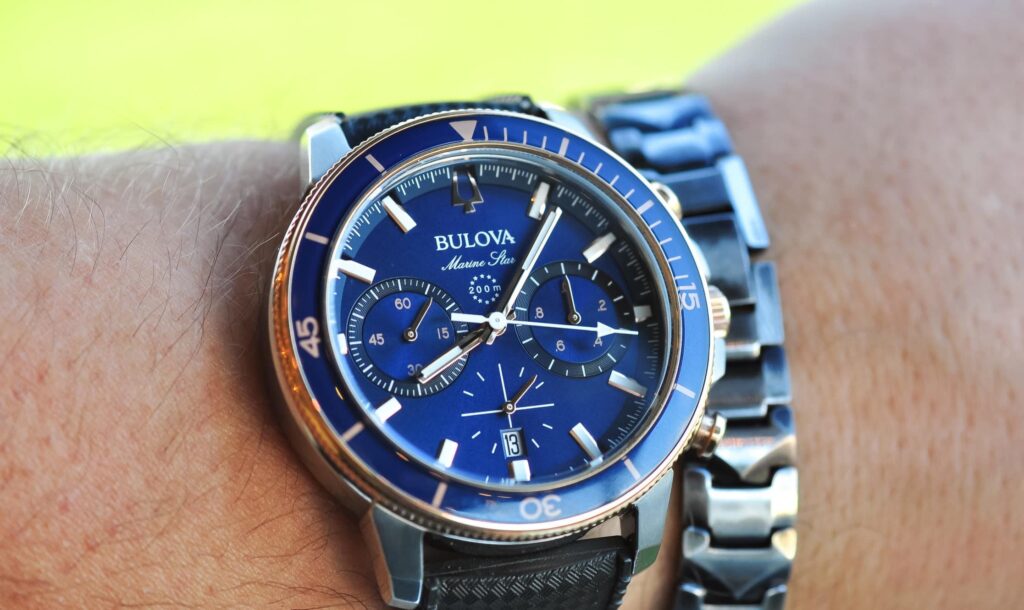
The Bulova Marine Star Chronograph shows the practical appeal of quartz, but also why quartz does not automatically mean flawless execution. It brings real sporty-use confidence with 200 meters of water resistance (plus, a screw-down crown), and a bezel that felt grippy and tighter than expected for the price. The quartz movement keeps maintenance simple. But the rough case brushing and tinny bracelet keep it grounded. It is durable in the ways that matter for casual wear and water use, but it still feels like an affordable watch with a few corners showing. The broader pattern holds across the other reviewed models as well. Quartz pieces like the Lunar Pilot, Vaer R1, and C63 Valour generally make durability feel easier to live with: solid cases, useful water resistance, sapphire crystals in the better examples, and lower maintenance stress.
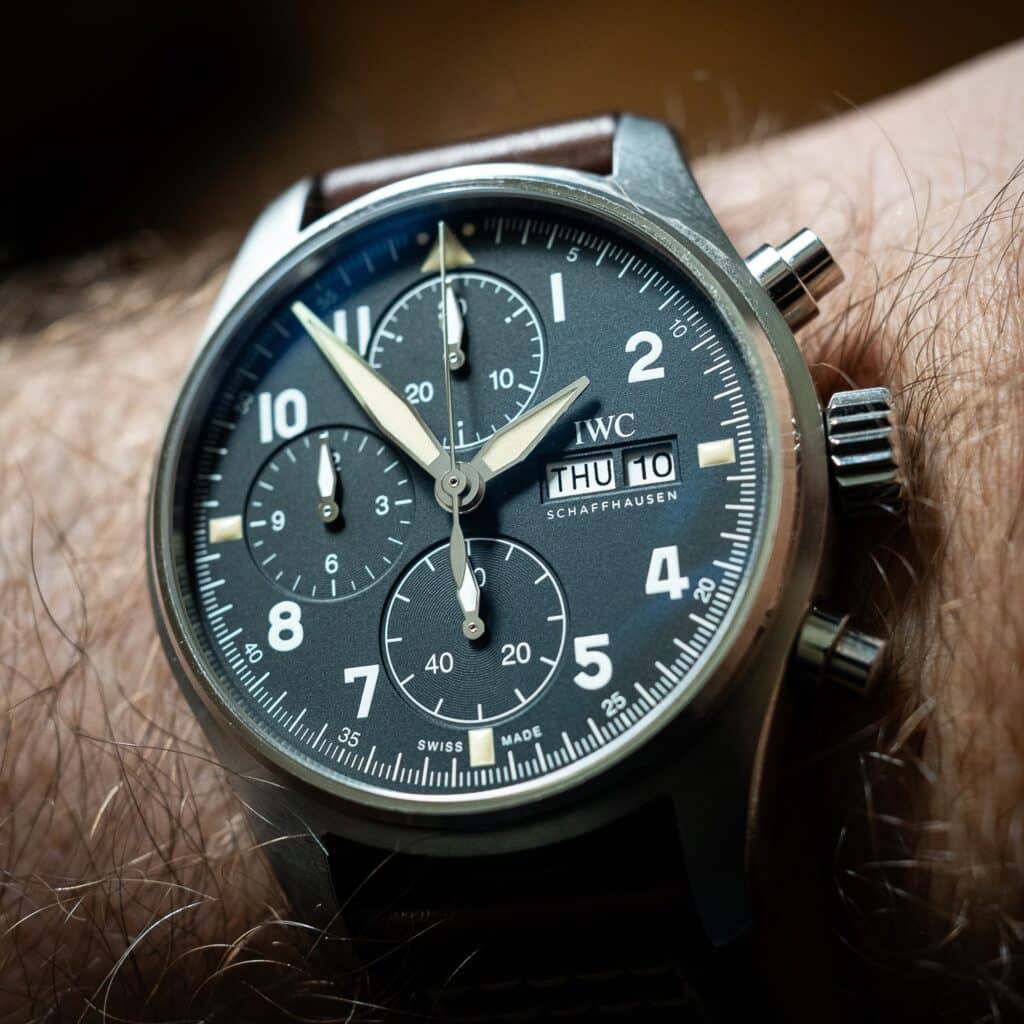
Mechanical options like the Speedmaster, Zodiac Sea-Chron, and TAG Heuer Carrera Glassbox can be plenty robust and more emotionally satisfying, but they also bring thicker cases, more complex movements, and service costs you should consider before the pusher feel wins you over. In short, they show that durability is very real on that side too, but upkeep remains the tax. For instance, the IWC Spitfire Chronograph’s case finishing, double-AR sapphire crystal, screw-down crown, and strap versatility make it feel like a premium pilot chronograph built for regular wear rather than safe storage. As described in our full review, the soft-iron enclosure also adds some magnetic protection, which matters more in modern life than we like to admit, given that we’re surrounded by laptops, speakers, bags, and whatever else is quietly bullying our watches.
But the Spitfire also shows the maintenance catch with mechanical chronographs. More moving parts mean more future upkeep, and a column-wheel automatic chronograph service will never be mistaken for a cheap battery swap. The OEM straps are excellent and long-lasting, and the watch works well on leather, textile, sailcloth, and NATO-style straps, though a 15mm-thick chronograph on a NATO can start to stack up like a sandwich made by someone with unresolved issues.
So in this part of the comparison, durability is not the clean divider. Both camps can be built well enough for real use. The bigger split is maintenance.
- Quartz chronographs reduce long-term hassle: fewer service worries, easier ownership, and less financial drama when something eventually needs attention.
- Mechanical chronographs bring more parts, more upkeep, and service costs that buyers should factor in before falling for the pusher feel.
Design & Wearability: Compact Practicality vs Enthusiast-Friendly Presence
Design and wearability are where the Mechanical Chronograph vs Quartz Chronograph comparison becomes less about movement loyalty and more about wrist time. A chronograph can be accurate, satisfying to operate, and packed with enthusiast appeal, but if the case feels awkward, the dial gets busy, or the strap fights you all day, it eventually becomes a watch you admire more than you wear.
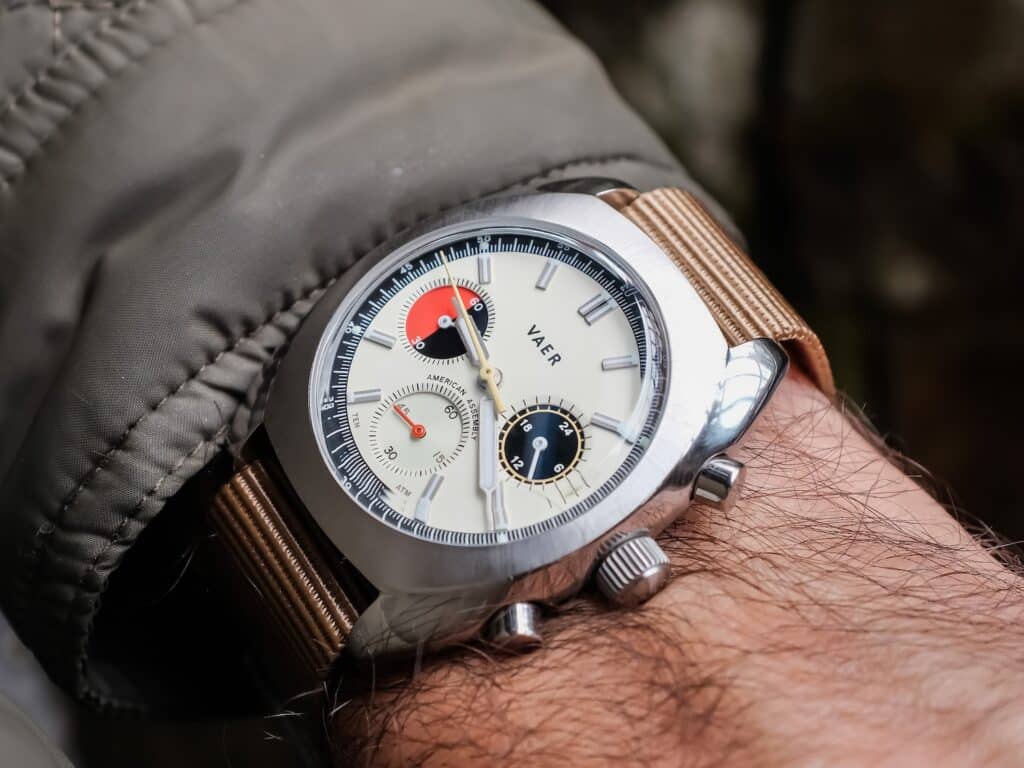
The Vaer R1 is the quartz chronograph that best shows how approachable this category can be when the proportions are handled well. At 38mm wide, 46mm lug-to-lug, and 12.6mm thick, it sits in that useful zone for people who want the vintage-racing-chrono vibe. During hands-on wear, the case felt flat, secure, and balanced, even on the included NATO strap, which usually adds height. The tropic-style rubber was less convincing, but the watch itself made a strong case for everyday practicality. This is the kind of affordable chronograph that works for buyers looking for the best chronograph watches under 500, because the design adds color, sub-dials, and personality without turning the whole thing into wrist furniture.
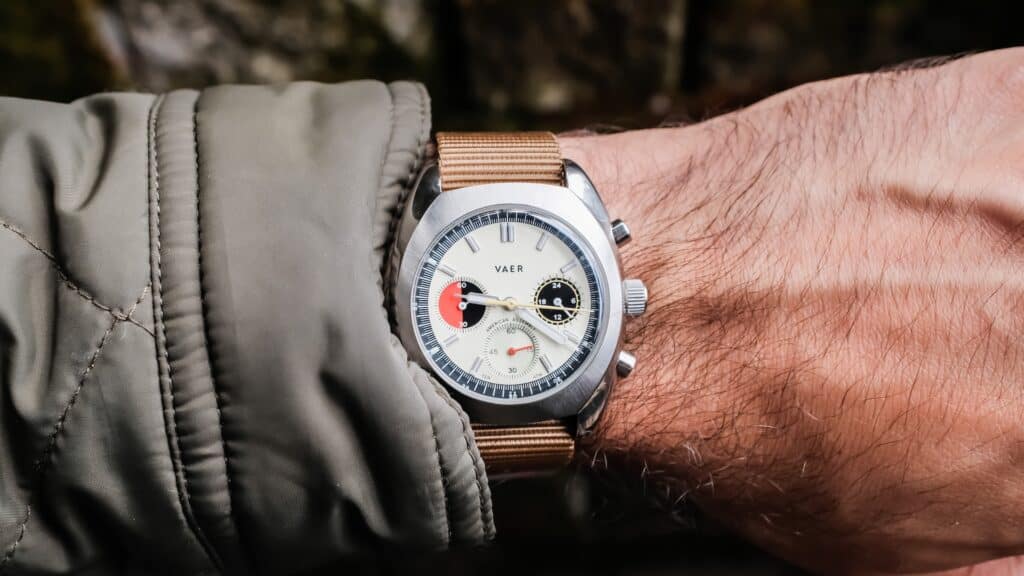
The R1 also avoids one of the common affordable chrono traps: feeling visually fun but physically cheap. The brushed top surfaces, polished sides, solid-feeling case, and non-hollow pusher action gave it more confidence than the price suggests. The cream dial, tri-compax layout, orange/yellow accents, and crystal distortion bring the vintage-racing energy, but legibility mostly holds up. The one gripe is that the polished edges of the main hands could get lost against the dial at some angles. Not fatal, but worth knowing if you’re buying this as a daily reader rather than a weekend costume change.
The Zodiac Sea-Chron Automatic is almost the opposite lesson. It is not trying to disappear. At 42mm wide, 51mm lug-to-lug, and 17mm thick, this is a chunky mechanical chronograph with vintage dive-chrono energy and no real interest in subtlety. On a 7.25–7.5-inch wrist, it was wearable during testing, but only barely from a lug-length standpoint. That sounds scary, and for smaller wrists, it should be. But the watch uses that size to create a real sense of robust utility. The ceramic bezel, layered dial, blue lume, oversized crown, and plunger-style pushers all contribute to a watch that feels loaded with character rather than stretched for no reason.
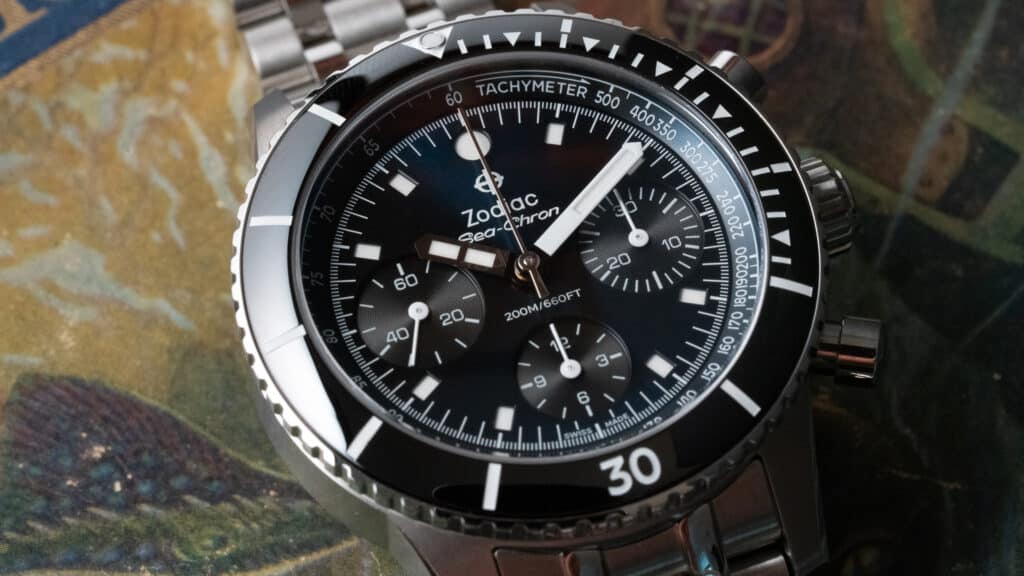
That said, the Sea-Chron’s personality comes with some practical annoyances. The dial has real depth thanks to the sandwich construction, but it also carries a lot of information, so it can look cluttered at a glance. The bracelet fits the retro vibe and drapes well once sized, but the pin-and-collar setup is a temporary headache, the butterfly clasp takes some getting used to, and the bracelet can pull hair if worn loose. This is exactly where mechanical chronographs can be both more memorable and less convenient. The Zodiac gives you a lot to enjoy, but it also asks for wrist size, patience, and tolerance for old-school quirks.
The broader pattern holds across the other reviewed pieces. Quartz models tend to be easier to live with when the case is controlled: the C63 Valour wears compact and balanced at 39mm, while the Lunar Pilot has great dial presence but a 45mm case and 52mm lug-to-lug that will not work for every wrist. The Marine Star is big too, and its bracelet drags down the experience despite the handsome two-tone design. On the mechanical side, the Speedmaster 3861 wears smaller and more planted than its 42mm spec suggests; the IWC Spitfire Chronograph makes its 41mm x 51.5mm footprint work better on larger wrists; and the Carrera Glassbox uses its 39mm case and dramatic ‘Glassbox’ crystal to feel more wearable than the thickness suggests.
- Quartz chronographs tend to win when you want easy wearability, cleaner proportions, and fewer physical compromises for the money.
- Mechanical chronographs tend to win when you want presence, depth, and a watch that feels more like an event on the wrist, assuming the size works for you.
Cost Considerations and Resale
Cost is where quartz chronographs make their least romantic, most useful argument in the Mechanical Chronograph vs Quartz Chronograph debate. The Vaer R1 comes in at $495, with 100 meters of water resistance, sapphire, a screw-down crown, and a meca-quartz movement that gives you a crisp pusher feel without the stress of mechanical upkeep. That is the kind of math that works for someone browsing affordable watches. The Bulova Marine Star is messier, but still useful here: it was listed at $460 and often found under $300, which makes resale less of a grand strategy and more of a shrug. You buy it because it scratches the accessible, bold, sporty chronograph itch cheaply.
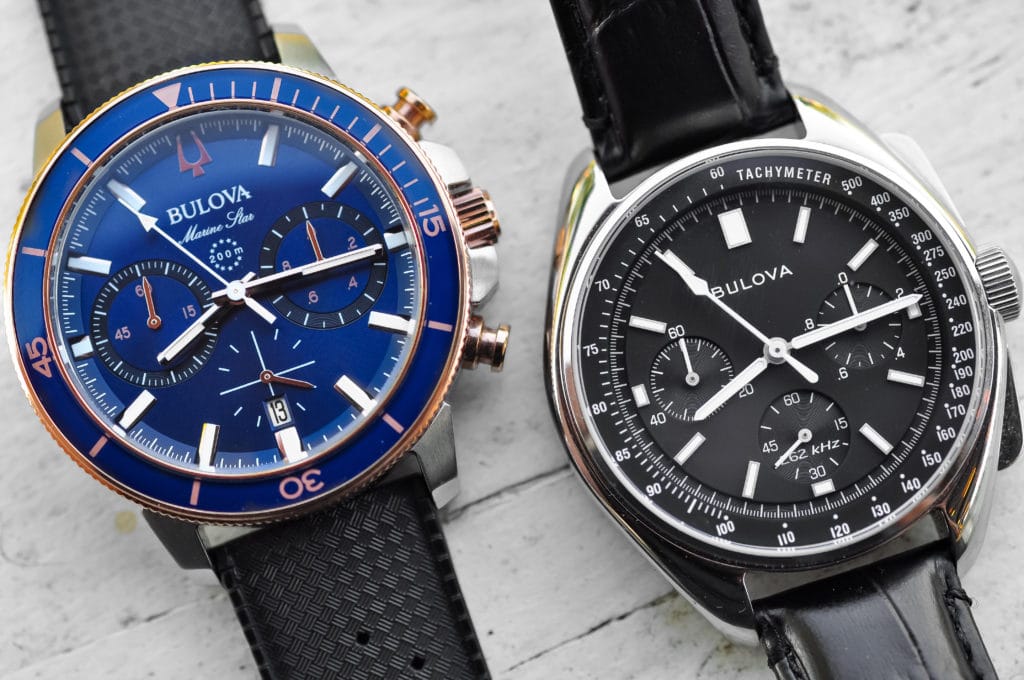
The stronger quartz value plays are the Lunar Pilot and C63 Valour. The Lunar Pilot was listed at $675 in our review, but often sold for hundreds less, which helps explain why it remains one of those “yeah, I sold it, but I might buy another” watches. The C63 Valour moves higher, reaching $945, but its price is informed by build quality, accuracy, movement, and design provenance rather than by empty branding. It also sparked exactly the kind of community split quartz chronographs always do: one reader called it overpriced. At the same time, another pointed out that quartz chronographs are often overlooked when reliable accuracy is the goal. That’s the quartz problem and advantage in one place. It may not win every enthusiast’s heart, but it often makes sense for clean ownership.
On the other hand, mechanical chronographs make the cost feel more emotional. The Zodiac Sea-Chron is an approachable case study, at least by Swiss automatic-chronograph standards. At $2,495, it offers a strong entry point into a mechanical chronograph with a distinctive personality, with sub-$2,000 pre-owned examples making the value argument more interesting (at the time of the review). Still, even there, the buying decision comes down to aesthetics, size, and whether the watch’s chunky vintage-dive personality fits the owner. That is the mechanical chronograph tax: you are paying for presence, the feel of movement, and the hope that the watch still makes you grin after the invoice stops stinging.
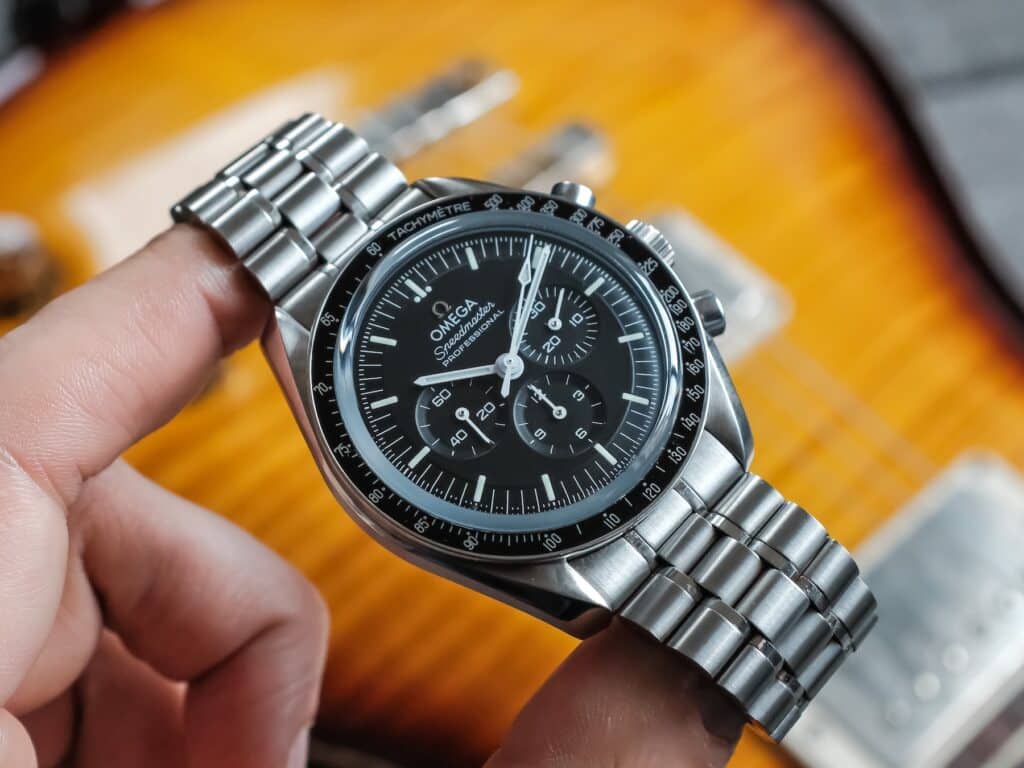
The premium mechanical models raise the stakes fast. The IWC Spitfire was listed at $7,400 on textile, though we found it far easier to justify at a significantly lower pre-owned price. The Speedmaster 3861 pushed even higher, with the reviewed sapphire version selling for $9,000 after debuting at $7,150, making the second-hand market feel almost necessary for sane buyers. The TAG Heuer Carrera Glassbox sits in the same reality at $6,450, and while its movement, case, and crystal are praiseworthy, the dial execution falls short of that price. This is where mechanical chronographs can be rewarding but unforgiving. At these numbers, small flaws stop being quirks and start becoming negotiation points with yourself.
- Quartz chronographs often do well in terms of cost efficiency. They cost less to buy, less to keep running, and make more sense when you want one of the best value watches without turning ownership into a financial subplot.
- Mechanical chronographs can feel more meaningful and collectible, but ask for a higher buy-in, more patience, and a stronger emotional reason to stay in the box long-term.
Final Thoughts: Which One Is the Smarter Buy for Most Buyers?
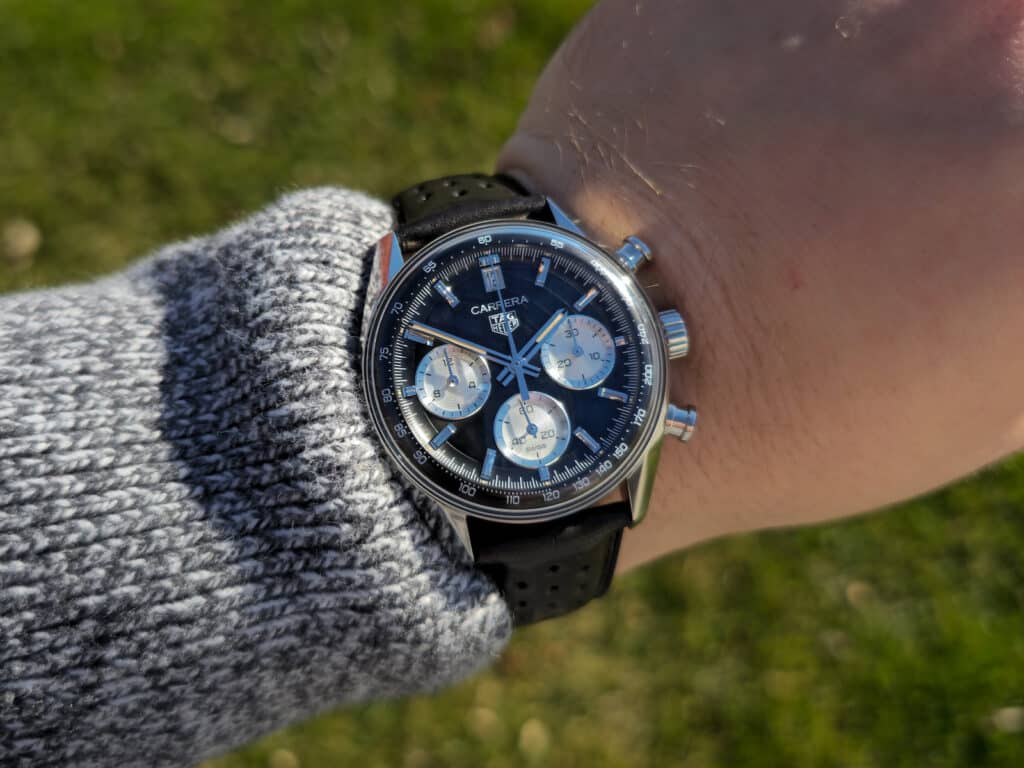
Mechanical chronographs still have a grip on us, and pretending otherwise would be nonsense. A Speedmaster, Spitfire, Sea-Chron, or Carrera Glassbox gives you something quartz can’t fully fake: that feeling of operating a tiny, overcomplicated machine built around touch, sound, resistance, and ritual. The start, stop, and reset matter. The winding matters. The fact that the watch feels more alive than convenient is the whole point. If you enjoy that interaction and are comfortable with the cost of servicing and mechanical ownership, it can be deeply satisfying.
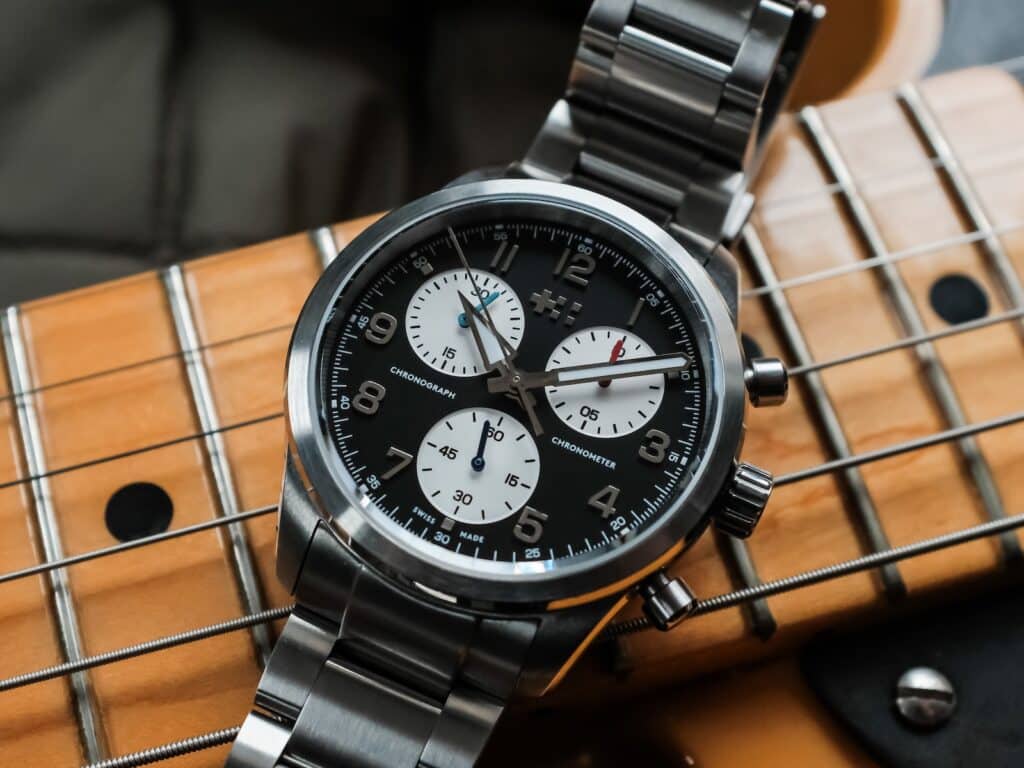
But that is not how most chronographs get used. Most buyers are timing coffee, a parking meter, the grill, a flight connection, a kid’s soccer drill, or absolutely nothing at all because the sub-dials mostly look cool. In that world, a quartz chronograph makes more sense. It stays accurate, resets cleanly, costs less to maintain, and does not punish you for leaving it in a drawer for a week. Watches like the Lunar Pilot, Vaer R1, C63 Valour, and even the Marine Star prove that quartz chronographs can still have presence, character, and satisfying pusher feel without turning ownership into a long-term service commitment.
So, which one is smarter for most buyers? A quartz chronograph. Not because mechanical chronographs are overrated, and not because quartz is somehow cooler by trying less. Quartz is smarter because it matches the way most people actually wear and use chronographs: casually, inconsistently, and with very little patience for expensive maintenance surprises.
Buy a mechanical chronograph only if you know you want the experience as much as the function. If the ritual, movement architecture, pusher feel, and emotional pull are the reasons you’re buying, then the extra cost makes sense. But if you want one of the best-value watches for everyday use, easy ownership, and fewer headaches, quartz chronographs are the better (and easier) pick.

Co-Founder and Senior Editor
Kaz has been collecting watches since 2015, but he’s been fascinated by product design, the Collector’s psychology, and brand marketing his whole life. While sharing the same strong fondness for all things horologically-affordable as Mike (his TBWS partner in crime), Kaz’s collection niche is also focused on vintage Soviet watches as well as watches that feature a unique, but well-designed quirk or visual hook.
Great article Kaz! I’m a bit of a chronograph fan so my solution was both options. I’ve got a Tissot PRS 516 Carbon Black Quartz which is reliable and a great grab and go option. The Lorier Olympia is my choice for the vintage look and mechanical feel.
Hey David. Why choose when you can have both? The Lorier Olympia is a great pick for the vintage mechanical side of things. Sounds like a well-balanced chrono rotation. Thanks for reading.
The one reason against quartz is. If that mechanical chronograph will give you signs when it’s time to service. Quartz won’t. And if you can’t be bothered to service, you can “arguably” still wear it once a couple months for a while. Or leave it in a drawer for a decade. However if you’ll leave quartz in a drawer for a decade… Well good luck dealing with leaky battery. Also assuming wear couple times a month, manual kinda makes sense from service perspective. You can “arguably” double manual service recommended time. You know, modern oils and 3 year service? Really??
The long-term maintenance math isn’t as straightforward as people assume. Thanks for adding that perspective, Martins.