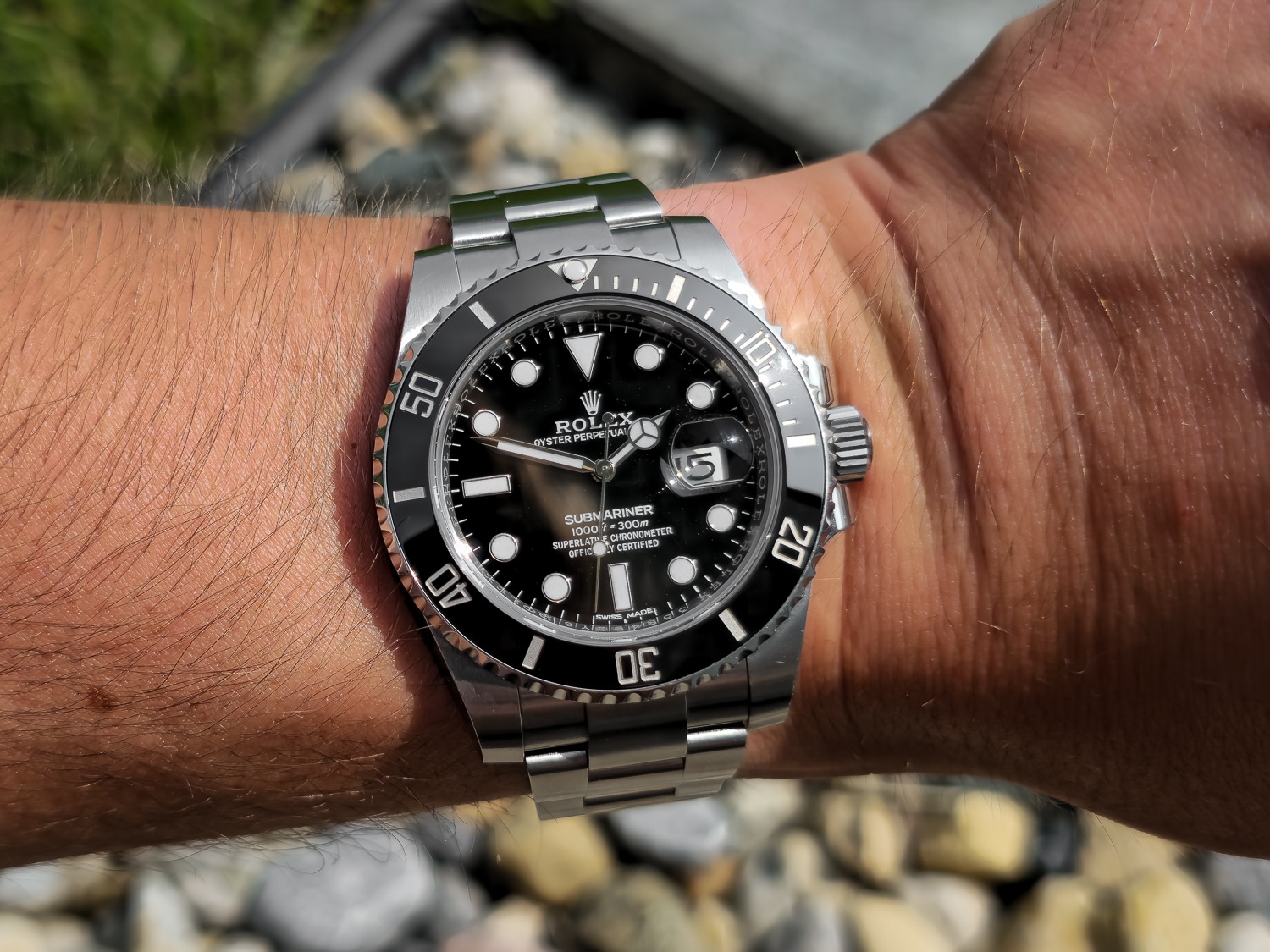
The first few weeks with a new watch can make almost anything feel like a keeper. The harder test comes later, when the novelty has worn off, newer watches have started competing for wrist time, and you reach into the box without thinking about which piece should get attention. We’ve found that some watches keep winning that little competition for reasons a first review can’t always capture. They become the watch we take traveling, the one we don’t mind putting some honest wear on, the one that fits without demanding attention, or, sometimes, the one we’ve sold and somehow ended up buying again. That’s the real question behind this list: once the excitement fades, which watches still feel useful, emotionally sticky, comfortable, or simply too good to leave behind?
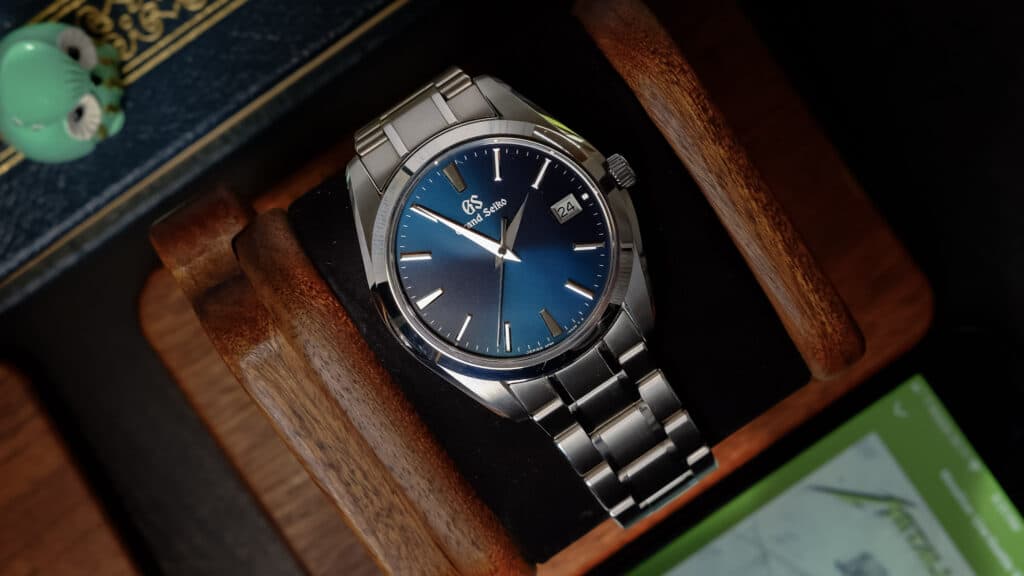
More than a decade of reviewing and wearing watches at TBWS has given us plenty of chances to learn that lesson the long way. A watch can impress during a review and still disappear into the collection, while another can have obvious compromises and somehow become the one we keep reaching for years later. Long-term wear exposes those differences through scratches, travel, daily routines, comfort, little annoyances we either learn to live with or cannot stand, and the memories that slowly become attached to a particular watch. We’ve seen that play out across everything from affordable daily wearers to expensive, sentimental pieces and watches that survived multiple collection clear-outs. So this isn’t another list of watches that reviewed well. These are the ones that stayed relevant after the review was over.
Casio Duro
| Price: | $85 (Check current price) |
| Water Resistance: | 200m |
| Case Dimensions: | 44.2mm (diameter) x 48.5mm (lug-to-lug) x 12.1mm (thickness) |
| Lug Width: | 22mm |
| Movement: | Casio 2784 Quartz |
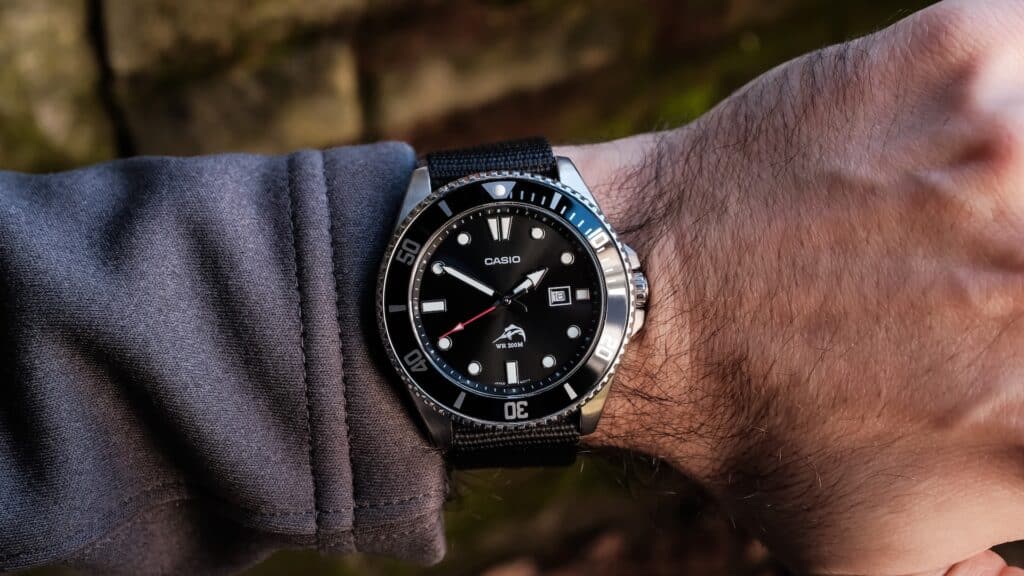
The Casio Duro is the sort of watch that can quietly become the one we grab when we have no interest in thinking about watches. That sounds like a backhanded compliment, but it’s exactly why it belongs on a list about what survived the review process. The 200m water resistance and screw-down crown make it perfectly happy around water, and the conventional dive-watch shape keeps it from looking like we’re about to defuse a bomb in the parking lot. Throughout our hands-on time, the bezel also proved more satisfying than its price indicates, with controlled, positive clicks instead of the loose, vague action that can turn an inexpensive diver into a tiny fidget spinner.
Its appeal becomes clearer once the novelty disappears. The quartz movement stayed around ±20 seconds per month in our extended use, and hacking plus the quick-set date meant there was no ritual involved when we picked it up after some time in the box. The dial features large applied markers, reflective arrow-shaped hands, restrained text, and a neatly framed date that stayed easy to read in bright sunlight and around the water. There’s enough case finishing, too: brushed surfaces, polished sides, and subtle beveling keep the 44mm case from looking like one uninterrupted chunk of metal. The 22mm lugs also make it easy to switch between rubber, nylon, and bracelet options, which gives a watch this large some welcome versatility.
Of course, the Duro does eventually remind us that 44mm is still 44mm. The 48.5mm lug-to-lug and curved-down lugs help it sit more sensibly than the diameter suggests, but smaller wrists won’t win that argument through optimism alone. The flat mineral crystal is also more scratch-prone than sapphire, and the lume starts brightly before fading sooner than we’d prefer.
None of that stopped it from earning repeat wrist time, though. The Duro stayed because it combines real water resistance, easy-to-live-with quartz reliability, readable design, useful strap flexibility, and enough visual restraint to work as an everyday watch. Some watches keep getting worn because they’re special. This one keeps getting worn because it makes being a watch almost suspiciously easy.
Pros
- The combination of a screw-down crown and 200m water resistance makes it a low-stress watch for swimming, travel, and everyday wet-weather use.
- The bezel has a firm, controlled click with none of the mushy play we often associate with inexpensive divers.
- The dial’s large markers, reflective arrow hands, and tidy date window stay easy to read in bright conditions and around water.
- Brushed casework, polished sides, and restrained beveling give the case more visual shape than the dimensions initially suggest.
- Its 22mm lugs make strap swapping painless.
Cons
- The 44mm case is still a lot of real estate, especially on smaller wrists.
- The lume comes on strong but doesn’t maintain that brightness for long.
- The mineral crystal will pick up scratches more readily than a sapphire crystal.
Orient Bambino
| Price: | $150 – $250 (Check current price) |
| Water Resistance: | 30m – 50m |
| Case Dimensions: | 40.5mm diameter x 44.3mm lug-to-lug x 11.8mm thickness |
| Lug Width: | 21mm |
| Movement: | Orient Caliber F6724 Automatic |
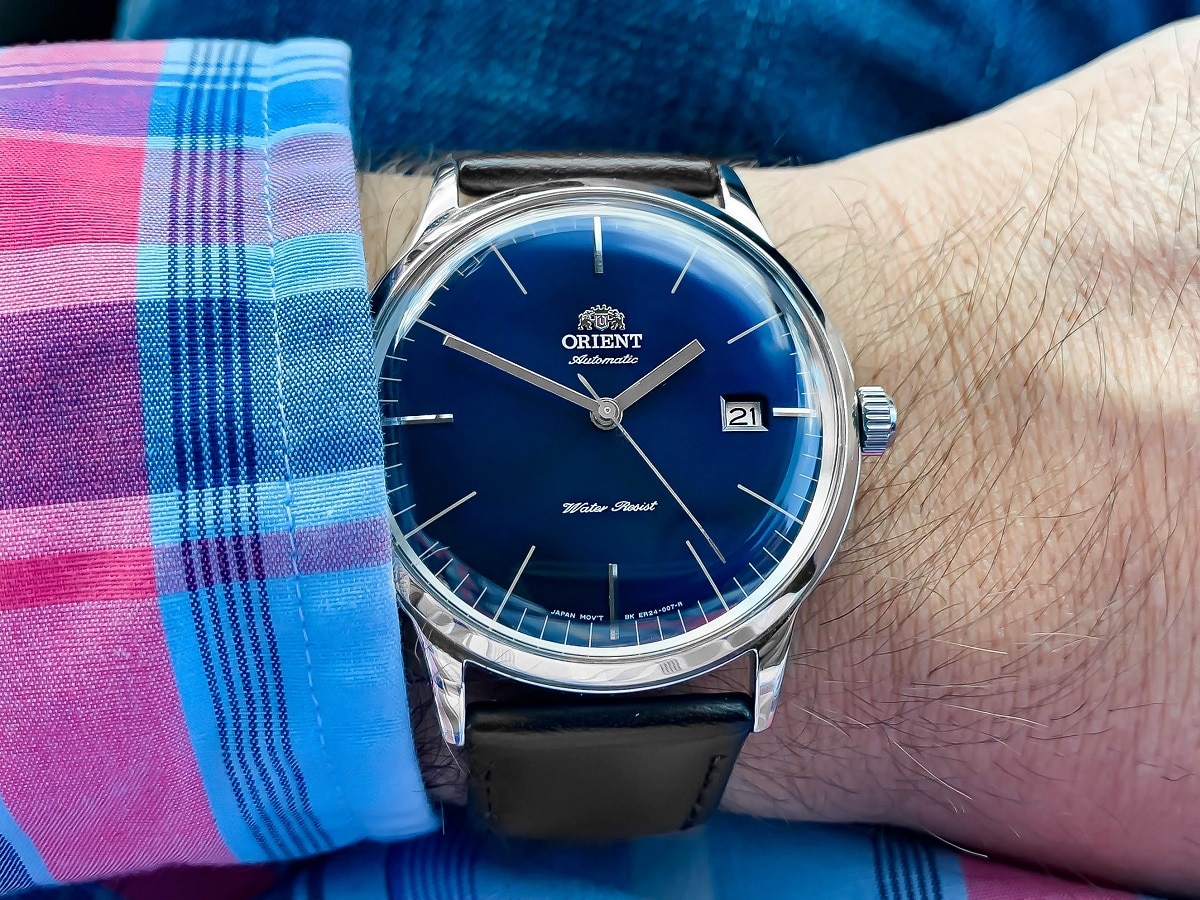
The Bambino had every opportunity to become the watch we only remembered on wedding days. Instead, it kept sneaking into ordinary days. A polo shirt, a dinner out, a day at the office—it handled all of them without making us feel like we’d dressed around the watch. That mattered more after the review was over, because the initial novelty of owning an affordable mechanical dress watch eventually wears off. What remains is whether we can find enough reasons to wear it, and the Bambino gives us plenty.
Part of that comes down to how easily it settles onto the wrist. The 40.5mm case looks a little large on paper for a dress-oriented watch, but the short lug-to-lug and downward-sloping lugs keep it from feeling cumbersome. The relatively slim profile slides under a shirt cuff without much fuss. The dial is another reason it kept getting picked. There’s genuine depth and richness here for the money, and the slightly sharper design avoids leaning too hard into vintage cosplay.
As covered in our dedicated review, the in-house F6724 automatic brings hacking and hand-winding to the experience, adding the mechanical interaction that makes an inexpensive automatic more engaging to own. It also brings a few reminders of the price: the small crown is awkward to wind, the rotor is louder than we’d like, and the sub-30-hour power reserve means a few days off the wrist can leave us resetting it before the next outing.
Long-term wear also makes the compromises harder to ignore. The domed mineral crystal catches noticeable glare, and the polished hands and markers can disappear into the dial when the lighting turns against them. Moreover, with no lume, this isn’t a watch we rely on once the room gets dark. The stock leather strap feels appropriately affordable, too. But those shortcomings never pushed the Bambino out of the rotation because its basic proposition held up: comfortable proportions, an engaging mechanical movement, and enough flexibility to work with both casual and smarter clothes. It ended up being less of a “dress watch” we had to make excuses to wear and more of an easy option for days when we wanted something a little cleaner.
Pros
- The short lug-to-lug and downward-sloping lugs make the 40.5mm case wear more comfortably than its diameter.
- The dial has impressive depth and refinement for an affordable mechanical watch.
- Hacking and hand-winding give the F6724 movement a more engaging ownership experience.
Cons
- The domed mineral crystal produces noticeable glare, while the polished hands and markers can blend into the dial in certain lighting.
- No lume means low-light and nighttime legibility are limited.
- With a power reserve below 30 hours, the watch needs resetting fairly quickly after sitting unworn.
- The small crown is fiddly to wind, and the rotor is louder than we’d prefer.
G-Shock Mudmaster GG-1000-1A5
| Price: | $290 – $385 (Check current price) |
| Water Resistance: | 200m |
| Case Dimensions: | 56.2mm (diameter) x 55.3mm (lug-to-lug) x 17.3mm (thickness) |
| Lug Width: | 24mm |
| Movement: | Quartz Module 5476 |
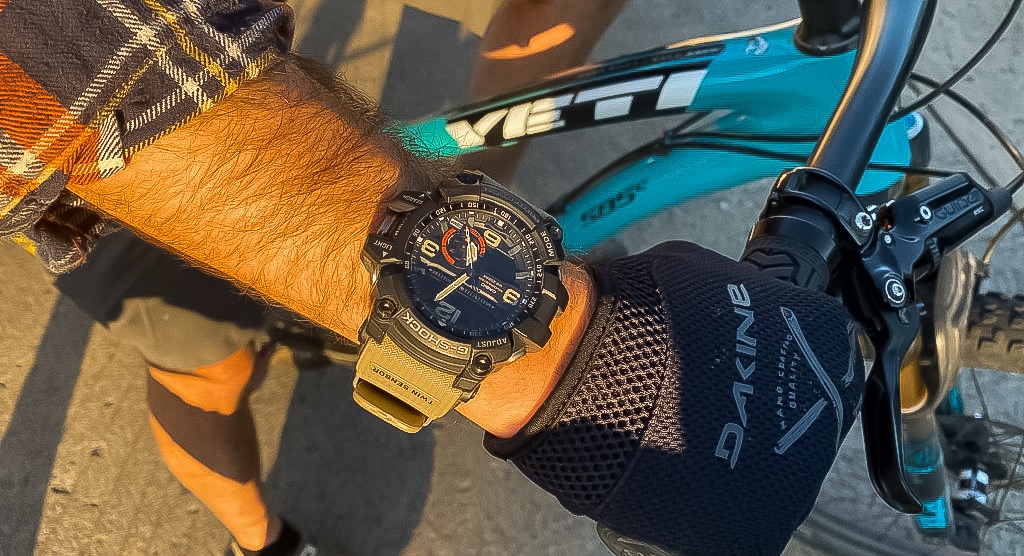
The Mudmaster is the watch we kept wearing when the day had very little interest in being watch-friendly. Desk work, rain, dirt, outdoor jobs, generally banging into things that expensive watches prefer to avoid—the GG-1000 never seemed to care. That’s probably why it lasted beyond the review. It doesn’t try to make ruggedness look elegant, and the dial has no interest in winning a minimalism contest. Instead, the oversized hands and chunky tool-watch layout make the important thing easy to find when we’re moving around. The presentation is busy, but on a watch this unapologetically built for rough use, that busyness starts to make sense.
Its biggest practical advantage is the analog display. The hands are large enough to read at a glance, but the negative LCD is much less cooperative. We found the digital display harder to read in bright outdoor light than we’d want from a watch this focused on field use. The LED backlight is functional, not very impressive, in the dark.
The case is another matter entirely. At 56.2mm wide and 17.3mm thick, it is enormous, and wrists under about seven inches will notice. The resin strap helps distribute that bulk during active use, and the oversized bezel adds useful protection around the case. Casio’s shock resistance and Mud Resist construction, with internal gaskets and a design intended to keep sand, dirt, and debris out, reinforce the feeling that this is equipment first and wristwear second.
The extra functions give that bulk a purpose, too. The compass and thermometer proved handy for rough checks in different conditions during our long-term use, even if neither should be mistaken for laboratory equipment. You also get a stopwatch, five alarms with snooze, and world time across 31 zones. Our version lacks Tough Solar, so battery changes every couple of years remain part of the bargain. Even so, the Mudmaster kept finding its way onto the wrist because it solved a problem rather than creating one: it could take abuse, remain useful outdoors, and still give us a readable analog time display when the rest of the watch was busy doing everything else. Our long-term Mudmaster review gets further into why that usefulness holds up over time.
Pros
- The resin strap makes the huge case more manageable during active wear than the dimensions suggest.
- The large analog hands stay easy to read at a glance, even with the crowded layout.
- The Mud Resist construction, shock resistance, and the protective oversized bezel give the case serious tolerance for dirt, debris, and abuse.
- The compass and thermometer add useful environmental information, while the stopwatch, five snooze-equipped alarms, and 31-zone world time broaden its everyday utility.
Cons
- At 56.2mm wide and 17.3mm thick, the case is an obvious challenge for smaller wrists.
- Without Tough Solar, periodic battery replacement is still part of owning the reviewed version.
- The negative LCD is harder to read than we’d like in bright outdoor conditions, and the LED backlight is only adequate at night.
Seiko SKX007

| Price: | $350 – $650+ (based on condition) |
| Water Resistance: | 200m |
| Case Dimensions: | 42.5mm (diameter) x 46mm (lug-to-lug) x 13.25mm (thickness) |
| Lug Width: | 22mm |
| Movement: | 7S26 |
We’ve lost the argument with the SKX007 more than once. We’ve sold it, convinced ourselves the collection had moved on, and eventually started looking for another. After enough newer Seiko divers have passed through our hands with newer movements, sharper finishing, and longer feature lists, that reaction starts to look less like nostalgia and more like a sign that the old formula still works. The SKX007 doesn’t need to win us over during a review. It’s a watch that keeps making a case for itself afterward, usually by being the one already on the wrist.
That starts with proportions that are forgiving across different wrists. It feels at home on the stock bracelet, even if that bracelet now looks decidedly old-school beside newer Seiko offerings, and it settles just as naturally onto a worn NATO. The dial follows the same no-nonsense approach: oversized markers, broad hands, and very little text let us read the time immediately, whether we’re outside in strong daylight, driving home after dark, or checking it while half asleep. Lumibrite is a big part of that usefulness. It charges quickly and stays legible long after plenty of similarly priced watches have already gone dark.
Underneath, the 7S26 is hardly a showcase of modern convenience. There’s no hacking or hand-winding, but its dependable nature, straightforward servicing, and inexpensive upkeep make those omissions easier to live with once it’s actually being worn.
That is probably the key to why the SKX007 kept surviving collection edits. The bracelet is easy enough to replace, and the movement’s missing features are easy enough to criticize. Still, neither gets in the way of the watch doing what we kept asking it to do: disappear into daily life and be ready when we needed it. Few Seiko divers make that feel so effortless, and even fewer have talked us into buying the same one twice. We get deeper into that slightly irrational relationship in our hands-on review.
Pros
- Broad, practical proportions make the SKX007 comfortable across a wide range of wrists.
- The dial uses oversized markers, broad hands, and restrained text for instant readability.
- Lumibrite charges quickly and remains useful well into the night.
- The 7S26 has a long-running reputation for dependable service and inexpensive maintenance.
Cons
- The 7S26 movement lacks both hacking and hand-winding.
- The stock bracelet now feels noticeably dated beside newer Seiko alternatives.
Seiko Orange Monster SRP309
| Price: | $600 – $900 (secondary market) |
| Water Resistance: | 200m |
| Case Dimensions: | 42.5mm (diameter) x 47.5mm (lug-to-lug) x 12.5mm (thickness) |
| Lug Width: | 20mm |
| Movement: | Seiko 4R36 |
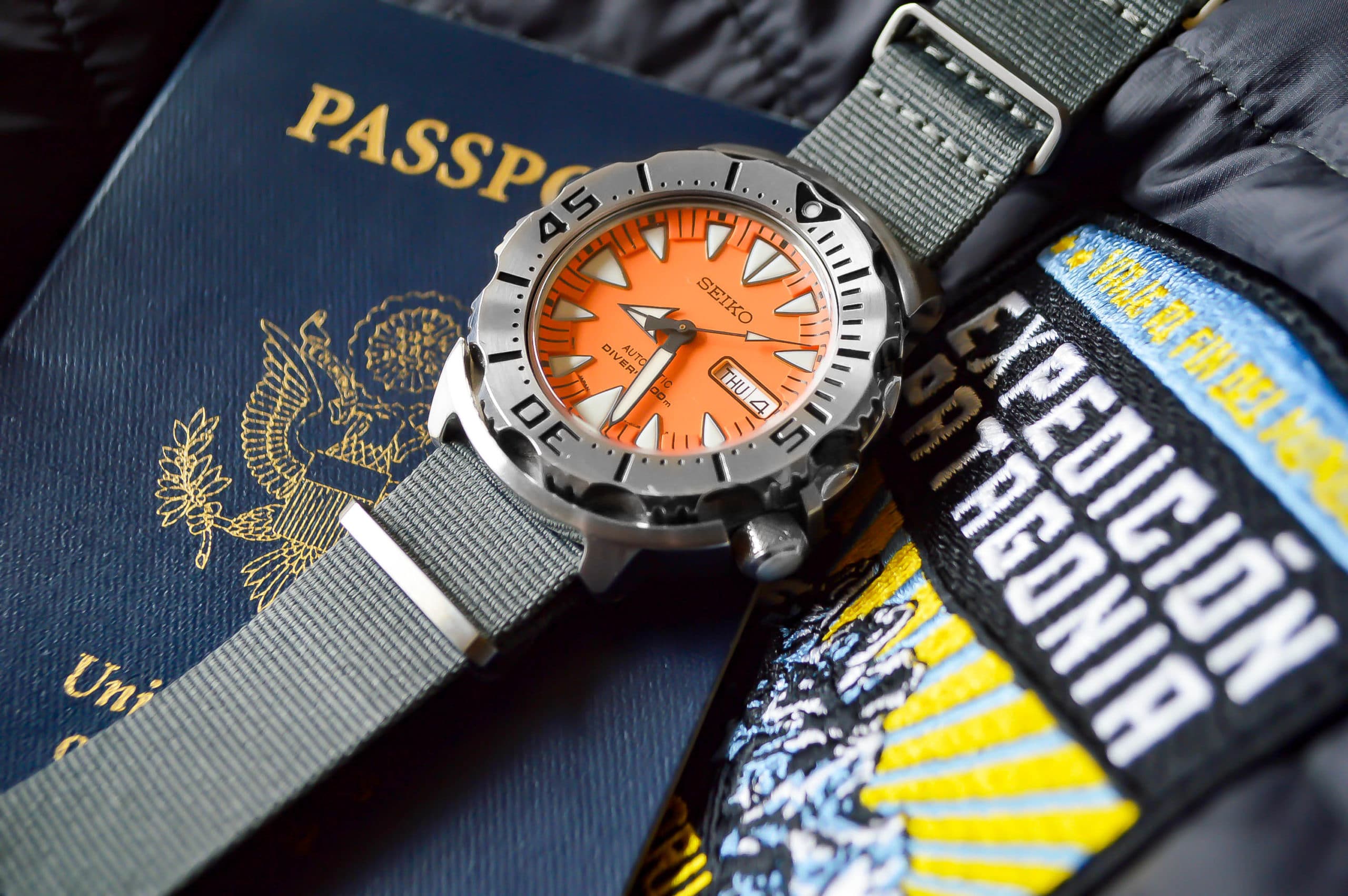
The Seiko Orange Monster stopped being a review sample pretty quickly and became the watch that got dragged into whatever was happening that week. We wore the SRP309 for roughly a year, through work, travel, door-jamb collisions, and a trip to Cuba where it went from the hotel pool to being passed around a bar. We hesitated before that trip because of the usual advice about not wearing an “expensive” watch abroad, but a roughly $200 Seiko (at the time) didn’t quite qualify for that level of anxiety. More importantly, we wanted to see whether the Monster’s reputation for taking abuse was deserved. It was. After plenty of knocks, the watch came out with remarkably little damage, which made it much easier to keep wearing rather than treating it like something that needed a protective bubble.
The pool in Cuba also turned the Monster into a bit of a milestone. It was the first watch we ever took swimming, and the 200m water resistance made the decision pretty painless. The orange dial looked almost absurdly good against the blue water and tropical sunlight, which is probably where the watch stopped being merely practical and started becoming a favorite.
The factory bracelet picked up a few scratches, so we eventually swapped it for a classic Seiko rubber Z-strap. That was also the first strap change we had ever made, and the rubber setup felt exactly right for a trip built around heat, water, and questionable decisions. The tan line was less convincing, but the watch kept ticking through it all.
The other giveaway came at a bar, when the usual pass-the-watches-around routine turned our supposedly modest Japanese diver into the subject of a small interrogation. What we expected to be polite interest in such a watch turned into questions, phone cameras, and people wanting another look. That kind of reaction isn’t why the Orange Monster stayed in the rotation, but it says something about the mix of distinctive design and genuine wearability. After the review, it still had a reason to be on the wrist. Our full review gets into the longer story.
Pros
- 200m water resistance makes swimming and travel genuinely low-stress.
- The tough case and bracelet handle knocks with little damage.
- The orange dial has huge visual presence, especially in bright outdoor light.
- The rubber Z-strap suits hot, wet, active use.
- The distinctive design gets noticed without requiring luxury-brand recognition.
Cons
- The bright orange dial is far from a subtle everyday choice.
- Bracelet scratches become visible with regular hard use.
Halios Seaforth IV Titanium
| Price: | $970 (Check current price) |
| Water Resistance: | 200m |
| Case Dimensions: | 41mm (diameter) x 46.5mm (lug-to-lug) x 12.4mm (thickness) |
| Lug Width: | 20mm |
| Movement: | Sellita SW200-1 |
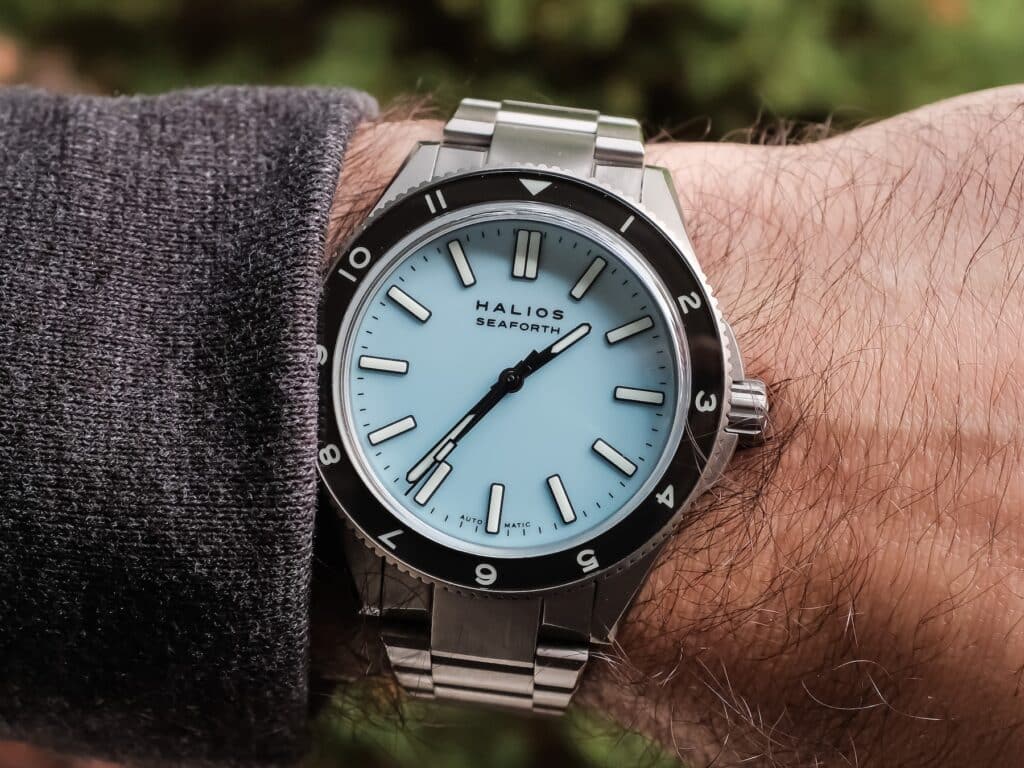
The Seaforth IV Titanium has a slight advantage when the competition for wrist time gets serious: the moment we put it on, we barely notice it’s there. That sounds less exciting than a dramatic bezel or exotic movement, but after a full day of wearing watches, lightweight starts to feel like a feature worth fighting for. The titanium case is very light in hand, and its taper makes the watch feel slimmer than its measurements suggest. That lightness doesn’t come at the expense of personality, either. The clean brushing, polished lug chamfers, and double-domed sapphire keep it from looking like incomplete gray machinery. At the same time, the screw-down crown, screw-down caseback, and 20 ATM water resistance give it enough substance to function as a proper sports diver.
The longer we wore it, the more those small usability decisions did the heavy lifting. The titanium bracelet stays comfortable all day; its screw links make sizing painless, and the stainless steel clasp adds just enough weight to keep the setup balanced. The tool-free micro-adjust became particularly handy when summer wrists expanded, saving us from the usual bracelet-adjustment nonsense. The 120-click bezel has a smooth, positive feel with enough grip to use easily, and the 12-hour scale quietly doubles as a second-time-zone reference without adding another hand or complicating the dial layout.
Inside, the Sellita SW200-1 keeps things equally sensible, with easy setting, predictable operation, and around 40 hours of power reserve. Even the blue dial rewards repeat wear, shifting with the light rather than sitting there like a flat painted surface. Raised ceramic markers add definition, and Super-LumiNova C3 X1 on the hands, markers, and bezel fades evenly in the dark. The no-date layout is another small win when the watch has been sitting in the box, and we want to put it straight back on without resetting half our lives.
The catch is that titanium keeps a permanent record of the relationship. Scratches show up on the case and bracelet through normal wear, and getting another Seaforth can be harder than convincing ourselves we need one. Still, that combination of featherweight comfort, useful adjustment, satisfying bezel action, restrained dial, and thoughtful finishing made it difficult to leave alone once the review was finished. It doesn’t need to be the loudest watch in the collection to keep getting worn; it only needs to be the one that feels easiest to live with. That became clear during our detailed review, but the years-on-the-wrist version of the story is even more convincing.
Pros
- The blue dial changes with the light, and ceramic markers add definition.
- Tapered case and double-domed sapphire make the watch wear slimmer.
- Brushed finishing and polished chamfers keep the titanium case from looking flat.
- The 120-click bezel and 12-hour scale add useful function without visual clutter.
- Tool-free micro-adjust makes the titanium bracelet easy to fine-tune.
Cons
- The titanium case and bracelet pick up scratches easily.
- Limited availability makes finding one unnecessarily frustrating.
Serica 5303-2
| Price: | $1,720 – $1,950 (Check current price) |
| Water Resistance: | 300m |
| Case Dimensions: | 39mm (diameter) x 46mm (lug-to-lug) x 12.2mm (thickness) |
| Lug Width: | 20mm |
| Movement: | Soprod Newton (current model has Soprod M100) |
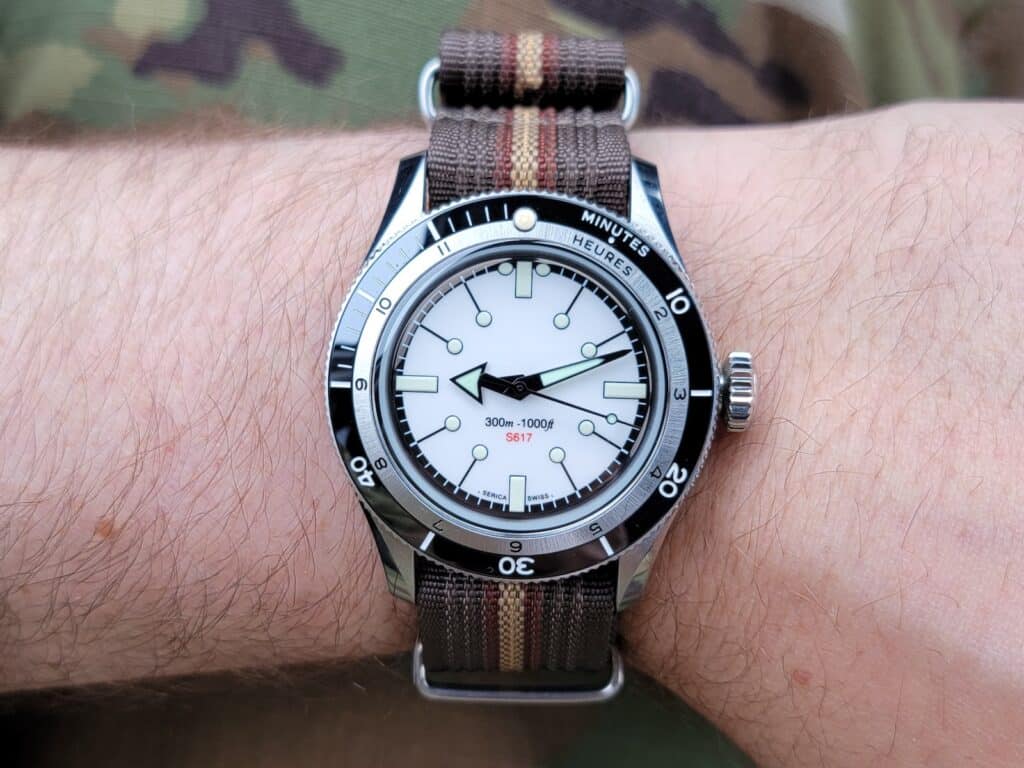
The Serica 5303-2 is the watch we kept putting on when the collection already had perfectly competent divers, and we wanted something with a little more going on. The metallic silver dial is the immediate giveaway. In some light it looks almost matte white, and the geometric markers and sparse branding give it a crispness that feels very different from the usual black-and-blue rotation. It doesn’t look like Serica was trying to make another safe choice. The 39mm case, 46mm lug-to-lug, and 12.2mm thickness also give it a nicely contained presence, while the oversized 8mm crown is easy to get hold of without turning crown operation into a fingernail exercise.
The bezel took longer to appreciate. At first, the black ceramic outer scale and steel 12-hour inner scale look like they’re asking us to learn a new piece of watch homework. Once we got used to it, though, the arrangement became one reason we kept wearing the watch: elapsed-time tracking on the outside and a second-time-zone reference inside, all without adding another hand to an already distinctive dial. The 120-click action is crisp with no annoying play, and the strong lume means the unusual layout stays useful after dark.
The integrated mesh bracelet is less convincing. It suits the case beautifully, but the clasp can feel sharp; there’s no safety catch, and some of the finishing looks a little less considered than what Serica managed on the case and dial. Fortunately, the standard 20mm lugs mean we can escape to a strap whenever the bracelet starts getting on our nerves.
There’s also a useful bit of evolution here. Our example used the earlier Soprod Newton, which occasionally gave us minor crown-engagement and hacking quirks but remained dependable in ordinary use. Newer versions moved to the revised Soprod M100, addressing those issues without sanding away the watch’s character. That makes the 5303-2 easier to appreciate as a long-term proposition: it has quirks, but the manufacturer has worked on the ones that mattered. We kept coming back because the watch felt deliberately chosen rather than interchangeable with whatever other diver happened to be available. Our long-term review of the Serica 5303-2 covers those details in greater depth.
Pros
- 120-click bezel adds timing and second-time-zone utility without another hand.
- The metallic silver dial and geometric markers give it a distinct visual character.
- 39mm case and 8mm crown balance compact wear with easy handling.
- Strong lume keeps the unusual display readable at night.
- Standard 20mm lugs make the mesh bracelet easy to remove.
Cons
- The mesh bracelet clasp can feel sharp and lacks a safety catch.
- Dual-scale bezel takes some practice to use intuitively.
- Bracelet finishing falls short of the case and dial.
Grand Seiko SBGV233 Quartz
| Price: | $1,900 – $2,900 (secondary market) |
| Water Resistance: | 100m |
| Case Dimensions: | 40mm (diameter) x 46mm (lug-to-lug) x 10mm (thickness) |
| Lug Width: | 20mm |
| Movement: | Seiko 9F82 quartz |
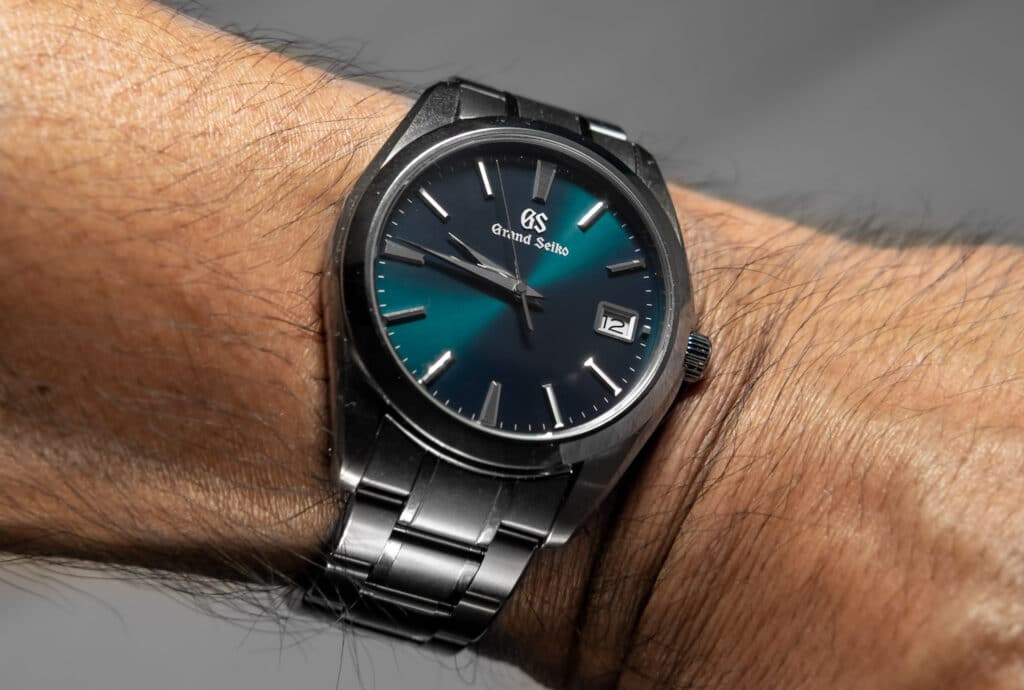
The Grand Seiko SBGV233 became harder to leave at home precisely because it asked so little of us. There was no ritual before putting it on and no small panic about whether it had gained time while sitting in the box. We could ignore it for several days, pick it up on Monday, and carry on. The 9F82 quartz movement is rated to ±10 seconds per year and runs for roughly three years on a battery, so the usual mechanical-watch chores simply disappear from the equation. For anyone who enjoys winding and setting a watch, that may sound like we’ve removed half the fun. For the rest of us on a busy morning, it can feel more like getting those five minutes back.
As mentioned in our dedicated review, the funny thing is that the SBGV233 doesn’t wear its practicality like office equipment. The teal dial shifts between blue and green as the light moves across it, and the sharp dauphine hands and applied markers give us plenty of detail to enjoy without making the display fussy. The sapphire crystal keeps everything crisp, although we did run into some glare during longer wear.
There’s a similar restraint to the case. At 40mm across, 46mm lug-to-lug, and around 10mm thick, it has enough presence to feel substantial but stays comfortable under a cuff. The titanium makes that even easier after a few hours on the wrist. Brushed surfaces and Zaratsu-polished accents create subtle shifts in light that keep the case interesting without making it feel like jewelry we’re afraid to touch.
Long-term ownership does expose a couple of less glamorous details. The pin-and-collar bracelet system is considerably more tedious to size than screw links, although that annoyance is mostly a one-time tax. The clasp area also picks up light scuffs as the titanium meets desks, sleeves, and the general punishment of having a job. We found those flaws easier to accept because the watch keeps doing the important stuff without asking for attention. That is why the SBGV233 stayed in the rotation after the review: it combines genuinely impressive finishing with the kind of accuracy and low-maintenance ownership that makes us more likely to wear it, not less.
Pros
- Lightweight titanium keeps the 40mm case comfortable for long days.
- ±10 seconds/year accuracy makes the 9F82 exceptionally fuss-free.
- The teal dial shifts color subtly while remaining highly legible.
- Zaratsu polishing and brushing give the case plenty of visual depth.
- Sharp hands, applied markers, and sapphire crystal keep the dial crisp.
Cons
- The clasp area picks up light scuffs through everyday wear.
- Pin-and-collar bracelet sizing is more tedious than screw links.
Omega Seamaster 2541
| Price: | $2,000 – $3,500 (based on condition) |
| Water Resistance: | 300m |
| Case Dimensions: | 41mm (diameter) x 47.5mm (lug-to-lug) x 11mm (thickness) |
| Lug Width: | 20mm |
| Movement: | Omega Caliber 1438 quartz |
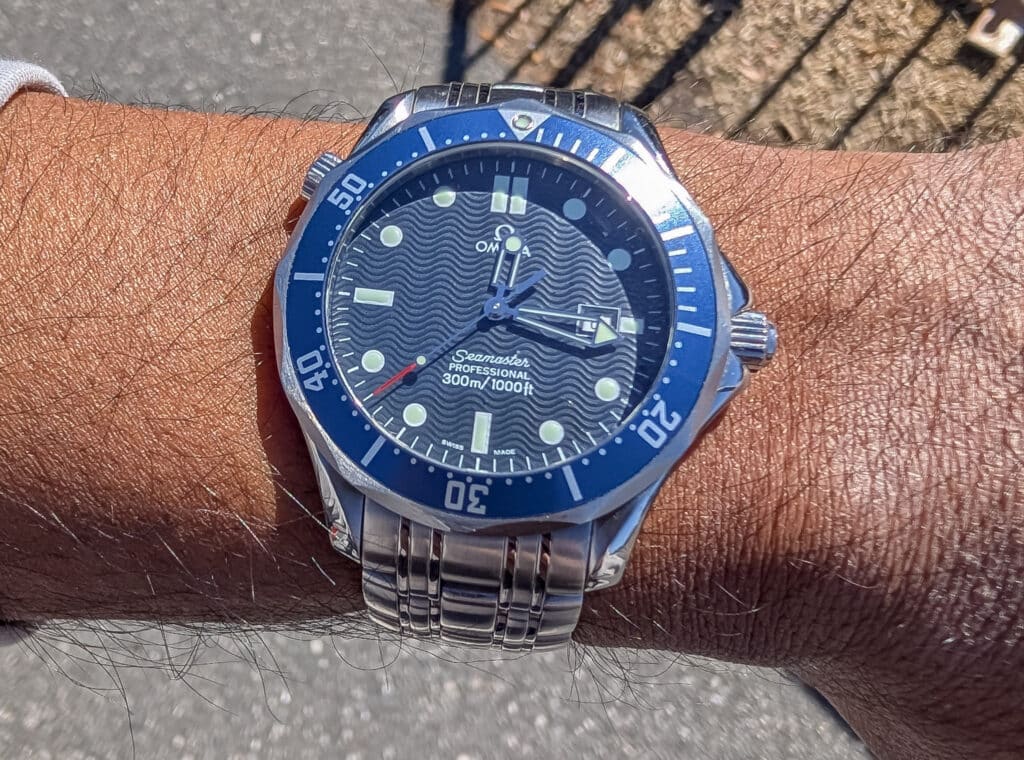
The Seamaster 2541 stayed interesting for us after the Bond novelty had done its thing, which is probably the harder test. Once the cinematic association becomes just another detail on the spec sheet, we’re left with a thin, accurate, water-resistant quartz Seamaster that’s easy to live with. The chronometer-grade Caliber 1438 means there’s no daily winding ritual and no need to wonder whether the watch has been losing time while sitting in the box. That practicality gives the 2541 a slightly different relationship with luxury. It feels like an Omega we can wear rather than an Omega we need to manage.
That low-effort personality makes more sense on the wrist. At 41mm wide and 11mm thick, the steel case sits flatter than many automatic Seamasters, although the 47.5mm lug-to-lug will be more noticeable on smaller or rounder wrists. The hippocampus caseback adds a nice old-school touch, and the classic bracelet suits the watch better in daily use than a NATO, even if the NATO suits the more obvious casual setup. The catch is getting the bracelet sized in the first place: the collar-and-pin system is tedious, and the diver’s extension has a habit of popping loose even after a clasp replacement. Also, the crown itself is well proportioned but sits tightly between its guards, so larger fingers may have to work around them.
The dial is where the 2541 earns some of its charm without becoming too nostalgic. The earlier wave pattern is softer than the later Seamaster treatment, and the muted grey surface gives the applied markers, skeleton hands, and red-tipped second hand room to breathe. The slightly domed sapphire adds some off-angle distortion, and the bezel is the part we learned to tolerate rather than love. It generally aligns well, but the low-set angled facets are awkward to grip with damp hands, and the action lacks the satisfying feedback we want from a diver.
Still, the watch kept getting worn because what matters over months is mostly what it gets right: comfort from that thin case, excellent quartz accuracy, 300m water resistance, and a design that carries its Bond connection without asking us to cosplay a secret agent. The one truly inconvenient part comes when it needs servicing; ours required a trip to Omega in Switzerland and left it off the wrist for several weeks. Read our hands-on review for a deeper insight into that ownership experience.
Pros
- The Bond-era design adds personality without getting too theatrical.
- 300m water resistance keeps it a legitimate dive watch.
- Caliber 1438 offers excellent quartz accuracy with little upkeep.
- The steel case and hippocampus caseback give it a premium feel.
- Soft wave dial and red-tipped second hand add subtle character.
- The slim 11mm profile wears flatter than many automatic Seamasters.
Cons
- Omega servicing can be expensive and can keep the watch away for weeks.
- Tight crown guards can make operation awkward for larger fingers.
- The long 47.5mm lug-to-lug can stretch on smaller or rounder wrists.
- Collar-and-pin bracelet sizing is frustrating.
- The bezel is awkward to grip when wet and lacks satisfying tactile feedback.
Monta Skyquest GMT
| Price: | $2,435 – $2,500 (Check current price) |
| Water Resistance: | 300m |
| Case Dimensions: | 40.7mm (diameter) x 47.4mm (lug-to-lug) x 11.8mm (thickness) |
| Lug Width: | 20mm |
| Movement: | Monta Caliber M-23 (Sellita SW330-2 base) |
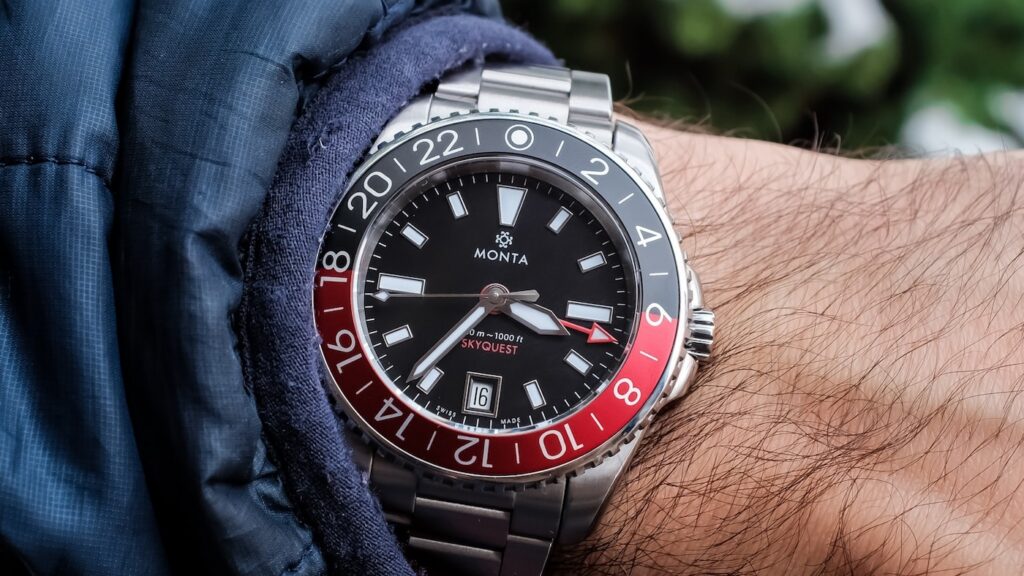
The Skyquest earned its place in the rotation through a fairly unglamorous trick: it stayed comfortable when the day got long. A GMT can look perfectly manageable at 10 a.m. and feel like a metal penalty by mid-afternoon, especially after travel, heat, or a few hours of walking around. The Skyquest never crossed that line for us. Its larger 24-hour bezel markings push some visual information outward, the proportions stay nicely contained, and the watch has enough physical presence to feel substantial without constantly reminding us it is there.
The bracelet is another reason it survived beyond the review period. The screw links make the initial sizing simple, but the tool-free micro-adjust is what became truly useful in everyday wear. Being able to fine-tune the fit without reaching for a tool sounds like a minor luxury until you’re traveling with a watch that suddenly feels half a size too tight. The milled clasp snaps shut with a reassuring precision, and the bracelet remains comfortable over long stretches. Inside, the M-23 movement, based on the Sellita SW330, kept steady time during testing and offered roughly 55 hours of power reserve, giving it plenty of breathing room between wears. The familiar movement architecture should also make future servicing less complicated.
The rest of the watch follows that same low-drama approach. The bezel has a firm, predictable action that remains easy to operate with cold fingers and gloves (without the fear of overshooting). The applied markers and well-proportioned hands keep the time easy to read at a glance. BGW9 Swiss Super-LumiNova stays useful well into the evening. The current version also tidies up some of the oddball details from earlier Skyquests, although that cleaner presentation costs it a little of the predecessor’s personality.
That said, the bigger issue is price: it no longer sits at the value end of the GMT market, so established-brand alternatives are harder to ignore. Even so, the Skyquest kept earning wrist time because its best qualities only became more obvious with repetition.
Pros
- The tool-free micro-adjust makes all-day fit changes effortless.
- Predictable bezel clicks remain easy to use with gloves or cold hands.
- Large 24-hour markings keep the GMT display visually open.
- Screw links and milled clasp deliver secure long-wear comfort.
- The Caliber M-23 provides steady accuracy and about 55 hours of reserve.
Cons
- Higher pricing puts established-brand alternatives into the discussion.
- Cleaner styling loses some of the character of earlier versions.
Tudor Black Bay 79220N
| Price: | $3,400 – $3,750 (based on condition) |
| Water Resistance: | 200m |
| Case Dimensions: | 41mm (diameter) x 50.3mm (lug-to-lug) x 12.7mm (thickness) |
| Lug Width: | 22mm |
| Movement: | ETA 2824 |
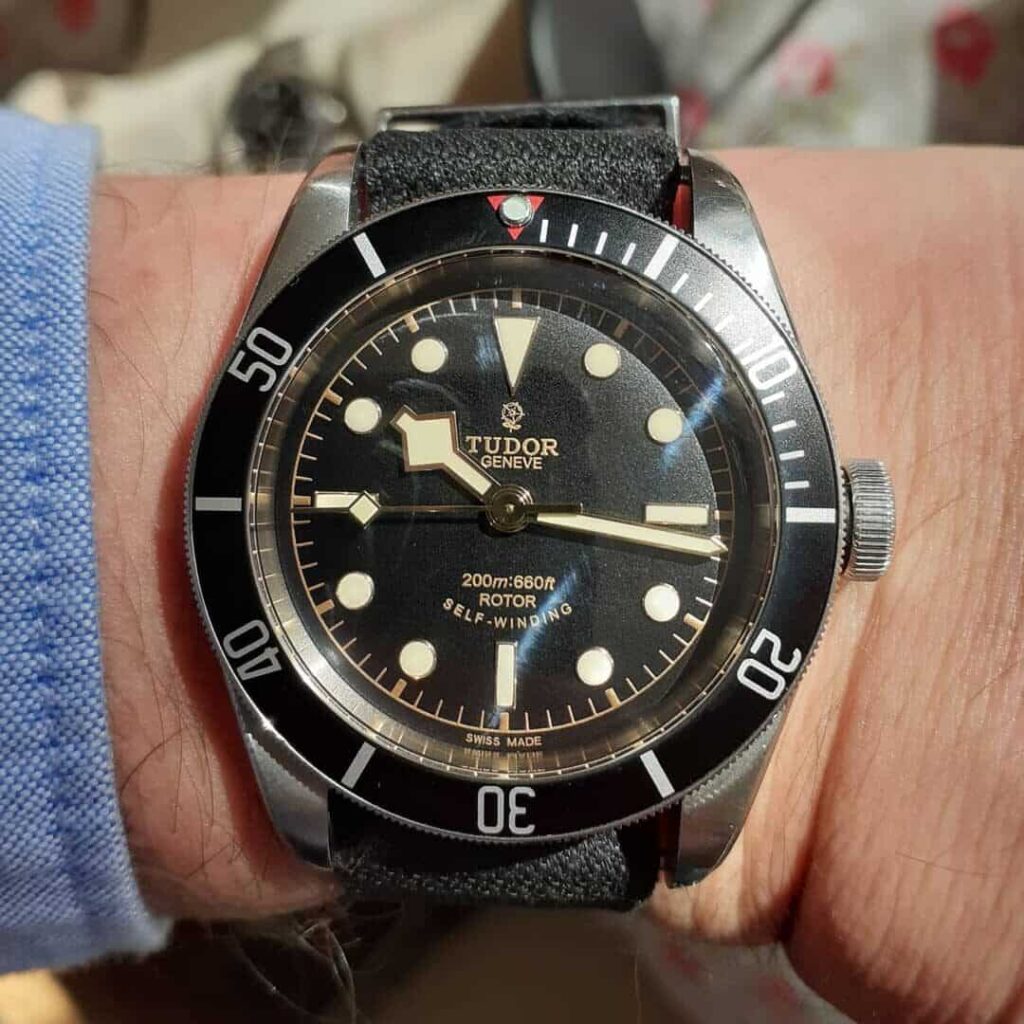
We learned pretty quickly that leaving the Black Bay 79220N alone was not going to happen. The bracelet came off, then the leather strap, then the included black fabric strap, and eventually the lugs accumulated enough little scars to document our experiment. That became part of the appeal. The watch is versatile without feeling generic, and changing its clothes never felt like we were forcing a different personality onto it. It stayed comfortable enough on the wrist that we could wear it through an ordinary week. That’s a bigger compliment than it sounds for a watch with this much vintage baggage.
The dial is still the part that keeps getting us. The gilt accents, Tudor rose, smiley text, and red bezel triangle give the 79220N a warm, slightly old-school character. Still, the combination is coherent enough that it never tips into dress-up territory. It is also more wearable than the case dimensions initially indicate. At around 12.7mm thick, the slab-sided case is obvious from the side and will not sneak under every cuff, but on a 175mm wrist, it felt balanced enough that the thickness became more of a photographic complaint than a daily one. The sapphire crystal adds useful scratch resistance, while the subdued aluminum bezel insert keeps the watch from getting overly shiny and preserves a softer vintage feel.
Then we run into the part of the ownership experience that reminds us this is an older Black Bay. The ETA 2824 is familiar, dependable, and easy to trust, but newer Black Bays have clearly moved ahead with longer power reserves and better anti-magnetic performance. The three-hole clasp is the bigger day-to-day annoyance. Adjusting it with a spring-bar tool feels primitive beside Tudor’s later T-fit system, especially when wrist size changes during a hot day.
However, we still kept reaching for the 79220N because none of those upgrades gave the newer watches quite the same personality. That long-term attachment also shows up in our Nine Years of Tudor Collecting piece, where the broader Tudor experience helps explain why this particular Black Bay proved so difficult to retire.
Pros
- Gilt details, rose logo, smiley text, and red bezel triangle give it cohesive vintage character.
- ETA 2824 remains dependable and straightforward to live with.
- Sapphire and aluminum bezel balance durability with a softer vintage look.
- Three bracelet and strap options make swapping easy.
Cons
- The 12.7mm slab-sided case remains noticeable under a cuff.
- The three-hole clasp is awkward beside Tudor’s later T-fit system.
- Newer Black Bays offer better power reserve and anti-magnetic protection.
Tudor Black Bay GMT
| Price: | $4,300 – $5,100 (Check current price) |
| Water Resistance: | 200m |
| Case Dimensions: | 41mm (diameter) x 50mm (lug-to-lug) x 14.7mm (thickness) |
| Lug Width: | 22mm |
| Movement: | Tudor Caliber MT5652 Automatic Movement (COSC) |
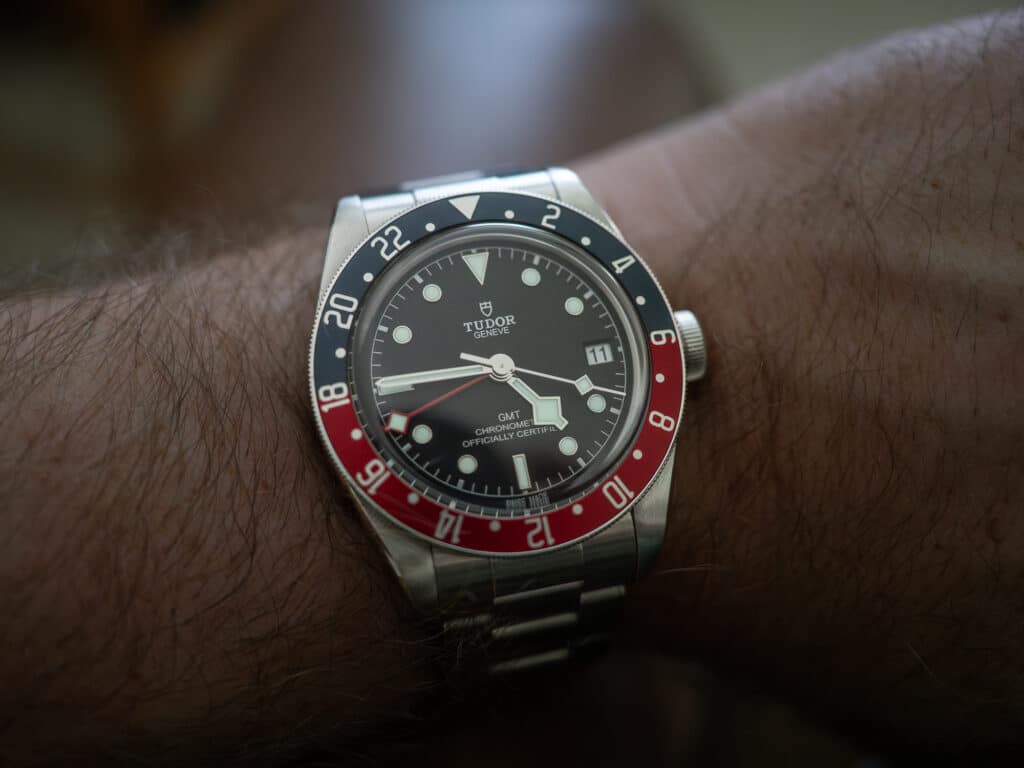
The Black Bay GMT earned repeat wrist time for one very practical reason: traveling with it involved less fiddling than we expected from a watch this substantial. The MT5652 gives us a true flyer GMT, so once the watch is set up, changing local time means jumping the hour hand rather than stopping to rethink the entire time display. That sounds like a small convenience until an early flight, a new time zone, and airport coffee are all competing for attention. The burgundy-and-blue bezel also makes the 24-hour reading straightforward, while the red GMT hand reaches far enough across the dial that it never gets lost in the usual GMT clutter.
The watch itself takes a little more negotiation. At 41mm wide, 50mm lug-to-lug, and 14.7mm thick (including the domed sapphire), it isn’t pretending to be compact. On a 7.5-inch wrist, the sharply downturned lugs helped it settle comfortably through a full day, and the subtle case-side bevel softened what could otherwise feel like a fairly serious slab of steel. The brushed upper surfaces and polished sides add some movement as the wrist changes position, while the aluminum bezel keeps the overall look from becoming too glossy. The thickness is still there, particularly under sleeves, and anyone below about seven inches should be realistic about how much watch is involved.
The dense Tudor bracelet feels planted and substantial, but the watch also works well on fabric; swapping to nylon pushes it further toward its tool-watch side, even if the extra strap thickness doesn’t help the overall profile. Moreover, the lack of factory half-links can make the final bracelet fit more fiddly than it should be.
The matte black dial makes the whole arrangement easy to live with between trips. The snowflake hands and markers stay highly legible, the lume is generous, and the GMT hand is simple to follow against the bezel. During extended wear, accuracy hovered around +4 seconds per day, which is the sort of result we tend to stop thinking about once the watch settles into the rotation. The domed crystal adds a little warmth but also adds height, so there is some give-and-take everywhere. Price is another consideration, though pre-owned examples make the proposition easier to digest. For us, it survived less because it was a “better” GMT and more because it felt complete when we were actually using it.
Pros
- True flyer GMT makes local-time changes quick and intuitive.
- The dense bracelet feels secure, while fabric straps broaden its tool-watch feel.
- The matte dial, strong lume, and long GMT hand keep travel readings clear.
- Pre-owned pricing can make the overall ownership proposition easier to justify.
Cons
- The 50mm lug-to-lug and 14.7mm thickness make it a large GMT.
- No factory half-links make precise bracelet sizing more fiddly.
- The domed sapphire adds useful character but increases overall height.
Rolex Air-King 14000
| Price: | $5,400 – $6,900 (Based on condition) |
| Water Resistance: | 100m |
| Case Dimensions: | 34mm (diameter) x 42.8mm (lug to lug) x 11.2mm (thickness) |
| Lug Width: | 19mm |
| Movement: | In-house caliber 3000 automatic |
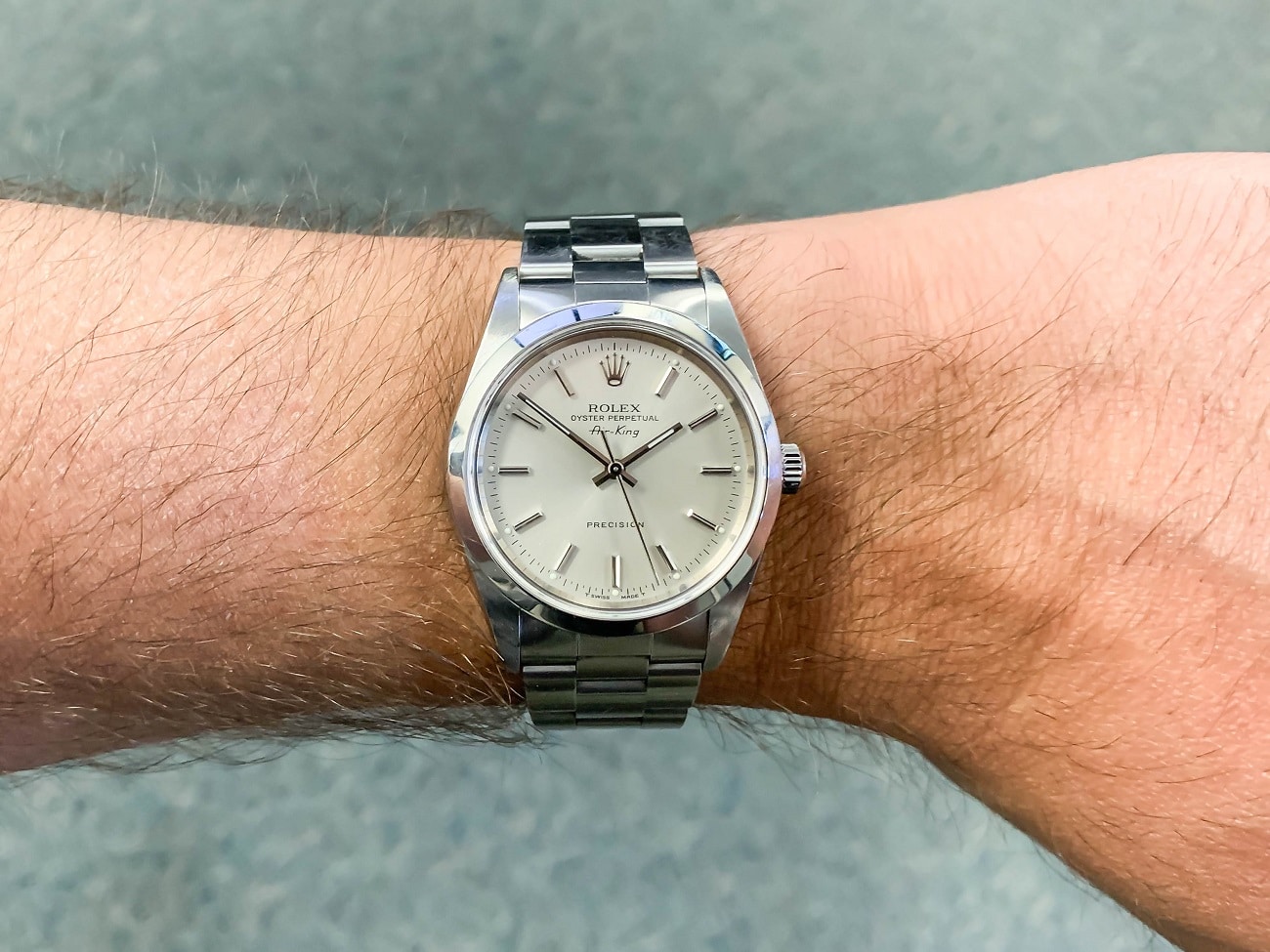
The Air-King 14000 survived the part of collecting where newer watches usually start making a strong case for themselves. There was always another Rolex with more presence, a newer movement, or a dial that demanded more attention. We still kept coming back to this one because it never made wearing it feel like an event. The silver sunburst dial, no-date layout, and modest proportions let it slip into almost any day without asking us to build the day around it. That became the appeal: after the review, the Air-King wasn’t the watch we wore to admire. We wore it because it was easy.
Much of that comes from how the case settles on the wrist. At roughly 11.2mm thick and 42.8mm lug-to-lug, it sits low and centered, while the slim tapered lugs keep the watch from feeling wider than it is. The 19mm Oyster bracelet narrows to around 14mm at the clasp and feels almost forgettable after a few hours. The Caliber 3000 follows the same philosophy. Ours averaged about -7 seconds per day despite not having a recent service, wound smoothly, and paired with the Twinlock crown well enough that we never felt compelled to baby the watch. It is hardly a revolutionary ownership experience, but that is why it worked so well in rotation.
Then there are the little reminders that this is an older Rolex. The “T Swiss Made T” text and aging tritium plots give the dial some earned character, although the lume is now more decorative than useful after dark. The 19mm lug width also narrows aftermarket strap choices, and servicing a relatively simple movement can still cost a lot. Buyers accustomed to modern Rolex proportions may also find the Air-King almost too restrained. We didn’t. After enough wrist time, its refusal to demand attention became the reason it kept getting our attention.
Pros
- The slim case and tapered Oyster bracelet make all-day wear easy.
- Caliber 3000 stayed around -7 seconds/day despite no recent service.
- The no-date dial keeps the silver sunburst layout clean and balanced.
- The Twinlock crown provides reassuring everyday water resistance.
Cons
- Servicing costs remain high for a relatively straightforward movement.
- 19mm lugs restrict aftermarket strap choices.
- Faded tritium lume offers little practical nighttime visibility.
- Compact proportions may feel too conservative beside modern Rolex watches.
Rolex Explorer 14270
| Price: | $5,900 – $7,900 (Based on condition) |
| Water Resistance: | 100m |
| Case Dimensions: | 36mm (diameter) x 44mm (lug to lug) x 11mm (thickness) |
| Lug Width: | 20mm |
| Movement: | Cal. 3000 (in-house) movement |
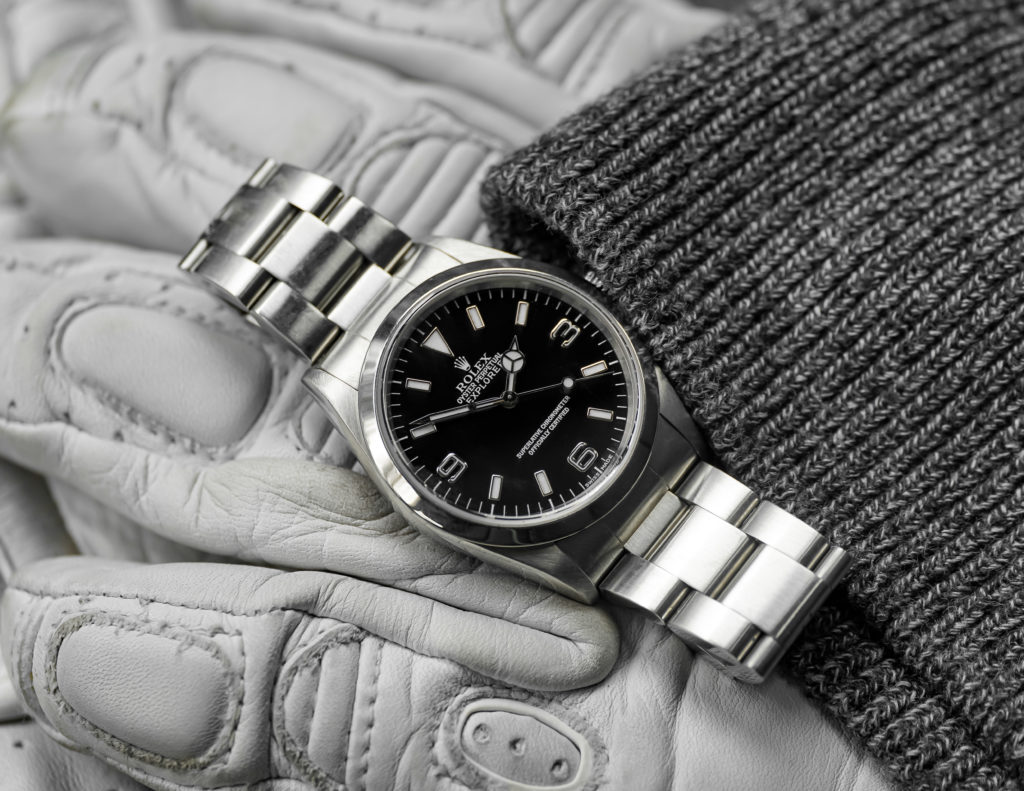
The Explorer 14270 has a habit of making other watches feel like they’re trying a little too hard. We’d put it on for a normal day and then realize hours later that there was no reason to take it off. At 36mm wide, around 11.1mm thick, and 44mm lug-to-lug, it slips under a cuff without feeling delicate, yet never looks awkward when the sleeves come up. Its no-date black dial helps, too. The white printing, familiar 3-6-9 numerals, and uncluttered layout make checking the time almost automatic. Very little competes for attention, which is why the watch keeps getting it right.
The Oyster bracelet plays its part without stealing the show. Its 20mm width tapers toward the stamped clasp, keeping the watch light and comfortable all day, even if the hollow end links and stamped hardware now feel old-school. The smooth bezel adds just enough polish to handle a nicer dinner without making the Explorer look overdressed, while the lack of crown guards keeps the case profile clean. Many examples also have tritium plots that have aged into a soft cream tone. The lume is a shadow of what modern watches can do after dark, but that mellow color is one of those things that makes the watch feel lived-in rather than merely old.
Then there’s the Caliber 3000, which fits the Explorer’s whole “do your job and stop bothering me” personality. During our hands-on look of the watch, it averaged about -4 seconds per day, wound smoothly, started easily with some wrist movement, and offered around 42 hours of power reserve.
The downside is everything that comes with buying a vintage Rolex now: clean examples command a serious premium, servicing isn’t cheap, and sourcing movement parts becomes more of a consideration as these watches age. Still, the 14270 stayed relevant because it never needed to be the most exciting watch in the box. Office, dinner, weekend, accidental scratch on the case—it handles all of it without requiring a costume change. That is a pretty strong reason to keep a watch long after the review notes have been filed away.
Pros
- The no-date 3-6-9 dial makes reading the time quick and effortless.
- 36mm proportions suit a remarkably wide range of wrists.
- The smooth bezel adds the right amount of refinement for dressier settings.
- Caliber 3000 delivers about -4 seconds/day and 42 hours of reserve.
- The lightweight Oyster bracelet stays comfortable through extended wear.
Cons
- Hollow end links and stamped clasp feel dated beside newer Rolex bracelets.
- Clean examples now command a substantial premium.
- Aging parts and servicing can make long-term upkeep increasingly expensive.
Omega Speedmaster Professional 3861
| Price: | $7,800 (Check current price) |
| Water Resistance: | 50m |
| Case Dimensions: | 42mm (diameter) x 47.5mm (lug-to-lug) x 13.2mm (thickness) |
| Lug Width: | 20mm |
| Movement: | Omega 3861 |
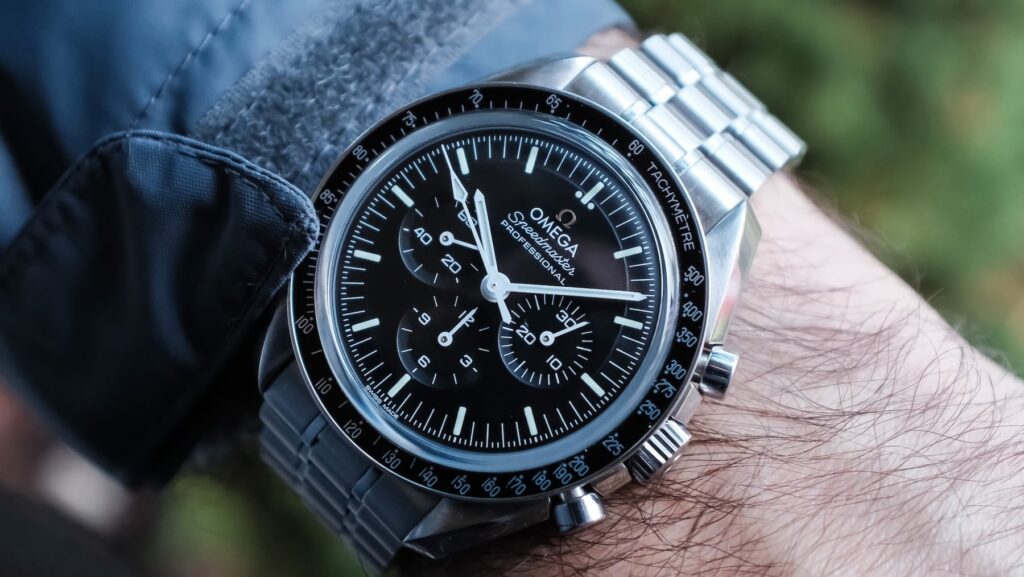
There’s a particular point with the Speedmaster 3861 when the mythology stops doing the work for it. After the Moon stories, the collector arguments, and the inevitable conversation about which Speedmaster you should own, we’re left wearing an ordinary watch on an ordinary Tuesday. That’s when the 3861 had to prove itself. The black dial and white markers make the chronograph immediately readable, while the stepped dial adds enough depth to keep it interesting when the light moves across it. The sapphire version gets an applied Omega logo for a little extra dimension, and the lume takes the same practical approach: it stays consistent through the night without trying to turn the wrist into a light show.
The 42mm case is still substantial, but the way the 3861 sits matters more than the number printed on the spec sheet. Subtle case shaping and a better-balanced profile keep it feeling more compact and planted than expected. The bracelet deserves some credit here, too. Better taper, more articulation, and shorter-feeling end links let it follow the wrist instead of sitting stiffly on top of it. That became one reason we kept wearing the watch after the review. Once a bracelet feels this natural, swapping to another strap starts looking less like customization and more like creating work for ourselves. The catch is sizing it in the first place, which can be frustrating without the right tools.
Then the movement starts making the daily relationship feel surprisingly personal. Caliber 3861 combines improved accuracy and anti-magnetic performance with the old-fashioned pleasure of manual winding, and ours stayed around +3 seconds per week during in-depth testing. The crown has a smooth, deliberate feel, while the chronograph pushers have a firm click that makes even timing something completely unnecessary feel satisfying.
None of that is essential to owning a watch, of course. That is partly why it works. The 3861 kept getting worn because the interaction never felt like maintenance; it felt like part of why you own the watch. The long-term takeaway is simpler: this is a Speedmaster that remains enjoyable after the famous stuff becomes background noise.
Pros
- Lume stays consistently readable through the night.
- Smooth winding and firm pushers make daily interaction pretty satisfying.
- The stepped dial keeps the chronograph legible while adding visual depth.
- The revised bracelet improves comfort through better taper and articulation.
- Caliber 3861 averaged about +3 seconds/week in our testing.
Cons
- Bracelet sizing can be fiddly without the right tools.
- The 42mm case remains substantial for vintage-size purists.
Rolex Submariner 116610
| Price: | $11,000 – $14,000 (Based on condition) |
| Water Resistance: | 300m |
| Case Dimensions: | 40mm (diameter) x 48mm (lug-to-lug) x 12.5mm (thickness) |
| Lug Width: | 20mm |
| Movement: | In-house caliber 3130 |
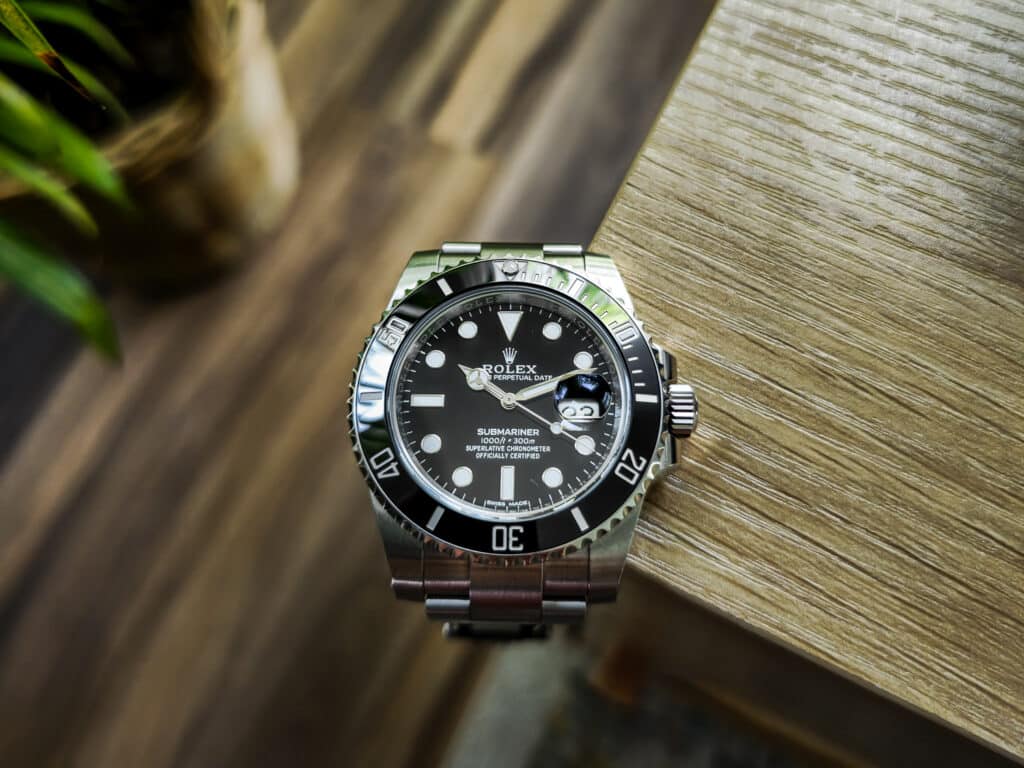
The Submariner survived our review process because it kept doing something we tend to appreciate more after living with a watch: it made very little work for our eyes or our wrist. The glossy black dial, luminous markers, Mercedes hands, and white gold surrounds let us read it at a glance, and the blue Chromalight stays visible well into the night. After spending time with watches that add visual flourishes simply because they can, it is refreshing to wear a design that already knows where the useful information belongs. The Submariner doesn’t need to remind us that it is a famous dive watch every time we check the time.
The bracelet was harder to stop appreciating once we started wearing it regularly. According to our review team’s insights, the 20mm-to-16mm taper and smooth articulation let it follow the wrist naturally, while the brushed surfaces are merciful about collecting the occasional scratch. Glidelock became pretty useful on long days because we could open up the fit by roughly a link and a half without tools when heat made the bracelet tighter. The case hits a similar sweet spot. It has enough heft and presence to feel like a serious dive watch, but it stays slim enough to slide beneath a cuff without turning the sleeve into an engineering project.
The bezel is where the Submariner’s long-term appeal gets properly nerdy. The Cerachrom insert resists fading, the platinum-filled numerals remain crisp, and the action is precise with no noticeable backplay. That raised lume pip at 12 also turns out to be more than decoration; in low light, it gives us a tactile reference for orienting the bezel. Inside, the in-house Caliber 3130 averaged around +0.5 seconds per day during our testing, while the Triplock crown worked smoothly and supported the 300m water resistance. The sapphire crystal is generally clear, although the limited anti-reflective treatment can produce a faint haze in certain light.
That said, the less glamorous part of the ownership story is beyond the watch: difficult retail availability, uncomfortable gray-market pricing, and a used market full of convincing fakes. Still, once we stopped thinking about the Submariner as a cultural object and wore it as a watch, the reason it stayed became pretty obvious.
Pros
- The Cerachrom bezel gives precise clicks, no backplay, and excellent durability.
- Glidelock makes small bracelet-fit changes effortless throughout the day.
- Caliber 3130 averaged roughly +0.5 seconds/day in our testing.
- Blue Chromalight remains readable deep into the night.
- The raised 12 o’clock lume pip helps orient the bezel by touch.
Cons
- Limited anti-reflective treatment can create mild haze under certain lighting.
- Retail scarcity and gray-market pricing can make ownership unnecessarily expensive.
- Counterfeits make the used-market buying process more complicated and uncertain.
That’s our list of the watches that kept making it back onto the wrist after the review notes were finished and the new-watch buzz had gone. Some stayed because they were comfortable, some because they were useful, and a few because we apparently have no interest in learning the lesson about selling watches we later miss. What they share is simple: they earned their place through actual wear, not because the spec sheet told us they should.

Co-Founder and Senior Editor
Kaz has been collecting watches since 2015, but he’s been fascinated by product design, the Collector’s psychology, and brand marketing his whole life. While sharing the same strong fondness for all things horologically-affordable as Mike (his TBWS partner in crime), Kaz’s collection niche is also focused on vintage Soviet watches as well as watches that feature a unique, but well-designed quirk or visual hook.