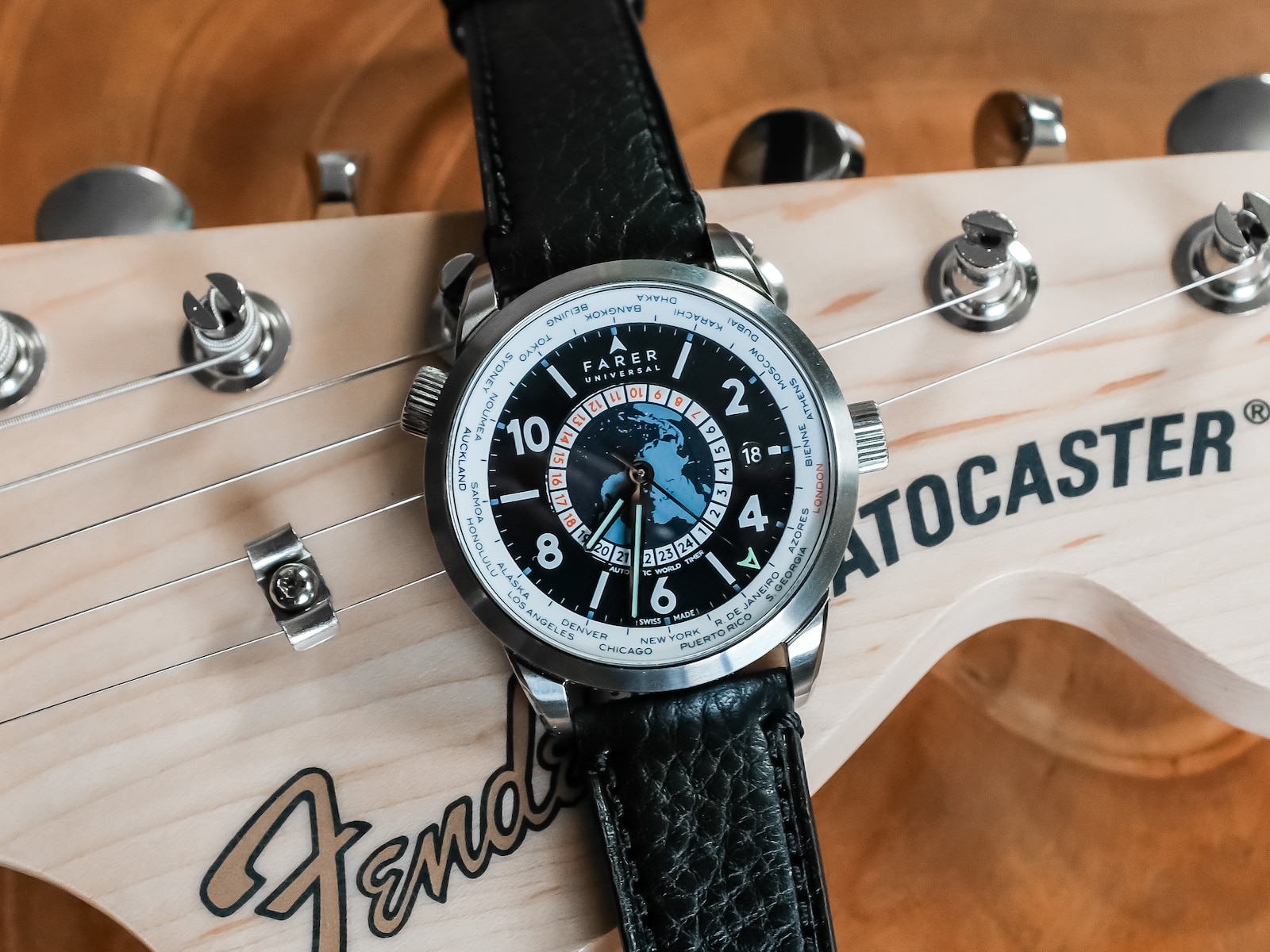
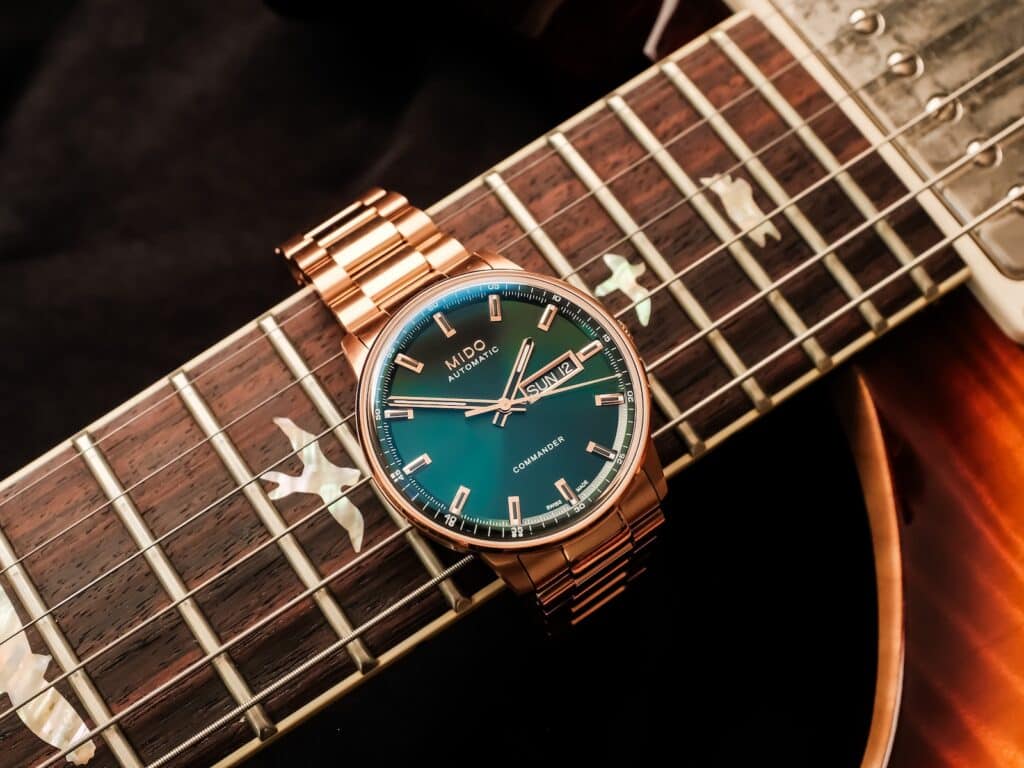
Kaz and I have been chasing the same two rabbit holes for most of our adult lives. Guitars came first, the way they do for a lot of people who grew up with a cheap Strat copy and a dream that outran their talent. Watches came later, and faster, the way the expensive habit usually does. What took me a while to notice is that the two hobbies are the same hobby wearing different clothes. Both run on a small number of foundational designs that everyone else has spent decades reinterpreting. Both have a prestige tier that owns the myth and a working tier that owns the wrists and the fretboards. And both, it turns out, depend on an unwritten agreement about who gets to own a shape once that shape stops being a product and becomes a language. The guitar world just found out what happens when somebody tears that agreement up.
The news, fast
Earlier this spring, Fender won a copyright ruling in a regional court in Düsseldorf, Germany. The decision held that the Stratocaster body is not merely a trademark but a protected work of applied art. The case itself was thin. Fender won by default, because the defendant, a Chinese manufacturer selling Strat-shaped guitars into the EU, never showed up to argue. A default judgment in one European jurisdiction is not the Supreme Court of guitar law.
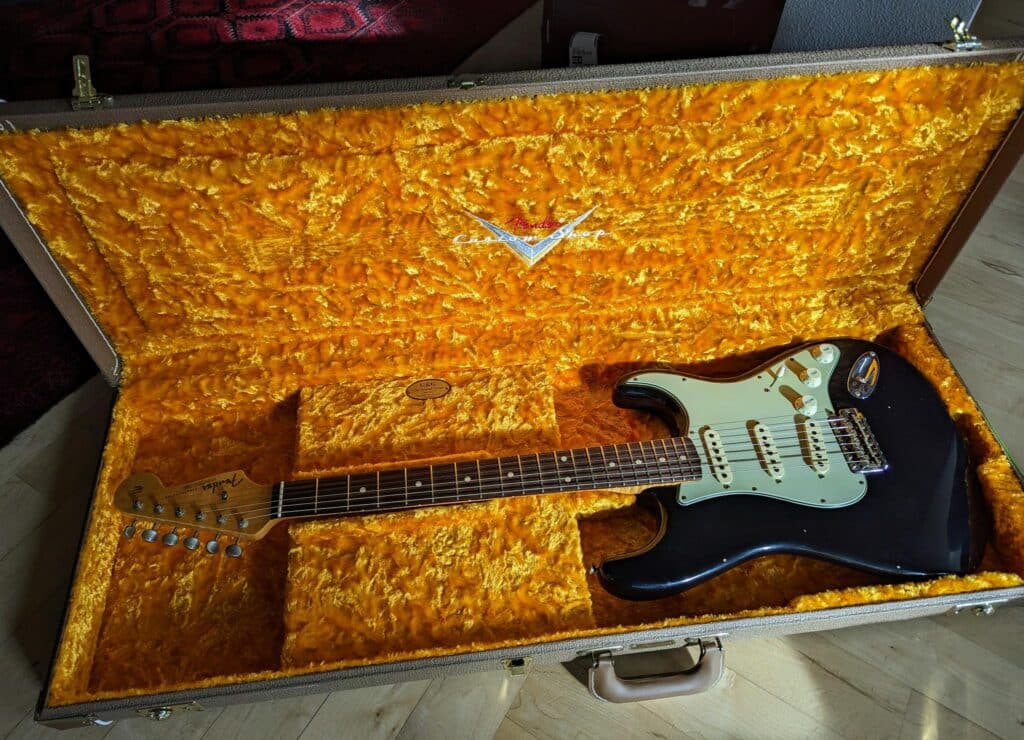
But Fender, through the international firm Bird & Bird, has been treating it like a loaded weapon, and has started sending cease-and-desist letters to builders, demanding they stop making S-style guitars, recall stock already sold into Europe, and in some versions destroy remaining inventory.
The first builder to go public was LsL Instruments, a small family-run shop in California known for beautifully aged, vintage-correct S-styles. LsL didn’t have a legal war chest sitting in a drawer. They launched a GoFundMe, told their customers plainly that fighting this could end the company, and watched the guitar internet rally. The other confirmed name is much bigger. PRS, by way of the Wall Street Journal, acknowledged receiving a letter, which drags John Mayer’s Silver Sky into the middle of the fight. PRS, unlike LsL, has the resources to say it disagrees with Fender’s assessment and let the lawyers sort it out. Beyond those two, reporting gets foggy. The YouTubers who broke the story say at least half a dozen builders have been contacted, and a longer list of usual suspects has been floated, but most of that is still secondhand. Only LsL and PRS are firmly on the record.
There is one detail that should make Fender nervous, and it is the detail most of the coverage buries. They already tried this in the United States, and they lost. Back in 2009, the Trademark Trial and Appeal Board rejected Fender’s bid to register the Stratocaster, Telecaster, and Precision Bass body shapes as trademarks, after a group of builders organized to oppose the filing. The board’s language was not subtle. It found the shapes so common across the industry that they could no longer point to a single source, noting that the Strat outline is depicted as a generic electric guitar in a dictionary.
The applicant has not established acquired distinctiveness such that these two-dimensional outlines of guitar bodies, standing alone, serve to indicate source.
— Trademark Trial and Appeal Board, 2009
The attorney who organized that opposition is the same lawyer who has now surfaced on the response side of the current dispute. He represented ESP, Schecter, Sadowsky, Spector, Warmoth, Tom Anderson, and more than a dozen other manufacturers in that fight. He has done this before, against this same company, and he won.
Why a watch collector should care
If you only own watches, you might be reading all this as someone else’s industry drama. It is not. It is your drama with the serial numbers filed off.
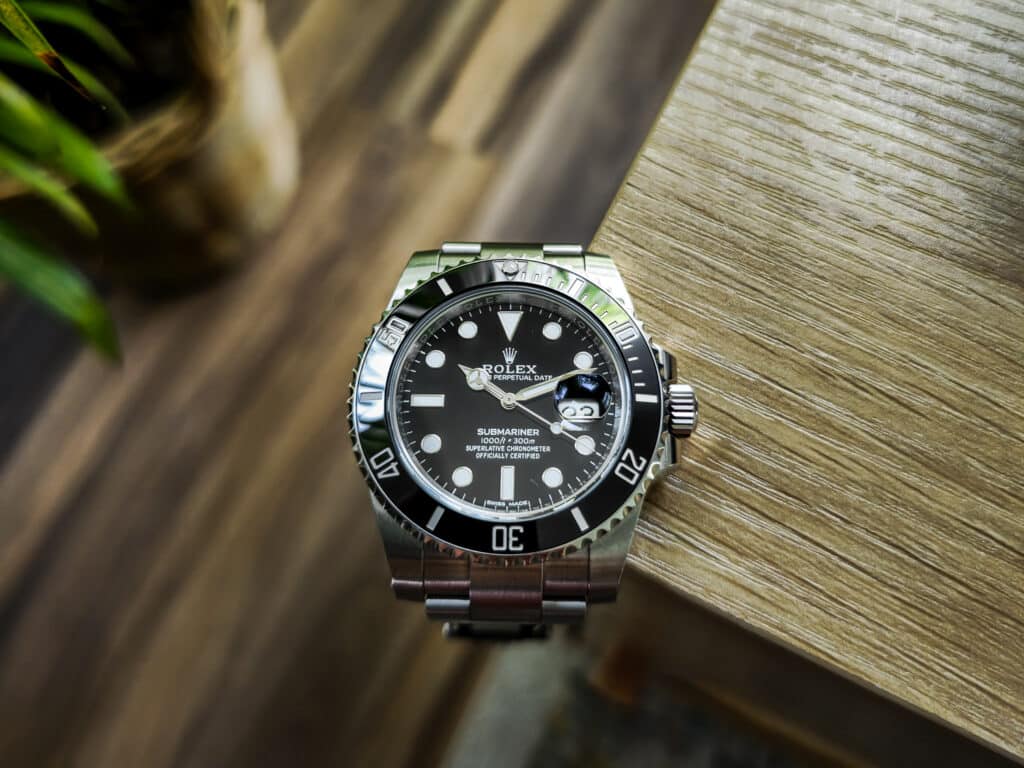
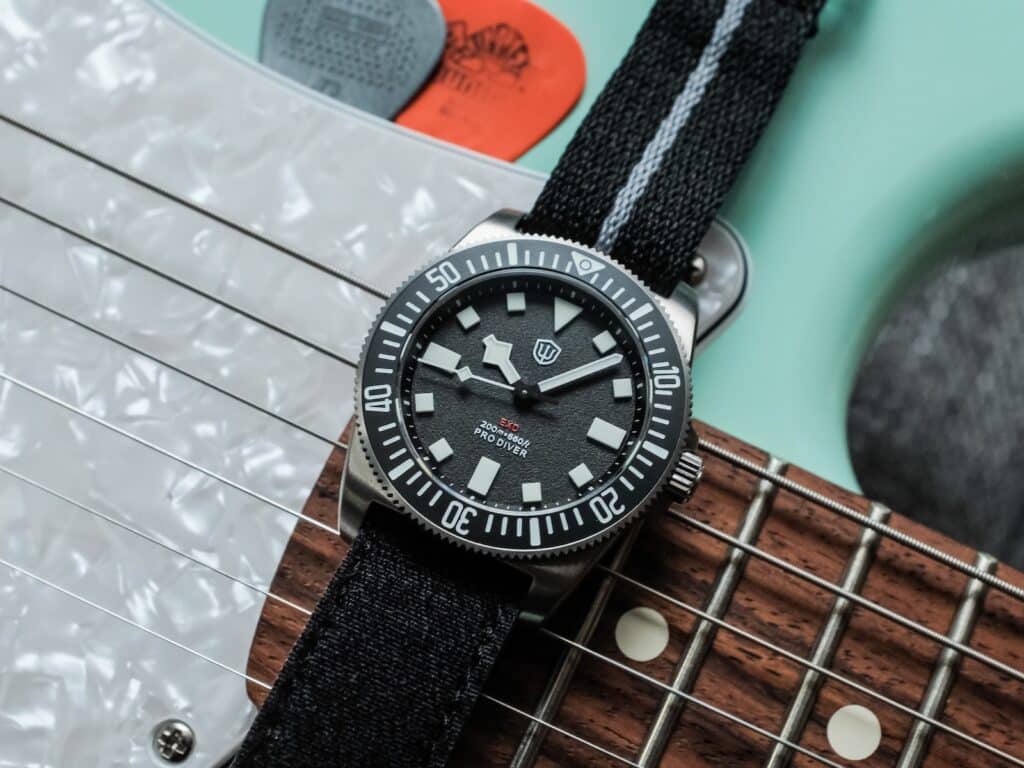
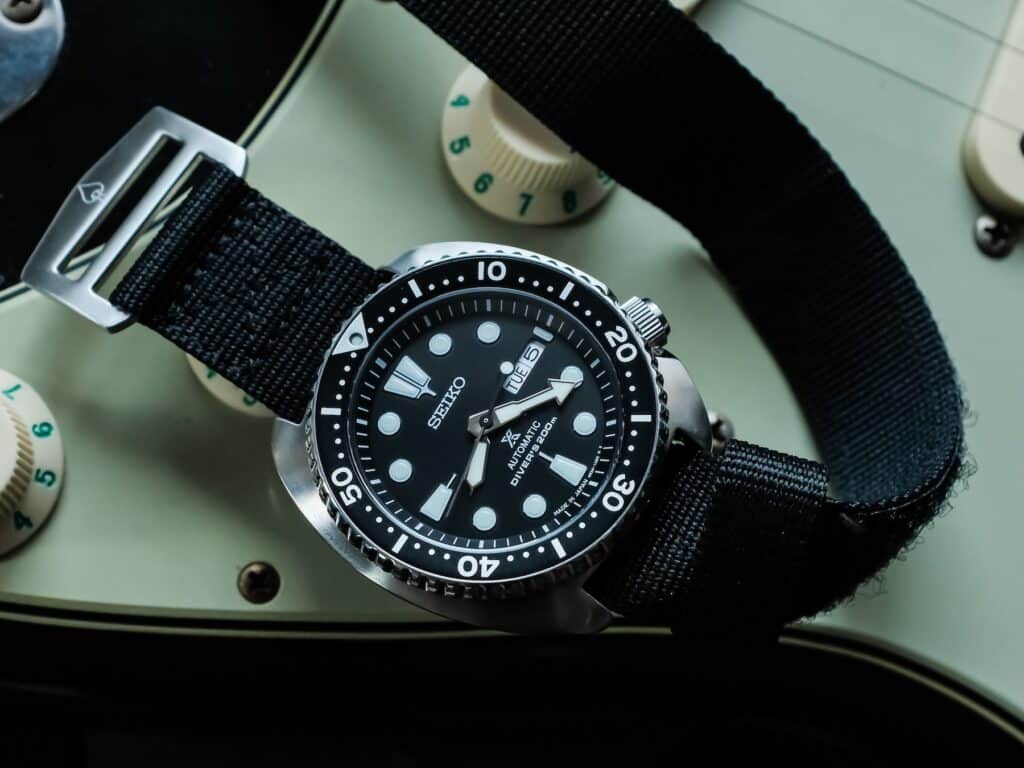
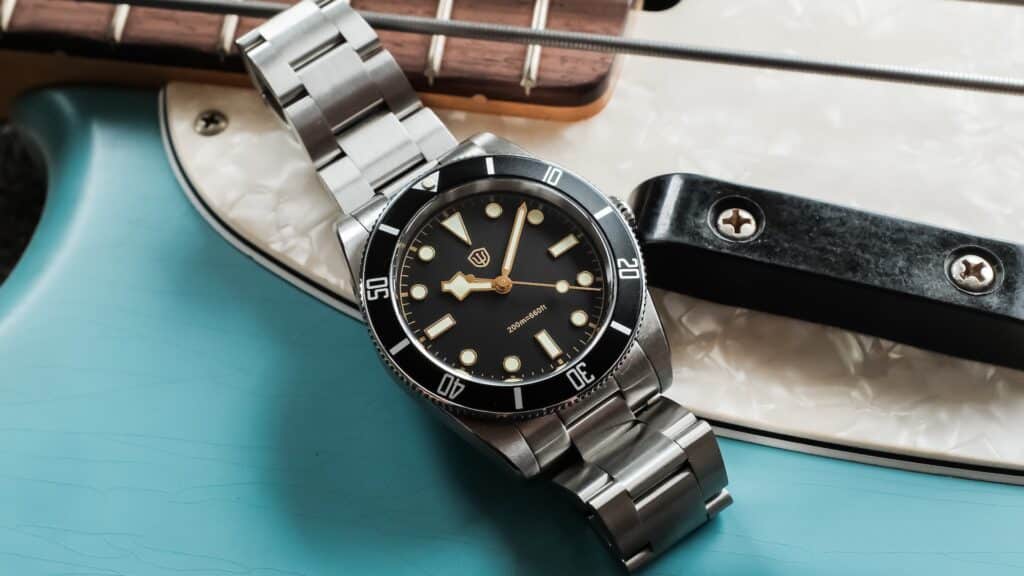
Think about the Submariner. Rotating timing bezel, roughly forty millimeters, cushioned round case, Mercedes hands, oyster-style bracelet. That is not a Rolex design anymore in any meaningful cultural sense. It is the grammar of the dive watch. Tudor speaks it, Steinhart speaks it, Squale and Seiko and a hundred microbrands you found on Instagram at midnight speak it. The format escaped into the commons a long time ago, and the entire affordable end of the hobby is built on the assumption that it is allowed to.
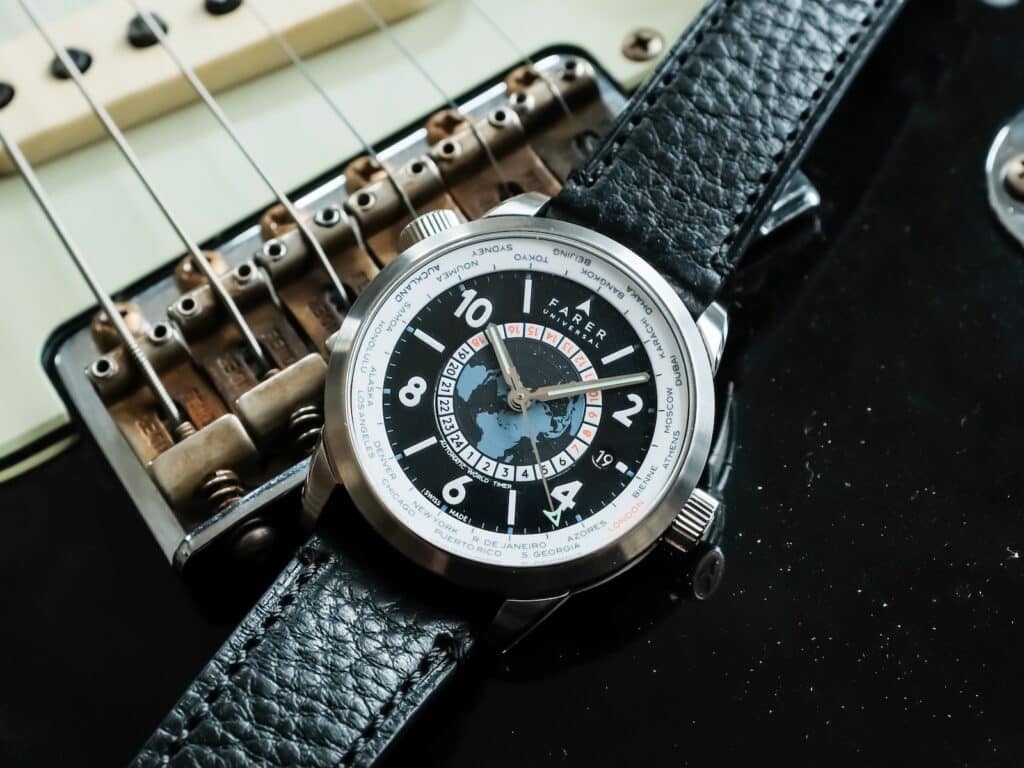
Here is the part that should stop you cold. Rolex didn’t even invent that format. Blancpain’s Fifty Fathoms got there first, a genuine claim to having defined the modern dive watch before the Submariner existed. Blancpain has every prior-art argument Fender wishes it had, and stronger. And Blancpain has never once tried to litigate the dive watch into private property. Neither has Rolex, beyond protecting its name and chasing outright counterfeits. The whole watch industry has silently agreed that the format is shared territory, that the icons stay aspirational precisely because the homages keep the language alive and in front of people who will, eventually, save up for the real thing. Maybe.
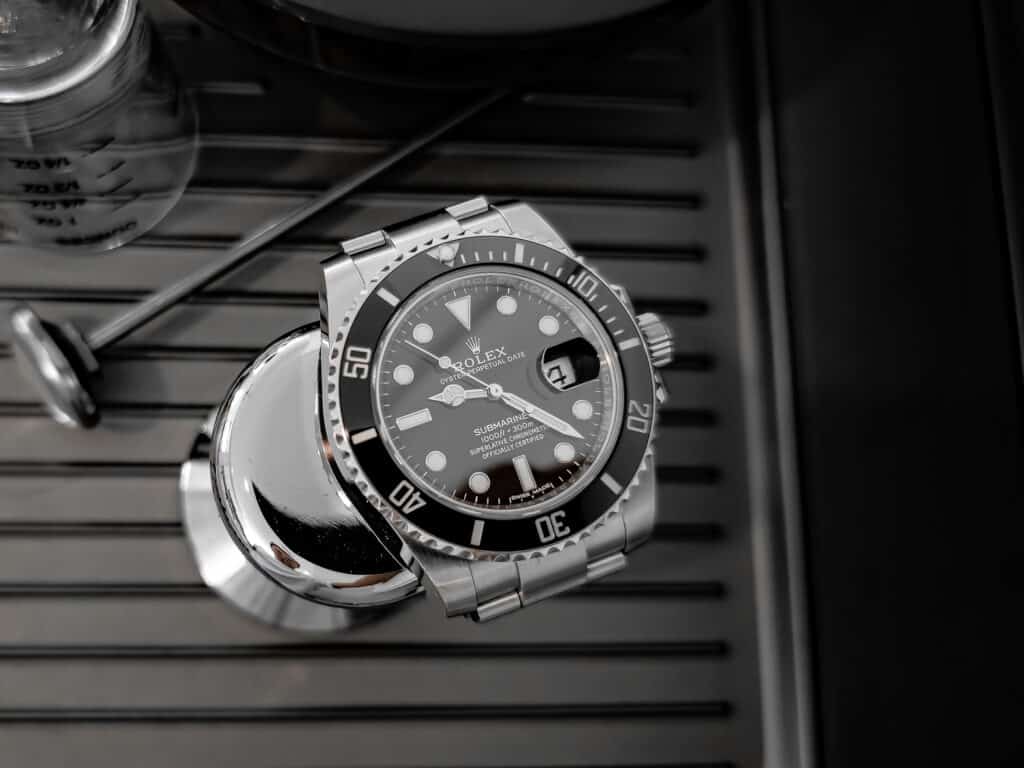
That agreement is a choice. Nothing stops a watch brand from doing exactly what Fender is doing right now, except a kind of institutional restraint that has held for sixty years and could stop holding the moment someone decides the downside is worth it. The guitar industry is the experiment running in real time. We’re about to learn what the watch world has been carefully not finding out.
The precedent only works downhill
Here’s the mechanism, and it’s the part that matters most for anyone who loves the small builders.
A precedent like Fender’s does not enforce itself evenly. It becomes a weapon that only fires in one direction, downhill, from whoever has the biggest legal department toward whoever has the least. You do not have to win against a small builder. You just have to make the fight cost more than the builder will ever earn. The cease-and-desist isn’t really a legal argument when it lands on a family shop. It’s an invoice they can’t pay.
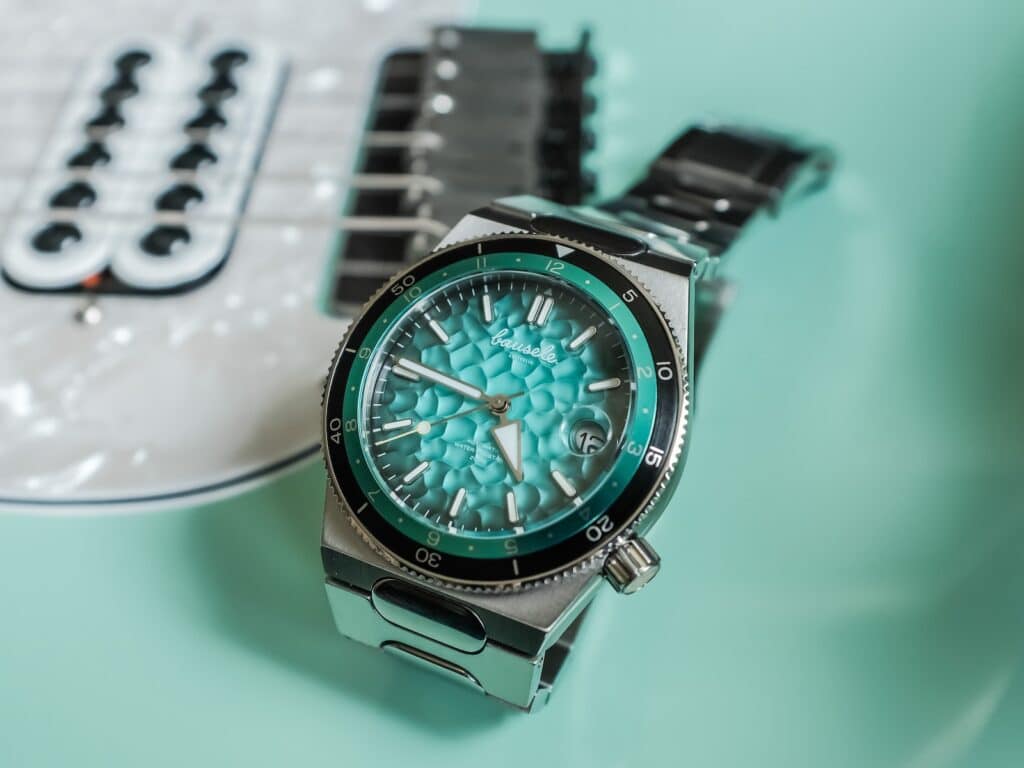
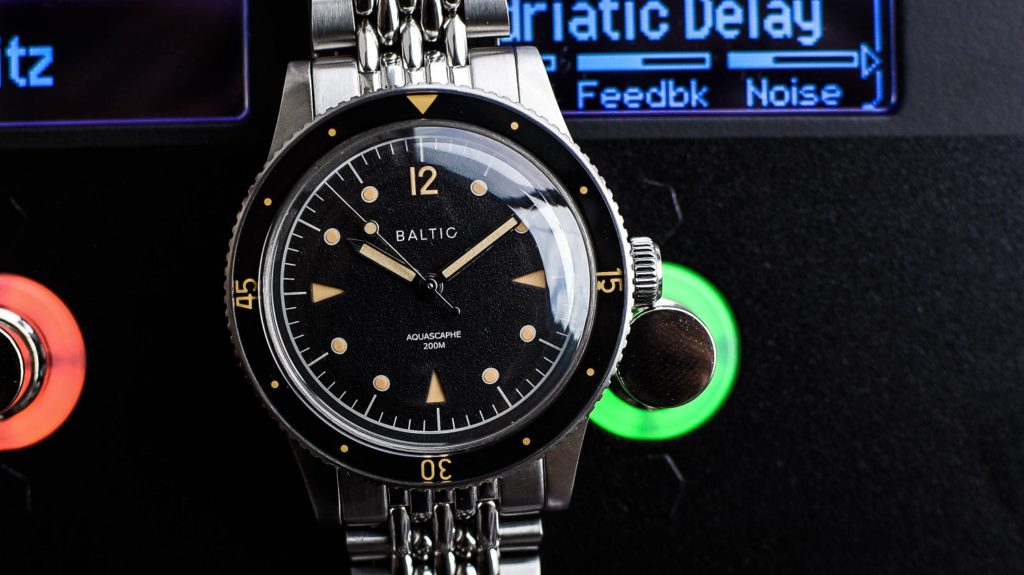
Watch that play out in the two confirmed guitar cases and the tiers draw themselves. LsL is the company with no war chest, the one that has to pass a digital hat just to afford a defense. In watch terms that’s your Lorier, your Baltic, your Nodus, the brands whose entire identity is vintage dive-and-field language executed with love at a price a normal person can reach. A serious letter from a Richemont or a Rolex legal team does not start a debate with a brand that size. It ends one.
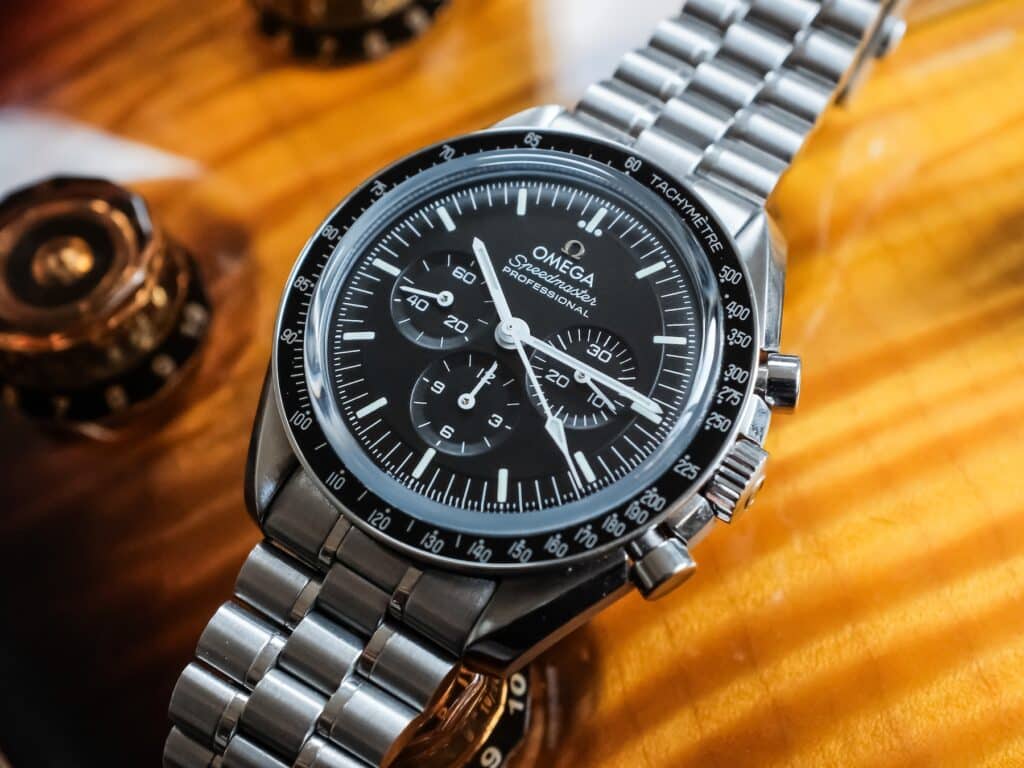
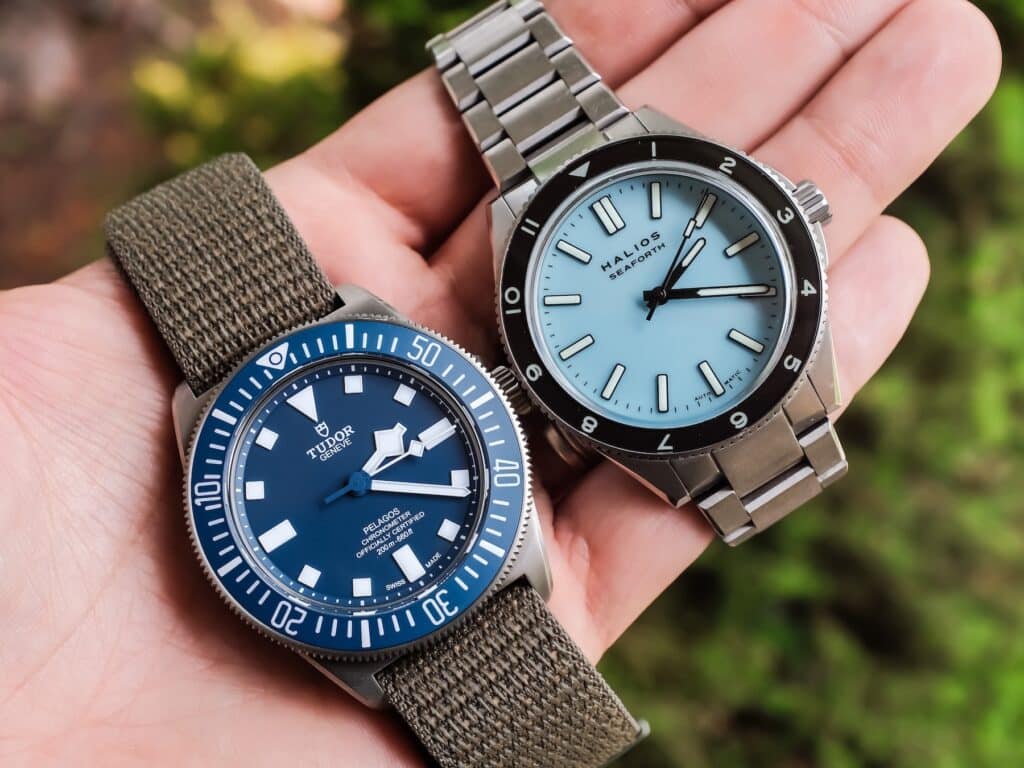
PRS is the other tier, the one big enough to say we disagree and mean it, to absorb years of billable hours without blinking. And then there is the exposed middle, the respected boutique that’s too big to ignore and too small to be safe. In guitars that tier has names you know, Suhr and Xotic among the ones analysts keep flagging as potentially in the blast radius, though neither has confirmed a letter. Suhr is worth pausing on, because Guitar World identifies Suhr as one of the builders Bienstock defended in the earlier fight. The boutiques most exposed now are drawn from the same pool that beat Fender last time, and the lawyer is the same too. In watches that middle tier is the Christopher Ward, the Monta, the Halios. Visible enough to be worth targeting. Not capitalized enough to survive being targeted for long.
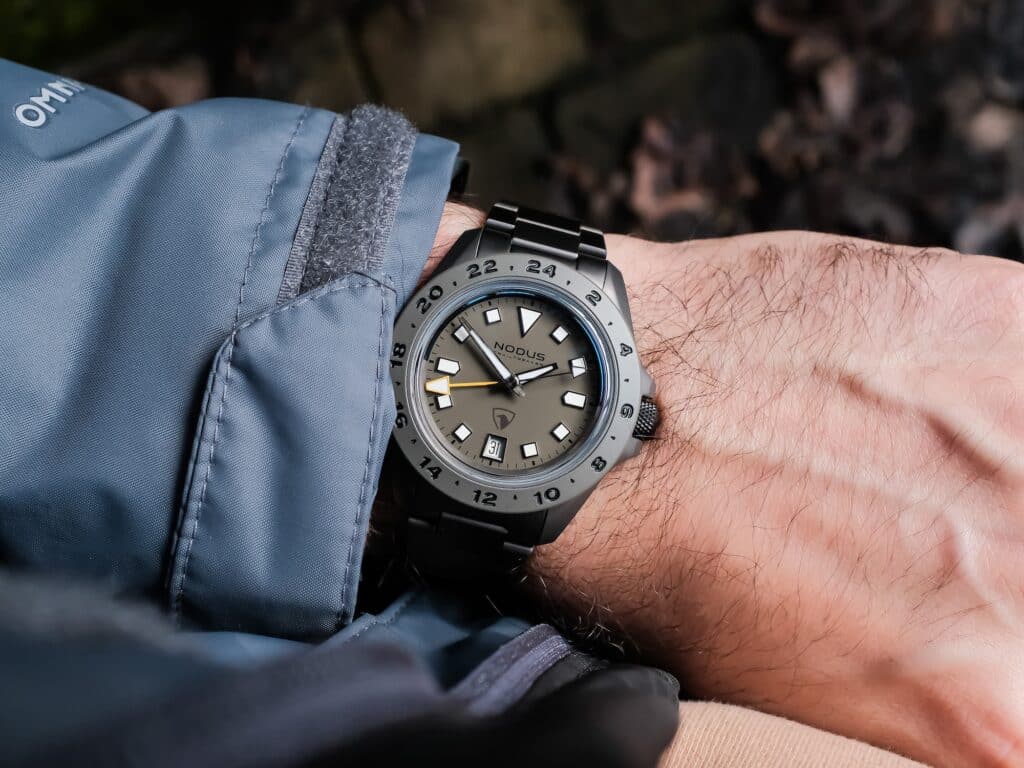
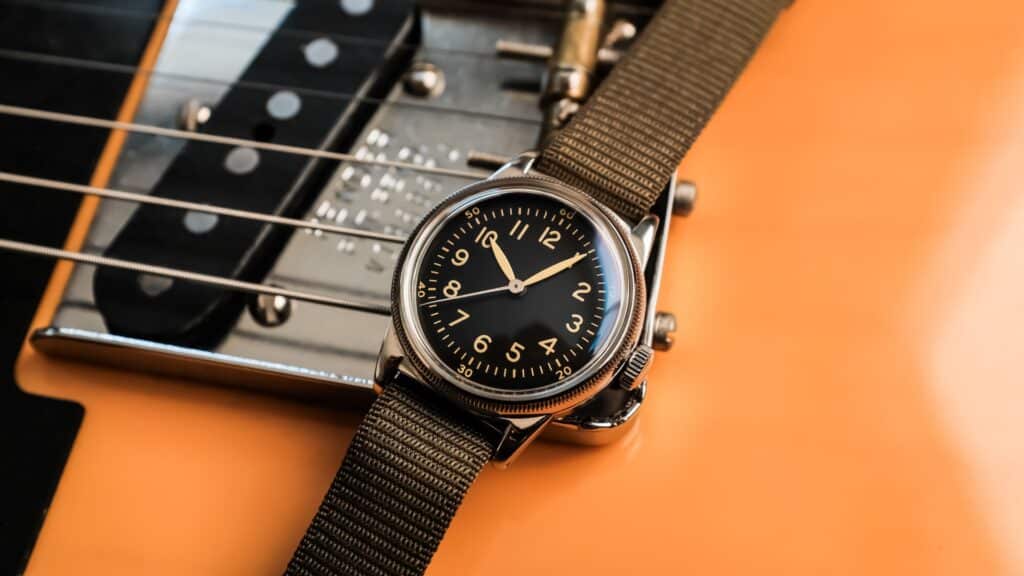
Now do the uncomfortable exercise. Look at your own wrist and your own watch box and ask which pieces go radioactive if a single brand ever decides to run the Fender play and a court ever lets them. The Submariner homages, obviously. But also the entire integrated-bracelet sports-steel wave that owes its existence to the Royal Oak and the Nautilus, everything from the Tissot PRX up through a dozen brands chasing that genre. The field-watch language that traces to a handful of military originals? The pilot-watch layout? Is that even possible? Pull on this thread and a startling amount of what makes watch collecting affordable and fun is sitting on the same assumption the guitar builders just watched get challenged.
The case against me
I should argue the other side, because the piece is dishonest if I don’t, and because I’m not actually certain I am right. This might all just be rambling that makes no sense (put this on my gravestone, btw).
Leo Fender drew that shape. He solved real problems with it, the contoured body that does not dig into your ribs, the double cutaway that lets you reach the high frets, the whole ergonomic argument that made the Stratocaster feel like the future in 1954. You can read it as an industry strip-mining one man’s work for free for seventy years because the law happened to let them. There’s a version of this where Fender is the wronged party, watching the thing it created get sold back to the world by everyone who didn’t create it.
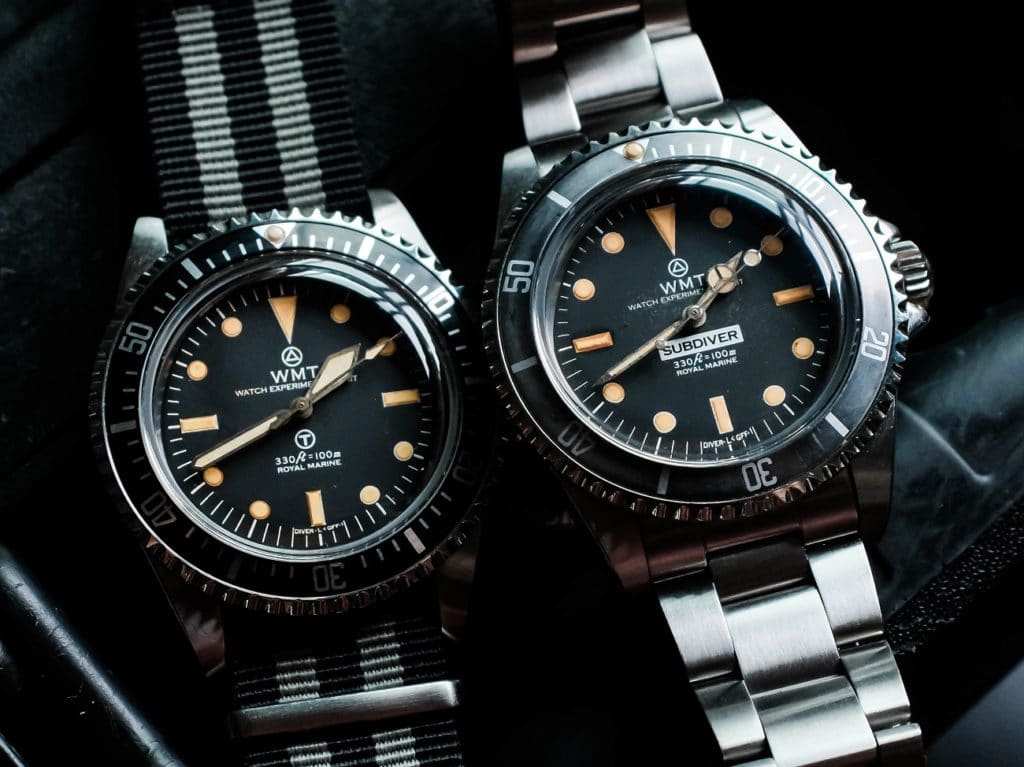
The watch version of that grievance is just as legitimate. Imagine being the brand that spent decades and serious money establishing a design, building the tooling, eating the R&D, earning the reputation, only to watch a microbrand with a Chinese movement and an Instagram account undercut you on a near-copy and call it homage. Tribute and parasitism look identical from the outside. The line between them is mostly a story we tell ourselves about intent. Kaz and I have talked about exactly this over beers more than once, and we don’t fully agree, which is probably the most honest thing I can tell you about it.
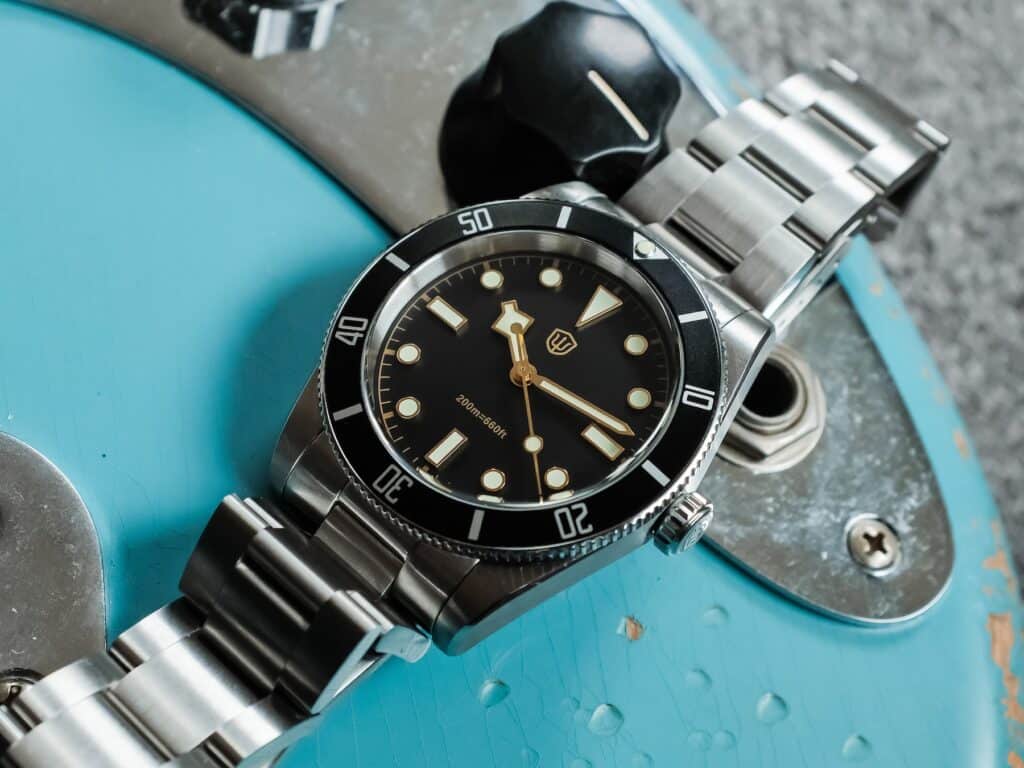
So I take the grievance seriously. I just don’t think it survives contact with what these designs have become. A shape can start as one company’s invention and end as everyone’s vocabulary, and once that crossing happens the original argument stops being about creativity and starts being about control. A US outcome already pointed this direction once, in 2009, when Fender couldn’t hold the trademark. The format escaped. You can’t un-ring that bell with a cease-and-desist, you can only decide how many small builders you are willing to bankrupt while trying.
The fork
Both industries walked up to the same fork in the road. One design becomes the language of its whole category. The company that drew it first has to decide whether the commons is something to defend or something to fence.
The watch world chose the commons, and it chose it over and over, and it never even made a show of the choosing. Blancpain sat on the better claim and let it go. Rolex protects its name and its quality and otherwise lets Tudor and the microbrands carry the format to people who will grow into the real thing. That’s the reason the hobby has a healthy, vital, accessible bottom tier, which is the reason the top tier still means anything. The icon stays aspirational because the language stays alive.
The guitar world is making the other choice right now, in front of us, with a thin German default judgment as the pretext and a list of family shops on the receiving end. And there is a reading of all this that is darker than simple overreach. Some of the sharper voices in the guitar press think Fender is not blundering at all but fishing. So the theory goes that Fender is papering small builders with letters hoping one of them fights back loudly enough to land the whole thing in a US courtroom, where Fender gets a fresh swing at the body shape with a European win in its pocket. The cease-and-desists, in that reading, are the bait. Maybe Bienstock beats them again and the whole thing collapses back into the status quo. I hope he does. But the more important fact is that the choice was available the entire time, to both industries, and one of them just reached for the fence and may have done it on purpose.

The homage tier is the part of both of these hobbies I love most. It is where the language stays loud and the door stays open. I would like to think the watch world’s restraint is principle. Some days I suspect it is just a habit nobody has yet had the appetite to break. The guitar industry is currently demonstrating how quickly that appetite can arrive, and how little it takes to act on it. Watch closely. This is the experiment, and the results are coming in.

Co-Founder & Senior Editor
Michael Peñate is an American writer, photographer, and podcaster based in Seattle, Washington. His work typically focuses on the passage of time and the tools we use to connect with that very journey. From aviation to music and travel, his interests span a multitude of disciplines that often intersect with the world of watches – and the obsessive culture behind collecting them.