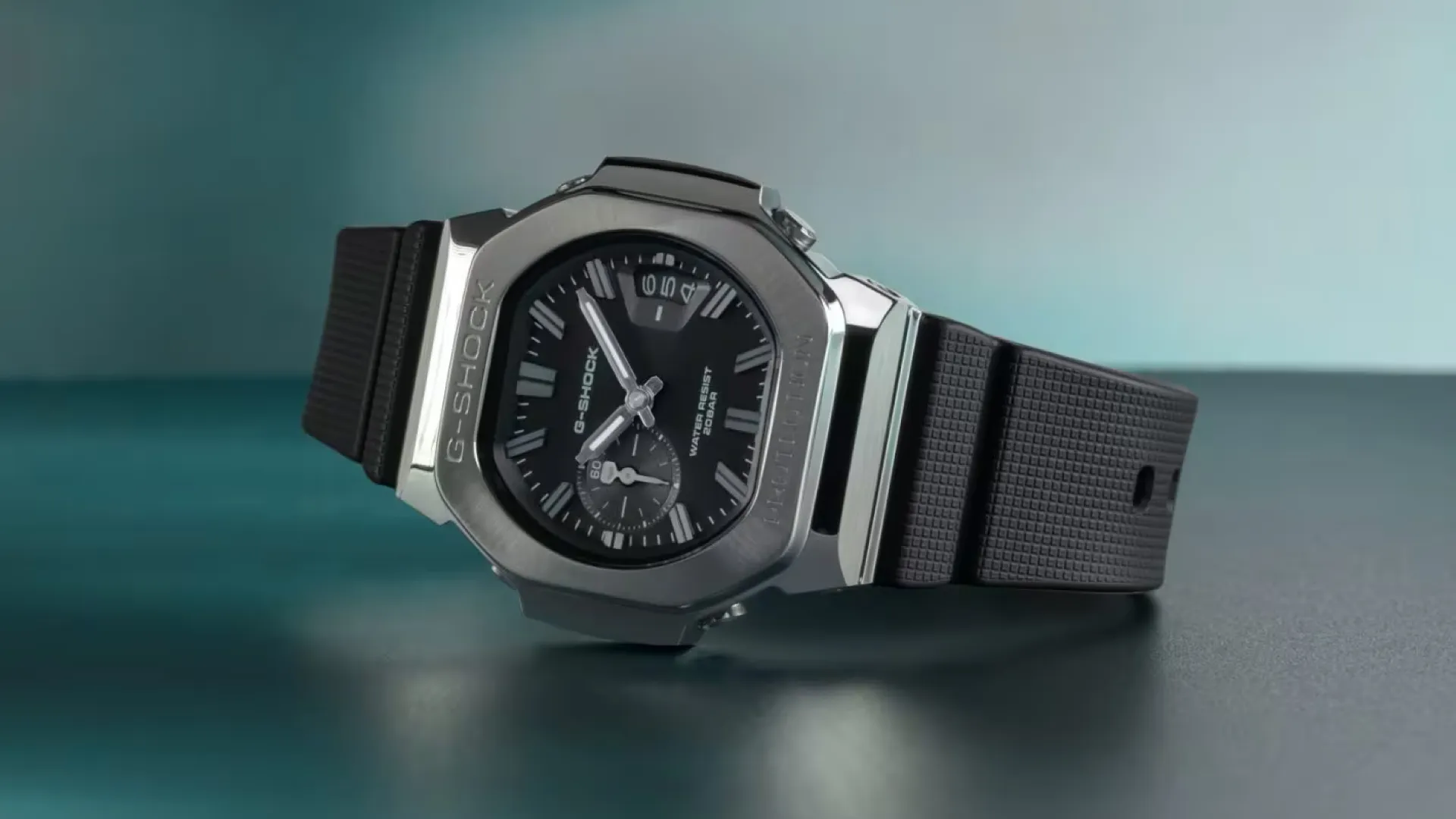
Well, the rumors were true. After weeks of leaked images and social media teasers, G-Shock has officially introduced the new 2500 series. Nine models are scheduled to arrive in November, with prices ranging from $145 for the resin versions to $350 for those fitted with metal bracelets. I think there’s quite a bit to like here, especially if you’ve been waiting for G-Shock to try something different with an analog-only design.

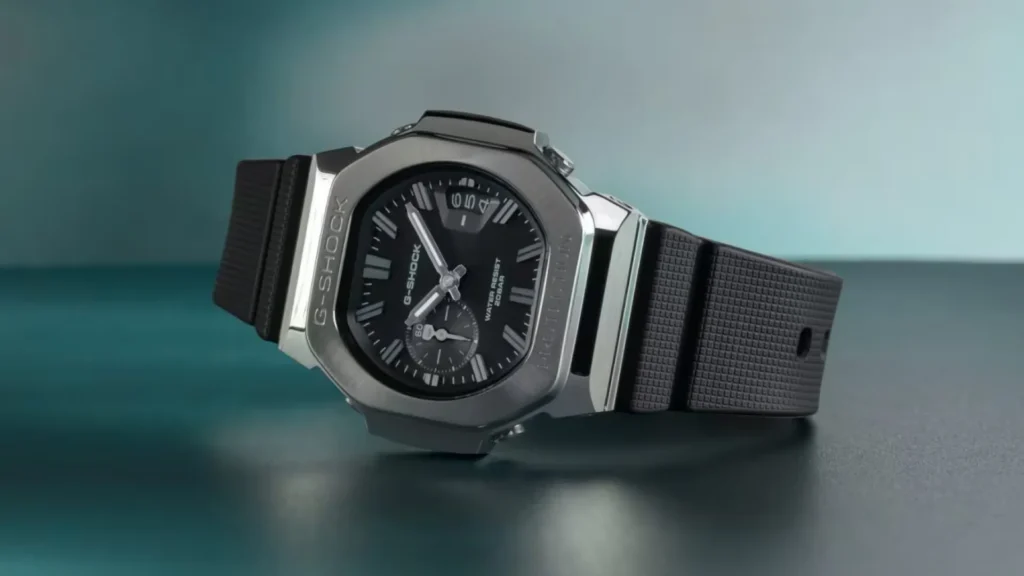
Naturally, the comparisons to the Patek Philippe Nautilus have already started. The rounded case, pronounced shoulders, and relatively soft edges make the connection easy to understand. Collectors have even settled on the unofficial “CasioNaut” nickname, which I suspect will stick around for a while. I can see why people are making the comparison, although the design itself deserves some attention.
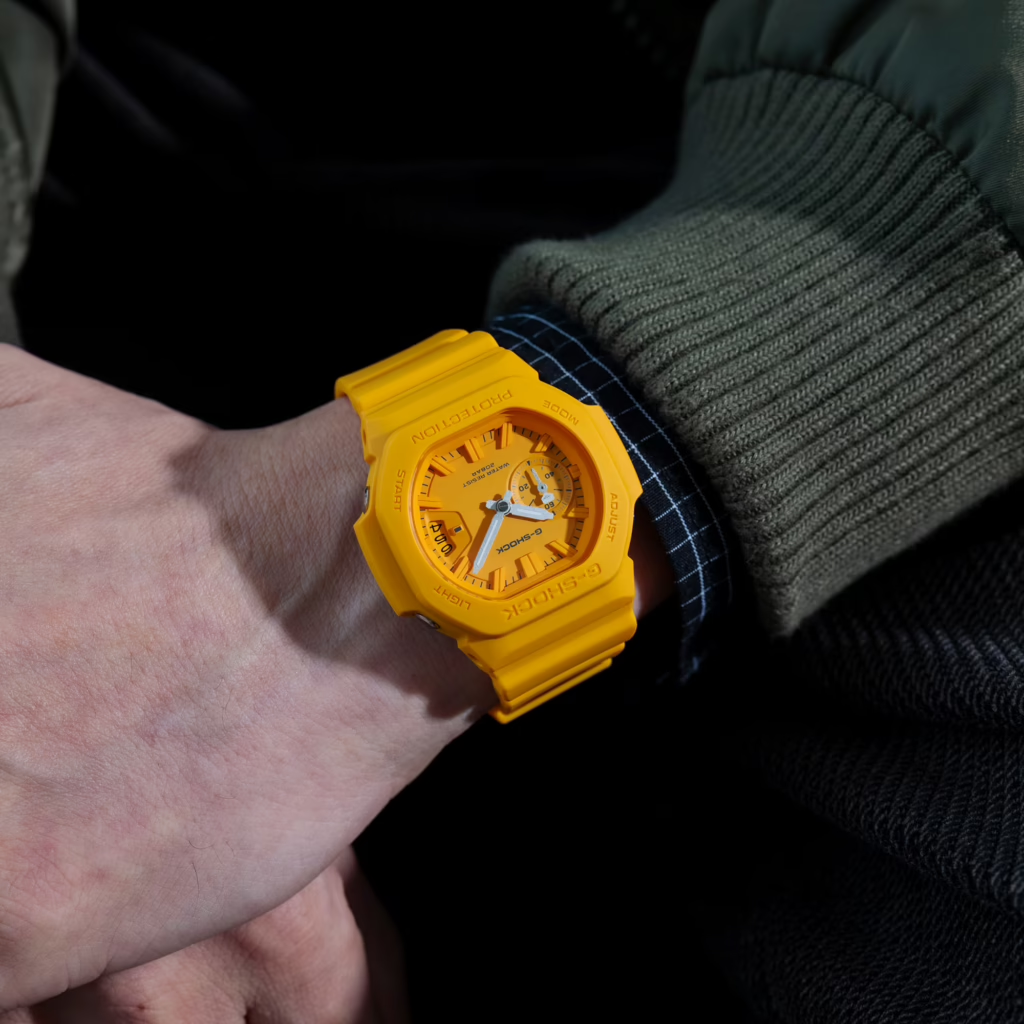
Casio actually points to the original DW-5000C from 1983 as the inspiration behind the 2500. That’s an interesting reference considering how different these watches appear at first glance. There are some familiar G-Shock elements in the case shape, but the fully analog display gives everything a different character.
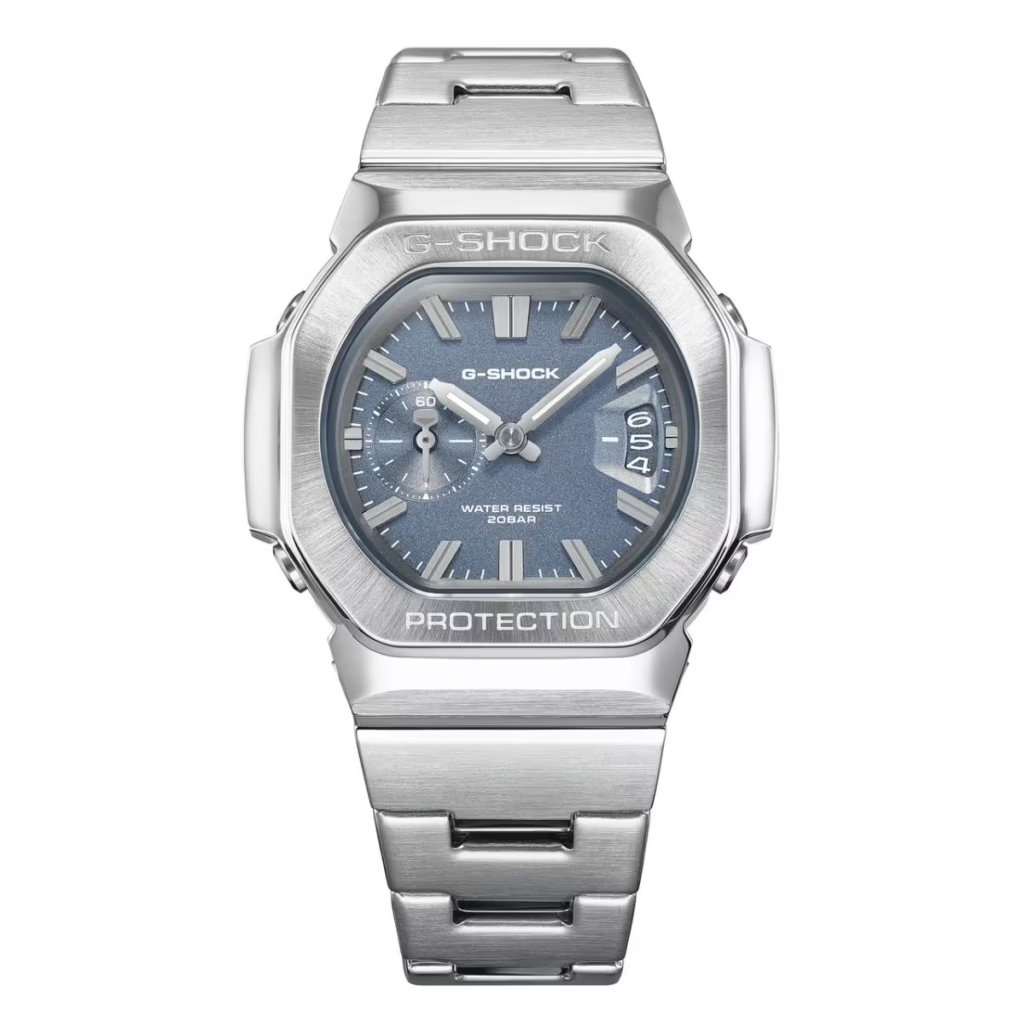
Personally, I think the design works. The case and dial feel like they belong together, and I appreciate how Casio has kept the layout relatively simple. There’s a small-seconds display at 9 o’clock and a three-part date window at 3 o’clock. It’s an unusual arrangement for G-Shock, especially when you consider how much information the brand typically fits into its analog-digital models. And that’s where I have some mixed feelings.
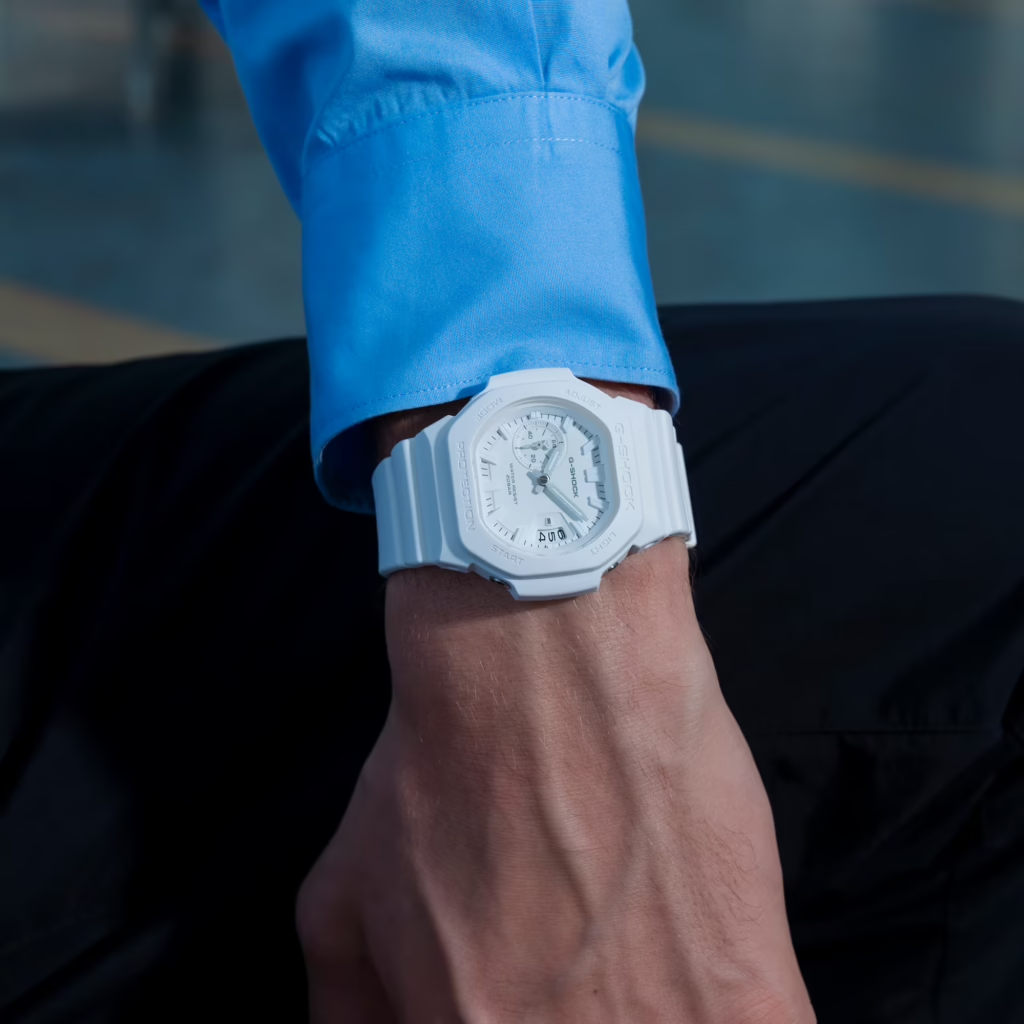
I’ve always preferred G-Shocks with analog-digital displays. I like having that additional screen for checking functions without having to interpret what the hands are doing. The 2500 uses a newly developed analog movement manufactured at Yamagata Casio, with a Multi-Mission Date display that handles calendar information, stopwatch readings, and settings. It’s a clever solution on paper, although I’d be curious to see how intuitive the system is in everyday use.
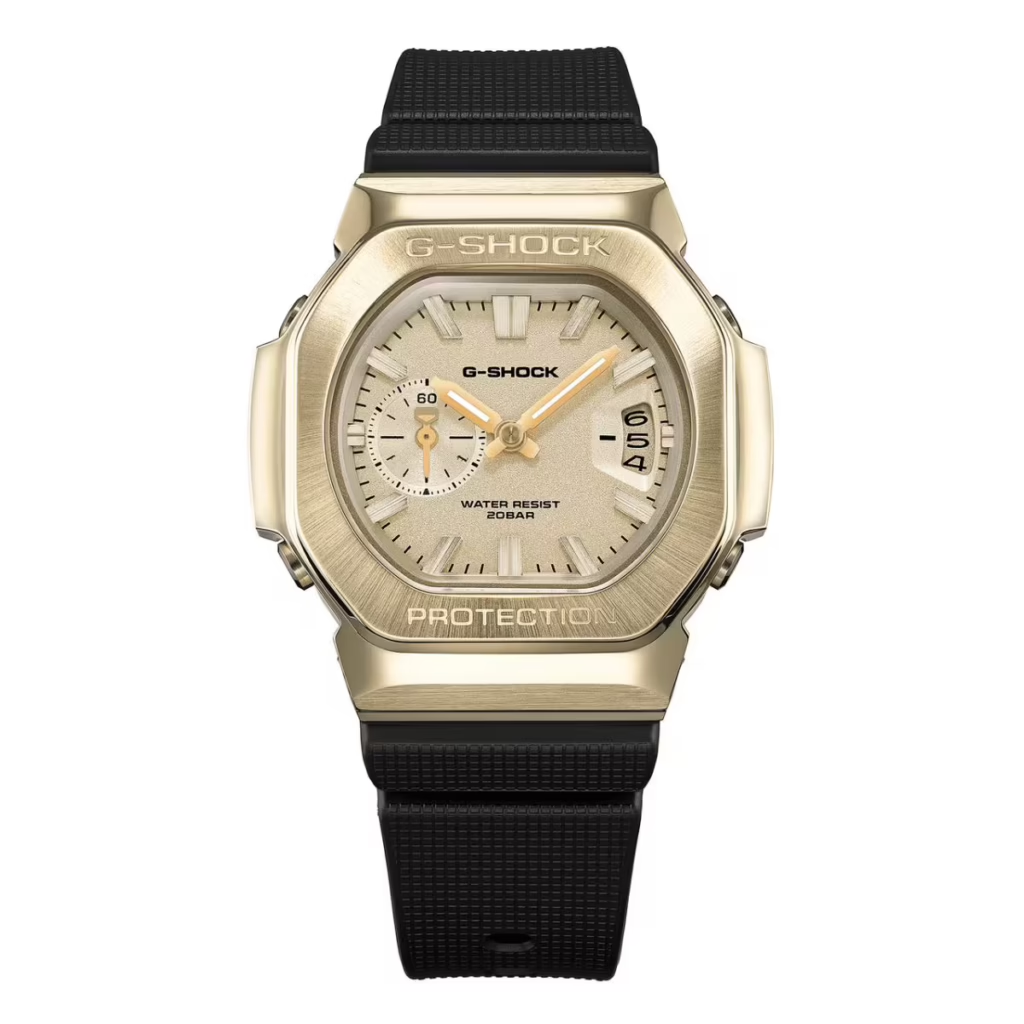
The watches also retain 200 meters of water resistance, shock-resistant construction, LED illumination, and a power-saving function that stops the seconds hand when appropriate. There’s still plenty of familiar G-Shock functionality underneath the new dial arrangement.
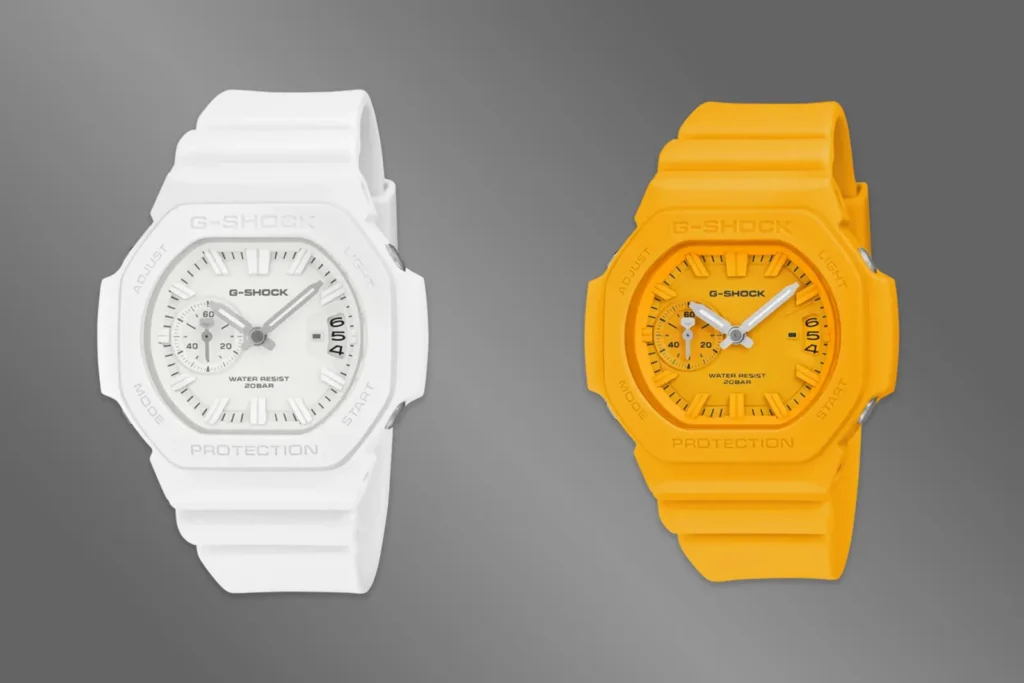
As for the models themselves, the resin GAC2500 variants start at $145, while the metal-accented GMC2500 versions range from $280 to $300 on straps. Two additional GMC2500 references come fitted with metal bracelets for $350.
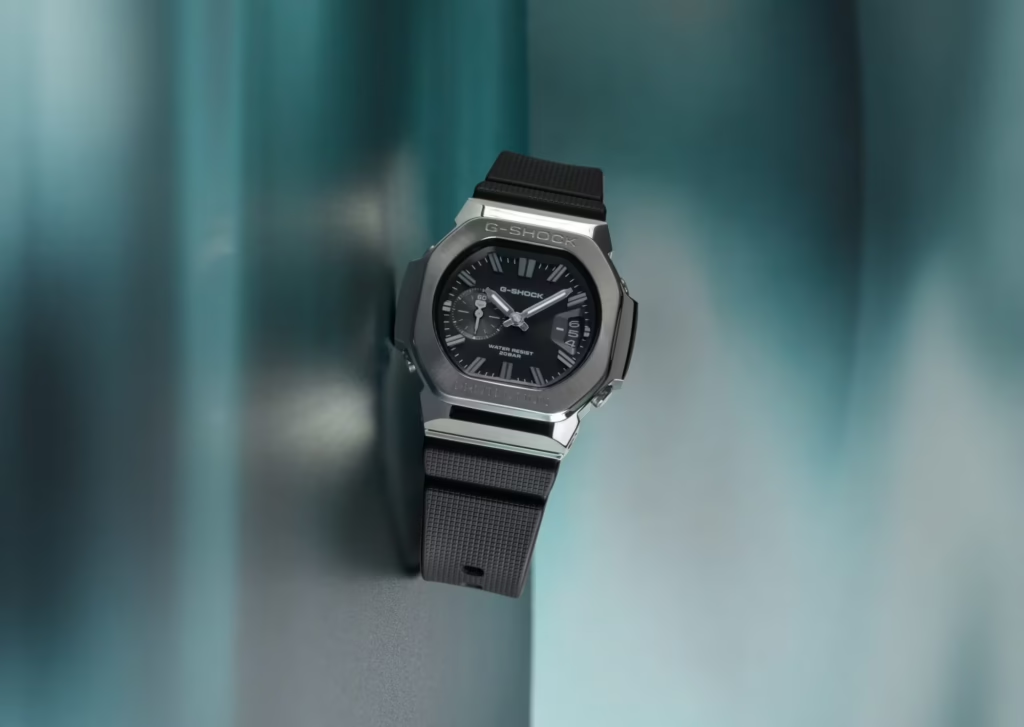
For me, those metal versions are the ones I’d want to see first. I think the case shape benefits from the added metal surfaces, particularly around the bezel and shoulders. The brass dials also introduce different textures and finishes that seem better suited to the overall design. Of course, there’s a considerable price difference between the resin and metal models, and I’d want to examine that construction before drawing any conclusions about value.
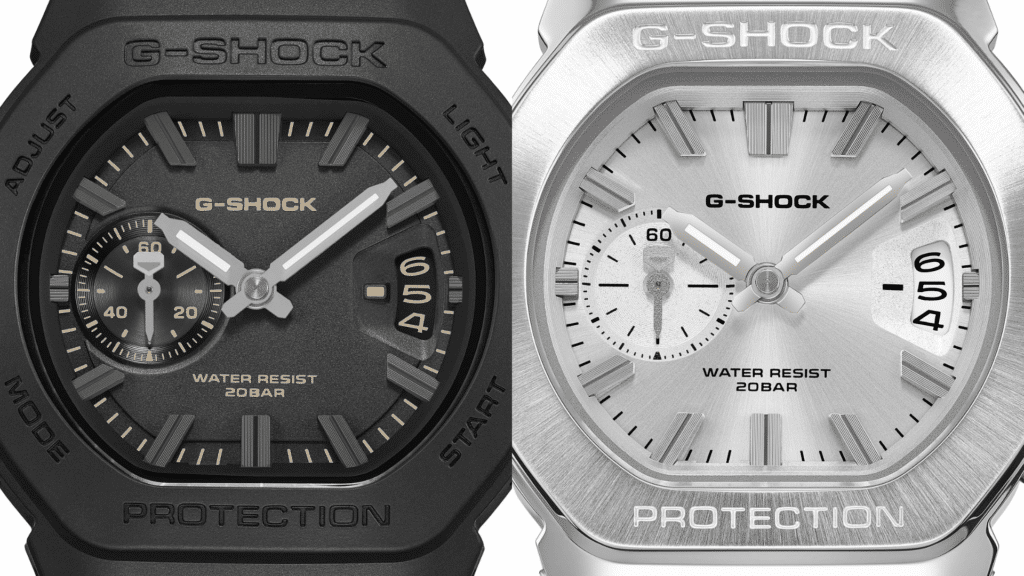
My take is that G-Shock has found an appealing direction with the 2500. I like the design, and I’m glad to see the brand experimenting with a different approach to analog functionality. I’m still partial to its traditional analog-digital watches, though, and I don’t see this release changing that preference anytime soon.
I’ll be curious to see whether the fully analog interface proves as appealing as the case design once people start spending time with these watches. We’ll see!

Co-Founder & Senior Editor
Michael Peñate is an American writer, photographer, and podcaster based in Seattle, Washington. His work typically focuses on the passage of time and the tools we use to connect with that very journey. From aviation to music and travel, his interests span a multitude of disciplines that often intersect with the world of watches – and the obsessive culture behind collecting them.