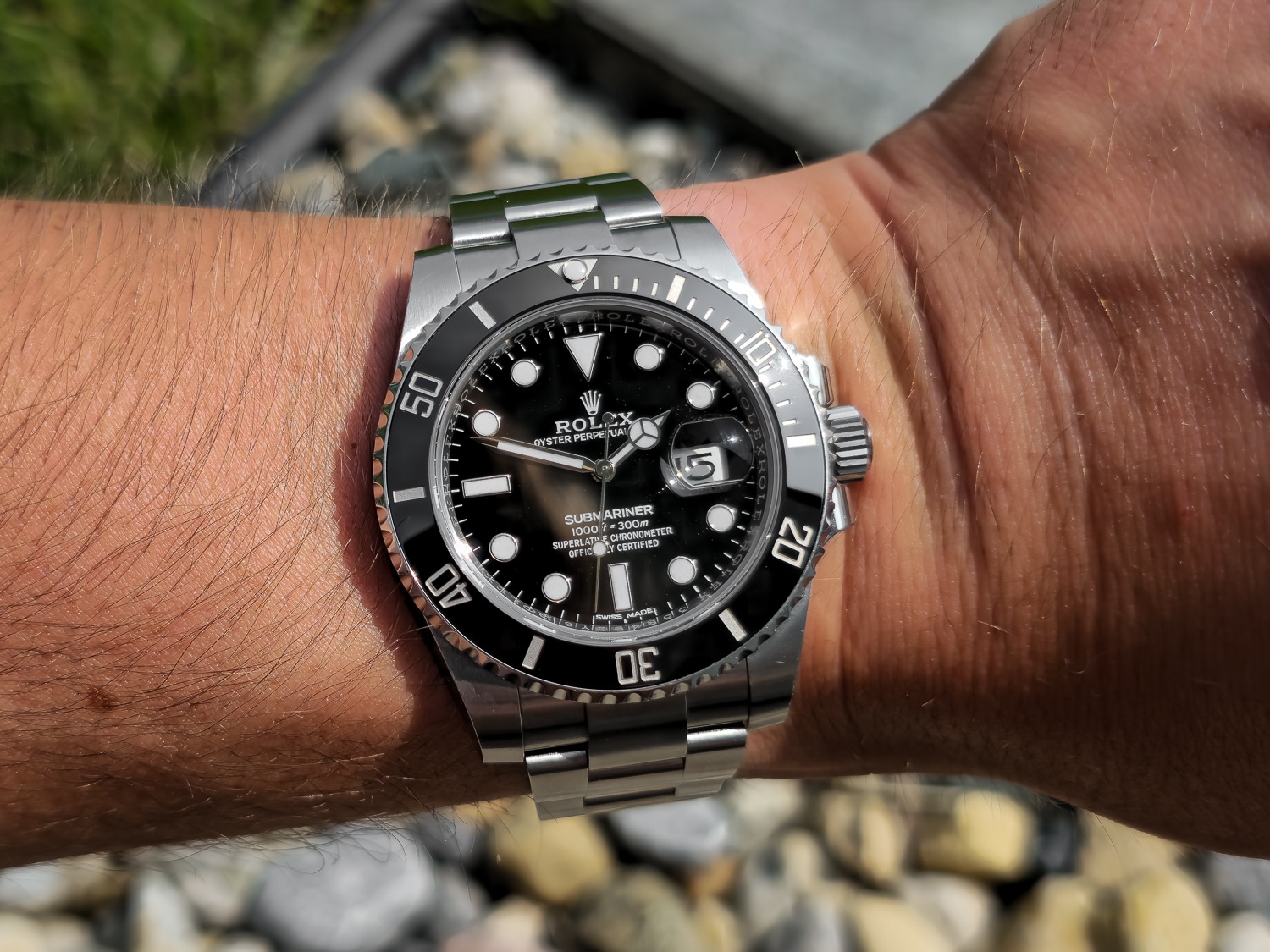
The Rolex Submariner rarely enters a comparison without its reputation leading the way. But can the Seiko Marinemaster genuinely challenge it as a high-end dive watch? We don’t want the Submariner’s name to settle the argument, but the Marinemaster shouldn’t get extra credit simply for being the alternative. At these prices, both watches need to deliver more than a strong first impression.
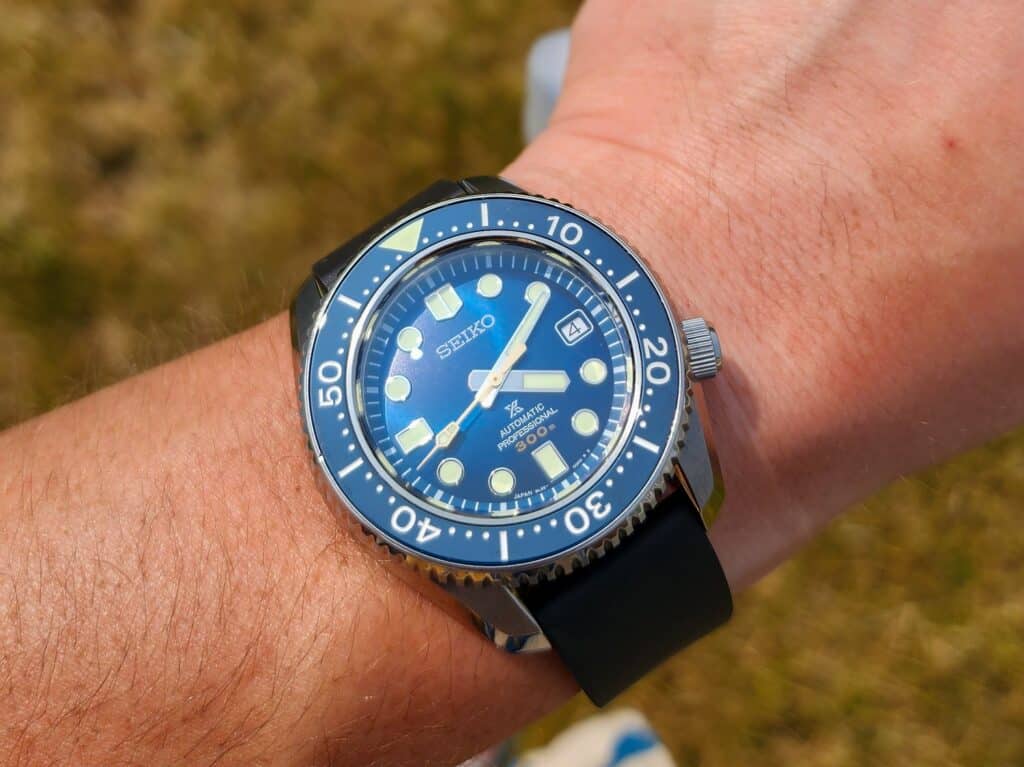
We’ve spent a decade reviewing watches hands-on at TBWS, including the Rolex Submariner and Seiko Marinemaster. Drawing on those separate reviews, we’re putting reputation aside to examine what actually matters: build quality, movement performance, comfort, and everyday ownership. The question isn’t simply which watch offers better value, but which delivers the more complete high-end dive watch experience.
Overview and Identity
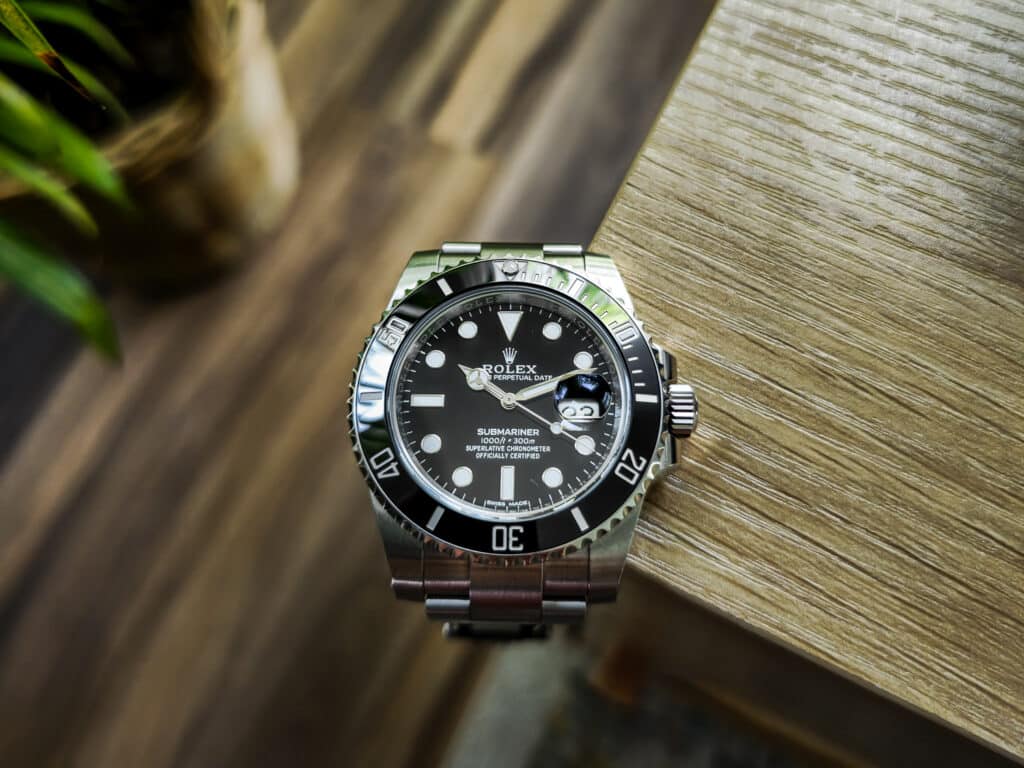
The Rolex Submariner has reached the point where the crown on the dial can do most of the talking before the watch gets a chance. That’s a shame, because our detailed testing of the Submariner 116610 showed it’s more than an expensive way to announce you’ve made it. Rolex takes its time updating this iconic piece, and that restraint has helped preserve what makes the watch work in the first place. The build quality backs up the reputation, even if the watch has its shortcomings and the surrounding hype occasionally threatens to swallow the conversation whole. We get why people want one, but buying a Submariner purely for the name means missing the point. There’s a genuinely good dive watch under all that baggage, and it deserves to be judged on its own merits (the crown has had enough attention already).
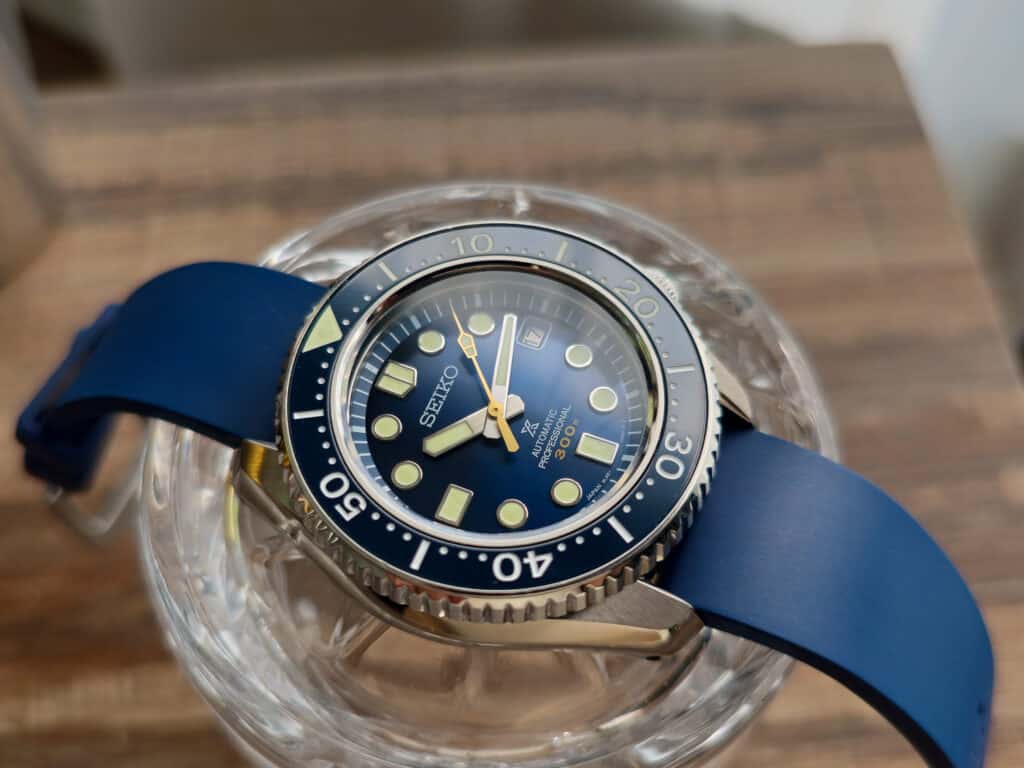
The Seiko Marinemaster is the kind of watch that can occupy a corner of your brain for a decade before you finally admit defeat and buy one. That’s more or less what happened with the blue SLA023J1 in our hands-on review. We had wanted a Marinemaster for years, but the usual objections kept piling up: too expensive, too big, too thick, too difficult to service, and a little too luxurious to fill the tool-watch slot it was supposed to occupy. At some point, the watch you keep talking yourself out of becomes the watch you can’t stop thinking about. After selling almost the entire Seiko collection, we finally took the plunge and didn’t look back. That says plenty about the Marinemaster’s appeal, though it doesn’t erase those original concerns. This is Seiko’s dive-watch ethos turned up to a level that asks you to make room for it, on your wrist and in your budget.
Dial and Bracelet: Rolex’s Everyday Refinement vs Seiko’s Blue-Dial Punch
The Rolex Submariner doesn’t need dial gymnastics to do the job. On our wrists, the glossy black dial stood out for how effortlessly everything came together. Seven lines of text might sound like a lot of paperwork for a dive watch, but the printing stays crisp, and the layout never feels crowded. The Mercedes hands and lume-filled, white-gold-surrounded indices do their jobs without trying to steal the show. There’s nothing revolutionary going on here, and that’s precisely the point. The Submariner’s dial is familiar, legible, and very well put together. Rolex hasn’t tried to fix what wasn’t broken, and we appreciate the restraint.
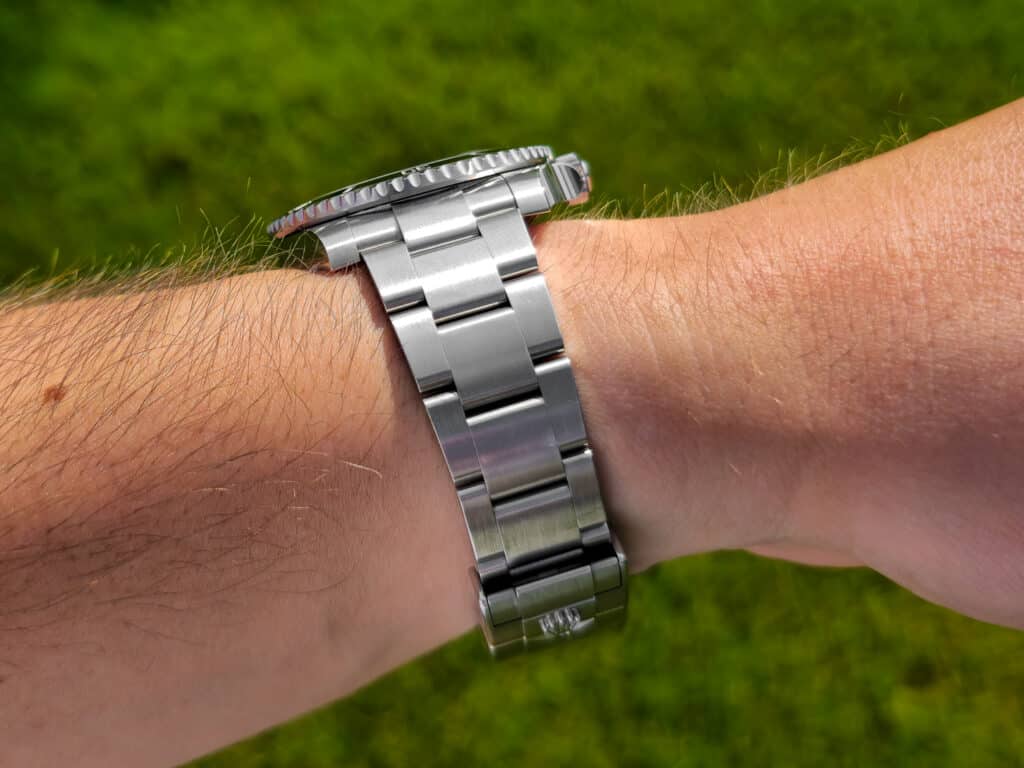
Then there’s the Oyster bracelet, which makes a pretty convincing argument for spending more time examining the watch itself and less time talking about the crown. In our hands-on experience, this generation’s bracelet is about as good as it gets. The links follow the wrist naturally, the end links sit snugly against the case, and the taper from 20mm to 16mm gives the watch heft without feeling like a steel cuff. The Glidelock clasp deserves particular credit. Its roughly link-and-a-half of tool-free adjustment is smooth to operate, and the slim clasp doesn’t create an uncomfortable lump underneath the wrist. That’s useful when your wrist swells during the day, or you want to adjust your bracelet quickly without dismantling it at the kitchen table. The brushed links and clasp also hide most everyday scuffs, so you don’t have to treat every desk encounter like a minor insurance claim. Overall, this bracelet feels properly thought through, not merely expensive.
The Seiko Marinemaster adds more color to the conversation, especially the blue SLA023J1 we wrist-tested in-depth. The sunburst dial catches sunlight without losing its character as the lighting changes, something many blue watches struggle to do. The gold accents on the second hand and 300M text give it a welcome bit of warmth without turning the dial into a dress-up exercise. We still miss the Marinemaster name from the older SBDX001; the Prospex logo and accompanying text are symmetrical, but the previous branding had its own appeal. The current indices are precisely finished, although they lack the thick, rounded appearance of the earlier models’ hand-applied markers. At least the date window is neatly framed, with a metallic sheen that shows Seiko hasn’t ignored the small stuff. The dial is a genuine highlight, especially if you like a blue watch that doesn’t disappear into near-black indoors.
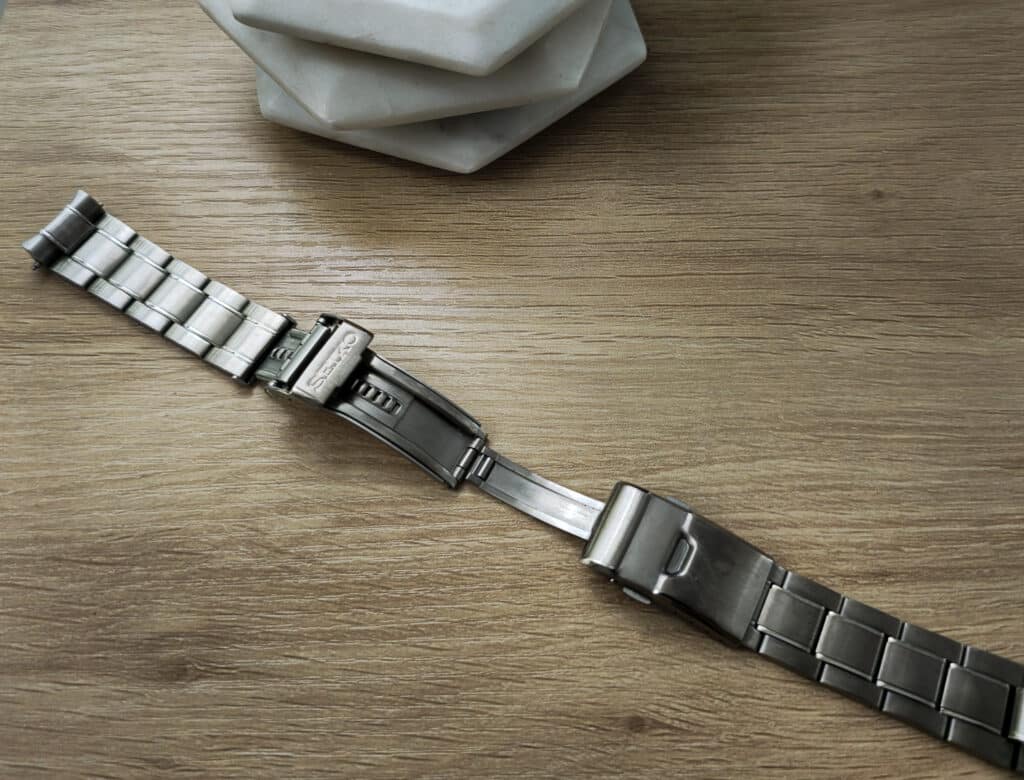
The factory bracelet is another matter. Its ratcheting quick-adjust clasp is genuinely handy, with plenty of positions and enough expansion to accommodate a wetsuit without forcing you to start sizing links from scratch. You can also adjust it while the watch is on your wrist, a practical detail we wish more brands would get right. Unfortunately, the bracelet around that clever clasp seems to have missed the memo. The long links don’t articulate particularly well, and the male end links add a few more millimeters to an already imposing 50.5mm lug-to-lug measurement. At its retail price, the Marinemaster sits alongside watches with bracelets that offer considerably better comfort and execution. Some less expensive Seiko divers even manage to get this part right. That’s part of why we ditched the factory bracelet for an aftermarket blue FKM rubber strap or a single-pass NATO, and both made the watch much easier to live with. It’s a frustrating compromise on a watch with so much going for it. Still, we’re not above changing the strap when the alternative is a bracelet that seems to think added weight automatically means added quality.
This is arguably where the Submariner earns its biggest advantage. Both watches deliver impressive finishing, but Rolex combines that quality with a bracelet we’d happily wear every day. The Marinemaster looks and feels exceptional on the right strap, yet having to replace the factory bracelet to get the most out of a $3,000-plus dive watch is a compromise we can’t ignore.
Build Quality & Technical Approach
The Rolex Submariner and Seiko Marinemaster have serious dive-watch credentials, but neither gets a free pass on reputation alone. We’re looking at the stuff that separates good engineering from expensive steel: movement performance, case finishing, bezel action, and water resistance. Specs are easy to print on a box; getting the details right on the wrist is harder. Let’s see where each watch earns its keep.
Movements:
The Submariner 116610 runs on the in-house caliber 3135, a proven workhorse that has powered Rolex watches since the early 2000s. Its 48-hour power reserve won’t win any modern endurance contests, but this movement earns its keep in reliability. Rolex specifies an accuracy of -2/+2 seconds per day, and the example in our review ran at around +0.5 seconds per day. That’s quite precise for a mechanical movement. The finishing is plain, with little attempt to make the movement an object of admiration, but we’re fine with that. The Submariner doesn’t need a decorated caliber to justify itself; it needs one that keeps ticking reliably through years of regular wear. The 3135 delivers on that front, even if we’d happily take a longer power reserve.
The Seiko Marinemaster takes a more interesting route with its fully in-house 8L35, a high-grade movement assembled by hand at the Shizuku-ishi Watch Studio in Morioka, Japan. Derived from Seiko’s Grand Seiko movement family, it beats at 28,800 vibrations per hour, compared with the 21,600vph rate common to many standard Seiko movements. That higher beat rate and the caliber’s hand-assembled construction give the Marinemaster a more substantial mechanical story than mid-tier Prospex models running the 6R series. Seiko’s stated accuracy range is a broad -10/+15 seconds per day. Still, our experience with the 8L series has been considerably better, with none of the movements tested straying beyond roughly ±4 seconds per day. The 8L35 has earned its workhorse reputation, too. We just wish Seiko’s official accuracy specification reflected the performance we’ve come to associate with it.
Case Construction, Finishing & Wearability:
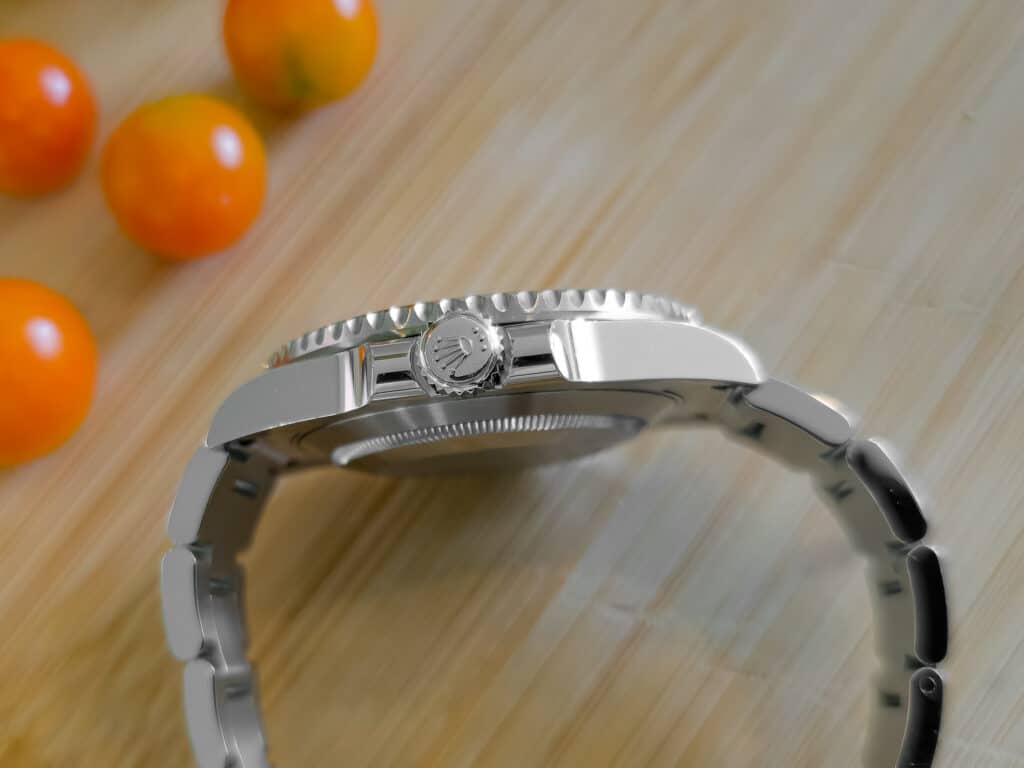
The Sub gets the proportions right without making a fuss about it. Its 40mm case is just 12.5mm thick, with a 48mm lug-to-lug span that sits comfortably on the wrist. For a serious dive watch, that’s impressively slim, and it’s a big reason the Sub slips under a shirt cuff without causing a wardrobe malfunction. Rolex uses its proprietary Oystersteel, a 904L-grade stainless steel valued primarily for its corrosion resistance, though we haven’t noticed a meaningful difference in everyday wear. The finishing makes a more immediate impression: brushed surfaces on top contrast with polished sides, although the overall case can feel a little plain. The sterile caseback is equally understated, but its smooth surface sits comfortably against the wrist. We’d welcome a little more character in the case design, but the proportions are hard to argue with. The Submariner balances tool-watch heft with dress-watch wearability, making it one of the easiest divers we’ve worn.
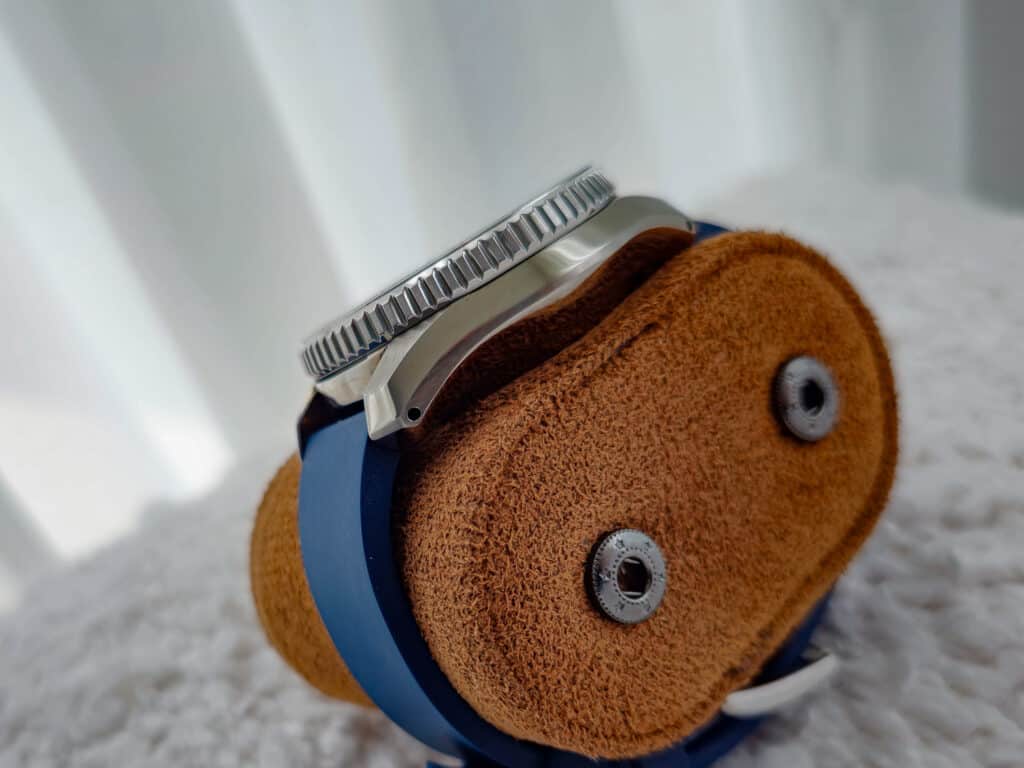
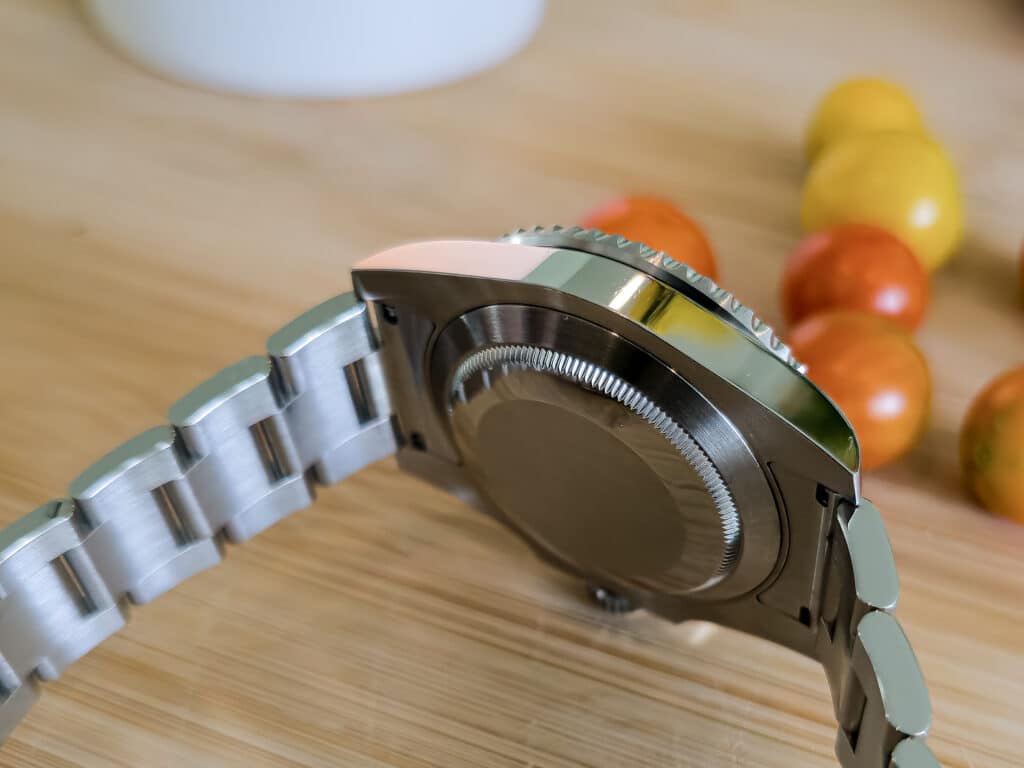
The Marinemaster 300 is built like it has something to prove, and at around 200 grams on its factory bracelet, it certainly makes its presence known. That’s roughly 60 grams heavier than an SKX, so forget the idea of a watch that disappears on your wrist. Despite its 44mm case, though, it doesn’t wear as large as the numbers indicate; it feels closer to a modern ceramic Submariner in overall wrist presence than you’d expect. Much of that comes down to the sculpted case, with sharply angled sides and mirror-like Zaratsu polishing that reflects light beautifully. The relatively small 28.5mm dial also keeps the proportions in check. Seiko’s monocoque construction means there’s no removable caseback; the movement, dial, and hands are accessed through the front. That makes servicing more specialized and potentially less convenient than with a conventional case design. The smooth caseback carries little more than an embossed Seiko wave and minimal printing. Thankfully, drilled lugs make removing the bracelet easy, because you’ll probably want to. The case finishing is outstanding, but it can’t make 200 grams feel like nothing.
Crystals and Bezels:
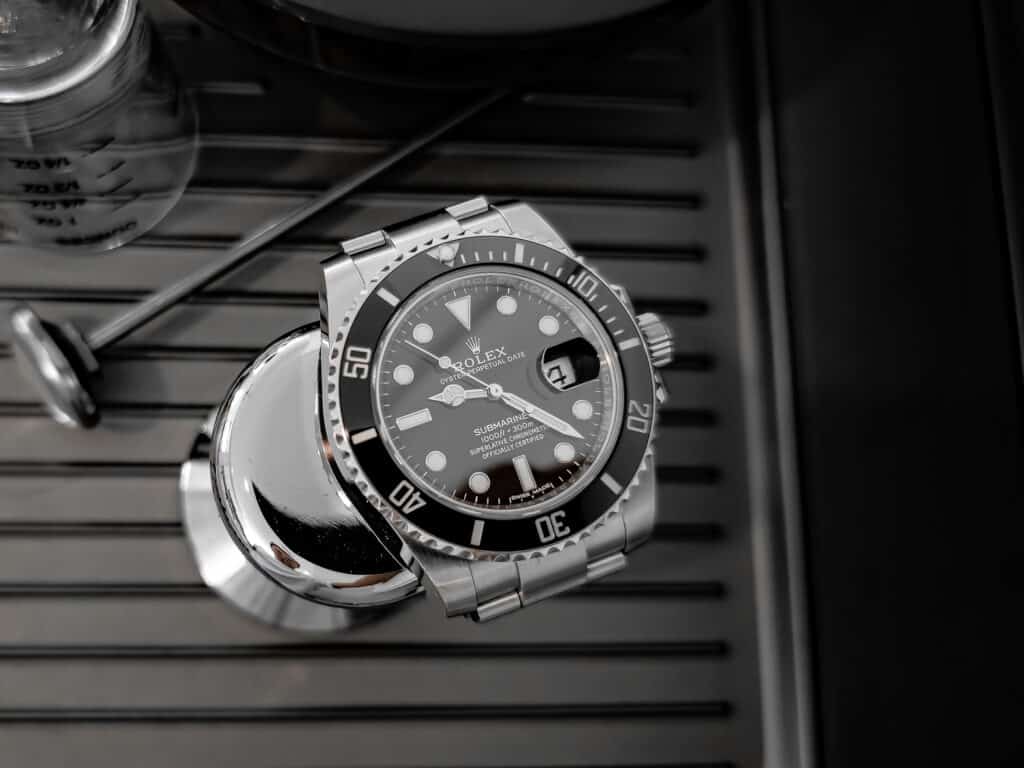
The Submariner’s sapphire crystal does its job, but it’s hardly the star. On the 116610 we reviewed, the date magnifier was the only part with anti-reflective coating, leaving a faint milky haze over the dial in certain lighting. It’s a tolerable quirk, not a dealbreaker, and the Cyclops makes the date easy to read at a glance. Still, we’d expect better reflection control from a watch at this price. The bezel is where Rolex gets back to business. Its Cerachrom ceramic insert features engraved graduations and platinum-filled numerals, and the coin-edge surround provides plenty of grip. More importantly, the unidirectional action is smooth, with zero backplay and precise alignment against the minute track. The bezel tapers toward its edge and slightly overhangs the case, so you don’t need delicate fingernail surgery to turn it. Every click feels controlled and deliberate.
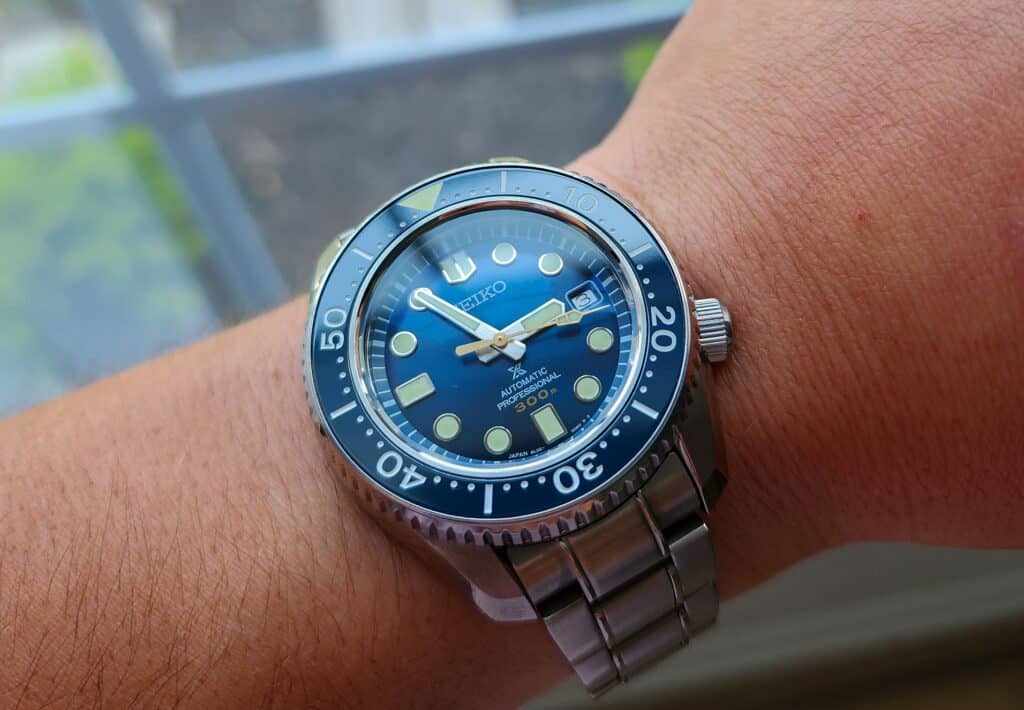
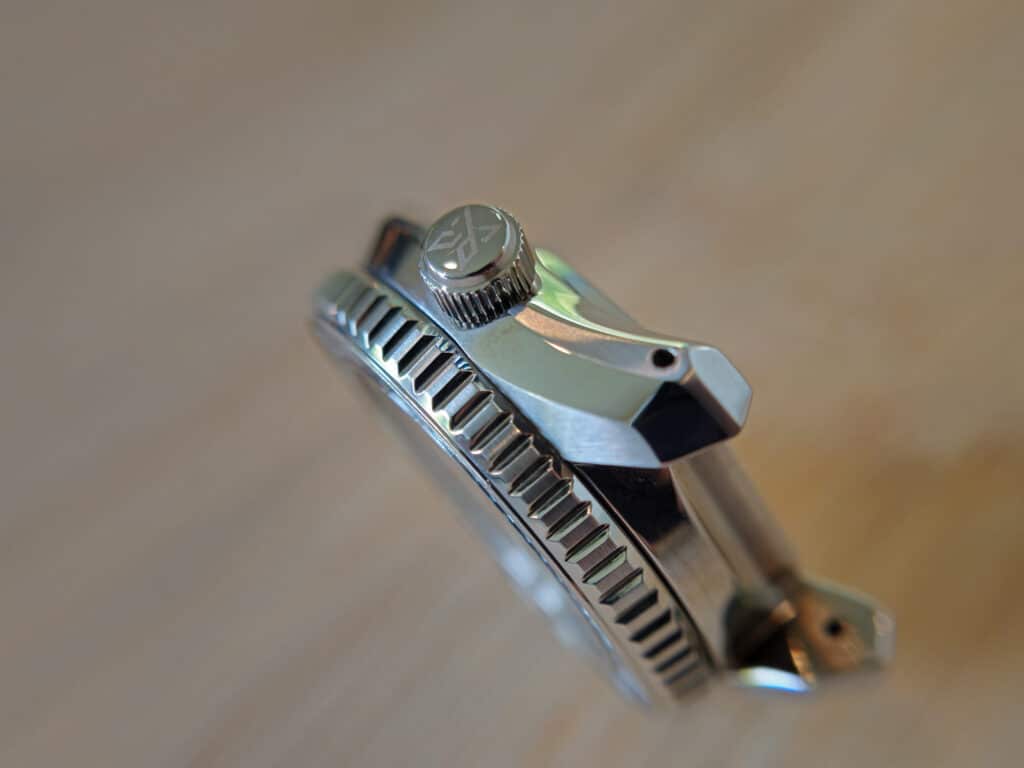
The Seiko Marinemaster also uses a sapphire crystal. Its bezel, meanwhile, has its own personality. It sits prominently on the case, adding roughly a third to its overall thickness, and its gear-toothed edges make it easy to grip, even with gloves on. Brushed finishing on the inner section and a polished bevel along the top add some visual detail, but the action is the real talking point. Rather than delivering the crisp, almost frictionless clicks of the Rolex, it moves with firm, consistent resistance, like turning a combination lock that happens to click into place. It’s a distinctly Seiko sensation, and we found it satisfying once we got used to it. The bezel feels substantial and deliberate, although anyone expecting Rolex-style precision may need to recalibrate their fingers.
Water Resistance & Lume:
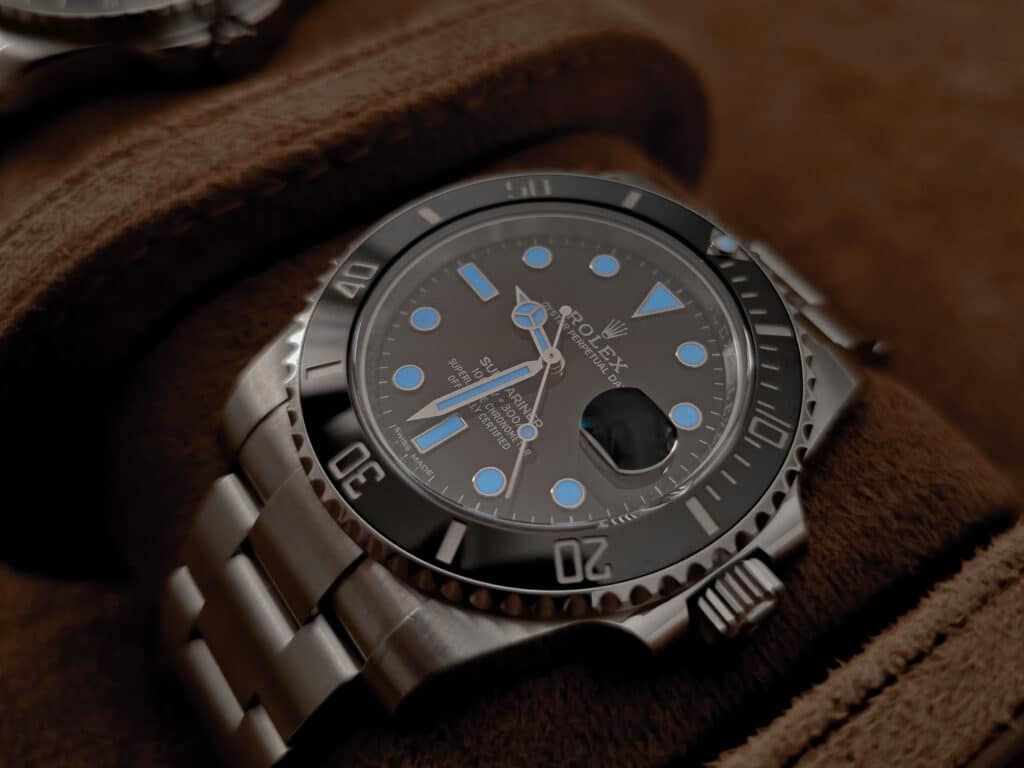
The Submariner offers 300 meters of water resistance, which is plenty for swimming, diving, and most of the aquatic mischief a normal person can get into. The Triplock screw-down crown deserves some credit, too. Winding feels smooth, and its multiple gaskets help maintain basic water resistance even if you forget to screw it down. We’d still make it a habit to secure it before a swim, though. The curved crown guards offer protection, while the raised 12 o’clock lume pip is a clever detail: it’s easy to locate by touch, and a tiny sapphire cover protects the luminous dot. Rolex has even made a bezel marker feel premium. The blue Chromalight lume on the hands, indices, and hour markers is excellent, glowing steadily enough to keep the time readable well into the night. It won’t leave you squinting at your wrist during a 3 a.m. wake-up call.
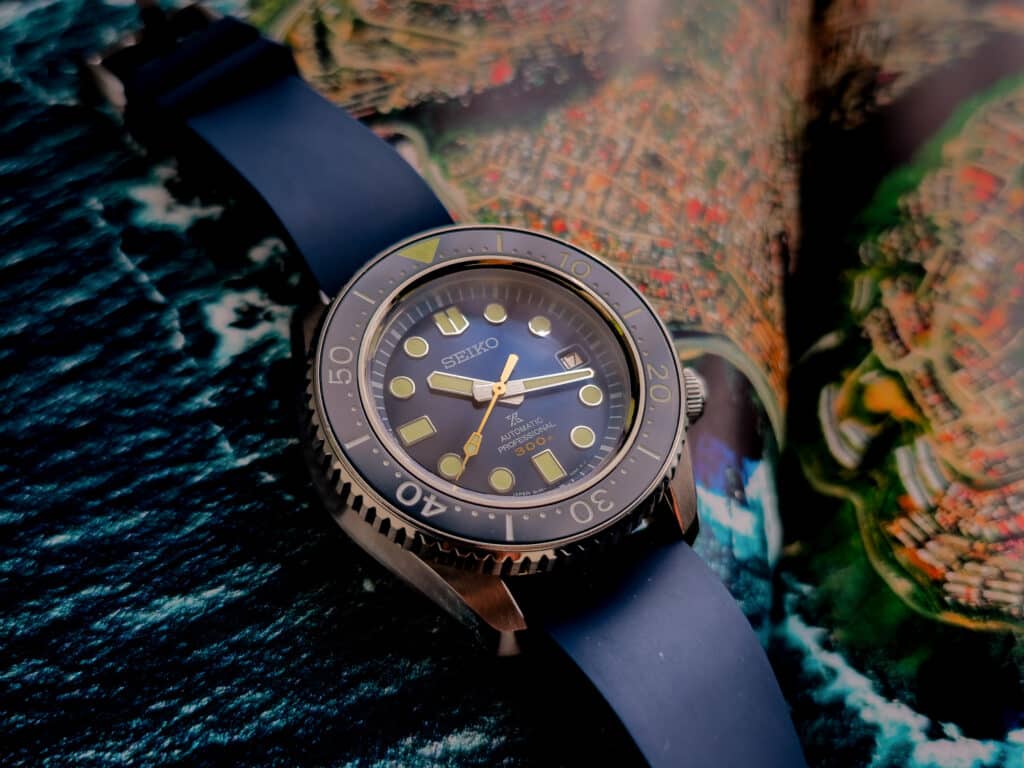
The Marinemaster matches the Rolex with 300 meters of water resistance, so neither watch needs to sit out a swim. Its LumiBrite lume, however, is where things get interesting. Seiko’s luminous compound glows intensely and lasts through the night, while the ceramic bezel is illuminated up to the 20-minute marker. That extra coverage is useful when you’re tracking elapsed time in low light, rather than trying to decipher a half-lit bezel by wishful thinking. The Marinemaster’s lume is among the strongest we’ve encountered in a dive watch, and unless you prefer tritium’s more consistent glow, it’s hard to find much to complain about. Rolex delivers excellent nighttime legibility, but Seiko brings the sort of glow that makes checking the time in a dark room feel almost unnecessary (your eyes will find it before your brain has fully woken up).
Cost Considerations
At the time of our original hands-on review, the Rolex Submariner 116610 retailed for $10,250. This reference has since been discontinued, making the pre-owned market the primary way to acquire one today. Even when this reference was available new, actually getting one wasn’t necessarily straightforward. We waited three months for ours, a relatively short wait by Rolex standards. Other buyers with substantial five-figure purchase histories have waited years for the call. Imagine being made to feel lucky to spend nearly ten grand. Gray-market pricing makes an already tough value proposition considerably worse, while the Submariner’s status as one of the world’s most counterfeited watches makes buying used a nerve-racking exercise. Some fakes are frighteningly convincing, and nobody wants to drop five figures on a watch only to discover they’ve bought an expensive lie. The Submariner is an excellent watch, but Rolex’s buying experience can make you wonder whether the crown has started taking itself a little too seriously.
The Seiko Marinemaster SLA023J1 retailed for $3,100 at the time of our review, making it considerably easier to swallow next to the Rolex. But let’s not pretend three grand is pocket change for a Seiko without “Grand” in its name. At this level, you’re competing with watches from brands whose luxury credentials are far more universally recognized. The Marinemaster doesn’t have that name recognition. Still, it offers something a cheaper Seiko diver, Tudor Black Bay, Omega Seamaster, or Rolex Submariner couldn’t quite provide: the particular Japanese tool-watch experience we’ve spent years chasing. That doesn’t magically turn $3,100 into a bargain, but it explains why the Marinemaster can justify its price to someone who connects with it.
The Rolex makes you pay dearly and endure the privilege of buying it; the Seiko asks you to pay a serious premium and decide whether its distinctive character is worth the trade-offs.
Final Thoughts: Which High-end Dive Watch Wins?
The Rolex Submariner wins because its quality holds together where it matters most: on the wrist. The bracelet feels properly engineered, the bezel action is precise, and the proportions make daily wear feel almost effortless. These aren’t flashy party tricks; they’re the details we appreciate every time we put the watch on. Strip away the crown and the waiting-list nonsense, and there’s still a well-executed dive watch underneath. That’s what makes the Submariner more than a status symbol.
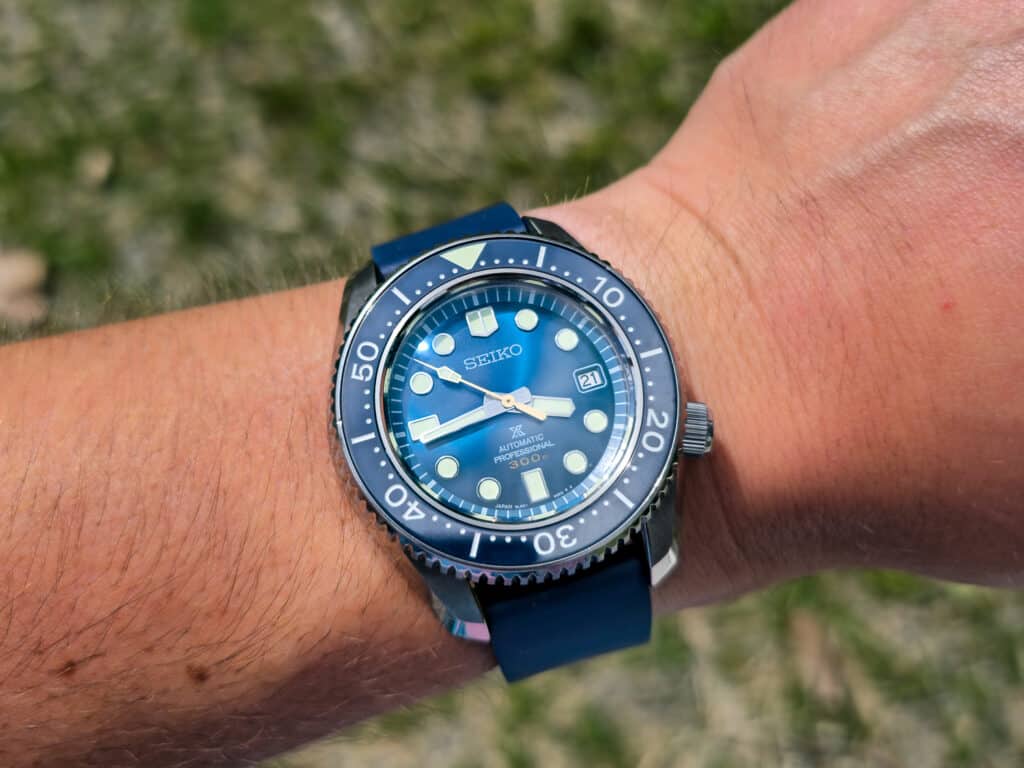
The Seiko Marinemaster is arguably the more intriguing watch for enthusiasts. Its hand-assembled 8L35, striking blue dial, outstanding lume, and Zaratsu-finished case give it a Japanese tool-watch identity that the Rolex can’t simply replicate. But the heavy bracelet and servicing complications aren’t charming little footnotes when you’re the one living with them. We can admire what Seiko has accomplished without pretending every decision works equally well. That gap matters when you’re paying flagship money.
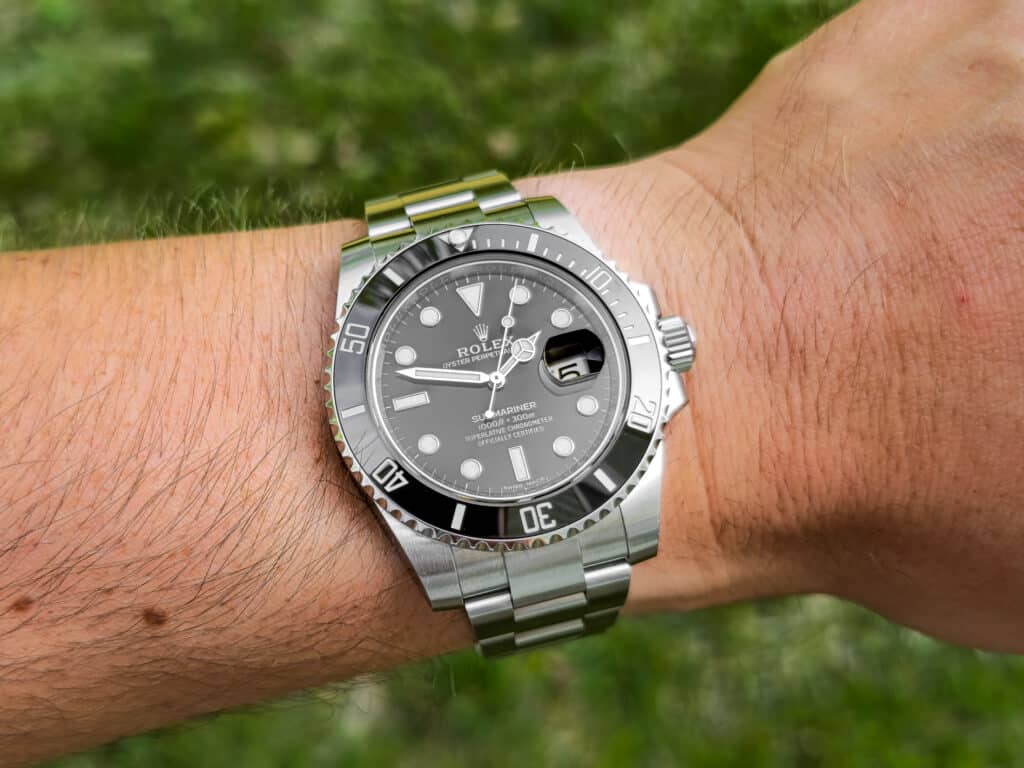
Our winner is the Rolex Submariner. It remains the more complete luxury package, but the Marinemaster proves Rolex doesn’t have the high-end dive-watch field to itself. Seiko makes the crown work for its reputation, but Rolex still earns it.

Co-Founder and Senior Editor
Kaz has been collecting watches since 2015, but he’s been fascinated by product design, the Collector’s psychology, and brand marketing his whole life. While sharing the same strong fondness for all things horologically-affordable as Mike (his TBWS partner in crime), Kaz’s collection niche is also focused on vintage Soviet watches as well as watches that feature a unique, but well-designed quirk or visual hook.