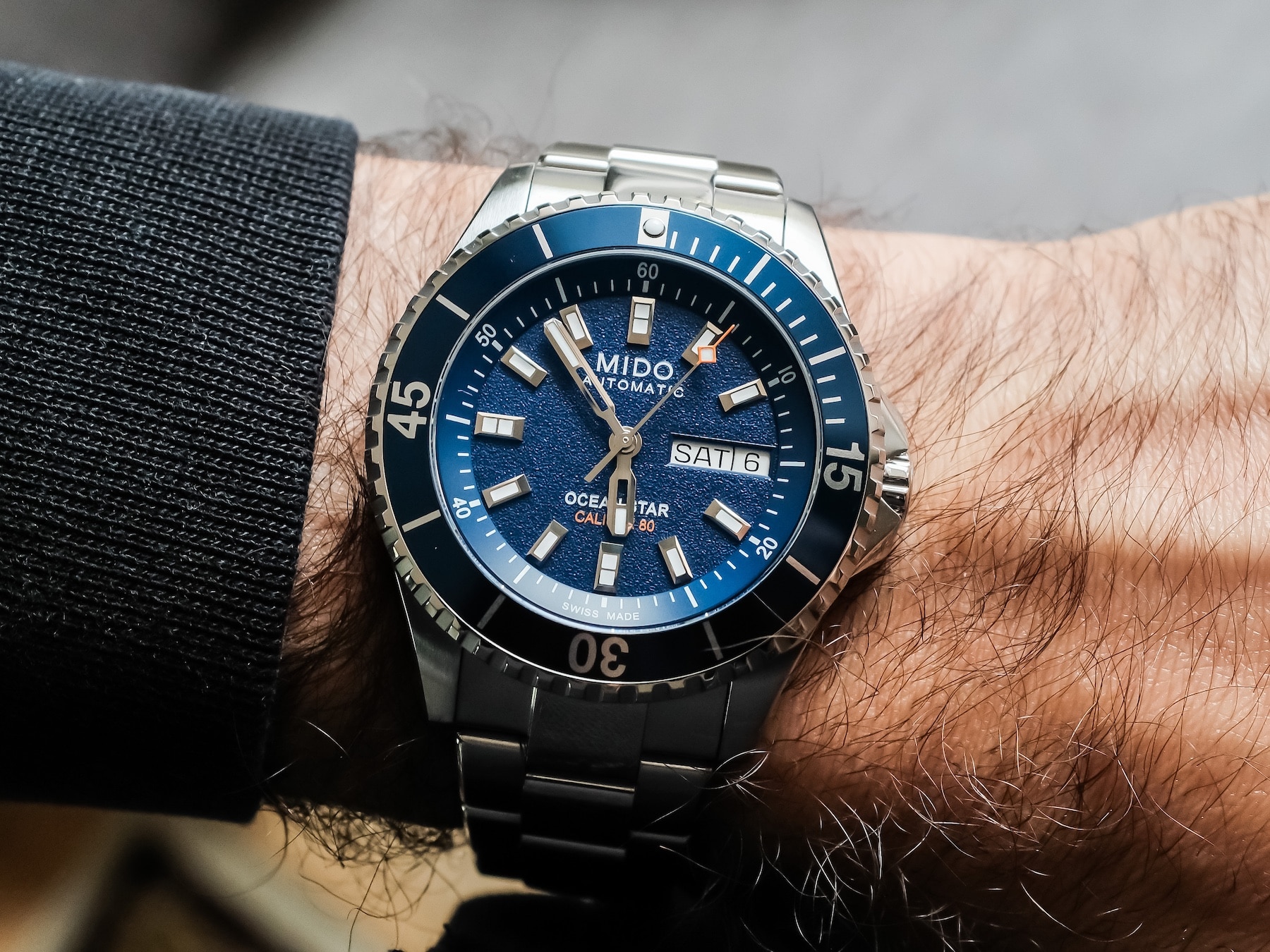
The Mido Ocean Star 200 and Ocean Star Titanium look close enough that it’s easy to assume the newer Ocean Star 200 is simply the Titanium’s successor with a few things cleaned up. After spending time with both, we don’t see it that way. Mido has changed the formula, but the more useful question is whether those changes actually make the newer watch better in everyday use. Does the Ocean Star 200 feel like a meaningful step forward, or did Mido trade away some of what made the Titanium so compelling?
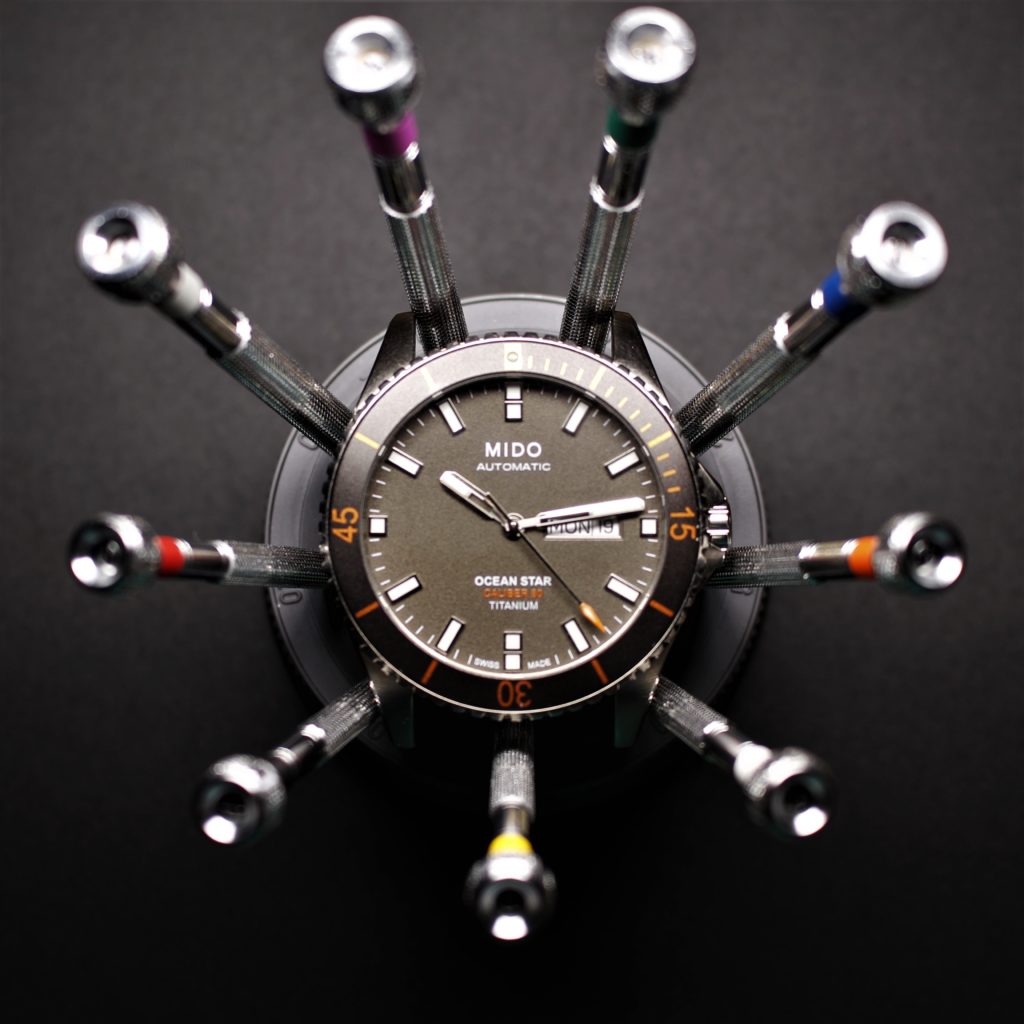
We’ve been reviewing watches hands-on for more than a decade, and comparisons like this are where that accumulated wrist time matters. We’ve learned to look past the easy “newer is better” assumption and pay attention to the details that become noticeable after days and weeks of wearing a watch: how naturally it sits, how often we want to put it back on, and which small choices either improve the experience or start to grate. We’ve worn both Ocean Stars with that in mind, so rather than treating the newer 200 as an automatic upgrade, we’re looking at whether Mido actually made the watch better where it matters most: on the wrist.
Overview and Identity
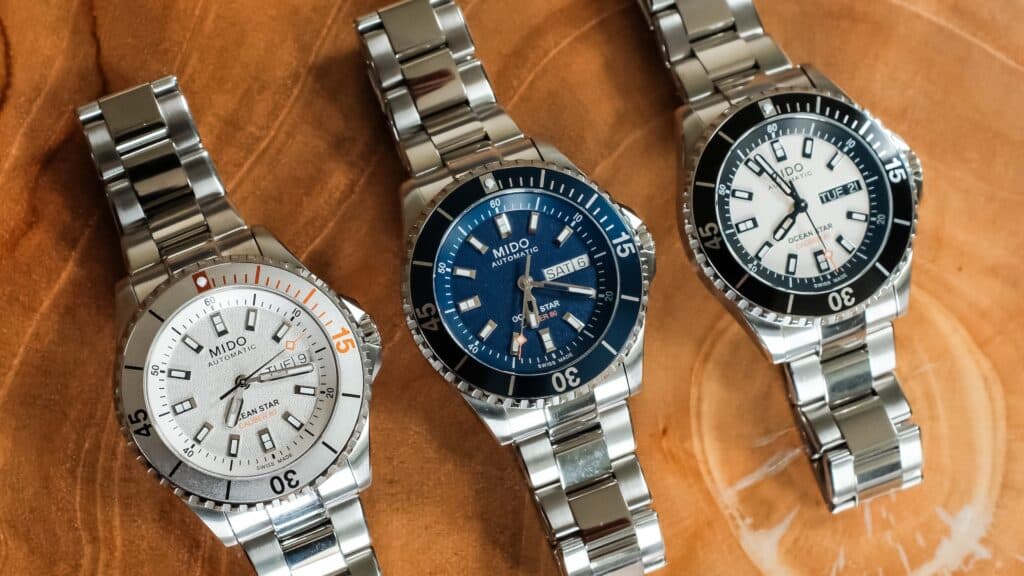
The Mido Ocean Star 200 is a good reminder that one watch platform can feel surprisingly different depending on how it’s executed. We had three different colorways arrive at once for our hands-on review, all priced under $1,000, and wearing them side by side showed us more than we expected. Beneath the shared case and movement, each version developed its own personality on the wrist, making this less about picking a favorite color and more about seeing how Mido has reshaped the Ocean Star 200 idea rather than simply making it “better.”
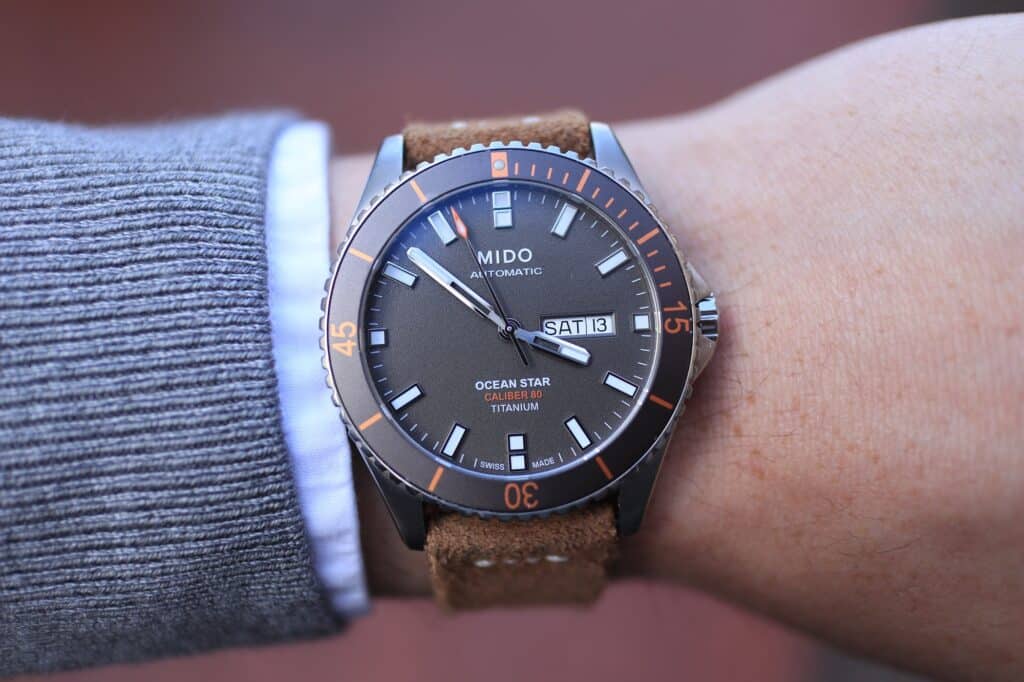
The Ocean Star Titanium has a different sort of appeal. We’re talking about a watch that spent a year and a half in heavy rotation while we tested it and earned that wrist time by being slim, light, comfortable, and versatile. Its 42.5mm case doesn’t wear like a brute, while the curved bracelet links and easy-ratcheting clasp make the titanium construction surprisingly comfortable for all-day wear. There are quirks, too—the crown takes some effort to unscrew—but that hands-on familiarity is part of what makes the Titanium interesting rather than simply an older Ocean Star that the newer 200 automatically replaces.
Dial, Bracelets & Wearability: A More Refined Feel vs. Lightweight Wearability
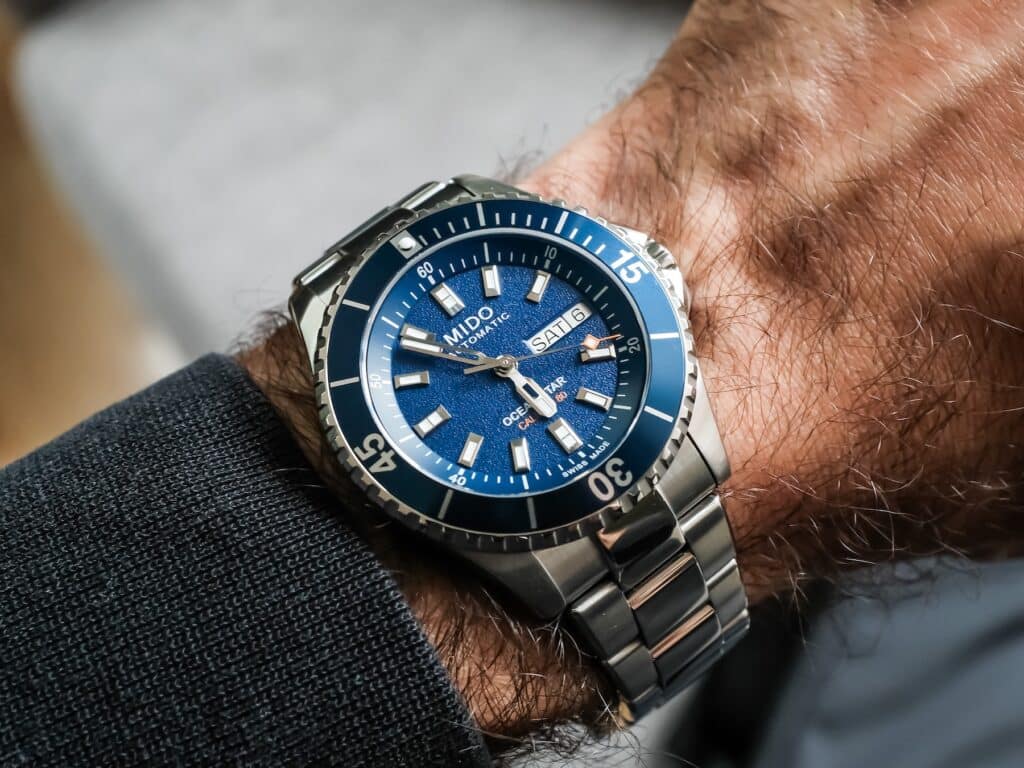
The Ocean Star 200’s biggest visual change is the dial, and wearing the three colorways together made that much easier to appreciate. The raised outer flange adds depth, while the more substantial applied markers and thicker hands bring the layout into better balance. The grained surface also changes considerably as the light moves across it, giving the dial more to discover than a flat finish would. Having all three on hand also made the differences harder to dismiss as color changes. The white one kept pulling us back because it has the strongest tool-watch feel, while the blue is the easy answer if you want the familiar modern-diver look. The silver took longer to appreciate, but its texture does more work as the light changes. Taken together, these changes make the 200 feel more polished than the Titanium, even if that doesn’t automatically make it the more compelling watch.
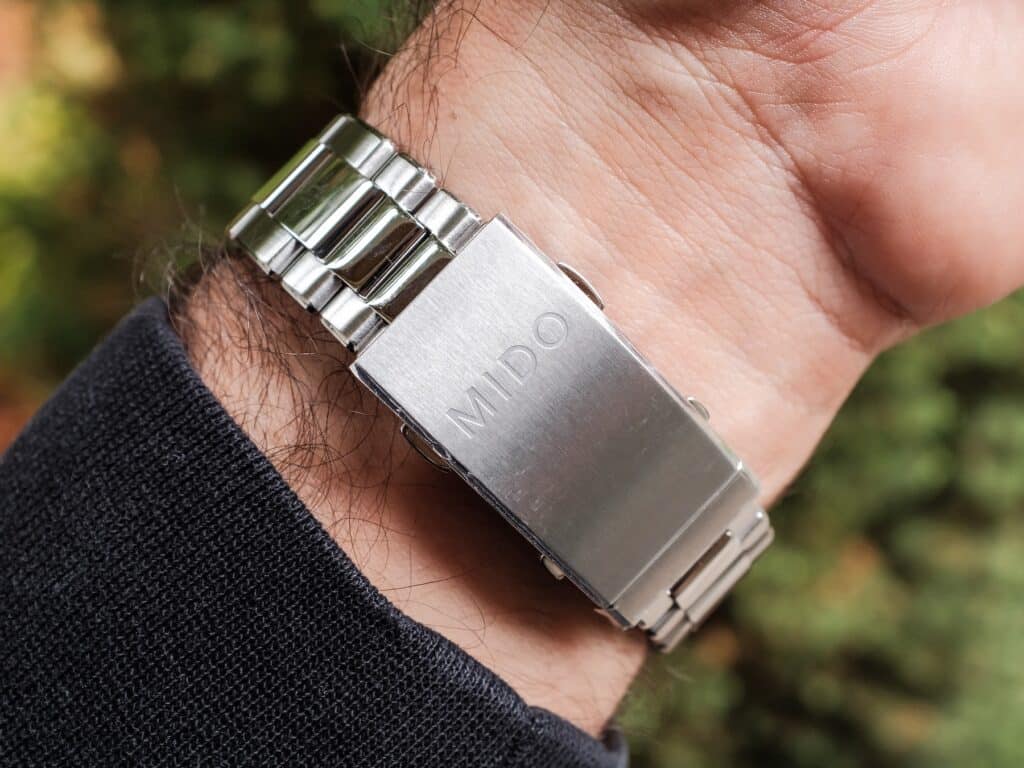
Mido also redesigned the 200’s three-link bracelet, mixing polished center links with brushed outer links for a little extra refinement without making the watch feel dressy. The quick-release spring bars are useful if you like changing straps, while the integrated diver’s extension adds practical flexibility. These details make the bracelet feel like part of the redesign rather than an afterthought, and they reinforce the 200’s more considered approach without turning the wearing experience into a fuss-fest.
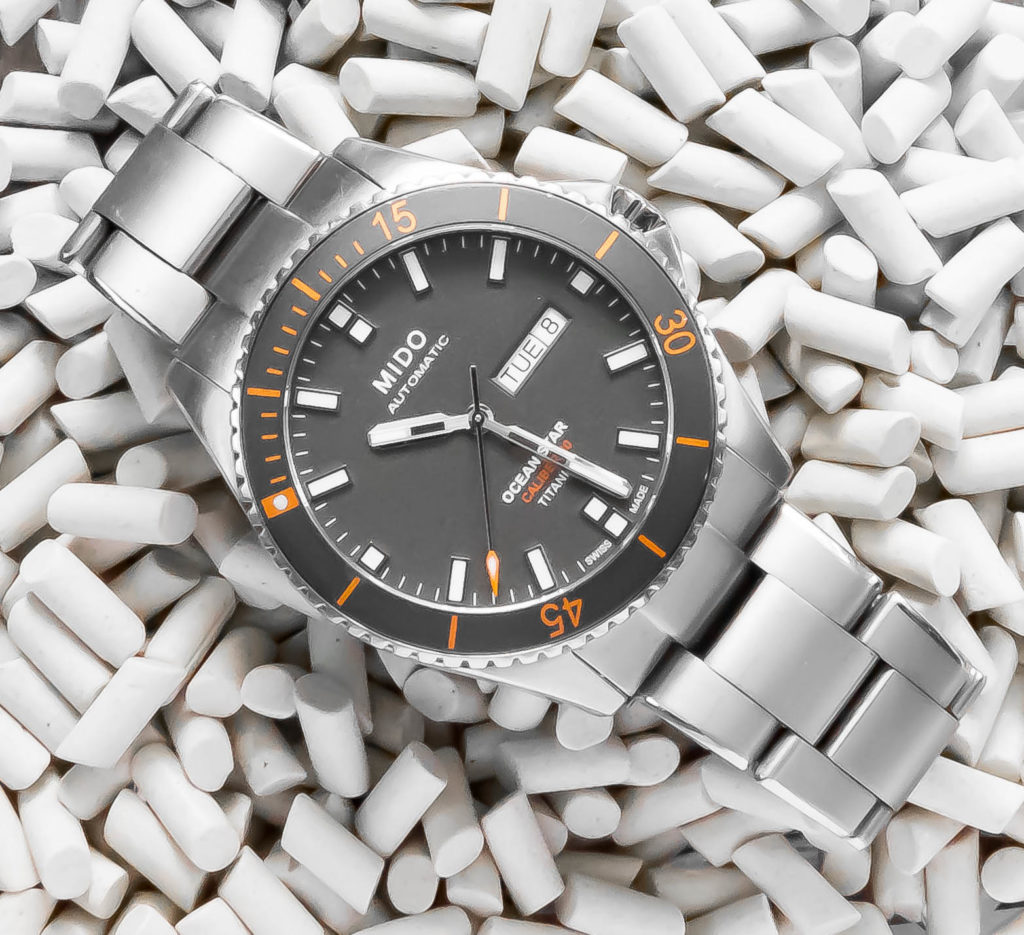
The Ocean Star Titanium gets much of its personality from its dial, too, although the effect is different. The gray surface has a texture that plays strongly with light, sometimes catching it and sometimes seeming to absorb it, while the proportions of the indices and dial text keep the layout controlled. One of our favorite details is the shortened 9 o’clock marker. It mirrors the shortened 3 o’clock marker around the day-date, and that symmetry keeps the dial from looking like Mido simply shoved a calendar into an existing layout. The beveled day-date window, English/German day wheel, and instantaneous midnight change are useful touches. At the same time, the orange second hand with its lumed tip gives the otherwise restrained dial a little personality. That combination is a good reminder that the Titanium may be the older watch, but it still has an identity the newer 200 doesn’t simply replace.
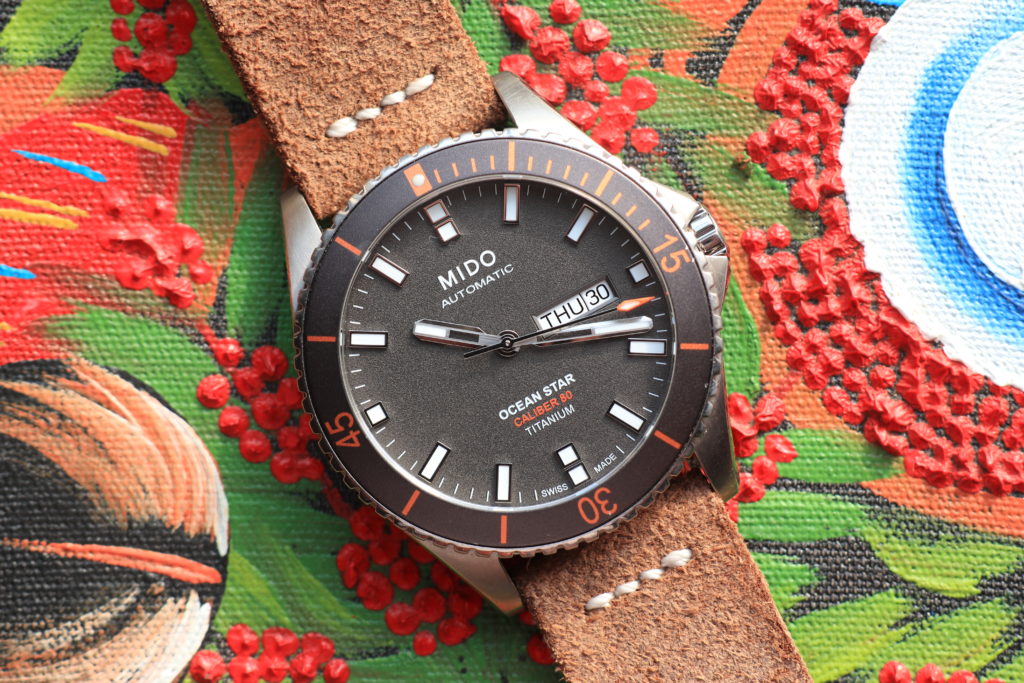
The 22mm titanium bracelet is where the Titanium separates itself most clearly in actual wear. It’s sturdy and light, but the subtle curve built into the fixed links lets the bracelet wrap around the wrist naturally. It tapers from 22mm to 19mm, and the ratcheting clasp makes adjustments very easy when you need to fine-tune the fit. We also found the watch worked particularly well on its bracelet, blue leather, and brown rough-out leather options, although it isn’t what we’d call an anything-goes strap monster. More importantly for this comparison, that comfort is still one of the strongest arguments for choosing the Titanium over the newer 200.
Build Quality & Technical Approach
The Ocean Star 200 and Ocean Star Titanium may share the Ocean Star name, but the hands-on experience isn’t identical once you get past the familiar dive-watch formula. This is where we care less about which watch wins the spec-sheet Olympics and more about whether Mido’s newer choices actually improve the experience after months of real wrist time. Case construction, movement performance, water resistance, crystal, and lume all matter, but only insofar as they make one of these watches meaningfully better to live with.
Movements:
The Ocean Star 200 runs Mido’s Caliber 80 Day-Date, and this is one of those movements where the useful stuff matters more than the mechanical peacocking. Its 80-hour power reserve proved especially handy while we rotated among three nearly identical watches. We could park one for a couple of days, pick it back up, and still find it ticking away instead of demanding a reset like a watch with abandonment issues. The Nivachron balance spring also improves resistance to magnetism and everyday environmental influences, which is the sort of boringly practical feature we appreciate more the longer we wear watches. The movement hides behind an embossed solid caseback, so there’s nothing to admire back there, but it did what we needed throughout testing. It’s a strong modern package, even if it doesn’t give the newer 200 an obvious advantage over the Titanium.
The Ocean Star Titanium uses Mido’s Caliber 80, specifically the ETA C07.621, which is based on the 2824-2 architecture. Mido gets the power reserve up to 80 hours through a lower operating frequency and adds a silicon hairspring, giving the movement some useful modern upgrades without turning it into a conversation about proprietary mechanical wizardry. That slower beat does mean the second hand loses a tiny bit of sweep smoothness, although it’s near-impossible to notice unless you’re actively looking for it. In practice, this is another movement built around the stuff that matters when you own the watch: plenty of running time, sensible engineering, and no need to make the movement the main attraction. In other words, the older Titanium gives up very little here simply because a newer Ocean Star exists.
Case Construction & Finishing:
The Ocean Star 200 measures 41mm across, 47.03mm lug-to-lug, and 11.7mm thick, but the numbers only tell part of the story. After rotating all three versions over several weeks, what stood out was how balanced those proportions felt on the wrist. At 172 grams on the bracelet, there’s enough heft to remind you that you’re wearing a substantial stainless steel dive watch, but it never crossed into cumbersome territory during a full day. The redesign also gives the case more visual definition without making it look like Mido threw a bunch of new angles and called it progress.
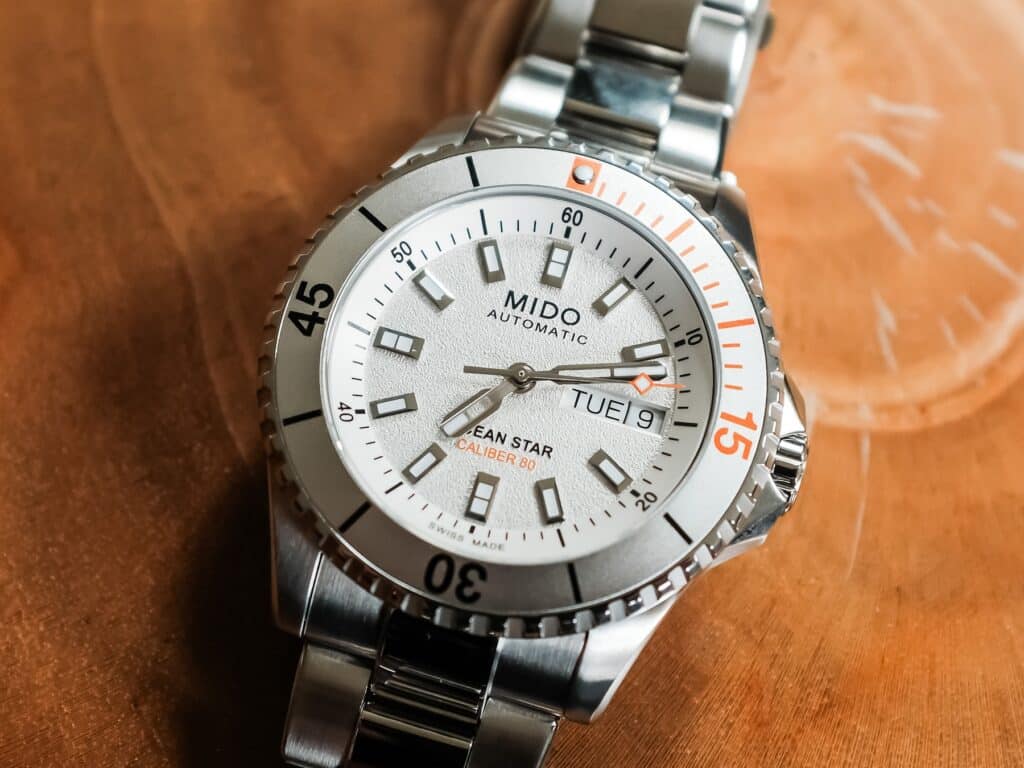
The broader chamfer running along the case catches the light more effectively. It gives the profile a sharper appearance, which becomes especially noticeable when you move the watch around under changing light. After spending time with all three colorways, we kept coming back to how cohesive the case felt with the rest of the design. Nothing looks exaggerated just to appear newer or more aggressive. It still reads as an Ocean Star, but the case has enough refinement to make the redesign feel like a genuine improvement rather than change for change’s sake.
According to our review team’s insights, the Ocean Star Titanium’s case reveals itself gradually rather than demanding attention from across the room. At 42.5mm, it’s technically larger than the 200, yet the fully brushed, contoured case gives it a composed presence. The polished chamfer around the case adds a touch of elegance to the otherwise utilitarian finish. At 11.75mm thick, it’s also quite thin for a dive watch, which helps explain why the larger diameter never felt like a wrist-mounted piece of camping equipment. The lugs are well judged in length, although we found ourselves wishing they had a little more slope to hug the wrist more closely. That said, the crown is harder to overlook.
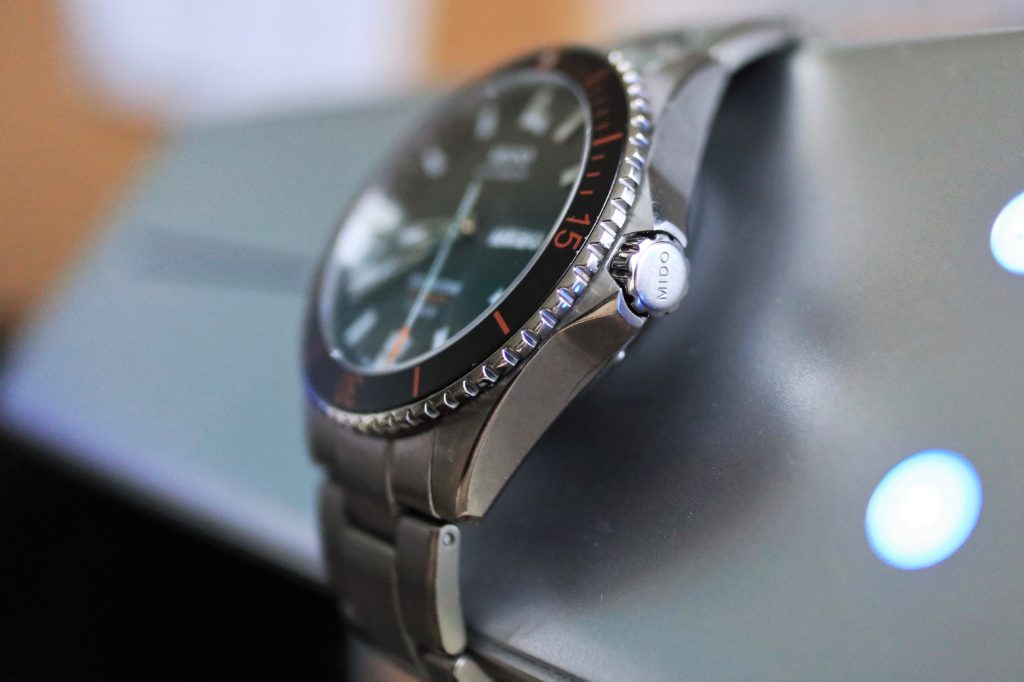
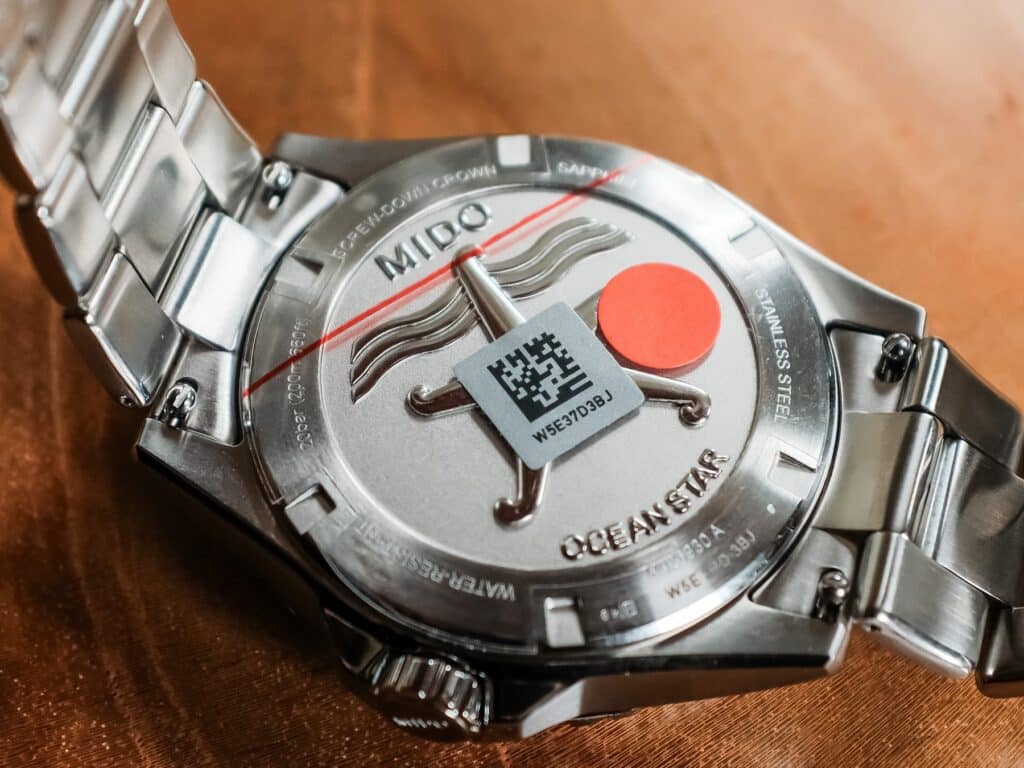
Unscrewing it takes a surprising amount of effort, and thumb-and-forefinger technique doesn’t always do the job; using a fingernail in the groove became the easier solution. Once it’s unscrewed, the crown action itself is perfectly fine. The tapered crown guards are also nicely integrated into the case, and the screwed caseback gets a little TBWS-approved bonus personality with its starfish and wave-line decoration.
Crystals and Bezels:
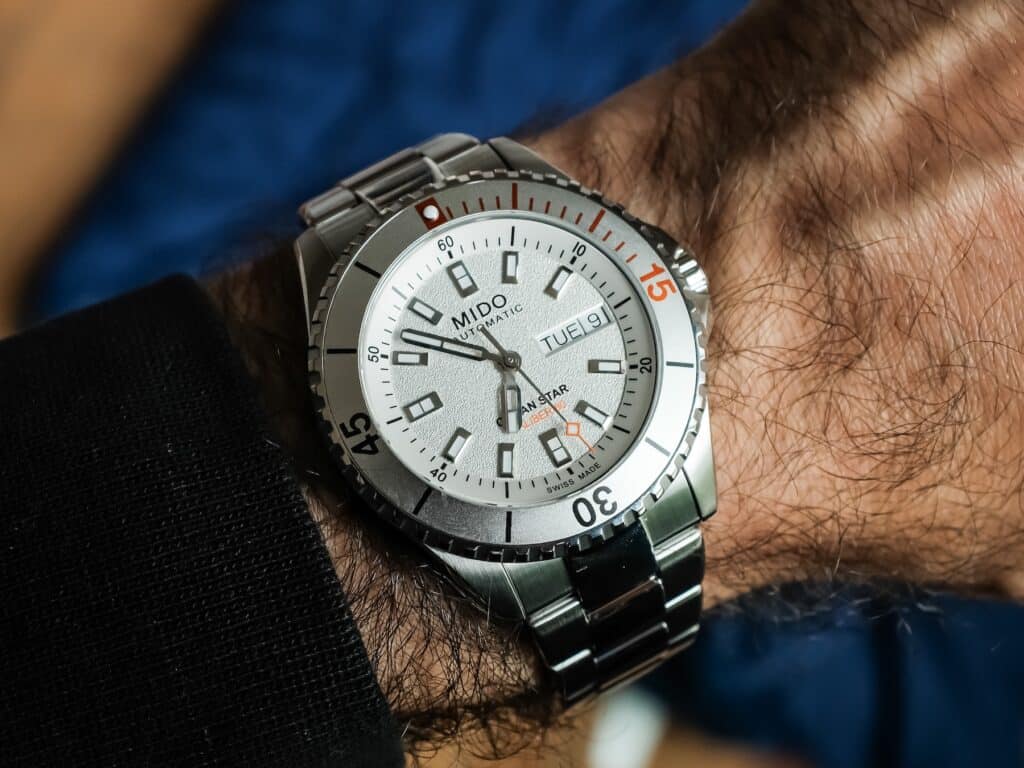
The 200 gets sapphire with AR coating on both sides, which sounds like exactly the sort of specification we’d normally skim past. Wearing it is different. With the textured dial and changing light, keeping reflections under control makes the dial texture worth having in the first place. The bezel also gets larger numerals and markers, making the timing scale easier to pick up.
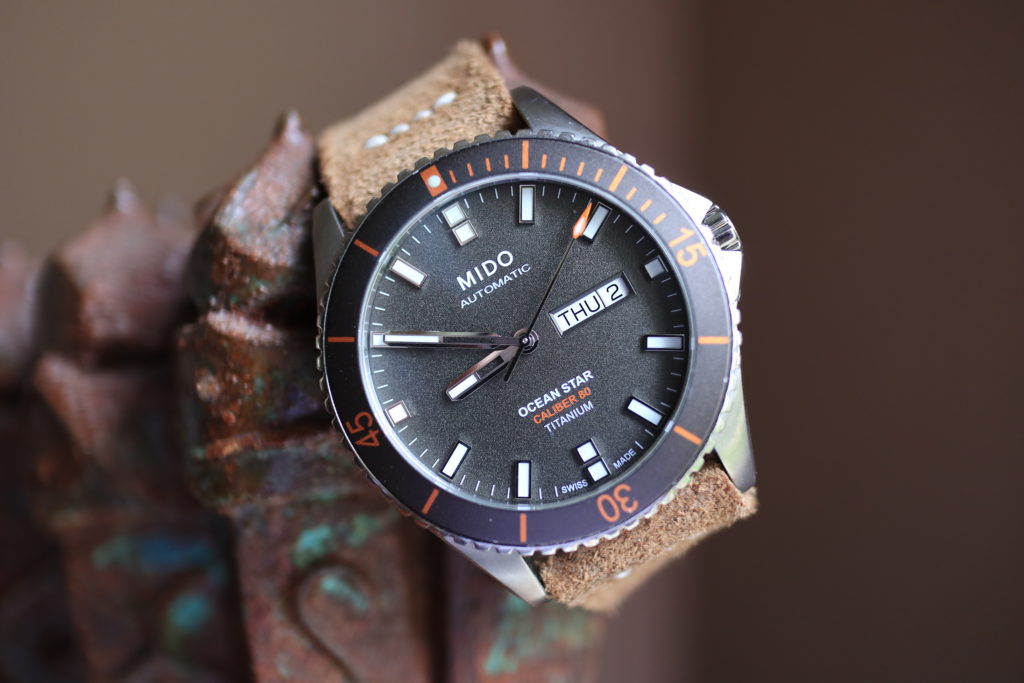
The Ocean Star Titanium takes a similarly sensible approach with its double AR-coated sapphire, and unwanted reflections are close to nonexistent in use. That matters because the textured gray dial can look completely different depending on how light hits it, and there’s little point in having all that texture if the crystal keeps throwing glare back at you. The sloped, grooved bezel also follows the case’s contours rather than chopping across them, while the matte insert tends to shift between gray and brown depending on the light. We liked that color because it works with both the dial and titanium case, and it’s another area where the older watch still feels thoughtfully executed rather than dated.
Water Resistance & Lume:
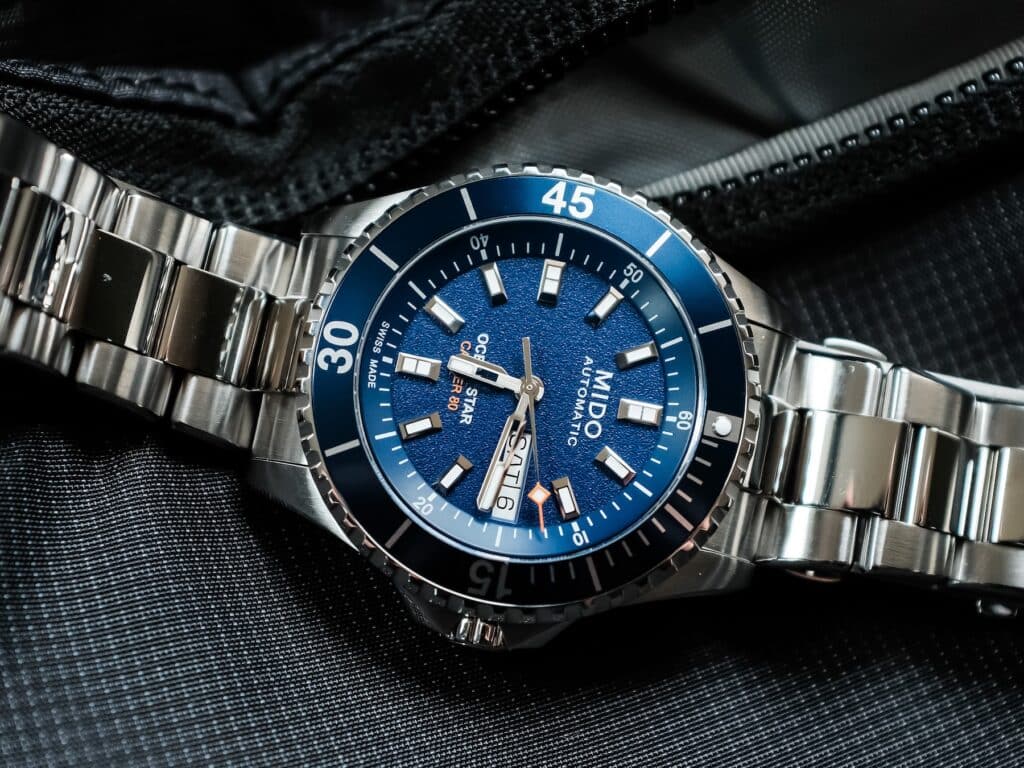
The Ocean Star 200 backs up its dive-watch identity with 200 meters of water resistance and a screw-down crown. In our experience, those numbers never felt like marketing decoration; they simply meant we could wear the watch around water without giving it a second thought. The hands and indexes use Super-LumiNova to maintain readability in different conditions, which suits the watch’s practical character. There’s nothing particularly complicated about the approach: secure the crown, get wet, and let the watch do its job. It’s another area where the newer 200 feels solid and complete, even if it doesn’t dramatically move the Ocean Star formula forward.
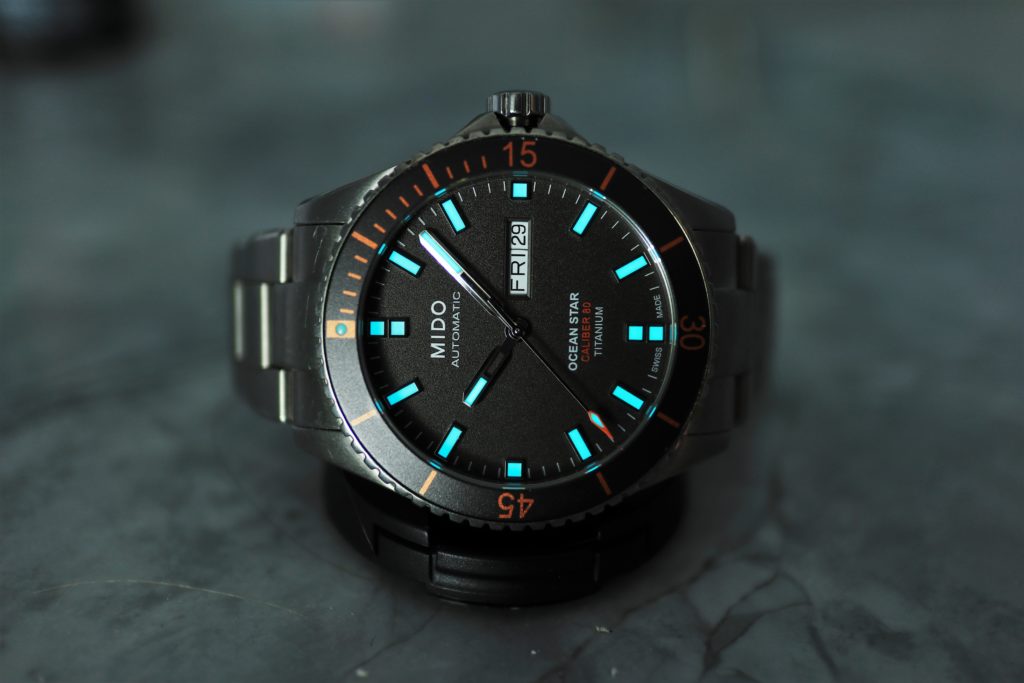
The Ocean Star Titanium also gives you 200 meters of water resistance, so choosing titanium doesn’t mean making a trade for reduced water capability. Its lume is arguably the more memorable part of the package. The hands and indices use blue-green BGW9 Super-LumiNova, which charges quickly and shines brightly once the lights go out. That combination of serious water resistance and strong lume makes the Titanium every bit as usable around water as its newer sibling. That combination of serious water resistance and strong lume makes the Titanium every bit as usable around water as its newer sibling, and arguably more distinctive once the lights go down.
Cost Considerations
The Ocean Star 200 came in at around $990 at the time of our review, putting it right around the $1,000 mark that makes sense for buyers hunting for a serious, affordable dive watch. After rotating all three versions for several weeks, the value became clearer: Mido refined the case, added more depth to the dial, and tightened the overall package without losing the straightforward character that made the Ocean Star easy to like. For the money, those changes feel more meaningful on the wrist than they might sound in a press release.
The Ocean Star Titanium was listed at around $1,230 on Amazon when we wrote this article, although gently used examples could be found for less. That makes it more expensive than the 200 despite being the older model, but there’s a reason we remained enthusiastic after wearing it regularly for more than a year and a half. It’s slim, light, durable, and versatile enough to survive a 15–20-watch rotation and still get frequent wrist time. The stubborn crown remains the obvious caveat, but if lightweight comfort and proven long-term wear matter more than the newer design, the Titanium can still justify its higher price.
Final Thoughts: How Much Has the Ocean Star Actually Changed?
After wearing both, we’d call the Ocean Star 200 an evolution rather than a reinvention. Mido didn’t take the Ocean Star in a completely different direction; it went through the existing formula and tightened the parts we notice most on the wrist. The case has more definition, the dial has more depth, and the bracelet feels more deliberately integrated. Those changes add up.
The Titanium is why that distinction matters. It doesn’t suddenly become a bad watch because the 200 arrived. If anything, its long-term appeal is easier to understand after wearing the newer model: the Titanium’s argument has always been about how little effort it takes to live with. It’s light, slim for a dive watch, comfortable on its bracelet, and good at disappearing into a rotation while still getting picked often.
So how much has the Ocean Star changed? Enough that we’d call the 200 a meaningful update and, for most buyers, the better overall watch. It feels more refined, more cohesive, and more deliberately finished without losing the straightforward character that makes the Ocean Star appealing in the first place. The Titanium still has a legitimate advantage if lightweight comfort and long-term wearability matter more to you, but if we were choosing between the two today, we’d take the Ocean Star 200.

Co-Founder and Senior Editor
Kaz has been collecting watches since 2015, but he’s been fascinated by product design, the Collector’s psychology, and brand marketing his whole life. While sharing the same strong fondness for all things horologically-affordable as Mike (his TBWS partner in crime), Kaz’s collection niche is also focused on vintage Soviet watches as well as watches that feature a unique, but well-designed quirk or visual hook.