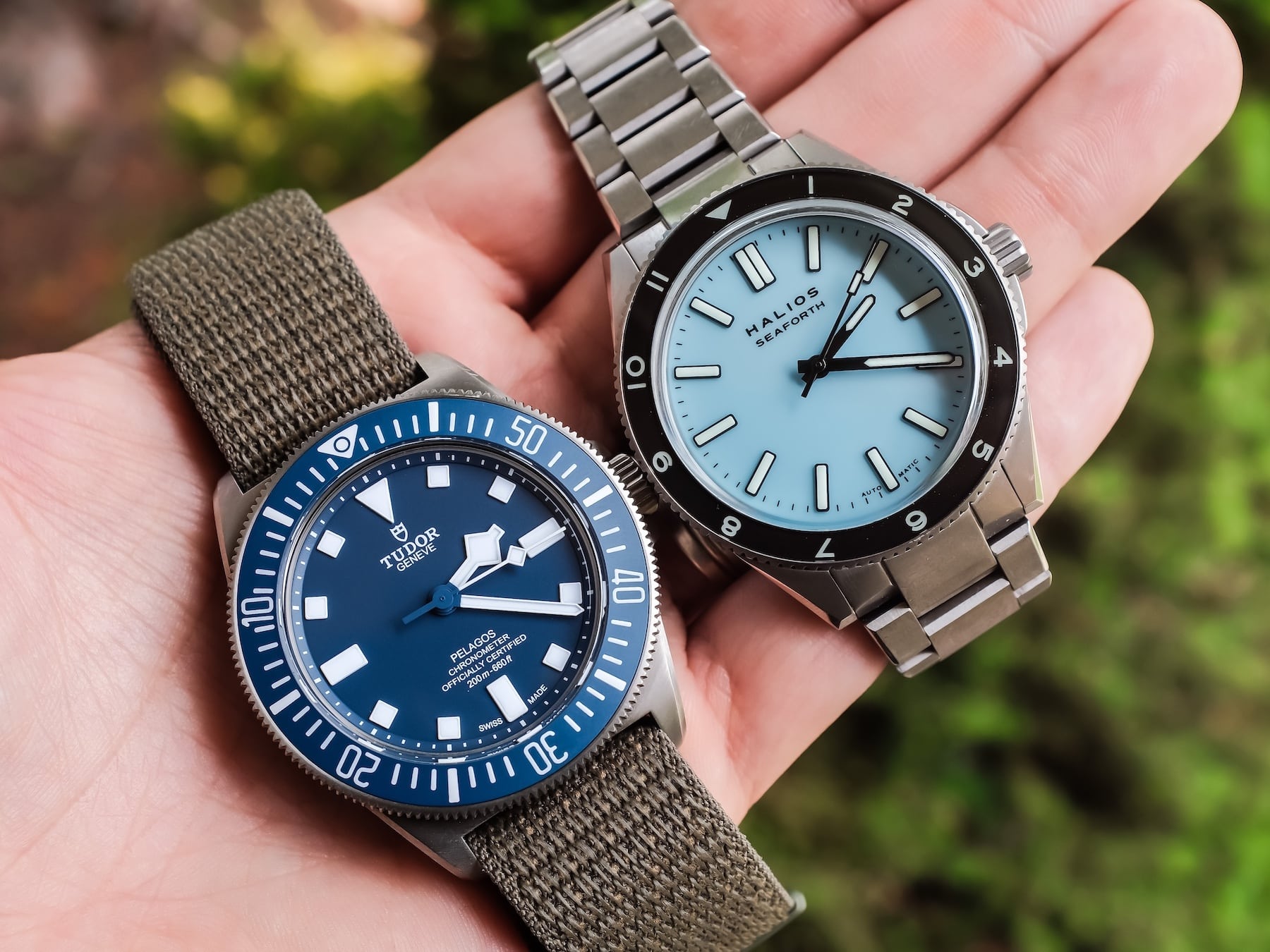
Titanium dive watches have become far more common over the last several years, but finding one that still feels interesting after months of wear is a different problem entirely. Plenty of brands can make a lightweight case. But I feel that fewer know how to make a titanium watch feel cohesive once the initial excitement fades and it settles into daily rotation. That’s what made the Halios Seaforth IV Titanium and Tudor Pelagos FXD worth comparing.
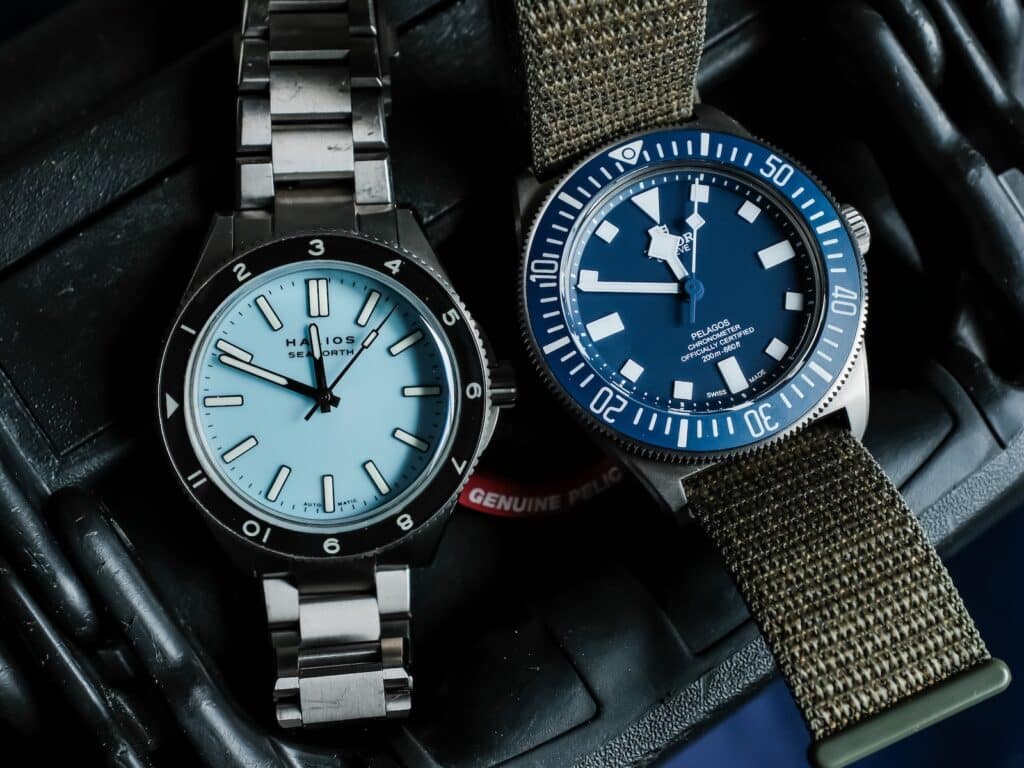
What kept pulling me back to this comparison was how often both watches ended up solving the same practical problem despite approaching it from completely different directions. After the novelty faded, both became extremely easy watches for me to live with. They stayed comfortable during long days, worked across a wide range of situations, and avoided many of the small frustrations that usually start surfacing once a watch settles into regular rotation. I wanted to explore that overlap, especially because the ownership experience behind each watch couldn’t be more different. To me at least.
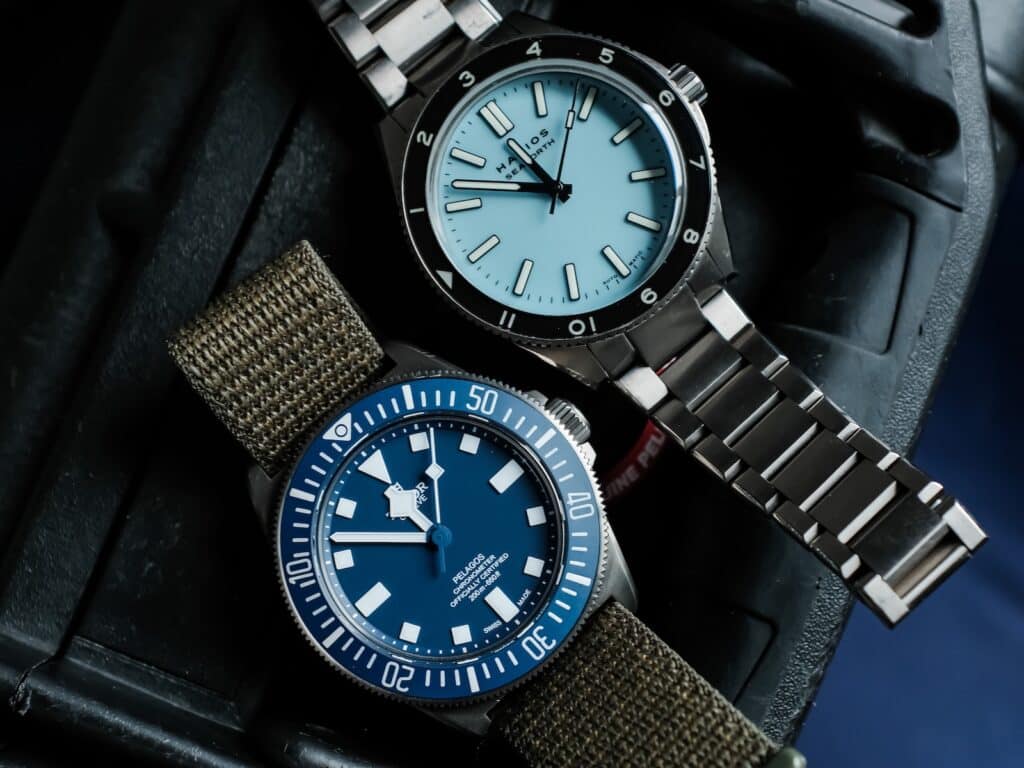
At first glance, these watches seem separated by almost everything:
- price
- brand positioning
- movement architecture
- and collector expectations
The Seaforth comes from a small independent microbrand focused on restrained design and approachable ownership. The FXD sits inside Tudor’s increasingly serious modern tool-watch lineup with military associations, fixed bars, and an in-house movement platform backing the entire experience. After spending time with both, though, the overlap became difficult to ignore.
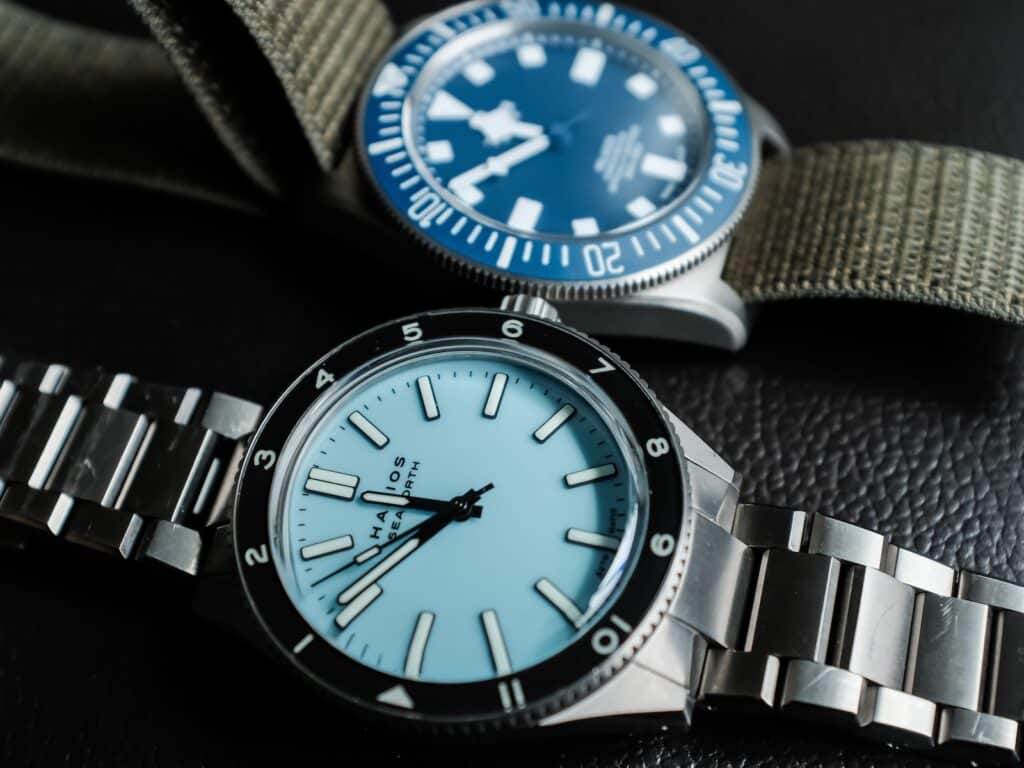
Both watches prioritize utility over decorative excess. Both use titanium to improve long-term comfort rather than simply reduce weight for marketing purposes. Both wear smaller than their specifications suggest. More importantly, both became watches I reach for repeatedly even when other options were sitting nearby.
The interesting part is how differently they approach the idea of a modern titanium dive watch.
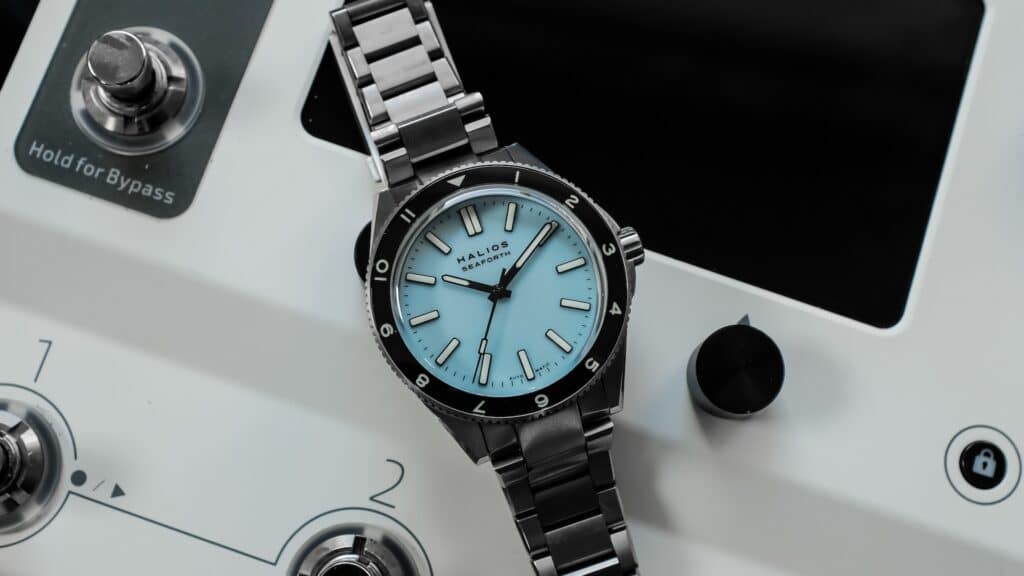
Overview & Identity
The Seaforth IV Titanium feels built around everyday ownership. During our detailed hands-on review with it, we found that everything about the watch encourages ease:
- compact proportions
- clean dial layouts
- low overall weight
- comfortable bracelet integration
- and straightforward functionality
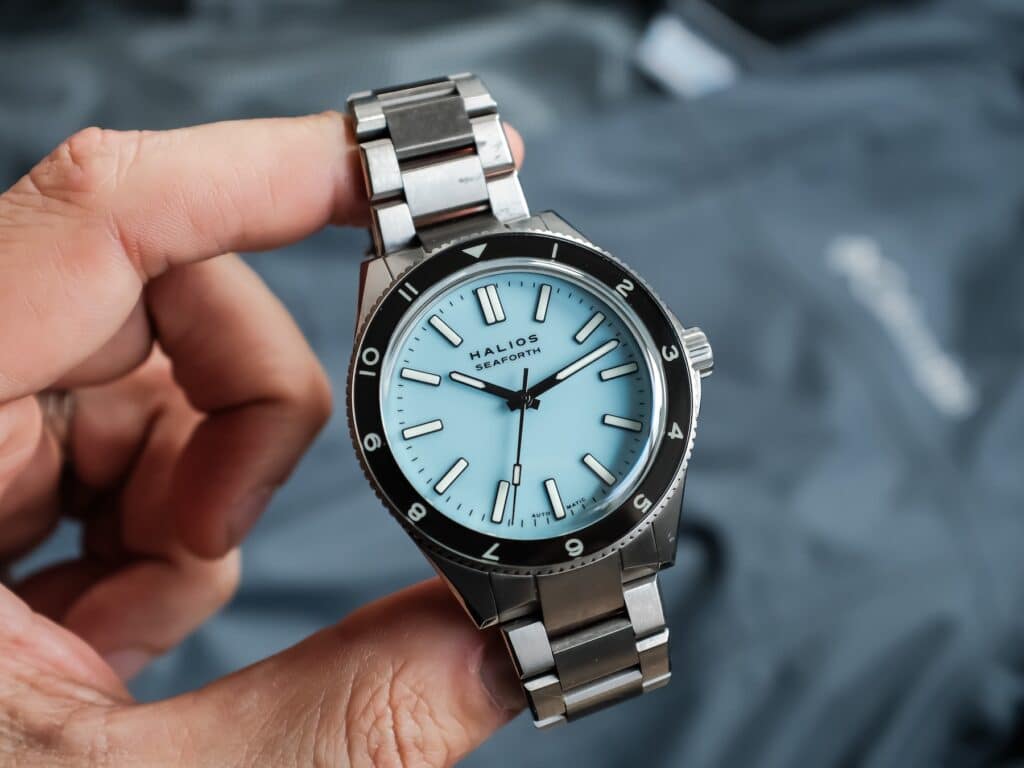
Even the design language reflects that philosophy. The Seaforth never feels aggressive or overly tactical. The pastel blue dial version softens the watch further, giving it a more relaxed presence than most modern titanium divers.
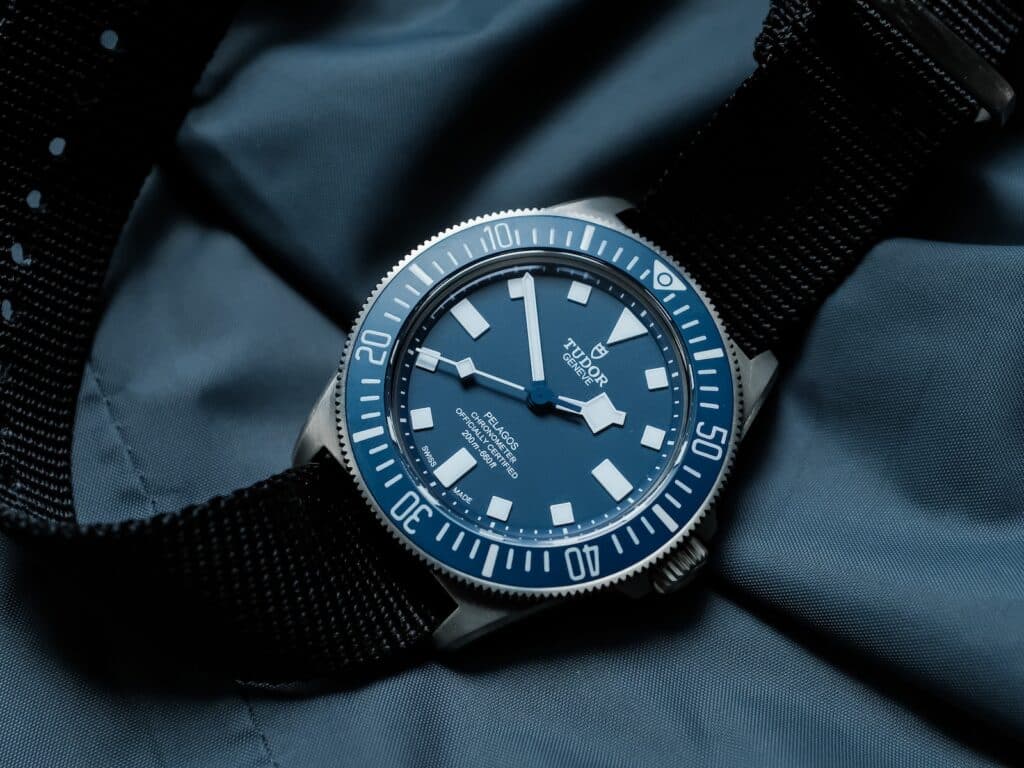
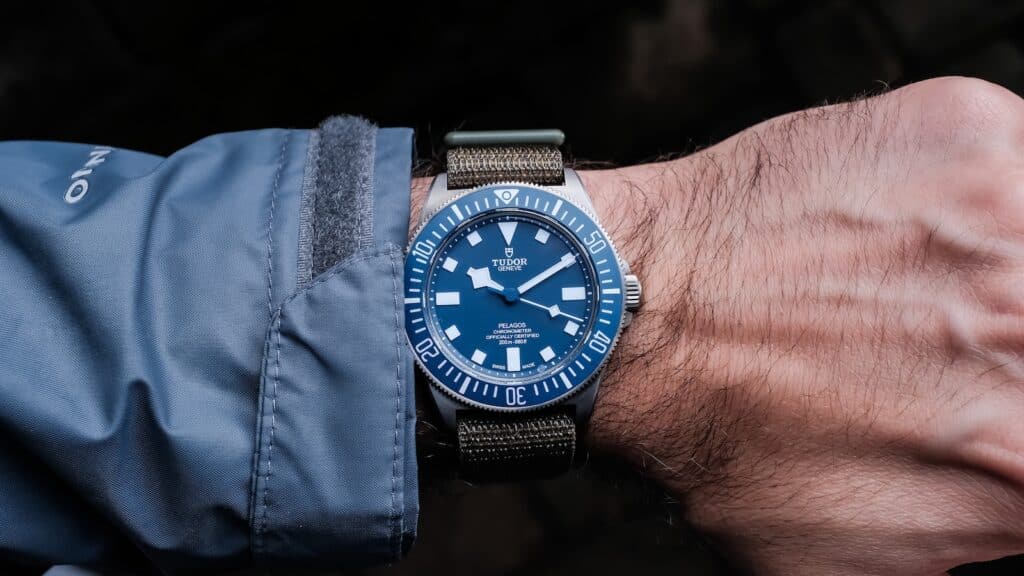
The Pelagos FXD approaches things from a completely different direction. This watch has a much stronger point of view from the moment you pick it up. The fixed strap bars, matte titanium case, oversized bezel, countdown timing scale, and stripped-down dial all reinforce the same idea: this is a purpose-built tool watch first and a lifestyle product second.
So while the Seaforth blends into daily life very quickly, it seems to me like the FXD constantly reminds you what it was designed to be. I don’t think either approach is inherently better. The right answer depends heavily on what you want from a dive watch once the honeymoon phase disappears.
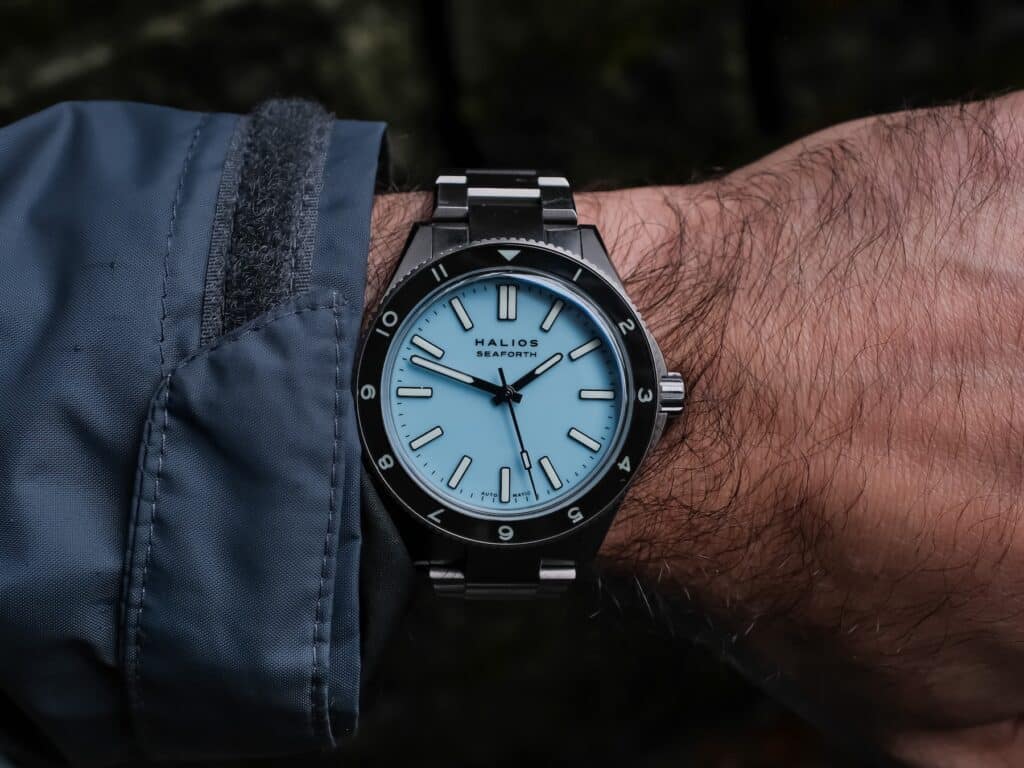
Design & Wearability: Classic Dive Simplicity vs Tactical Purpose
The Halios Seaforth IV Titanium wears exactly the way its dimensions suggest it should. At 41mm across with a compact 46.5mm lug-to-lug measurement, the watch lands comfortably on a wide range of wrists. The titanium construction keeps the overall weight low, while the tapered case profile helps reduce visual thickness despite the double-domed sapphire crystal.
What stood out most over time was how little resistance the Seaforth creates during normal wear. The watch slips easily under sleeves, stays balanced throughout the day, and never feels demanding physically or visually. That restraint works in its favor.
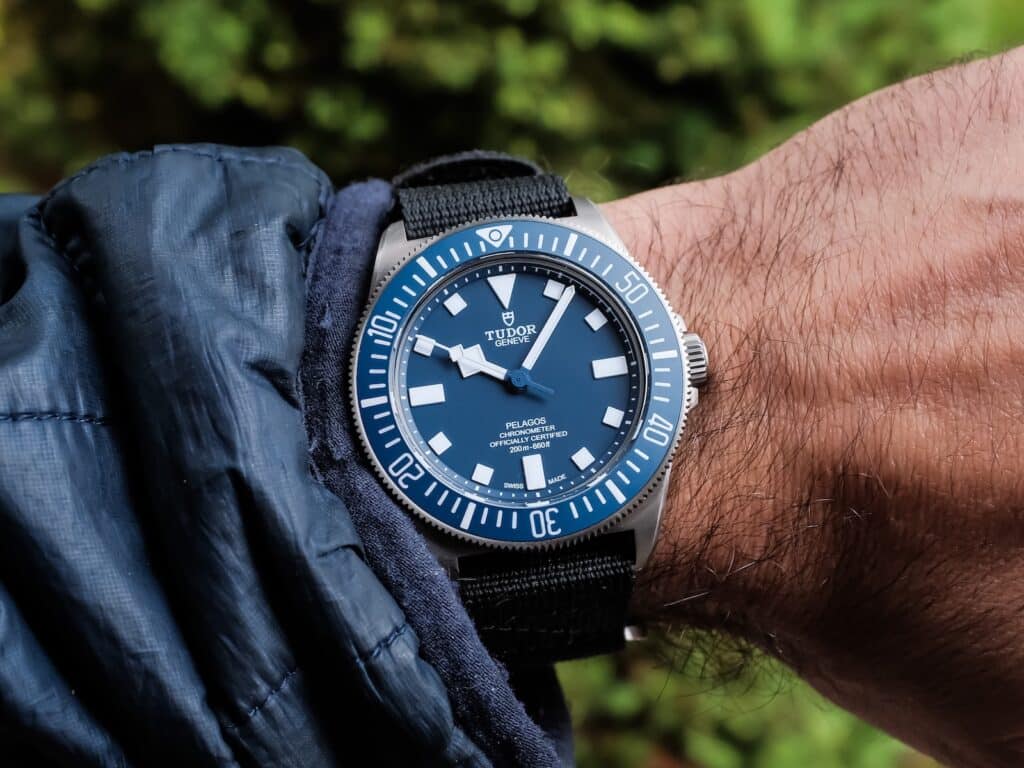
The FXD initially feels more intimidating. On paper, the dimensions sound large:
- 42mm case
- 52-ishmm lug-to-lug span
- fixed bars
- oversized bezel
- blocky handset
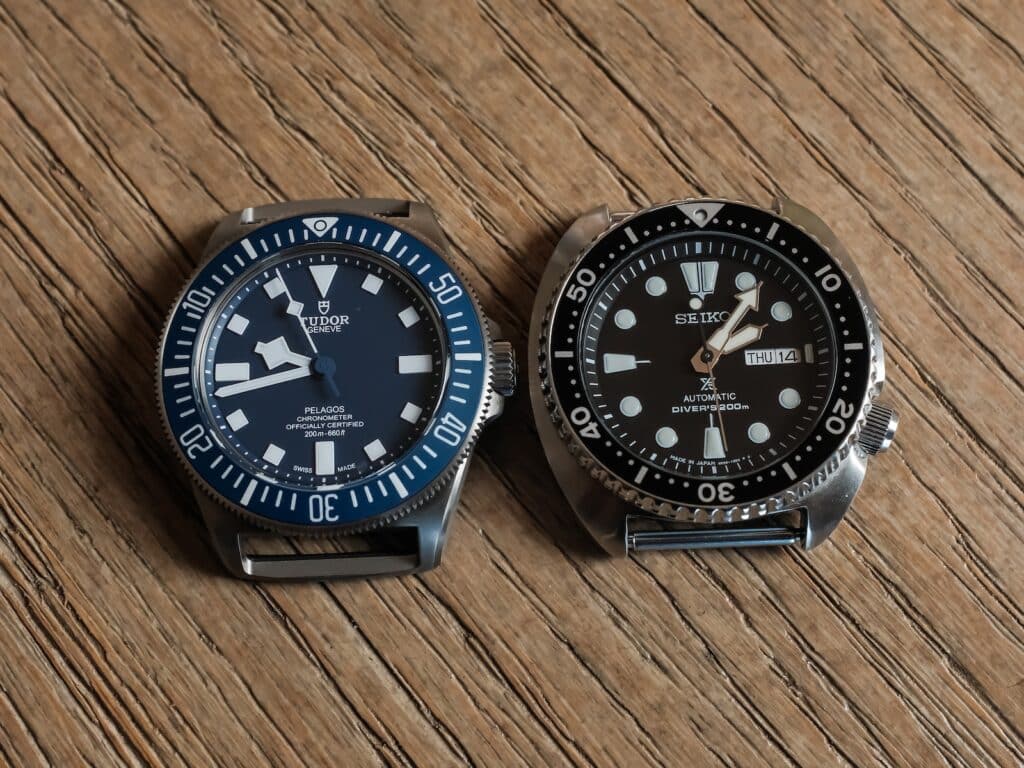
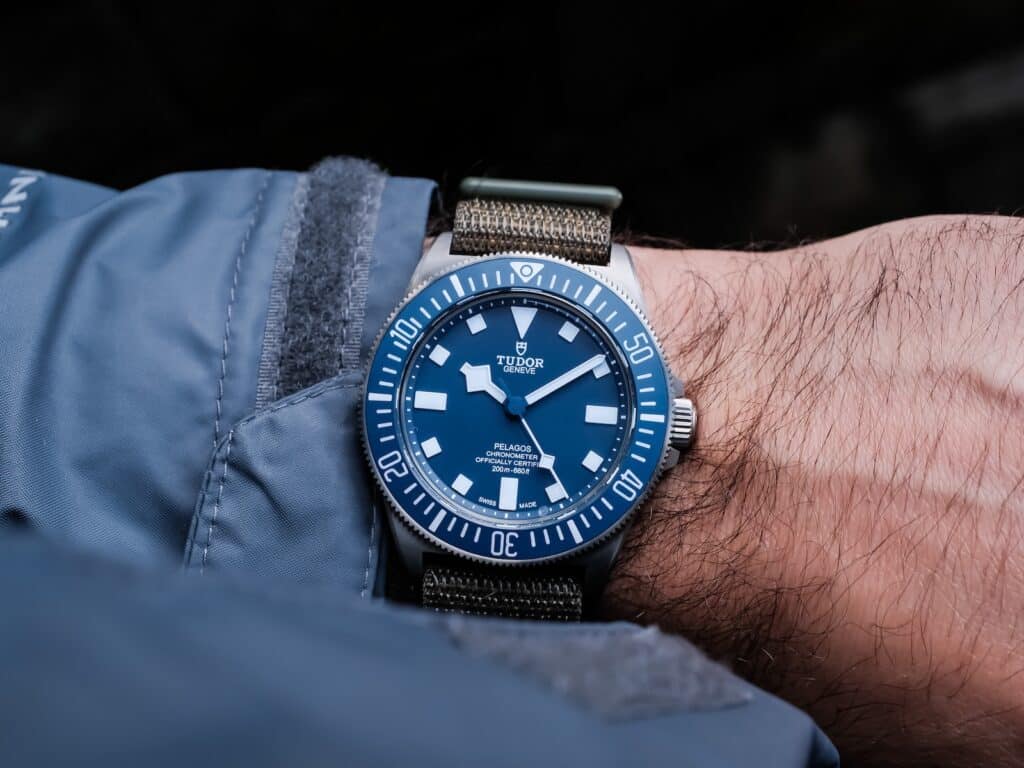
Once it’s actually on the wrist, though, the FXD wears much smaller than expected. In my Tudor Pelagos FXD review, I mentioned it starts feeling pretty close to a Seiko SRP777. The thinner case profile changes the experience considerably compared to the standard Pelagos models, and the fixed bars visually shorten the watch more than the measurements suggest. The titanium case also helps keep the watch from feeling top-heavy despite the broader footprint.
The personality difference between the two remains obvious once you spend enough time wearing them. The Seaforth feels adaptable. It settles easily into almost any situation, whether that means throwing it on for a normal workday, traveling, or just grabbing something comfortable without overthinking the decision. Over time, that flexibility becomes one of the watch’s biggest strengths.
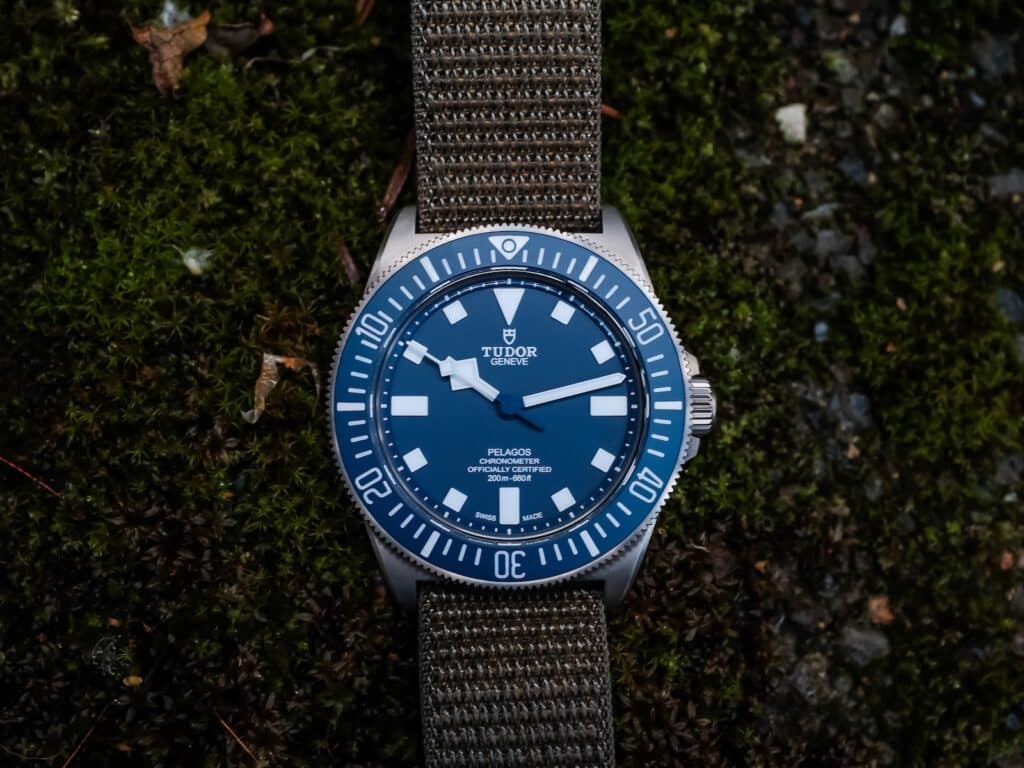
The FXD feels far more intentional from the start. The fixed bars, countdown bezel, matte titanium case, and overall layout constantly reinforce the idea that this watch was designed around a very specific purpose and audience. Even simple things like choosing straps or adjusting the bezel feel slightly more deliberate compared to the Seaforth.
That difference carries through nearly every part of ownership. The Seaforth gradually blends into routine use, while the FXD keeps reminding you why it exists in the first place.
Build Quality & Technical Approach
Movements
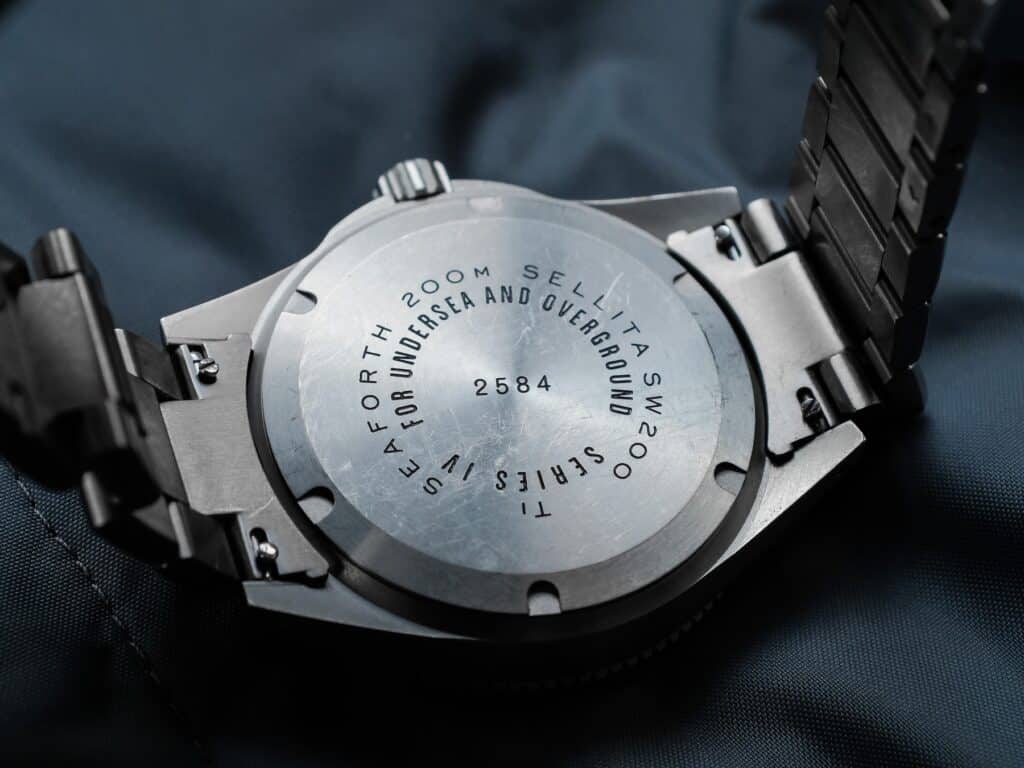
The Seaforth uses the Sellita SW200-1, which feels entirely appropriate for the watch surrounding it. This movement succeeds because it stays predictable:
- easy servicing
- familiar architecture
- stable performance
- straightforward regulation
In a titanium diver under $1,000 designed around daily wear, that kind of simplicity makes sense to me. Nothing about the Seaforth creates the impression that the movement needs to become part of the sales pitch.
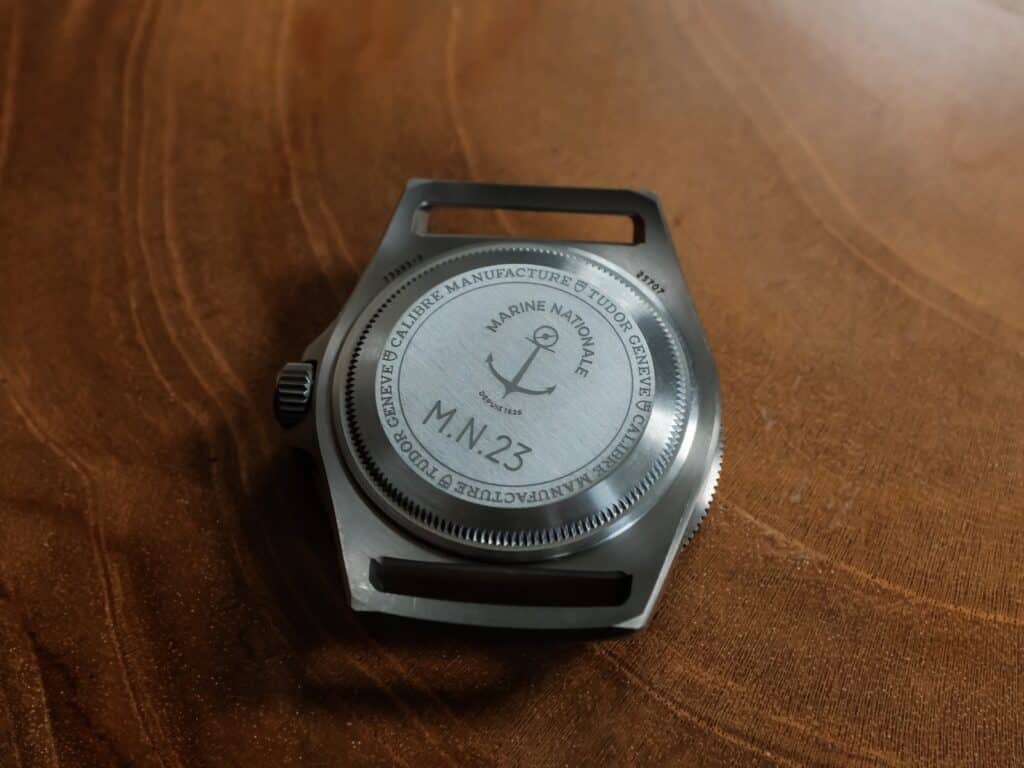
The Tudor MT5602 inside the FXD is operating at a different level mechanically. You’re getting:
- COSC certification
- a 70-hour power reserve
- stronger anti-magnetic resistance
- and a more robust movement platform overall
During actual ownership, though, the movement matters less than expected. The FXD works best once the technical specifications fade into the background and the watch settles into routine use.
I still approached the MT5602 with some caution because my past experiences with Tudor’s in-house movements haven’t all been positive. During my time with the FXD, however, the movement has performed extremely well.
Case Construction & Finishing
Both watches use titanium effectively, though the goals are completely different. The Seaforth focuses on comfort and balance. The brushing remains consistent throughout the case and bracelet, while the polished chamfers along the lugs add enough visual contrast to prevent the watch from feeling flat or unfinished.
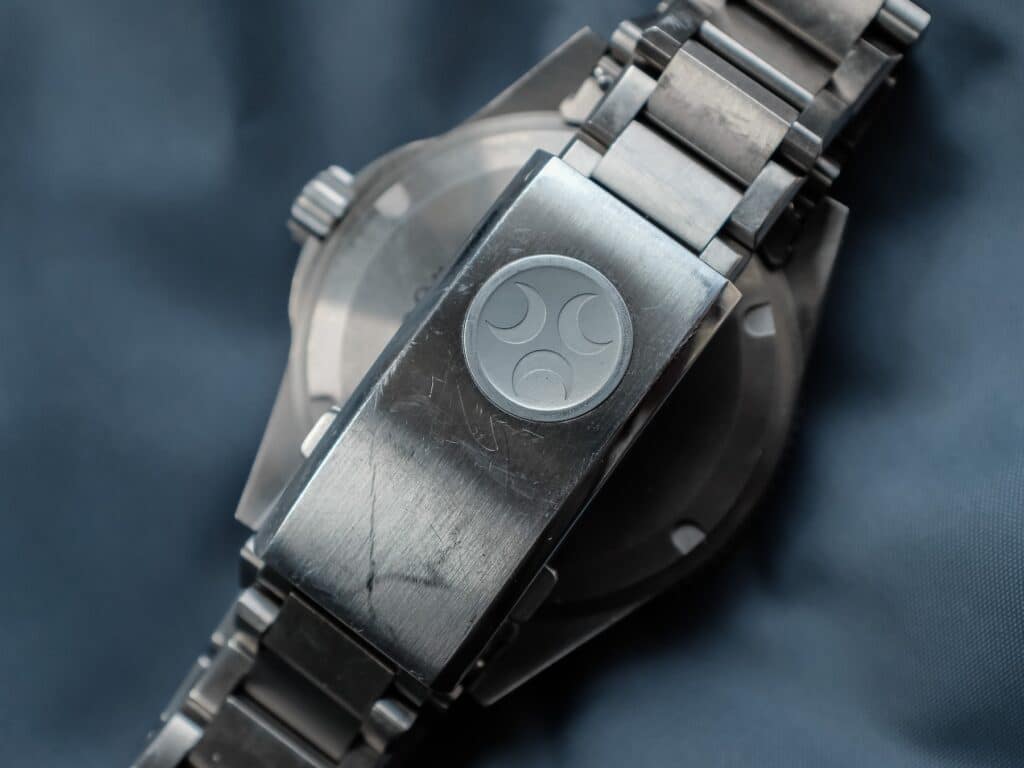
The titanium bracelet also deserves credit because it changes the ownership experience substantially. The combination of low weight, smooth articulation, and the on-the-fly adjustment system makes the Seaforth one of the easiest dive watches to wear for extended periods. The FXD leans much harder into utility.
The fully matte titanium surfaces reinforce the military-tool-watch identity immediately. Tudor also avoided over-complicating the case finishing, which keeps the FXD from drifting into faux-tactical territory.
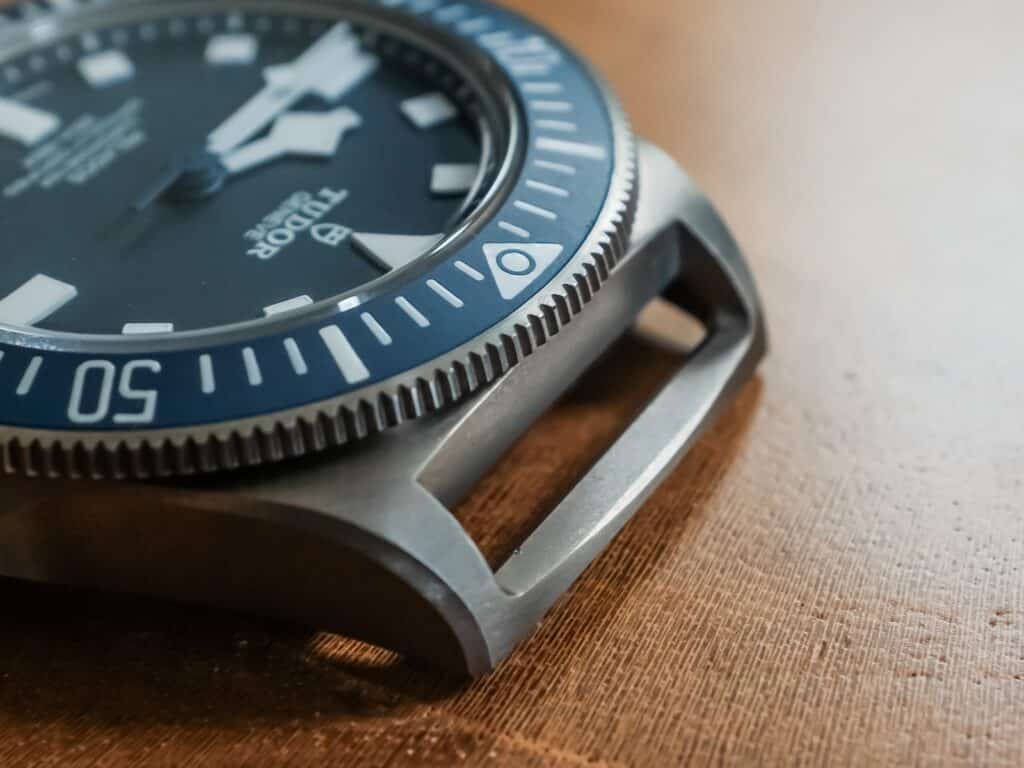
The fixed bars remain the defining feature here. Instead of using removable bars or spring-loaded solutions, Tudor machined the bars directly into the case. There’s also a subtle chamfer around the bars themselves to reduce long-term strap wear. Small details like that matter more once you start rotating through different strap options regularly.
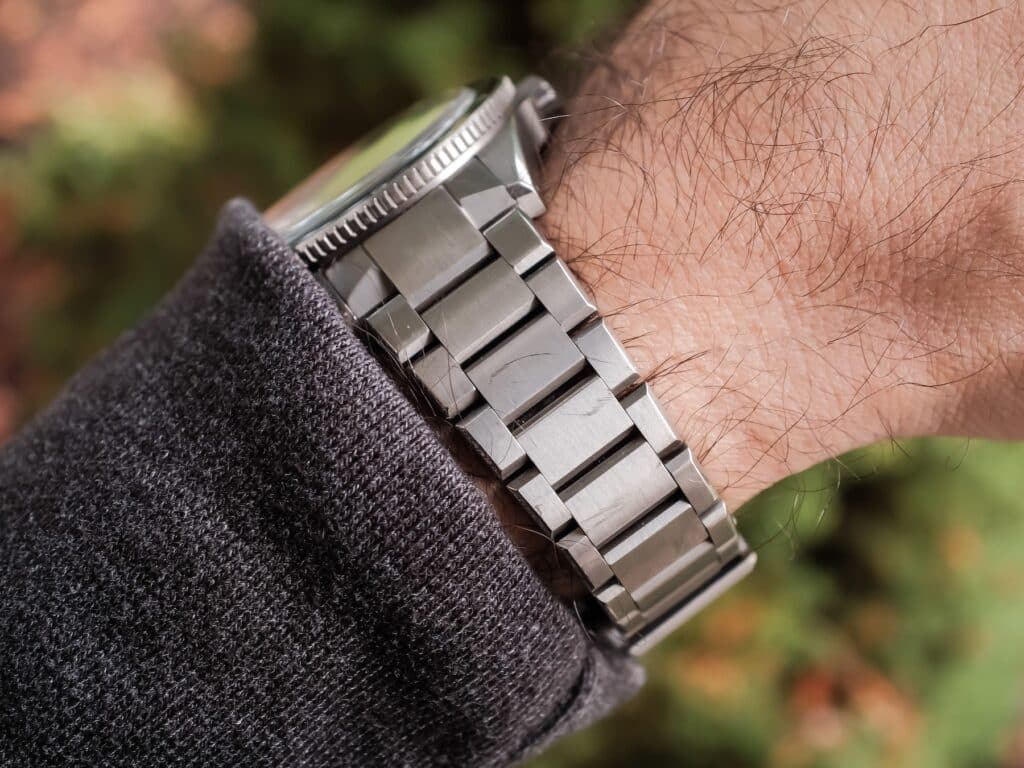
Both watches pick up scratches relatively quickly because titanium still shows wear over time. The Seaforth’s polished accents make those marks more visible, while the FXD’s matte surfaces hide them more naturally. After a few months of regular wear, both watches start developing the kind of small scuffs and surface marks that simply come with titanium ownership. For some collectors, that can become frustrating pretty quickly.
To me, though, neither watch feels precious enough to baby. The wear never felt distracting, and in both cases, the scratches ended up reinforcing the idea that these are watches designed to be used regularly rather than kept pristine in a watch box.
Crystals
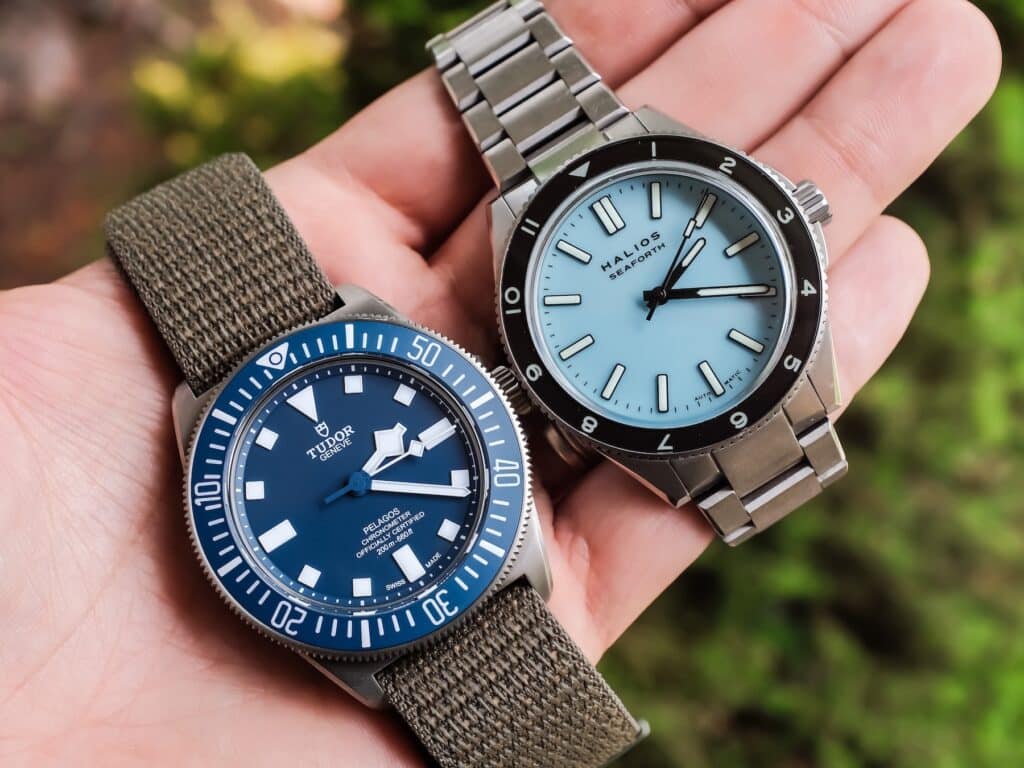
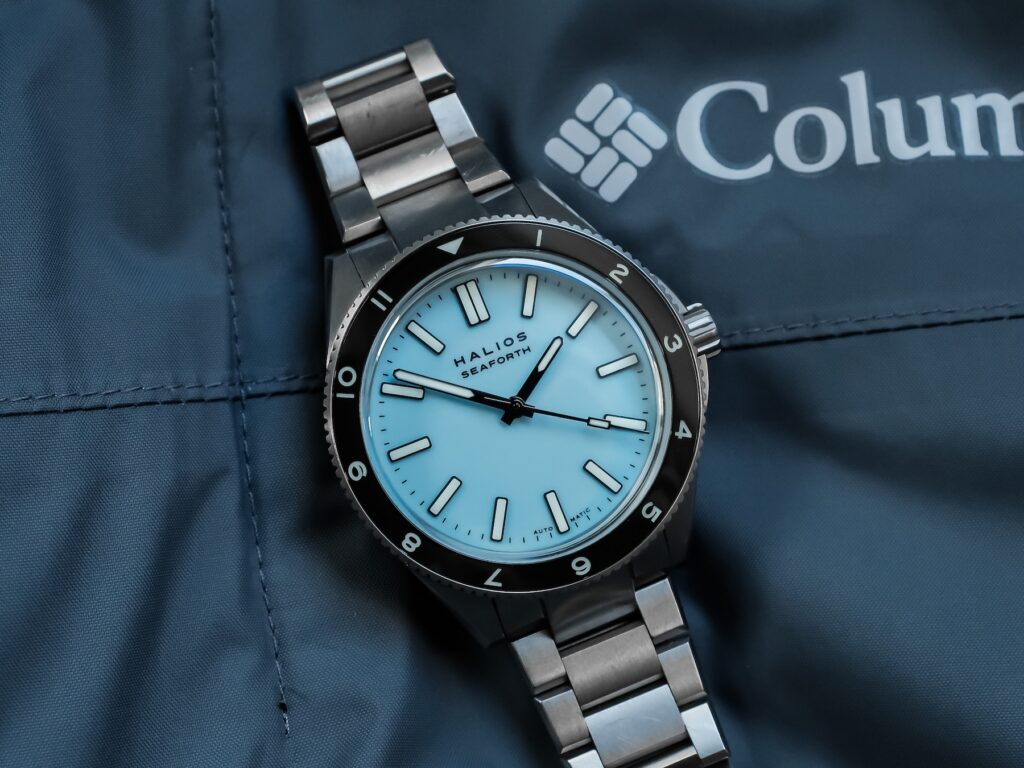
The Seaforth uses a double-domed sapphire crystal that adds a little extra depth to the dial presentation. Combined with the pastel blue dial and ceramic markers, the watch develops a softer visual character than most modern dive watches in this category.
The FXD takes the opposite approach. Everything about the crystal and dial relationship prioritizes immediate legibility. The flatter presentation, matte surfaces, and strong contrast all support fast readability instead of visual atmosphere. That design choice fits the broader identity of the watch extremely well.
Water Resistance & Lume
Both watches offer 200 meters of water resistance, screw-down crowns, and more than enough durability for realistic daily use.
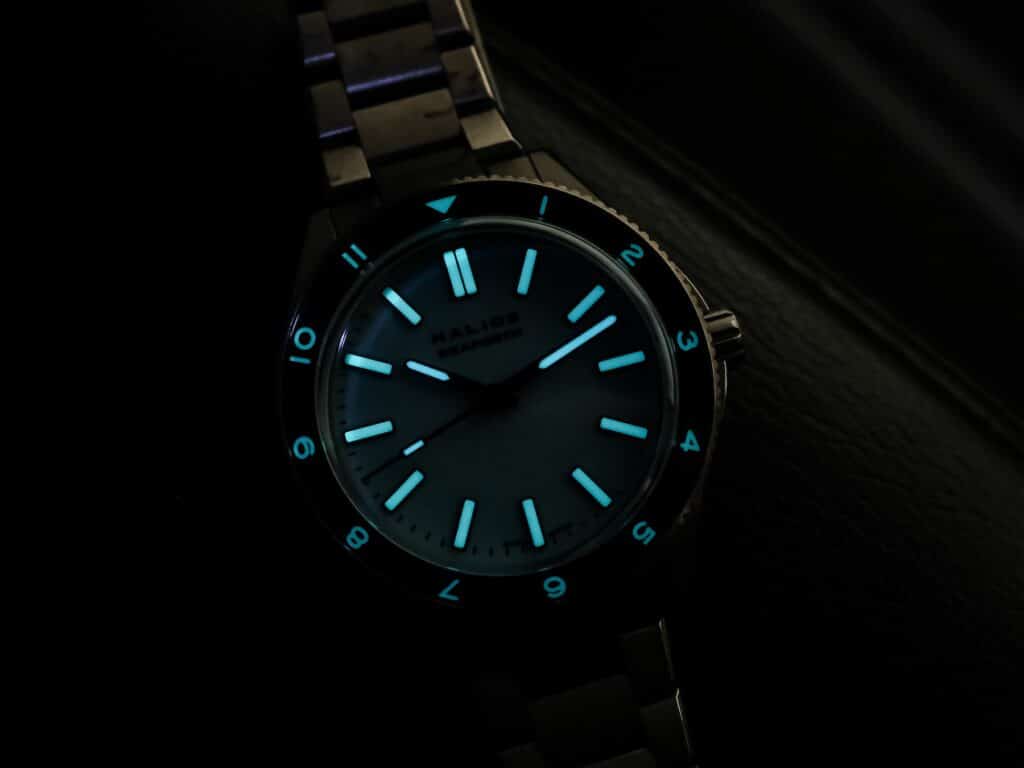
The Seaforth’s bezel action feels excellent throughout its 120 clicks, and the optional 12-hour bezel adds useful functionality without crowding the dial. Halios also continues to produce some of the better lume execution in the microbrand category. The ceramic markers, handset, and bezel fade evenly and remain highly legible in low light.
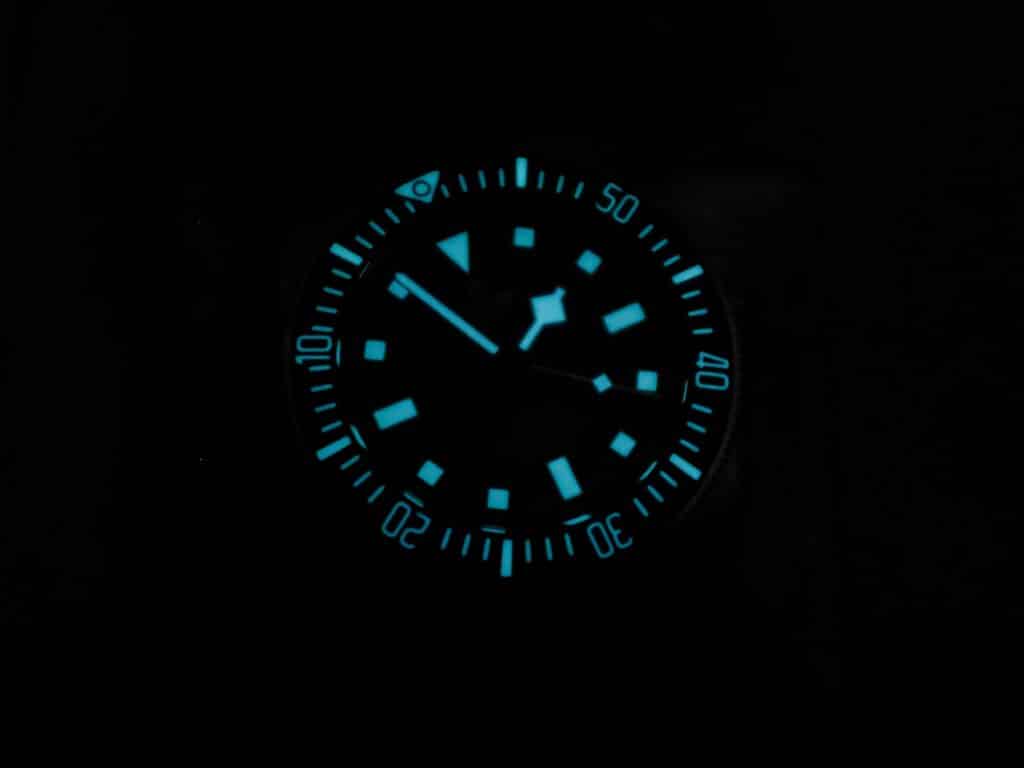
The FXD pushes legibility even further. Between the oversized snowflake hands, matte dial texture, darker navy dial tone, and fully lumed ceramic bezel insert, the watch stays exceptionally easy to read in almost any lighting condition.
The bezel itself also deserves mention because the larger knurling makes adjustments noticeably easier during actual use compared to most Tudor dive watches. Action on that bezel is also bi-directional per the specs Tudor was given while the watch was being designed.
Reducing water resistance from 500 meters on the standard Pelagos down to 200 meters for the FXD also feels completely reasonable here. The watch benefits from that narrower focus.
Cost Considerations
This comparison becomes difficult once pricing enters the discussion. At $965, the Halios Seaforth IV Titanium sits near the upper edge of what many collectors still consider affordable. Even so, the overall execution feels competitive once you factor in the titanium bracelet, finishing quality, dial work, and overall comfort. I’ve always said that Halios consistently kills it when it comes to pricing. What you get in the Seaforth, at this price, really puts a lot of the “entry-level luxury” Swiss watchmakers to shame. The Tudor Pelagos FXD on the other hand costs $5,025. That jump brings:
- stronger movement architecture
- tighter manufacturing tolerances
- higher-end finishing
- and significantly more brand recognition
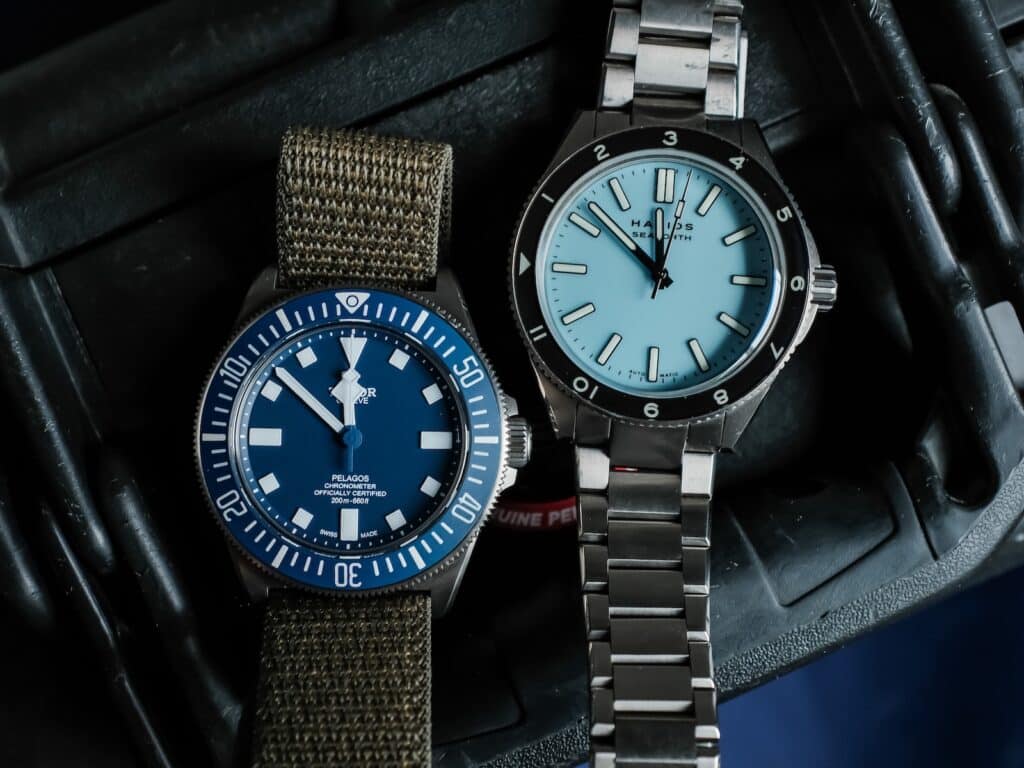
Still, the ownership experience itself does not scale upward as dramatically as the price difference might suggest. The Seaforth succeeds because it understands its role clearly. There’s very little wasted effort anywhere in the design. Every decision feels aligned around making the watch easy to live with long term.
The FXD earns its higher pricing differently. The appeal comes more from identity, execution, and overall coherence than raw specifications alone. Tudor committed fully to the fixed-bar military-tool-watch concept instead of softening the watch into something safer and more commercially flexible.
Whether that difference justifies spending over five times more depends entirely on what kind of collector you are.
Final Thoughts: Which Titanium Dive Watch Actually Makes More Sense?
For most people, the Halios Seaforth IV Titanium probably makes more sense. It’s lighter, easier to wear, dramatically less expensive, and versatile enough to fit almost any collection without creating friction. That’s especially true if you go for a more versatile dial color option like black or white (I couldn’t say no to the Pastel Blue). After enough time with the watch, the Seaforth starts feeling less like a special-occasion piece and more like a default option.
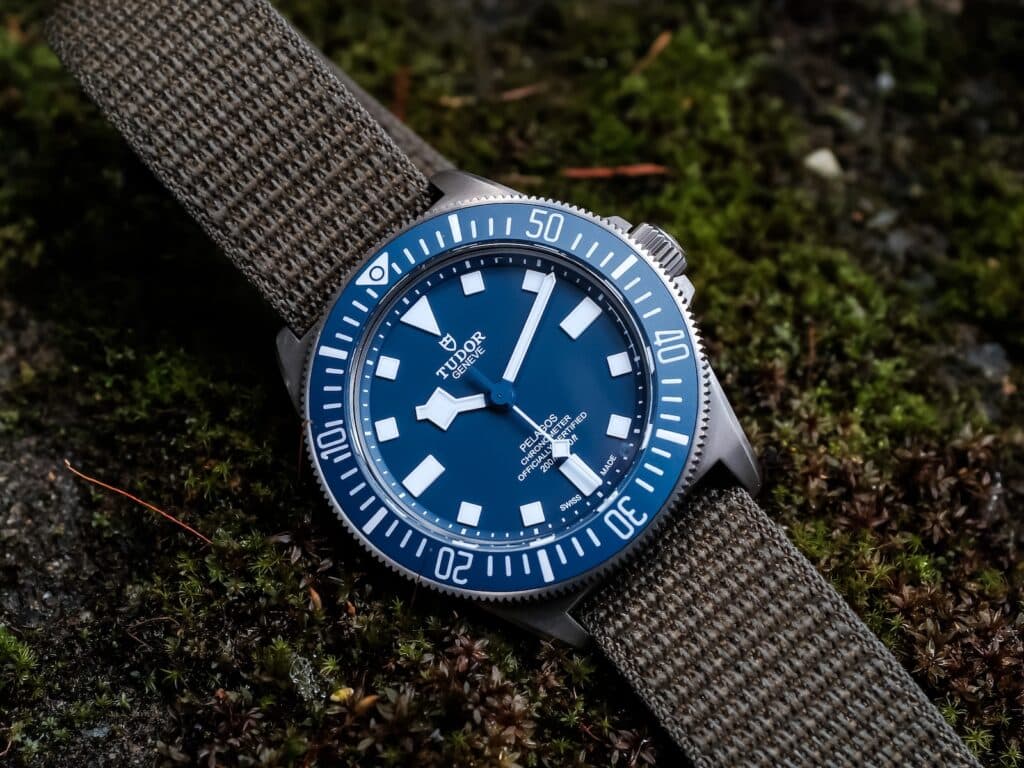
The Tudor Pelagos FXD appeals to a narrower audience from the start. The fixed bars alone immediately limit versatility, and the countdown bezel pushes the watch further toward collectors who specifically connect with the FXD’s military-inspired design philosophy. Fortunately, Tudor committed fully to that concept instead of diluting it for broader appeal. I think that commitment is why the FXD works as well as it does.
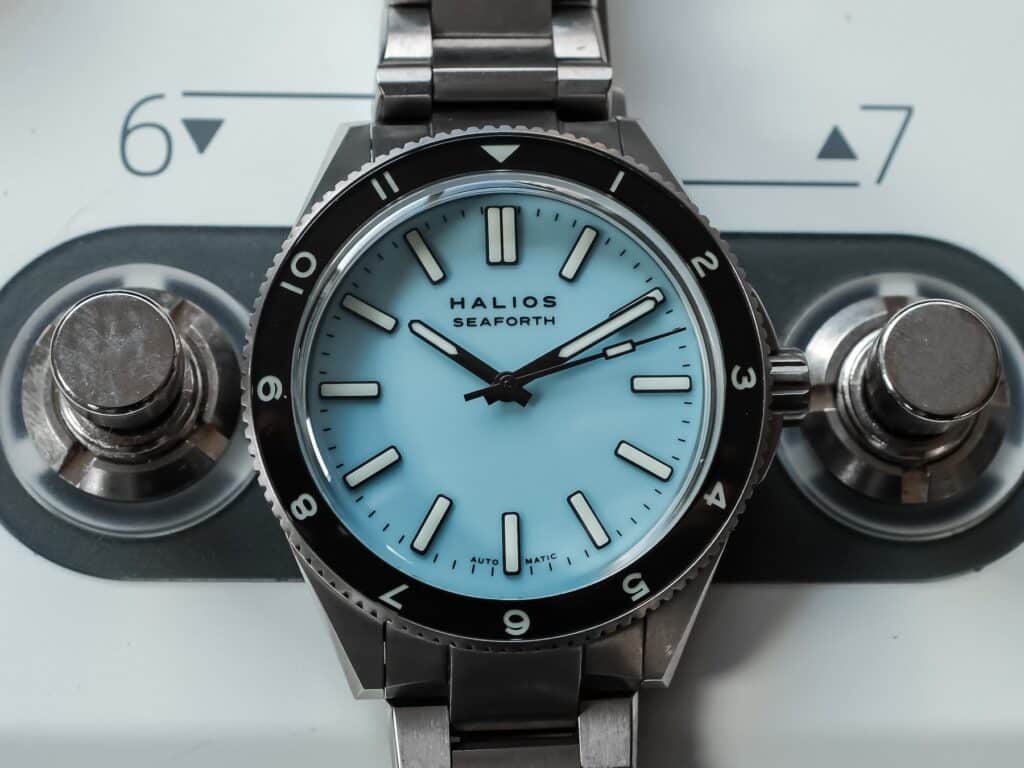
If your priority is comfort, versatility, and long-term ease of ownership, the Seaforth is probably the smarter buy. If you want the watch with the stronger identity and more focused design philosophy, the Tudor Pelagos FXD earns its reputation very quickly once you spend real time wearing it.
The interesting part is that neither watch makes the other feel unnecessary. They simply arrive at the idea of a modern titanium dive watch from completely different directions.
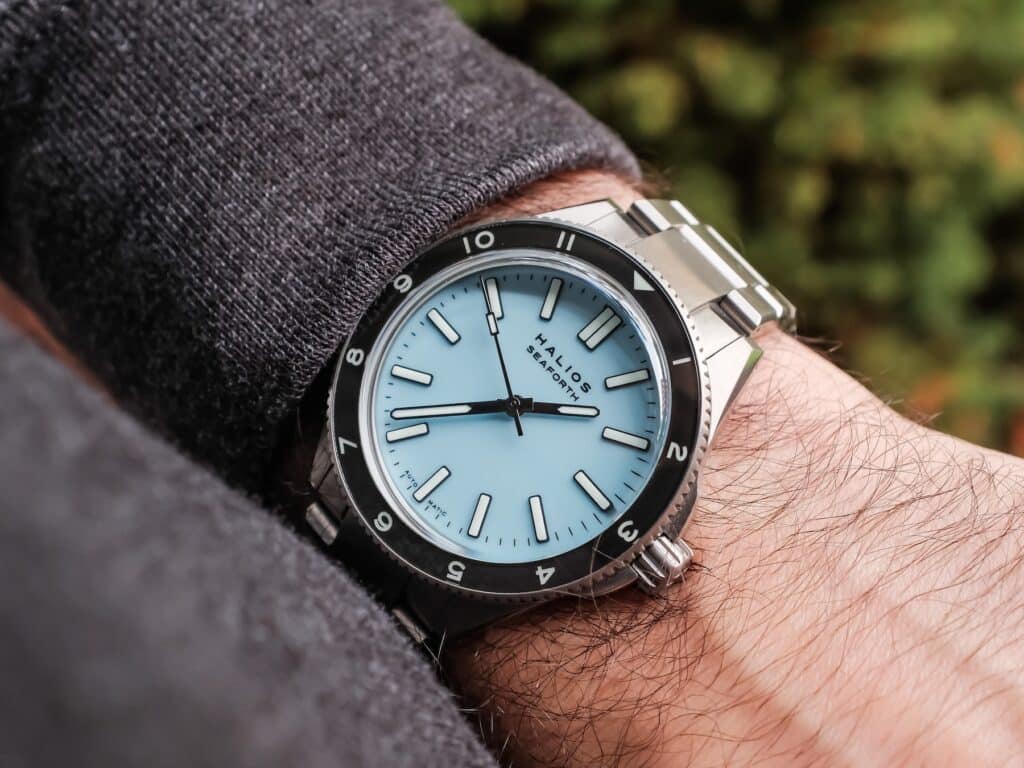
The Seaforth succeeds by removing friction. It’s the watch I grab when I don’t want to think too hard about what I’m wearing. It stays comfortable all day, works with almost anything, and settles naturally into routine use. Over time, that ease becomes the entire appeal.
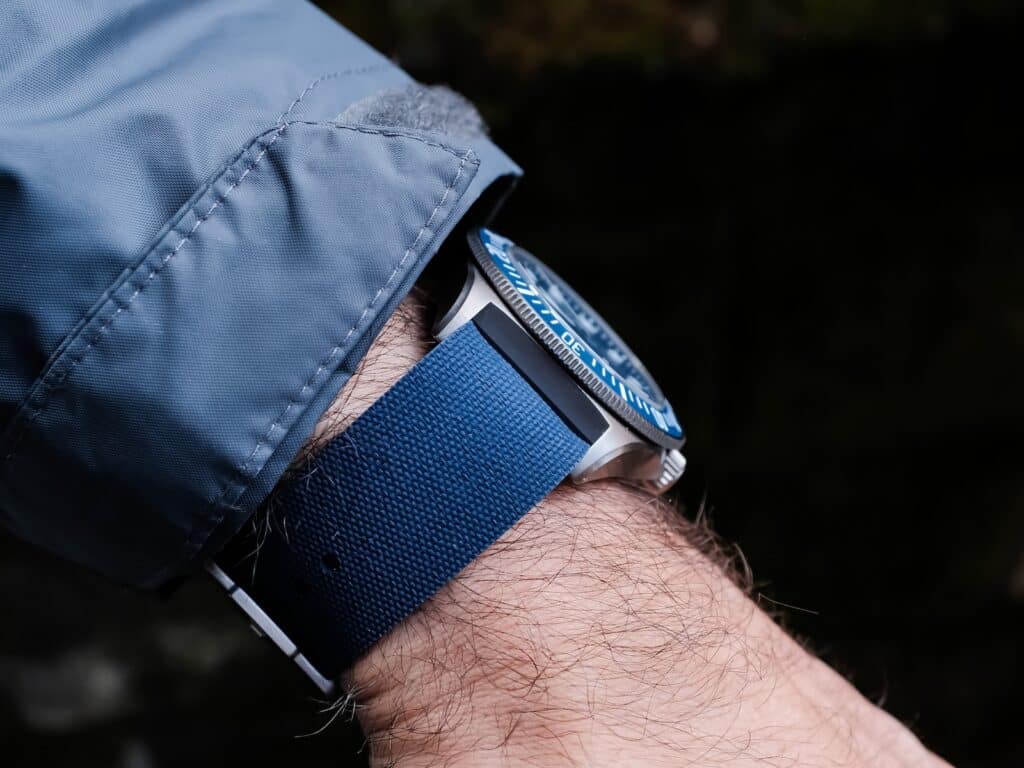
The FXD creates a different kind of attachment. The fixed bars, countdown bezel, matte titanium case, and more focused overall design give the watch a stronger sense of identity every time it goes on the wrist. It asks a little more from the owner, but it also feels more distinct because of that.
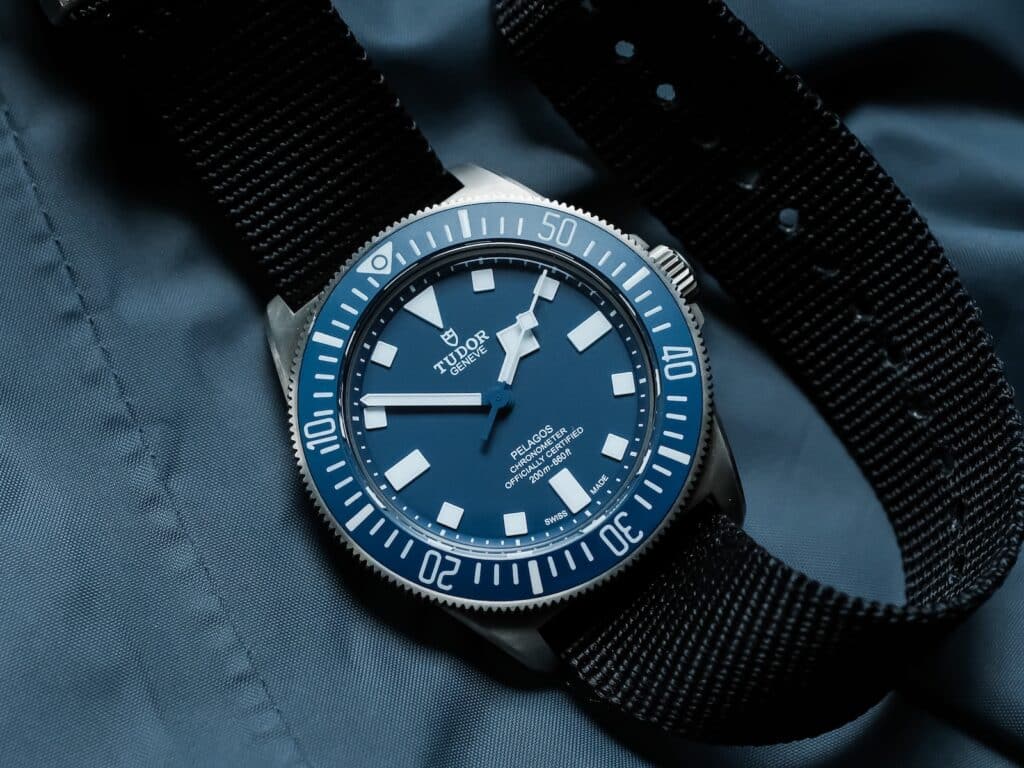
That’s why I’ve enjoyed having both side by side in the same collection. The Seaforth covers the part of this hobby centered around comfort, repetition, and long-term wearability. The FXD scratches the itch for something more specialized and intentionally designed. Depending on the day, either one can end up feeling like the right answer.

Co-Founder & Senior Editor
Michael Peñate is an American writer, photographer, and podcaster based in Seattle, Washington. His work typically focuses on the passage of time and the tools we use to connect with that very journey. From aviation to music and travel, his interests span a multitude of disciplines that often intersect with the world of watches – and the obsessive culture behind collecting them.
Except in this configuration the Halios is not a dive watch!
Please explain.
Great breakdown of the two watches.
I’d say the Halios looks like it has real potential for an everyday or GADA watch. (I may be convinced to let go of my bb54 and let the seaforth take this spot…we’ll see if I ever catch a time when they’re available)
I think the FXD (which I’ve also been eye-ing) would be a great an interesting part of a collection but less potential for a one watch sort of lifestyle
That’s a smart read on both. The Seaforth’s versatility is probably its biggest strength, and the FXD is more of a statement piece that works best when it has company in the collection. Catching a Halios drop is its own challenge, though. Good luck with the timing.