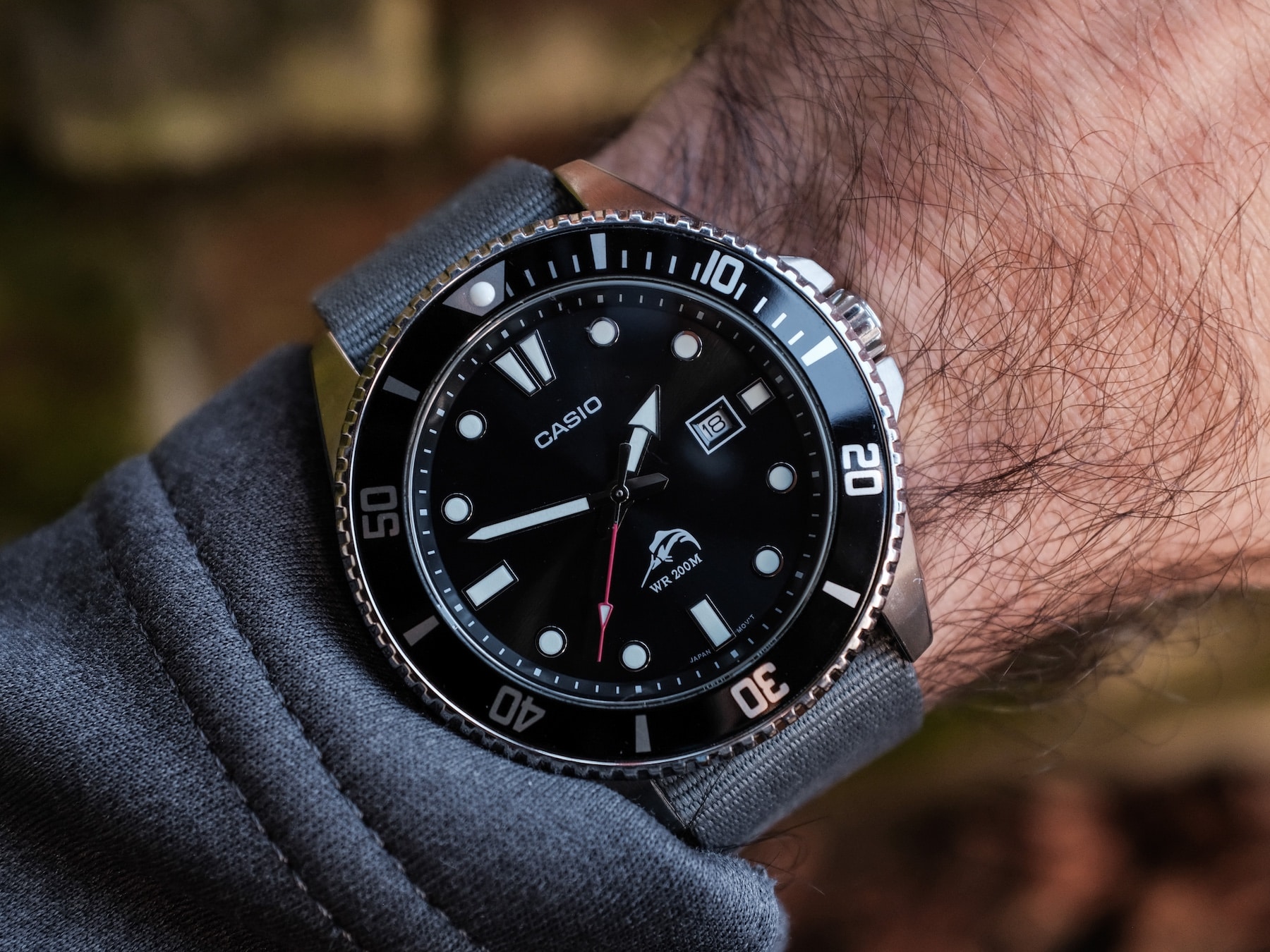
If you’ve spent any time digging through affordable watches, chances are you’ve gone back and forth on Citizen vs Casio more than once. It’s one of those debates that keeps coming up because both brands show up in the same conversations: best watches under 500, everyday watches, watches you don’t have to baby. We’ve seen people recommend both as “safe bets.” In practice, though, they solve different problems depending on how you wear your watch day to day.
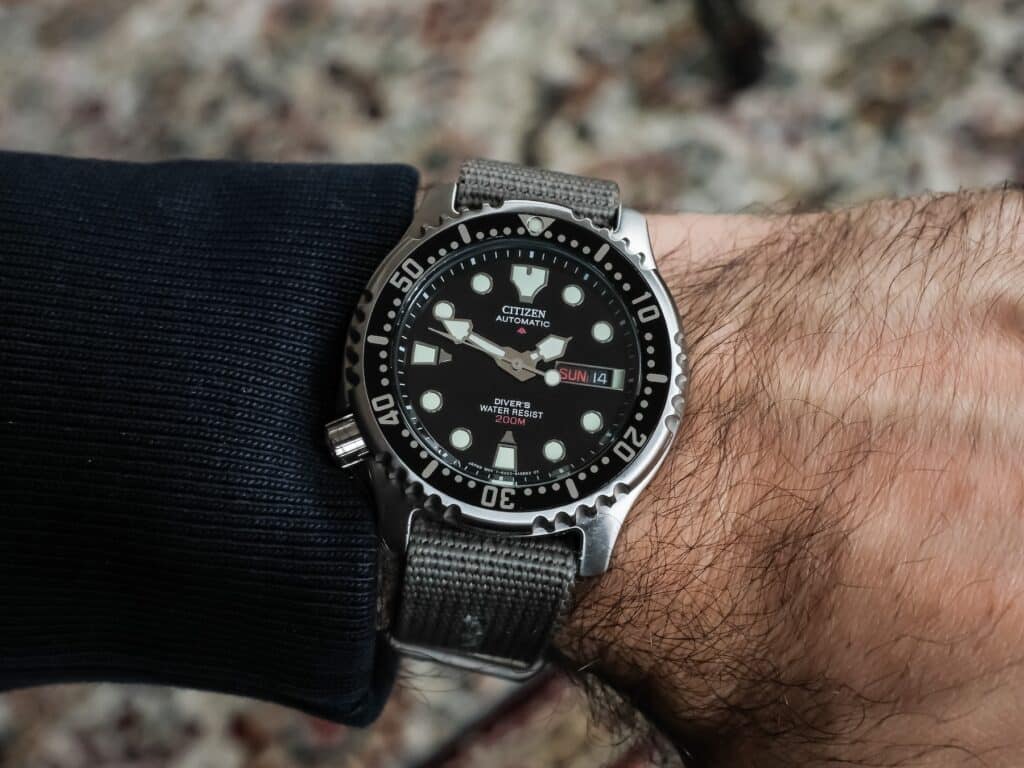
We’re not coming at this from a quick comparison or a week of wrist time. Over the past decade, we’ve lived with everything from the Citizen Promaster Eco-Drive Diver, NY0040, Aqualand, and Nighthawk to Casio staples like the F-91W, A168, Duro, and multiple G-Shocks. These are watches we’ve worn to work, on flights, in the water, and sometimes because they’re easy to grab without thinking. That long-term use shapes how we see this Citizen vs Casio debate now. We’re not just looking at features; we’re focusing on how these watches hold up, how they feel after months (and years), and which one actually makes more sense depending on your routine.
Brand Identity & Philosophy: Practical Utility vs Everyday Resilience
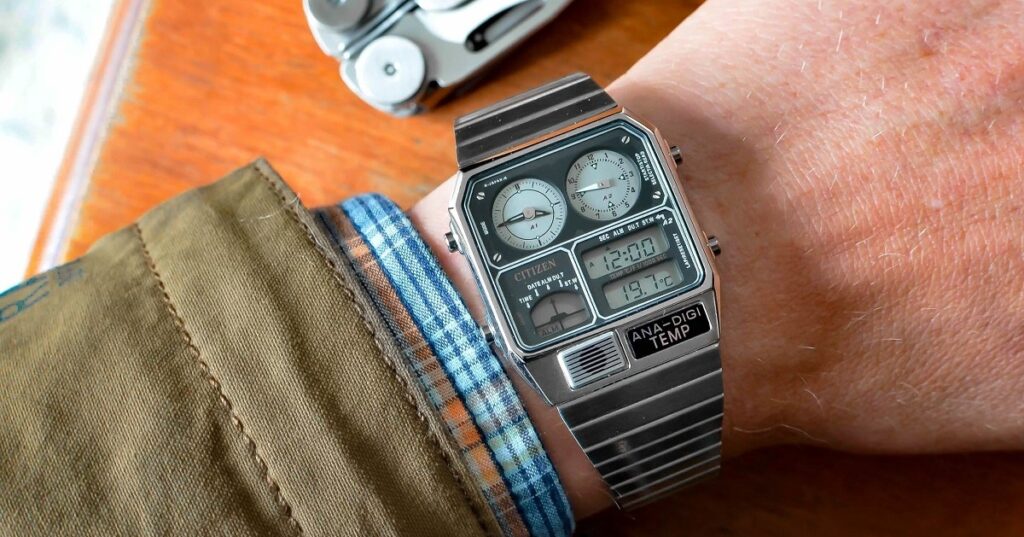
Spending time with Citizen over the years, what keeps coming through is how focused the brand is on solving real-world problems through design. It’s not trying to impress you at first glance; it grows on you the longer you wear it. From our hands-on experience, there’s a clear emphasis on functionality that gets used: solar charging that removes the hassle of battery swaps, tool-watch layouts that stay legible in less-than-ideal conditions, and features that feel purposeful rather than decorative. Even when Citizen experiments with more unconventional designs, they still tend to feel usable once you spend enough time with them (sometimes in a “this shouldn’t work, but it kind of does” way). Across the board, Citizen builds watches that prioritize independence: less maintenance, more usability, and a quiet confidence that comes from working when you need it.
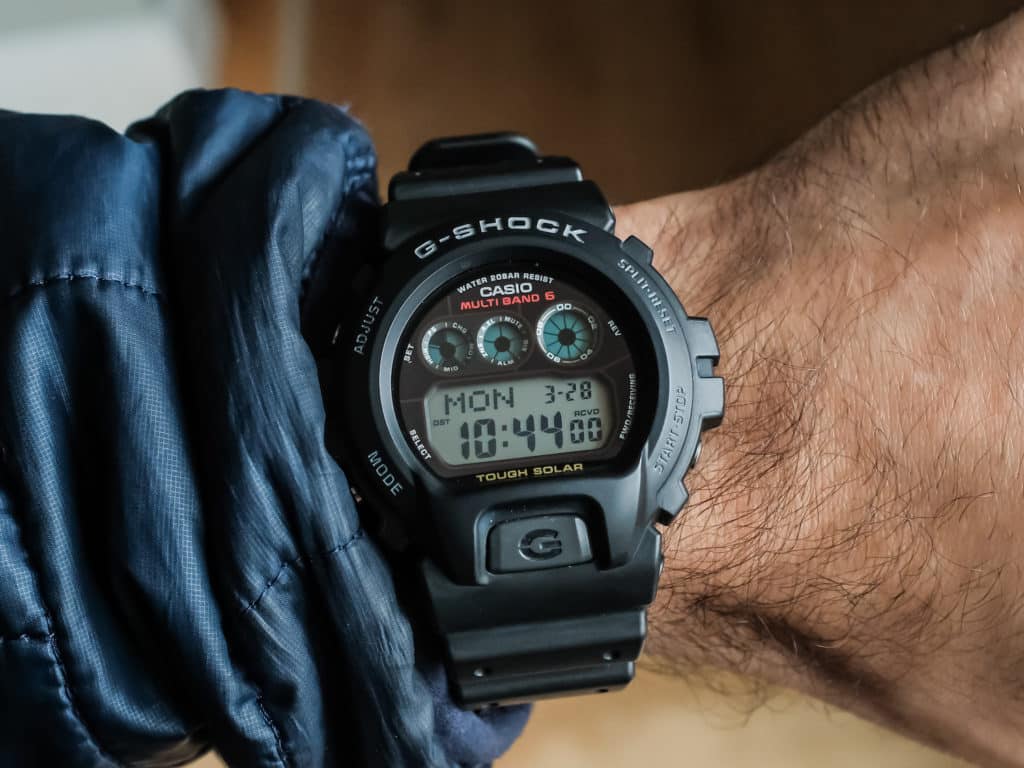
Casio, on the other hand, approaches things from a slightly different angle. It’s less about refinement and more about removing friction altogether. After years of wearing Casio watches across different situations, what stands out is how little they ask from you. You don’t adjust your routine for them; they adapt to whatever you’re doing. Whether it’s lightweight digital pieces you forget you’re wearing or more rugged options built to take abuse, the experience stays consistent: straightforward, reliable, and easy to live with. There’s a kind of honesty to that approach. Casio doesn’t try to elevate the experience; it simplifies it, focusing on durability and accessibility in a way that feels intentional rather than stripped down.
- Citizen tends to appeal to those who want a watch that feels like a capable tool, something you can rely on long-term without much upkeep, but still appreciate as a piece of engineering.
- Casio connects with those who want something dependable and effortless; watches that fade into your routine and prove their value by simply never getting in the way.
Catalog Scope & Core Strengths
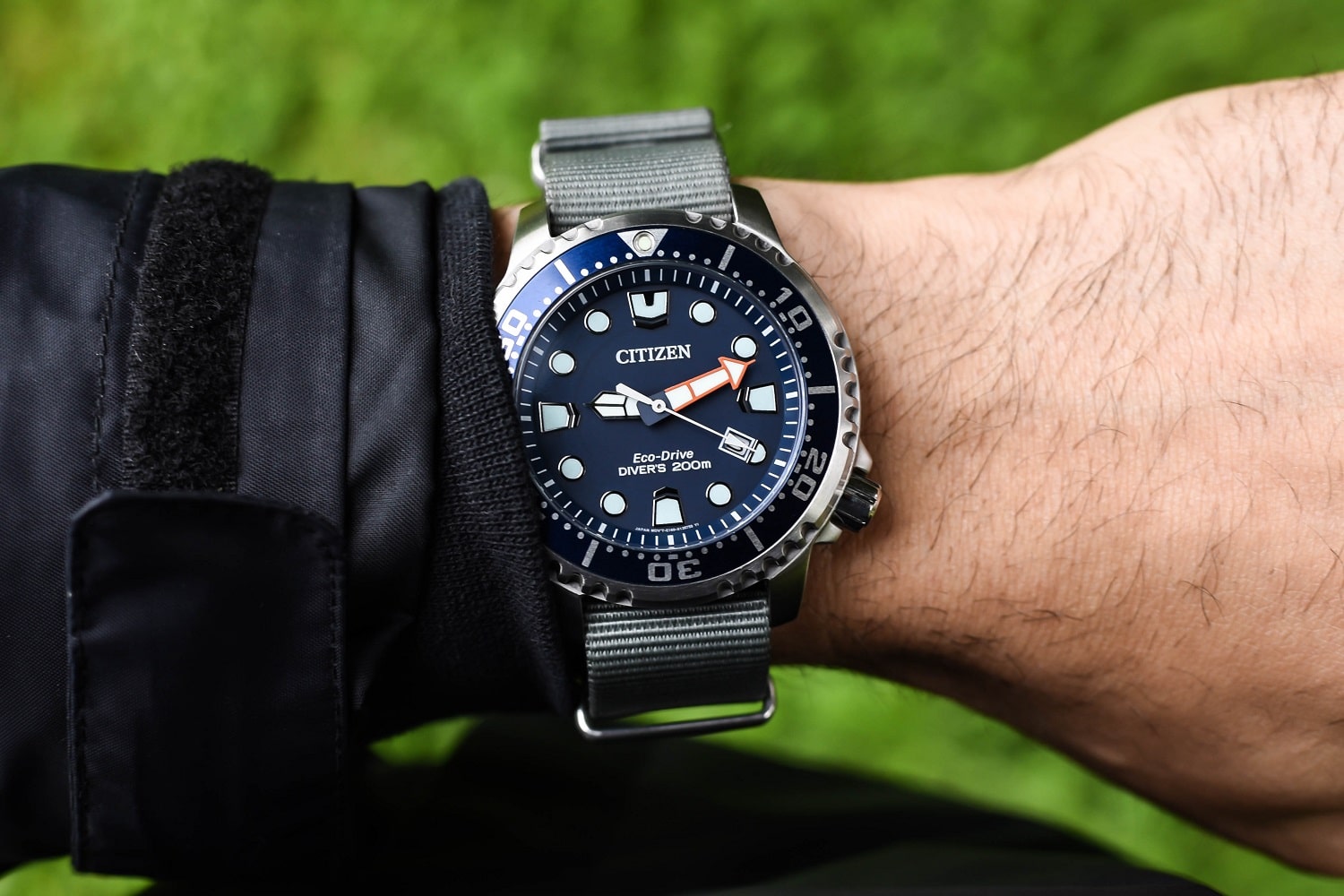
Citizen’s strength has always come down to variety paired with usability, and that’s something we’ve felt pretty clearly after years of rotating their watches through regular wear. What stands out isn’t any single category, but how wide the catalog stretches without losing its sense of purpose. Spending extended time with pieces like the Promaster Eco-Drive Diver, the first thing you notice is how the solar setup changes your routine. You can leave it off the wrist for weeks, and it’s still running when you pick it back up. That same mindset carries across the lineup. The Promaster family alone covers Air, Land, and Sea tool watches, each built around a specific use case rather than only aesthetics. Then you’ve got mechanical options like the NY0040 that bring a more traditional feel, alongside more experimental pieces like the Ana-Digi Temp that lean into functionality in a slightly offbeat way. Even travel-focused watches like the Nighthawk show how Citizen builds around real scenarios, keeping things legible, functional, and quite low-maintenance.
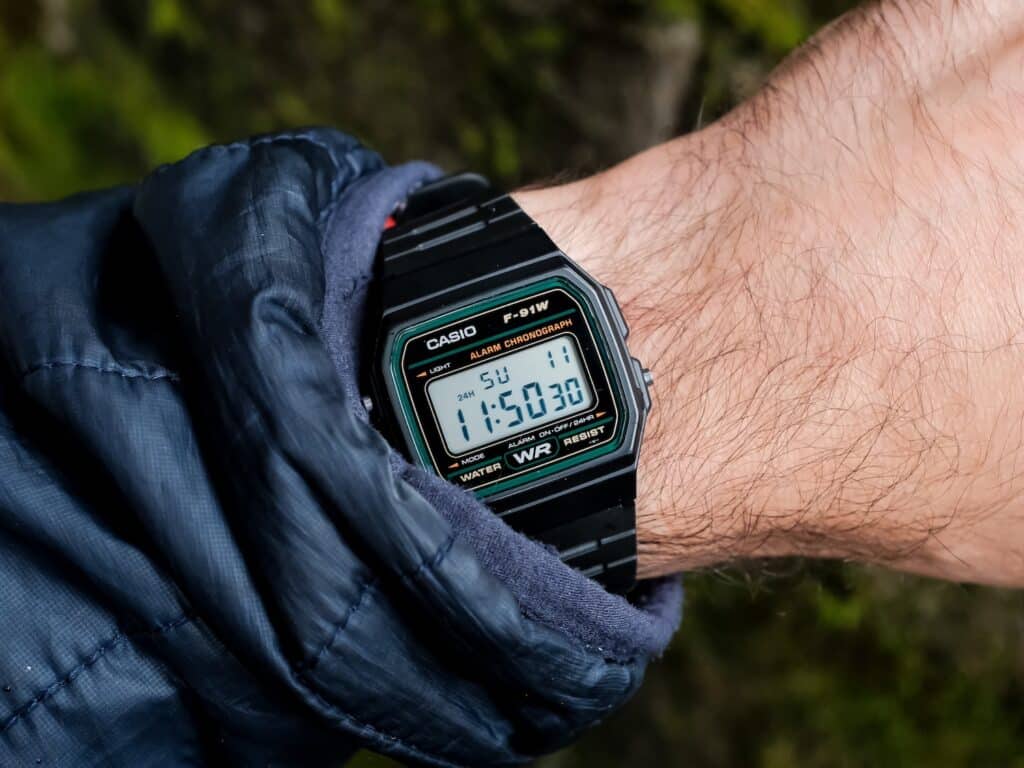
Casio’s catalog feels more like a toolkit built for different situations. After years of wearing everything from the barebones F-91W and A168WA to more advanced pieces like the G-Shock GW6900-1 and even the more traditional Duro, what stands out most is how effortlessly these watches slot into daily life. The F-91W and A168WA sit at that ultra-lightweight, almost forget-you’re-wearing-it end of the spectrum: no maintenance, no learning curve, just instant usability. Step into the G-Shock range, and the focus shifts toward durability. The GW6900-1, for example, with its solar charging and atomic timekeeping, stayed perfectly synced without us needing to touch it, even after sitting unused for days. Across the board, Casio builds around convenience, resilience, and practical use: less about variety for its own sake, and more about covering real-life needs without adding friction.
- Citizen: Strong on variety with a clear focus on usability. Solar tech and purpose-built designs mean less upkeep and watches that stay ready, even after time off the wrist.
- Casio: Built around simplicity and reliability. From lightweight digitals to rugged G-Shocks, everything is designed to work effortlessly with minimal input or maintenance.
Design & Wearability: Functional Density vs Clarity-First Practicality
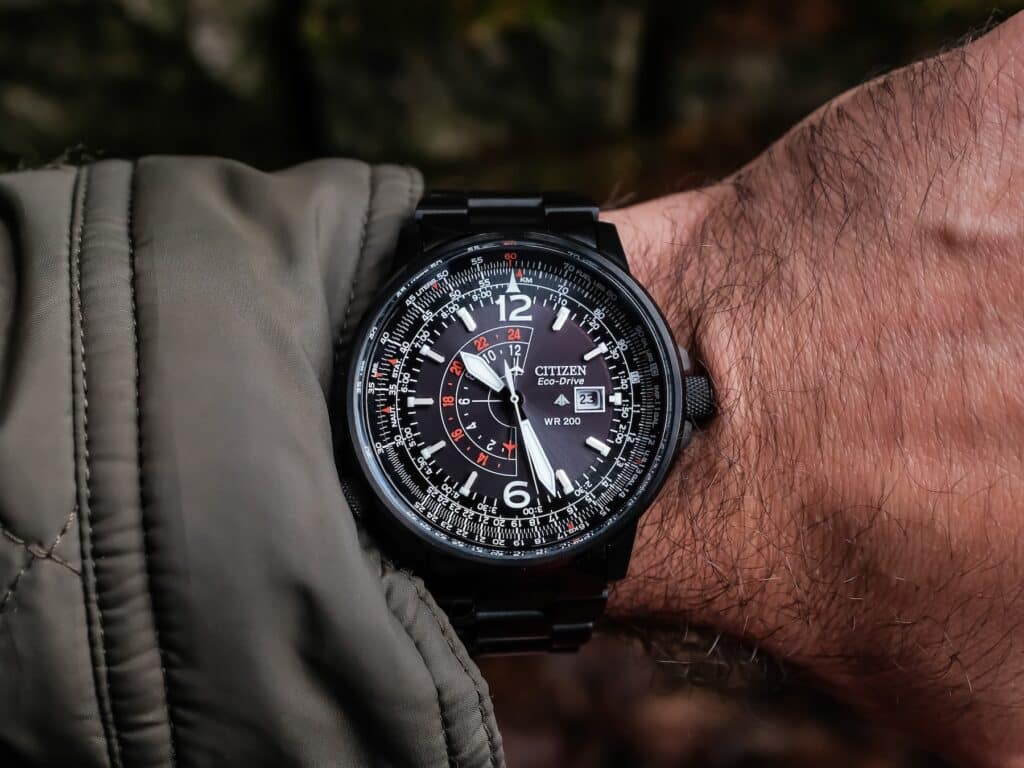
Citizen’s design language tends to lean toward function-first layouts that reveal themselves over time. During our hands-on use, especially with pieces like the Nighthawk and Promaster Aqualand, the dials can feel busy at first glance, but they start to make sense once you live with them. There’s a logic to how information is arranged: large markers, high-contrast elements, and layouts built around actual use rather than symmetry. The NY0040, by comparison, feels more straightforward, with a clean, highly legible dial that’s easy to read in low light and underwater conditions. Then you have something like the Ana-Digi Temp, which goes in a different direction, blending analog and digital displays in a way that becomes intuitive once you get used to it. On the wrist, Citizen watches feel purposeful. Cases tend to wear slightly larger, but the proportions are well-balanced, and straps or bracelets are built more for durability than refinement. They’re comfortable enough for long wear, but you’re always aware you’ve got something functional strapped on.
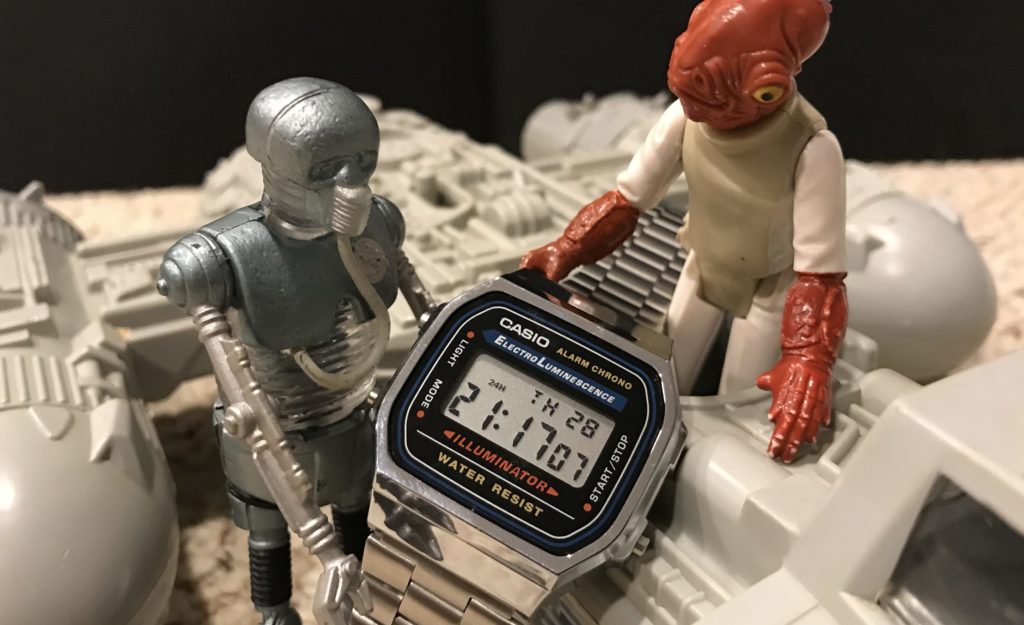
Casio approaches design with a much lighter touch, both visually and physically. Spending time reviewing models like the A168WA shows how the dial is stripped down to the essentials: clear digital display, straightforward layout, and a backlight that’s easy to activate but not overly bright. It’s not trying to impress; it works. Even with more traditional analog options like the Duro, the dial stays clean and legible, with large markers and a simple handset that’s easy to read at a glance. Step into the G-Shock range, and the design shifts toward durability, but the usability remains intact. The GW6900-1 and CasiOak both balance multiple functions without overwhelming you, and their displays stay readable even with added complexity. Wearability is where Casio really stands out. These watches are lightweight, easy to forget on the wrist, and built to handle daily wear without fuss. Even for G-Shock models, despite their size, the curved case backs and soft resin straps help distribute weight properly, making them easier to wear for long stretches than their dimensions suggest.
- Citizen leans into function-first design, with dials that can feel busy at first but become intuitive over time. On the wrist, they feel purposeful: slightly larger, durable, and built for use rather than disappearing.
- Casio keeps things clean and readable, whether digital or analog. Wearability is effortless, lightweight, comfortable, and easy to forget you’re even wearing it.
Build Quality & Technical Approach
Movements:
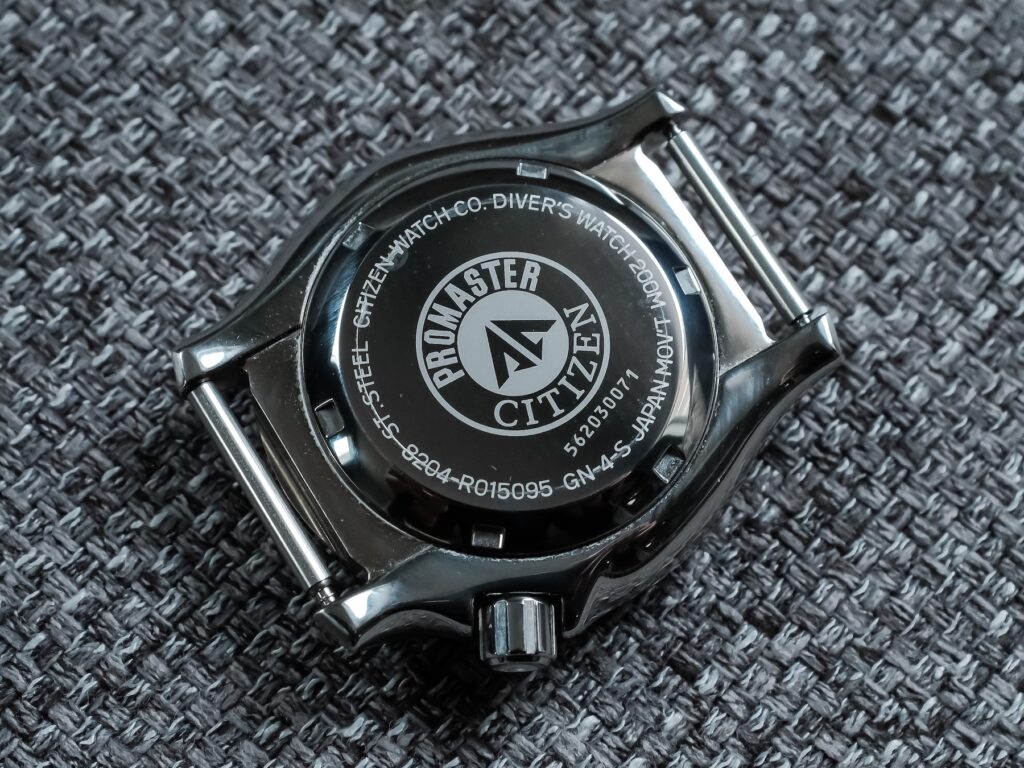
Citizen leans heavily into practical movement solutions, and after years of wearing their watches, that focus becomes hard to ignore. Most of what we’ve used runs on Eco-Drive quartz, which changes how you interact with the watch. In daily use, pieces like the Promaster Eco-Drive Diver and Nighthawk keep going: no battery swaps, no winding, no real thought required. Even more feature-heavy watches, like the Aqualand or Ana-Digi Temp, build on quartz foundations that prioritize reliability over romance. When Citizen goes mechanical, as in the NY0040 we tested, the experience shifts. Inside is the Miyota 8204 automatic movement, which brings hacking and hand-winding, along with a bit of personality. The rotor is quite loud, something you feel and hear throughout the day. It’s not refined, but it’s honest. You wind it, set it, and live with it, quirks and all.
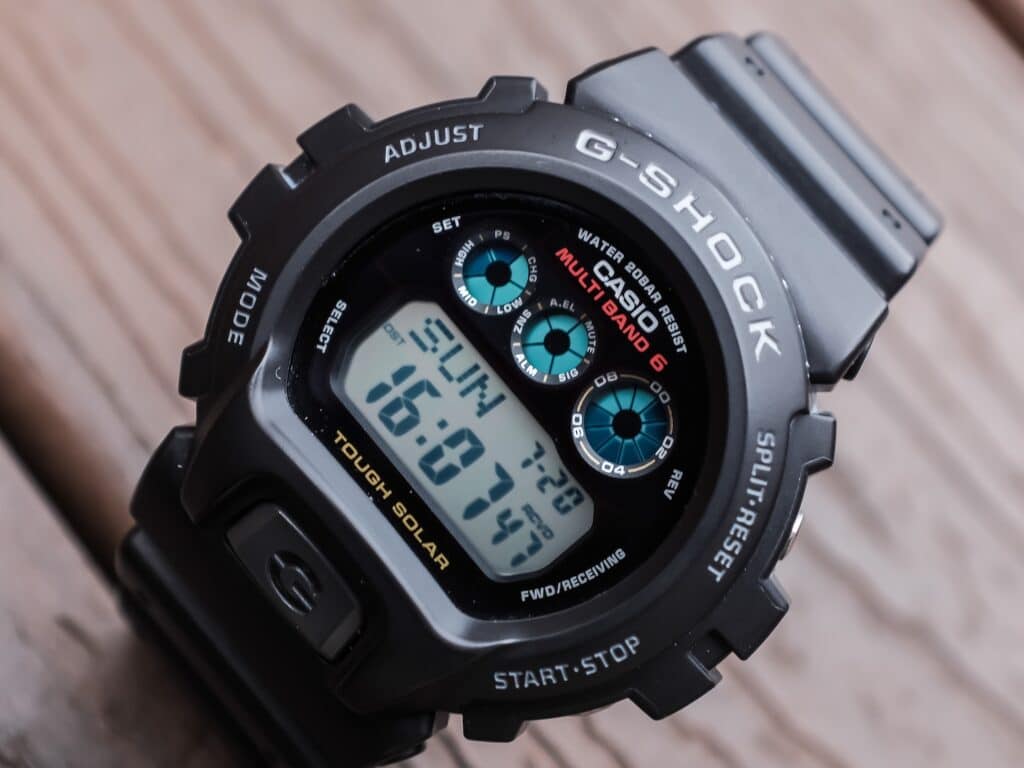
Casio takes an even more stripped-down approach, doubling down on quartz and digital movements that are built to be as hands-off as possible. With models like the F-91W and A168WA, the experience is about simplicity: set the time once and forget about it. Accuracy stays tight, and battery life stretches long enough that you rarely think about maintenance. Step into more advanced pieces like the G-Shock GW6900-1, and the same philosophy gets an upgrade. Solar charging means you never have to worry about keeping it wound or replacing batteries every couple years. In fact, while we conducted our hands on review of the Casio G-Shock GW6900-1, even after sitting in a drawer for weeks, a couple of hours of sunlight brought it right back to full charge. Add atomic timekeeping into the mix, and it stays perfectly synced without intervention. Even analog-leaning options like the Duro follow that same quartz-first mindset: dependable, low-maintenance, and built to keep running without drawing attention to itself.
Case Construction & Finishing:
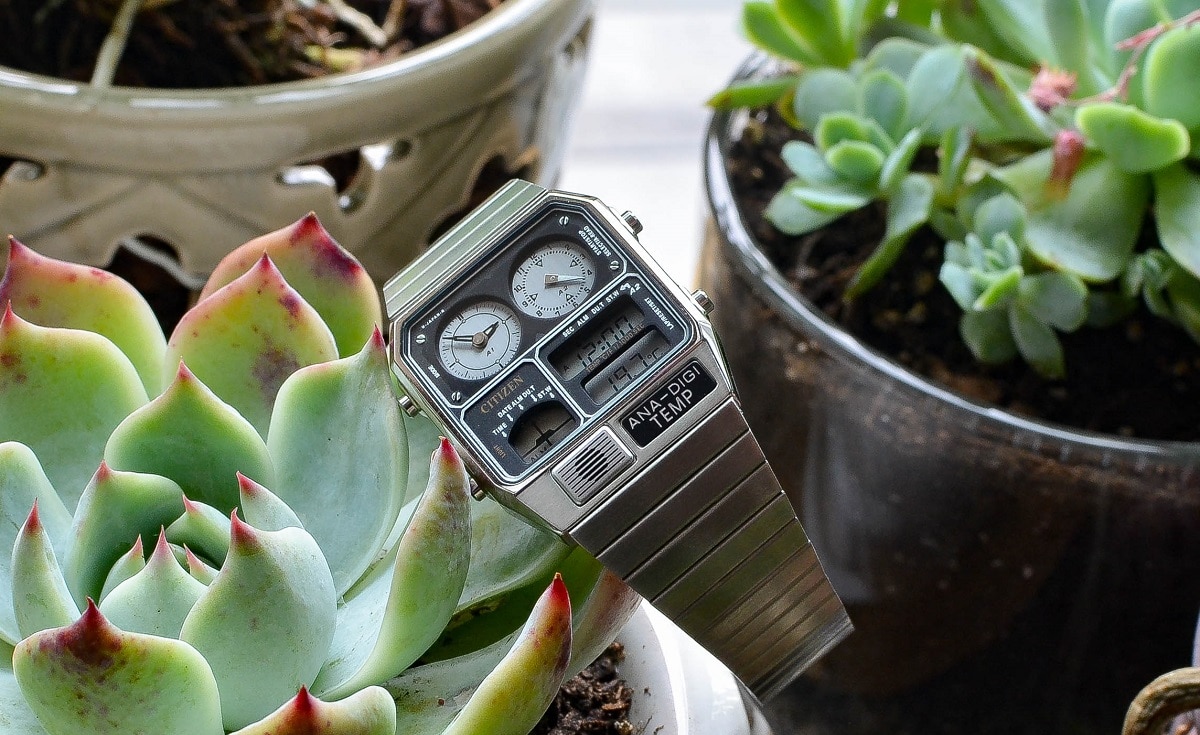
Citizen’s case construction leans heavily toward function-first durability, and that becomes obvious once you’ve lived with a few of them in rotation. As we noted in our hands-on review, the Ana-Digi Temp embraces a boxy, angular case that feels utilitarian, with sharp edges and a layout built to house information rather than chase refinement. Move into something like the Promaster Diver, and the shape becomes more familiar. Still, the philosophy remains the same: solid steel, simple brushing, and a case that shrugs off daily wear without asking for attention. The Nighthawk follows a similar path, wearing balanced and substantial without tipping into bulk, even with its added complexity. Across the board, Citizen cases feel ready for use. The finish is straightforward but holds up, prioritizing durability and long-term wear over visual polish.
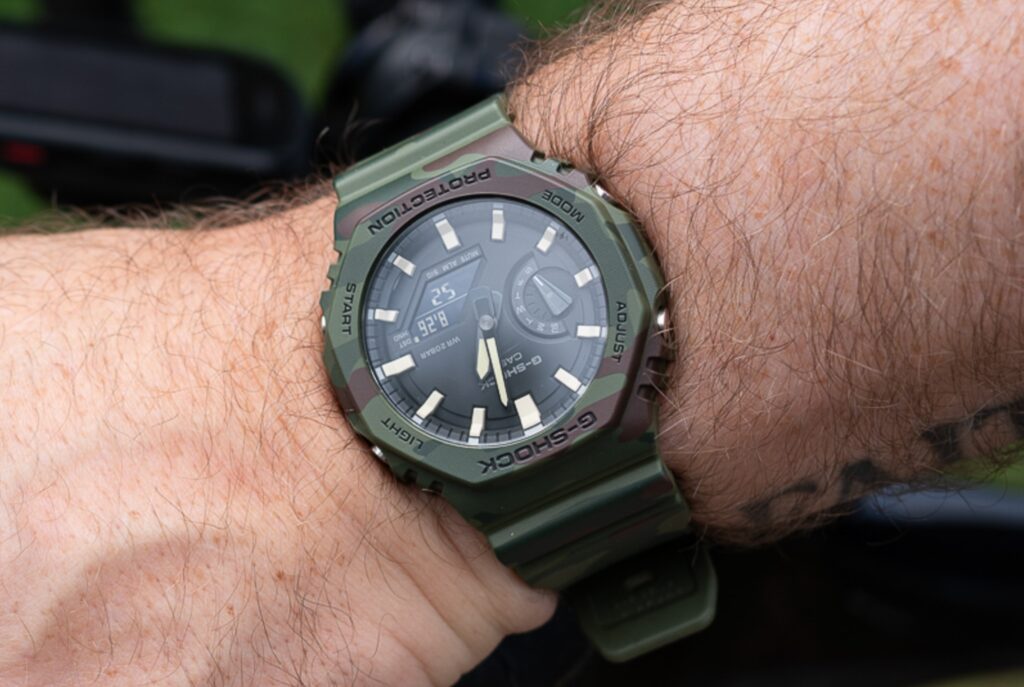
Casio takes a more pragmatic route, and it shows in how their cases are built and worn. On simpler models like the F-91W and A168WA, the construction is lightweight and functional, with materials such as lightweight resin and plastic that prioritize comfort over the longevity of the finish. But once you step into something like the G-Shock CasiOak, the approach shifts. The resin case, paired with its carbon-reinforced structure, feels surprisingly solid without adding weight. During extended wear, it handled bumps and daily abuse without showing much wear, and the matte surfaces did a good job of masking scratches. The finishing isn’t something you think about: it’s there to support durability, not aesthetics. Even with larger dimensions, the case design helps it sit comfortably, reinforcing Casio’s focus on building watches that can take a hit and keep going without fuss.
Crystals:
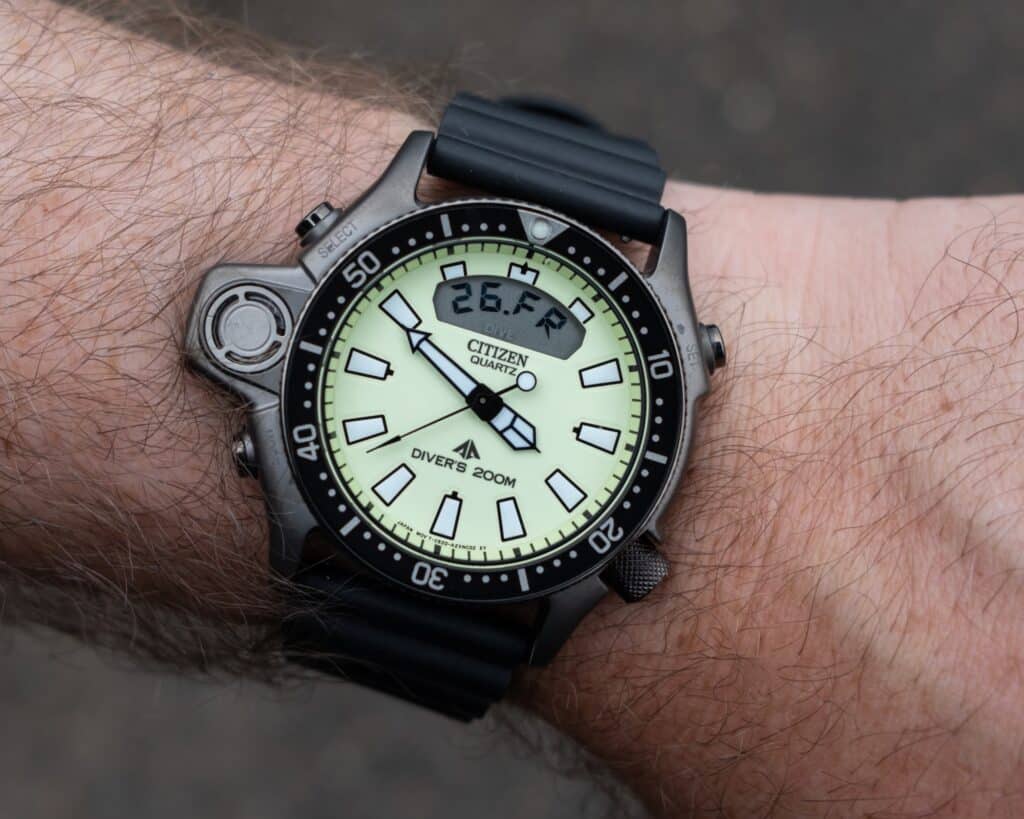
Citizen’s approach to crystals leans practical, with materials chosen based on use case rather than uniformity across the lineup. In our experience, many of their tool-focused watches, especially within the Promaster Aqualand and Nighthawk ranges, use mineral crystals that prioritize impact resistance over scratch resistance. During extended wear, this makes sense, as these are watches meant to be used, not babied. You’ll pick up the occasional scuff, but you’re less likely to worry about cracking under pressure. In use, clarity stays solid across the board, though reflections can creep in depending on lighting. It’s a practical, no-frills approach that fits how Citizen expects these watches to be worn.
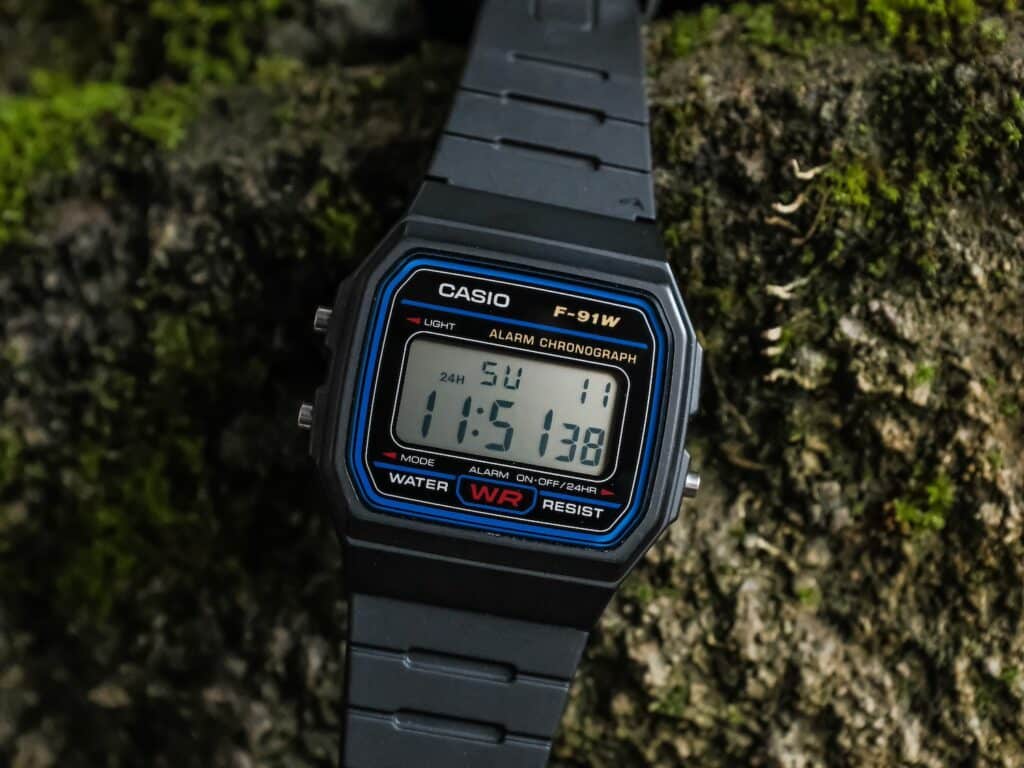
Casio keeps things even simpler, sticking mostly with mineral or acrylic crystals across much of the lineup. On models like the F-91W and A168WA, the acrylic crystal scratches more easily, but it’s lightweight and forgiving, small marks can be buffed out, which fits the low-maintenance nature of these watches. Step into something like the Duro or G-Shock range, and mineral glass becomes more common, offering better scratch resistance while still holding up well to impacts. In our time wearing G-Shocks like the GW6900-1 and CasiOak, we found the crystal is recessed or protected by the case structure, which reduces the chances of direct hits in the first place. Clarity is functional rather than refined: no distortion issues, but also no real effort toward anti-reflective coatings. Like everything else with Casio, the crystal choice feels intentional: durable enough, easy to live with, and aligned with how it’s meant to be used.
Water Resistance and Lume:
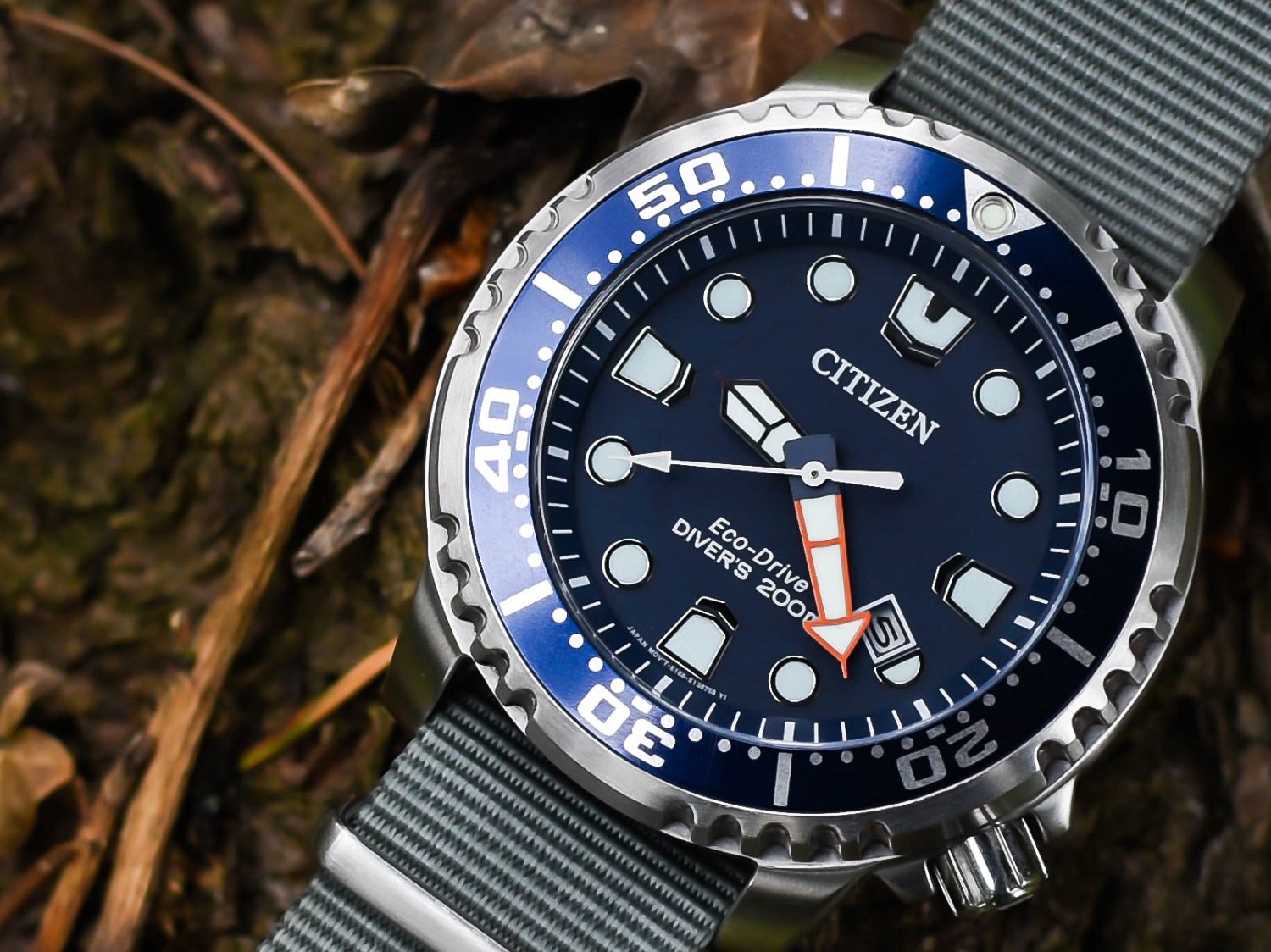
Citizen tends to approach durability with real-world use in mind, especially after spending time with their dive-focused pieces. Models like the Promaster Diver and NY0040 carry 200m water resistance with screw-down crowns, which, in practice, covers everything from swimming to more serious water use without hesitation. During our time wearing them, that rating felt usable, not just theoretical: you don’t think twice about taking them into the water. The Aqualand pushes things further with its depth gauge, but even beyond that feature, the case construction and sealing inspire confidence. Lume, on the other hand, is solid but not overdone. It’s bright enough to stay legible in low light and underwater conditions, but it doesn’t aim to be the brightest in the room. Some might argue that the lume dial, combined with the lumed hands and indices, might make it harder to see.
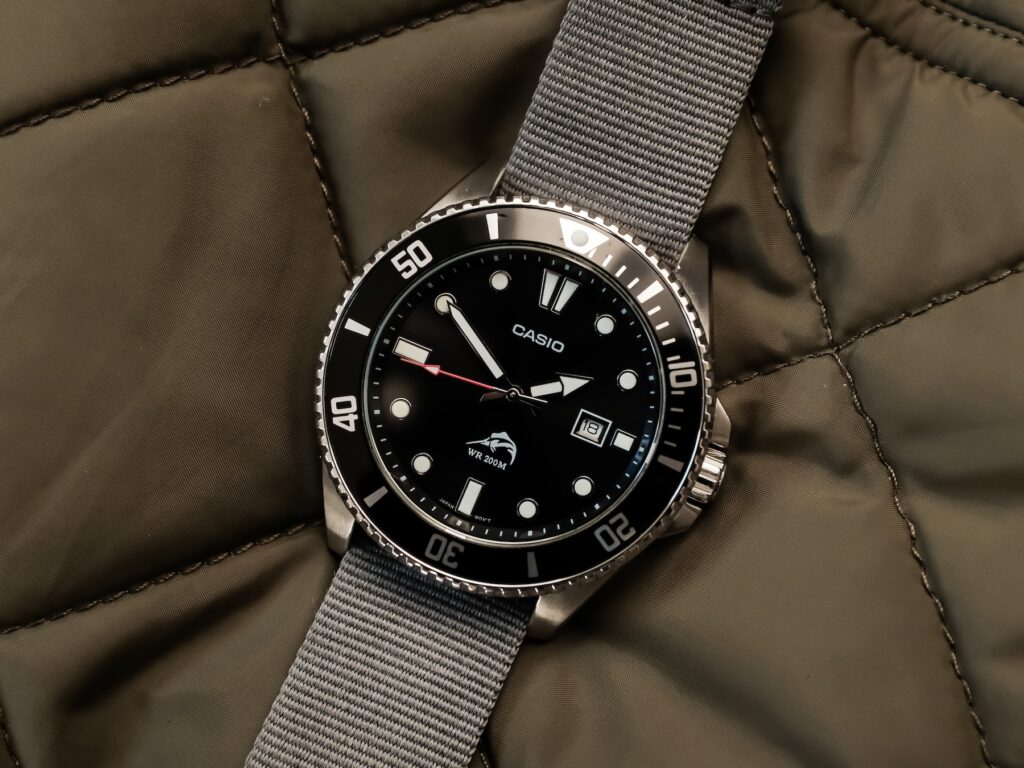
Casio splits its approach by watch type, but the Duro is where things feel closest to a traditional dive setup. In our hands-on review, the 200m water resistance made it easy to treat like a true grab-and-go water watch: no hesitation around pools or the ocean. The screw-down crown adds that extra layer of security, even if the overall build stays simple. Lume is where you notice the difference. It’s there and usable, but it fades faster than some competitors, especially after a few hours in low light. That said, it’s consistent with Casio’s overall approach: functional, not excessive. Entry-level models like the F-91W and A168WA offer basic splash resistance, enough for handwashing and daily use, but not designed for long-term water exposure. Step into G-Shock territory, and water resistance often matches or exceeds that 200m mark, but the focus shifts more toward shock resistance and all-around durability. Moreover, in general, G-Shock watches aren’t known for their incredible lume.
- Citizen focuses on practical versatility: solar quartz dominates for low maintenance, while mechanical options add character but lack refinement. Build leans tool-first, with durable cases, usable lume, and real-world water resistance that feels dependable.
- Casio prioritizes simplicity and autonomy. It includes quartz and solar movements that run hands-off, often with added precision features. Construction is lightweight but tough, with protected crystals and water resistance that favors reliability over refinement.
Community & Resale
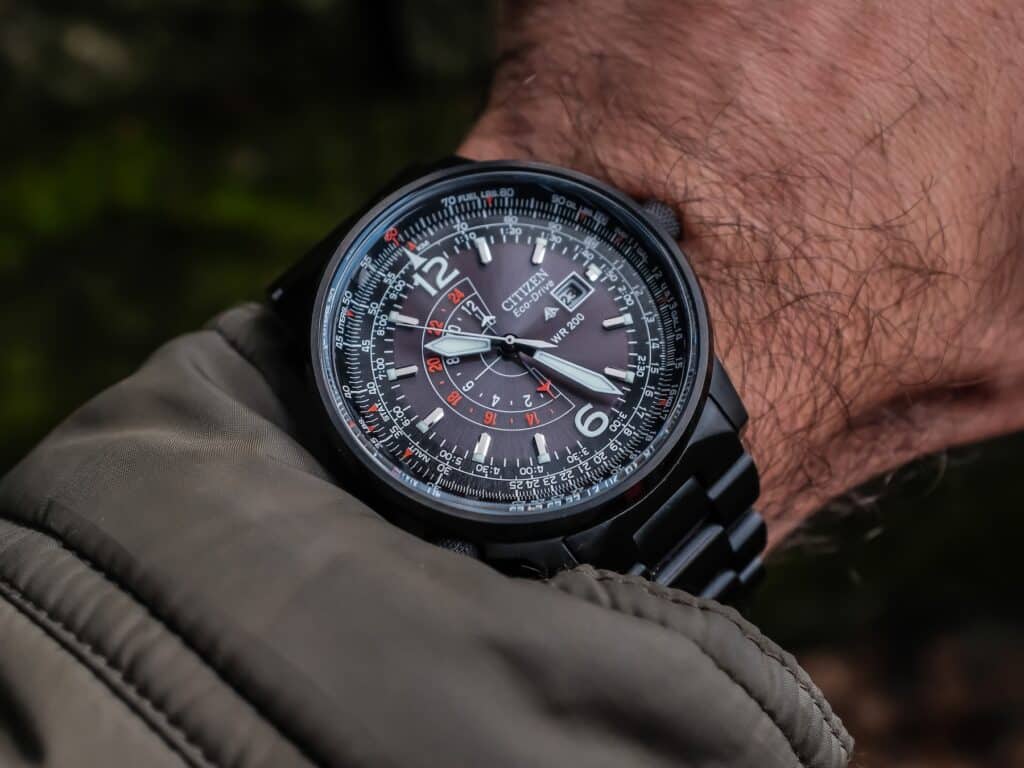
With Citizen, the community leans more toward users than collectors. From what we’ve seen around pieces like the Promaster Diver, Ana-Digi Temp, and Nighthawk, most people pick one up because it fits a need or clicks with them, not because they’re thinking about resale down the line. That shows up in how these watches are treated: they get worn, used hard, and kept around as reliable tools rather than flipped. Even something like the NY0040, which has a bit of enthusiast following, tends to stay in collections because it earns its place through use, not hype. The overall vibe feels practical. People buy Citizen to wear, not to track value.
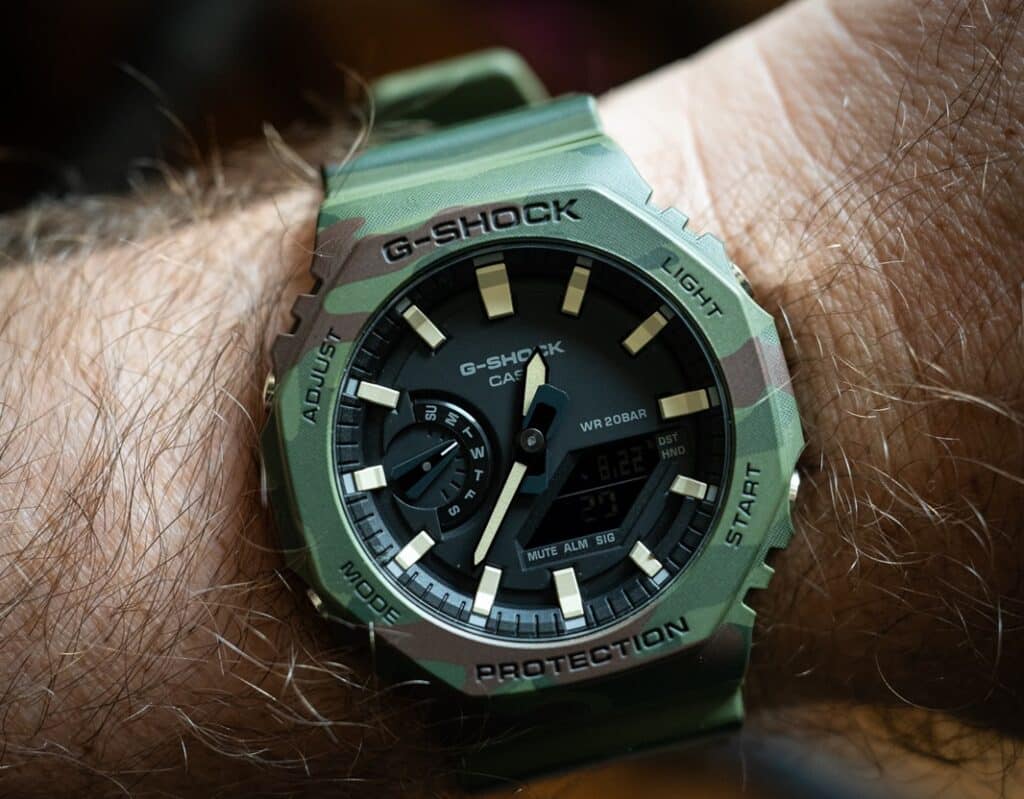
Casio, on the other hand, thrives on constant community engagement and rediscovery. Watches such as the F-91W and A168WA have taken on a life beyond being affordable. They show up everywhere, from first-time buyers to long-time collectors revisiting them years later. The G-Shock lineup pushes that even further. Models like the GW6900-1 and CasiOak build strong followings because of their durability and feature set, but also because people keep coming back to them. They get recommended, replaced, re-bought, and passed around in ways that keep them relevant. Casio models stay active because people continue to engage with them at every stage of their watch journey.
- Citizen builds quiet loyalty through use and long-term ownership.
- Casio fuels an active, constantly evolving community that keeps rediscovering the brand.
Final Thoughts: Where the Real Value Shows Up
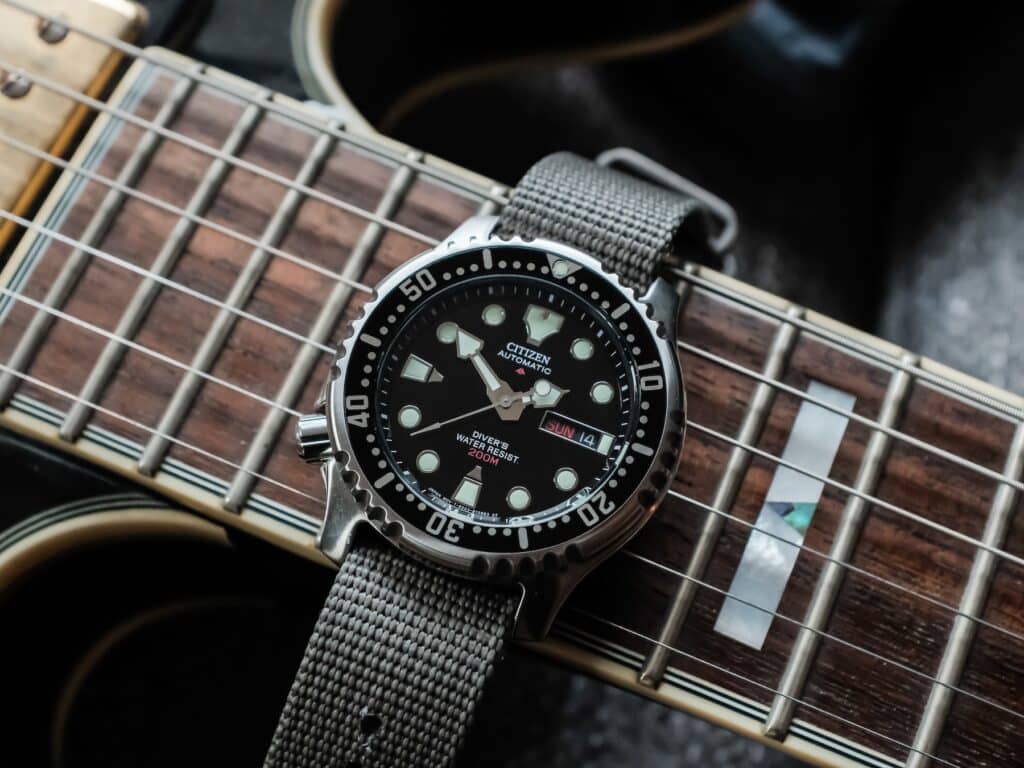
Citizen delivers value in a way that becomes clearer the longer you live with it. The mix of Eco-Drive, solid tool-watch construction, and occasional mechanical options gives you flexibility without adding much friction. In daily use, that solar setup matters more than you’d expect. You don’t think about charging, winding, or battery swaps. You pick it up and go. Even when the designs lean a bit busy, or the finishing stays simple, the watches tend to earn their place by being dependable over time. The tradeoff is that they rarely disappear on the wrist: you’re aware you’re wearing something built with purpose.
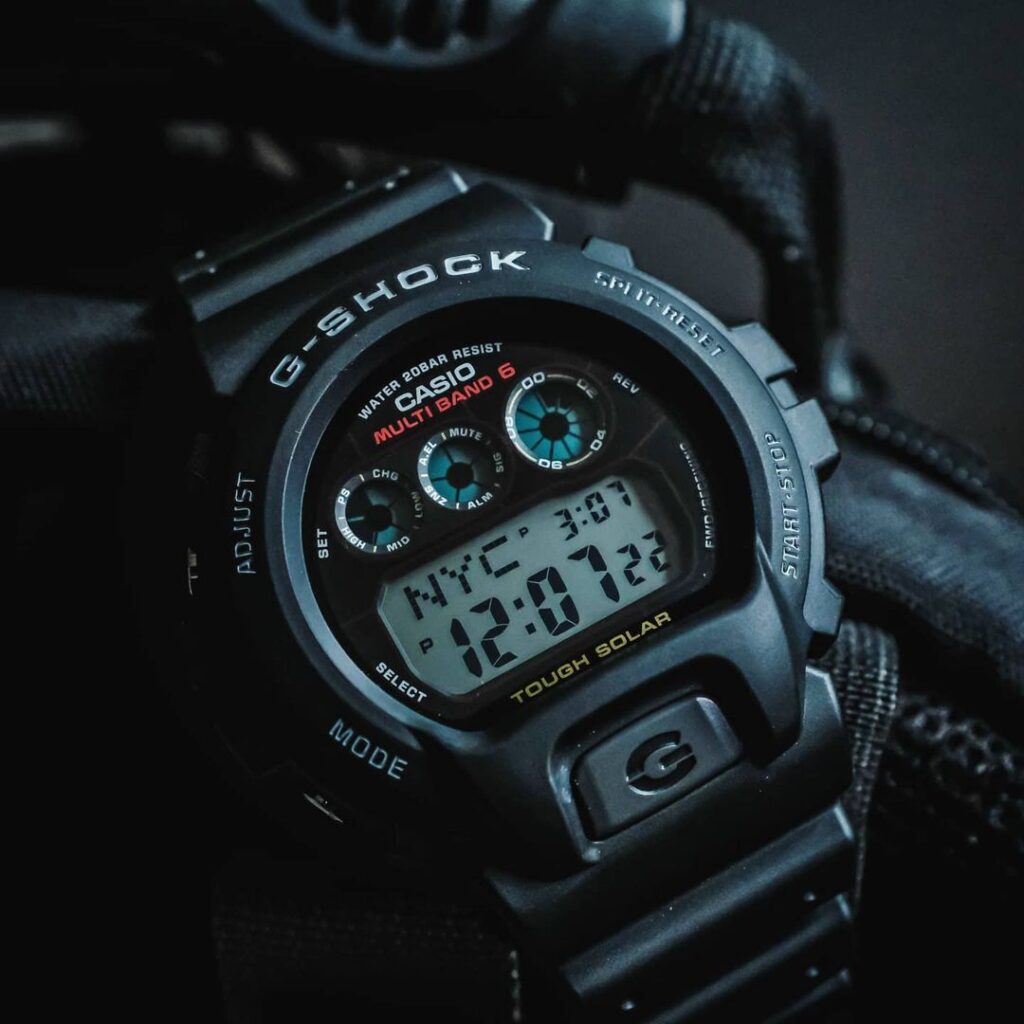
Casio takes a different route, and it’s arguably even more straightforward. The value here comes from how little effort is required. Whether it’s a basic digital piece or a more advanced G-Shock, the experience stays consistent: set it once, trust it, and move on. They’re lighter, easier to wear for long stretches, and built to handle rough use without much thought. You give up some refinement and, in certain cases, long-term durability of materials, but in return you get something that fits into your routine without asking for attention.
So here’s where we land after years of wearing both. If you want a watch that feels like a capable tool: something with a bit more presence, a bit more versatility, and long-term practicality, Citizen makes more sense. But if you value simplicity, comfort, and something that disappears into your day while still being reliable and lower-priced, Casio is hard to beat. And for that reason, Casio ends up being the easier choice to live with for most people.

Co-Founder and Senior Editor
Kaz has been collecting watches since 2015, but he’s been fascinated by product design, the Collector’s psychology, and brand marketing his whole life. While sharing the same strong fondness for all things horologically-affordable as Mike (his TBWS partner in crime), Kaz’s collection niche is also focused on vintage Soviet watches as well as watches that feature a unique, but well-designed quirk or visual hook.
Great column, but now half my collection is at war with the other half, and I’ll need to get a Bobobird (because why not wood?) to increase the peace.