Few watches come up more often in affordable watch conversations than the Orient Mako II and the Citizen Promaster BN0151. We’ve seen both recommended across forums, Reddit threads, and beginner watch guides. And we’ve worn the Mako II during stretches when we wanted a mechanical watch that felt honest and engaging, and leaned on the Promaster during periods when convenience mattered more than ritual. Both have earned their place through use, not marketing, which is why the Mako II vs Citizen Promaster BN0151 debate keeps resurfacing.
This comparison exists because we’ve spent the past decade reviewing affordable watches the same way most people experience them: by living with them. Not in controlled environments, but during daily routines, travel, and the long stretches where a watch either proves its worth or slowly disappears from rotation. After all that wrist time, the question isn’t which one looks better on paper—it’s which one is the better affordable dive watch after a decade of reviewing, collecting, and relying on both.
Overview & Identity
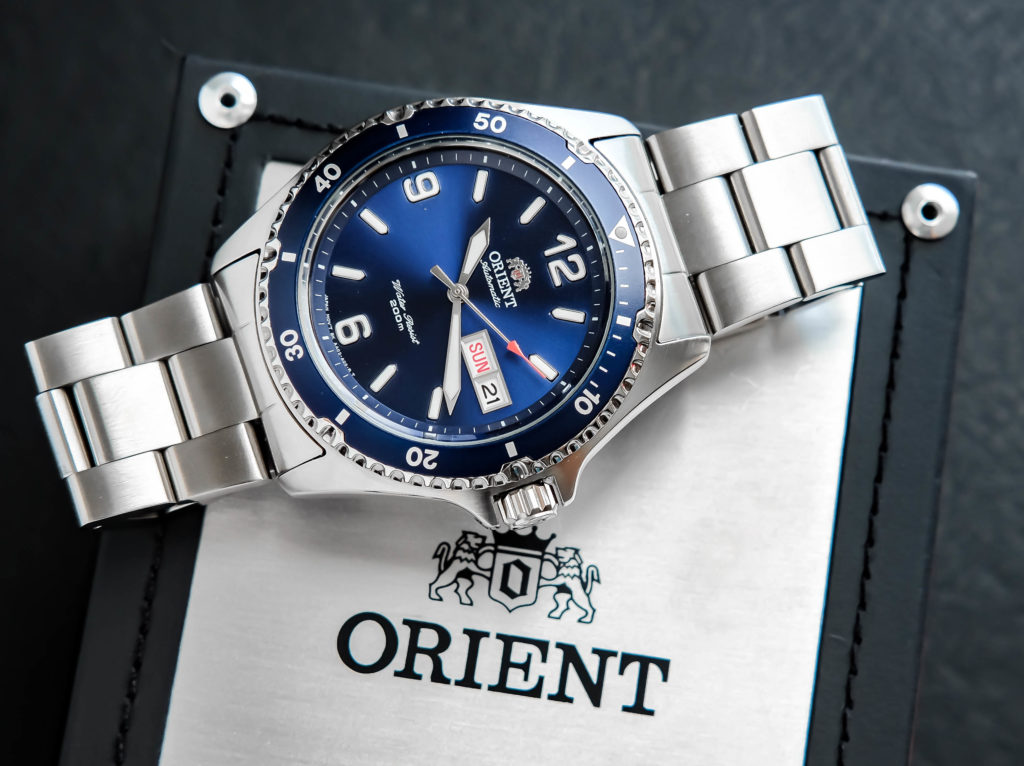
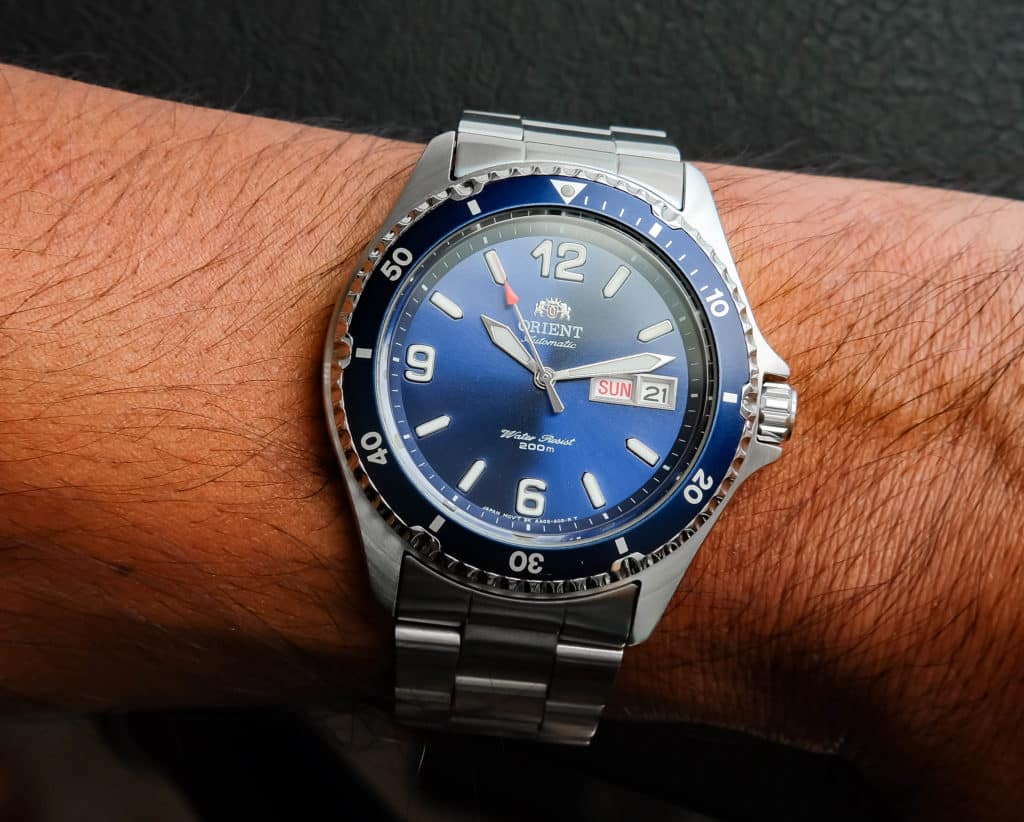
The Orient Mako II feels like the natural evolution of a watch that already had a firm place in the affordable dive watch conversation. The original Mako had been recommended for years as one of the safest entry points into mechanical watches, even if longtime owners were honest about its quirks. In our hands-on review of the Mako II, it came across as Orient responding directly to those frustrations while preserving the core identity that made the watch so widely trusted. It still feels like that approachable, enthusiast-driven diver people buy when they want something mechanical that doesn’t feel disposable.
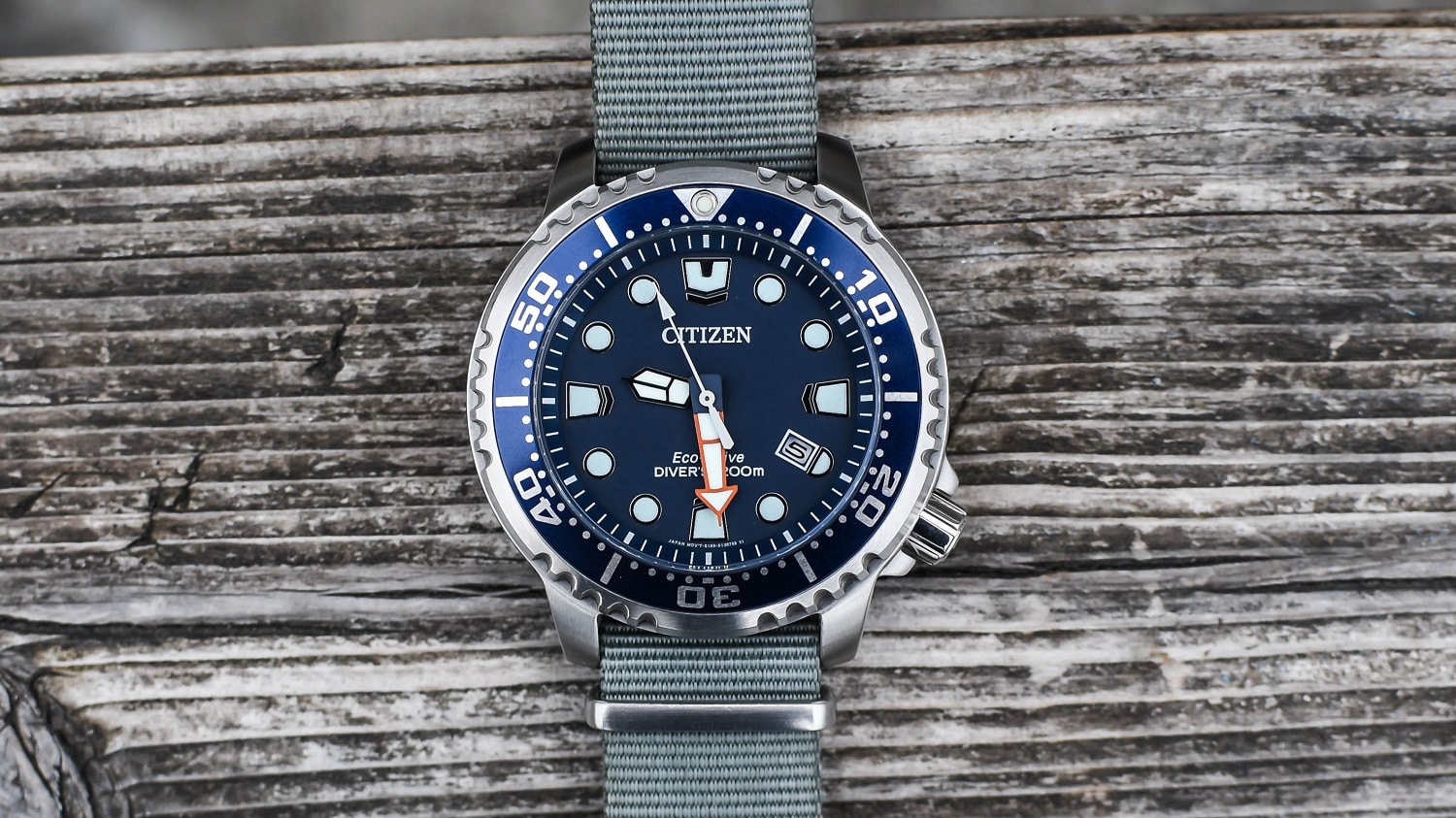
The Citizen Promaster BN0151, on the other hand, defines itself by pure usability. In our testing, it consistently became the watch we grabbed when we didn’t want to think about winding, setting, or checking whether it was still running. It handled hikes, lake outings, jogs, and ordinary office days without interruption, which reinforced why so many collectors pursue a reliable quartz diver alongside their mechanical pieces. The Promaster doesn’t try to replicate the mechanical ownership experience. Instead, it embraces being a self-sufficient, grab-and-go tool watch that quietly earns trust through consistency.
- The Orient Mako II is a mechanically driven diver shaped by enthusiast expectations and long-term ownership appeal.
- The Citizen Promaster BN0151 is a grab-and-go quartz diver built around consistency, convenience, and everyday reliability.
Design & Wearability: Traditional Dive Watch Substance vs Legibility-First Practicality
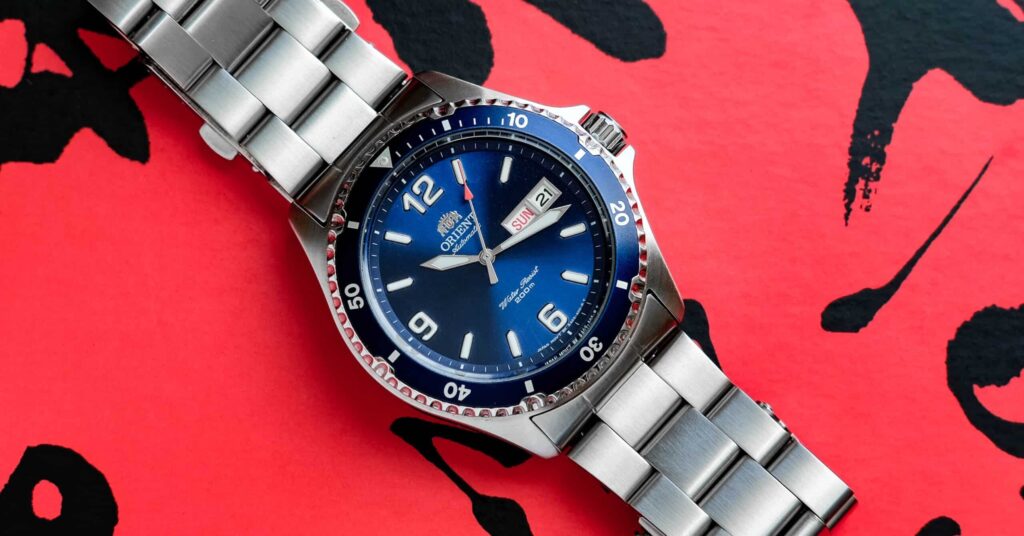
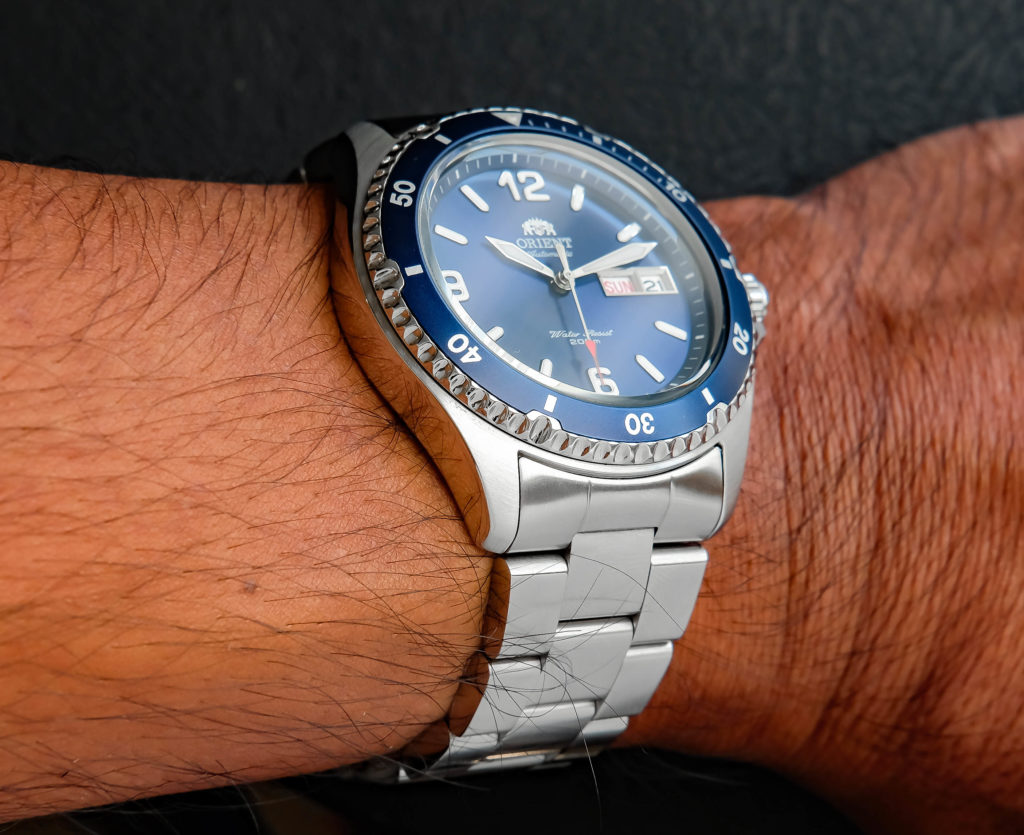
The Orient Mako II leans into more of a traditional dive watch design. The deep blue sunburst dial on our review model added more character than we expected, shifting subtly depending on the light without ever feeling flashy. That fluid sheen gave the applied markers real separation from the dial, improving legibility while also making the watch feel more thoughtfully finished than most affordable watches in this range. The sword-style hands and that subtle red-tipped seconds hand introduced the right amount of contrast to keep the dial from feeling flat. On the wrist, the oyster-style bracelet reinforced that familiar tool watch presence. The brushed surfaces hid wear well during regular use, and while the hollow endlinks reminded us where costs were controlled, the bracelet still felt secure and comfortable for daily wear. The double-locking clasp, with its solid push-button action and micro-adjustments, made it easy to fine-tune the fit.
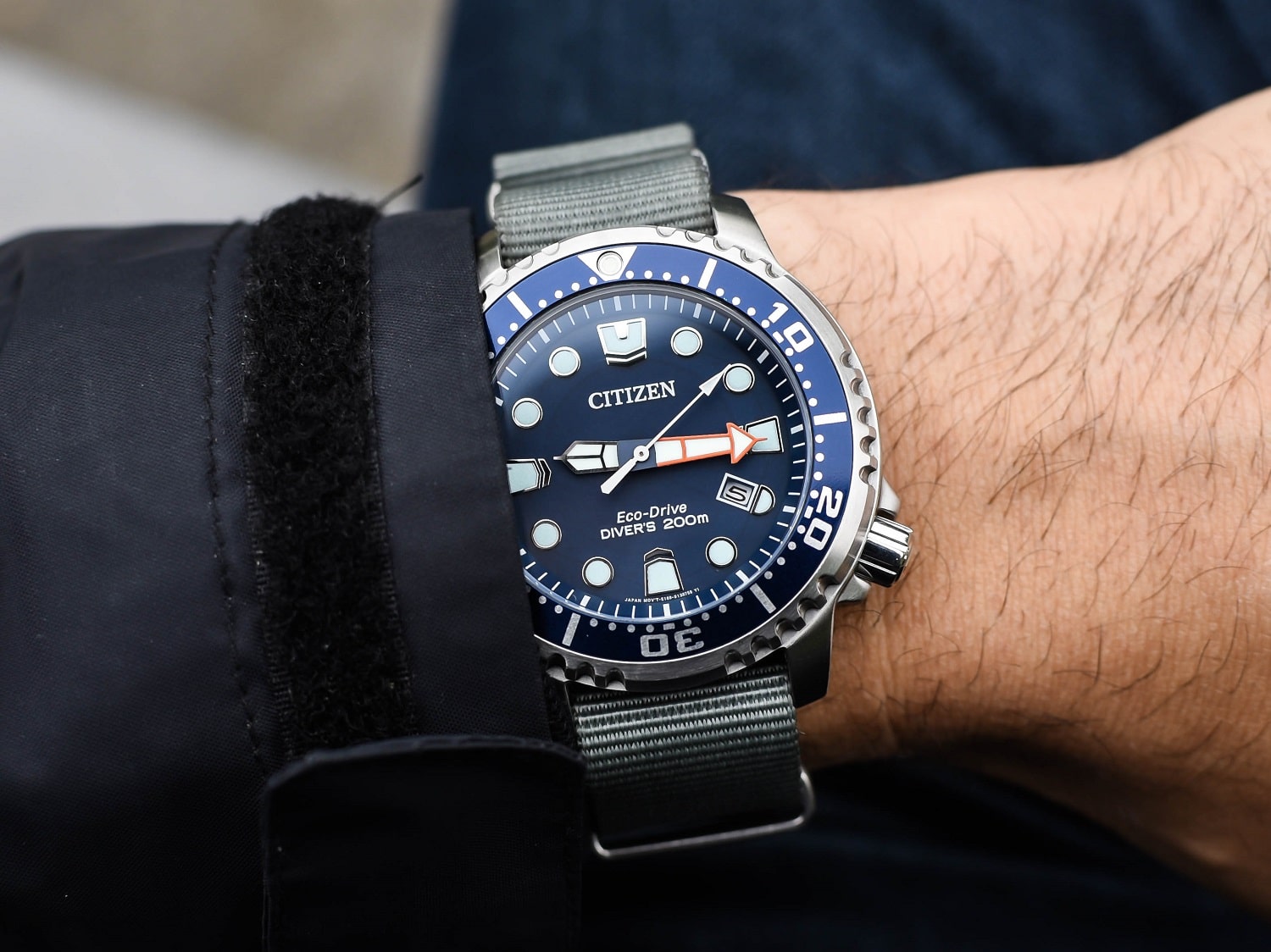
The Citizen Promaster BN0151 approaches design with a much clearer focus on function. During our hands-on time with it, everything about the dial felt optimized for instant readability. The large hands and bold markers eliminated any hesitation when checking the time, even during outdoor use or glances on the move. The 4 o’clock date window placement blended into the layout more naturally than expected, avoiding the awkward interruptions that often show up in affordable dive watches. In terms of wearability, the stock polyurethane strap was comfortable but didn’t quite match the watch’s adaptability. Once we switched it to a NATO strap, the watch became noticeably more versatile and easier to wear across different situations. Its lighter overall feel made it less intrusive on the wrist, especially during long days or active use. With its standard 20mm lug width, it quickly became one of those watches that adapted to whatever strap we paired it with.
- The Orient Mako II delivers classic dive-watch substance with a more traditional wrist presence, pairing its sunburst dial, cohesive case-bracelet integration, and secure clasp with a mechanical tool-watch feel that rewards daily wear.
- The Citizen Promaster BN0151 prioritizes legibility and adaptability, combining its highly readable dial, lighter wearing experience, and strap versatility into a diver that stays comfortable and easy to live with all day.
Build Quality & Technical Approach
Both the Orient Mako II and the Citizen Promaster BN0151 are built with real-world durability in mind, but they approach that goal from different ownership philosophies. That contrast becomes obvious across the following aspects once you start living with them day to day.
Movements:
Orient’s in-house F6922 automatic movement powers the Orient Mako II, and during our time with it, this caliber felt like a meaningful step forward in everyday usability. The F6922 added hacking seconds and manual winding. In practice, we could pull the crown to stop the seconds hand and set the time precisely, something that matters more than you’d expect when you’re trying to track accuracy across a rotation. Manual winding also made a noticeable difference. When the watch sat idle for a few days, it only took a few turns of the crown to bring it back to life, instead of the awkward shake routine many entry-level automatics demand. The winding action itself had a slightly firm, tactile feel. With a roughly 40-hour power reserve and expected accuracy in the typical automatic range, it delivered the kind of ownership experience that draws people toward mechanical watches in the first place.
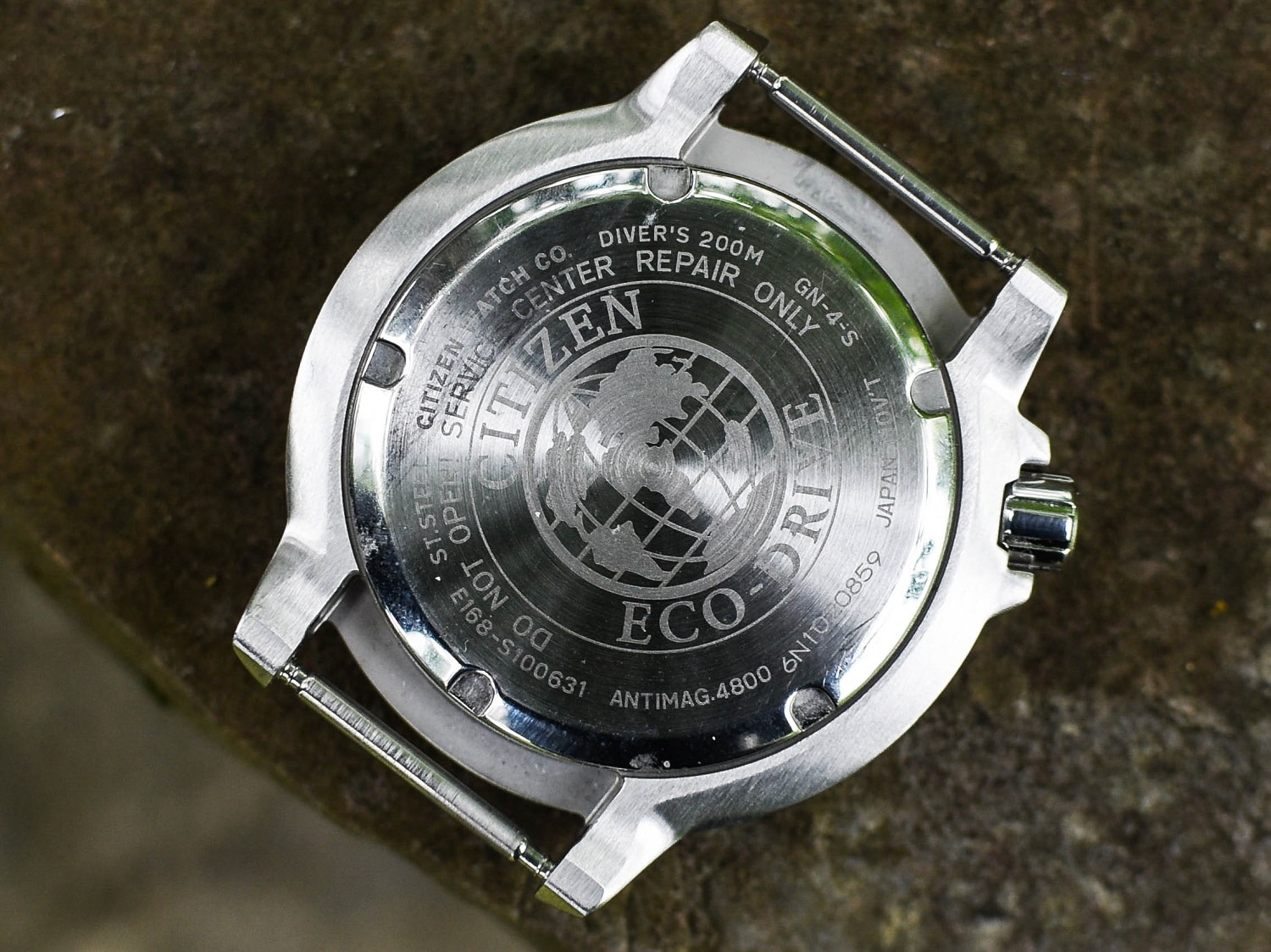
The Citizen Promaster BN0151 takes a completely different approach with its Eco-Drive E168 quartz movement. In real use, the biggest advantage wasn’t accuracy alone; it was autonomy. Once charged, the watch ran for months without needing attention, and even when we deliberately let it run low, a few hours near a window was enough to restore a healthy charge. In our experience, accuracy has remained consistent without intervention. The solar charging system eliminated the usual concerns about battery replacements, making the watch feel more self-sufficient than most quartz options. There’s no winding, no power reserve anxiety, and no interruption. It simply continues running in the background.
Case Construction & Finishing:

The Orient Mako II strikes a balance between traditional dive watch proportions and thoughtful finishing that becomes more apparent the longer you wear it. With its 41.5mm diameter, 47mm lug-to-lug distance, and 13mm thickness, it sits in that familiar sweet spot that works across a wide range of wrists without feeling oversized or undersized. During our time with it, what stood out most was how smoothly the case transitions between finishes. The polished case sides flow naturally into the brushed top surfaces without harsh separation lines, giving the watch a more refined feel than most budget watch brands offer. The bracelet integration also felt intentional, connecting cleanly with the case. The aluminum bezel upgrade to a 120-click mechanism added a more deliberate, precise feel during use, even if it required a bit more effort to get moving initially. Once engaged, the action felt firm and reassuring.
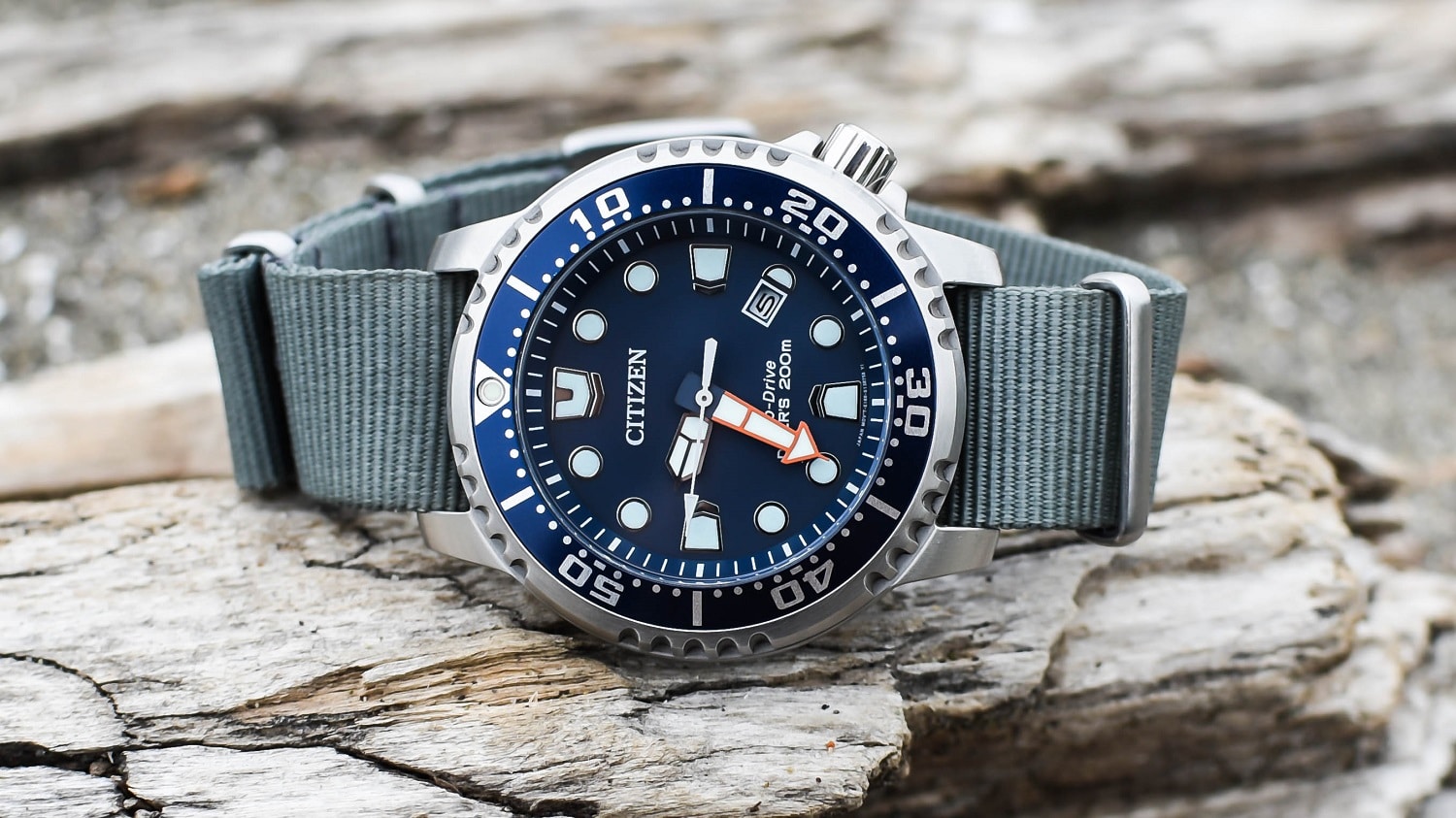
The Citizen Promaster BN0151 delivers a very different wearing experience, shaped by practicality. Despite its 43mm case diameter, the compact 48mm lug-to-lug and slimmer 11.5mm thickness allowed it to sit closer to the wrist than expected. Combined with the lightweight Eco-Drive movement, the watch often felt less intrusive than its dimensions suggest, especially when paired with a NATO strap. The aluminum bezel uses a 60-click system, which proved easier to manipulate during quick adjustments, though the grip texture didn’t feel as aggressive as some other dive watches we’ve tested. The screw-down crown at 4 o’clock stayed tucked close to the case, avoiding the wrist interference that can happen with more traditional crown placements. Overall, the case design leaned heavily into comfort and ease of use rather than visual heft.
Water Resistance & Lume:
The Mako II sticks to the dive watch fundamentals with 200 meters of water resistance, backed by a screw-down crown and caseback. In practice, that gave us no hesitation using it around water, whether it was pool time or the accidental abuse that comes from daily wear near sinks, rain, and everything else watches often face. The lume, however, reflects the watch’s honest budget positioning. The applied markers are filled cleanly and remain visible when the lights go down, but they don’t dominate the darkness the way some Seiko divers do. It gets the job done reliably, letting you check the time at night without squinting, but it isn’t trying to win any lume competitions. Honestly, that restraint feels consistent with the Mako II’s straightforward personality.
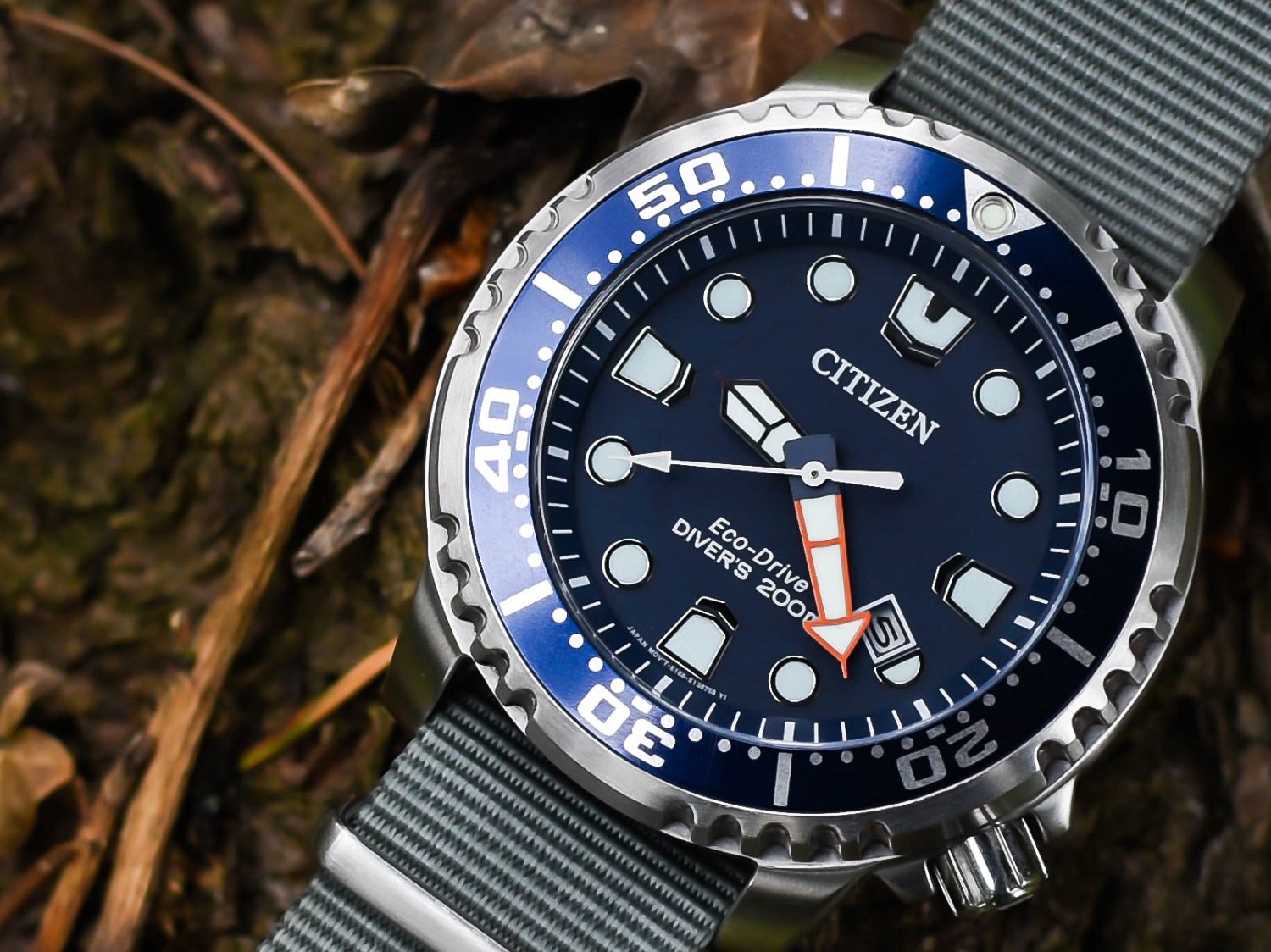
The Promaster BN0151 operates at the same 200-meter depth rating but carries itself with a bit more confidence once the lights go out. We had no second thoughts about taking it swimming, and it felt like a watch built to handle real aquatic use rather than survive it. Where the Promaster pulls ahead is its BGW9 lume. The blue glow was instantly more vivid during our testing, with even the second hand remaining visible in low light. There’s also something satisfying about the way the lume shifts tone depending on the lighting, occasionally leaning toward a deeper purple hue. It stayed legible longer and with greater clarity than most affordable watches we’ve worn.
Crystals:
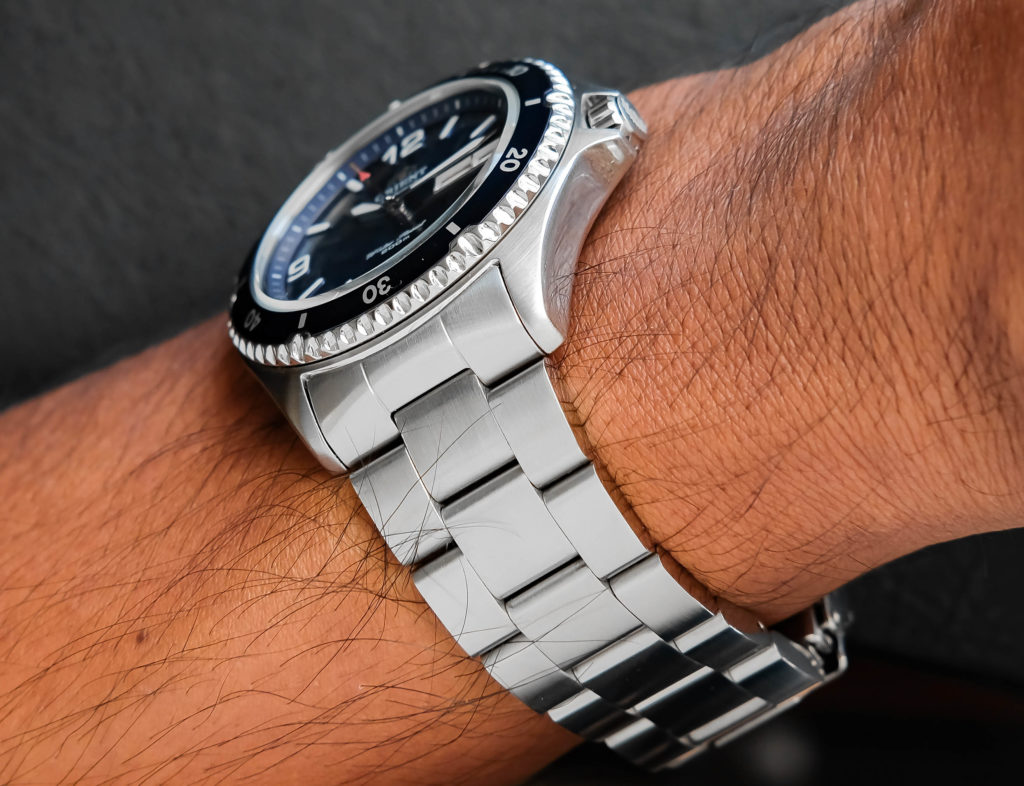
The Orient Mako II keeps things simple with a mineral crystal rather than sapphire, which is often the first spec critics point to in this price range. In real use, though, it hasn’t been the liability some make it out to be. Our review piece showed no chips or scratches, and the AR coating did its job, reducing glare during everyday wear. Choosing a mineral here clearly helps keep the watch accessible. You’re not getting luxury-tier materials, but you’re also not paying for them.
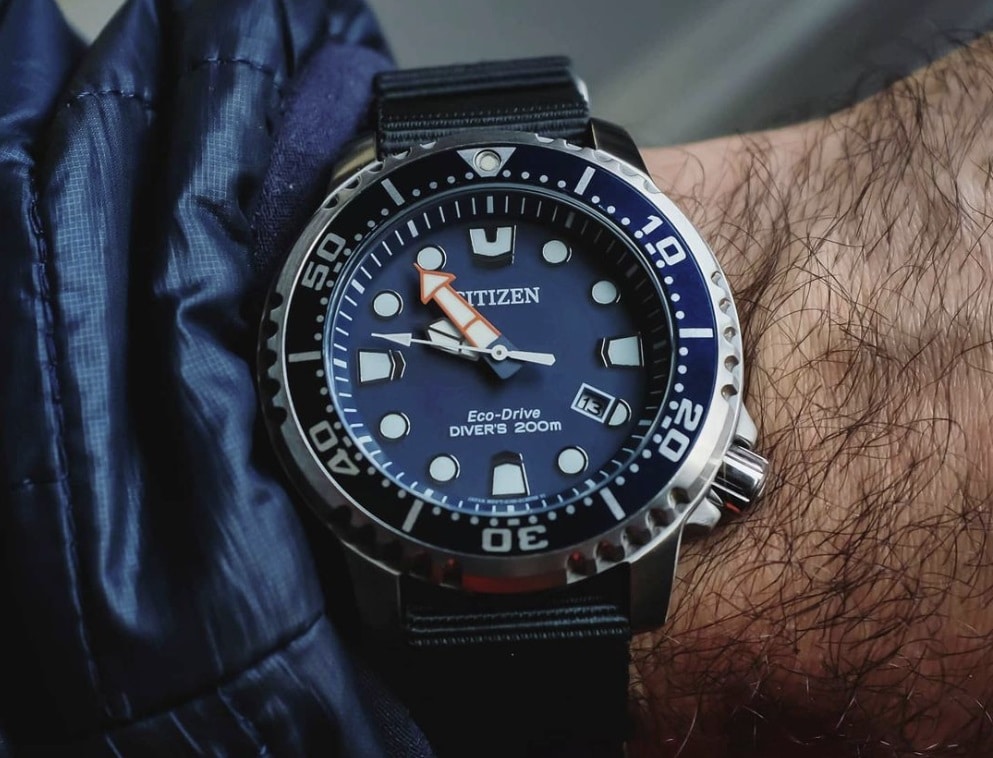
The Citizen Promaster BN0151 also uses a mineral crystal, but Citizen’s execution left a stronger impression during extended use. The added anti-reflective coating made the dial easier to read in bright conditions and, more importantly, held up well. After regular wear, including outdoor use and water exposure, we didn’t notice any chips, scratches, or signs of weakness. It reinforced the Promaster’s identity as a watch you don’t need to baby. You put it on, live your life, and the crystal does its job without reminding you it’s there.
- The Mako II emphasizes mechanical ownership, offering hands-on interaction through its automatic movement, a more substantial case feel, and traditional dive-watch construction that rewards enthusiasts who enjoy the ritual of wearing and maintaining their watch.
- The Citizen Promaster BN0151 prioritizes effortless reliability, combining its solar quartz movement, lighter case profile, stronger lume, and durable crystal into a dive watch you can wear continuously without worrying about upkeep or performance.
Cost Considerations
The Orient Mako II sits comfortably in the $200–$300 range, and after spending real time with it, the pricing makes immediate sense. It never felt like a watch that needed justification or mental gymnastics to validate the purchase. You put it on, and it delivers a complete mechanical dive-watch experience without reminding you of its price. There are minor trade-offs, sure, but the overall ownership experience feels greater than the sum of its parts. It’s priced for enthusiasts who want a reliable automatic diver without worrying about buyer’s remorse or waiting for a sale to make it worthwhile. In a hobby where mechanical watches can get expensive fast, the Mako II feels grounded.
The Citizen Promaster BN0151 lands in nearly the same $250–$300 range, but it brings a completely different value proposition. During our testing, it consistently felt like one of those watches that quietly outperformed its price point. Aside from a slightly less aggressive bezel grip, it never gave us a reason to doubt it. The Eco-Drive system removes long-term ownership costs like battery replacements, and its overall durability reinforces the sense that you’re buying something built to last. It reminds us of the “Honda Civic” comparison we’ve heard so often; it may not be flashy, but it works every time you need it to, and that reliability becomes its biggest selling point over time.
Final Thoughts: Which Is the Better Affordable Dive Watch After Hands-on Testing Both?
If you judge value by the mechanical ownership experience, the Mako II delivers something the Promaster can’t replicate. There’s a connection that comes from manually winding the crown, setting the time precisely, and knowing the watch is powered by your movement and routine. It feels alive in a way quartz watches don’t. And somehow, Orient managed to package that experience at a cost lower than most people spend on a weekend getaway. The Mako II makes mechanical ownership accessible without making it feel disposable. It earns its place by making you want to wear it, not just rely on it.
But if you evaluate value the way most people actually live (with busy schedules, distractions, and long stretches when watches get neglected) the Citizen Promaster BN0151 wins. It removes friction, stays charged and accurate, and handles water, activity, and everyday wear without asking for anything in return. There’s no winding, no accuracy drift to monitor, and no maintenance anxiety.
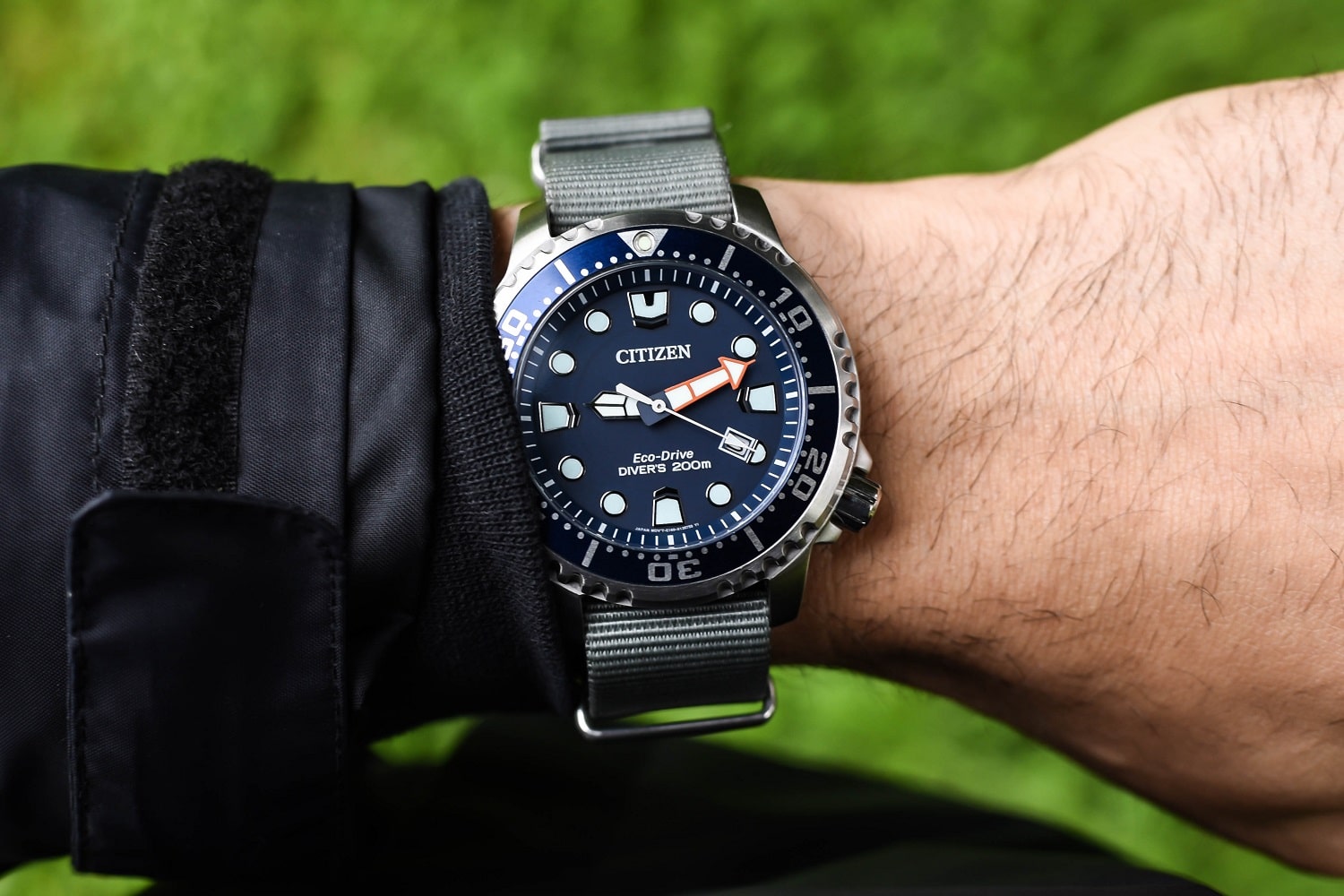
After all these years, if we could only keep one as our long-term, affordable dive watch, the Promaster BN0151 is the one that stays. That’s primarily because in the long run, the reliability it provides stops being a feature and becomes the entire point.
Let us know where you stand. Are you drawn to the hands-on mechanical ownership of the Mako II, or does the Promaster’s effortless, grab-and-go reliability make more sense for your daily routine?

Co-Founder and Senior Editor
Kaz has been collecting watches since 2015, but he’s been fascinated by product design, the Collector’s psychology, and brand marketing his whole life. While sharing the same strong fondness for all things horologically-affordable as Mike (his TBWS partner in crime), Kaz’s collection niche is also focused on vintage Soviet watches as well as watches that feature a unique, but well-designed quirk or visual hook.
I don’t know whether you said something moronic just to induce feedback but in regards to the Mako: “There’s a connection that comes from …..setting the time precisely” yeah but with an auto that’s the last time it’s gonna be accurate. Unless you enjoy setting it again everyday, because accuracy it the antithesis of an automatic watch.
Hi, Elia:
If we’re comparing the accuracy of the two watches, you’re correct in that automatic movements are not as accurate as quartz movements (or Solar quartz in the case of this comparison). What I was trying to articulate here in the partial quote you’ve shared was more of the tactile sensation of winding the crown in conjunction with setting the time on the watch. While we’re quartz snobs through and through here at TBWS, there is something to be said of enjoying the feeling of winding a watch.
Thank you for reading our piece and sharing your thoughts!
Best,
-Kaz
Great read, please do a comparison between this citizen diver and the orient mako chronograph solar quartz watch it’s similarly priced and since both are quartz divers with solar would be great to compare both
Hi, TSK:
Those recent Mako Chronographs do look like a lot of fun. It would be an interesting comparison since both are solar quartz, but the Orient being a chrono may not make it a total 1:1 review. However, that doesn’t mean the comparison wouldn’t necessarily be valuable. I’ll see about trying to get the Orient Mako Chrono in for a hands-on review.
Thank you for the suggestion!
Best,
-Kaz