If you’ve ever stood in front of a watch wall or scrolled through Reddit trying to choose between Citizen and Orient, we get it—that indecision hits hard. They’re the Japanese brands that keep getting recommended when someone asks for a “safe bet,” and they’ve both earned that reputation in different ways. We’ve seen everything from the Citizen Promaster line to the Ana-Digi Temp passed around as daily wear options, while Orient models like the Mako II, Kamasu, and Bambino often come up as first mechanical watches or long-term keepers. The overlap is constant, which makes the Citizen vs. Orient question one we’ve heard and debated more times than we can count.
We’re approaching this comparison with years of rotating both brands through our own collections and discussing them openly on the podcast. These aren’t watches we’ve handled once and filed away; they’re pieces that have been worn, lived with, and occasionally questioned. That long-term exposure shapes how we think about Citizen and Orient today, not as abstract “budget watch brands,” but as real options that behave differently once they become part of your routine. In this Citizen vs Orient breakdown, we’re focused on how those differences play out over time and which type of wearer is more likely to feel at home with one brand over the other.
Brand Identity & Philosophy: “Set-It-and-Forget-It” vs “Stay-Engaged” Ownership
Citizen has always come across to us as a brand that prioritizes convenience over ceremony. Even though it’s been around for more than a century, that history never feels like the point. What stands out, instead, is how relentlessly practical Citizen watches are in everyday use. Across the Citizen pieces we’ve lived with, there’s a shared mindset at work: make something that stays out of the wearer’s way. Once it’s on the wrist, it does its job, day after day, without asking for much attention or emotional investment. That philosophy feels very intentional. Citizen leans into modern solutions and long-term ease rather than nostalgia or ritual. In real-world ownership, that translates to watches that feel dependable and low-maintenance.
Orient approaches watchmaking from a very different emotional starting point. The brand has built its identity around mechanical watches that feel personal and intentionally traditional, even when they’re clearly modern products. Spending time with their watches reinforces that Orient is less interested in pure practicality and more focused on connection. There’s a quiet pride in how these watches carry themselves, even at accessible price points. They feel like watches you engage with: winding, wearing, noticing, rather than just relying on. That is central to Orient’s philosophy, and it shows in how their watches encourage a slower, more involved relationship over time.
- Citizen tends to appeal to wearers who want reliability and ease baked into everything they do.
- Orient resonates more with enthusiasts who enjoy the ritual and personality of mechanical watches.
Catalog Scope & Core Strengths
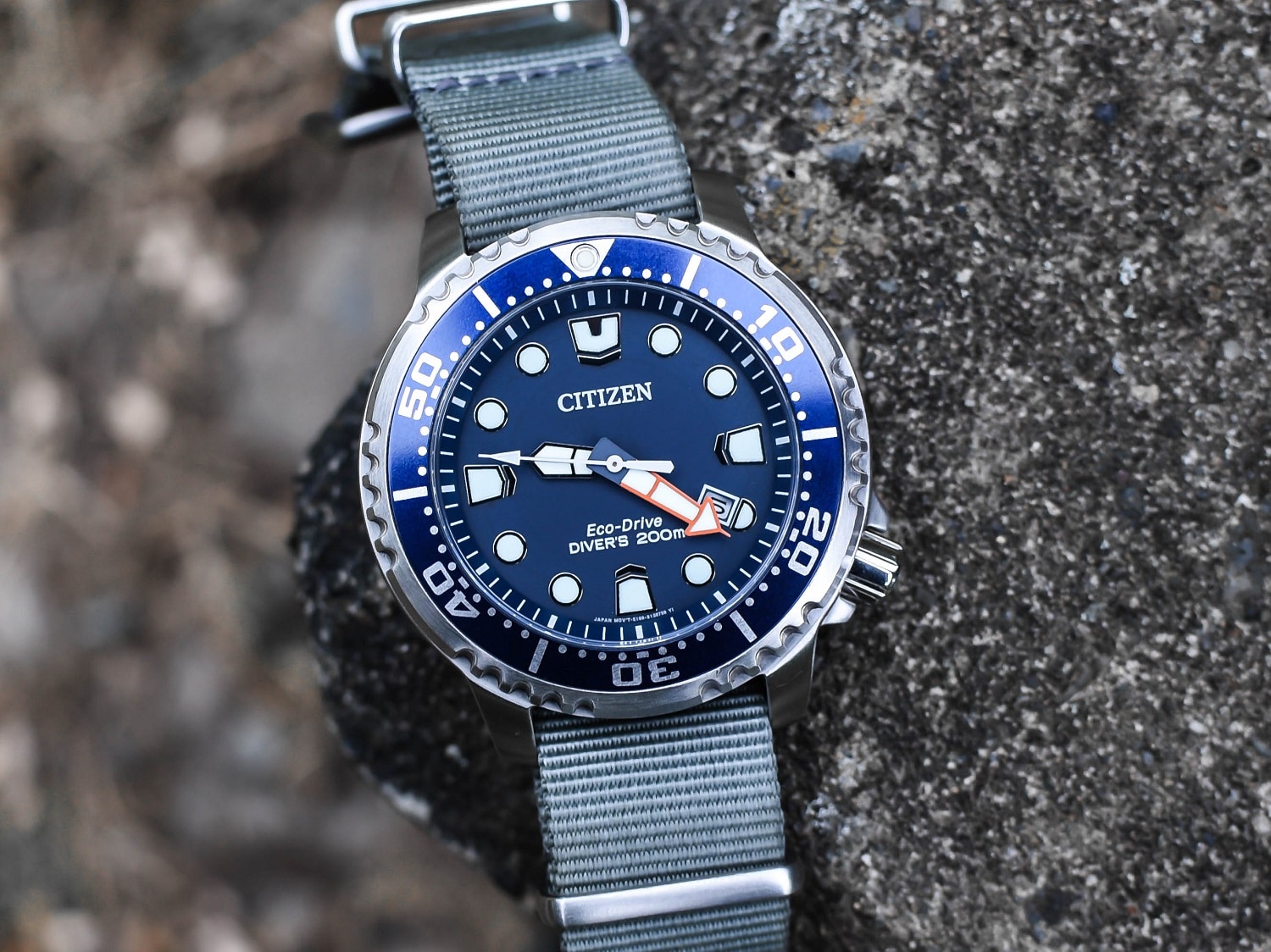
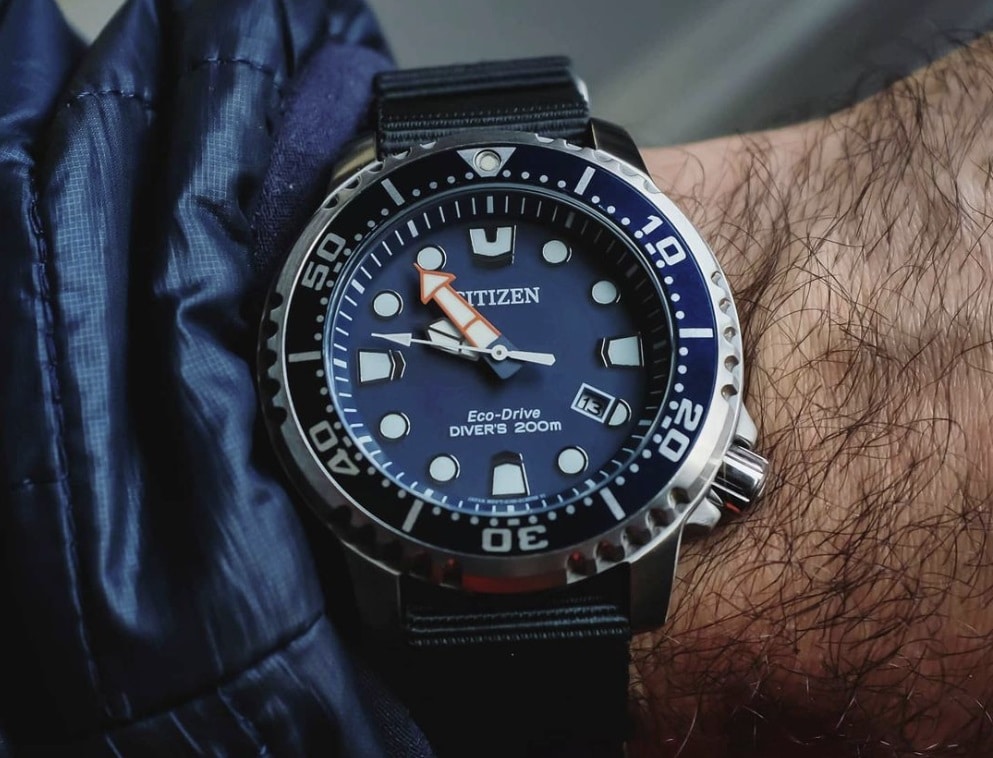
Citizen’s strength has always been variety paired with usability. After years of rotating Citizen watches through regular wear, including extended time with pieces like the Promaster Diver, what stands out isn’t any single category, but the breadth of the net. In daily use, the model’s solar-powered setup means it’s always running when you grab it, even after weeks off the wrist. Moreover, the Citizen Promaster family alone spans Air, Land, and Sea tool watches. They also run deep in Eco-Drive everyday pieces, quartz, and even mechanical offerings, plus travel-leaning tech lines for people who want the watch to keep up when life gets messy or time zones change. The catalog reflects a mindset that’s wide-ranging, practical, and built around modern convenience.
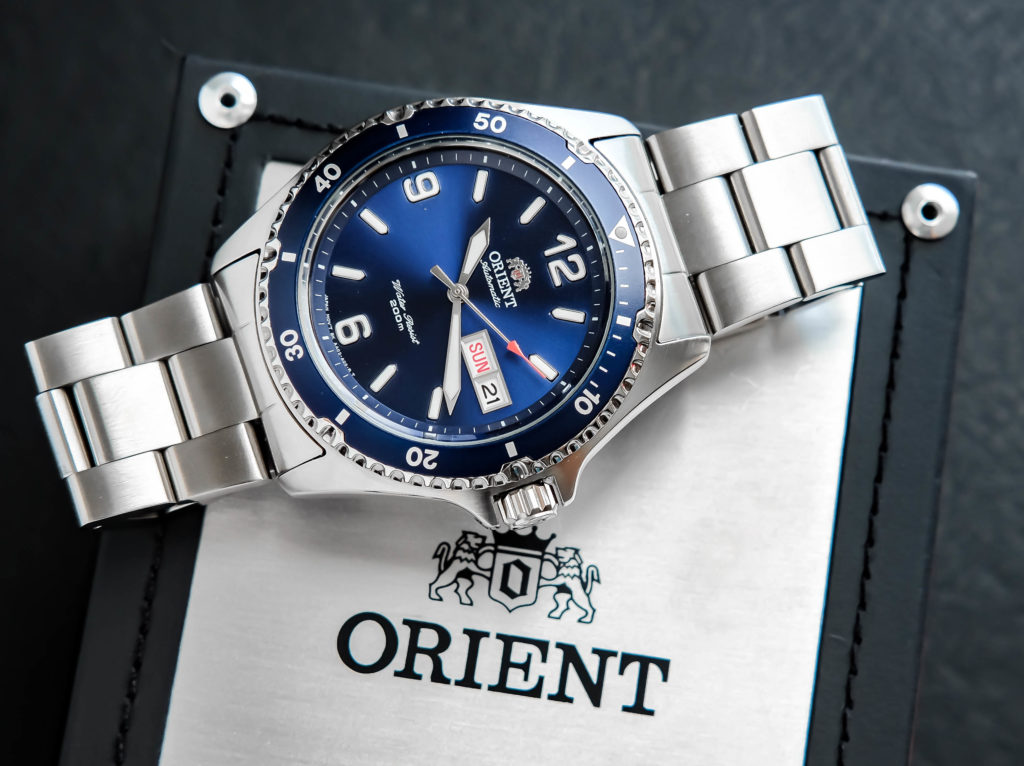
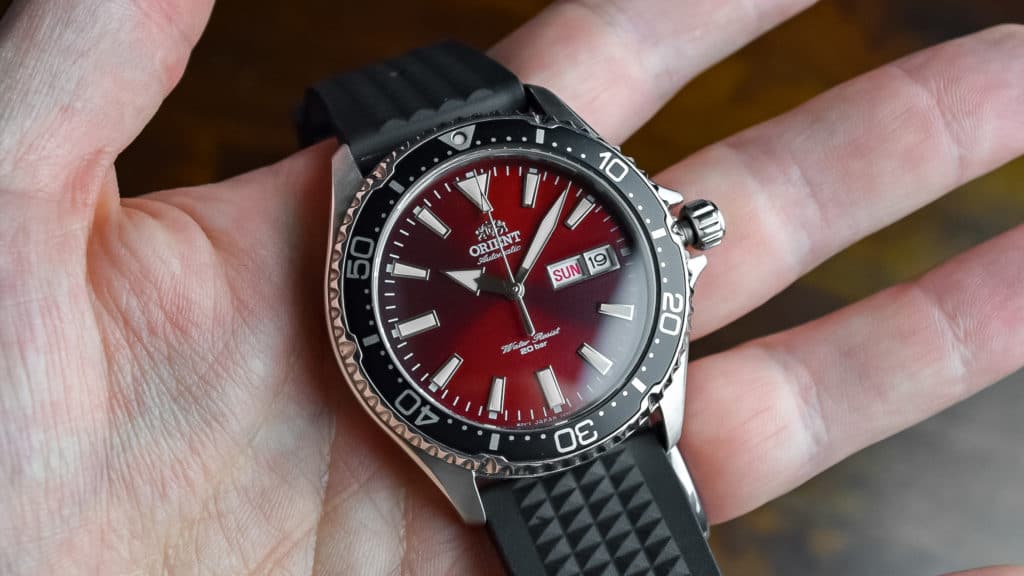
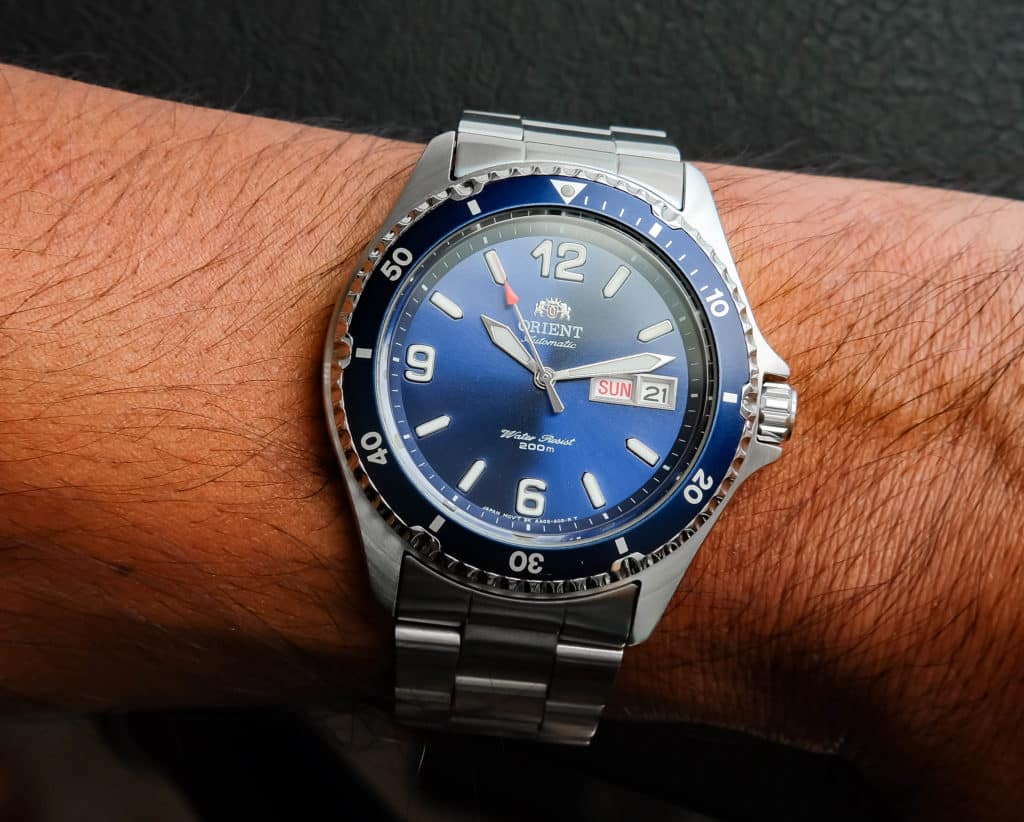
Orient’s narrower catalog puts mechanical experience front and center, and the Orient Mako II is a clear example of how that focus plays out. The automatic movement requires regular wear or winding, which pulls you into a more involved relationship with the watch. During extended wrist time, the solid bezel action and long-lasting lume reinforce Orient’s commitment to traditional tool-watch elements that reward interaction rather than pure convenience. Overall, Orient’s lineup is organized into distinct collections, and you’ll see the brand repeatedly returning to a few core buckets: divers, sports watches, and classic dress-leaning pieces.
- Citizen works best for buyers who value choice and adaptability and want a brand that meets them wherever their routine lands.
- Orient is better suited to people who want a more precise point of view: fewer lanes, more consistency, and a catalog that keeps pulling you back toward that hands-on relationship.
Design & Wearability: Functional Complexity vs Classic Ease
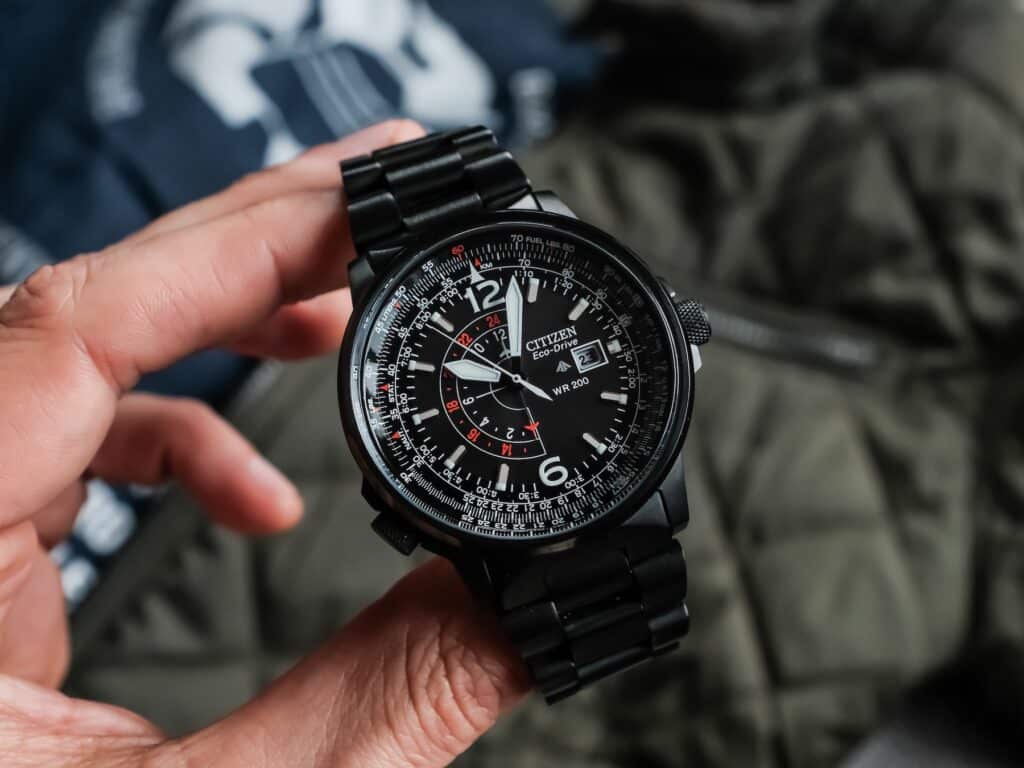
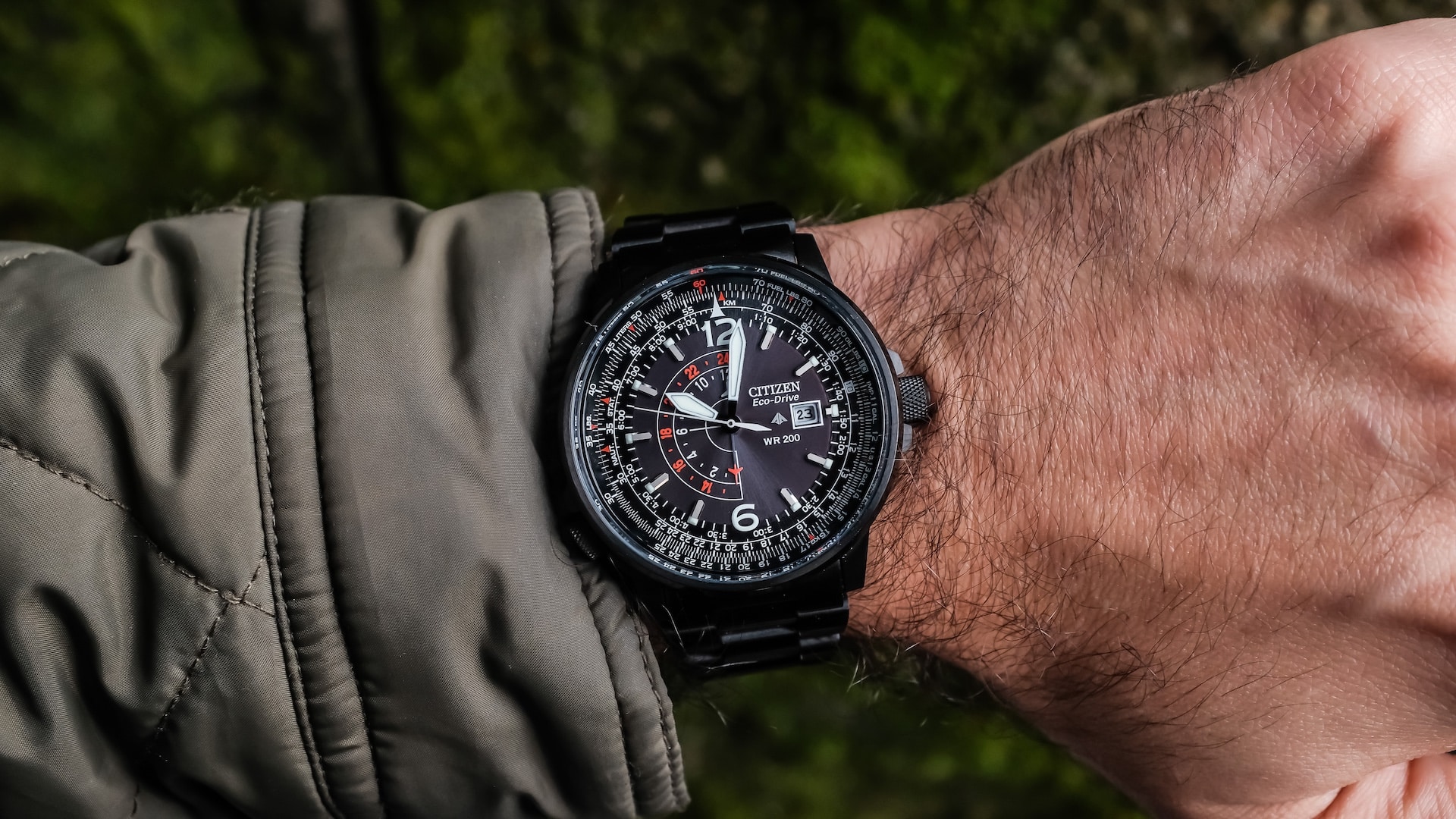
Citizen, on the other hand, tends to be visually louder, and that’s very much by design. Dials lean towards the busy side, especially on models that showcase solar tech, power indicators, or radio-controlled features. Spending time with the Citizen Nighthawk makes that clear almost immediately. The dial doesn’t try to be elegant or minimal; it’s packed with information, modern fonts, and bold markers that prioritize function over restraint. At first glance, it can feel busy, but after a few days of wear, that layout starts to make sense, especially if you’re the type who likes seeing everything the watch is capable of right on the dial. From a wearability standpoint, the Nighthawk settles in better than its visual weight suggests. It wears securely on the wrist, and while it has presence, it doesn’t feel awkward or unstable during long stretches of daily use, very much in line with Citizen’s “wear it and forget about it” mindset.
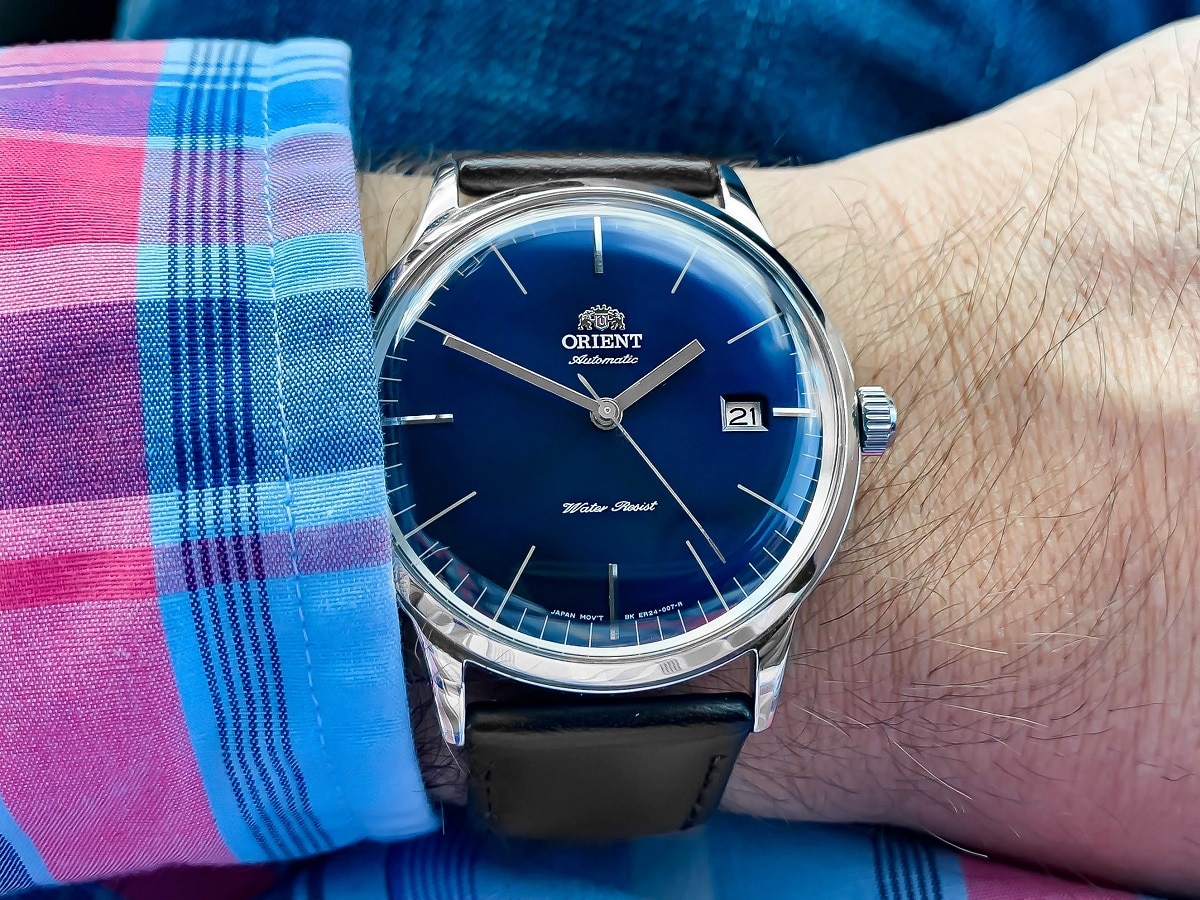
Orient comes from the opposite direction, prioritizing calm and familiarity on the wrist. The brand offers watches that look good today and ten years from now, without relying on flashy gimmicks. Our hands-on time with the Orient Bambino highlights how much the brand values restraint. The dial stays uncluttered, the proportions feel intentional, and the overall presence is easygoing, making it comfortable for all-day wear, even on smaller wrists. It sits easily under a cuff, feels light and unobtrusive throughout the day, and never demands attention once it’s on. That ease of wear is a recurring theme across Orient’s lineup. The watches feel designed to disappear into your routine while still offering quiet satisfaction when you glance down at them.
- Citizen’s designs tend to favor visibility and purpose, with wearability that supports active, all-day use despite the visual complexity.
- Orient appeals more to those who prefer visual calm and classic proportions, delivering watches that feel effortless to wear and easy to live with over the long haul.
Build Quality & Technical Approach
Movements:
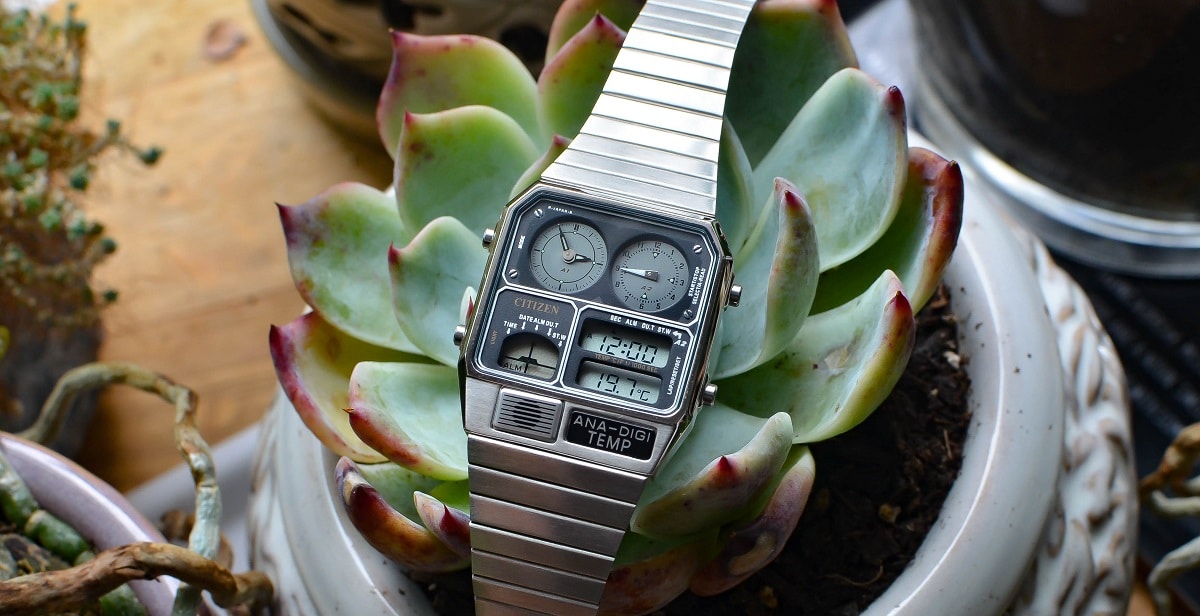
Citizen approaches movements prioritizing accuracy and low effort over interaction. The Promaster Diver runs on Citizen’s Eco-Drive quartz, which in real-world use means it’s always ready when you pick it up. During extended wear, we never had to worry about power, accuracy (+/-15 seconds per month), or downtime; it kept running. The Ana-Digi Temp leans further into Citizen’s quartz-first mindset. That philosophy further carries through clearly in the Citizen Nighthawk, powered by the B877 Eco-Drive GMT movement. Setting the second time zone feels precise, the hands snap cleanly into place, and once it’s charged, you can leave it off your wrist for weeks and come back without hesitation. Accuracy sits in a range that mechanical watches don’t compete with in everyday use, and that reliability becomes part of the ownership experience.
Orient keeps things mechanical and uncomplicated, and that consistency shows up clearly across the Mako II, Kamasu, and Bambino. In our hands-on time with all three, the common thread is Orient’s in-house automatic movements and the brand’s commitment to keeping them accessible and user-friendly. The Mako II and Kamasu both run the Orient Caliber F6922, an automatic that adds hacking and hand-winding over earlier generations. In daily use, that matters more than it sounds. Our review team found that setting the Kamasu feels deliberate. Winding is smooth, and timekeeping has been steady enough that we’re not constantly second-guessing it. It’s not a precision monster, but it feels honest and predictable, which goes a long way at its price point. The Bambino, meanwhile, uses Orient’s F6724 automatic, delivering a similar experience in a dressier context.
Case Construction & Finishing:
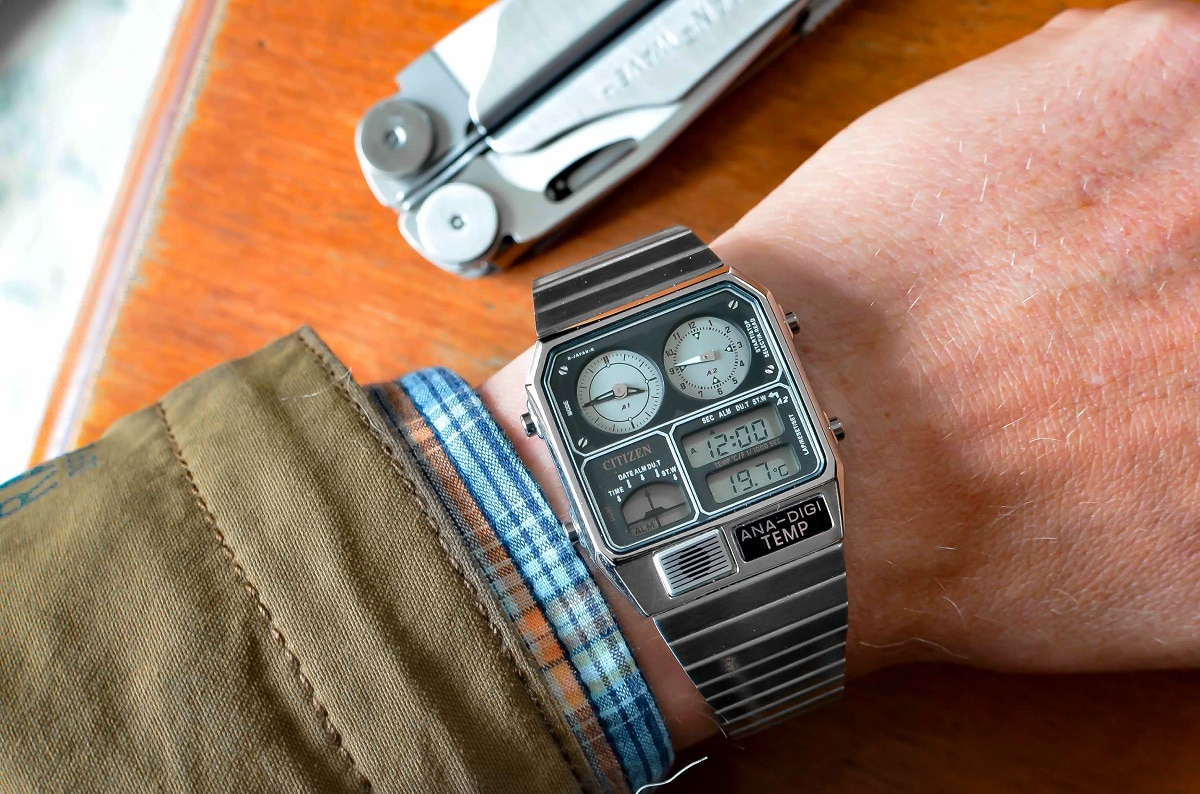
Citizen’s case construction leans toward function-first durability, and that becomes clear once you’ve worn a few of them in rotation. As mentioned in our dedicated hands-on review, the Ana-Digi Temp embraces a boxy, angular shape that feels utilitarian, with sharp transitions and a design that prioritizes housing information over refinement. The Promaster Diver takes a more traditional tool-watch form, but the philosophy remains the same: solid steel, straightforward finishing, and a case built to handle daily wear without concern for scratches or scuffs. Even the Nighthawk, with its pilot-style cues, carries that same sense of purpose: balanced, substantial without feeling clumsy, and never precious on the wrist. Across these models, Citizen’s finishing isn’t about visual finesse so much as readiness.
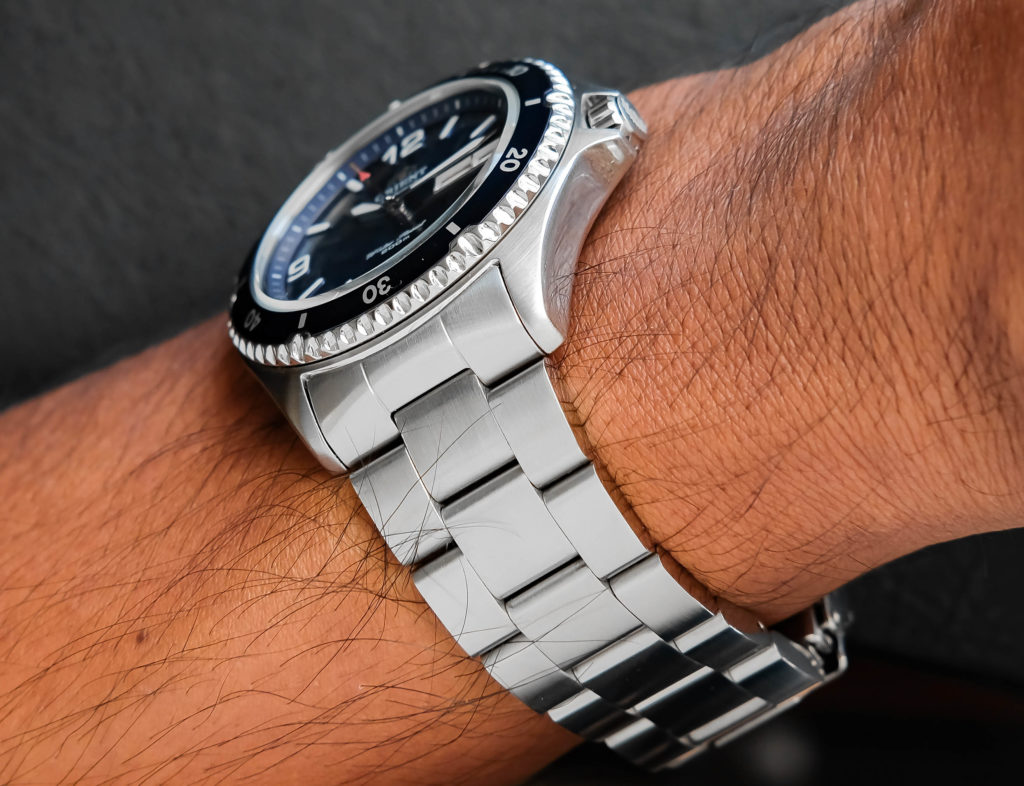
Orient’s cases tend to feel solid in a quiet way. After extended wrist time with models like the Mako II and Kamasu, what stood out most was how simple the construction felt. Brushed steel dominates, edges are clean without being too sharp, and the cases give off a reassuring sense of density without trying to masquerade as something more expensive. Wear marks blend in naturally over time rather than standing out, which makes these watches easy to live with day after day. That same attention to proportion shows up on the dressier end of the catalog as well. With the Orient Bambino, the smooth bezel and carefully judged curvature do a lot of visual work. The case wears smaller than its measurements suggest, and the way light plays off the bezel gives it a refined look without complex finishing.
Crystals:
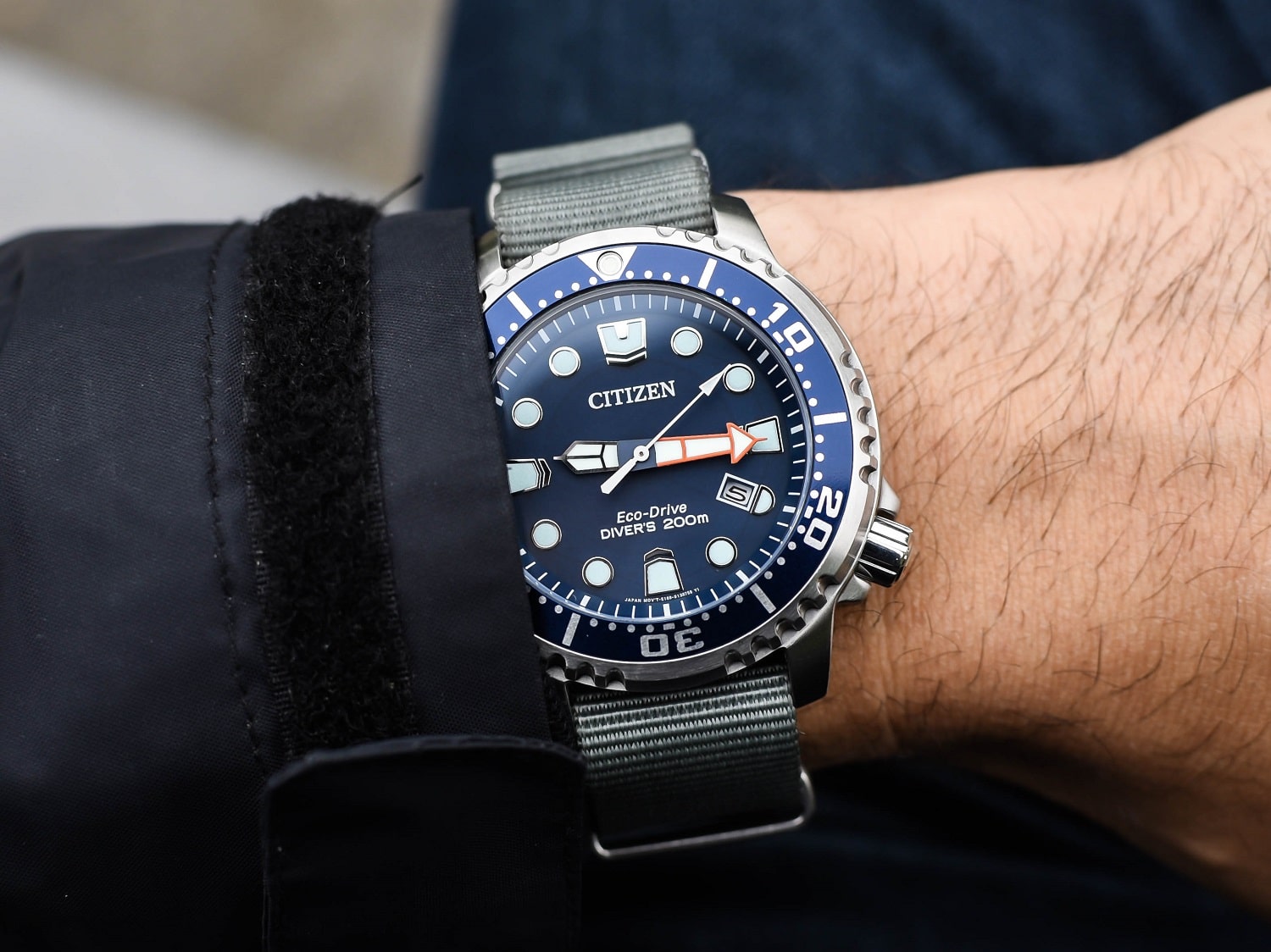
Citizen keeps its crystal choices consistent and straightforward, and that shows across the watches we’ve spent time with. On models like the Promaster Diver, the mineral crystal feels like a practical decision rather than a cost-cutting one. It’s clear, well-protected by the bezel, and never felt like a weak point during daily wear. Even the Nighthawk sticks with mineral glass, which aligns with Citizen’s broader approach of prioritizing durability and accessibility over premium materials. In real-world use, that consistency means you always know what you’re getting: a crystal that does its job and holds up quite well.
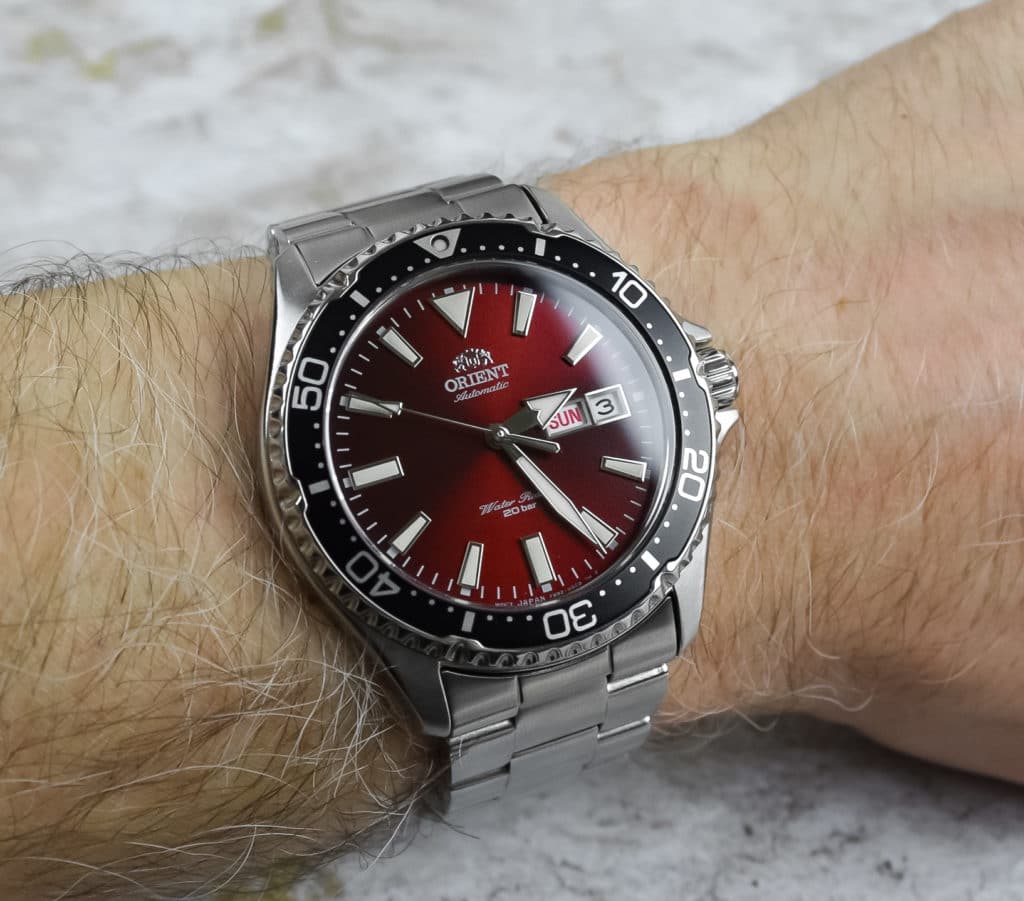
Orient, by contrast, takes a more varied approach depending on where a model sits in the lineup. The Mako II relies on mineral glass, which matches its value-first positioning, while the Kamasu upgrades to a flat sapphire: a difference that becomes obvious once you wear both side by side. The sapphire on the Kamasu offers better clarity at angles and inspires more confidence against scratches over time. On the dress side, the Bambino also uses mineral glass, but the domed shape adds warmth and distortion, though it may feel a bit too reflective in certain light. Across Orient’s catalog, crystal choice is part of each watch’s personality, balancing cost, durability, and character.
Water Resistance & Lume:
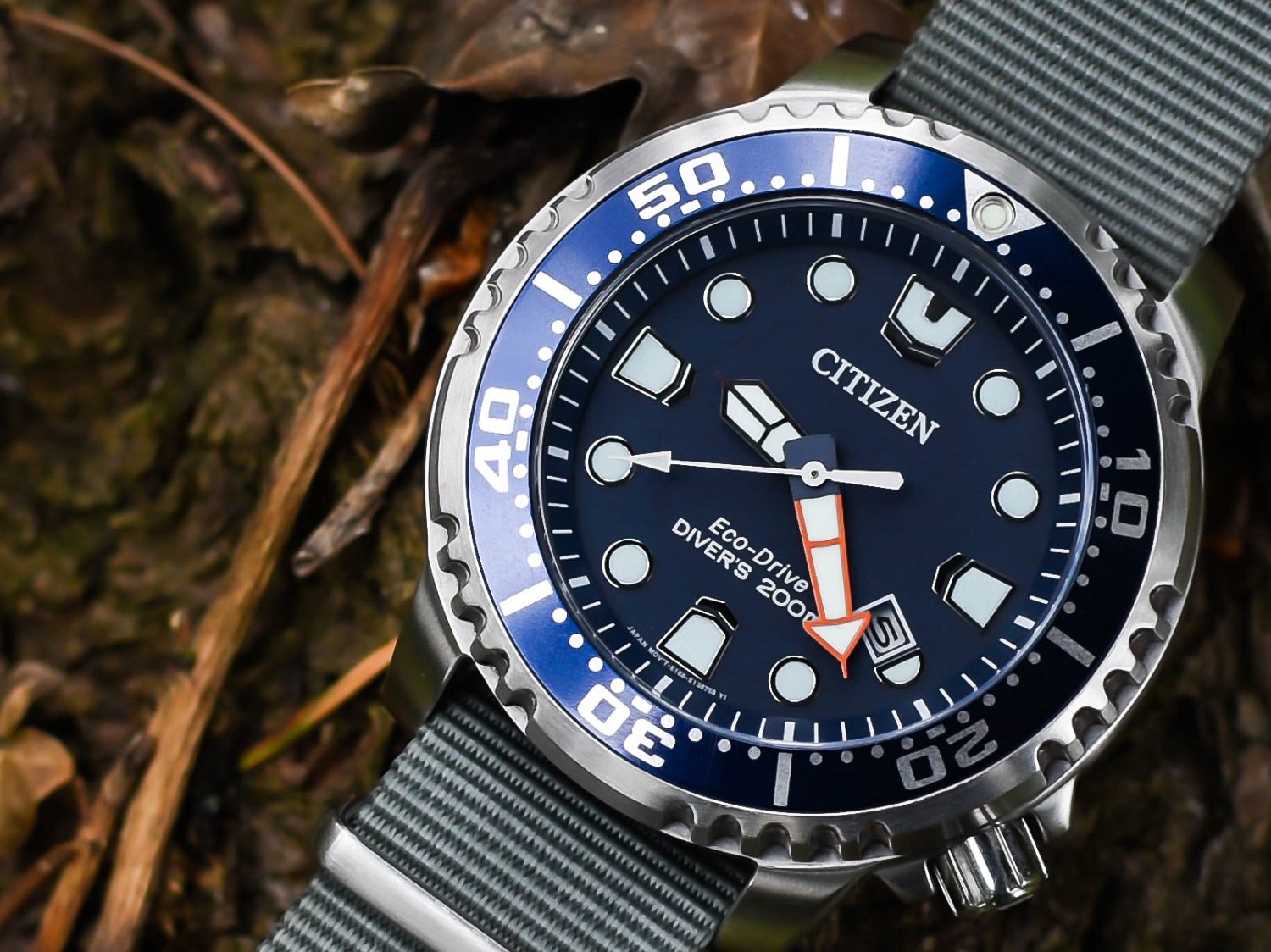
Citizen takes water resistance and lume seriously, with 100 – 200m WR in most tool watches. The Promaster Diver is the clearest expression of that mindset. With 200 meters of water resistance and an ISO-rated diver’s build, it never felt like something we had to think twice about around water. During wear, the lume held up well too: bright, evenly applied, and easy to read once daylight faded, without needing constant recharging. The Nighthawk also follows the same 200m formula. The Ana-Digi Temp sits at the opposite end of Citizen’s catalog, but even there, the case feels sealed and robust enough for daily use, and the illuminated digital display performs well in low-light conditions.
Orient approaches durability with a little more restraint, but still delivers what most people need. Both the Mako II and Kamasu offer 200 meters of water resistance with screw-down crowns, which covers everything from swimming to snorkeling without drama. In real use, that confidence goes a long way. Lume performance across these models has been solid rather than showy: evenly applied, readable through the night, and consistent across markers and hands. The Bambino, by contrast, clearly isn’t built with water in mind, and Orient doesn’t pretend otherwise. Its modest water resistance suits desk duty and everyday wear.
- Citizen prioritizes accuracy, durability, and low-effort ownership. Across movements, cases, crystals, and lume, everything is engineered to be dependable, ready to go, and resilient, even if that means sacrificing mechanical engagement or material flair.
- Orient focuses on mechanical involvement and balanced execution. Its build choices emphasize consistency, tactile satisfaction, and thoughtful flair, rewarding regular wear and use rather than prioritizing maximum convenience.
Community & Resale
With Citizen, the community skews more toward users than collectors. You’ll find plenty of fans, but fewer people approaching the brand with long-term resale or value retention in mind. From what we’ve seen around models like the Promaster Diver, Ana-Digi Temp, and Nighthawk, most owners buy a Citizen because it solves a specific need or because a particular design clicks with them, not because they’re thinking about what it might be worth later. That practicality shapes the Citizen community as a whole: people buy them to wear, use them hard, and move on without much emotional baggage.
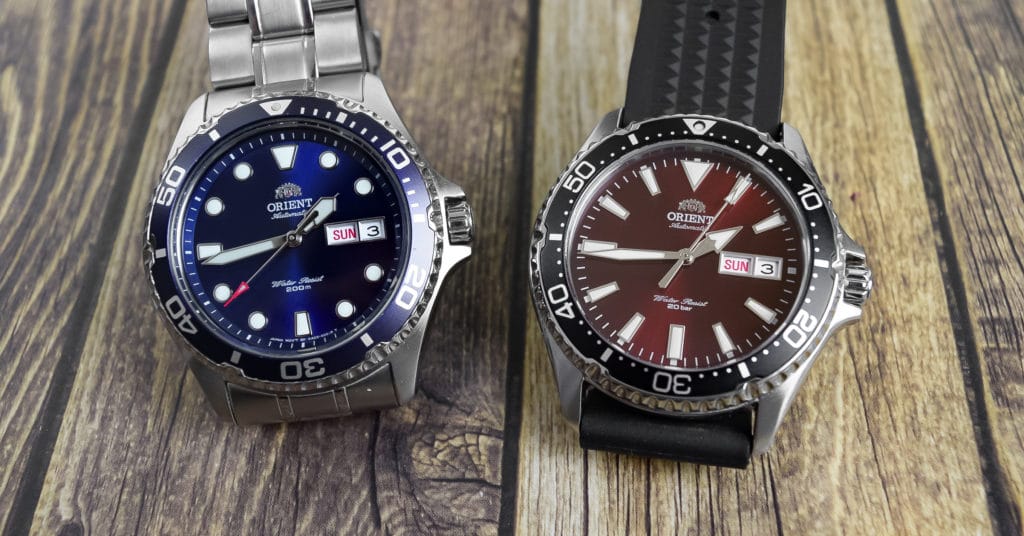
With Orient, the experience is about wearing rather than collecting. Over the years, we’ve seen plenty of people pick up a Mako II, Kamasu, or Bambino as their first mechanical watch and never feel the urge to move it along. It becomes part of the regular rotation. There’s a quiet satisfaction in how these watches age and settle in; the Mako II and Kamasu take on subtle scratches without complaint, and the Bambino’s classic presence seems to fit into daily life no matter the outfit. When vintage Orient Stars or oddball 1970s models do crop up secondhand, it’s often among folks who genuinely appreciate what these watches do on the wrist, not because they’re chasing hype or flipping for quick gains.
Final Thoughts: Citizen vs Orient: Where the Real Value Shows Up
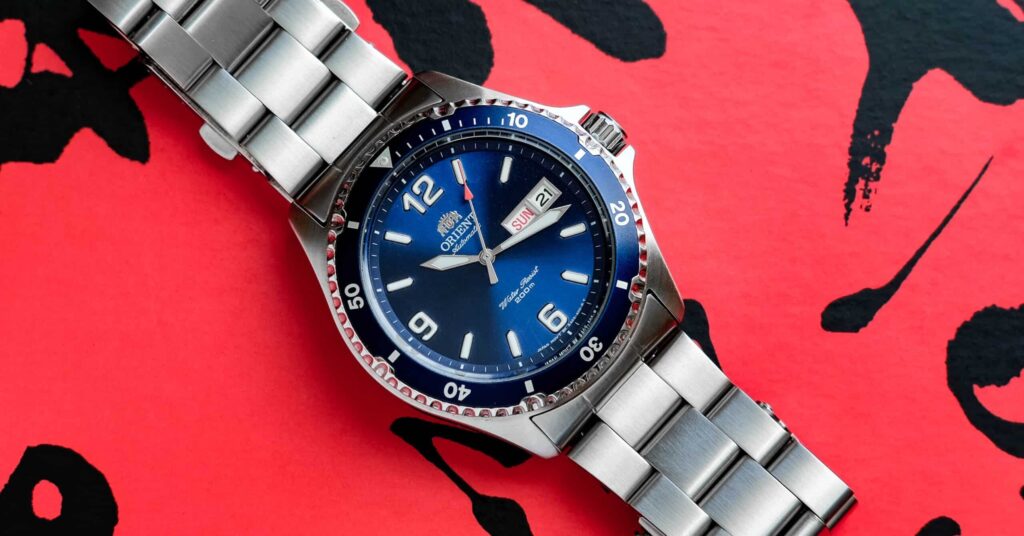
Orient gives you an honest mechanical experience for the money, and watches like the Kamasu and Bambino absolutely deserve their reputation. But the deeper you live with budget mechanical watches, the more the tradeoffs stop being theoretical. Accuracy drifts. Power reserve becomes a real thing. You set it, wear it, set it again. None of that is “bad,” but it is friction and friction is the hidden cost that doesn’t show up on a spec sheet.
Citizen’s value is simpler and, in our experience, more consistent: you get a watch that just works. Eco-Drive is a lifestyle advantage. It stays accurate, it shrugs off downtime, and it’s always ready whether it’s been on your wrist all week or sitting in a drawer for a month. In this price range, that kind of reliability is hard to overstate. Add in Citizen’s breadth of models and the brand starts to look less like a “safe recommendation” and more like the best return on money spent.
So here’s our honest stance. Orient is the better pick if you want the mechanical watch ritual. But if you’re buying an affordable watch because you want maximum real-world performance, minimal hassle, and a watch you can trust without thinking about it, Citizen offers more value and that’s our pick.

Co-Founder and Senior Editor
Kaz has been collecting watches since 2015, but he’s been fascinated by product design, the Collector’s psychology, and brand marketing his whole life. While sharing the same strong fondness for all things horologically-affordable as Mike (his TBWS partner in crime), Kaz’s collection niche is also focused on vintage Soviet watches as well as watches that feature a unique, but well-designed quirk or visual hook.
The Citizen watches I own are both utilitarian and beautiful. You left out the Super Titanium line that all of one with sapphire crystals. The Crystalized Super Titanium looks amazing. I never seen any other companies provide the like. I am not saying Orient doesn’t have a gorgeous line up, but Citizen line has a much deeper bench.
Please keep those articles coming. I sure enjoy them
Hi, James:
I’m glad you’re enjoying these pieces! The Citizen Super Titanium collection absolutely looks amazing. I’ve had some tangential wearing experiences with these models, however I’ve never conducted a full hands-on review of one. That’s why they aren’t included here in this piece as we only try and feature pieces that we have hands-on experiences with.
Thank you!
-Kaz