
Integrated bracelet watches used to feel like something we admired from a distance rather than something we could realistically wear every day. Today, instead of only debating unattainable icons, many of us are now deciding between watches that sit within reach, but at different ends of what we’d consider reasonable. The Tissot PRX and the Maurice Lacroix Aikon are two such watches we keep seeing come up in those discussions, especially among collectors who want the integrated bracelet look without drifting into true luxury pricing.
And that’s what makes the Tissot PRX vs. Maurice Lacroix Aikon comparison worth unpacking. This isn’t about deciding which one is objectively “better.” It’s about understanding where each one sits in the broader landscape of integrated bracelet watches and deciding whether it makes more sense to stick with something accessible or stretch toward something positioned as more premium. The real question is simple: when it comes to choosing an affordable or a luxury integrated bracelet watch, which makes more sense for everyday ownership? Let’s begin.
Overview & Identity

The Tissot PRX arrived at a moment when integrated bracelet sports watches were becoming harder to justify for collectors who didn’t want to spend several thousand dollars to participate. During our hands-on review, it felt like Tissot wasn’t trying to reinvent anything. Instead, it was reconnecting with a design that already worked and making it accessible again. Positioned as a modern take on a late-1970s Tissot model, the PRX carries itself with a sense of practicality that fits naturally into the affordable watch conversation. Whether in quartz or automatic form, it never felt like it was chasing prestige. Instead, it felt like a reset button for enthusiasts who had grown tired of watching prices climb out of reach, bringing a sense of fun and normalcy back to the integrated bracelet category.
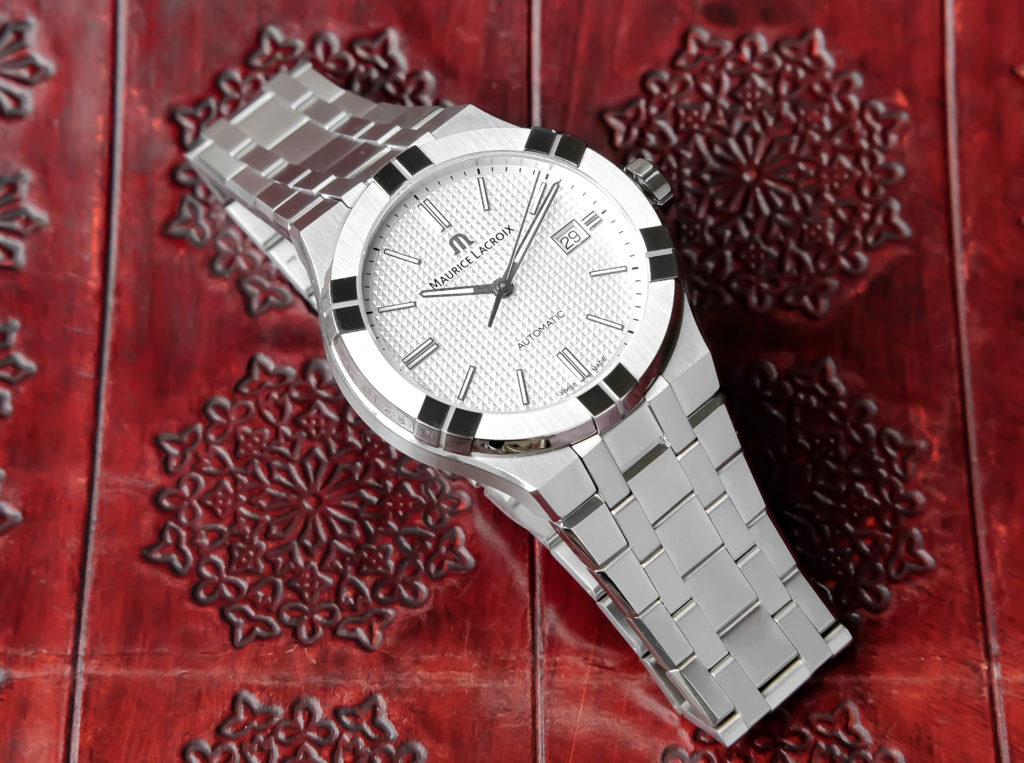
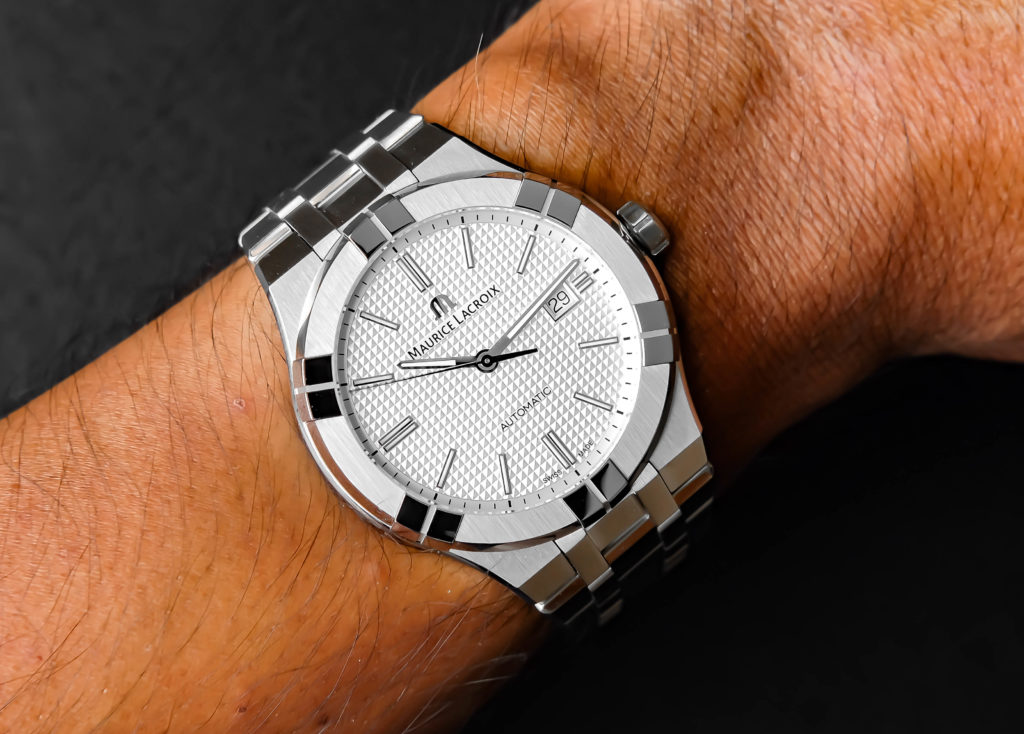
The Maurice Lacroix Aikon Automatic, on the other hand, exists in a more complicated space. While testing the timepiece, it became clear that this is a watch people tend to have strong feelings about, rarely neutral ones. Its integrated bracelet design immediately puts it into the same visual conversation as the AP Royal Oak, which can either draw people in or push them away, depending on how they feel about design influence in watchmaking. But spending time with the Aikon helped separate perception from reality. Rather than feeling like it was trying to impersonate something else, it came across as Maurice Lacroix’s own interpretation of a popular design language, with its own identity shaped by the brand’s approach to finishing, proportions, and positioning within the enthusiast space.
- The Tissot PRX is an accessible, affordable integrated bracelet watch that helped reopen the category to everyday collectors.
- The Maurice Lacroix Aikon Automatic is a more premium-positioned integrated bracelet watch that exists closer to the edge of entry-level luxury, with a more polarizing identity among enthusiasts.
Design Language: Understated Retro Simplicity vs Assertive Modern Refinement

The Tissot PRX leans into restraint in a way that feels intentional rather than safe. The blue dial was the first thing that made us pause. The sunburst effect shifts subtly with lighting, moving from deeper tones at the edges to lighter shades near the center without becoming a visual distraction. It manages to balance sporty and formal cues. The dial text stays minimal, with only the essentials present. The baton hands, the polished needle-like seconds hand, and markers keep everything legible without unnecessary ornamentation. Even the date window feels proportionate to the overall layout instead of interrupting the dial’s flow. It’s a design that feels comfortable in its own skin, offering enough personality to avoid looking generic while remaining approachable. For variety, Tissot also offers a black dial, two different green versions, and a silver variant.
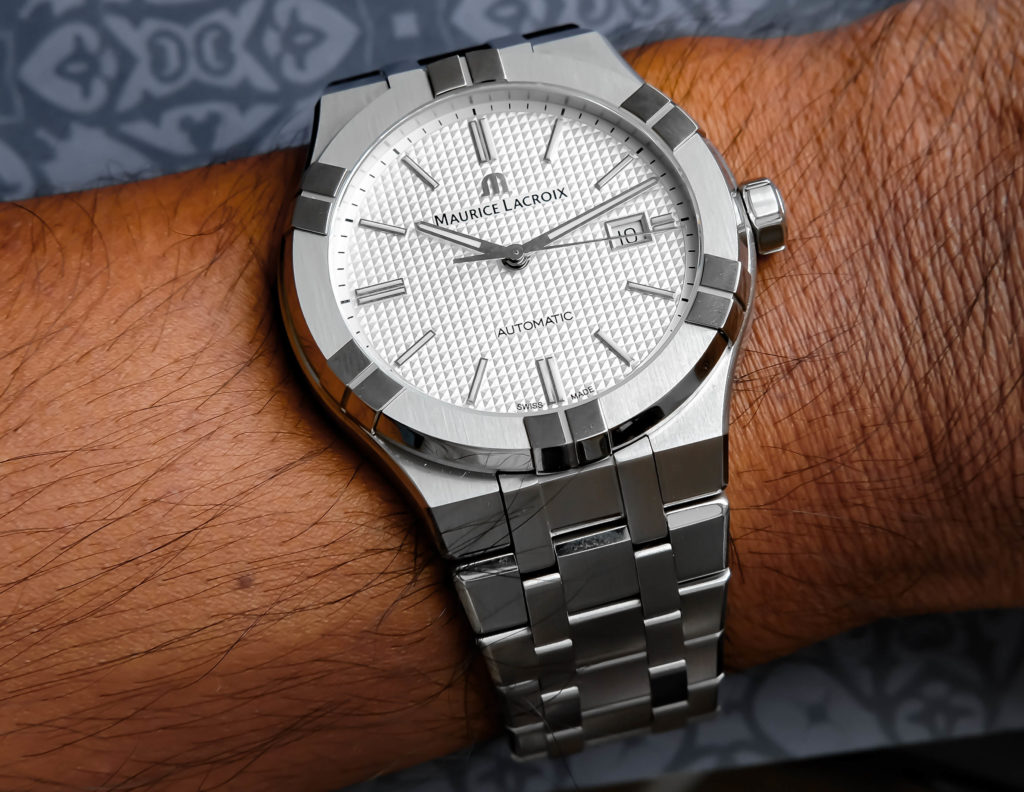
The Maurice Lacroix Aikon Automatic takes a more assertive approach, with design choices that aim to stand out rather than blend in. In our detailed review, the grid-textured dial defined the watch’s character. The pattern adds depth and reflectivity, especially when paired with the polished markers and rhodium-plated hands, which catch light more aggressively than the PRX’s more muted components. Everything on the dial follows a consistent profile, with long, narrow hands and markers reinforcing a more deliberate sense of elegance. The finishing across these elements feels carefully executed, with clean lines and sharp transitions that give the watch a more structured and refined appearance overall.
- The Tissot PRX delivers quiet confidence with a balanced, retro-inspired design that feels easy to live with.
- The Maurice Lacroix Aikon Automatic delivers a more deliberate, refined look, with dial textures and finishing that lean toward modern luxury expectations.
Build Quality & Technical Approach
Both the Tissot PRX and the Maurice Lacroix Aikon are built to deliver the integrated bracelet experience in ways that feel intentional rather than experimental. The difference becomes clear once you spend time handling both.
Bracelets and Wearability:

The Tissot PRX bracelet plays a huge role in why this watch feels so convincing in daily use. While spending time with it, the first thing that stood out was how solid and well-finished it felt compared to other affordable watches in this range. The wide stance at the lugs tapers noticeably toward the clasp, helping balance wrist presence without feeling awkward once sized properly. The brushed surfaces do a great job keeping things understated, while the tight tolerances between links prevent the rattling you often encounter at this price point. The butterfly clasp closes with a reassuring snap, and while there’s no micro-adjustment, the included half links let you dial in a comfortable fit. Finally, Tissot also includes quick-release spring bars so you can experiment with other strap options.
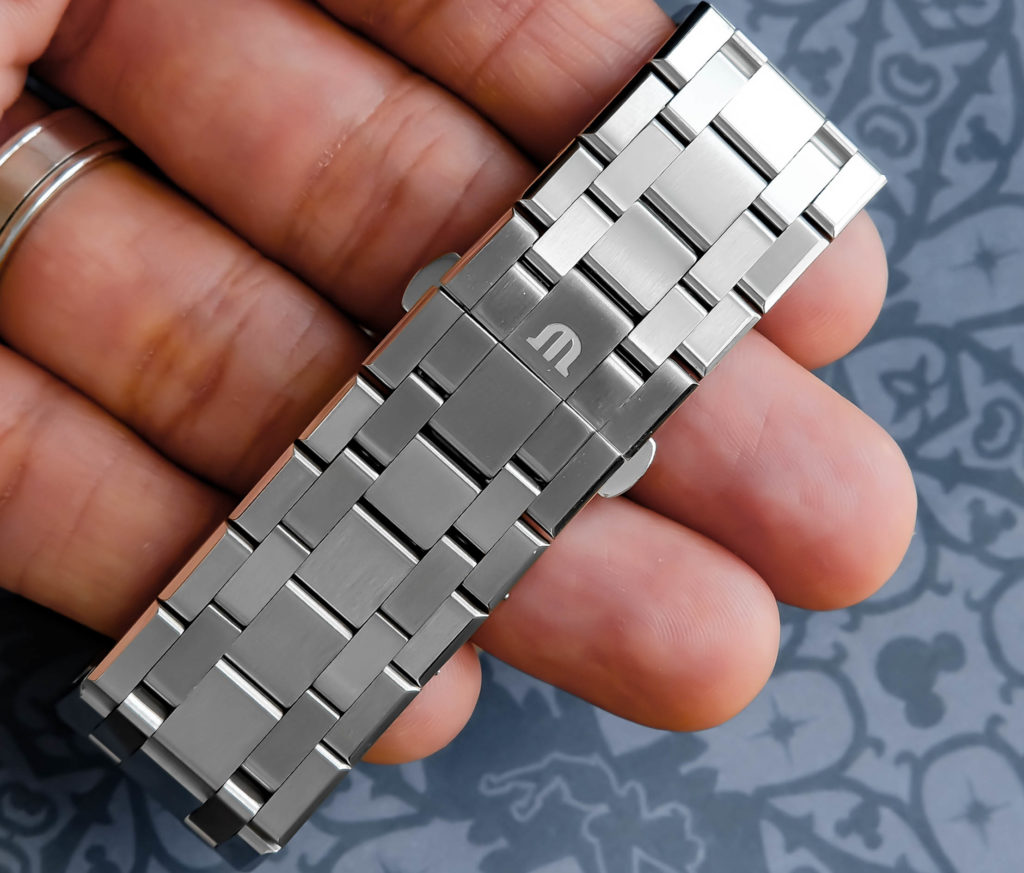
The Maurice Lacroix Aikon Automatic takes bracelet execution several steps further, and during our time spent with it, it was clear that this is the centerpiece of the watch. Each link features multiple brushed surfaces contrasted by sharply beveled, high-polished edges, which creates constant shifts in reflection as the wrist moves. The taper from the lugs down to the clasp feels gradual and deliberate. The hidden butterfly clasp disappears completely into the bracelet, creating an uninterrupted visual flow, and even the interior of the clasp reveals detailed perlage finishing—something only the wearer will notice, but adds to the sense of care in construction. The clasp action itself is smooth and secure, though the highly polished internal surfaces can show scuffs over time with regular use. The bracelet conforms comfortably, but its presence never fades into the background.
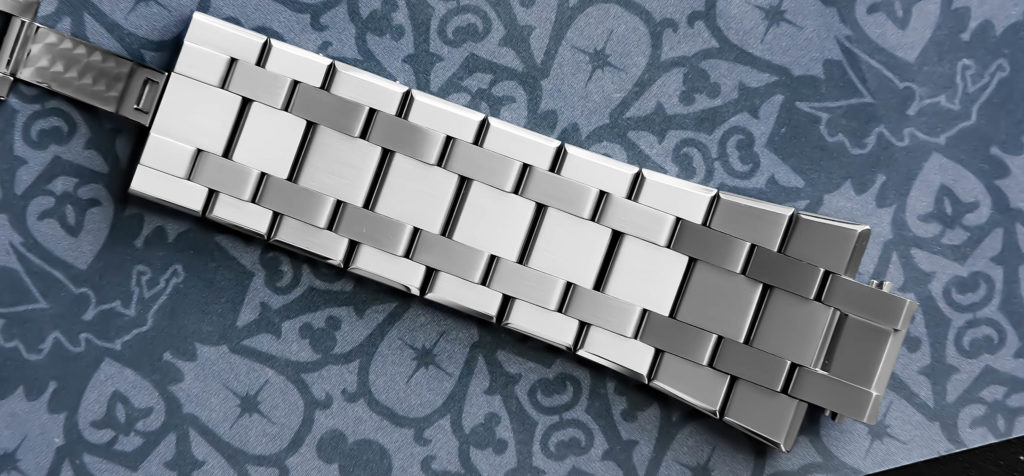
That said, sizing the bracelet requires more patience due to the pin-and-collar system, and while the quick-release mechanism allows bracelet removal without tools, the integrated design limits strap options to those specifically made for the Aikon. Even small quirks, like the bracelet preventing the watch from sitting flat when off the wrist, reinforce the fact that this bracelet prioritizes integration and form over convenience.
Movements:
The Tissot PRX keeps things grounded in practicality, especially in its quartz configuration. The ETA F06.115 quartz movement feels aligned with what this watch is trying to be: reliable, accessible, and easy to live with. It offers about 2 years of battery life and an end-of-life indicator, removing the guesswork around maintenance. For everyday ownership, that convenience becomes part of the appeal. There’s no need to worry about winding, accuracy drift, or service intervals in the short term. It’s a movement that supports the watch’s role as something you can wear consistently without needing to think much about what’s happening under the dial. However, if the quartz sounds boring, you may pick up the chrono or several of the other Tissot PRX Powermatic models.
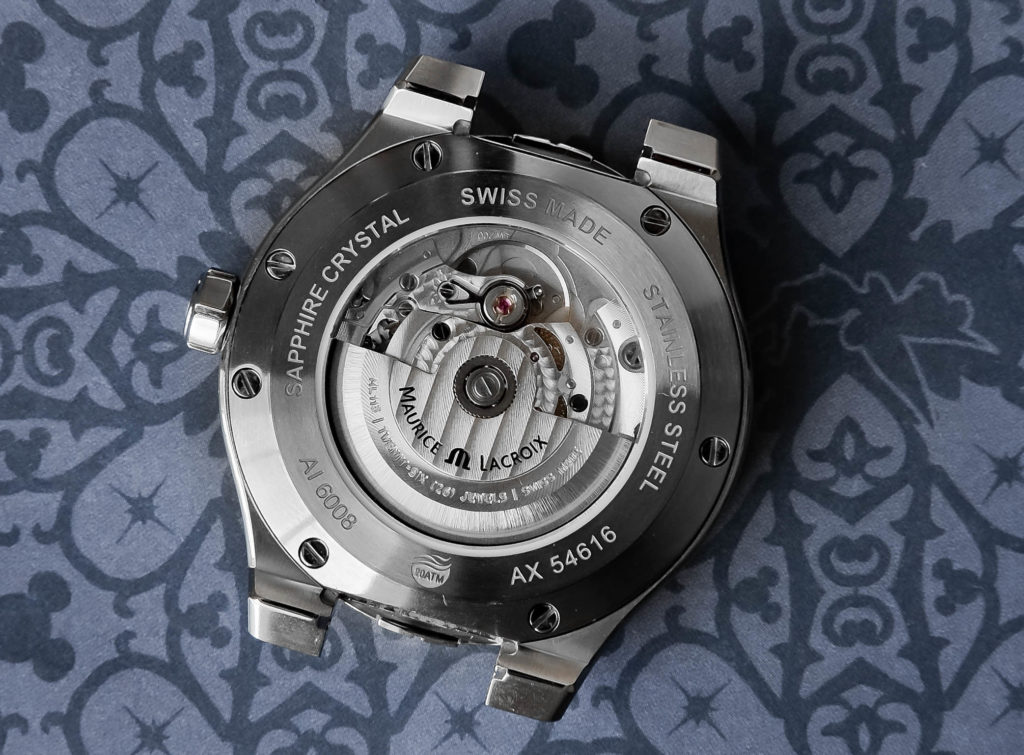
The Maurice Lacroix Aikon Automatic takes a more traditional mechanical route with its ML115 caliber, which is based on the Sellita SW200 architecture. During our extensive testing, the movement delivered dependable performance, but it didn’t feel like the focal point of the watch. It features standard decorative elements like perlage and Geneva striping, and the branded rotor reinforces its identity within the case. In daily use, it performed as expected for a mechanical three-hander with a date and a power reserve of around 38 hours. However, the manual winding action carried a bit too much resistance: a quirk we’ve experienced with other Sellita-based watches as well. It’s a capable and serviceable movement, but it doesn’t carry the same sense of refinement or intentionality as the bracelet and exterior finishing.
Case Construction & Finishing:

The Tissot PRX delivers case construction that feels far more intentional than its price would suggest. The 40mm case came across as sharp and well-executed, with crisp edges and tight tolerances that gave the entire watch a cohesive feel. The mostly brushed surfaces help control reflections and keep the watch grounded, while the polished bezel and upper case edges introduce enough contrast to prevent it from feeling flat. On the wrist, the proportions feel balanced, though the extended end links can give it more presence than the raw diameter suggests. That’s something worth considering if you tend to prefer smaller everyday watches.
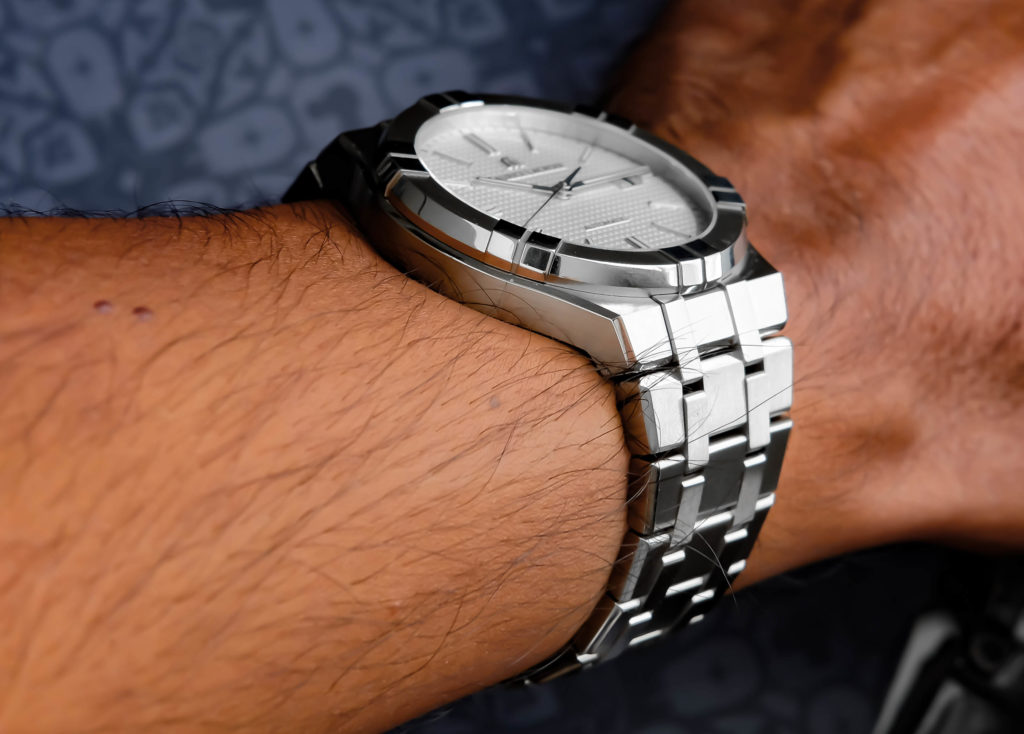
The ML Aikon Automatic approaches case finishing with more emphasis on sculptural contrast and wrist presence. The interplay between brushed surfaces and sharply beveled polished edges stood out during testing. The case feels like a natural extension of the bracelet rather than a separate component, reinforcing the watch’s integrated identity. From the front, the rounded case profile feels familiar, but the side view reveals sharper transitions that add visual structure. The fixed bezel continues the same polished and brushed contrast, though its reflective surfaces can occasionally distract from the dial, depending on the lighting. Despite measuring larger (42mm) on paper, the case sits comfortably thanks to the bracelet’s support, even without traditional downward-curving lugs.
Crystals:

The Tissot PRX keeps its crystal approach straightforward, using a flat sapphire crystal that integrates cleanly with the case. What stood out to us while living with the watch was how unobtrusive it felt during everyday wear. The flat profile helps avoid distortion and maintains the case’s sharp personality. It also reinforces the watch’s practical identity: there’s nothing flashy here, just dependable scratch resistance that holds up well over time.
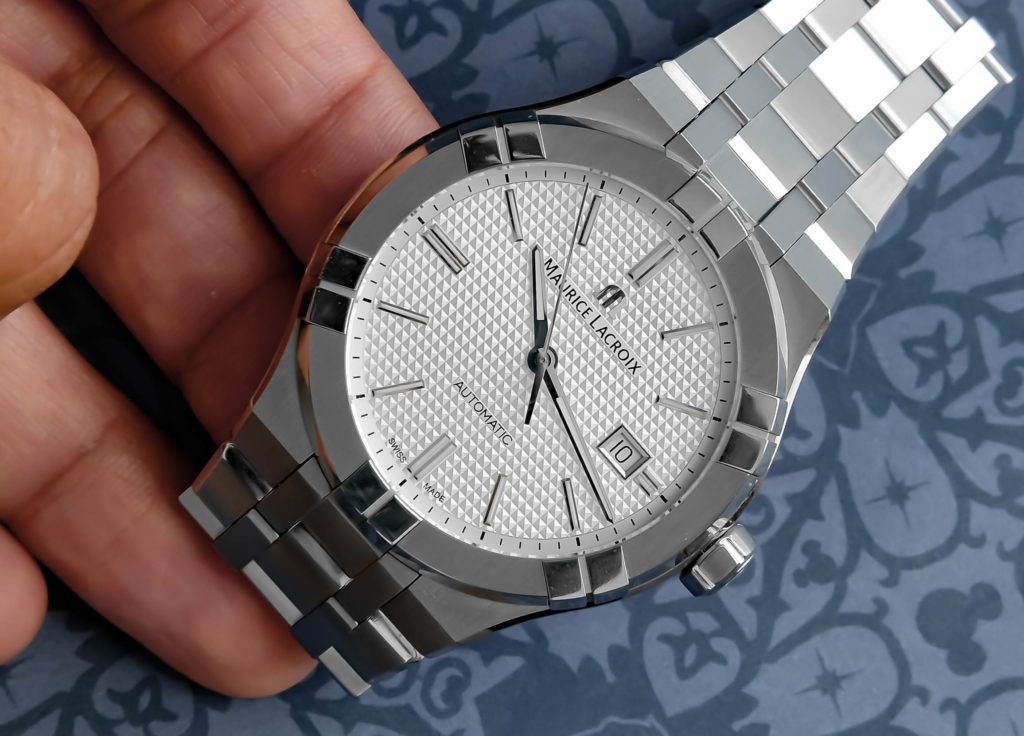
The Maurice Lacroix Aikon Automatic expands on this by incorporating sapphire on both sides of the watch. The front crystal protects the dial while maintaining clarity, and the sapphire caseback adds a more deliberate sense of presentation when handling the watch off the wrist. While the front-facing sapphire serves the same core purpose as the PRX, the addition of the exhibition caseback shifts the experience slightly toward appreciating the watch beyond its outward appearance. Moreover, the screwed caseback construction reinforces the watch’s solid build, and the crystal integration feels consistent with the Aikon’s broader focus on refinement and finishing.
Water Resistance & Lume:
The Tissot PRX delivers more water resistance than its refined appearance might suggest. With 100 meters of water resistance, it handled daily wear scenarios without concern, even with its simple push-pull crown setup. The sturdy gasket and crown operation give it added durability, making it a flexible everyday watch rather than something you feel obligated to baby. The lume on the baton hands and markers is present and functional, but it doesn’t dominate the experience. In low light, it remains usable, though it fades faster than you’d expect from more tool-oriented watches.
The Maurice Lacroix Aikon Automatic leans more toward durability on paper, offering 200 meters of water resistance and a screw-down crown. That higher rating adds reassurance if your daily routine includes more demanding environments. However, lume and legibility don’t always feel as strong as the water resistance rating might imply. The polished hands and markers, while refined in appearance, can blend into the dial depending on lighting conditions. During regular wear, this made glances less intuitive, especially compared to watches designed with stronger contrast in mind. It reinforces the idea that the Aikon prioritizes visual refinement and presence, sometimes at the expense of pure functional clarity.
- Tissot PRX: Prioritizes practicality and accessibility, pairing strong bracelet construction, crisp case finishing, and the convenience of low-maintenance quartz into a cohesive everyday watch.
- Maurice Lacroix Aikon Automatic: Focuses heavily on bracelet and case refinement, delivering more intricate finishing, stronger wrist presence, and mechanical ownership appeal, though at the cost of minor compromises in movement refinement, sizing convenience, and legibility.
Cost Considerations

The Tissot PRX sits in that sweet spot where affordability doesn’t feel like a compromise. When we first got hands-on with it, the quartz version on a bracelet retailed for around $395, making it one of the easiest integrated bracelet watches to recommend without hesitation. Even now, with expanded variants and higher-end models creeping toward $2,000, the core PRX lineup remains well below $1,000. That price-to-experience ratio is hard to ignore. It feels like Tissot understood how much most enthusiasts actually want to pay for something they’ll wear daily, rather than something they’ll keep worrying about scratching on a desk edge.
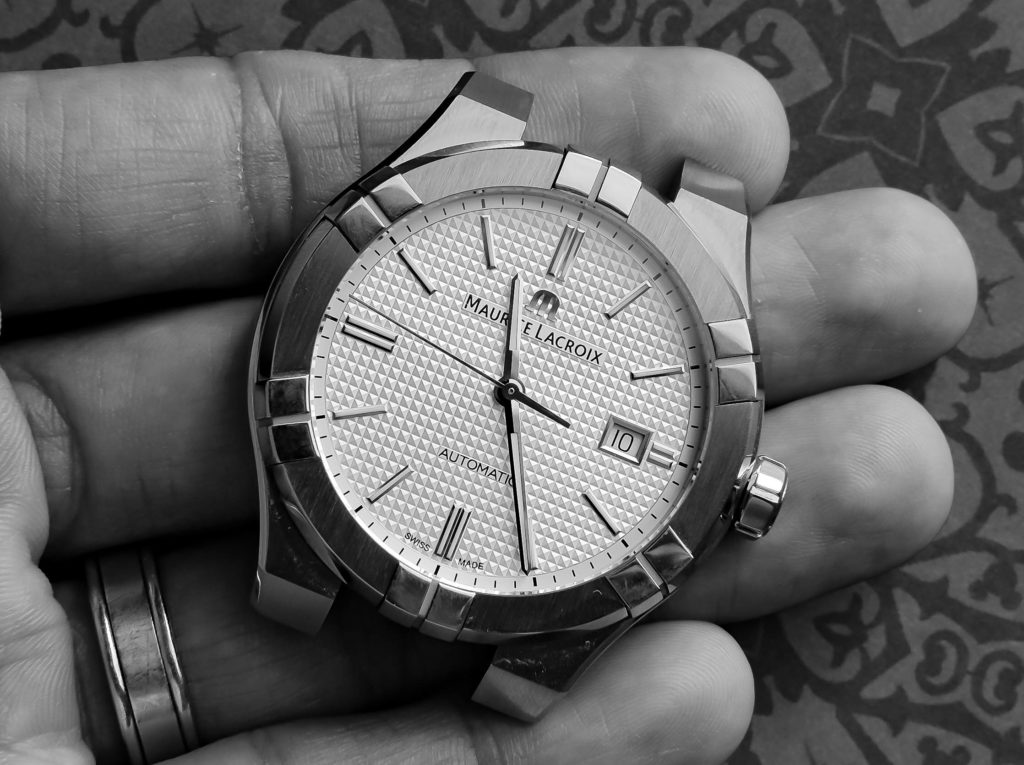
The Maurice Lacroix Aikon Automatic enters a very different conversation at around $2,500 retail. That price puts it firmly into entry-level luxury territory, where expectations shift quickly. You’re no longer just buying design; you’re buying refinement, finishing, and the sense that the watch justifies its place above more affordable alternatives. While it delivers strongly in bracelet and case execution, the value equation becomes more personal at this level. It’s not difficult to find pre-owned examples for less, and there’s even a quartz variant available at almost half price. Still, the automatic version asks you to be comfortable paying a premium for finishing and presence rather than movement exclusivity alone. It’s less of an impulse buy and more of a deliberate step up.
Final Thoughts: Affordable or Luxury Integrated Bracelet Watch—Which Makes More Sense?
After spending real time with both the Tissot PRX and the Maurice Lacroix Aikon Automatic, the answer becomes clearer once you separate ownership reality from collector temptation.

If the goal is everyday ownership (the kind where you wear the watch without overthinking it, without mentally tracking every bump into a desk) the Tissot PRX makes far more sense. It delivers the integrated bracelet experience in a way that feels complete without introducing friction. It’s affordable enough to stay fun, durable enough to trust daily, and honest about what it’s trying to be. It doesn’t ask you to justify it. It works. And that matters more than most people admit.
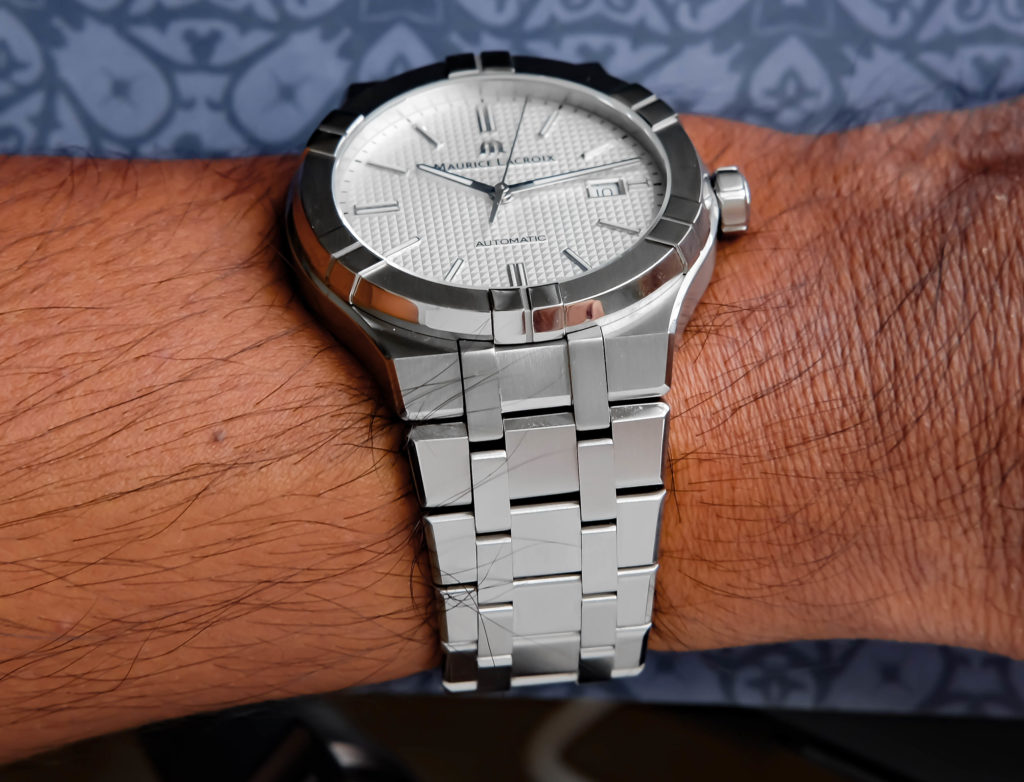
The Aikon Automatic, on the other hand, reflects a very deliberate set of priorities. Maurice Lacroix clearly chose to invest heavily in the bracelet, case finishing, and overall wearing experience rather than pushing boundaries with the movement itself. That decision doesn’t make it a lesser watch; it makes it more specific. The Aikon feels designed for someone who values how a watch wears and presents itself above all else. It’s the kind of piece that makes sense in a work setting, at events, or as part of a broader collection where variety and refinement matter more than pure practicality. What it doesn’t do, and what it shouldn’t be expected to do, is serve as a shortcut to something else. If the appeal comes from its resemblance to more expensive integrated bracelet icons, that excitement tends to fade once the novelty wears off.
In other words, the PRX is the better everyday decision for most collectors. But if you were a collector who wanted to spend a bit more and knew that additional refinement came with a price tag, you certainly wouldn’t go wrong with the Aikon. And let us know your thoughts on this comparison in the comments below.

Co-Founder and Senior Editor
Kaz has been collecting watches since 2015, but he’s been fascinated by product design, the Collector’s psychology, and brand marketing his whole life. While sharing the same strong fondness for all things horologically-affordable as Mike (his TBWS partner in crime), Kaz’s collection niche is also focused on vintage Soviet watches as well as watches that feature a unique, but well-designed quirk or visual hook.