
Seiko had a way of showing up when we least expected it this year. Between quiet revivals, quirky limited editions, and solid value drops, the brand managed to stay in the conversation without making too much noise. We didn’t get hands-on time with these, but each one felt worth remembering. If you’ve been watching from the sidelines or just catching headlines, these are five releases from 2025 that deserve a second look.

Seiko Prospex Speedtimer “Motoring” (ref. SSC959P1)
The Speedtimer “Motoring” edition takes everything that worked about the earlier solar chronographs and gives it a subtle vintage detour. The bright white dial is gone, replaced with a creamy, warm tone that plays well with the brushed steel bezel—a clear callback to early chronos from the 1960s. It still wears like the reliable, compact Speedtimer we’ve come to expect, but now with a few extra details that feel more deliberate. Seiko throws in a rally strap alongside the standard bracelet, and the 2,700-piece run is exclusive to Europe. At around $984 converted from U.K. pricing, it asks a little more than the base SSC813 but still feels fair for what you’re getting. Check out our write-up here.

Seiko Alpinist SPB507 and Friends
After years of Prospex-branded stand-ins, Seiko finally brought the Alpinist back in name and spirit. The new SPB507 and its siblings mark the first time “Alpinist” has reappeared on the dial in years—scripted right beneath the logo like it always should have been. The case is still 39.5mm but a bit slimmer at 12.7mm, and Seiko added a super-hard coating to help the watch live up to its field watch DNA. Inside, the 6R55 movement brings 72 hours of reserve and a bit of polish via a gold rotor and display back. At $900, it’s not exactly budget territory, but between the mountain caseback, dial colors that call back to the SARB era, and the overdue nameplate return, this update finally feels like the real thing again. Check out our write-up here.

Seiko Rotocall SMGG Series
Seiko’s return to digital finally feels intentional. The Rotocall reissue revives a genuine oddball from the 1980s—a rotating, octagonal bezel that lets you switch between functions like a pilot spinning through pre-flight checks. The case sticks close to the old A829 shape, and the layout avoids the usual digital-watch button maze. With a clean 37mm size, 100 meters of water resistance, and that distinctive “rotary switch,” this release walks the line between retro charm and real utility. It’s not a limited edition either, which is a welcome surprise. At around $640 USD converted from U.K. pricing, it’s not cheap for a digital, but the execution and throwback feel go a long way. For collectors who’ve wanted Seiko to acknowledge its digital past, this one actually delivers. Check out our write-up here.
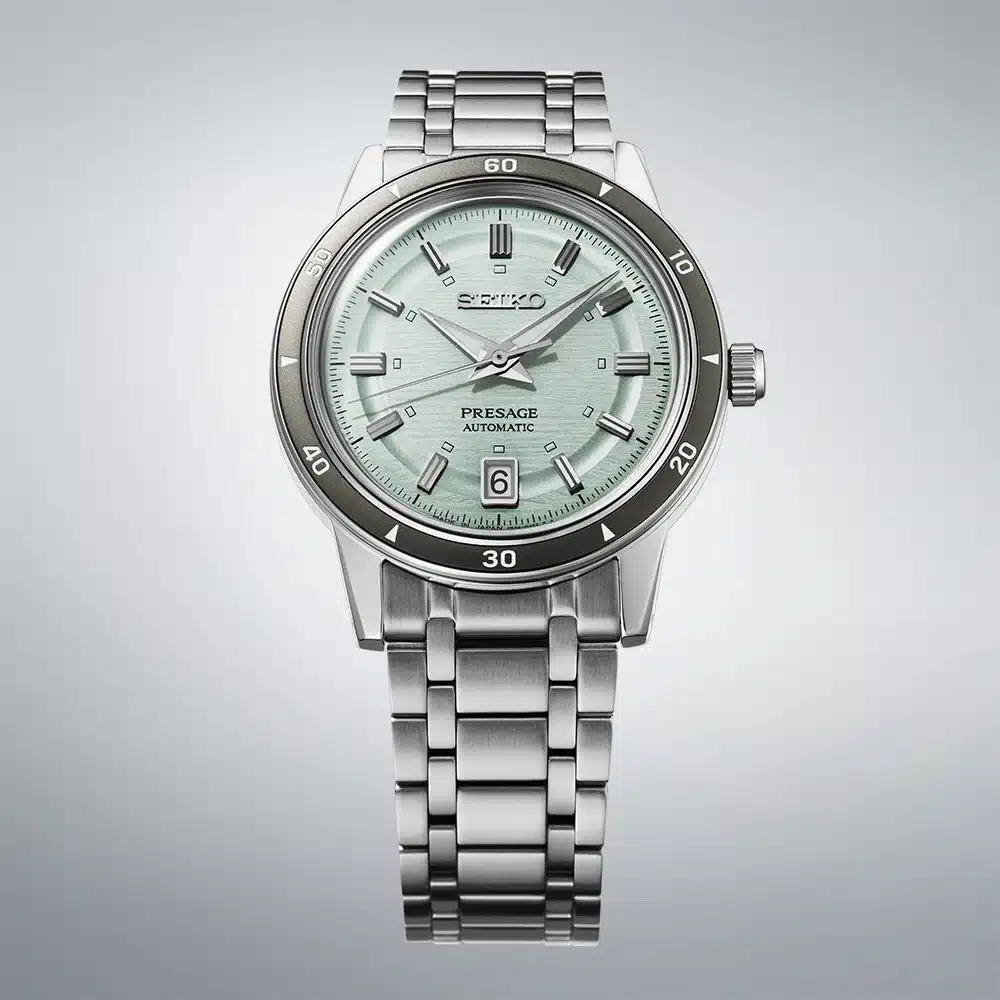
Seiko Presage Style60s
This new trio of Style60s releases might be the line’s best showing yet. Seiko finally ditches the awkward 4:30 date window and moves it to 6 o’clock, framed cleanly for a more balanced look. The dials get a boost too, with sector-style layouts and horizontal brushing that add a surprising amount of depth. Colors range from mint green and violet to a bold yellow-on-brown combo that probably shouldn’t work—but kind of does. There’s still some head-scratchers, like the non-rotating timing bezel, but at £500 (around $630 USD), these feel like thoughtful upgrades rather than filler. For anyone still on the fence about the Style60s, this release might finally tip the scale. Check out our write-up here.
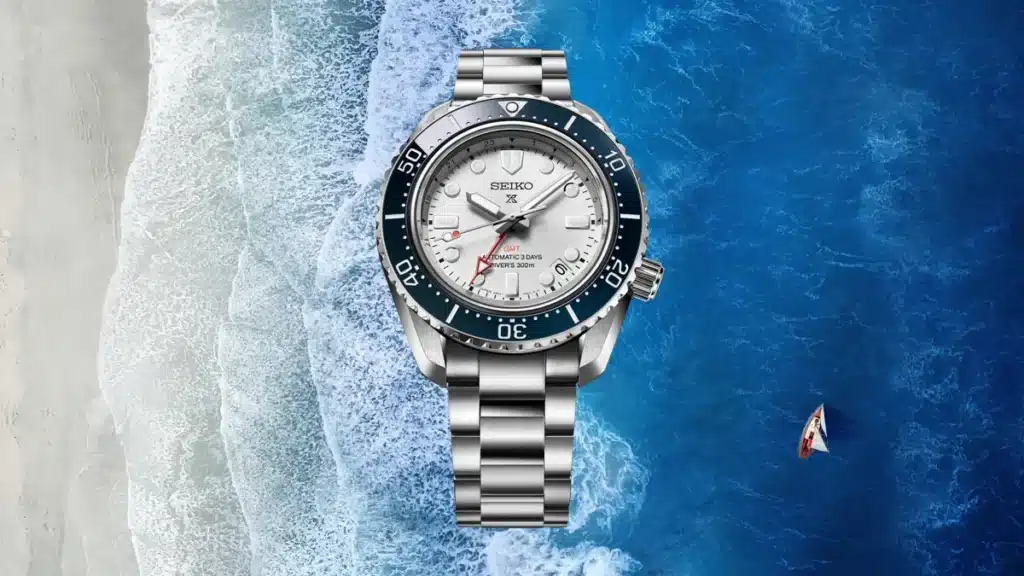
Seiko Prospex SPB519J1 GMT Diver
For their 60th dive watch anniversary, Seiko skipped the overhyped reissue route and delivered something far more interesting: a mechanical GMT diver that joins the regular lineup. The SPB519J1 tones things down visually with a silver-white dial and subtle red accents, keeping the 42mm case and 300m water resistance of its heritage-inspired siblings. The Caliber 6R54 handles GMT duties, and Seiko finally includes their six-step adjustable clasp on a non-limited release. At £1,600 (about $2,020 USD), it’s definitely positioned as a premium piece, but the clean design, solid specs, and long-term availability make it a standout in Seiko’s growing GMT catalog. Check out our write-up here.
Not every release this year was headline material, but these felt like the ones worth pausing for. They reminded us why so many collectors stick with Seiko—because every so often, the brand gets it right in a way that feels personal. If you missed any of these in the shuffle, now’s a good time to take another look.

Co-Founder & Senior Editor
Michael Peñate is an American writer, photographer, and podcaster based in Seattle, Washington. His work typically focuses on the passage of time and the tools we use to connect with that very journey. From aviation to music and travel, his interests span a multitude of disciplines that often intersect with the world of watches – and the obsessive culture behind collecting them.