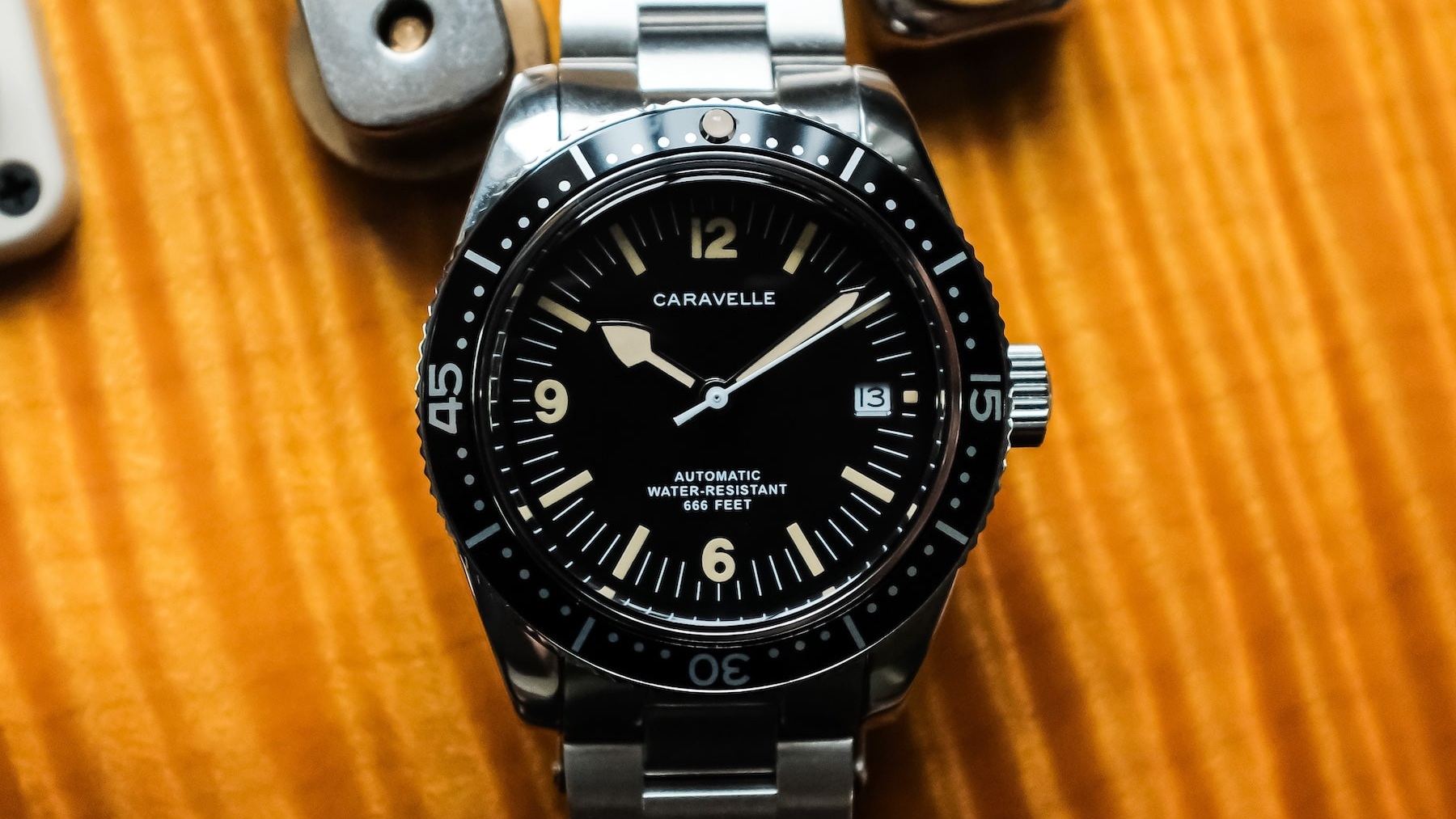
We’ve gotten pretty good at convincing ourselves that a watch will finally fill whatever imaginary vacancy we’ve identified in the collection. The Caravelle Sea Hunter looked tailor-made for one of ours: black dial, steel bracelet, compact case, and enough vintage weirdness that it didn’t resemble the fiftieth Submariner interpretation we’d seen that week. There was even a proper Bulova connection behind it. The San Martin SN004 MilSub was a harder purchase to rationalize. We’ve complained plenty about homage watches that borrow so heavily from somebody else’s work that changing the name on the dial seems to be the entire design process. Then we went and bought a San Martin, which is exactly the sort of consistency we’ve come to expect from ourselves as watch collectors.

The Sea Hunter draws on a design Bulova can legitimately call its own, while the SN004 takes most of its visual cues from the Rolex military Submariner. We’re not suggesting that a revived watch from the 1960s is somehow a new design, but there’s a difference between revisiting your own history and helping yourself to someone else’s. It ought to be an easy point in the Caravelle’s favor. Except we liked the Sea Hunter without ever becoming particularly attached to it, and the San Martin managed to get us excited about details we’d almost talked ourselves out of appreciating. That’s a rather uncomfortable starting point for anyone who thinks originality should count for something.
Overview and Identity
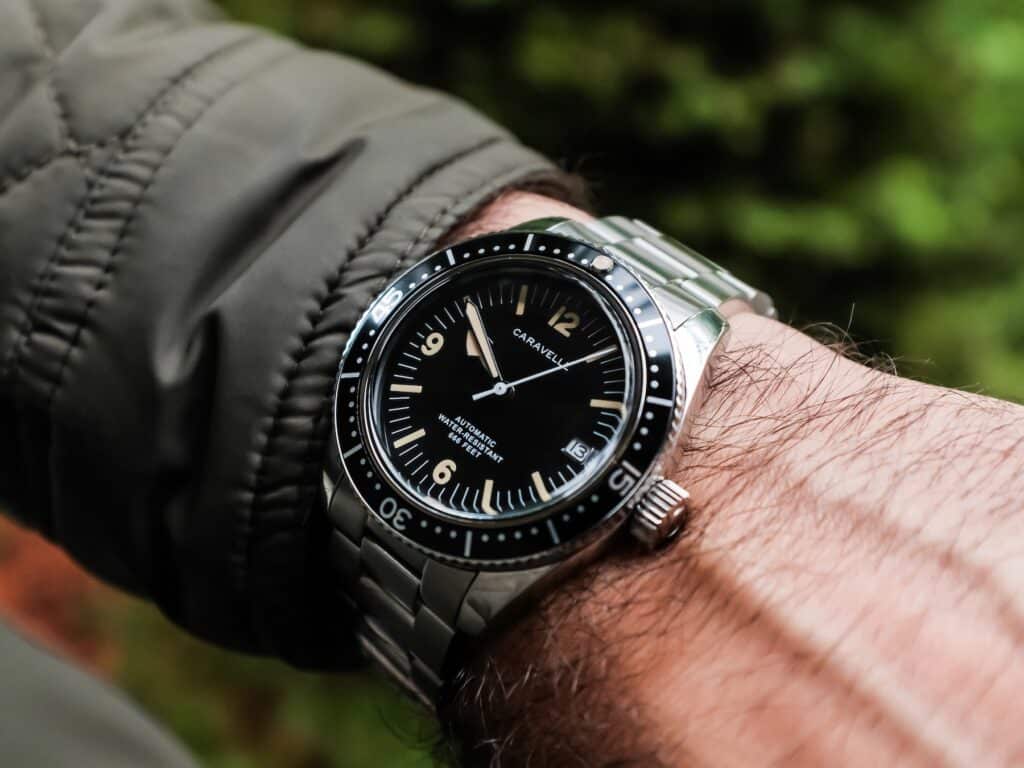
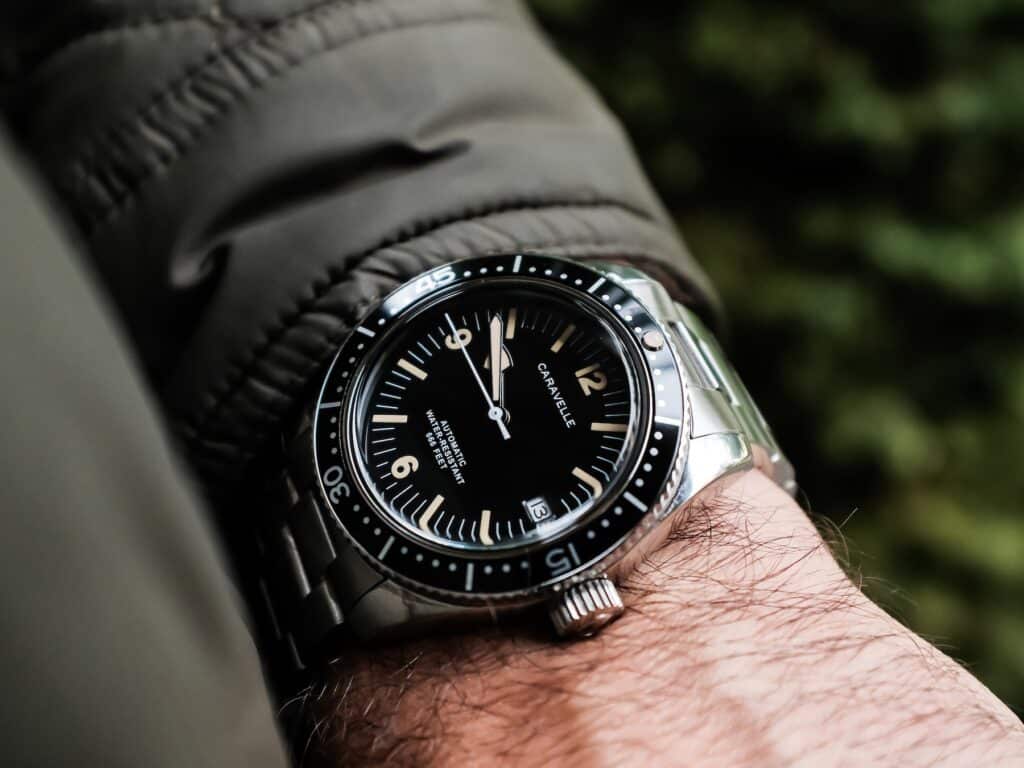
Caravelle has a better claim to this whole vintage exercise than a lot of watches wearing suspiciously brown lume these days. Bulova started the line in 1962 as an affordable part of its catalog, and older Sea Hunters earned their place in the brand’s story with the rather entertaining 666-foot rating that eventually fed into the Devil Diver nickname. There’s legitimate history here worth revisiting, which we really appreciated experiencing during our review. The modern Caravelle Sea Hunter keeps the unusual handset and slightly chunky proportions without turning the whole thing into a replica, and we’re glad Bulova stopped at 39mm.
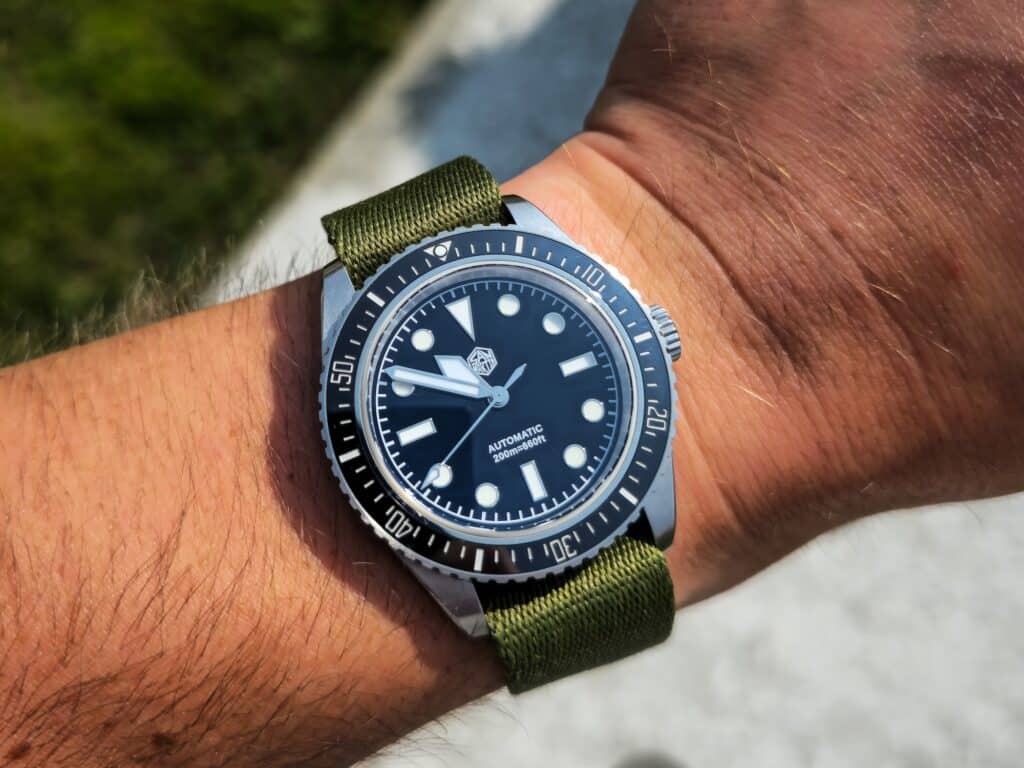
San Martin started in 2016, and we doubt many people are shopping for an SN004 because of a particularly moving story about the company’s early years. What you’re buying is an interpretation of the Rolex 5513 MilSub, with a few changes that make it less literal than some of the brand’s other homages. The gear-tooth bezel is one, and the 38mm case is another; we found during our hands-on review that we actually prefer that sizing to a lot of the usual 40mm Submariner lookalikes. The San Martin SN004 MilSub came in a decent zippered pouch with a signed warranty card, which gave us a much nicer first impression than we’d expected from an inexpensive AliExpress watch. The packaging had our attention, anyway. We were more interested in what the watch could do with that first bit of goodwill.
Dial and Straps/Bracelets
The Sea Hunter’s hands are the first thing we notice, and probably the best reason to look twice at the watch in the first place. They’re wonderfully peculiar in a way that suits an older diver, with a shape we don’t see repeated across every second affordable-watch catalog. Bulova also kept the date small enough to be useful without turning it into the star of the dial. What we never warmed to was the brown luminous material. We’ve made peace with plenty of vintage-inspired details over the years, including the occasional questionable font and enough domed crystals to distort the view of an entire collection, but this watch didn’t need artificial aging. The hands, aluminum bezel and case already tell us where the design came from. Neutral lume would have let those details speak for themselves, and we still think the dial would be better for it.
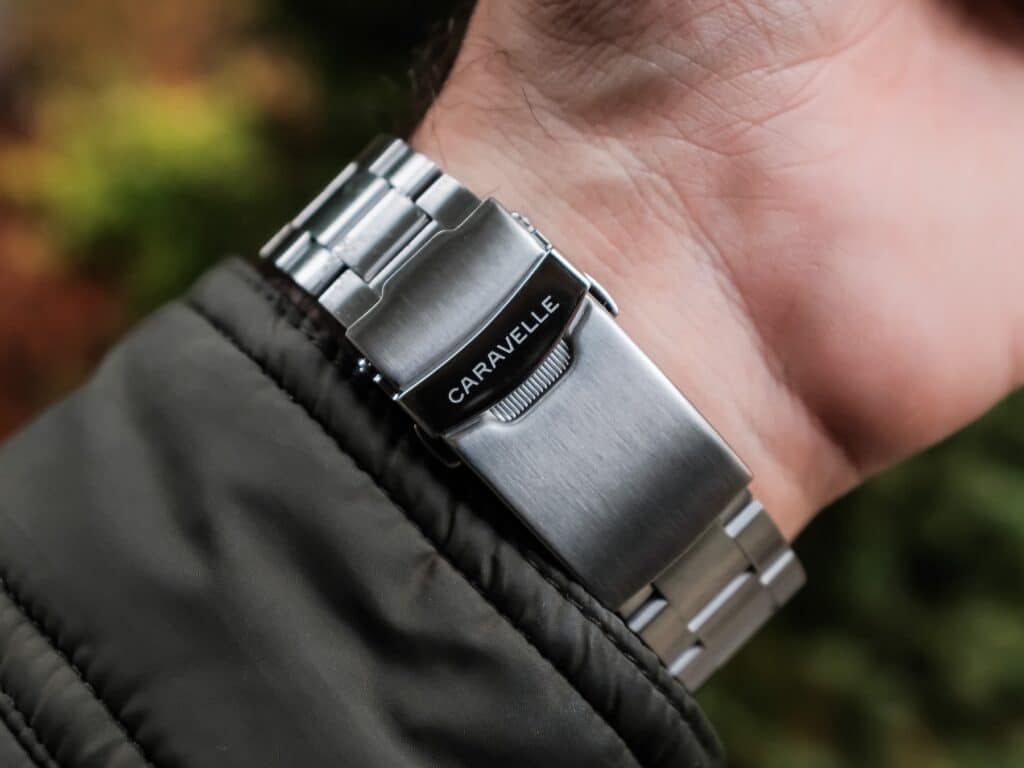
The Sea Hunter’s steel bracelet is one of those things that improves dramatically once it’s actually attached to a wrist instead of dangling from our fingers. It rattles. There’s no polite way around that, and the polished case doesn’t do much to disguise the general impression of an affordable, old-fashioned diver. But the links settle down once sized, and the 20mm bracelet tapers to 18mm at the clasp, which helps the fairly thick case wear comfortably. Bulova included solid end links, micro-adjustment positions, a folding dive extension and quick-release spring bars, so there’s a fair amount of thought in a bracelet that won’t impress anybody with its machining. We ended up caring more about the fit than the noise.
San Martin’s dial doesn’t have the Caravelle’s distinctive personality, at least not one we can credit to San Martin. Glossy black, applied markers, familiar military hands: we know exactly which part of the watch world supplied the inspiration. Still, we really like the glossy depth of the dial, particularly beneath the domed sapphire, which adds a bit of distortion out near the edges. The applied markers are generously filled with blue BGW9, while their polished surrounds give the watch a richer appearance than a sub-$200 purchase has any obligation to provide. The hands are less convincing. They’re surprisingly flat, and that lack of dimension makes them a little harder to pick out in some lighting. The printed branding is worse, or at least less interesting: after all the care spent on the watch head, the logo looks like somebody remembered at the last minute that the dial needed a name on it.

And then there’s the SN004 bracelet, which is better finished than the Caravelle’s by a fairly embarrassing margin. The milled clasp, screw-secured links and neatly chamfered edges are all the sorts of details we’ve spent years wishing more affordable brands would bother with. The end links meet the case cleanly, and the brushing matches so well that we found ourselves inspecting the join instead of simply putting the watch on. Unfortunately, nice machining can still be a nuisance if its sharper edges are busy pulling wrist hair. That’s exactly what happened here. On a 7.25-inch wrist the bracelet also needed only one link removed, a detail worth remembering for anyone with larger wrists, and after a while we gave up on it in favor of single-pass NATOs. The rattly Caravelle bracelet remained on the watch. The beautifully finished San Martin bracelet was the one we took off.
Build Quality & Technical Approach
A diver can look convincing from across the room and still annoy us the moment we start handling it. We found that out in different ways here. San Martin lavished attention on parts that even pricier watches sometimes neglect, yet managed to make its bracelet uncomfortable. Bulova got the wearing proportions right while leaving us wishing the bezel and winding felt a little better.
Movements
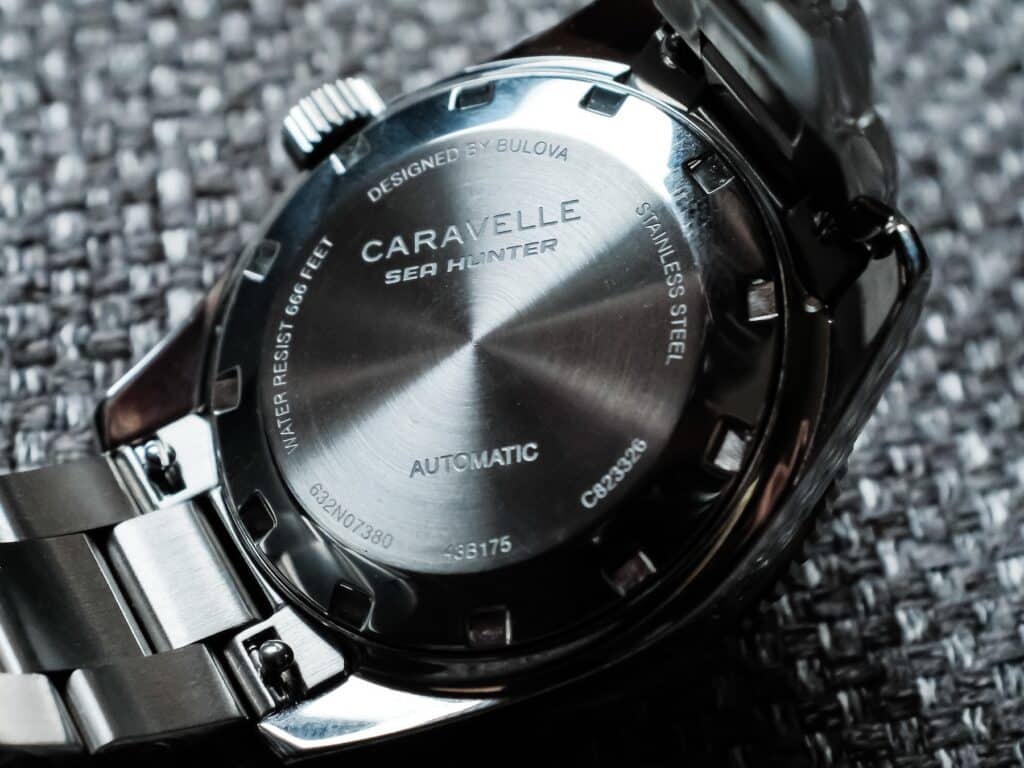
There’s a Miyota 8215-33E inside the Caravelle, a 21-jewel automatic running at 21,600 vibrations per hour with a stated 42-hour reserve. It hacks, it has a date, and it keeps the experience of owning a mechanical diver pleasingly uncomplicated. We had no difficulty letting it run down when it was off the wrist and setting it again when the mood struck. What we didn’t enjoy was winding it. The crown has a distinctly crunchy feel, as though there’s something in the process that objects to being disturbed. It’s perfectly possible to like a watch powered by an inexpensive movement; we own enough of them to have abandoned any pretensions on that front. But when one of the small pleasures of mechanical ownership is turning the crown, we’d prefer that pleasure not sound or feel quite so much like work.

The NH35 inside the SN004 isn’t exactly exotic either. It’s one of the default answers to the question of how to put a reliable automatic movement inside an affordable watch, and there’s a reason it shows up everywhere. Hacking, hand winding and roughly 40 hours of power reserve are enough for what we’re asking of it. Our example ran about seven to nine seconds fast per day, which was perfectly satisfying, although the more memorable part was how nicely the crown threaded into the case. The movement itself doesn’t offer an especially distinguished winding feel; San Martin simply made the bit of hardware between our fingers and the caliber more pleasant to use. There’s also a solid, circularly brushed caseback instead of an exhibition window, and we can’t say we’re heartbroken about missing another undecorated NH35 rotor.
We’d happily live with either caliber. Two additional hours of claimed reserve for the Miyota aren’t going to change the way we wear a watch, and an NH35 isn’t a magic ticket into a higher class of watchmaking. The Caravelle does remind us, every time we wind it, how rough that particular action can feel. The San Martin’s crown threads cleanly, then largely gets out of the way.
Case Construction, Finishing & Wearability
A 39mm case with a 45.5mm lug-to-lug measurement sounds like an easy win for anyone who has spent years asking brands to stop making every dive watch enormous. The Sea Hunter largely delivers on that promise, even if its 14.3mm thickness threatens to spoil the tidy picture. Most of the visual height comes from that pronounced mineral dome, and the watch does carry itself a little top-heavy, which is something we noticed immediately. The funny part is that we liked it. There’s an echo of the old SKX007 in the way a manageable footprint can carry a substantial case without feeling like somebody strapped a dinner plate to our wrist. We’ve got enough fondness for slightly awkward old divers that the shape feels more like character than a defect. We’d take a slimmer case, sure, but not if it meant flattening the crystal and stripping away the thing that makes the silhouette interesting.
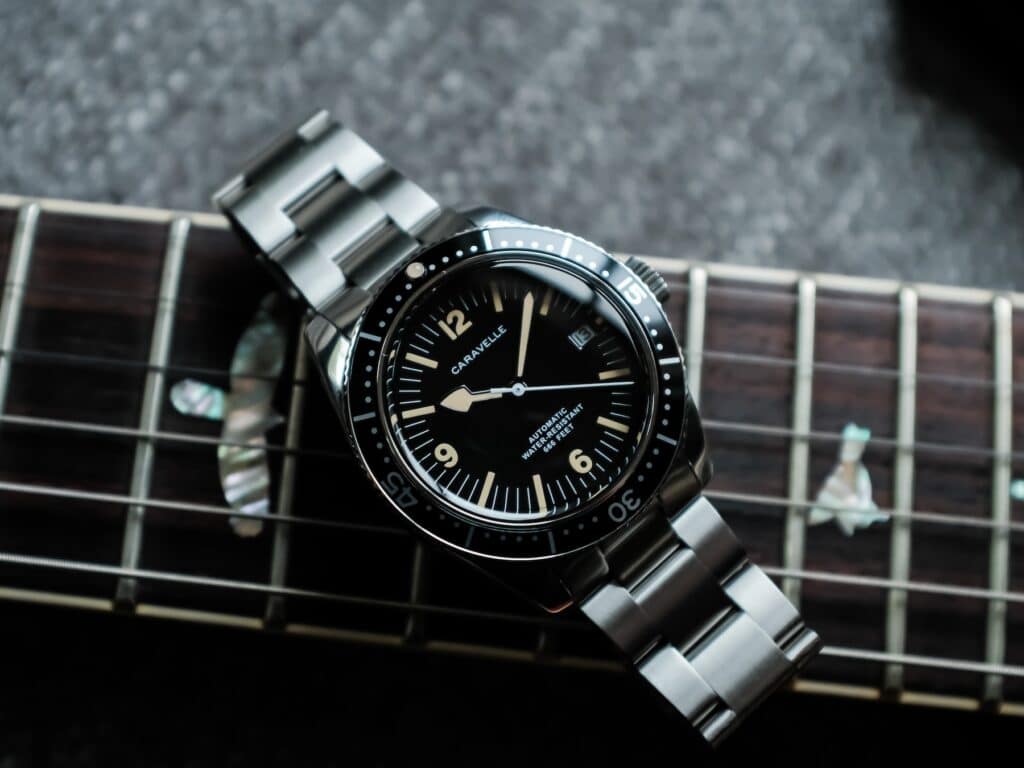
Bulova kept the finishing simple, with polished steel across much of the case and nothing that demands a loupe. Those surfaces will probably acquire the usual scratches, but the Sea Hunter isn’t really calling out for white-glove treatment. Its appeal is in the proportions and the shape rather than the precision of a bevel. We might complain about the crown again when it comes time to set the movement, but we never had much difficulty accepting the case itself. There’s an old-diver awkwardness to it, and we like that.
San Martin’s 38mm case stretches 46mm from lug to lug and measures 13mm thick, including a rather proud sapphire crystal. At around 140 grams on the full bracelet, it’s not particularly lightweight for its size, but we liked that touch of solidity. We weren’t sure we’d enjoy a diver smaller than the 40mm examples that have tended to dominate our collections, and the SN004 made that concern look rather silly. The proportions are excellent. In fact, wearing it made us wish Rolex had produced a 38mm Submariner, which is probably the nicest thing we could say about a watch whose design we’ve been complaining about for the better part of this article. The case doesn’t feel like a scaled-down novelty. It just feels right.

It’s the finishing that makes the SN004 difficult to dismiss after that. Brushing across the lugs and case sides meets a polished bevel that gives the whole shape definition, while the circularly brushed caseback continues the effort around a part most owners will rarely see. We’d put it ahead of a lot of more expensive affordable divers we’ve handled in this respect, although the brushing is fairly shallow and picks up scratches more readily than we’d prefer. Beautiful machining doesn’t give San Martin ownership of the Rolex design it borrowed. We can complain about the borrowing and enjoy the machining in roughly the same breath, which is a slightly irritating position to find ourselves in.
Crystals and Bezels
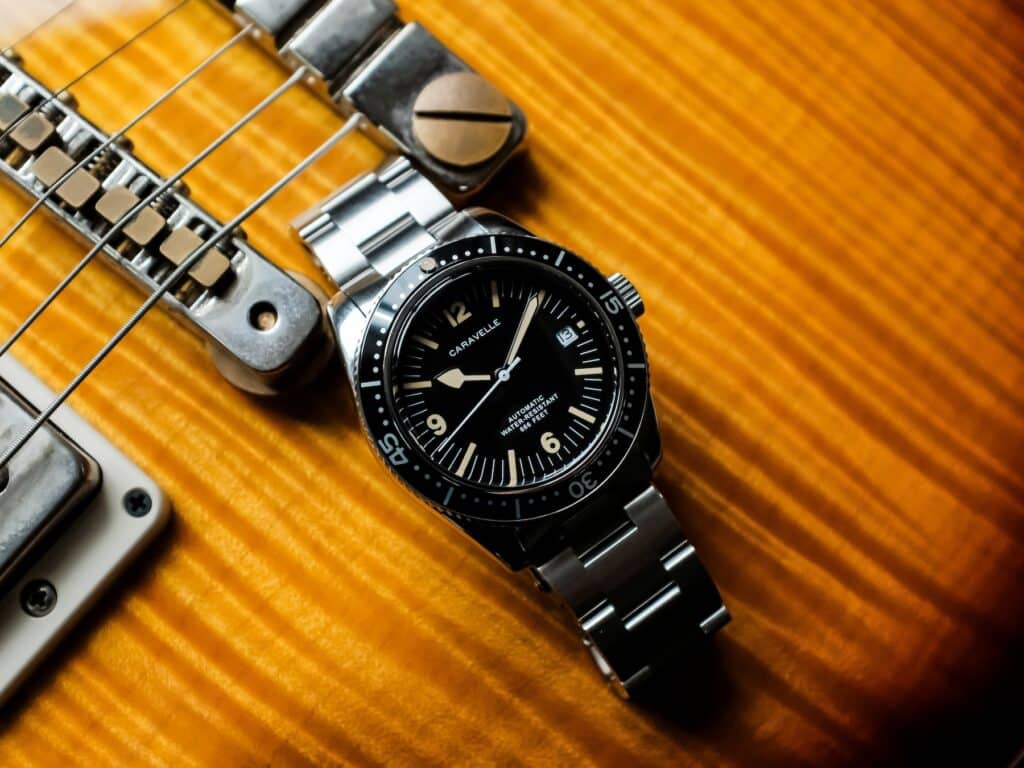
The Sea Hunter’s crystal is mineral rather than sapphire, and we would have paid something extra to keep that same dome in a harder-wearing material. It’s central to the watch’s character, especially when we look at the case from the side, but we know how annoying a scratch across a favorite crystal can become once we notice it. The aluminum bezel insert fits the older design, and the edge gives us enough grip without any finger gymnastics. The action is a different story. It’s a little thin and tinny, perfectly usable but with none of the mechanical satisfaction that can make us rotate a dive bezel for no sensible reason while sitting at a desk. We’d rather Bulova improve the feel than decorate the insert with something fancier.

On the SN004, San Martin went with sapphire, an anti-reflective coating that can show a fairly pronounced blue cast, and a ceramic bezel insert with engraved, filled markings. The gear-tooth edge isn’t faithful to the original MilSub’s coin-edge arrangement, which is one departure from the borrowed design we’re quite happy to accept. It gives us a secure grip, and the polished tooth faces against the brushed recesses add an unexpected amount of visual interest. The action on our watch had 120 clean, consistent clicks with very little play. We kept turning it because it felt good, and that’s a tiny but real pleasure we’re not inclined to dismiss merely because nobody needs to time anything.
Water Resistance & Lume
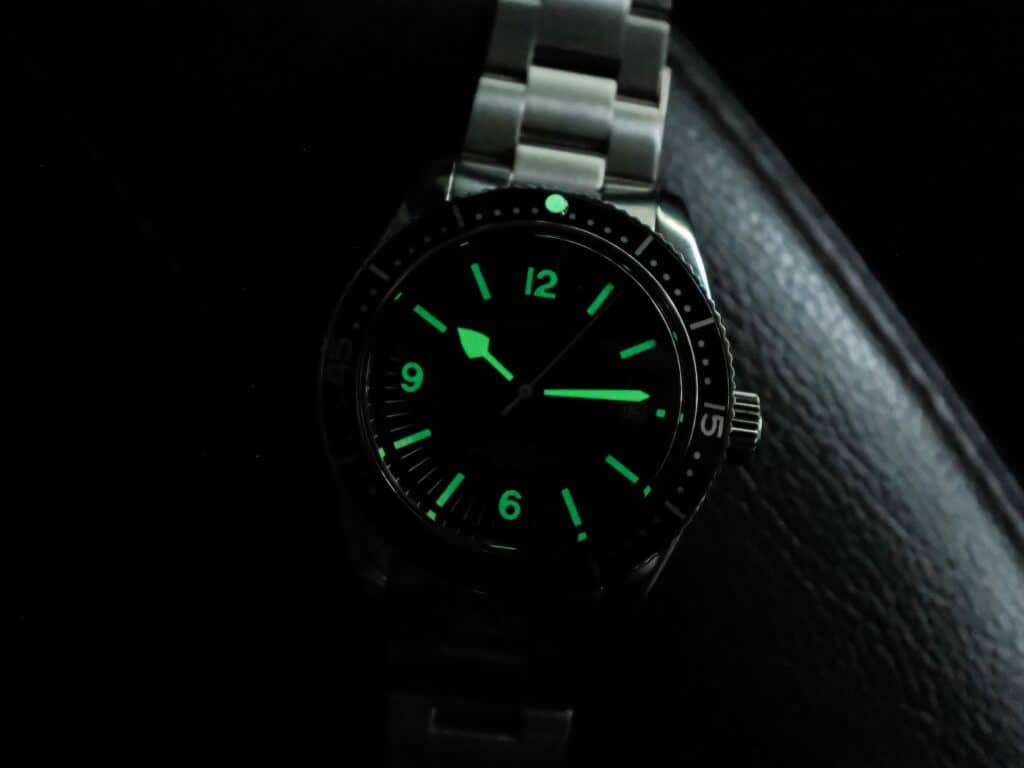
Bulova gave the Sea Hunter a screw-down crown, threaded caseback and 200-meter water-resistance rating, which is exactly what we want to see when a company revisits an old diver rather than making something that merely dresses like one. We’d hate to see all that charming vintage casework attached to a watch that needed to be treated like a museum exhibit the moment water appeared. There’s something reassuring about knowing that the practical intentions behind the original design haven’t been completely sacrificed for nostalgia. The luminous treatment is where Bulova gets a little carried away with that nostalgia. We can appreciate an old-fashioned handset without needing the markers to look as though they’ve already spent half a century aging, and we’d have preferred a cleaner, more neutral treatment.

San Martin also rates the SN004 to 200 meters, with a screw-down crown that feels particularly well executed for a watch in this price range. The BGW9-filled indices glow blue, giving the otherwise traditional black dial a distinctly more modern appearance after dark. We like that contrast, especially because the SN004 borrows so much of its visual identity from a vintage military Submariner. It would have been easy enough to follow the usual formula of adding brown lume and calling the result historically authentic, but San Martin resisted the temptation. Maybe that shouldn’t count as a particularly brave design decision, but judging by how many vintage-inspired watches seem determined to arrive looking fifty years old, we’re happy to see the markers left alone.
Cost Considerations
The Sea Hunter we bought was a $425 proposition, which didn’t seem unreasonable given the automatic movement, compact case, bracelet details and Bulova history involved. Bulova now lists a black-dial steel-bracelet Sea Hunter at $340, down from $425, so there’s a more appealing entry point for somebody drawn to this particular style. We don’t think the lower figure suddenly makes the mineral crystal sapphire or the winding action pleasant, but it does reduce how much we have to pay to find out whether the dial and case shape appeal to us. That’s how we often end up talking ourselves into watches in the first place. The details are appealing, the price drops a bit, and suddenly that supposedly finished collection has another opening.
At $340, Bulova’s black-dial package also includes an additional strap, which makes the Sea Hunter an easier watch to experiment with once we’ve had our fill of the steel bracelet. The 20mm lug width and quick-release spring bars are genuinely helpful here. We like the idea of changing a watch’s character without requiring a collection of specialized tools, and a compact black-dial diver ought to be a pretty accommodating canvas for that sort of thing. What we can’t change with a strap is the dial, and the dial was the one place we kept wishing Bulova had made a different decision.
Our San Martin cost $167 during a sale, with a price around $220 being more typical when the SN004 was reviewed. The current SN004 family includes newer versions around $229, although they’ve changed some of the hardware, so we’d look carefully at which bracelet and clasp a listing actually includes. The distinction matters because newer versions have revised hardware, and we’d want to know exactly which configuration we’re buying. Even at a price closer to the current range, the polished case bevels, excellent bezel action and comfortable proportions are a remarkable amount of execution for the money. We spent more time admiring the fit between the end links and the case than we’d expected to spend looking at almost any part of a watch from this price bracket.
The SN004 also made us revisit some of the more expensive Submariner homages we’d spent time with, including the Squale 1545 and Steinhart Ocean series. Both occupy a different price bracket, and some of their movement options give us more to work with, but the San Martin’s case and bezel execution didn’t leave us feeling as though we’d paid for the bargain-bin version of the experience. That’s the part of the value discussion we find genuinely interesting. We can list sapphire, ceramic and the NH35 until we’re blue in the face; plenty of affordable watches can claim some combination of those things now. What got our attention was how little play we felt in the bezel, how neatly the case surfaces met, and how good a 38mm diver could feel when the proportions were right.
Originality complicates all of that, because the Sea Hunter can give us something San Martin simply can’t. Bulova is revisiting its own design, not borrowing the reputation of a Rolex that someone else spent decades making desirable. We wouldn’t dismiss a collector who regards that as the deciding factor. We’ve felt the same way ourselves. We just don’t want a nicely reasoned position on homage watches to be the only thing we enjoy about whichever diver we choose.
Final Thoughts: Bulova Caravelle vs San Martin SN004
The Caravelle Sea Hunter is still an appealing watch, and we wouldn’t talk someone out of buying it simply because our own relationship with it didn’t develop the way we’d hoped. The handset is unusual, the proportions make sense, and Bulova deserves credit for bringing this design back instead of leaving it buried in the catalog. We even like the ungainly height, which sounds perverse until you’ve spent a little time with older divers and realized that not every case needs to disappear under a shirt cuff. Where the Sea Hunter lost us was harder to pin down. We’d chosen it to satisfy a very particular collecting itch, but once it was actually around, we kept finding reasons to wear other watches. It wasn’t bad. It just wasn’t the answer we’d imagined.
We went into the San Martin expecting to find the usual reasons to complain about an homage, and those reasons didn’t evaporate. The SN004 still resembles a Rolex MilSub, its dial branding is uninspired, and the bracelet’s sharp edges are a real annoyance. We found ourselves enjoying the watch anyway. That 38mm case is beautifully proportioned, the finishing is far beyond what we anticipated at the price, and the bezel action is the sort of thing that can occupy us for a ridiculous amount of time without ever accomplishing anything useful.
Oddly, the SN004 hasn’t made us any more enthusiastic about the flood of 1:1 lookalikes in the affordable-watch market. We’d still rather see more companies take a real design risk, particularly when someone can make a watch this well for the price. Bulova deserves credit for bringing back something from its own history instead of producing another variation on somebody else’s hit. We keep coming back to that, even while knowing which of these two we’d rather put on tomorrow morning. Our principles haven’t vanished; they’ve just become a little inconvenient.

We’d choose the San Martin SN004 MilSub. We like the Caravelle’s history and its unusual dial, but the San Martin’s compact case, finish and outstanding bezel gave us more to enjoy once the novelty of buying something new had worn off. We’d still replace the bracelet, and we’d still roll our eyes at some of San Martin’s more blatant copies. Apparently those two things can coexist with wanting to keep the SN004. If that’s inconsistent, we’ll add it to the growing list of reasons our watch collections have never made quite as much sense as we claim they do.

Co-Founder and Senior Editor
Kaz has been collecting watches since 2015, but he’s been fascinated by product design, the Collector’s psychology, and brand marketing his whole life. While sharing the same strong fondness for all things horologically-affordable as Mike (his TBWS partner in crime), Kaz’s collection niche is also focused on vintage Soviet watches as well as watches that feature a unique, but well-designed quirk or visual hook.