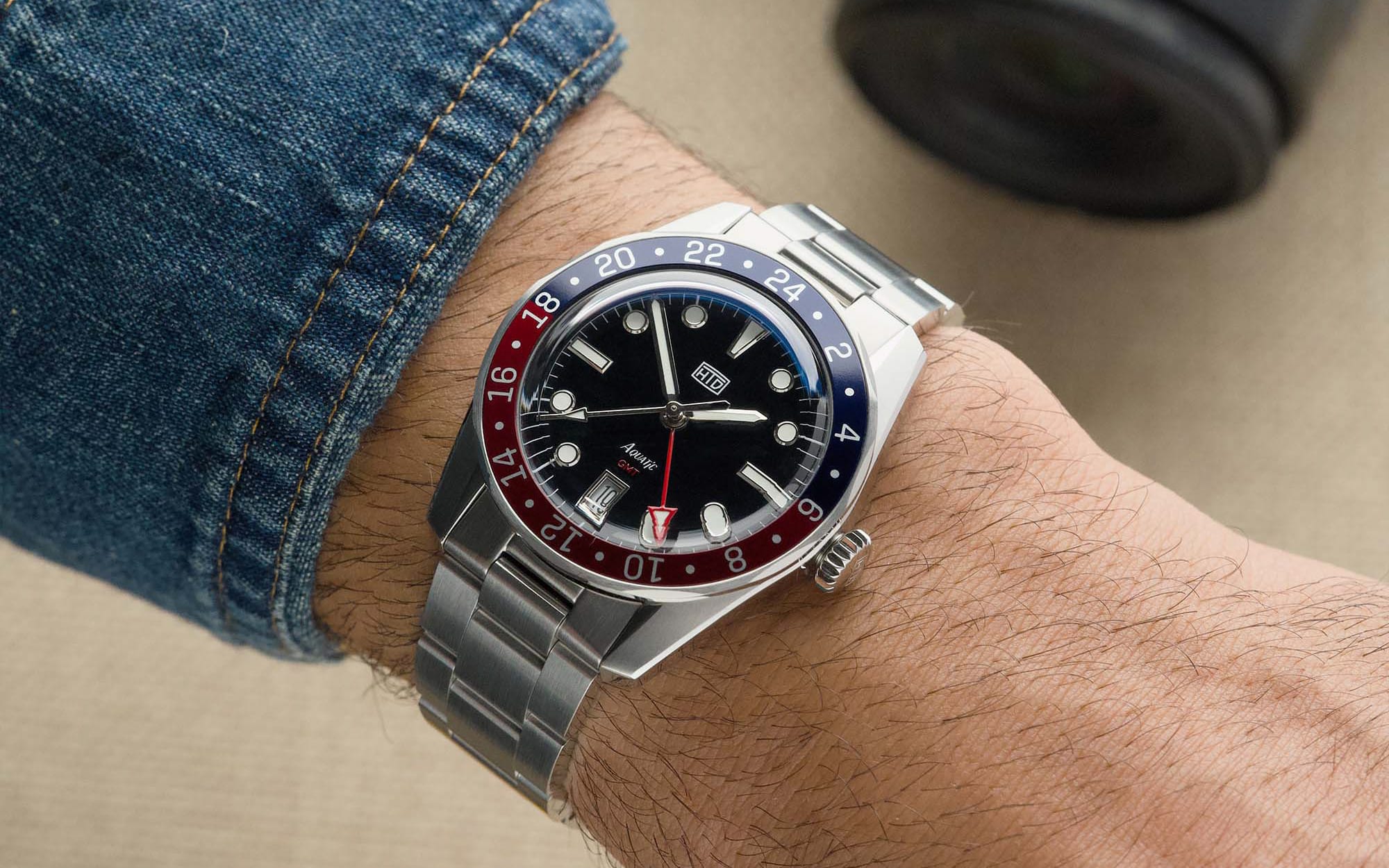
I have a habit of saving watches I come across on Instagram, usually with the intention of looking into them later. Most get forgotten almost immediately. The new HTD Aquatic GMT managed to hold my attention a little longer. The Rolex GMT-Master influence is obvious, especially with the Pepsi bezel, and I think that’s part of what initially drew me in. After digging into the details, there’s a little more to appreciate here.
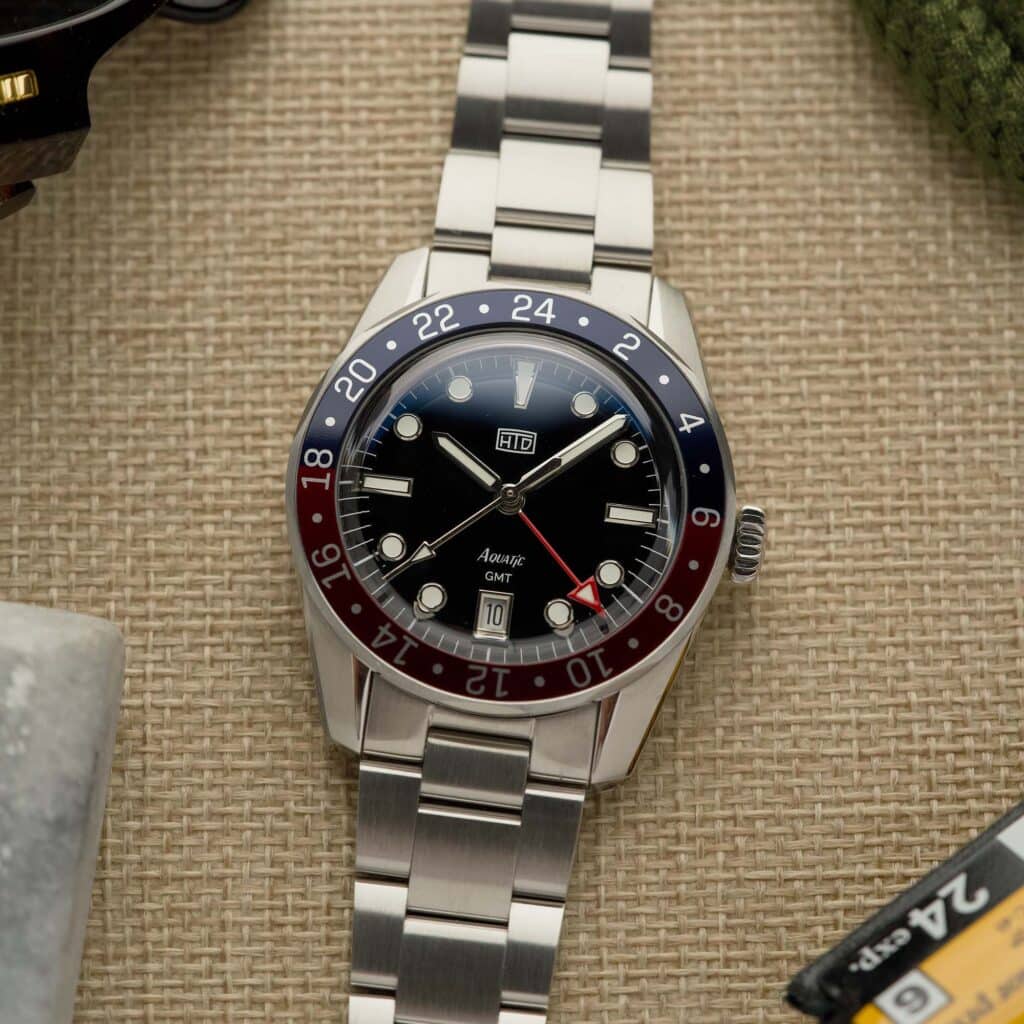
HTD is a small independent brand based in Florence, Italy, founded in 2020. Its catalog leans heavily into mid-century sports watch design, and the Aquatic GMT follows that approach closely. The watch is based on the brand’s existing Aquatic diver, retaining its case design and 200m water resistance while adding a second time zone complication.
I think the decision to build on an existing model makes sense. Rolex followed a similar path when developing the original GMT-Master in the 1950s, borrowing elements from the Submariner. The resemblance here extends to the bezel colors, dial layout, and general proportions. HTD is clearly comfortable working within that familiar design language.
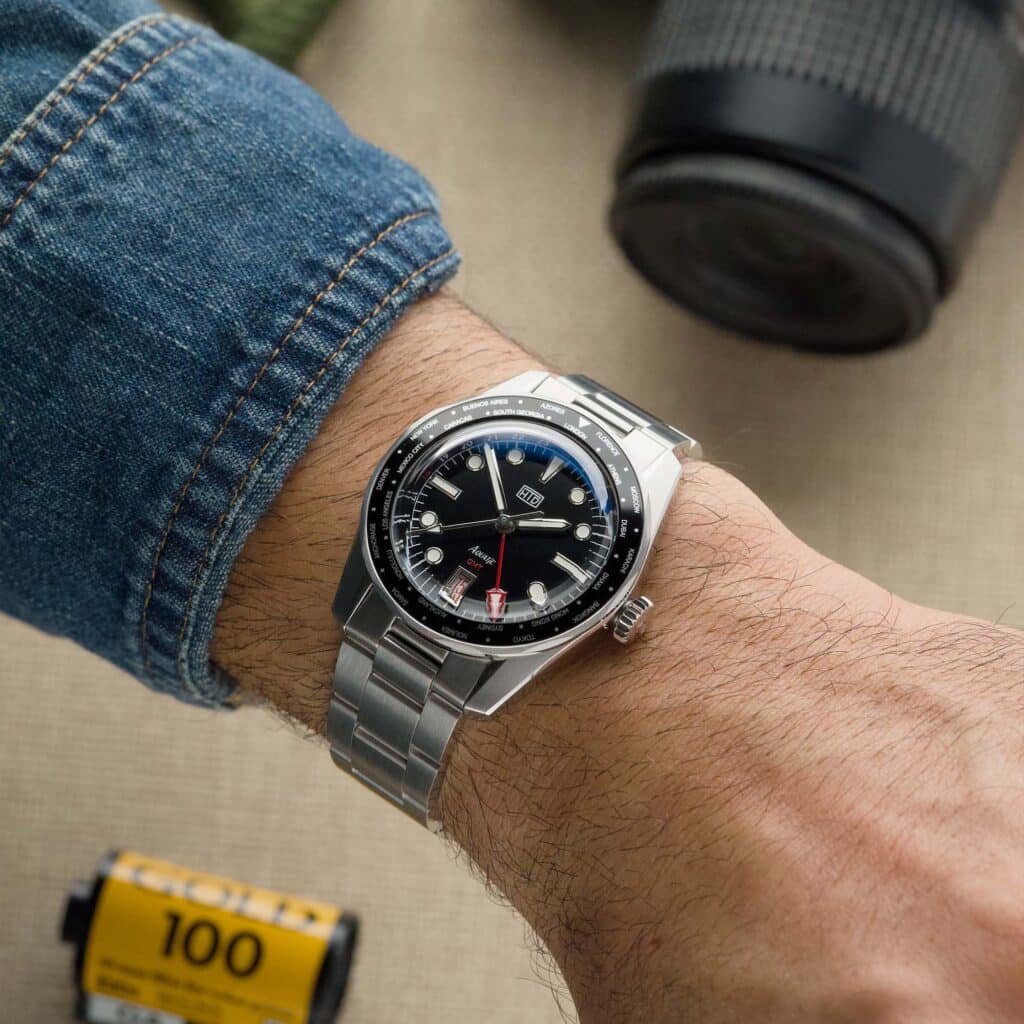
There are four variations available, each featuring a black dial with applied indices, a red GMT hand, and a date window at six o’clock. Three versions use two-tone aluminum bezel inserts in blue and red, brown, or green. The fourth features a black world-time bezel. Personally, I’m drawn to the Pepsi version, although the brown option has a slightly more subdued look that I can appreciate. To me, these color combinations are the main attraction, and HTD seems to understand how much of the GMT-Master’s appeal comes from its simple visual formula.
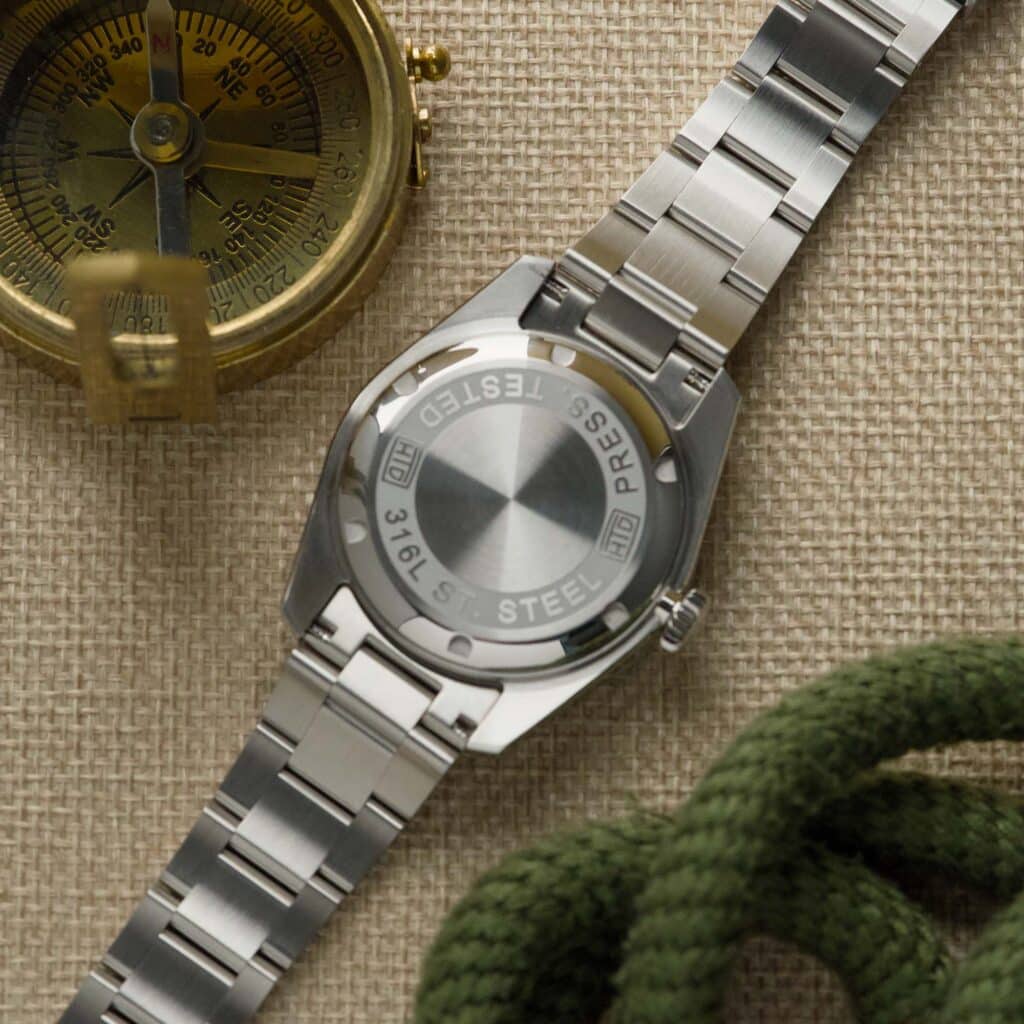
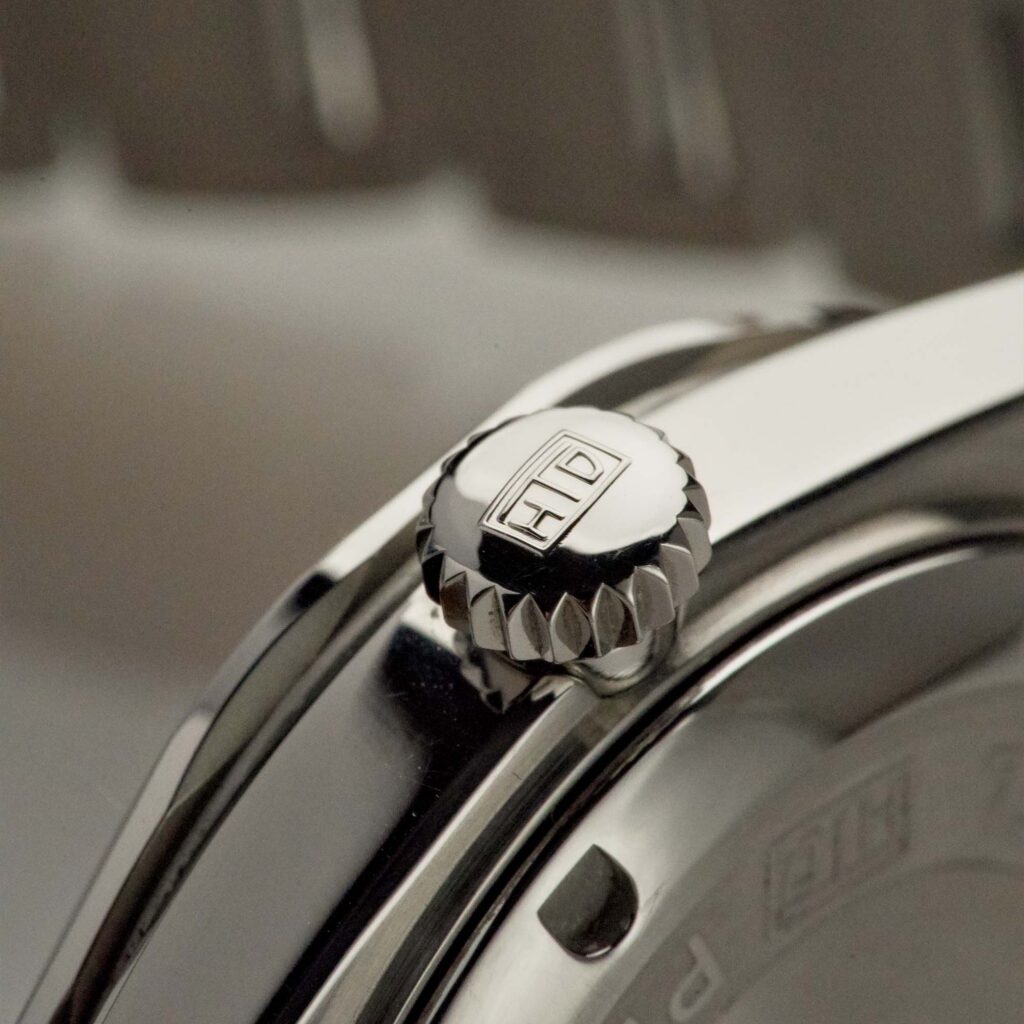
The stainless steel case measures 39mm in diameter, 47mm lug-to-lug, and 12.4mm thick. There’s a domed sapphire crystal, a screw-down crown, and a bidirectional bezel with a 24-click ball-bearing mechanism. HTD claims the updated mechanism improves precision, although I’d want to handle one before forming an opinion about the bezel action.
Inside is the Miyota 9075 automatic movement, which offers independently adjustable local hours. It’s a flyer GMT configuration, allowing travelers to change the local time without disturbing the GMT hand. The movement runs at 28,800 vibrations per hour and has a 42-hour power reserve. HTD regulates the movements in Florence, although the brand doesn’t provide a specific accuracy rating.
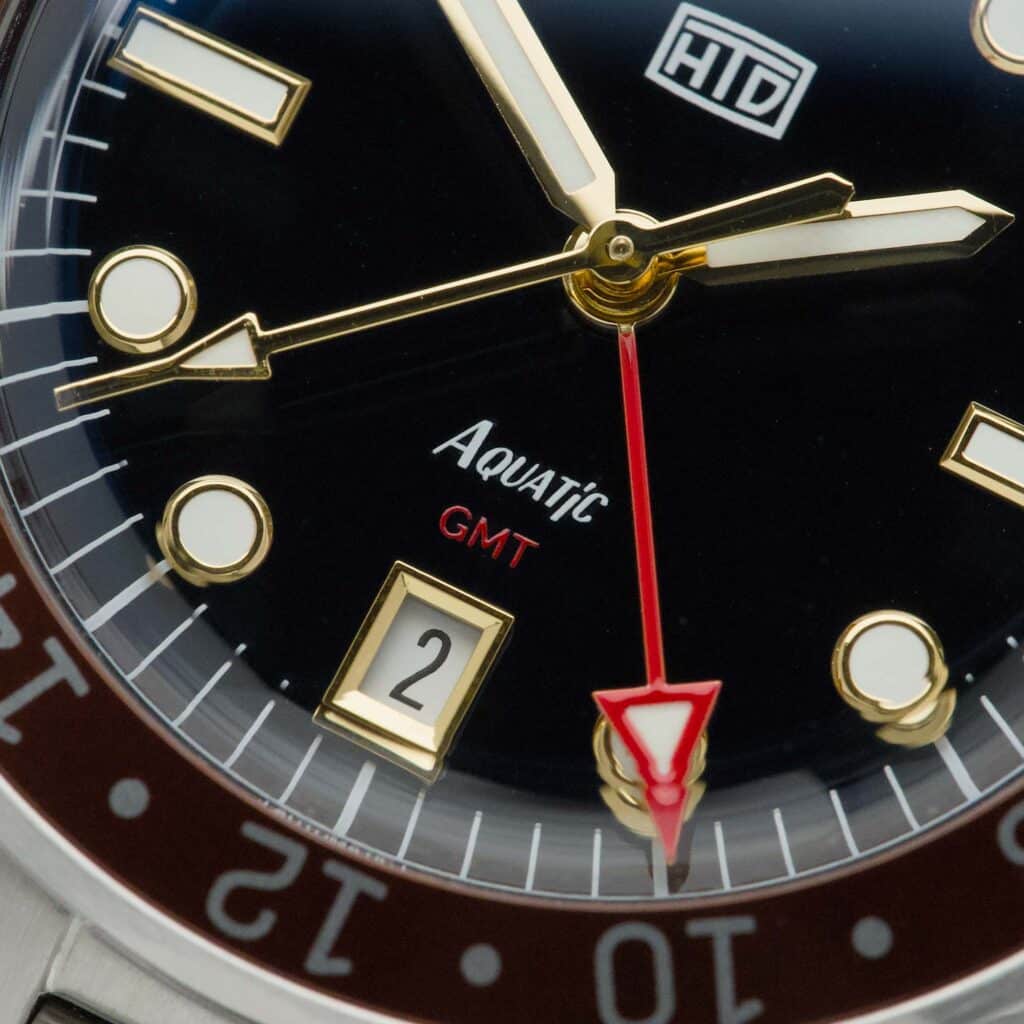
The dial uses BGW9 Super-LumiNova, and each version comes fitted to a stainless steel three-link bracelet. The solid caseback is another detail I appreciate. It feels appropriate for a watch drawing so heavily from vintage sports watch design.
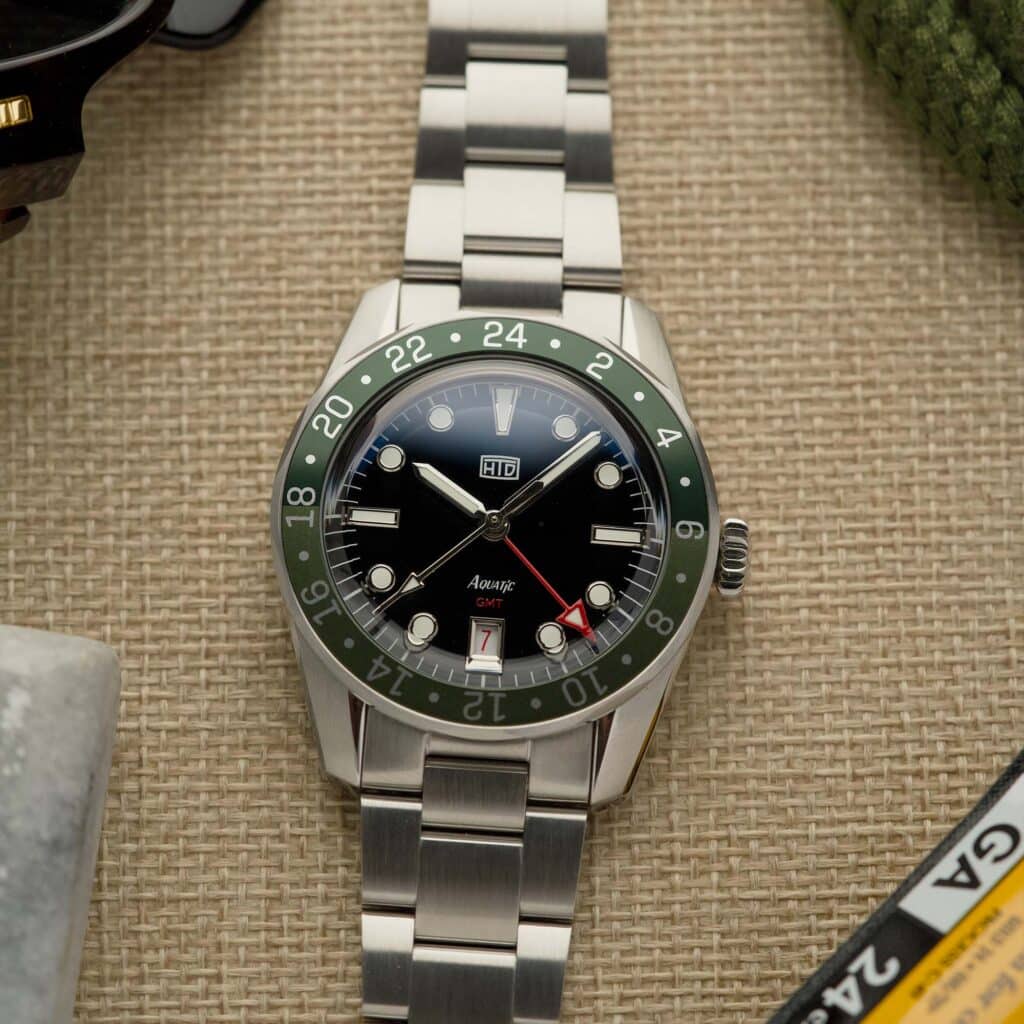
At approximately $1,118, the Aquatic GMT is approaching a price where I’d start comparing it with some fairly established independent GMT options. In my opinion, it’s a little expensive, although the design and movement choice help explain the asking price.
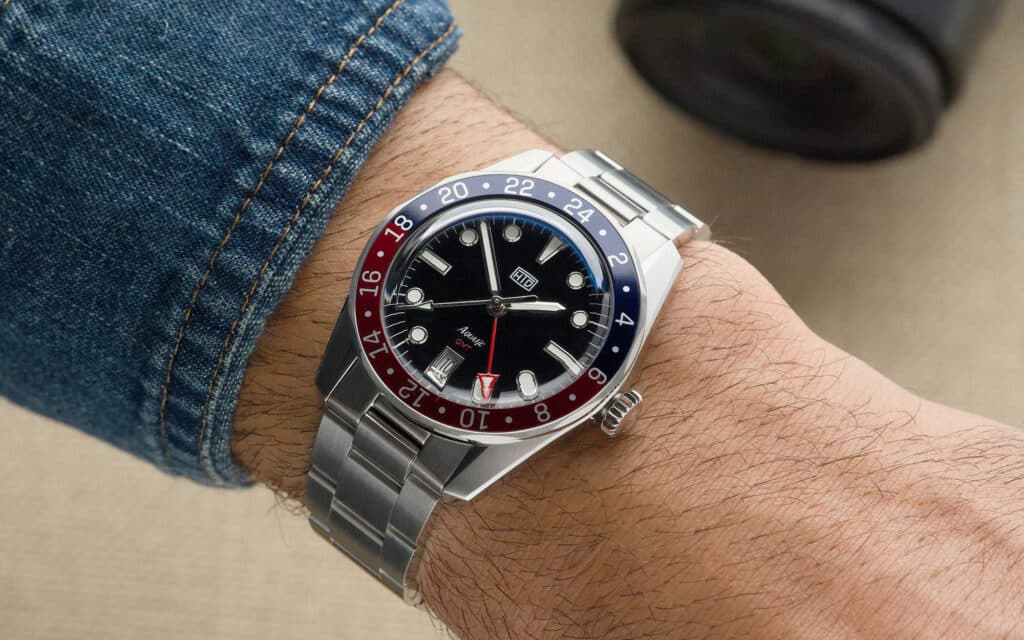
I haven’t handled an HTD watch yet, and I’m curious about the finishing, bracelet, and bezel operation. Those details would influence how I feel about the price. For now, I think HTD has done a good job interpreting a familiar design without making the whole thing feel overly complicated. The Aquatic GMT caught my attention through a photograph, and I’d like to see whether that interest holds up in person.

Co-Founder & Senior Editor
Michael Peñate is an American writer, photographer, and podcaster based in Seattle, Washington. His work typically focuses on the passage of time and the tools we use to connect with that very journey. From aviation to music and travel, his interests span a multitude of disciplines that often intersect with the world of watches – and the obsessive culture behind collecting them.