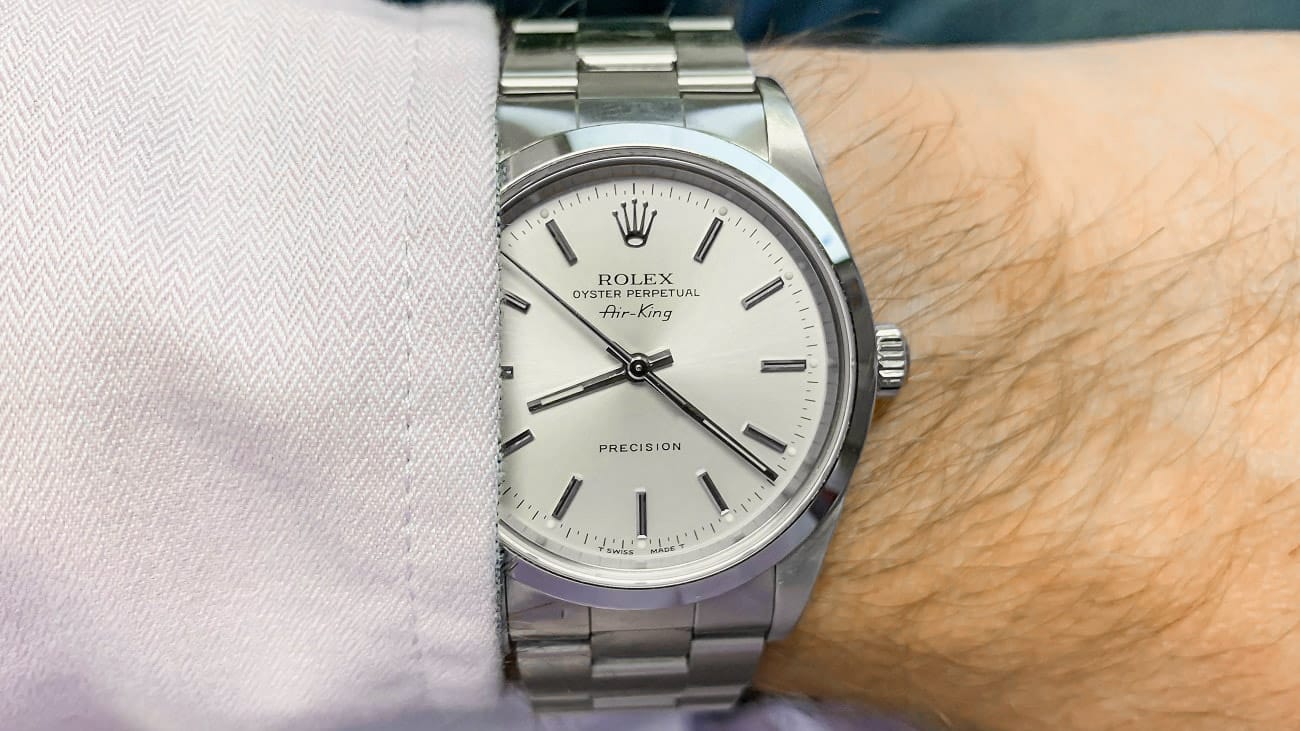
There’s something appealing about an older Rolex that has survived decades without losing its original personality. The smaller cases, restrained dials, and relatively uncomplicated designs can feel refreshing compared with modern watches that seem determined to become larger and more elaborate with every generation. Unfortunately, buying an older watch also means accepting a few uncertainties. Service history, replacement components, previous repairs, and the condition of the movement can all complicate what might otherwise seem like a straightforward purchase.
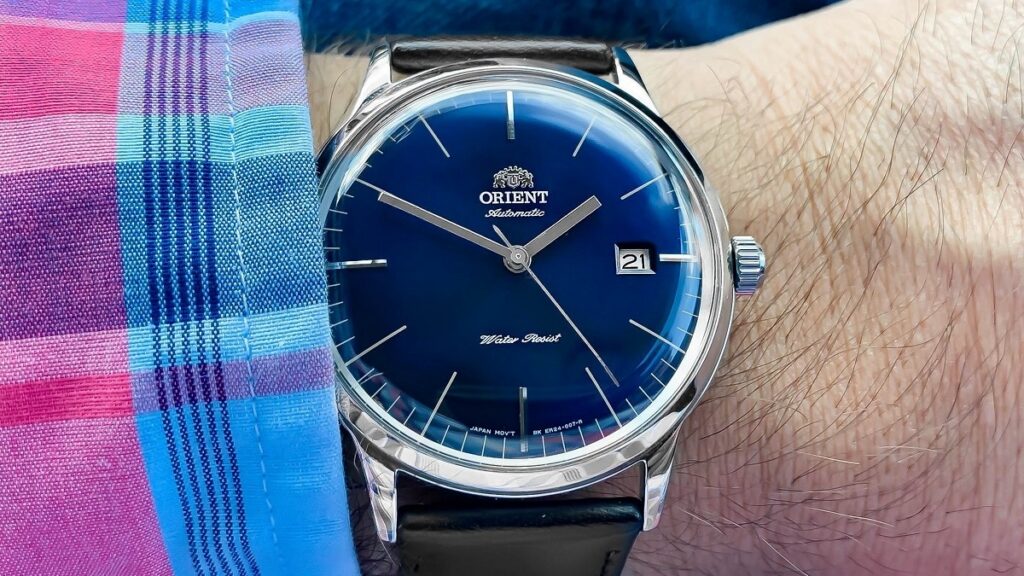
The Rolex Air-King reference 14000 and Orient Bambino present an interesting opportunity to explore whether that experience can be recreated without buying an older watch. The Air-King is fundamentally an everyday Oyster watch, but its compact proportions and understated styling give it the elegance of a traditional dress watch. The Bambino approaches the equation from the opposite direction, offering vintage-inspired dress-watch aesthetics in a new, affordable package. We’ve spent hands-on time with both, and we’re interested in whether the Orient can deliver enough of the same charm to make the expense and potential complications of owning an older Rolex feel unnecessary.
Overview and Identity
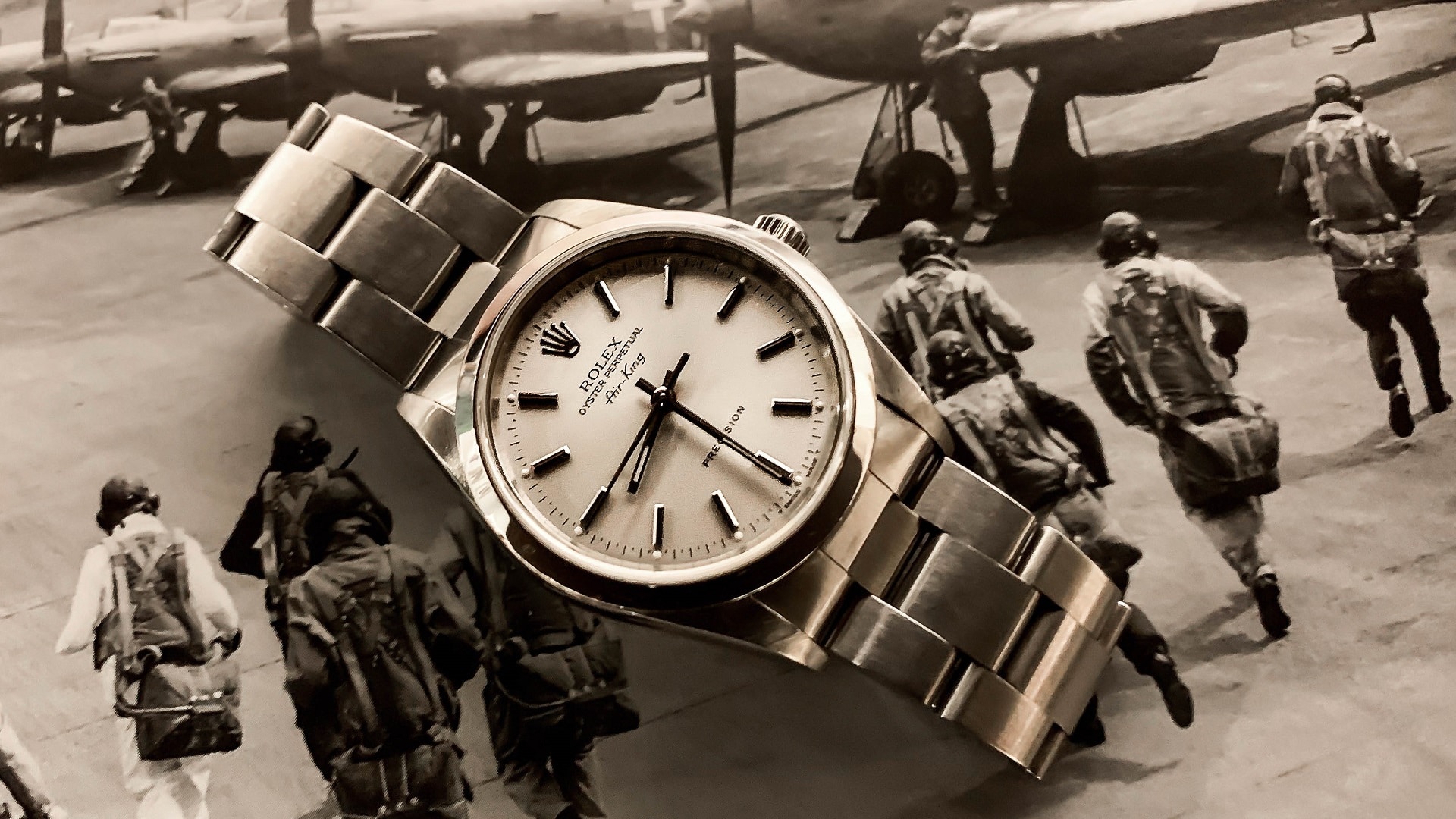
The Rolex Air-King occupies a distinctive position within the company’s history. Originally introduced as part of a series honoring British Royal Air Force pilots, it eventually became one of the most understated ways to own a Rolex sports watch. Produced from 1989 through 1999, the reference 14000 occupies what collectors often call the neo-vintage era, combining traditional Rolex proportions with more modern features like a sapphire crystal and the automatic caliber 3000. When we reviewed the Rolex Air-King 14000, we borrowed an example from a family member who had owned it since the late 1990s. That history was part of what made the watch interesting. We weren’t examining a carefully preserved collector’s piece that had spent its life in a safe, but a watch that had been worn, maintained, and enjoyed through decades of ownership. Although the Air-King was designed as an everyday Oyster watch rather than a dedicated dress watch, its compact proportions and understated dial make it equally comfortable in more formal settings.
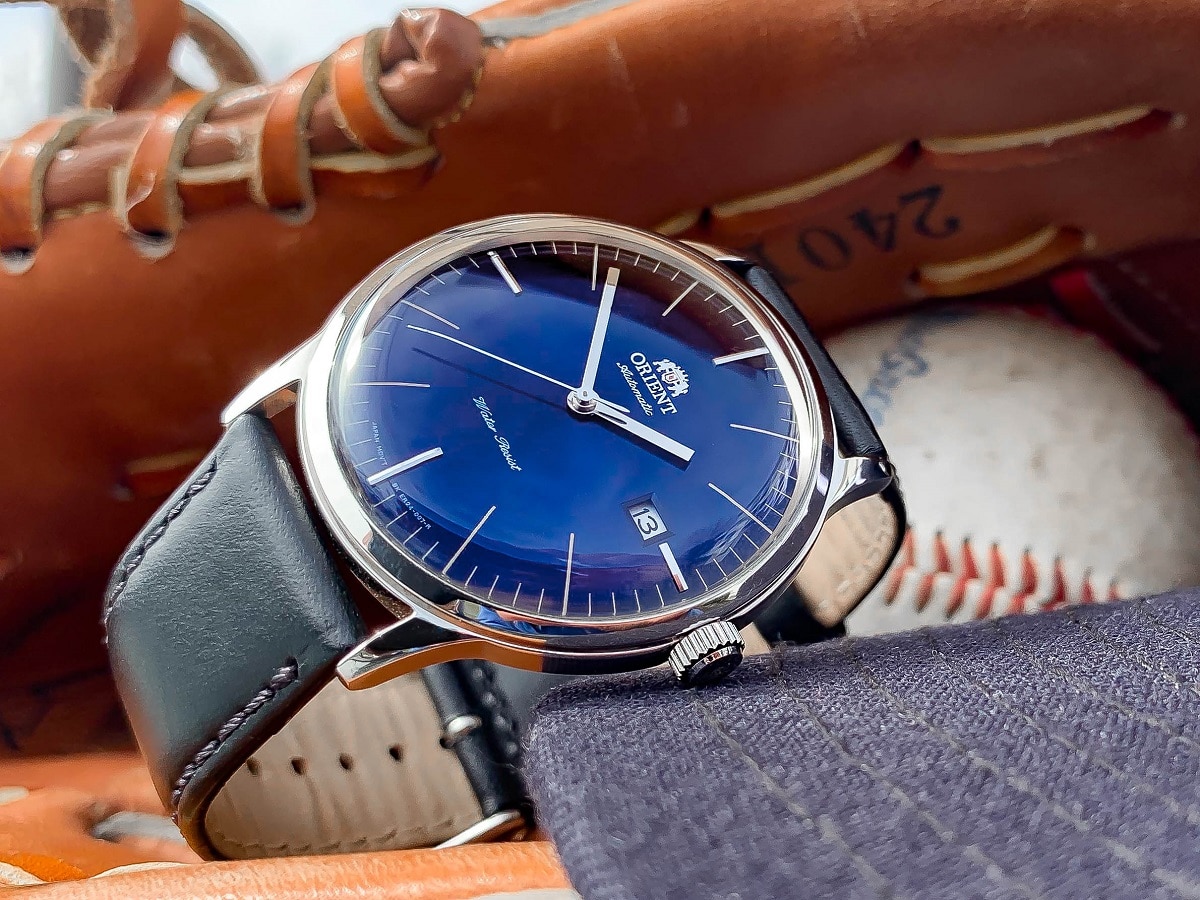
The Orient Bambino comes from a completely different background, although its appeal draws on some familiar ideas. Orient has spent years developing relatively inexpensive mechanical watches that allow enthusiasts to experience traditional watchmaking without committing thousands of dollars. The Bambino has become one of the brand’s most recognizable designs, available in numerous dial configurations and case styles that range from distinctly vintage-inspired to relatively contemporary. Our hands-on review focused on the blue-dial Version 3, which uses a cleaner and more modern arrangement than some of the collection’s other references. We approached it wondering whether the enthusiastic reputation was justified, particularly given how little it costs compared with established Swiss dress watches.
Dial and Straps/Bracelets: Rolex’s Understated Elegance vs Orient’s Modern Interpretation
The Rolex Air-King 14000 features a silver dial with an exceptionally subtle sunburst finish that becomes more noticeable as light moves across its surface. It’s a restrained design, using eleven simple baton markers with the familiar Rolex coronet occupying twelve o’clock. There’s no date complication, magnifier, or elaborate decorative treatment to distract from the basic arrangement. We particularly appreciated how little text Rolex included on the dial, allowing the proportions and finishing to carry much of its visual appeal. The result is something that feels unmistakably connected to the 1990s without appearing trapped in that period. It’s a dial that could easily accompany a suit or a casual shirt without looking particularly out of place.
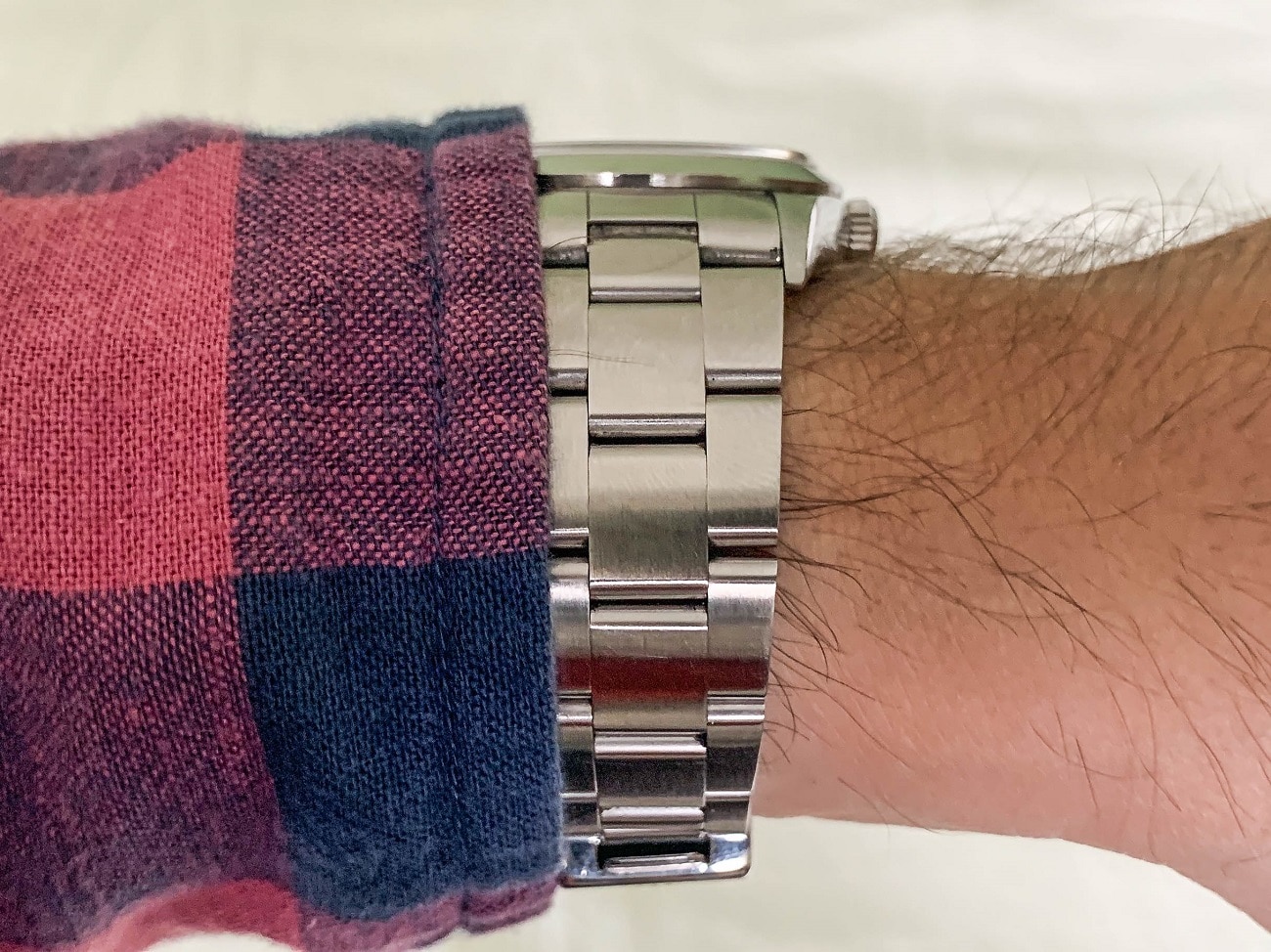
The bracelet contributes just as much to that impression. Our Air-King came fitted with the original Oyster bracelet, which measures 19mm between the lugs before tapering to approximately 14mm at the clasp. That relatively narrow profile suits the modest case beautifully, helping the watch feel considerably more elegant than a modern sports Rolex. The clasp lacks the safety-locking arrangement found on some contemporary models, but we never felt that the watch was unsecured during our time wearing it. We were also surprised by how well the bracelet had aged. Despite decades of ownership, it showed very little of the excessive stretching associated with poorly maintained examples. It was a useful reminder that an older bracelet can still provide a satisfying wearing experience when properly cared for.
The Orient Bambino Version 3 offers a more contemporary interpretation of a traditional dress-watch dial. Its deep blue finish was easily our favorite aspect of the watch, with a saturated appearance that reminded us of looking into exceptionally clear water. Orient uses simple geometric markers and polished hands, creating an arrangement that feels clean and relatively sophisticated for the price. Unfortunately, the execution introduces a few practical problems. The reflective indices, hands, dial, and domed crystal can combine to make the time surprisingly difficult to read under certain lighting conditions. We also found the hands somewhat short relative to the curvature of the crystal, diminishing the legibility that we’d normally expect from such a straightforward three-hand design.
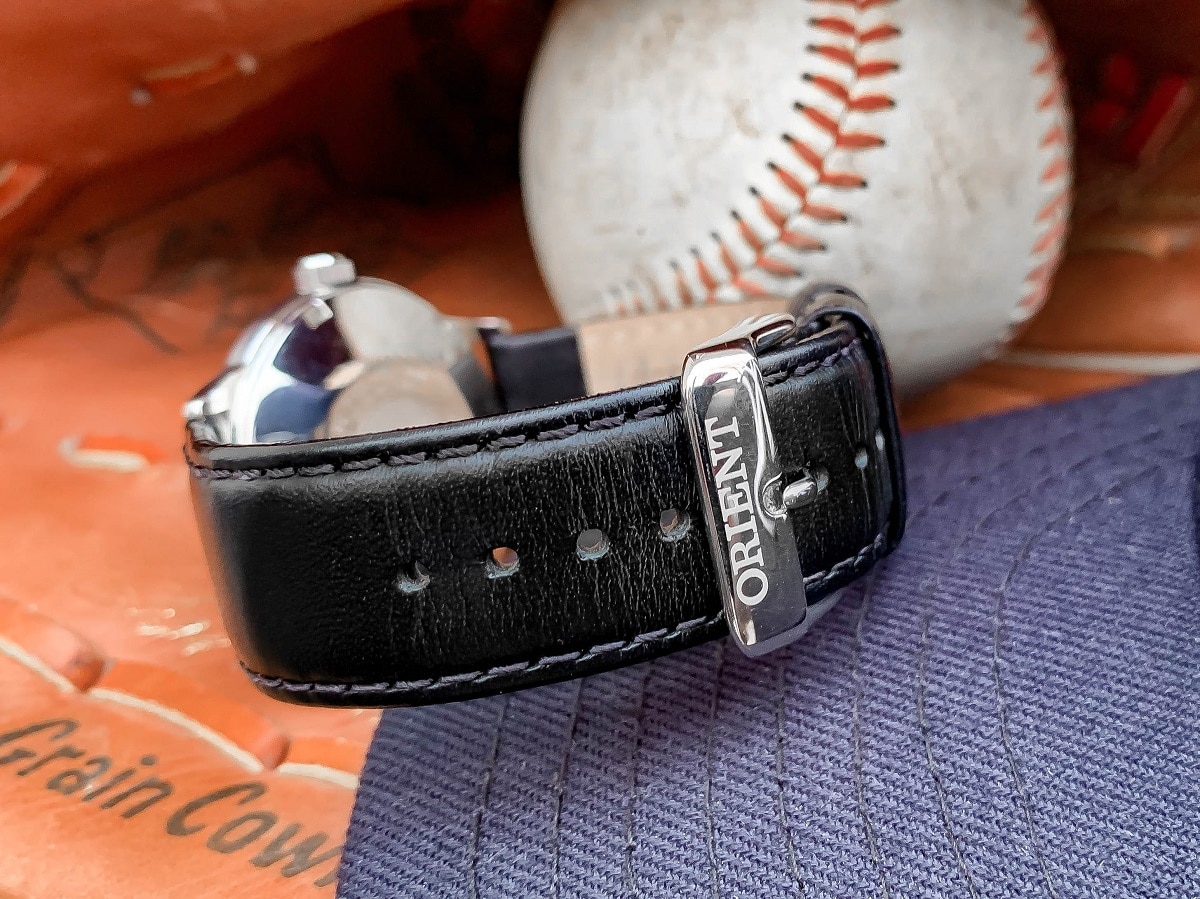
The Bambino arrives on a black leather strap measuring 21mm at the lugs, tapering slightly toward its conventional buckle. We weren’t expecting much given the watch’s price, and the leather certainly doesn’t feel particularly expensive. Nevertheless, it proved comfortable throughout our review, with enough flexibility to sit naturally against the wrist without becoming overly bulky. Friends and coworkers who tried the watch also responded positively to the overall fit. The unconventional lug width may limit some replacement options compared with more common sizes, although compatible aftermarket straps are available. We wouldn’t confuse the Bambino’s leather with the construction quality of the Rolex bracelet, but Orient has included something that works reasonably well with the watch’s intended character.
Build Quality & Technical Approach
Both watches demonstrate how much can be accomplished with a relatively simple automatic design. Neither relies on elaborate complications or oversized cases to establish its appeal. Instead, the differences emerge through movement execution, finishing, materials, and the compromises each manufacturer was willing to make. The Rolex represents an older example of Swiss watchmaking built to remain serviceable for many years, while the Orient offers a modern mechanical experience with affordability as one of its central priorities.
Movements
The Rolex Air-King 14000 uses the in-house caliber 3000 automatic movement, offering approximately 42 hours of power reserve when operating to its original specifications. Unlike some other Rolex movements of the period, this particular caliber wasn’t chronometer certified, although that didn’t prevent our example from performing respectably. During our hands-on review, it ran approximately seven seconds slow per day, which we considered encouraging for a watch of its age and maintenance history. We also appreciated how quickly the movement restarted after being handled. There was something satisfying about picking up an older mechanical watch and watching it return to life almost immediately.
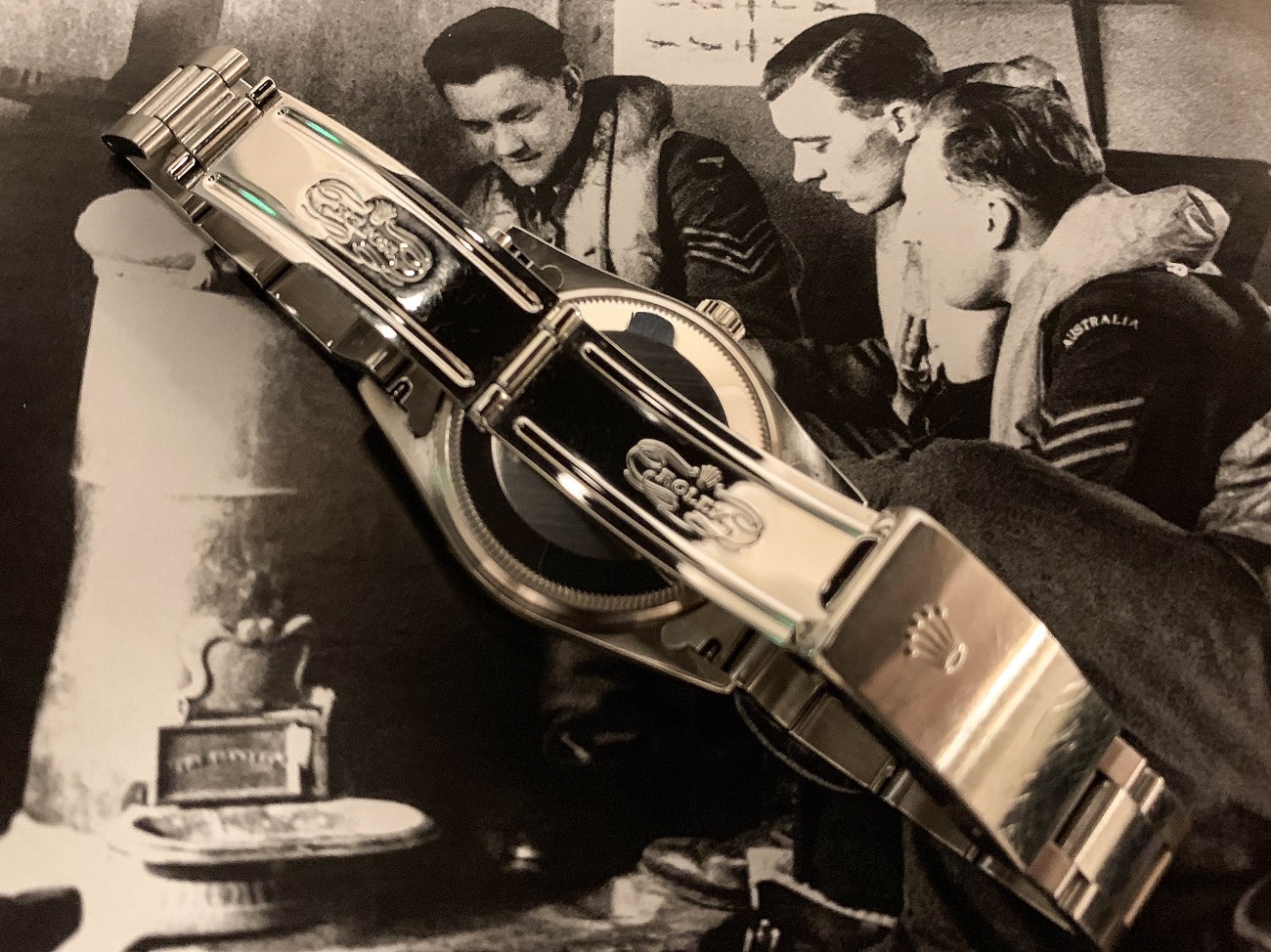
The movement also revealed one of the realities of owning an older Rolex. Our example had gone roughly twenty years without a complete service, and its owner had already encountered a problem with the winding rotor that required a costly repair. The manual winding action was also becoming noticeably rough, suggesting that more comprehensive maintenance was overdue. None of this means that the caliber 3000 is inherently unreliable. Rather, it illustrates how the condition of an individual vintage watch can matter considerably more than its original specifications. A well-maintained example may perform beautifully, while one with a neglected service history can introduce expenses that aren’t obvious from the asking price.
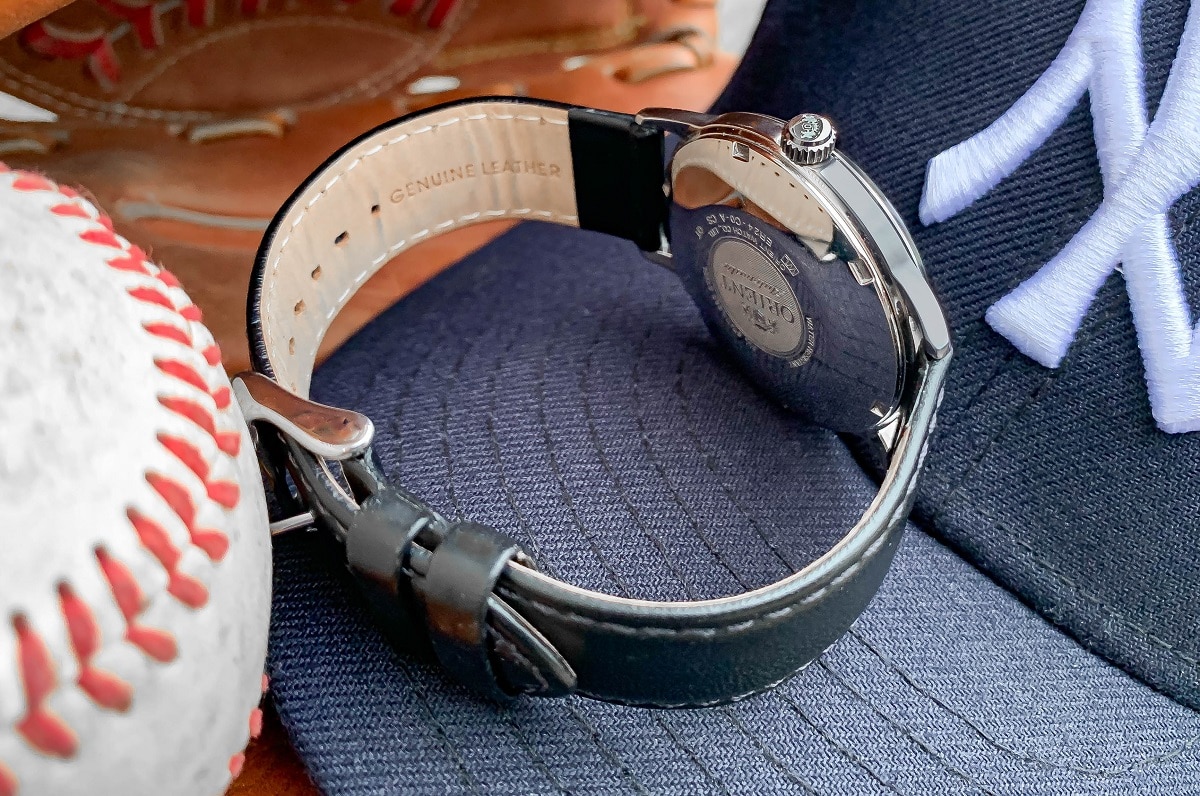
The Orient Bambino Version 3 uses the company’s in-house F6724 automatic movement, which provides both hacking seconds and manual winding. Those features are particularly welcome in an inexpensive mechanical watch, especially for someone beginning to explore the category. We weren’t completely satisfied with its operation, however. The rotor was noticeably loud, and during our review we struggled to achieve more than approximately thirty hours of running time after winding. The movement is perfectly adequate for the watch’s intended purpose, but it didn’t provide the same impression of refinement as the Rolex. That said, buying a new Orient means starting with a fresh movement rather than inheriting another owner’s maintenance decisions, which is a meaningful advantage for someone who values predictable ownership.
Case Construction, Finishing & Wearability
The Rolex Air-King 14000 measures just 34mm across, approximately 42.8mm lug to lug, and 11.2mm thick. By contemporary standards, those dimensions may sound unusually small for a men’s sports watch, and we initially had some reservations about how it would look on a 6.75-inch wrist. The feeling didn’t last particularly long. After wearing it for a few hours, the compact proportions began making considerably more sense, especially when we considered how easily the watch disappeared beneath a shirt cuff. The slender lugs and smooth bezel give the Air-King a visual balance that feels distinctly different from many modern Rolex cases.
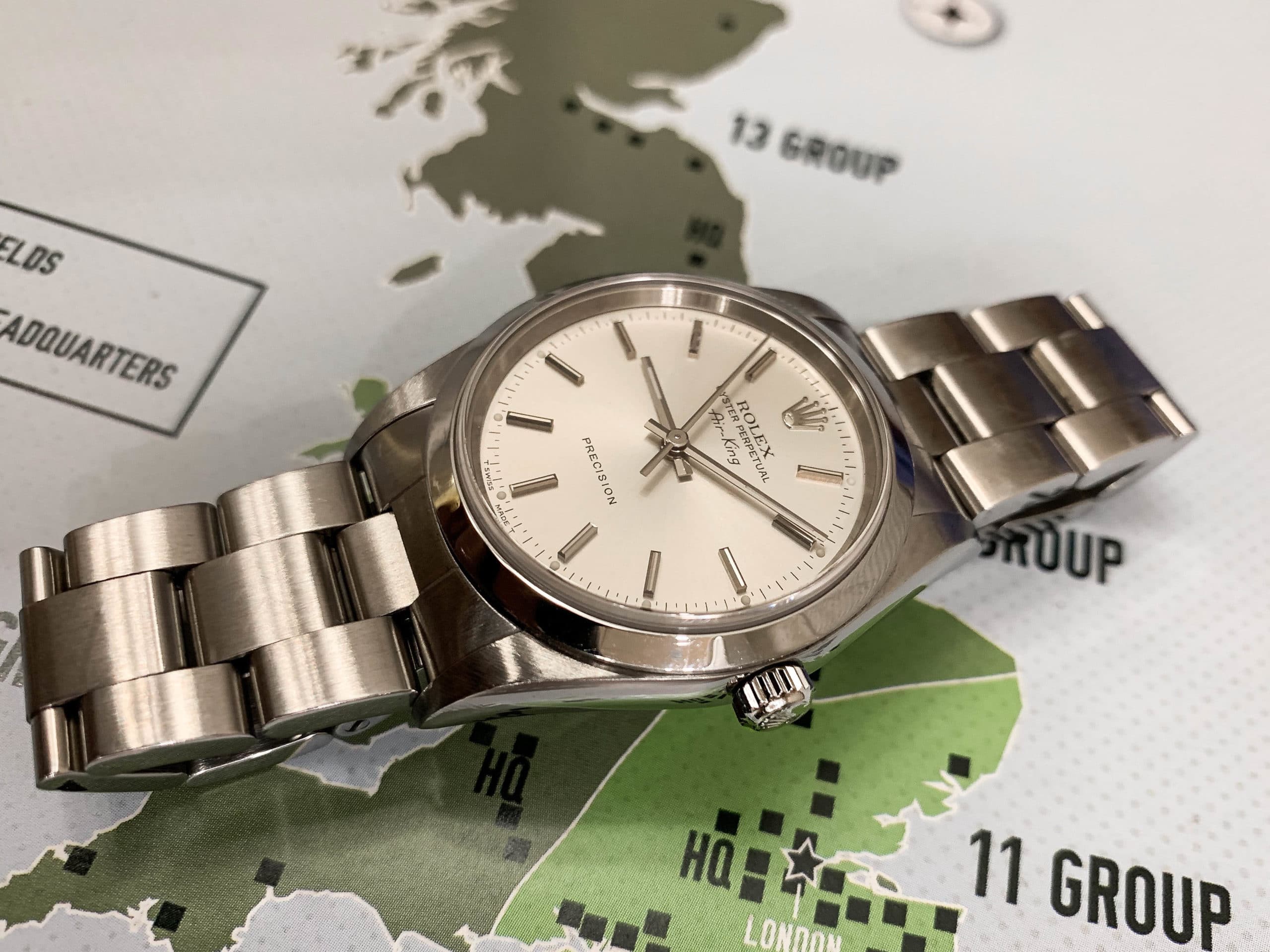
The case finishing is another area where the Air-King’s age works in its favor aesthetically. The relatively narrow, sharply defined lugs provide a lighter appearance than the thicker designs that eventually became common across Rolex’s modern sports collections. We were impressed with the overall quality of the stainless steel construction, particularly given how many years the example had spent in regular ownership. The signed Twinlock crown operated as expected, although the condition of any older seals deserves consideration before exposing a vintage example to water. There’s nothing particularly extravagant about the case, and that’s exactly why we appreciated it. Rolex achieved a remarkable sense of proportion without relying on additional decoration or unnecessary bulk.
The Orient Bambino Version 3 measures 40.5mm across, with a considerably shorter 44.3mm lug-to-lug distance and an overall thickness of approximately 12mm. Those figures suggest a watch that should wear substantially larger than the Air-King, but the actual experience is more nuanced. The short lugs angle gently toward the wrist, while the smooth bezel and relatively compact overall footprint help the case appear smaller than its diameter might suggest. We found the Bambino particularly comfortable, and the friends and coworkers who tried it reached much the same conclusion. It’s a useful reminder that case diameter alone tells us relatively little about how a watch will feel.
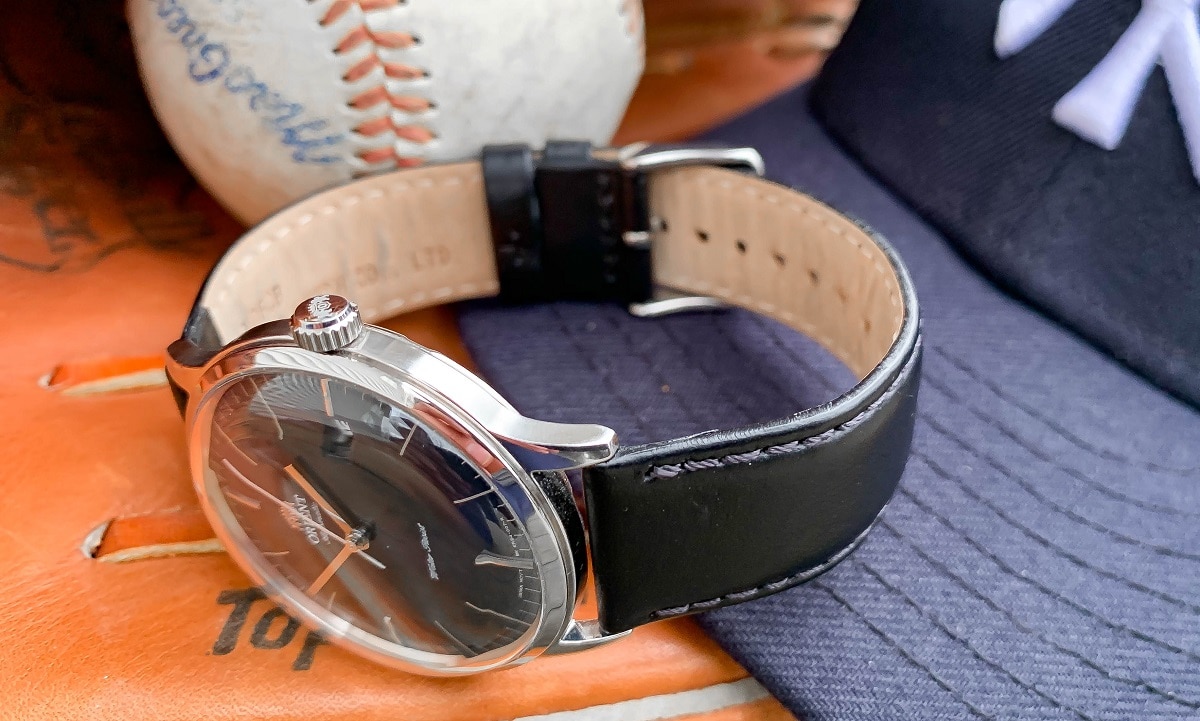
Orient’s finishing is understandably less elaborate, although the company made some sensible decisions about where to concentrate its resources. The polished stainless steel case creates attractive reflections around the dial, and the gently curved lugs contribute to the comfortable wearing experience. Our biggest ergonomic criticism concerned the crown, which measures approximately 5.3mm and proved more difficult to manipulate than we’d prefer. That’s disappointing on a manually windable automatic watch, where interacting with the crown should be part of the enjoyment. Even so, the overall construction feels appropriate for the price. The Bambino doesn’t reproduce every aspect of the Air-King’s refinement, but its case design offers genuine comfort without requiring vintage proportions.
Crystals

The Rolex Air-King 14000 features a sapphire crystal paired with a smooth polished bezel, an arrangement that helps distinguish it from older watches that rely on more delicate acrylic crystals. The combination reinforces the clean appearance of the silver dial and provides a reassuring degree of scratch resistance for ordinary wear. We appreciated how naturally the bezel integrates with the rest of the case, drawing attention toward the dial without becoming a prominent decorative feature. There’s very little here that feels excessive. The Air-King demonstrates how an uncomplicated case and crystal arrangement can remain attractive long after the original design period has passed.
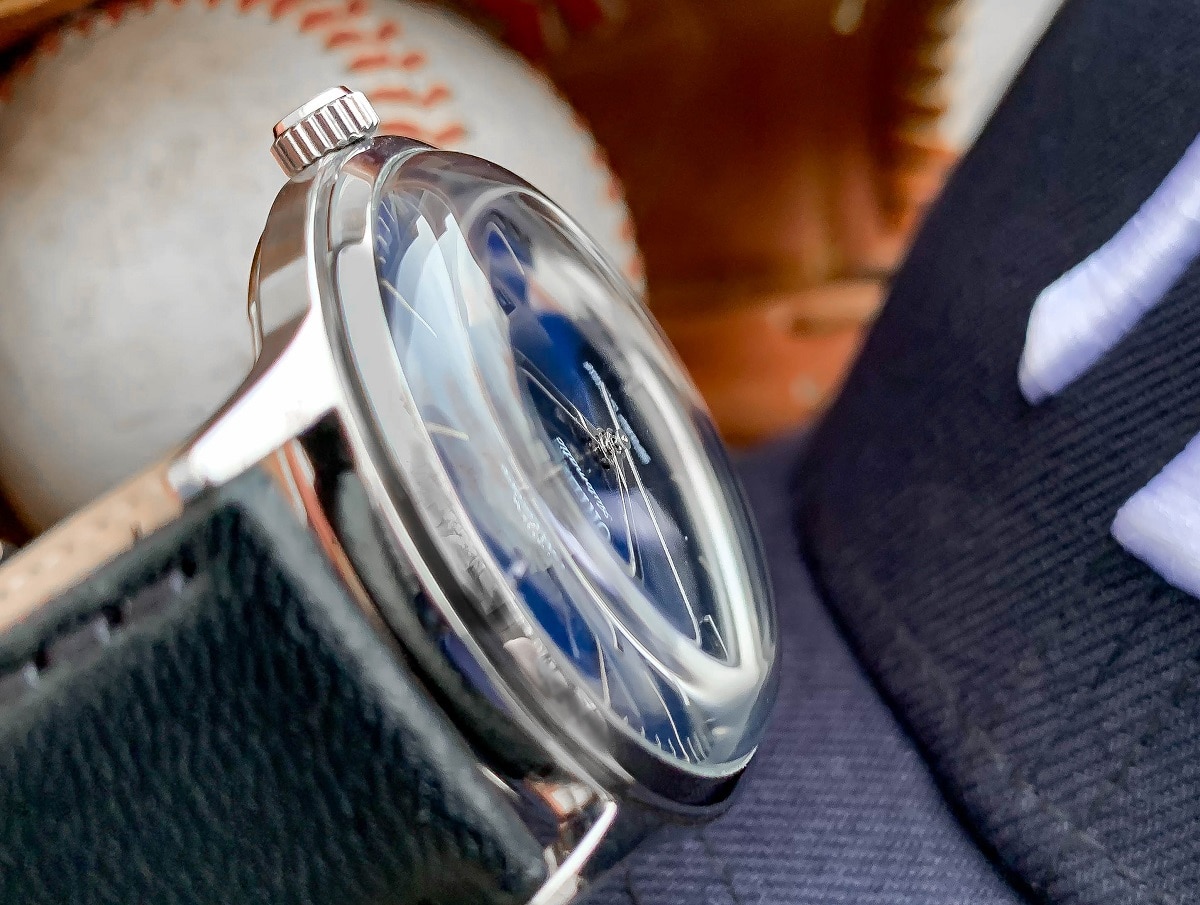
The Orient Bambino takes a different approach with its prominently domed mineral crystal and closely fitted smooth bezel. The curvature is central to the watch’s appearance, introducing the kind of distortion and reflected light that collectors often associate with older dress watches. We appreciated the visual effect, particularly from an angle where the crystal rises noticeably above the case. Unfortunately, that character comes with a compromise. The reflections can become distracting, and we found the watch particularly difficult to photograph because of how much light bounced across the dial. The Bambino arguably provides more obvious vintage-inspired visual drama, while the Rolex offers a cleaner and more practical presentation.
Water Resistance & Lume
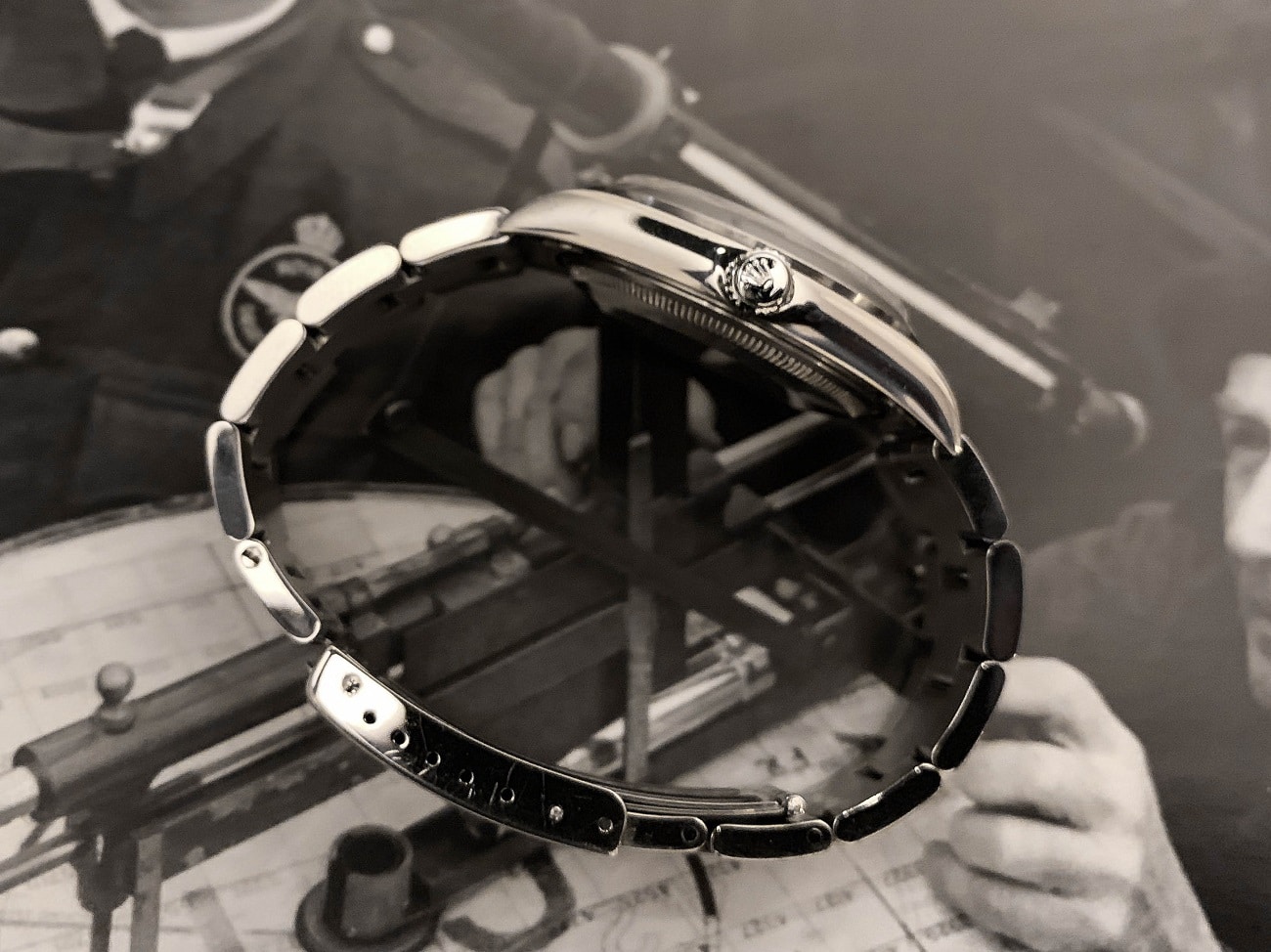
The Rolex Air-King 14000 uses an Oyster case and Twinlock screw-down crown, with a water-resistance rating of 100 meters when the watch meets its intended specifications. That’s considerably more protection than we’d normally expect from something with such understated, dress-friendly proportions. The dial also features tritium luminous material on the hour markers and hands, identified by the period-correct markings near six o’clock. Given the age of the watch, we wouldn’t expect its original tritium luminous material to provide anything approaching the brightness of modern Super-LumiNova. Tritium loses effectiveness over time, and any remaining glow depends on the condition and originality of the dial and hands. The larger concern for a prospective owner is the condition of the seals, since a decades-old watch shouldn’t automatically be treated as water-resistant without appropriate inspection and testing.

The Orient Bambino Version 3 is rated to just 30 meters of water resistance, placing it firmly in the dress-watch category rather than among watches intended for swimming or outdoor activities. We wouldn’t recommend submerging this model, particularly when a small amount of moisture resistance is enough for the situations it’s designed to handle. The watch also lacks luminous hands and markers, so readability depends on the available ambient light. That isn’t necessarily surprising for a traditional dress watch, but it does highlight an important difference between the two models. Despite its age, the Air-King was engineered with considerably more practical versatility, while the Bambino concentrates on appearance and comfort in relatively controlled environments.
Cost Considerations
The Rolex Air-King 14000 occupies an interesting position within the vintage Rolex market because it offers much of the brand’s familiar quality without the elaborate complications or attention associated with more expensive sports references. Current pre-owned market estimates place typical examples around $4,000 to $5,000, although condition, dial configuration, service history, and included accessories can affect what an individual watch commands. That’s still a meaningful investment for a relatively uncomplicated automatic watch, particularly one measuring just 34mm across. For collectors who appreciate traditional Rolex styling, however, the Air-King offers something that modern manufacturers cannot entirely reproduce: an authentic watch from the period that inspired so many contemporary designs.
The purchase price is only part of the equation. Buying an older Rolex also means considering what may have happened during the preceding decades. Our review example had already required a rotor repair, and its lack of comprehensive servicing was becoming increasingly apparent through the winding action. A different example might have a documented maintenance history and require very little immediate attention, but that’s something we’d want to establish before making a purchase. We also need to consider the condition of the bracelet, crown, dial, and other components, since originality and preservation can matter to vintage collectors. None of these concerns makes the Air-King a poor choice, but they require more research than we’d normally associate with buying a new watch.
The blue-dial Orient Bambino Version 3 currently lists for approximately $255 through Orient’s U.S. store, making it an entirely different kind of purchase. At that price, we get a new automatic movement, traditional dress-watch styling, and a comfortable case without needing to evaluate decades of ownership history. The ability to purchase a current model with ordinary manufacturer support also removes much of the uncertainty associated with shopping for an older mechanical watch. The Bambino’s finishing and materials aren’t especially ambitious, and we’d certainly welcome improvements to the crystal and dial legibility. Nevertheless, it’s difficult to ignore just how accessible Orient has made the experience of owning an attractive mechanical dress watch.
We also think it’s important to distinguish affordability from long-term satisfaction. The Bambino is inexpensive enough that its compromises may seem relatively minor, but that doesn’t mean they’re irrelevant. We struggled with the dial’s reflections, found the movement somewhat noisy, and weren’t particularly impressed by the factory strap’s materials. None of those observations prevented us from enjoying the watch, and its comfort and attractive blue dial remain genuine strengths. But the Air-King demonstrates how much more satisfying a carefully executed design can become when the proportions, dial, bracelet, and overall construction work together. Spending less removes some financial risk, although it doesn’t necessarily reproduce the entire experience of owning a more refined watch.
Ultimately, the Bambino is the more sensible purchase for someone primarily interested in traditional aesthetics without the financial commitment of vintage Rolex ownership. The Air-King offers a level of finishing, authenticity, and historical connection that the Orient can’t quite replicate, but those qualities carry a substantial premium and the potential for additional maintenance expenses. We wouldn’t suggest that the Rolex needs to justify its price through specifications alone, since collecting older watches is often about the experience of owning something from another era. But if we’re concentrating on how much enjoyment we can reasonably expect from an attractive automatic dress watch, the Bambino makes an appealing argument for keeping things simple.
Final Thoughts: Rolex Air-King 14000 or Orient Bambino?
The Rolex Air-King 14000 reminded us why older Rolex watches continue to attract collectors who appreciate understated design. Its compact Oyster case, beautifully proportioned bracelet, and exceptionally clean dial have a kind of natural elegance that doesn’t depend on fashionable details or an oversized presence. We were also impressed by how easily the watch adapted to different situations during our time wearing it. The movement and bracelet had clearly survived years of ownership, although the developing maintenance concerns were equally important to acknowledge. It’s an attractive example of what makes vintage collecting rewarding, provided we’re prepared to accept the responsibilities that accompany it.

The Orient Bambino Version 3 offers a different proposition. Its comfortable case, striking blue dial, and domed crystal capture several qualities that make traditional dress watches appealing, but the experience feels more contemporary than the Rolex. That’s not necessarily a criticism. Someone buying the Bambino isn’t paying for decades of history or the preservation of original components. They’re buying an inexpensive automatic watch that looks appropriate in formal settings and offers enough mechanical character to be interesting. We would have appreciated better dial legibility, a quieter rotor, and slightly more substantial strap materials, but the overall package remains appealing for the money.
Where the distinction becomes most interesting is in the idea of vintage charm itself. The Bambino can reproduce some of the visual cues we associate with older watches, particularly the domed crystal, restrained case design, and relatively uncomplicated dial. What it cannot reproduce is the experience of owning a watch that genuinely comes from another period. The Air-King’s proportions, aging components, and personal history are integral to its identity, and those qualities can’t be created simply by borrowing a familiar design language. On the other hand, none of those details is essential for someone who primarily wants a good-looking automatic watch to wear with a jacket or shirt.
Our pick for the original premise is the Orient Bambino, although the distinction between vintage charm and genuine vintage character matters. The Air-King offers an authenticity that a modern watch simply can’t reproduce, from its compact proportions to the history that comes with decades of ownership. But that authenticity also introduces financial and maintenance considerations that aren’t necessarily appealing to everyone. The Bambino doesn’t perfectly recreate the Rolex’s refinement or understated elegance, particularly in the more contemporary Version 3 configuration we reviewed. What it does offer is an accessible way to enjoy traditional watchmaking and vintage-inspired styling without the uncertainties of buying an older watch. For someone attracted to the Air-King’s aesthetic but reluctant to take on the commitment of owning one, that’s a compelling alternative.

Co-Founder and Senior Editor
Kaz has been collecting watches since 2015, but he’s been fascinated by product design, the Collector’s psychology, and brand marketing his whole life. While sharing the same strong fondness for all things horologically-affordable as Mike (his TBWS partner in crime), Kaz’s collection niche is also focused on vintage Soviet watches as well as watches that feature a unique, but well-designed quirk or visual hook.