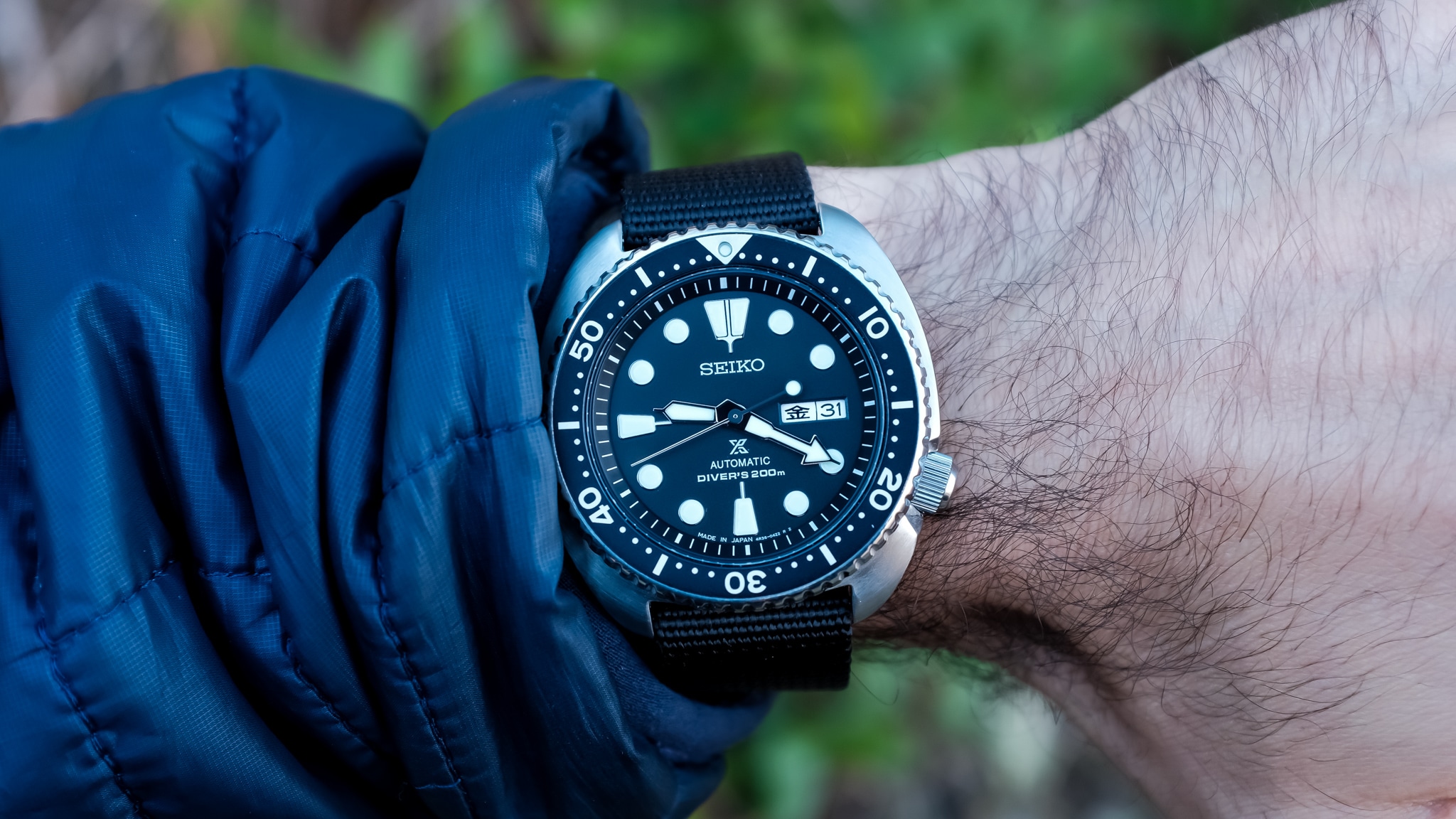
Some affordable dive watch comparisons are easy to call before they begin. This one isn’t. The Seiko Turtle and Citizen Promaster NY0040 have both earned serious attention from watch enthusiasts, and both make a compelling case when you’re looking for an affordable Japanese automatic diver. At TBWS, we’ve spent more than a decade reviewing watches hands-on—wearing them, testing them, and paying attention to the things that only become obvious after the initial excitement wears off. That’s where this comparison gets interesting.
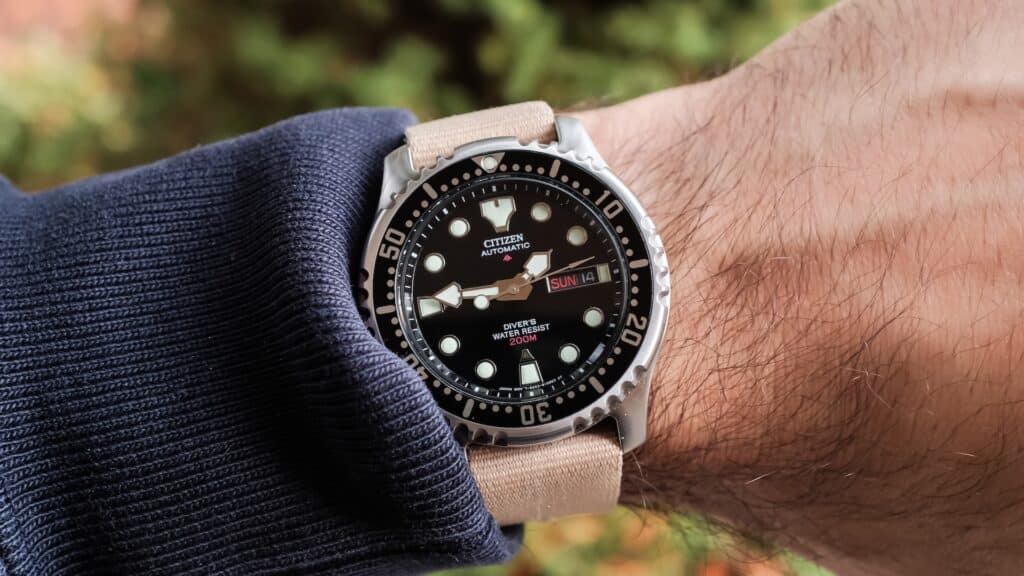
So, does the Citizen NY0040 outclass the Seiko Turtle where it actually matters? That’s what we’re here to find out. We’re not interested in picking a winner because one watch has a louder reputation or a more impressive list of specifications. We want to know which one makes more sense when you’re actually wearing it: which details improve the experience, which compromises start to grate, and which watch gives you more reason to keep reaching for it. After giving both the same kind of scrutiny we bring to our hands-on reviews, we’re digging into those differences without assuming the answer before we start.
Overview and Identity
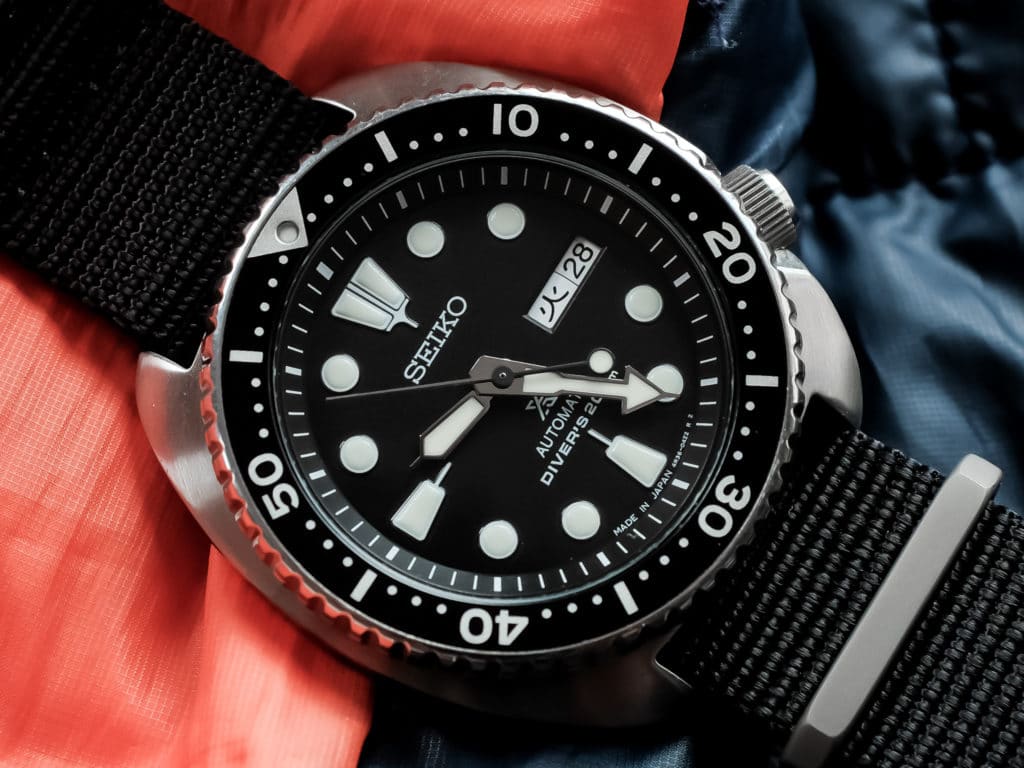
The Seiko Turtle has a lot going for it before you get into the usual enthusiast rabbit holes. We reviewed a JDM SBDY015, a variant of the SRP777, and its appeal comes partly from how faithfully it carries the 6309 diver formula into a modern watch. The “Made in Japan” dial and Kanji day wheel add the sort of small collector bait we all pretend we’re above caring about (until we notice it). More importantly, the Turtle became one of those watches you want to keep around. After years of rotating through watches, we still had this one in the collection, which is probably a better endorsement than another paragraph about why vintage-inspired design is supposedly important.
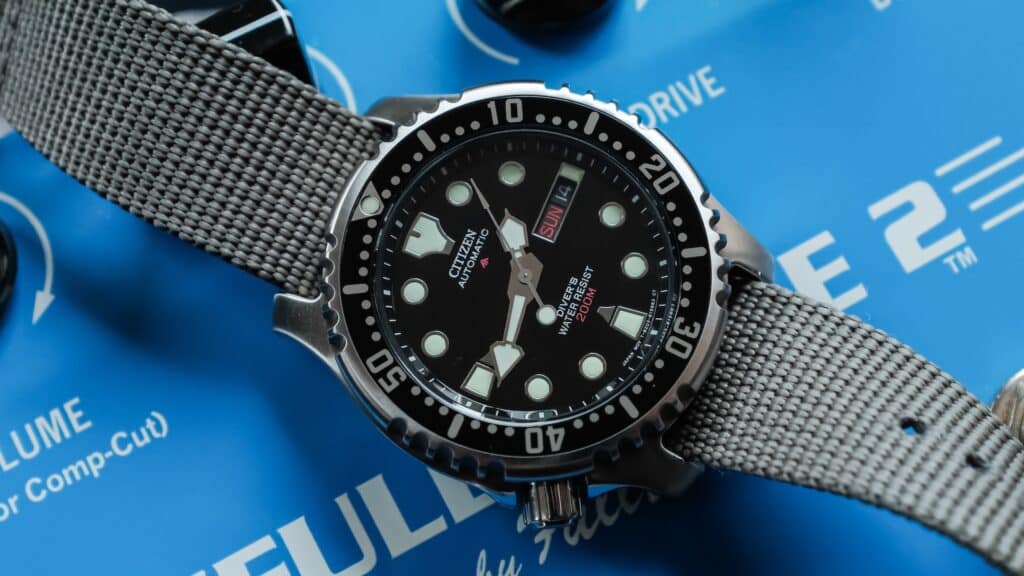
The Citizen Promaster NY0040 starts from a different place. During our testing, the frustrating part wasn’t the watch itself so much as how enthusiasts tend to talk about it. It almost always gets dragged into a Seiko SKX discussion, as though its primary job is to be the other guy’s cheaper replacement. We think that misses the point. Citizen built the NY0040 as a no-nonsense, ISO-rated tool watch issued to professional divers, including Italy’s COMSUBIN unit, and then largely left it to do its job without turning it into an enthusiast event. It stayed in production, sold worldwide, and never picked up the mythology that followed the SKX. There’s something very Citizen about that: build the tool, solve the problem, and don’t worry too much about whether the watch is getting enough attention on the internet.
Dial and Strap Experience: Seiko Personality vs Citizen Purpose
The Seiko Turtle’s dial works precisely because it doesn’t try too hard. The matte-black surface keeps the layout calm and easy to take in, while the chunky markers and hands deliver the instant legibility we’ve come to expect from Seiko divers. On the JDM version we reviewed, the “Made in Japan” text under six adds a little collector flavor, and the Kanji day wheel is an even more niche touch. It looks cool, although calling it functional becomes debatable the second you realize you can’t read what day it is (the perils of taking the enthusiast thing too far). The important part is that these details don’t clutter the dial. The overall impression remains simple, purposeful, and very Seiko.
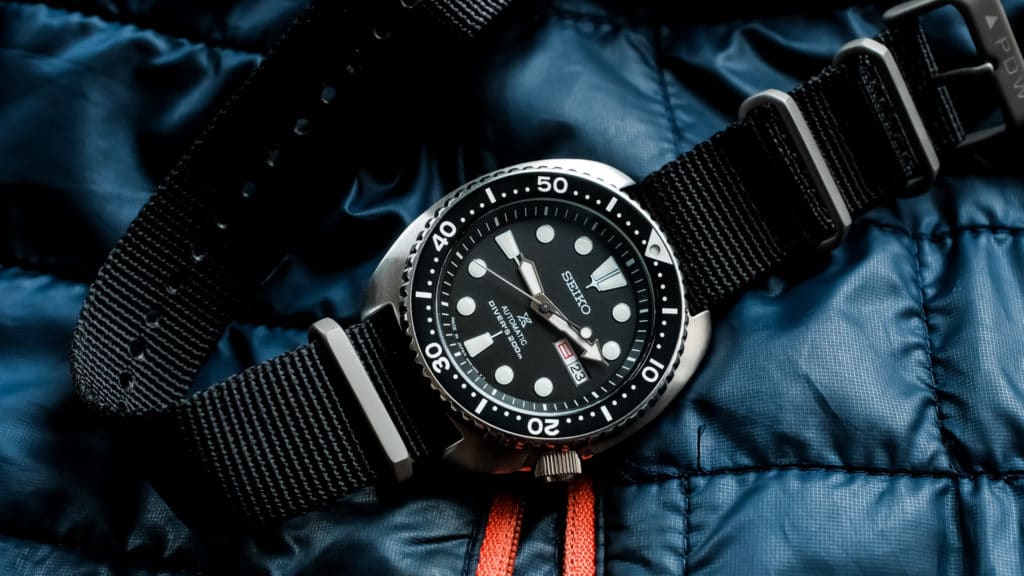
The Turtle gets especially hard to fault for strap flexibility. Seiko’s newer soft vented rubber is a considerable improvement over some of the brand’s older offerings, with a softer feel and a more substantial buckle and steel keeper. We liked it well enough, but the Turtle shines when you start experimenting. We’ve worn it on NATO straps, a Ute strap, and even a Ti-NATO with titanium hardware from Prometheus Design Werx, and the case seems happy with all of them. That’s useful because it lets you change how the watch feels without fighting its basic identity. A Turtle on NATO has always felt like home to us. We didn’t spend hands-on time with the stainless steel bracelet, so we won’t pretend to have an opinion on how that version wears.
The Citizen Promaster NY0040 takes a similarly restrained approach, though the dial feels tighter and more compressed on the wrist. The black dial gives the lighter markers and hands plenty of contrast, while the day-and-date window at three sits neatly inside the layout rather than breaking it up. “Citizen Automatic” appears beneath twelve straightforwardly, and the small red arrow above six adds just enough visual character to keep the dial from feeling sterile. Even the water-resistance marking is presented plainly. Nothing feels added for the sake of filling space, which suits the NY0040’s tool-watch personality. It’s a dial that makes its priorities fairly obvious: give us the information and get out of the way.
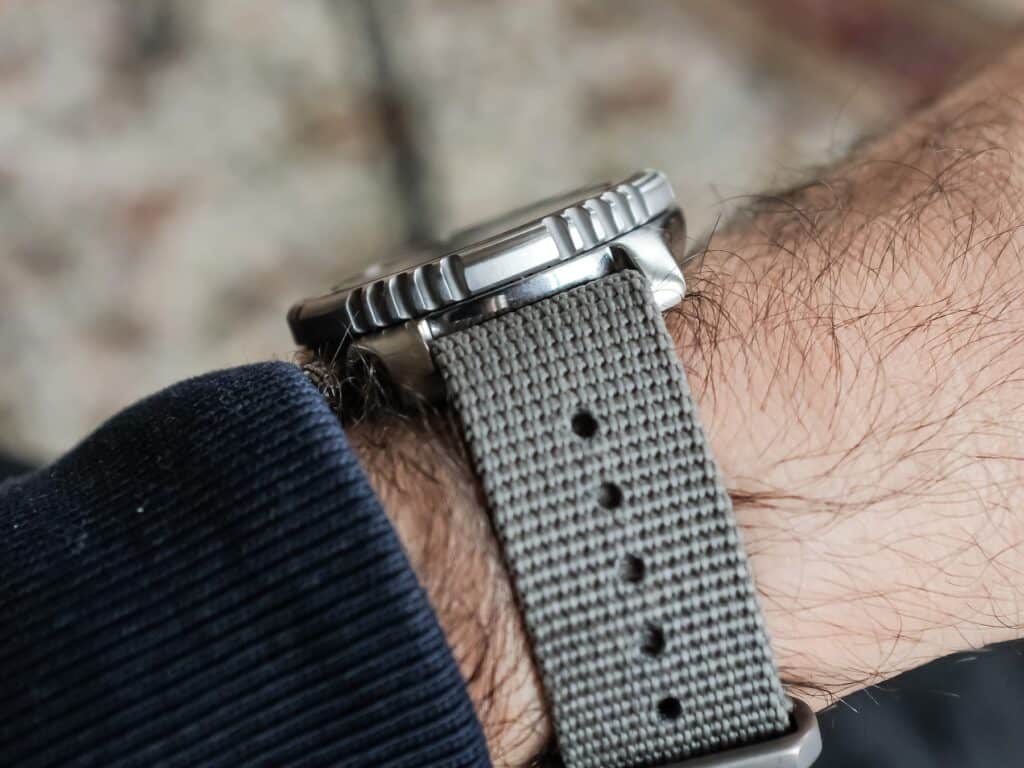
The stock rubber strap is where the Citizen loses some of its initial momentum. As we discussed in our hands-on review, it’s thick and perfectly usable, but it never quite clicked for us, so we moved to NATO straps without much hesitation. Fortunately, the NY0040 is easy to reconfigure, and fabric straps suit its utilitarian character quite well. The watch also has a healthy aftermarket, with purpose-made stainless steel bracelets available if you’d rather go with a more substantial setup. The jubilee-style option from Long Island Watch is particularly interesting because it can change how the watch presents itself without changing the case. That sort of strap flexibility matters more than it sounds when a watch is likely to spend years moving between different moods and outfits.
Build Quality & Technical Approach
The Seiko Turtle and Citizen Promaster NY0040 may look like straightforward automatic divers, but the differences become harder to ignore once you handle and wear them. Bezel action, crown placement, case proportions, movement behavior, and everyday usability tell us far more than another round of spec-sheet trivia. This is where the two watches start showing us what they’re actually like to live with (and where the arguments get more interesting).
Movements:
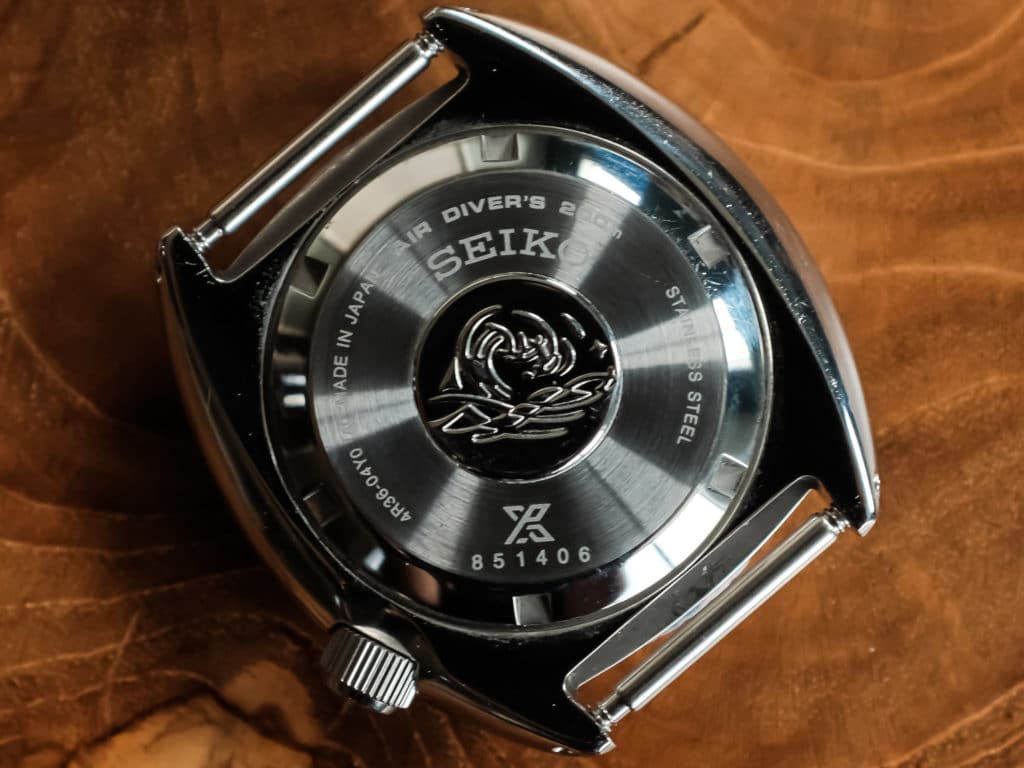
The Seiko Turtle runs Seiko’s 4R36, which is about as unromantic and sensible as an automatic movement gets. It’s essentially the 7S26 formula with hacking and hand-winding added, plus roughly 40 hours of power reserve. In our example, accuracy was comfortably inside Seiko’s stated -35/+45 seconds-per-day range and, thankfully, much better. We’ve seen enough variation from Seiko’s 4R movements to know it can be a little bit of a lottery, though. Still, when you get a good one, there’s not much to complain about. It starts, winds, hacks, and gets on with its business without demanding a degree in horology.
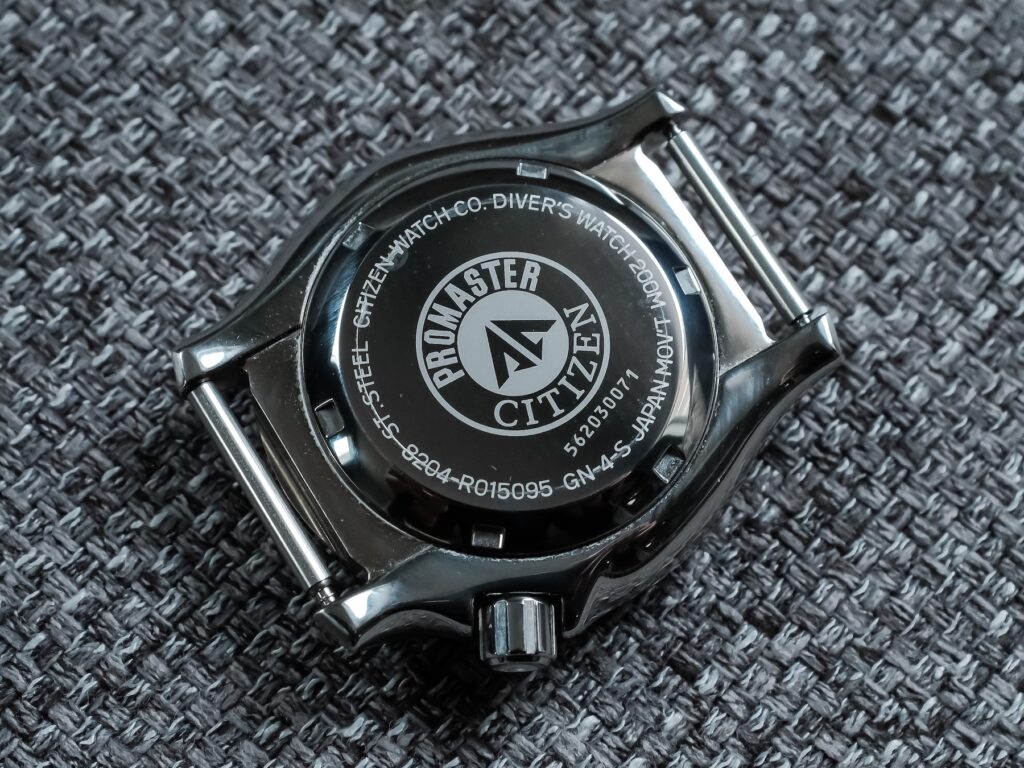
The Citizen Promaster NY0040 uses the Miyota 8204 from Citizen’s 8000 series and offers hacking and hand-winding. Citizen has made small updates to the NY0040 over the years without messing with what works, and the movement fits that philosophy. It isn’t trying to turn a straightforward tool watch into a mechanical conversation piece. You do notice the rotor. It is loud. Long-time Miyota owners will recognize the sound immediately, and you’ll either enjoy the reminder that a little machine is doing laps inside the case or wonder why your wrist has suddenly developed opinions. We land somewhere in the middle. It adds personality, even if calling it refined would be generous.
Case Construction, Finishing & Wearability:
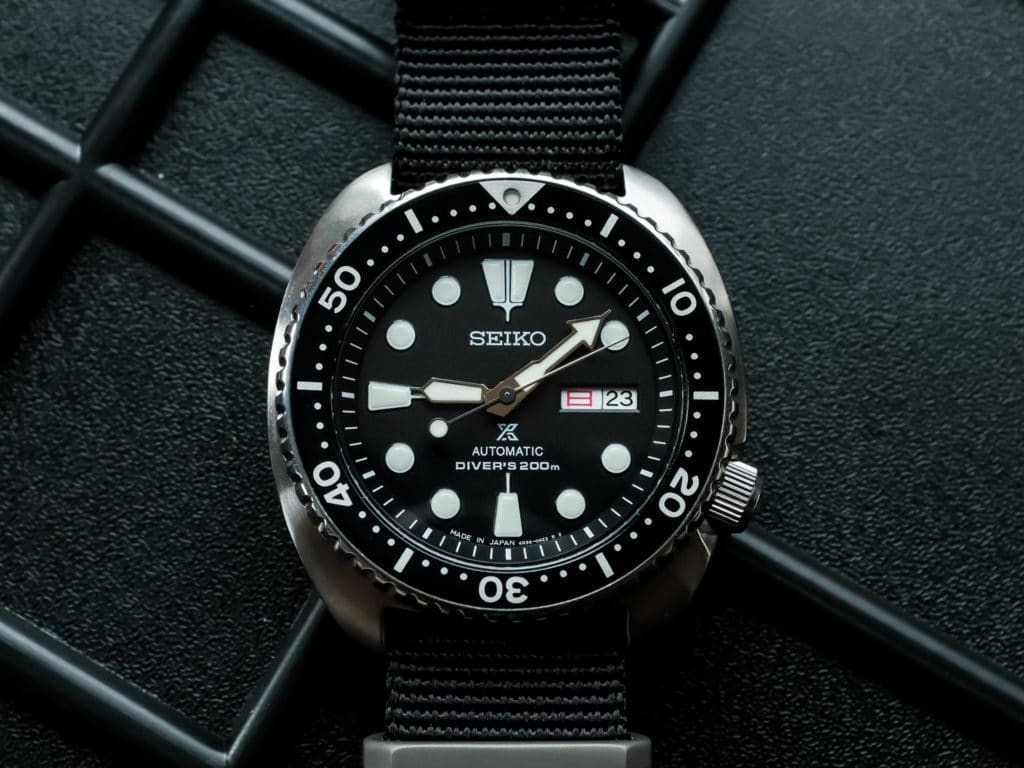
The Seiko Turtle is one of those watches that makes the numbers look worse than they feel. At 44.3mm across, 14mm thick, and 48mm lug-to-lug, it has every right to sound like a commitment. On a 6.75-inch wrist, though, the case never felt unmanageable. Seiko’s proportions do their usual bit of magic, with the cushion shape keeping all that steel from wearing like a dinner plate. The SBDY015/SRP777’s longer lugs depart from the original 6309’s stubby lugs, and we still think the old profile would have been a nice touch. Even so, we prefer this case to Seiko’s 6105 “Willard” style cushion divers, which tells you where our loyalties land. It has plenty of wrist presence here, but it doesn’t give you the constant feeling that the watch is trying to escape over the edge of your wrist.
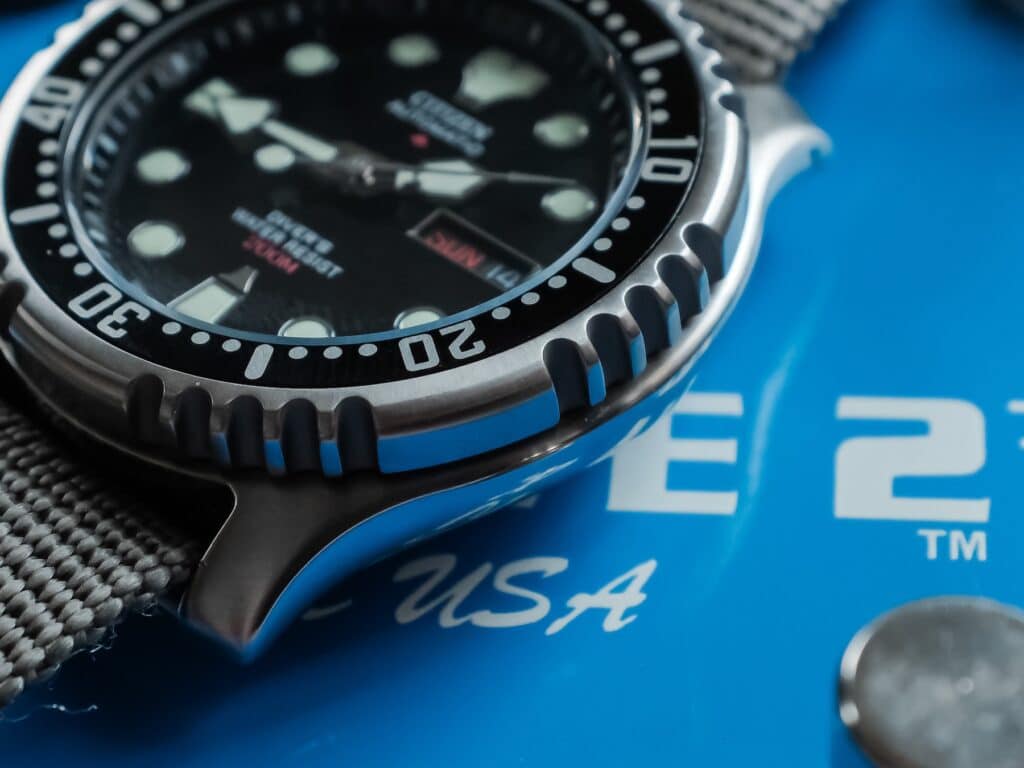
The Citizen NY0040 takes a different route to comfort, and its left-side crown is the smartest part of the case design. Tucked away from the back of the hand, it avoids the usual crown digging you get with traditional divers, especially when the watch sits lower on the wrist. Right-handed wearers take a few days to adjust to the reversed winding and setting, but the awkwardness quickly fades. For left-handed or right-wrist wearers, the layout makes even more sense. The case itself is more compact than the specs suggest. At nearly 42mm wide with a lug-to-lug just over 47mm, it sits securely on a 6.75-inch wrist and feels smaller than expected. It has reassuring density without unnecessary bulk, and the mix of brushed upper surfaces, polished flanks, and broad, slightly curved shoulders keeps the case from feeling slab-sided. That shape even hints at old-school skin-diver character. After wearing it, we found it more comfortable than the SKX divers we’d owned before, which is the kind of upgrade you notice long after you’ve forgotten the measurements.
Crystals and Bezels:
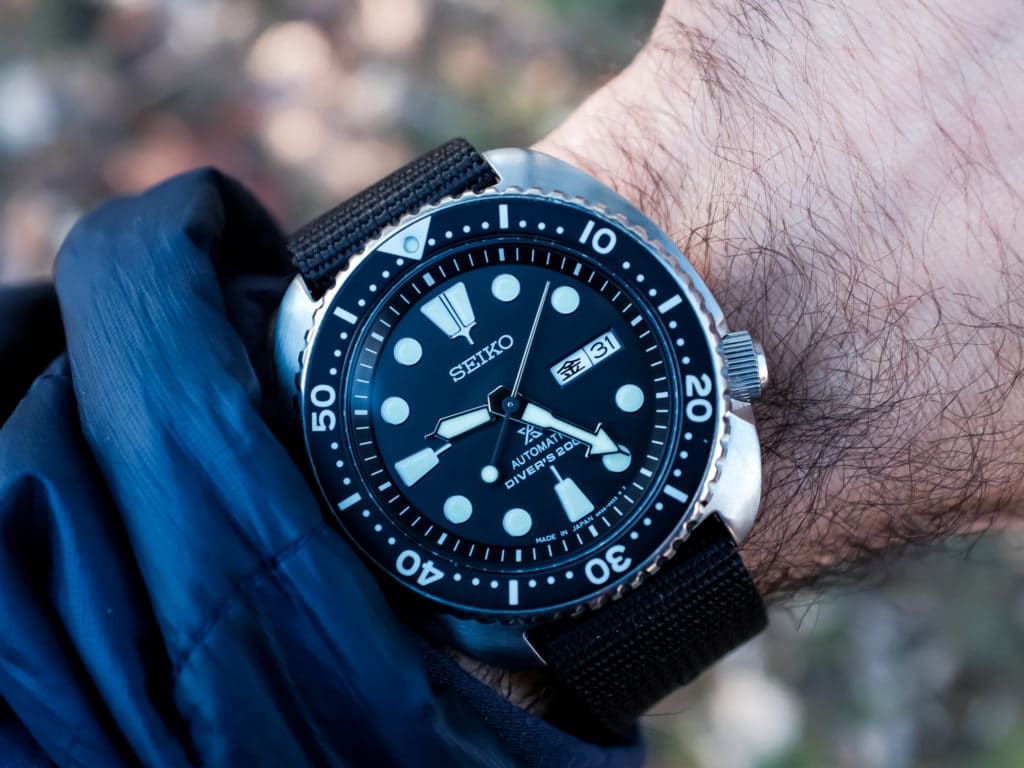
The Seiko Turtle skips sapphire in favor of Hardlex, and we’re not losing sleep over it. We’ve had plenty of experience with Seiko’s crystal material and haven’t had an issue with it in use. The bezel is a different story. Its rotation feels smooth and satisfying, which makes the alignment problem on our example even more annoying. The aluminum insert itself is perfectly appropriate for the watch, but when the marker doesn’t line up properly, all that nice bezel feel can only do so much to save it. It’s a small detail, yet you notice every time you use the bezel.
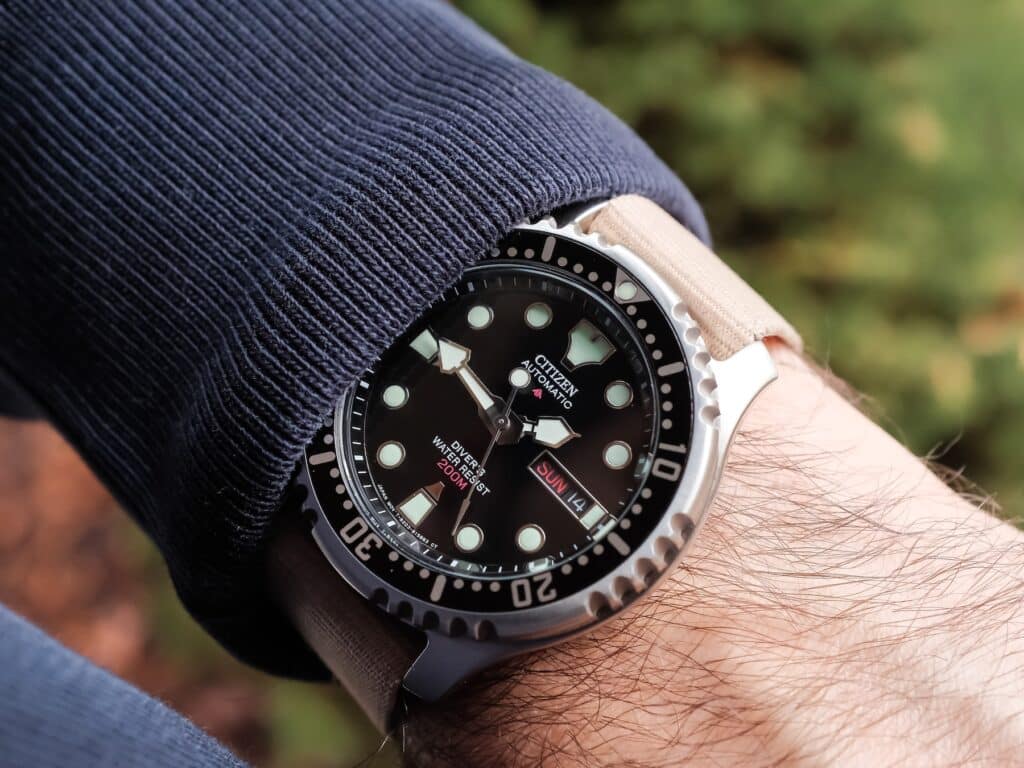
The Citizen NY0040 also uses mineral glass, and while sapphire wins the scratch-resistance argument on paper, that hasn’t made much difference in our experience. The bezel, however, is where the Citizen really starts to separate itself. The coin-edge grip gives you plenty to grab, even with wet fingers, while the 60-click action feels smooth and confident. More importantly, our example was dead-on aligned with virtually no play between clicks. It lacks that loose, slightly vague feel that can make an otherwise good bezel irritating to use. The aluminum insert suits the NY0040’s straightforward tool-watch approach, and the whole setup felt more satisfying to operate than the bezel on our own Eco-Drive Promaster Diver.
Water Resistance & Lume:
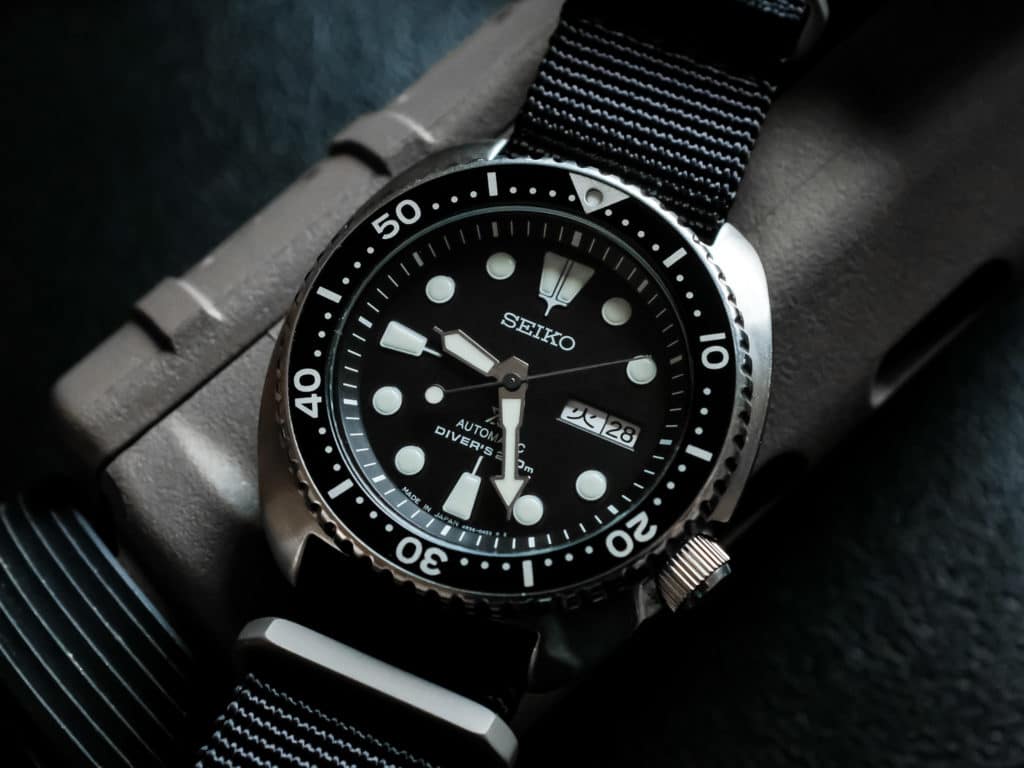
The Seiko Turtle’s asymmetrical case places the screw-down crown neatly within the overall design, helping deliver 200m water resistance without making the watch feel like specialist equipment. That’s the sort of rating that lets us stop worrying about whether the watch can handle actual water and get on with wearing it. The beefy Lumibrite indexes are equally straightforward. They’re difficult to confuse at a glance, which is what we want when reading the time in poor light. Nothing clever is going on here, and that’s the point.
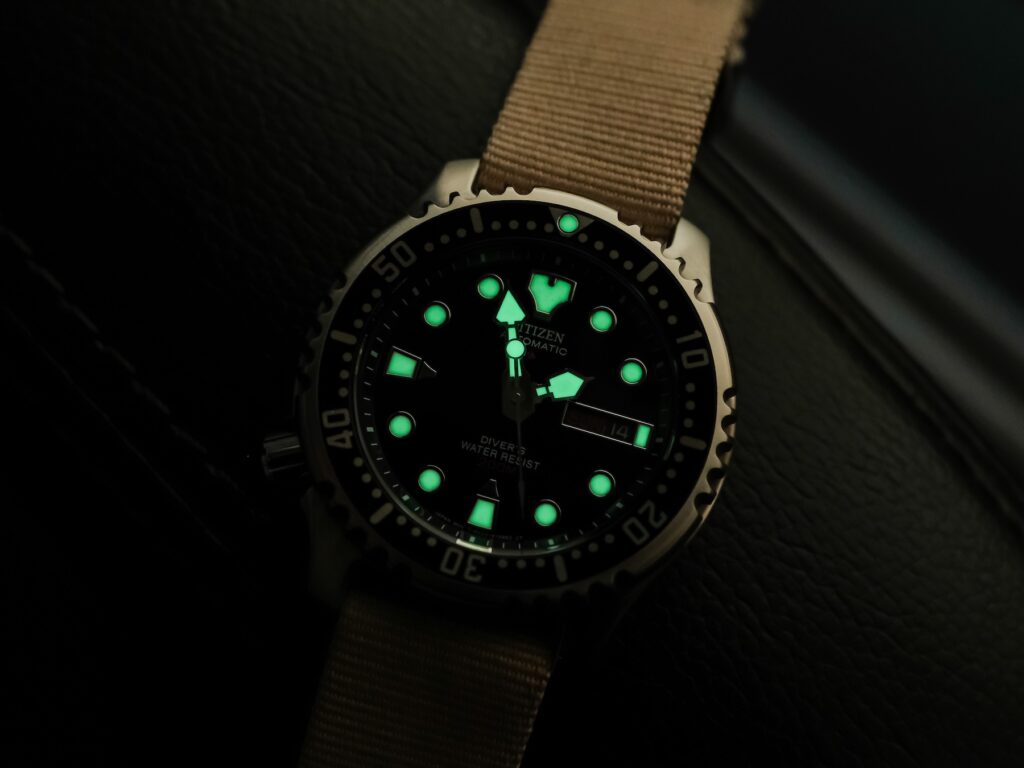
The Citizen NY0040 is similarly comfortable around water, with a 200m rating and a level of practicality that makes swimming, snorkeling, and the occasional ill-advised saltwater encounter feel well within its limits. Its lume takes the same sensible approach. It isn’t as aggressive as some Seiko divers we’ve worn, but the hands and hour markers hold enough charge to keep the dial readable once the light disappears. It does the job without putting on a phosphorescent light show, which is probably all a tool watch owes us.
Cost Considerations
The Seiko Turtle still makes a lot of sense when you stick to the versions that aren’t trying to turn an affordable diver into a collector’s ransom note. The SRP777 could originally be found for $475 or less at street prices, and current SRP777 or SRPE93 examples sit around $370–$525 on Amazon. That’s still a solid range for a watch we’ve found good enough to keep in the collection. Seiko has released plenty of King Turtle, PADI, Save the Ocean, and reissue variants that creep toward or past $1,000, but we’re not convinced the Turtle gets twice as good when the price doubles. At the sensible end of the range, this remains one of the easiest affordable Japanese dive watches for us to recommend.
The Citizen NY0040 is where the value argument gets even stronger. At under or around $200 these days, it gives you an automatic diver that feels more considered than its price implies, with the finishing and hand-winding adding some welcome substance to the ownership experience. There’s no need to explain why you bought the “cheaper alternative,” either. It doesn’t lean on nostalgia, limited-edition theatrics, or collector FOMO. You can spend roughly two hundred bucks on one, strap it on, and go about your day. The slightly ridiculous part is how easily that can turn into “maybe I’ll just keep this one.”
Wrapping Up
After spending time with both, we think the Citizen NY0040 outclasses the Seiko Turtle where it actually matters. Its more compact proportions, comfortable left-side crown, excellent bezel action, and substantially lower price make it difficult to argue against. The Turtle remains a fantastic affordable Japanese diver, but our experience with its misaligned bezel and bulkier dimensions reminds us that a watch’s reputation doesn’t always tell the whole story.
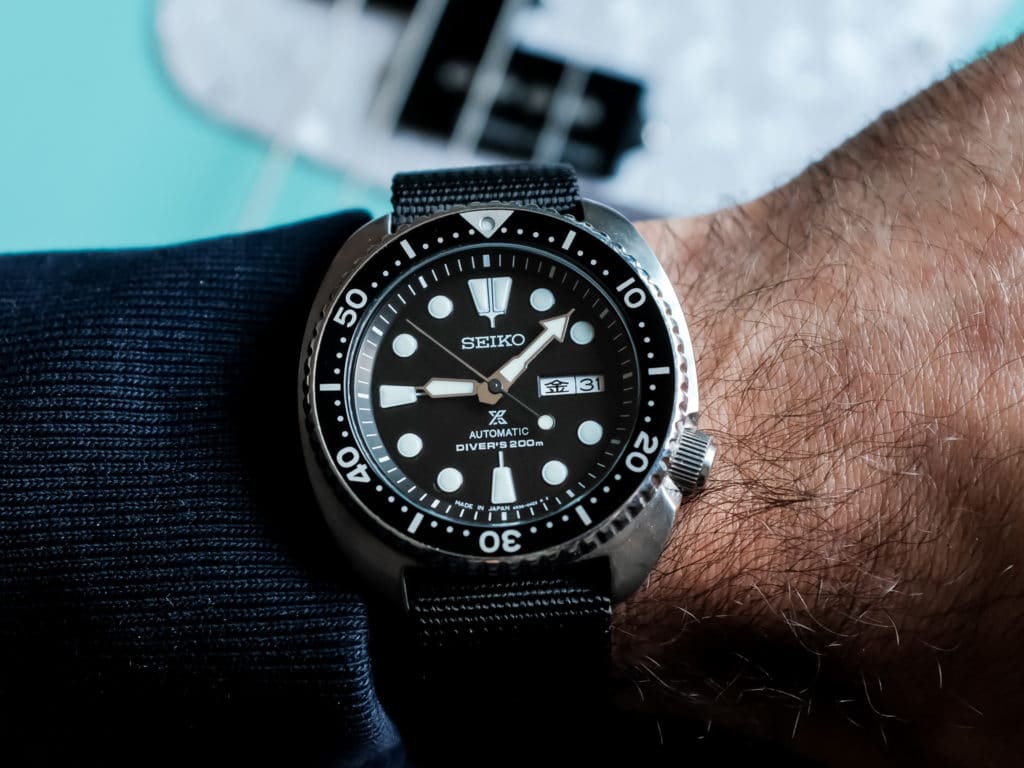
And yet, the Turtle is the one we’ve kept coming back to over the years. There’s something about its cushion case, vintage-inspired design, and unmistakable Seiko personality that makes it more than the sum of its specifications. We wouldn’t hesitate to recommend it to someone who connects with those qualities, even knowing the Citizen makes a stronger practical argument.
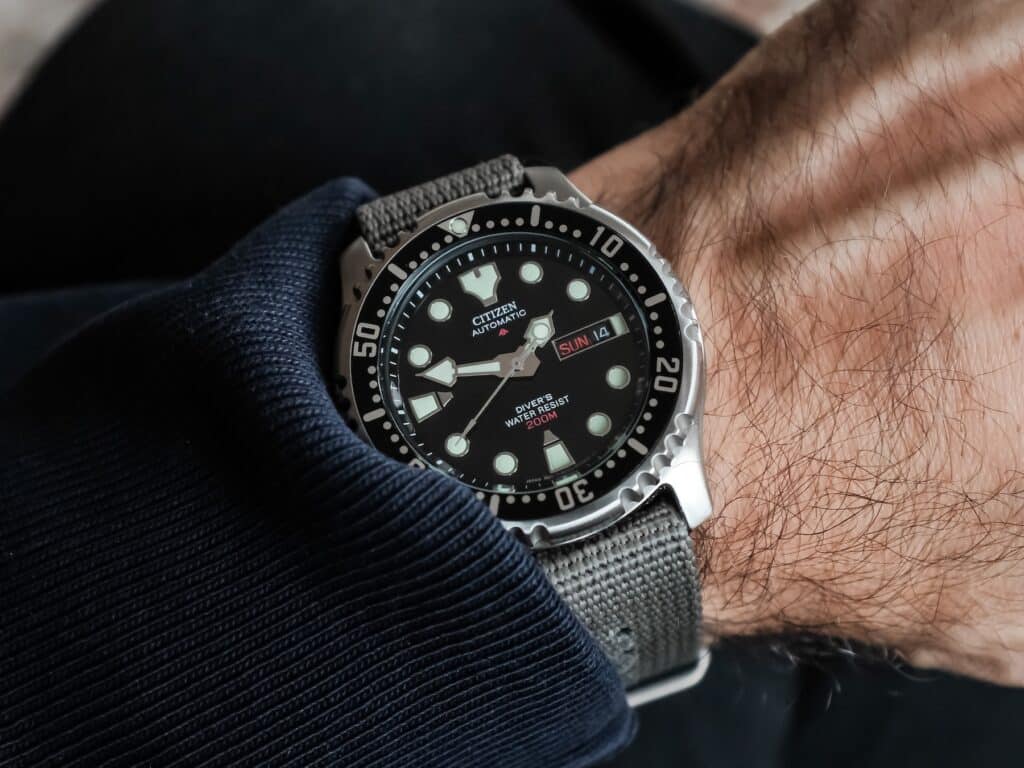
Ultimately, we’d choose the Citizen Promaster NY0040 for its execution and value, and the Seiko Turtle for its character. The Turtle might be the more lovable watch, but at roughly half the price, the NY0040 is the one we think wins this comparison.

Co-Founder and Senior Editor
Kaz has been collecting watches since 2015, but he’s been fascinated by product design, the Collector’s psychology, and brand marketing his whole life. While sharing the same strong fondness for all things horologically-affordable as Mike (his TBWS partner in crime), Kaz’s collection niche is also focused on vintage Soviet watches as well as watches that feature a unique, but well-designed quirk or visual hook.