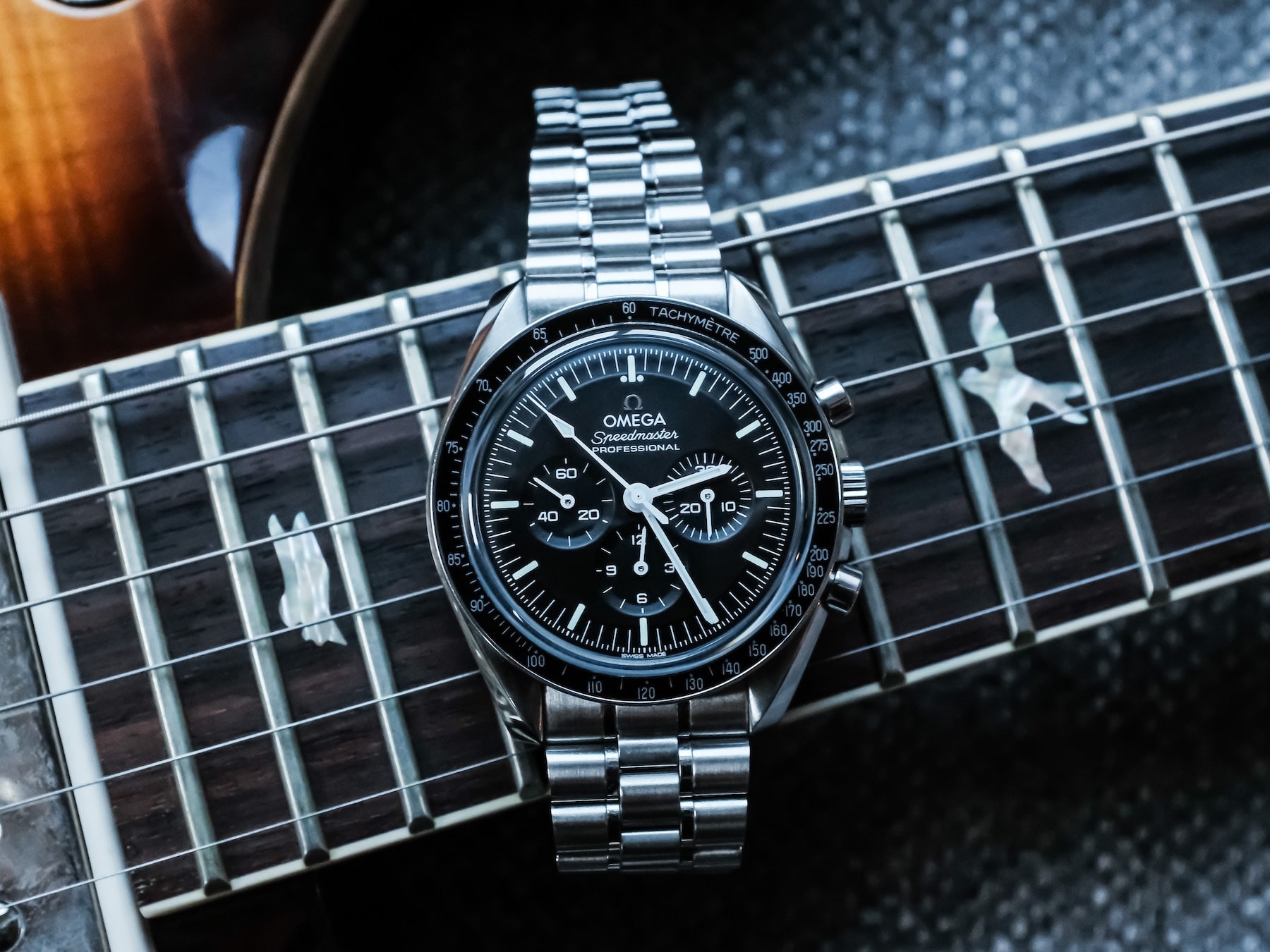
Something shifted in my collection over the past few months, and I didn’t notice it at first. My Omega Speedmaster, a watch I’ve written about at length and called the final chapter of a long personal journey, started staying in the box more often than it came out. Nothing was wrong with it. It still felt the same on the wrist, still ran like a dream, and still carried every ounce of the emotional weight I’d poured into owning it. I just found myself reaching past it for a very special Citizen Chronograph. The sapphire caseback, the polished interlinks, the METAS-certified movement underneath, all of it started feeling like more chronograph than I needed for a Tuesday. That’s a strange thing to admit about a watch you’ve called “the one to end all Moonwatches.”

Then Citizen sent over the Promaster Navihawk for a short press loan, and everything got complicated. It’s a $595 solar quartz pilot’s chronograph with a slide rule bezel, a 40mm case, and enough functionality crammed into the dial to keep you discovering details for days. On paper, it has no business shaking my confidence in a watch that costs fifteen times as much. In practice, it made me reconsider what I actually want from a chronograph in daily life. After wearing both extensively, I wanted to work through that tension. I’m less interested in declaring a winner than I am in figuring out where ~$8,400 in additional spending actually goes, and whether those differences matter once the chronograph is on your wrist.
Overview and Identity
The Citizen Promaster Navihawk has always been a watch with more personality than its price would suggest, but it took decades for Citizen to package that personality in a size that made sense for everyday wear. The older Navihawk and Skyhawk models were fully loaded pilot’s instruments, packed with slide rules and complications, but they wore large enough that most people treated them as occasion pieces. When this generation arrived with a 40mm case, it changed the ownership calculus entirely. I said as much in my review of the Navihawk, and after wearing it during the loan, I meant it even more than I expected to. It’s the kind of watch that makes you rethink how many different moods a single chronograph can satisfy. And for a solar quartz Citizen at this price, the fact that it even enters that conversation says a lot.
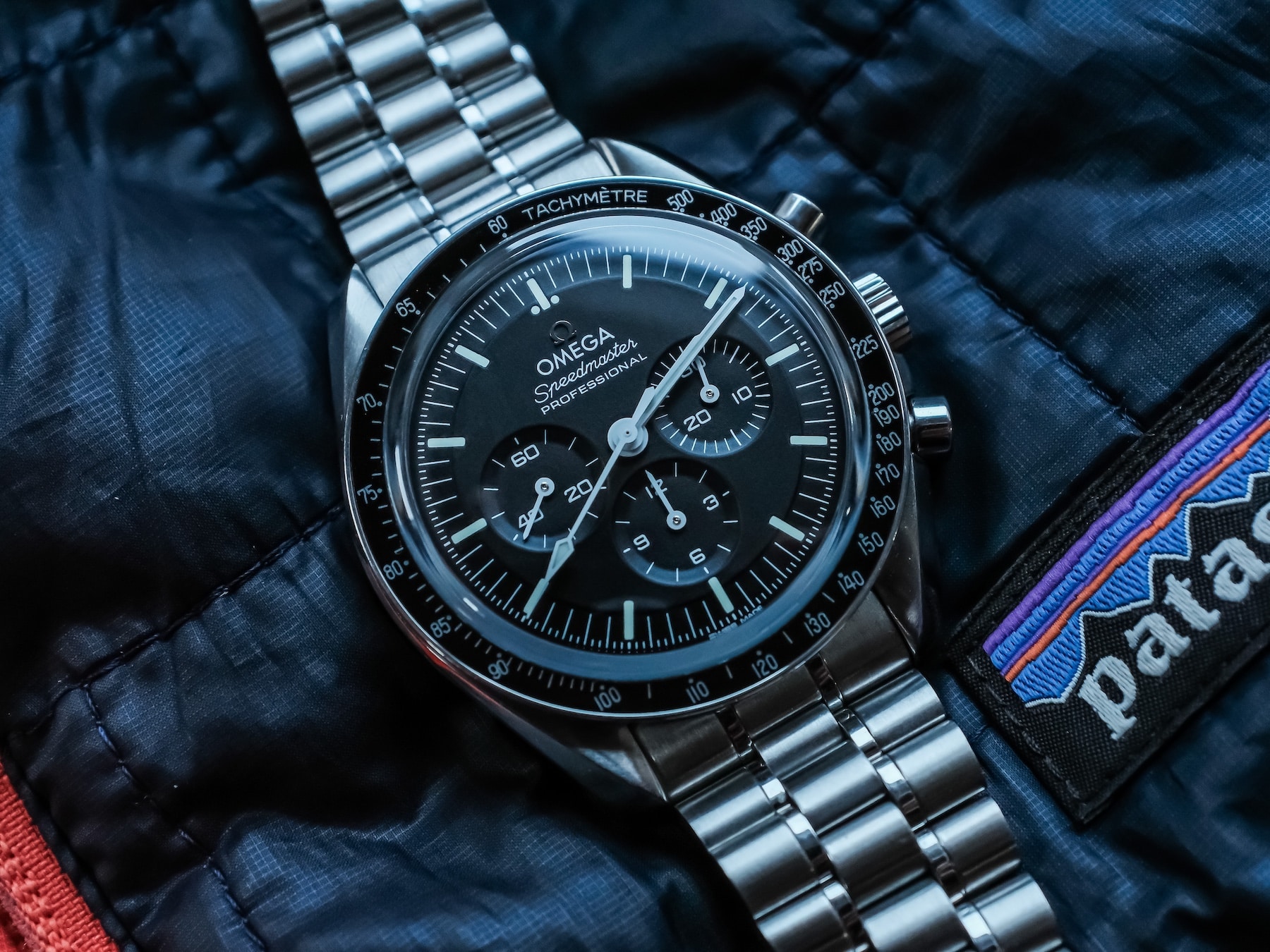
The Omega Speedmaster barely needs an introduction, and that’s both its greatest strength and its most complicated burden. It’s the watch NASA strapped to astronauts’ wrists. It’s the watch that launched a thousand desk-pilot memes. It’s also the watch that Omega has been incrementally perfecting for over sixty years, and the 3861 sapphire variant I own represents the most refined version of that evolution to date. I covered this in depth in my long-term Speedmaster review, and my feelings haven’t changed. The 3861 movement, the redesigned bracelet, the restored step dial, they all combine into something that feels inevitable rather than iterative. What has changed is how often I feel the need to wear it, especially if something like the Navihawk is close by. As my collection has shifted toward more utilitarian, wear-and-forget pieces, the Speedmaster has started occupying a strange in-between space: too refined for a beater, too familiar to feel special every time I put it on.

- The Citizen Promaster Navihawk is a fully loaded pilot’s chronograph that finally found the right case size, and it offers more daily-wear capability than a $595 watch should.
- The Omega Speedmaster 3861 is the most refined version of a chronograph that’s been in production for over sixty years, and its latest generation adds enough to justify the step up from the older 1861.
Dial, Bracelet & Wearability: Capability vs. Ceremony
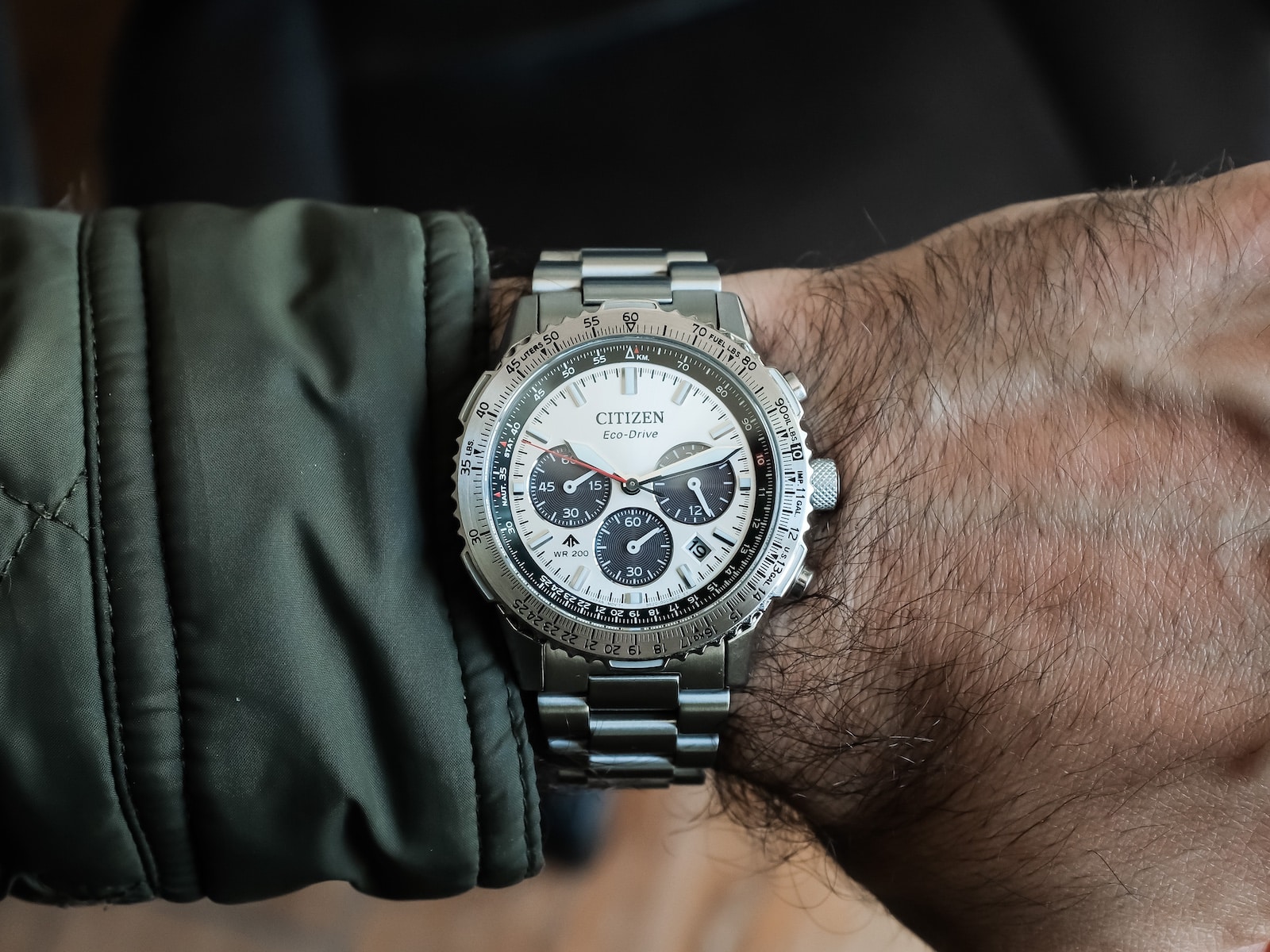
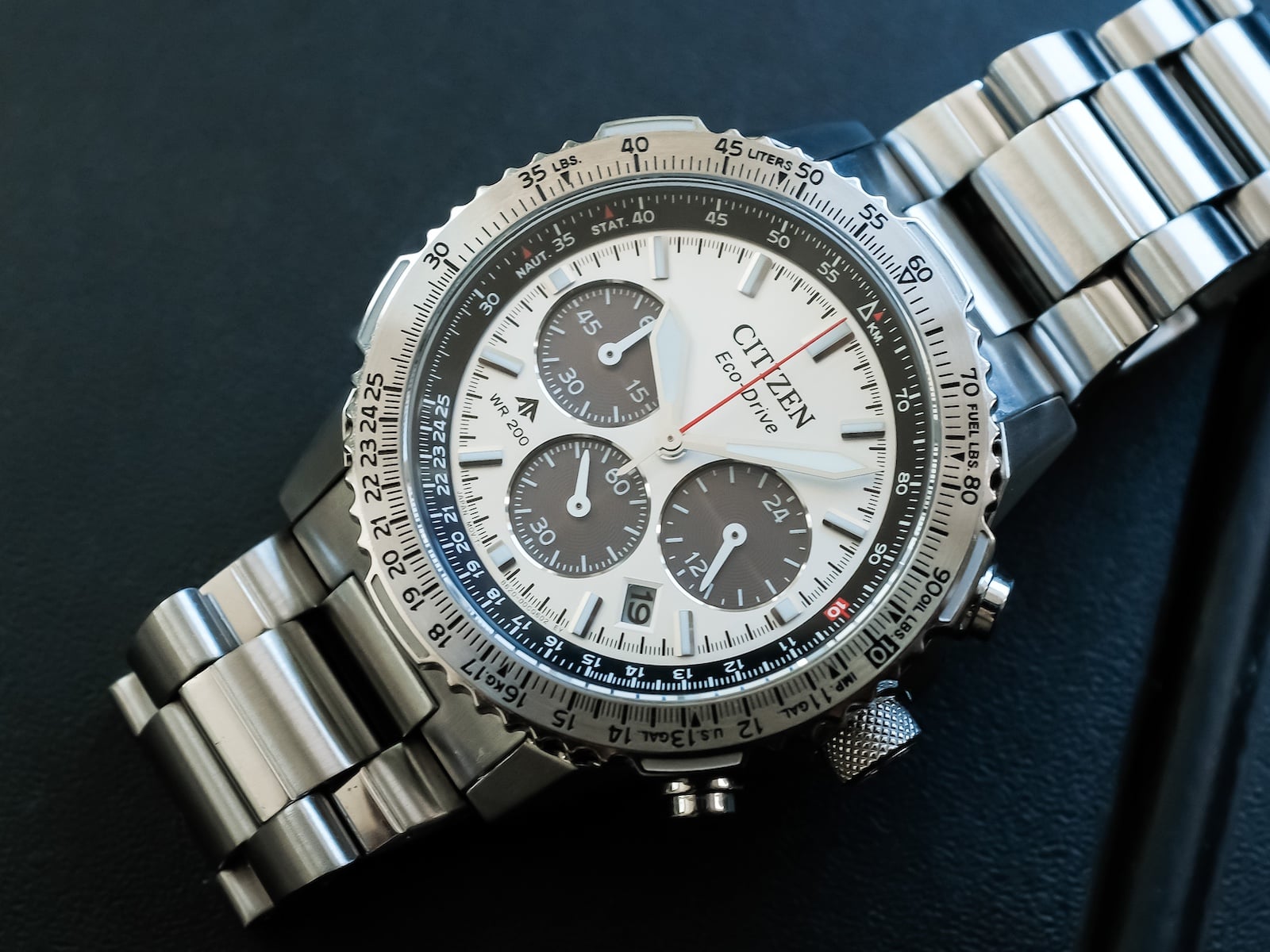
The Navihawk’s dial should feel overwhelming. There’s a three-register chronograph layout, a 24-hour subdial, a slide rule bezel scale, a date window, and enough markings around the inner track to keep a pilot busy from takeoff to landing. Somehow, it doesn’t. Citizen separated everything with enough visual hierarchy that your eye learns where to land within the first day or two of wearing it. The three black subdials with concentric texturing sit clearly against the silver-white sunburst dial, and the red accents guide your attention without competing with the main handset. I kept catching myself glancing down just to admire how much information Citizen managed to organize into such a compact space. The date sits a little deep for my preference, making it harder to read from an angle, but on a dial this layered that’s a minor gripe.
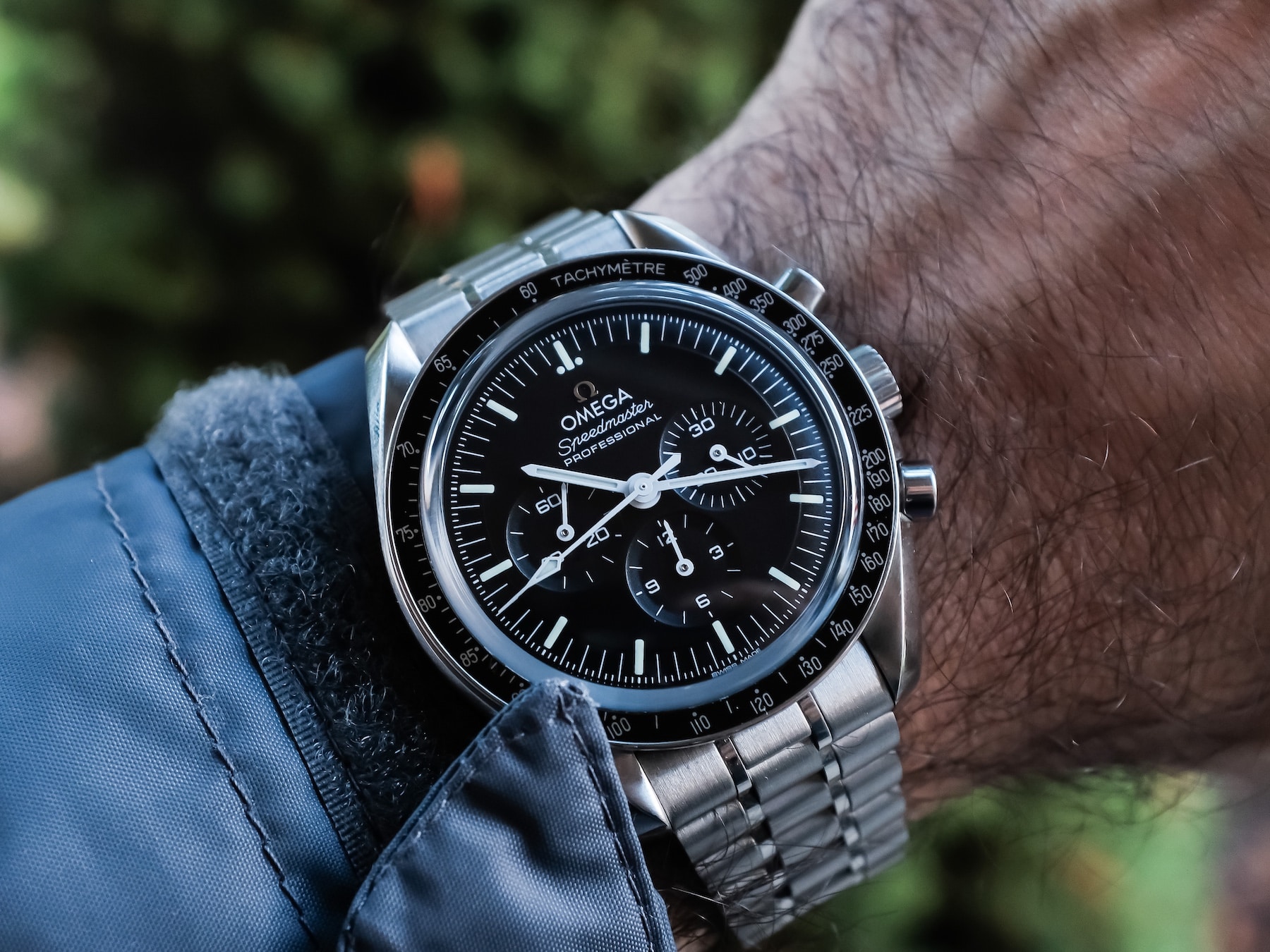
The Speedmaster’s dial takes the opposite approach. Everything here is about restraint and balance. The restored step toward the minute track gives the dial more depth than the previous generation, and the applied logo on the sapphire version adds elevation without tipping into dressy territory. Even with seven lines of text, the layout never feels crowded. Subdial printing is crisp, the white-against-black contrast remains a benchmark for chronograph legibility, and the overall impression is one of understated confidence. If the Navihawk’s dial rewards curiosity, the Speedmaster’s dial rewards familiarity. You stop noticing individual elements and start appreciating how well they all work together.
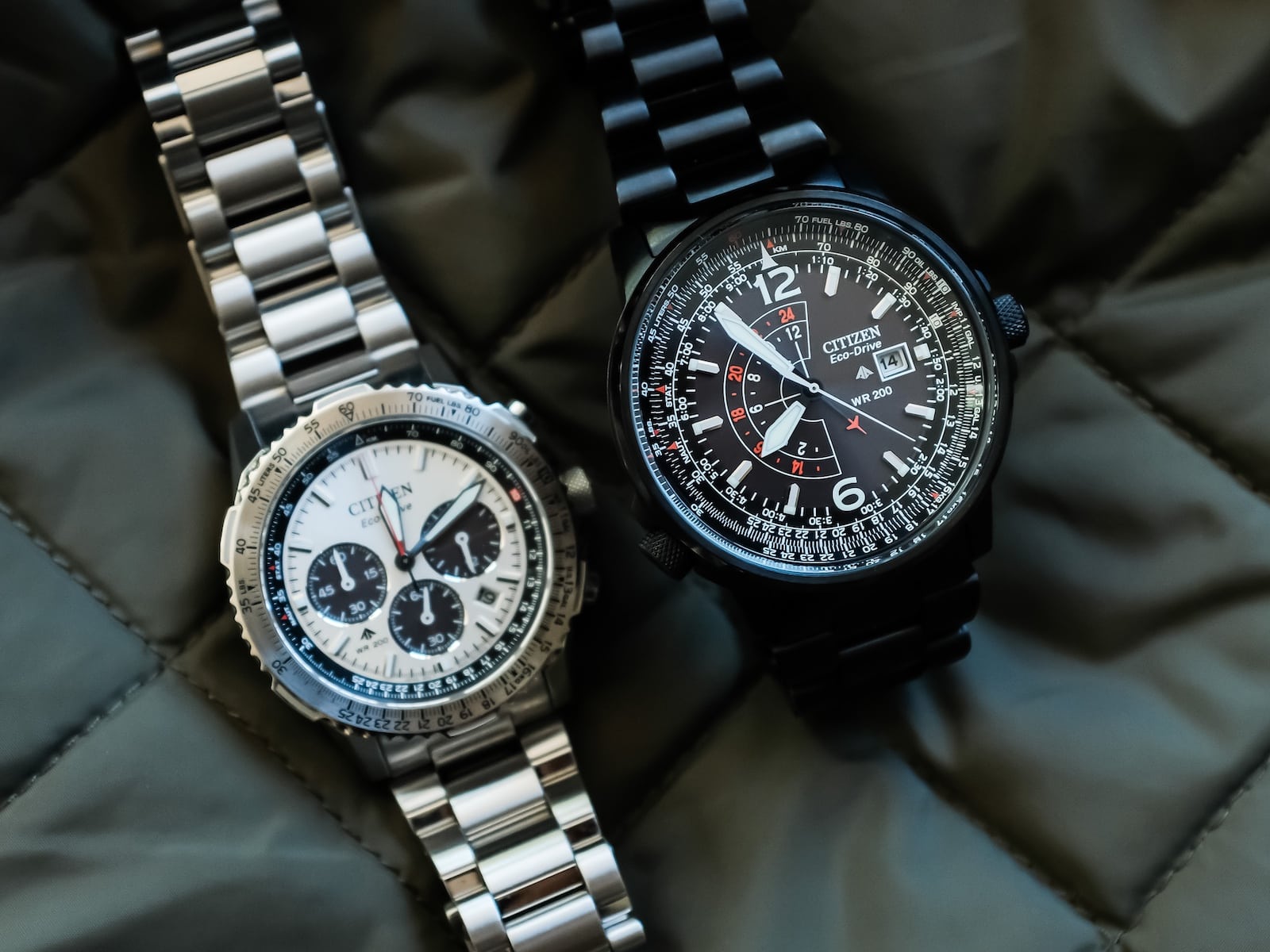
The Navihawk’s bracelet caught me off guard. I expected to swap it for a strap within a few days, and instead I kept coming back to it. The three-link design gives the watch planted weight on the wrist, and the mix of brushed and polished surfaces mirrors the case without drawing too much attention. The clasp snaps shut with a reassuring feel and stays secure all day. My main complaint is the lack of an on-the-fly adjustment system, which is becoming increasingly common at this price point and would have rounded out the ownership experience nicely.
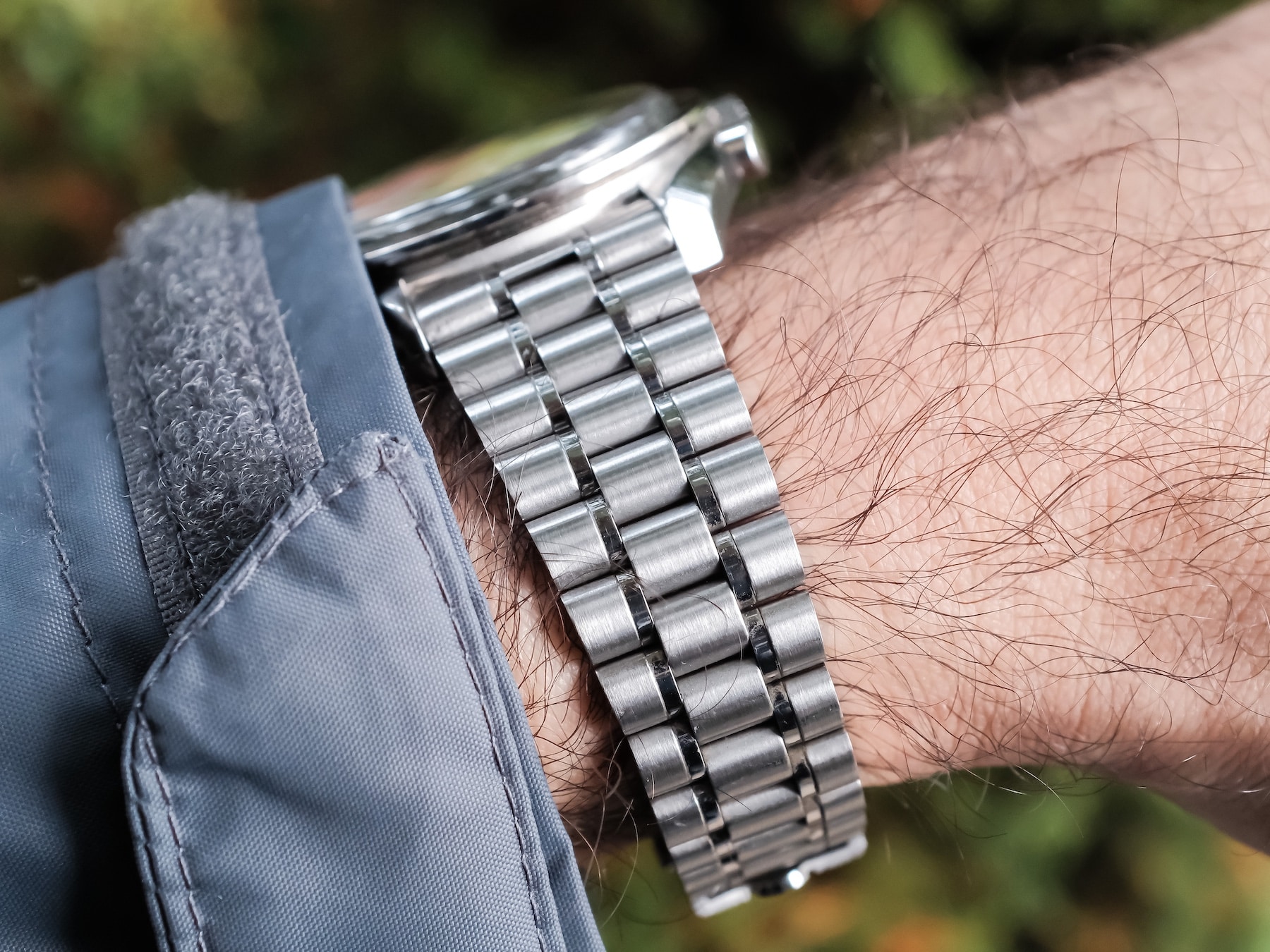
The Speedmaster’s redesigned bracelet is, for me, where the 3861 generation separated itself most clearly from what came before. The old bracelet always felt like a compromise you learned to accept. This one wraps around the wrist instead of perching on top of it, with more dramatic taper, better-articulating links, and redesigned end links that cut down the visual length of the watch. The polished interlinks on the sapphire version add just enough shine to complement the case without crossing into jewelry territory. I said in my review that I hadn’t felt the urge to swap it for a strap, and months later that’s still true. I should warn anyone considering this watch, though: sizing this bracelet at home remains one of the most frustrating experiences I’ve had with any watch I own.
- The Citizen Navihawk packs remarkable information density into a dial that stays organized, and its bracelet delivers comfort and quality that outperform the price point, even without a micro-adjust system.
- The Omega Speedmaster’s dial gets chronograph legibility right through restraint, and its redesigned bracelet has finally become a strength rather than a compromise, even if sizing it remains a chore.
Build Quality & Technical Approach
Two chronographs built to entirely different philosophies converge here. One runs on light and never asks you to think about it. The other asks you to wind it by hand and rewards you with a tactile ritual every morning. Both approaches work, and both reveal something about what their respective owners value in a daily-wear chronograph.
Movements:
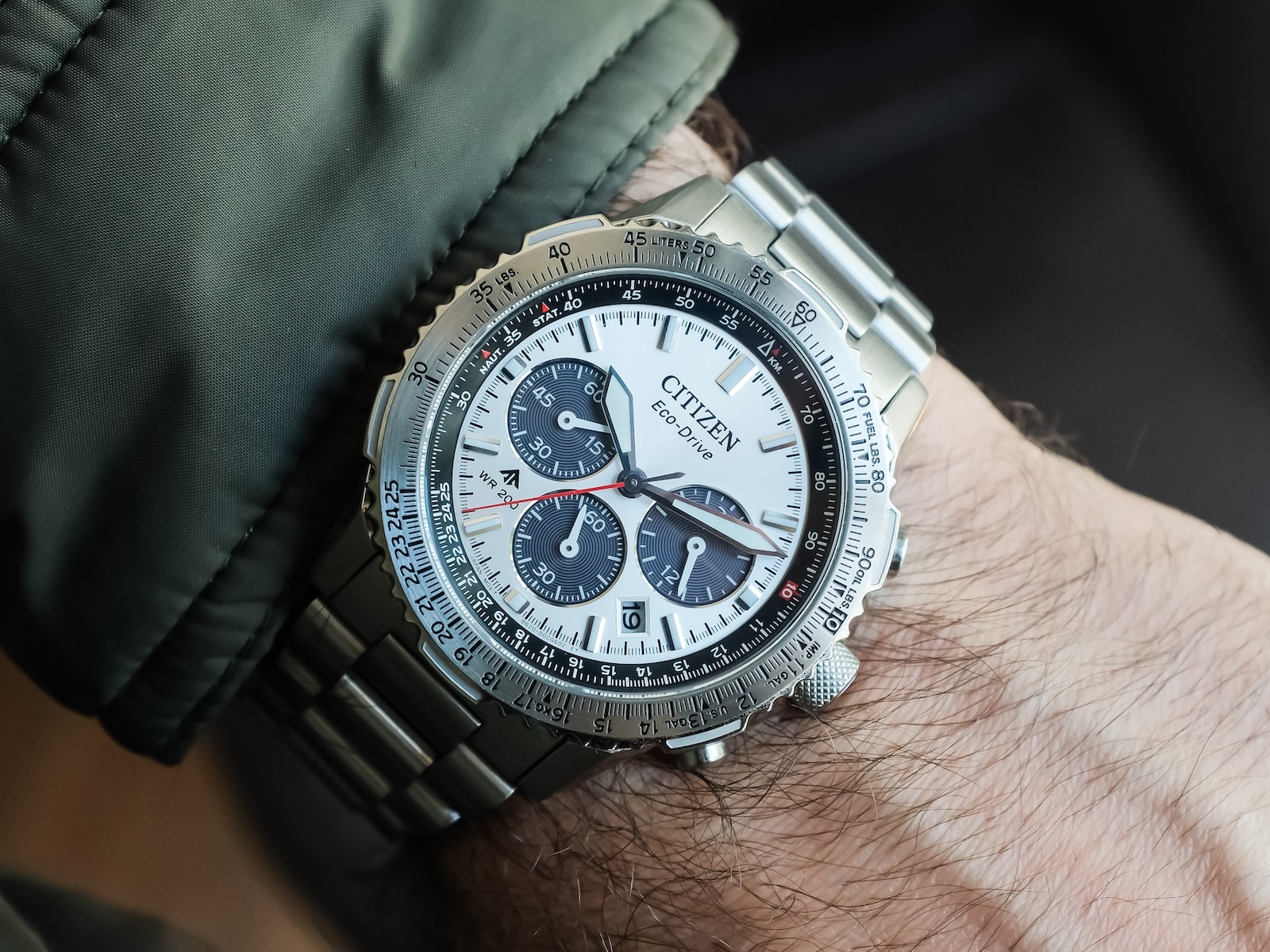
The Navihawk runs Citizen’s Eco-Drive caliber B620, a solar quartz movement that charges from any light source and holds roughly six months of power on a full charge. Accuracy sits around ±15 seconds per month, which means you can leave this watch in a drawer, come back to it later, and know it will be ready. During my loan period, I never once had to think about the movement. That convenience also made me more likely to actually use the chronograph. The Navihawk wins here and this is probably the biggest thing that led me to choose the Citizen over the Omega. I timed coffee, workouts, commute stretches. The complication felt like a tool rather than a showpiece, and that changed how I related to the watch entirely.
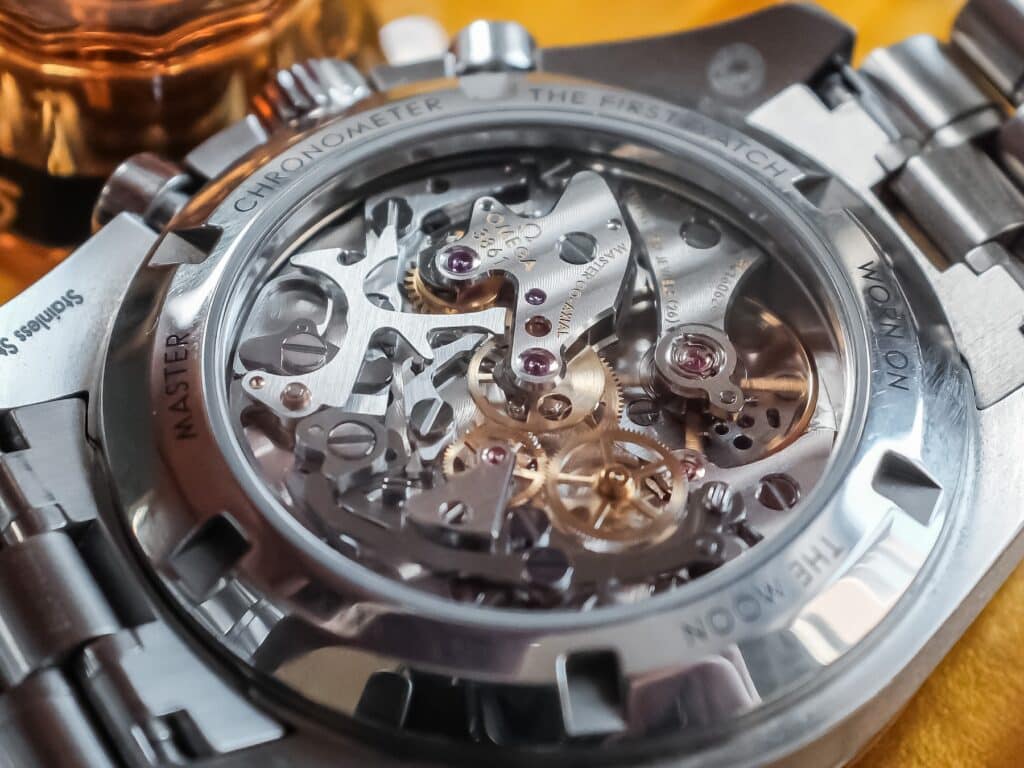
The Speedmaster’s Caliber 3861 is a different kind of experience altogether. It’s a hand-wound Co-Axial Master Chronometer movement with METAS certification, a free-sprung balance, and roughly 50 hours of power reserve. My accuracy has consistently been around plus three seconds per week, which is excellent by any standard. The winding is smoother than the old 1861 it replaced, and the chronograph pushers have a deliberate, mechanical feel that makes every start-stop-reset satisfying. Flip it over and the movement rewards you through the sapphire caseback, with visible finishing on the bridges and the geometry of the balance assembly. It’s the kind of movement you want to admire. Whether you need to is a different conversation.
Case Construction & Finishing:
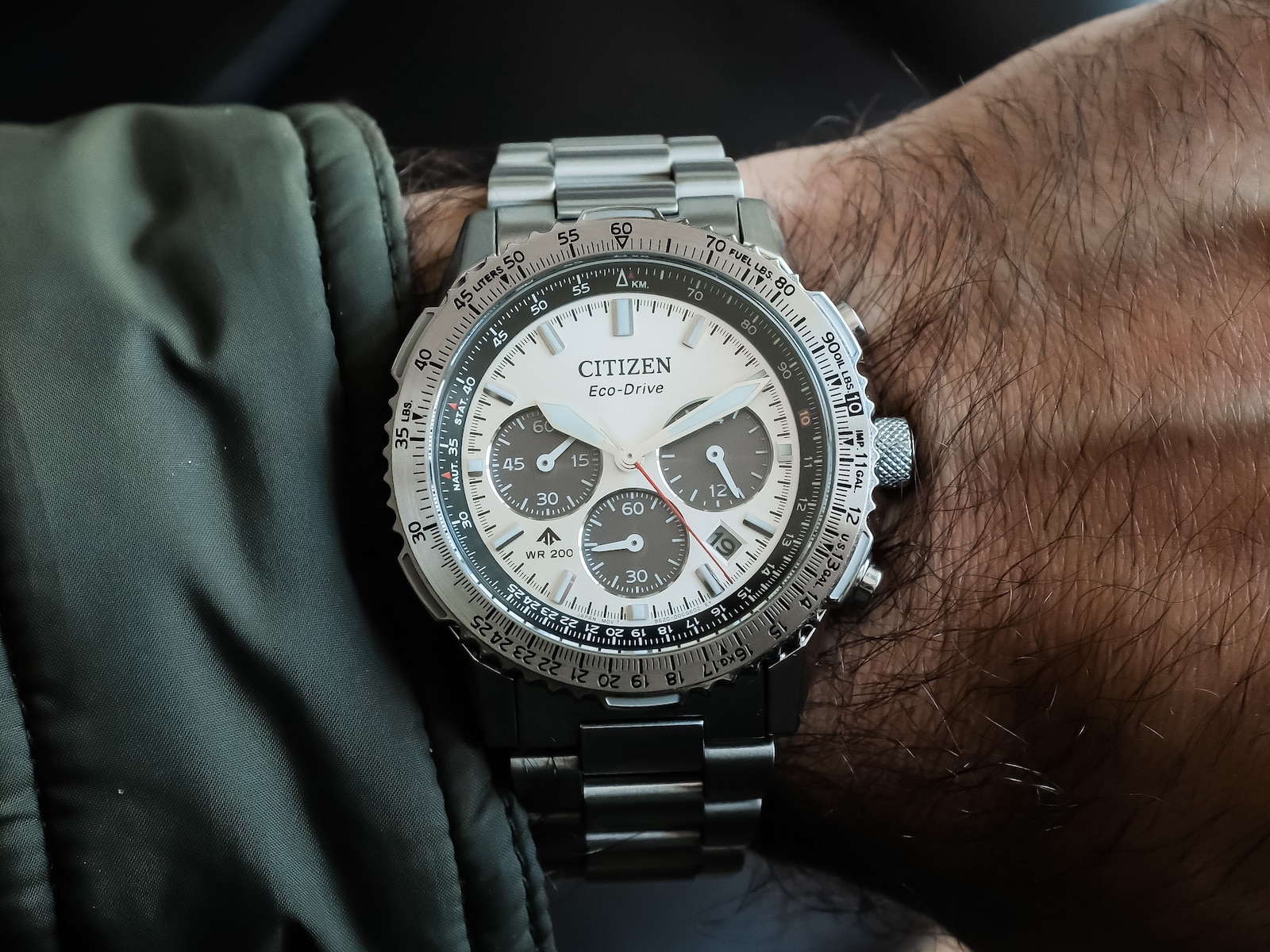
The Navihawk at 40mm across, 44.3mm lug to lug, and 13.4mm thick is a watch that wears notably smaller than those numbers suggest. Broad brushed surfaces keep it rooted as a tool watch, while polished accents around the bezel and case flanks prevent it from reading flat. Citizen also includes nice touches for the attentive owner, like the exposed brushing between the lugs and the pronounced coin-edge bezel that gives the watch its Promaster identity before you even look at the dial. The overall construction has a reassuring heft to it. You can feel the solidity in how the crown turns and how the case sits on the wrist.
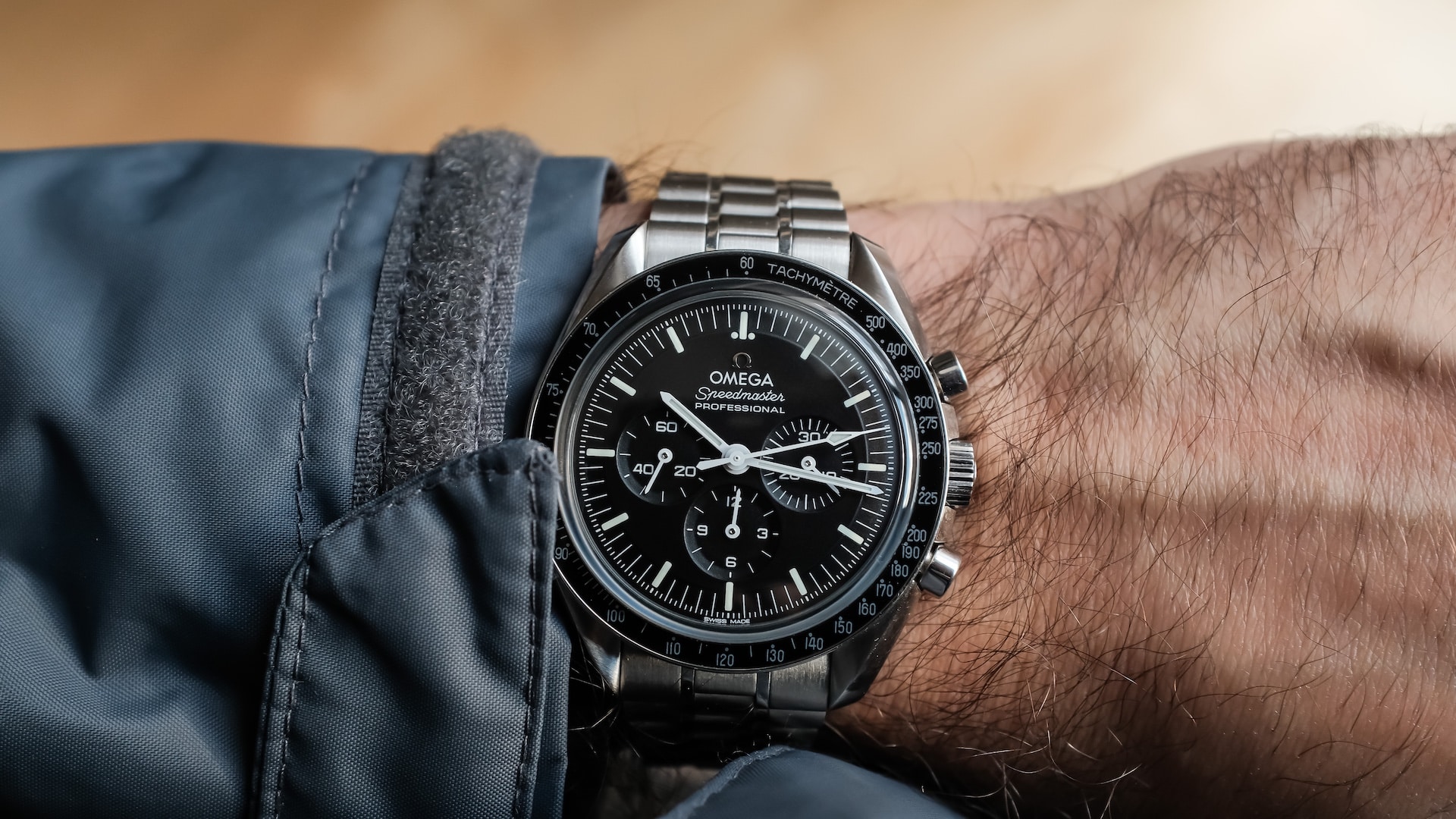
The Speedmaster shares a similar 42mm diameter, but at roughly 13.2mm thick and with the benefit of Omega’s refined case geometry, it wears closer to 40mm in practice. The subtle trimming Omega applied across the 3861 generation, half a millimeter here, a millimeter there, makes the watch feel more planted and less top-heavy than previous Speedmasters I’ve owned. Brushed surfaces and polished flanks are balanced with the kind of precision you’d expect from this price range, and the case sides are clean enough to disappear under a shirt cuff without catching. It’s the sort of finishing where individual elements stop demanding attention and the whole thing just feels right.
Crystals & Bezels:
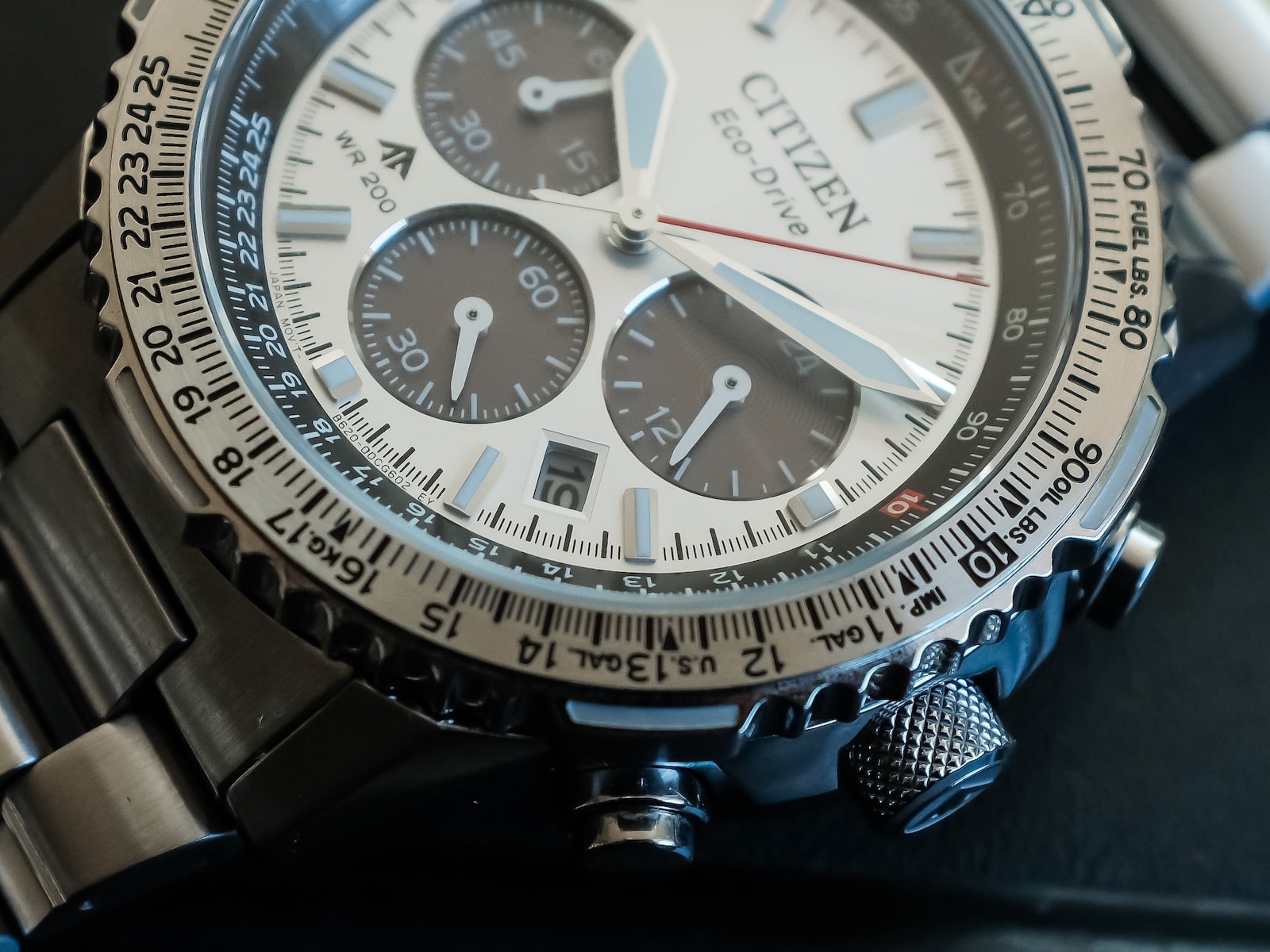
Both watches have sapphire crystals. At the Citizen’s price, that’s uncommon. The Navihawk’s slide rule bezel is a defining feature. I’ll level with you on my usage: I never once performed a fuel consumption calculation with it. Its value for me was mostly visual and tactile. It contributes to the Navihawk’s identity as a pilot’s instrument, and after a few days on the wrist it becomes part of the watch’s rhythm rather than a complication you feel obligated to use. I did notice a slight amount of vertical play in the bezel on my press sample. Since this wasn’t a production unit I purchased, I’m hesitant to draw conclusions, but it’s something I’ll watch for when I eventually buy my own.
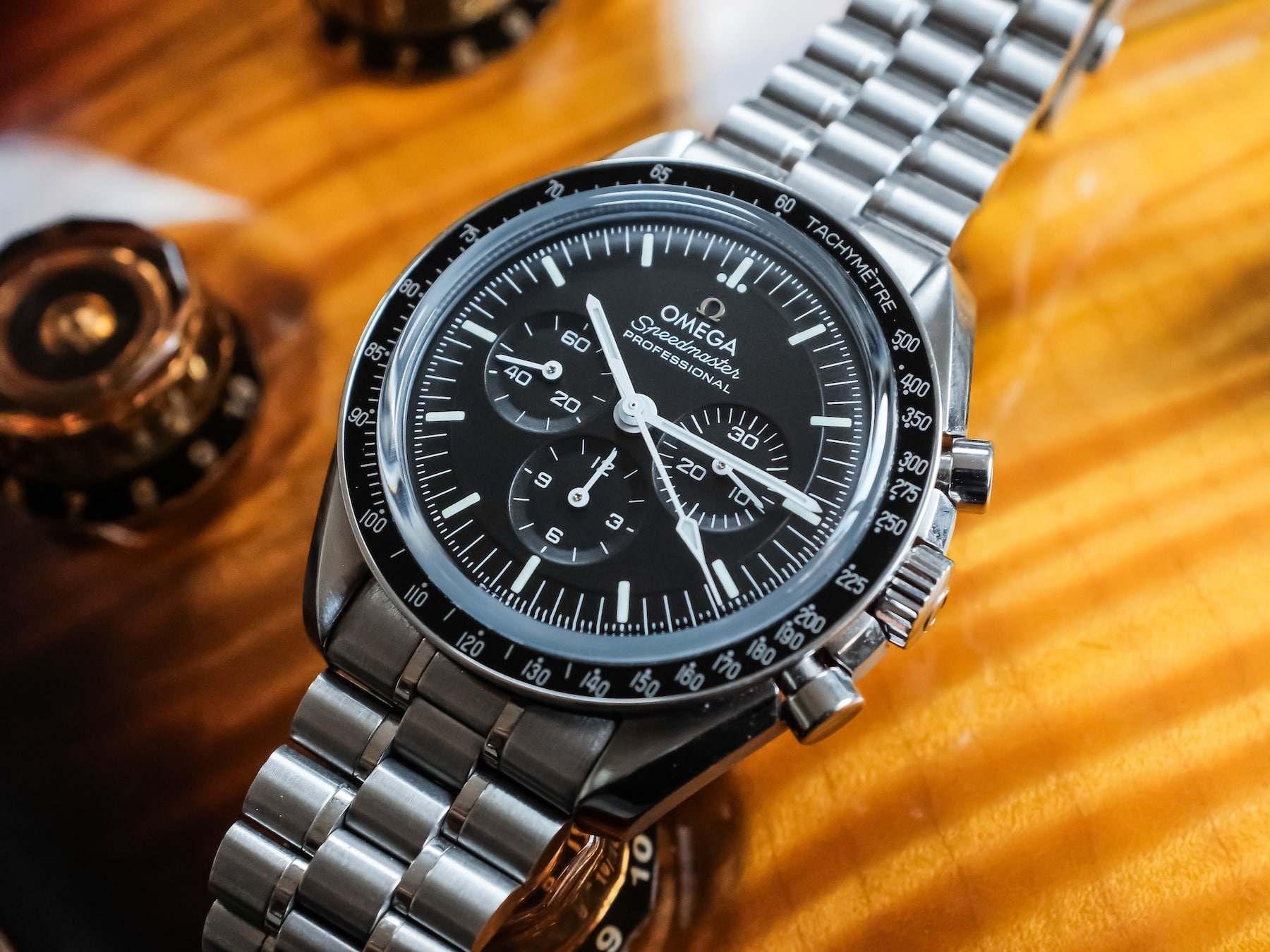
The Speedmaster’s tachymeter bezel is more familiar territory. It’s a fixed bezel with crisp printing, and while I’ve occasionally used it for rough speed calculations during road trips, its primary contribution is aesthetic. Where the Speedmaster pulls ahead is in crystal execution. The sapphire caseback and front crystal both deliver clarity that makes the dial and movement feel closer to the eye, and the dot-over-ninety restoration on the bezel brings back a visual rhythm that longtime Speedmaster collectors will appreciate at a glance.
Water Resistance & Lume:
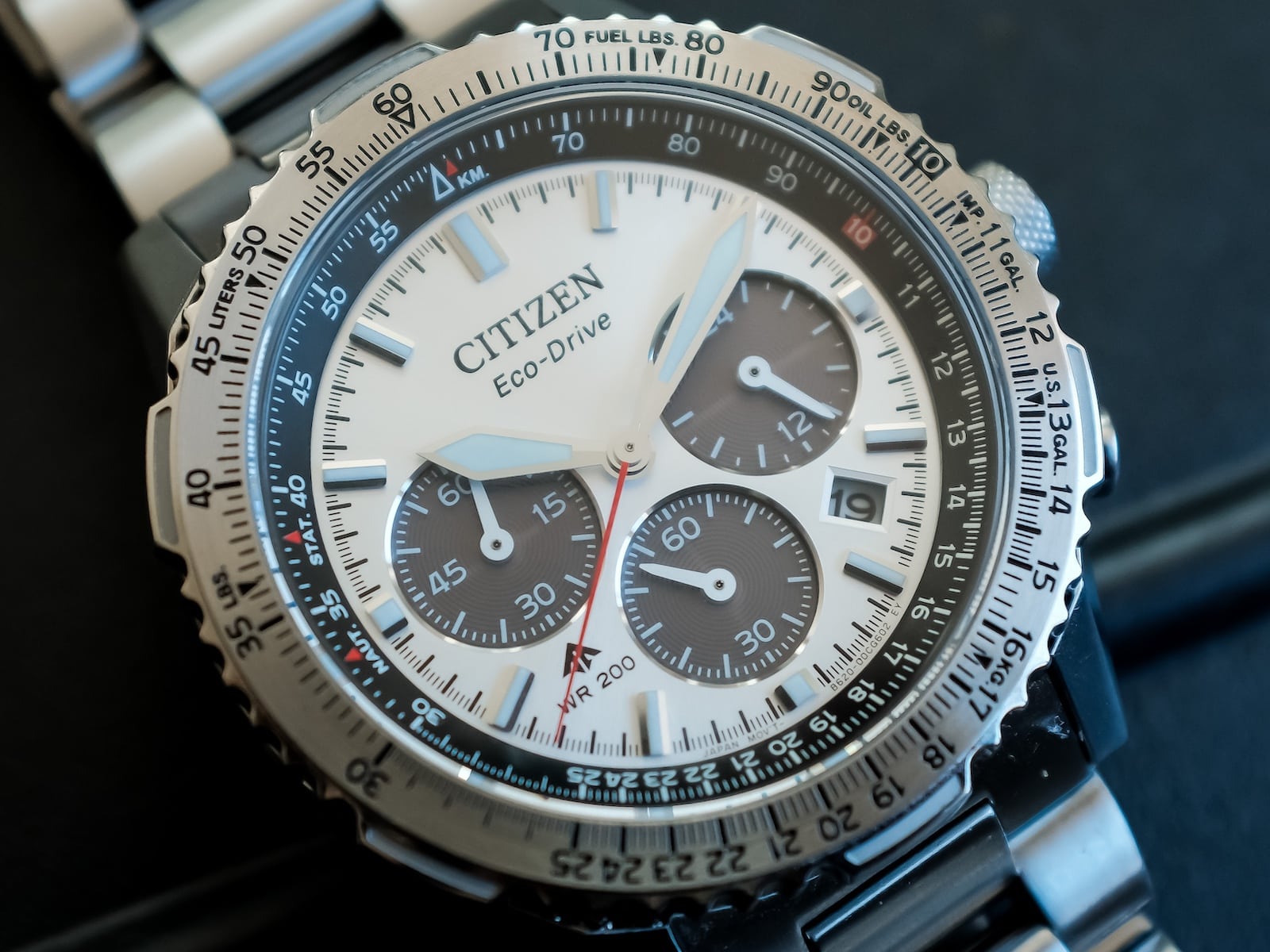
The Navihawk is rated to 200 meters, which is impressive for a pilot’s chronograph and backed by enough case integrity that I never treated it delicately during the loan. There’s no screw-down crown, and if I had the choice I’d prefer one, but Citizen’s execution here earned enough confidence that I never worried about it during normal wear. Lume is functional without being remarkable. The hands and larger indices glow well enough for dark-room glances, but this isn’t a watch that’s going to light up your wrist the way some dive chronographs do. For long, unpredictable days outside, that’s the kind of stuff that led this watch to beat the Speedmaster.
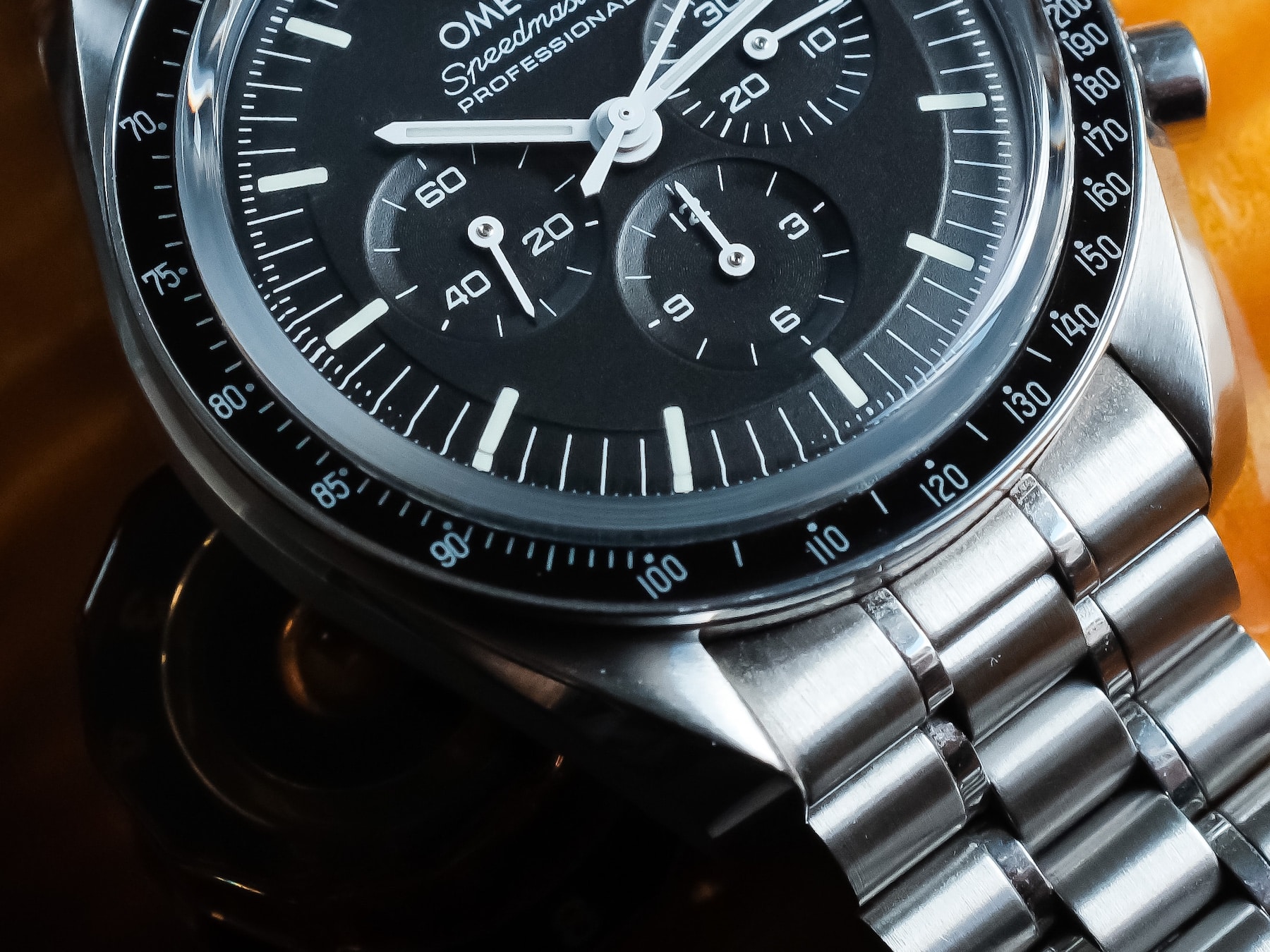
The Speedmaster carries only 50 meters of water resistance, which is one of those numbers that always generates conversation given the price. It’s fine for rain, handwashing, and incidental exposure, but swimming is a stretch. The Chromalight lume has a distinctive blue hue and stays consistent through the night, which I’ve come to appreciate during late-night dog walks. It’s bright enough to trust and subtle enough not to make a show of itself.
- The Citizen Navihawk pairs a maintenance-free Eco-Drive movement with a solid 200m-rated case and sapphire crystal. For $595, that combination is hard to beat.
- The Omega Speedmaster’s METAS-certified hand-wound movement, refined case geometry, and sapphire construction represent a meaningfully higher tier of execution, though its 50m water resistance remains a surprising limitation at this price.
Cost Considerations
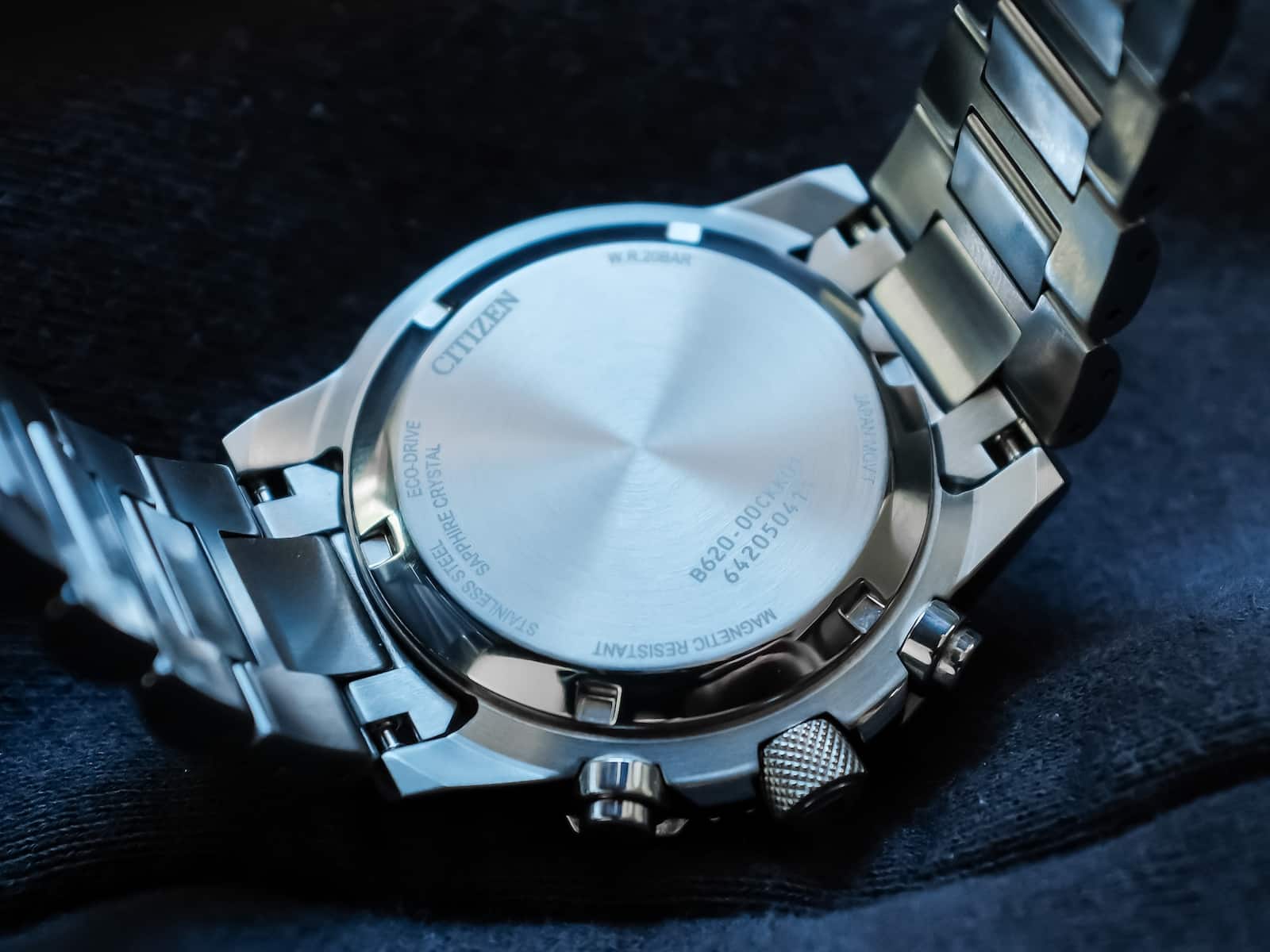
The Navihawk carries an MSRP of $595, and authorized retailers frequently discount it to around $475. Even at full price, the combination of sapphire crystal, 200m water resistance, Eco-Drive convenience, and a chronograph you’ll actually use is difficult to match at this level. Citizen backs it with a five-year warranty (six if you register), and replacement parts for a solar quartz movement are neither exotic nor expensive. The practical ownership cost of this watch is almost comically low compared to what you get in the box. That’s part of what made the loan so disorienting for me. Every day I wore it, I kept thinking about what I was getting for less than a single Speedmaster service.
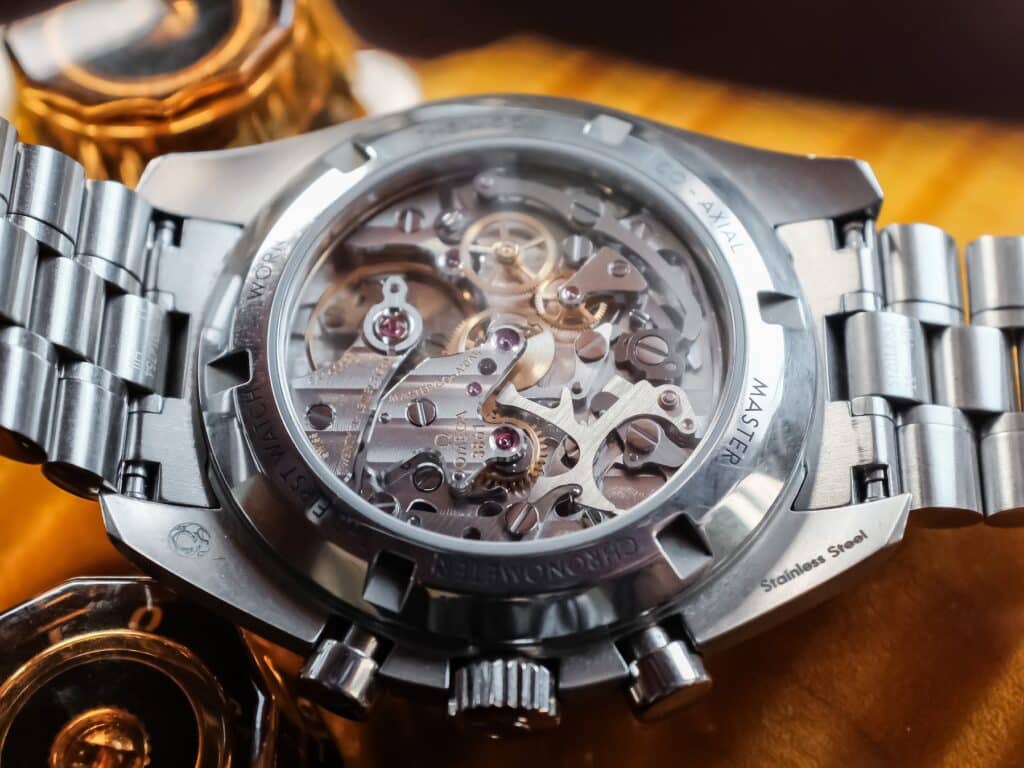
The Speedmaster sapphire currently retails for $9,000, which is a substantial climb from the $7,150 price when it debuted in 2021. Prices will probably go up again soon. That trajectory has pushed it into territory I used to associate with watches from brands a full tier above Omega, and it’s getting harder to ignore. The secondhand market offers some relief, with good examples trading between $6,000 and $7,500, but the new-retail ask puts the Speedmaster in a position where you’re paying for the complete mechanical and emotional package or you’re not. A full Omega service runs roughly $750 to $900 depending on complications, and you’ll need one every five to eight years (maybe ten). These aren’t deal-breaking numbers, but they’re part of the cost of admission that should factor into any comparison like this one.
Final Thoughts: How Much Chronograph Do You Actually Need?
After living with both of these watches, yes… the Citizen really did make me question the Speedmaster and the Speedy lost some wrist time as a result. And I think that’s a healthy thing to sit with for me at least.
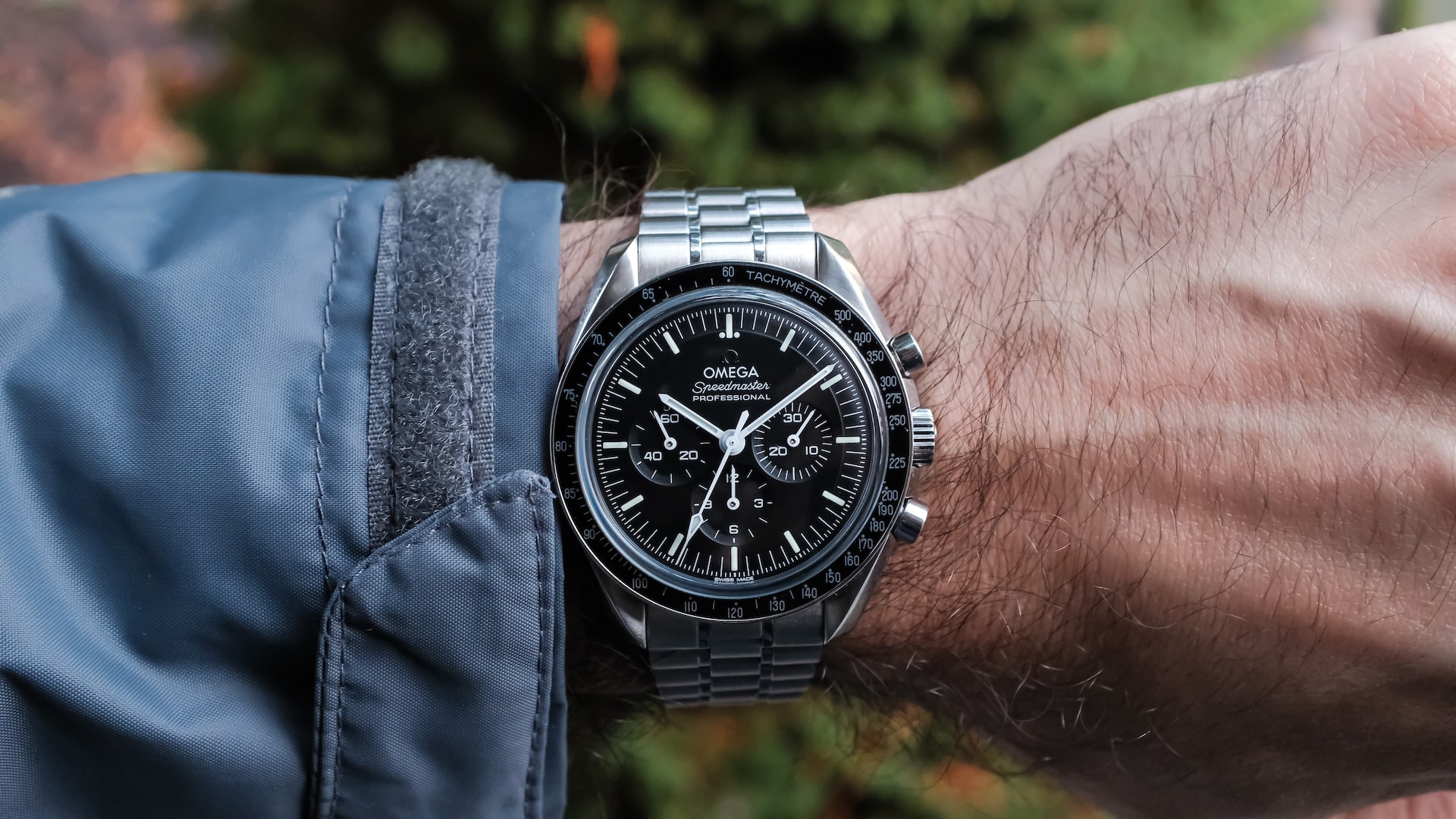
The Speedmaster is the better-engineered, better-finished, more historically significant chronograph. I still believe that. The 3861 movement is a serious piece of watchmaking, the bracelet has become one of the best in its class, and the overall refinement reflects sixty-plus years of earned evolution. Wearing it feels like an event, even now. That might actually be the issue. As my taste has drifted toward watches I can throw on without ceremony, the Speedmaster’s elegance has started working against it in my rotation. I want to be clear: that’s a me problem, not a Speedmaster problem. The watch hasn’t changed. I have.
The Navihawk, meanwhile, did something I wasn’t expecting. It didn’t replace my desire for the Speedmaster experience. It just proved that most of the everyday chronograph experience I actually use, timing things, glancing at a complex dial, wearing a capable tool on my wrist, can be had for a fraction of the price with zero maintenance overhead.
So here’s where I land:
- Choose the Citizen Promaster Navihawk if you want a chronograph that earns daily wear through sheer practicality, capability, and comfort, and you’d rather spend $595 than $9,000 to get there. It’s the recommendation that makes the most sense for most collectors.
- Choose the Omega Speedmaster if the mechanical ritual, the movement finishing, the historical lineage, and the last layers of refinement are things you’ll notice, appreciate, and reach for consistently. The gap is there, but only if those details matter to you on the wrist, not on paper.
Both watches are still in my plans. The Speedmaster isn’t going anywhere. And the Navihawk, the one I had to send back, is now near the top of my purchase list. Maybe the real lesson is that a $595 Citizen can sit comfortably alongside a $9,000 Omega in the same collection without either one feeling out of place. And if that realization makes you rethink which slot in your watch box deserves the bigger investment, well, that’s probably worth sitting with for a while too.

Co-Founder & Senior Editor
Michael Peñate is an American writer, photographer, and podcaster based in Seattle, Washington. His work typically focuses on the passage of time and the tools we use to connect with that very journey. From aviation to music and travel, his interests span a multitude of disciplines that often intersect with the world of watches – and the obsessive culture behind collecting them.