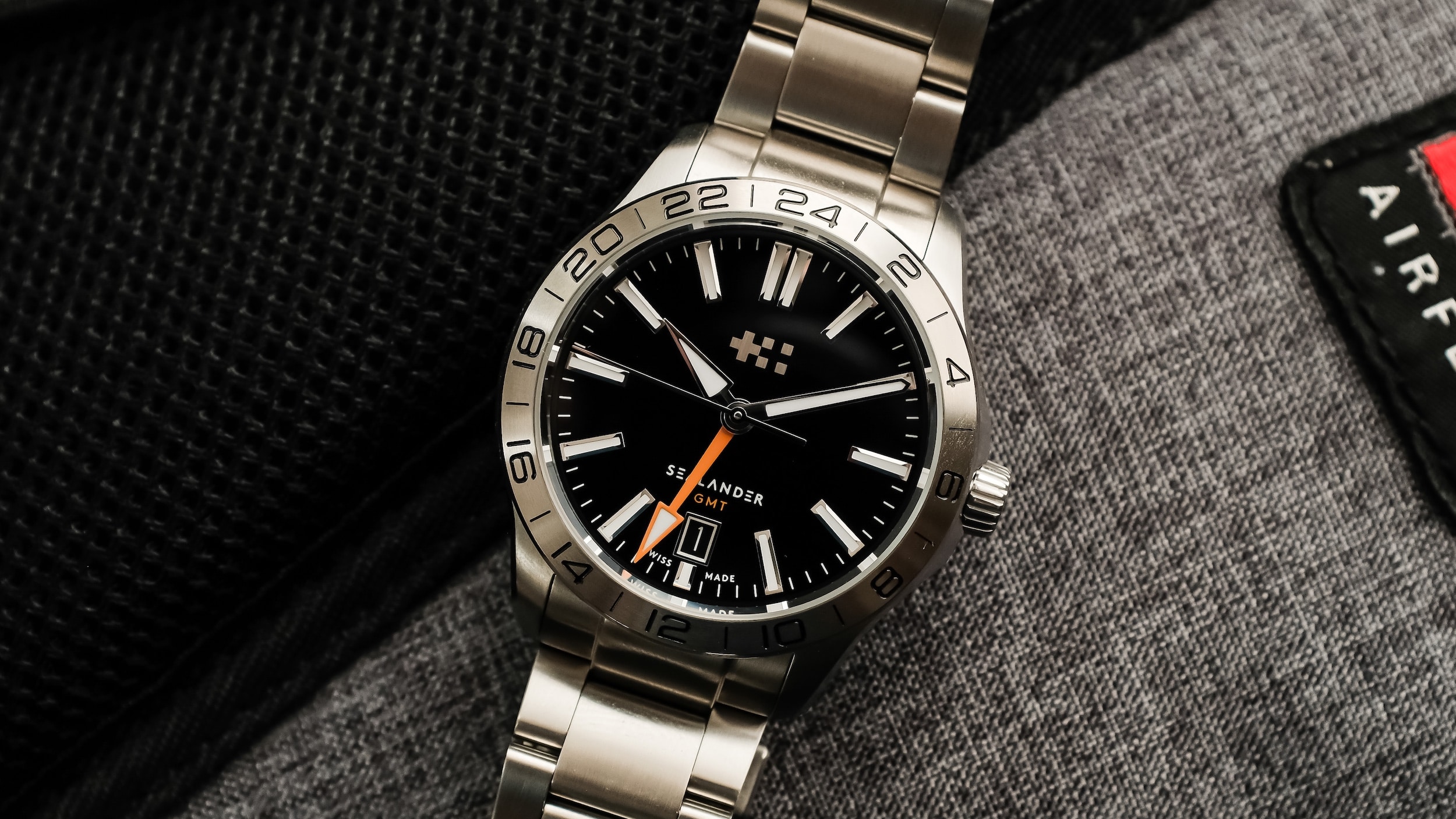
For years, I’ve wanted to spend some meaningful time with one of Christopher Ward’s GMT watches. The brand has released plenty of them, and I’ve found a lot to like along the way. Still, there was usually some small design choice that kept me from fully connecting with one. That was true of the fixed-bezel models that came before this C63 Sealander GMT, and I felt much the same way about several of the rotating-bezel GMTs.
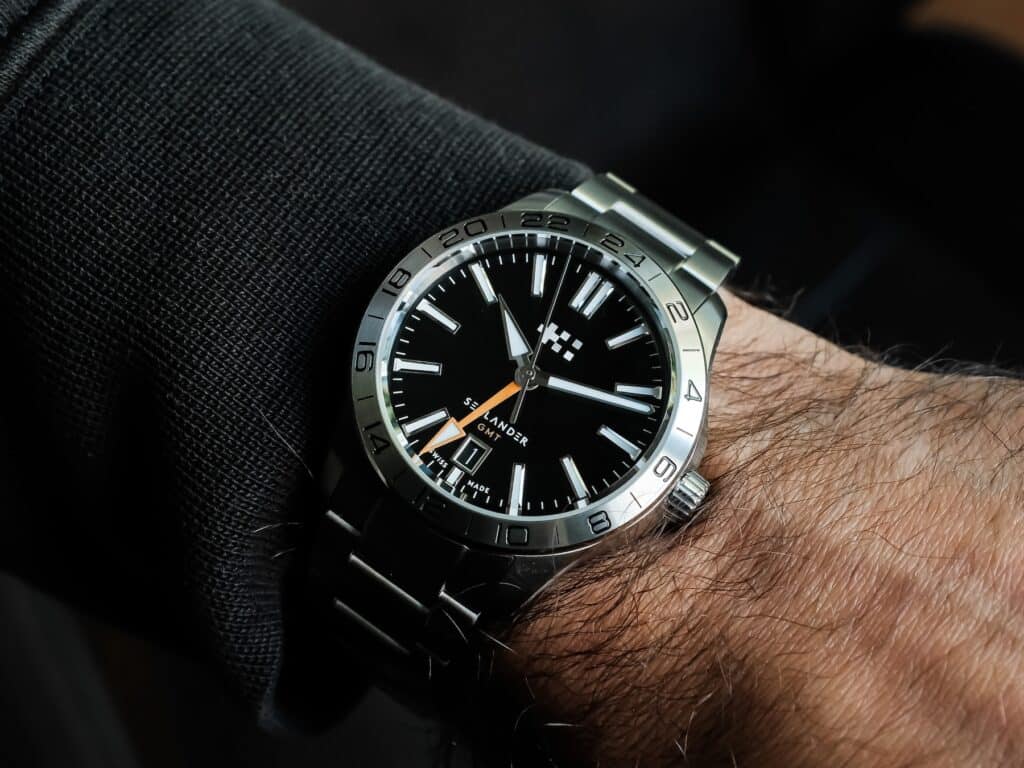
This year, Christopher Ward made some pretty substantial changes across the lineup, including a broader update to the C63 Sealander GMT. After covering the release when it was announced, I was especially interested in seeing how those changes would translate once I had the watch on my wrist for more than an initial look.
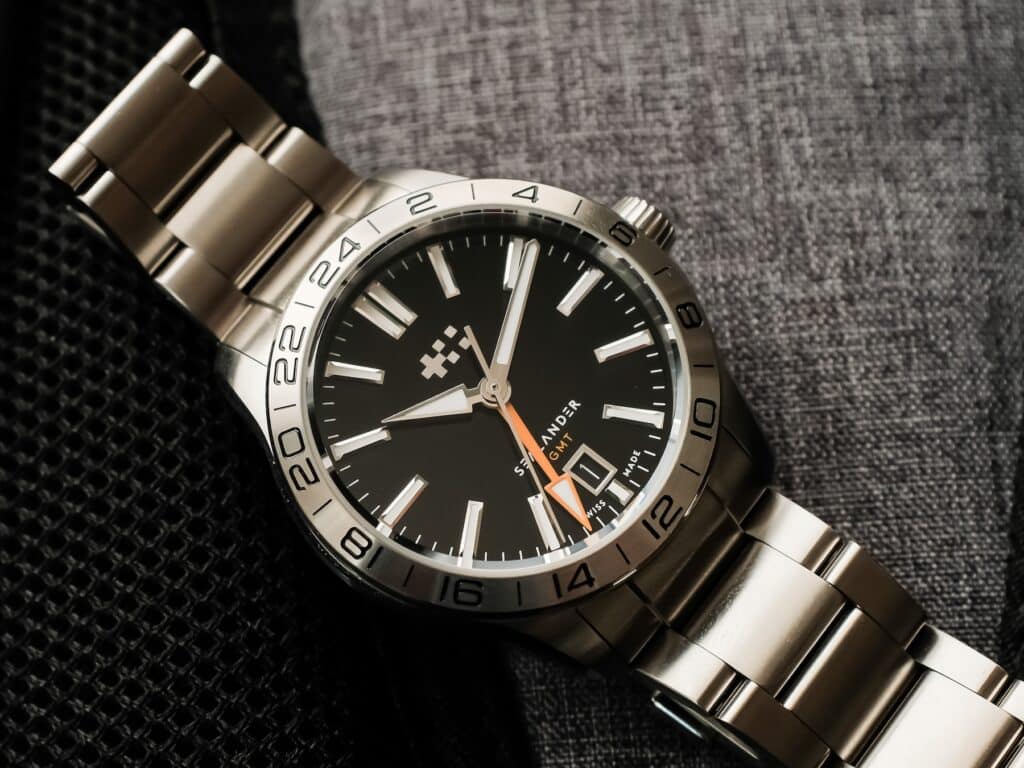
After spending time with this 39mm black-dial version, I can already say that Christopher Ward has moved considerably closer to the kind of straightforward GMT sports watch I’ve wanted to see from them. Some of that comes down to the obvious changes, while other improvements only started making sense after wearing the watch. Here’s how my time with the C63 Sealander GMT shook out.
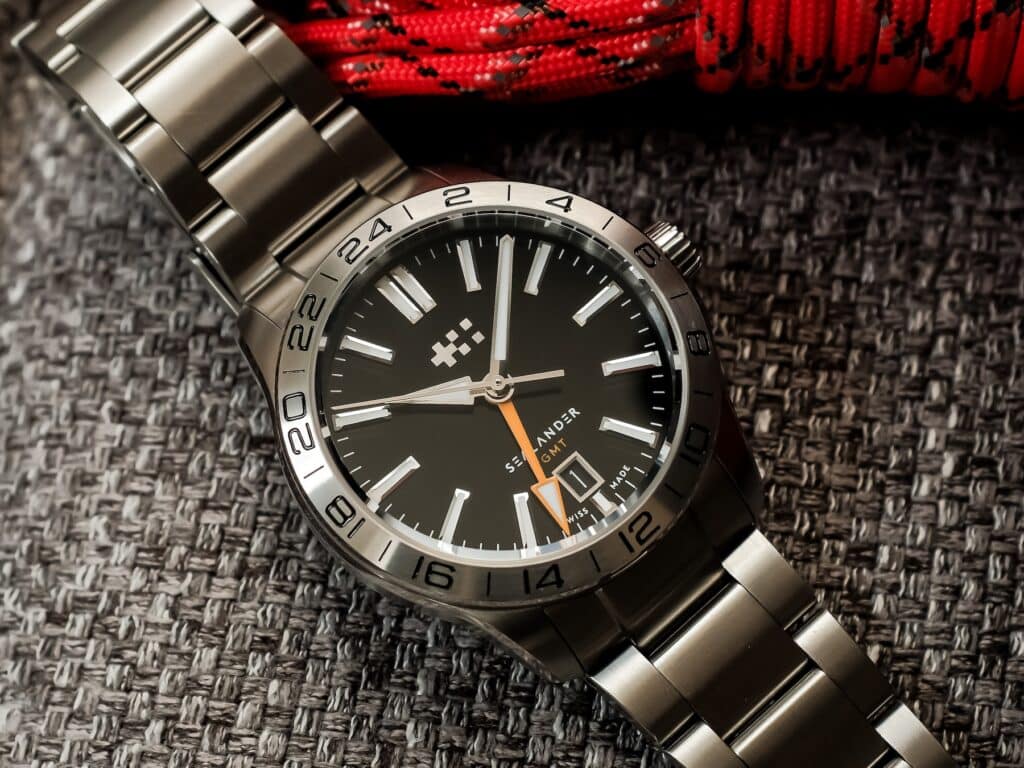
Finding the Right Size
One of the questions I had when Christopher Ward announced this generation of the Sealander GMT was which size I’d actually want. The lineup now covers 36mm, 39mm, and 42mm cases, which gives the basic design a pretty wide range to work with. Before getting one on my wrist, I was split between the 36mm and 39mm. After spending time with this one, I’m firmly in the 39mm camp.
At 39mm across, 11.3mm thick, and 45mm lug-to-lug, this version already lands in a range that tends to work well for me. What surprised me was how compact it felt once I started wearing it. There’s very little bulk to contend with, and that 45mm length keeps the case contained across my wrist. I’d even say it wears a little smaller and slimmer than the dimensions led me to expect.
For comparison, the 36mm measures 10.9mm thick with a 42mm lug-to-lug, while the new 42mm stretches to 48.5mm from lug to lug and measures 11.5mm thick. I understand the logic behind offering all three, but the 39mm is where the proportions settle into place for me.
The revised Light-catcher case is part of the update, although I can’t say it became a major part of my experience. Christopher Ward slimmed and reworked the case while adding a new conical crown with guards. I mostly appreciated the end result. The case wore comfortably and stayed out of the way.
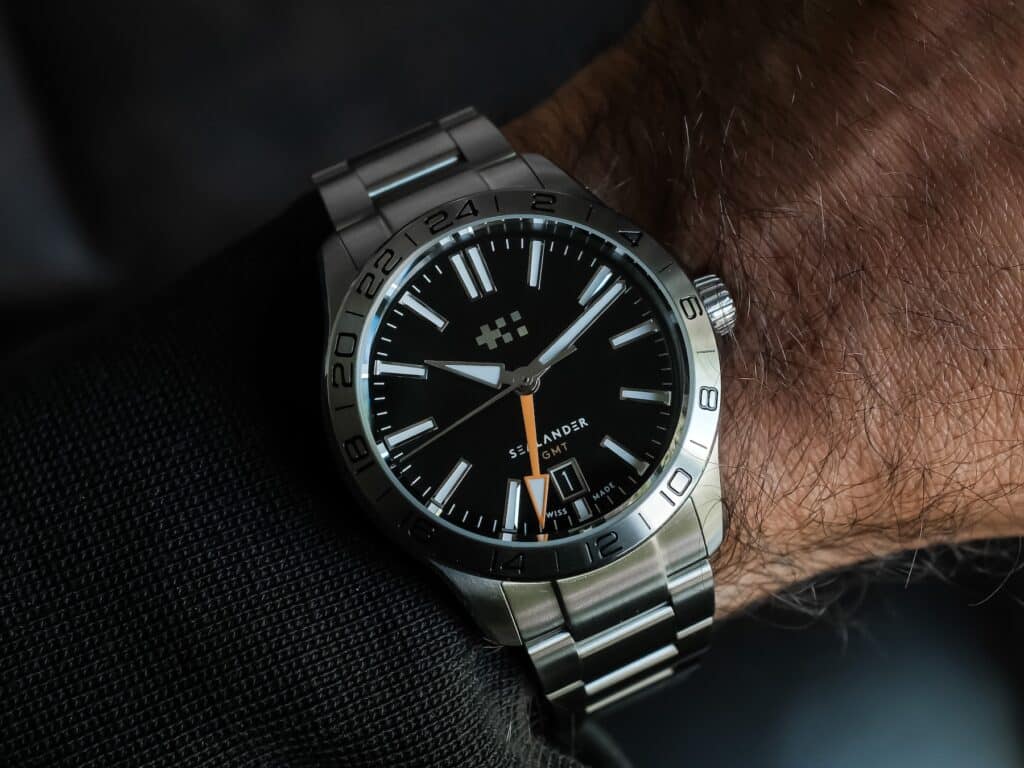
There’s also 150 meters of water resistance, a screw-down crown, and a sapphire crystal. Those are specs I want on an everyday sports watch because they remove things I’d otherwise have to think about. During my time with the C63, I never felt like I needed to treat it delicately.
A GMT That Finally Looks Right to Me
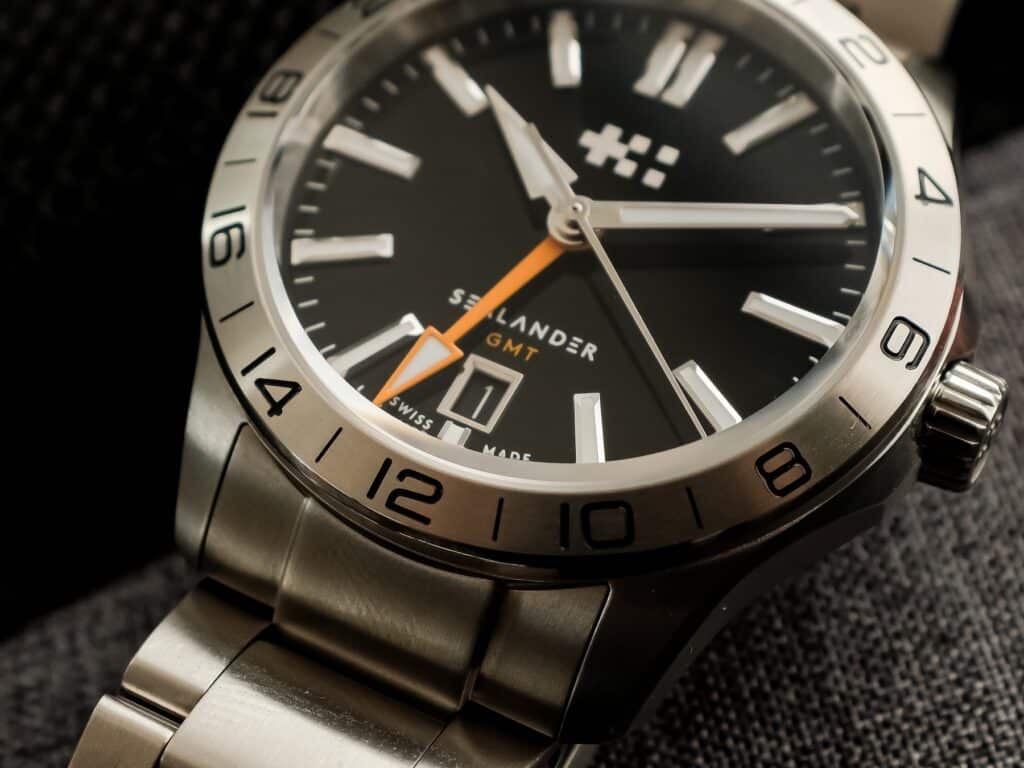
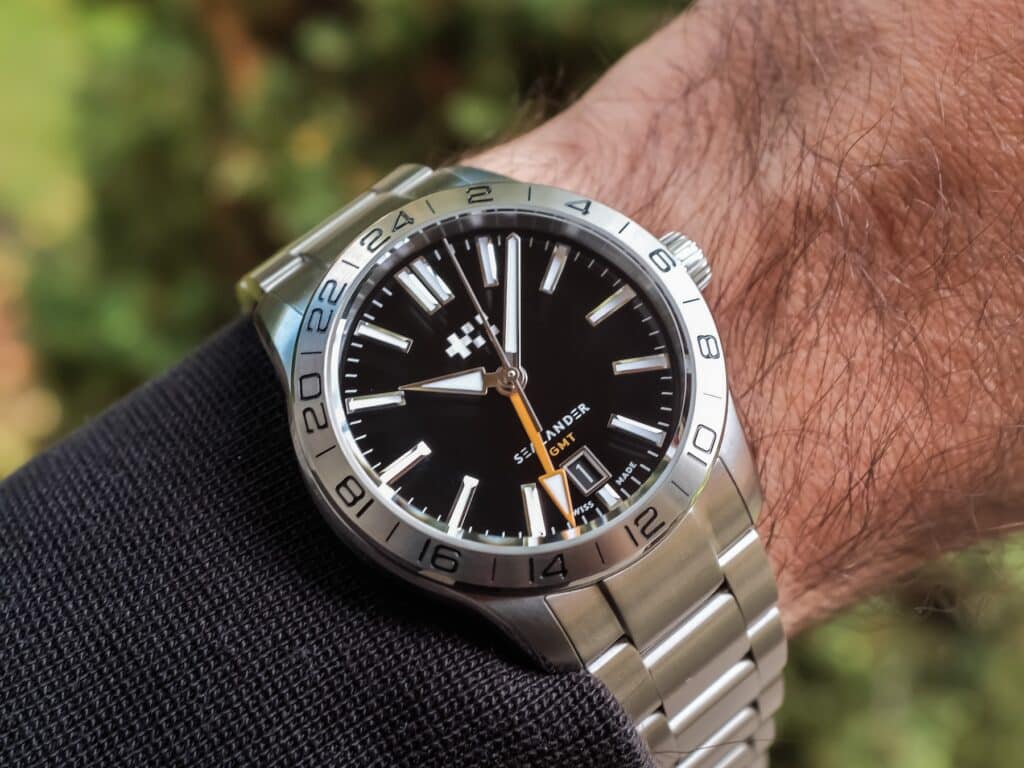
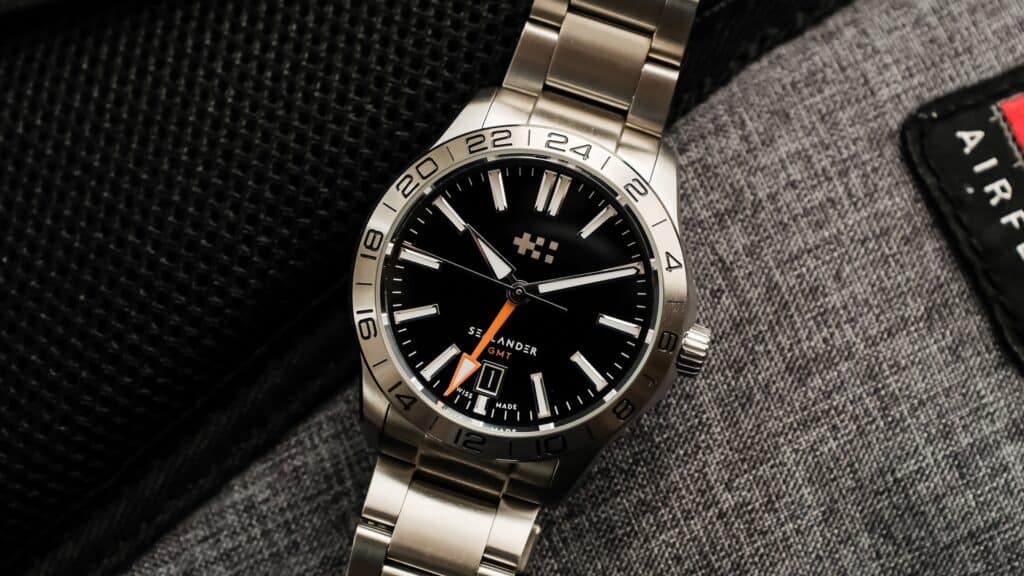
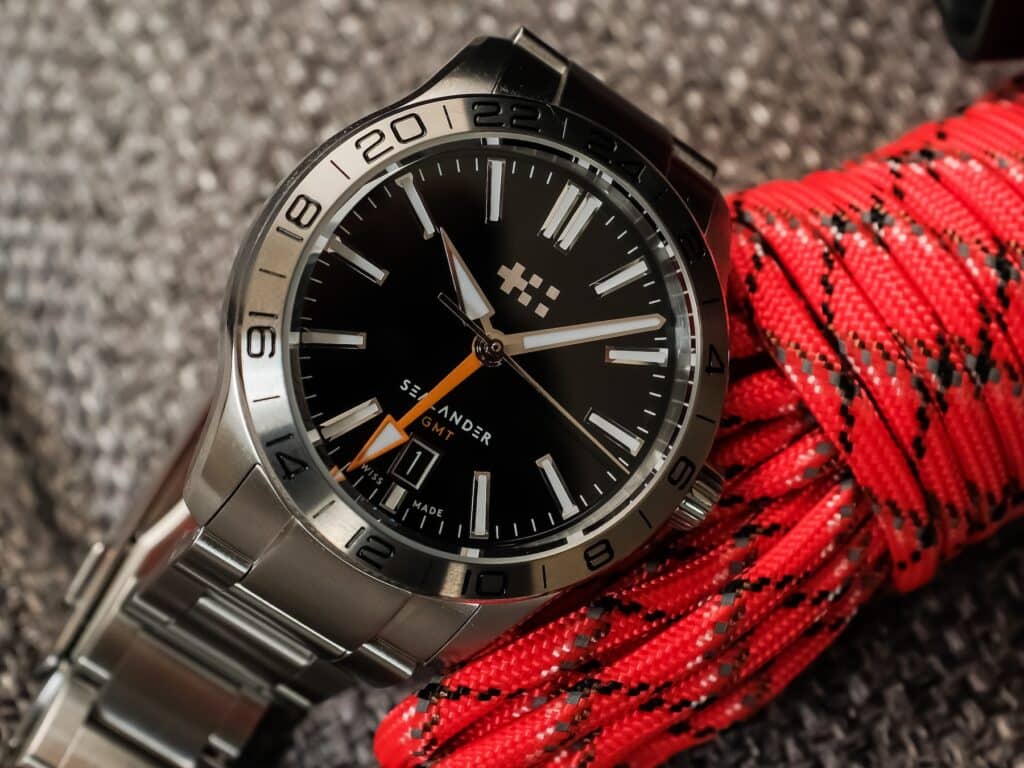
The fixed stainless steel bezel is another area where Christopher Ward made a relatively small adjustment that improves the watch as a whole. It has been re-proportioned with a larger footprint and shallower angle, and the difference is subtle in person. I still think it looks better. The bezel sits more naturally with the case and dial than it did on previous versions.
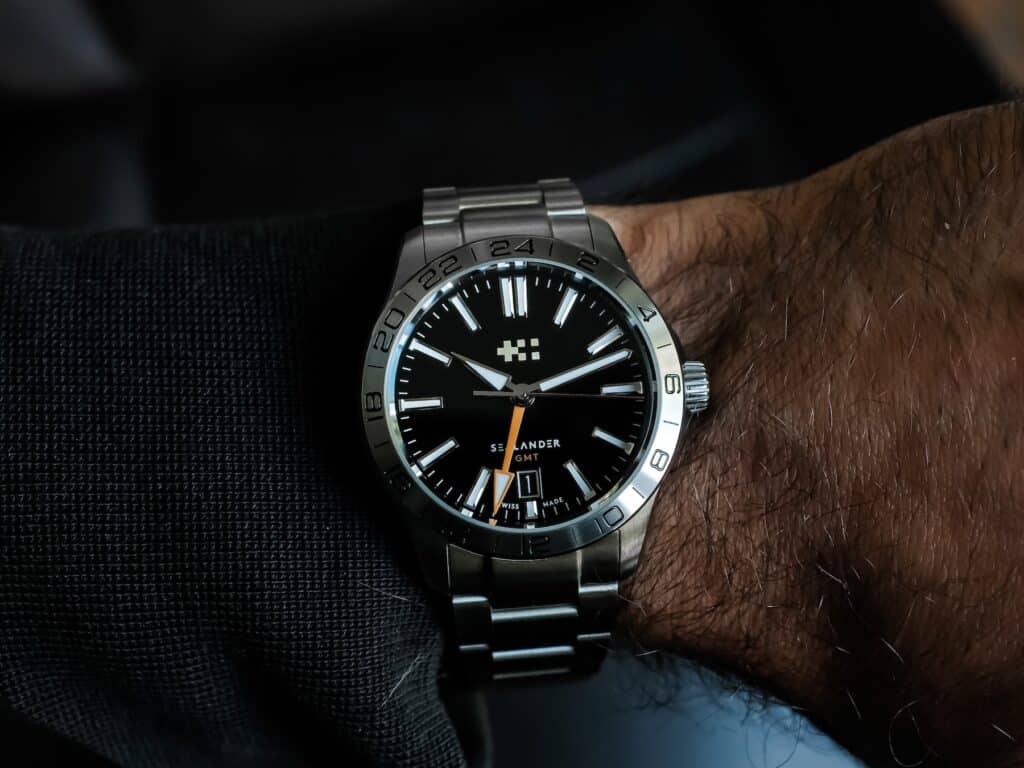
The black lacquer dial on this review sample is probably the most conservative version I could have spent time with. Christopher Ward offers several brighter alternatives, and after living with the black dial, I do find myself wanting a little more color. Black provides plenty of contrast and versatility. I just think this design can handle something more playful.
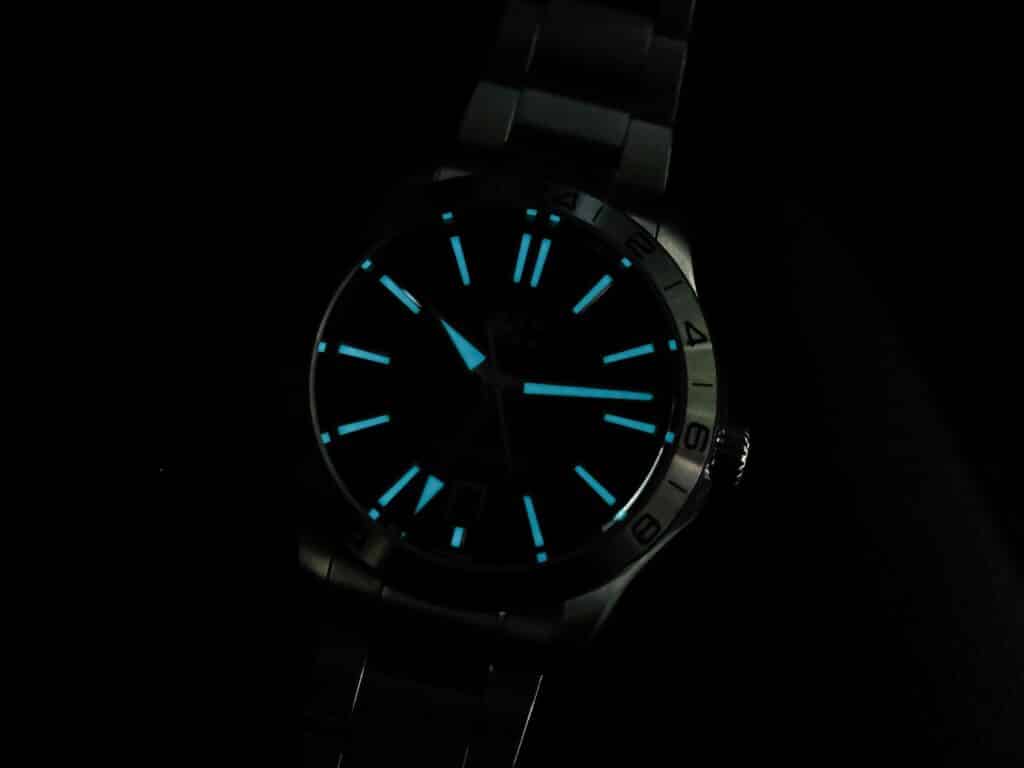
Several of the smaller changes I noticed when the watch was announced also hold up in person. The hands have been slimmed down, the applied markers have been revised, and the Trident counterweight that used to hang off the seconds hand is gone. I’ve never been particularly attached to that detail, so cleaning up the seconds hand works for me.
The GMT hand is where Christopher Ward made one of my favorite changes. Rather than limiting the color to the tip, the entire GMT hand is now painted. Against this black dial, I can pick it out immediately, and it gives the complication the stronger visual identity I always wanted from previous versions.
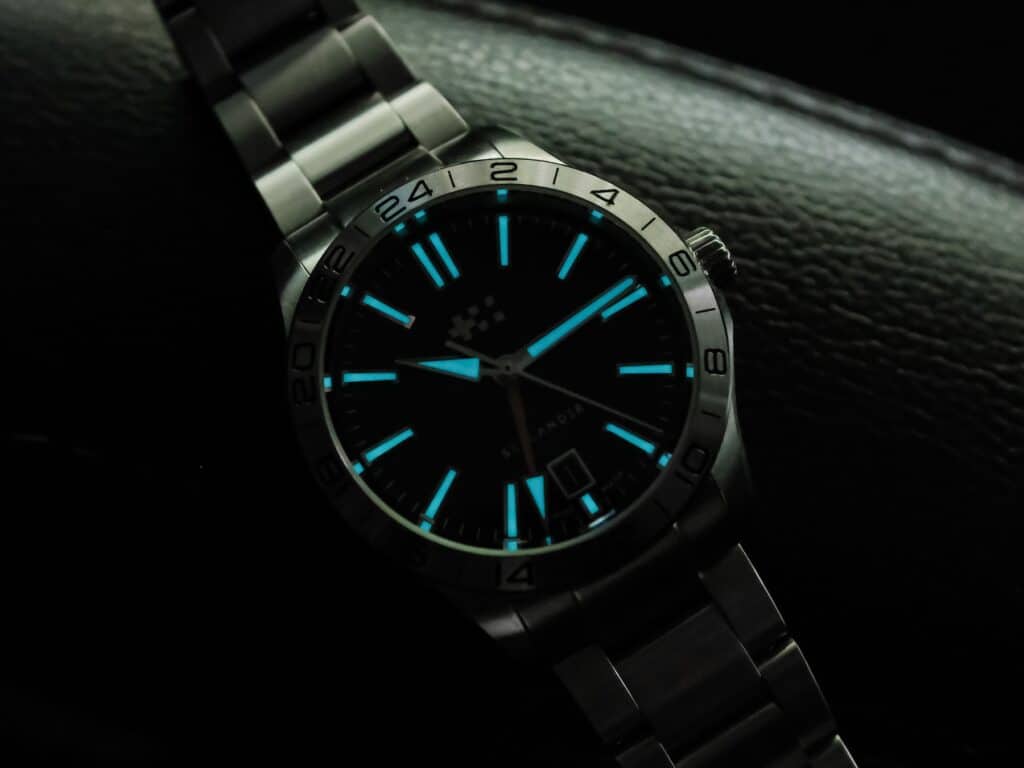
This is where the broader update started making sense to me. I can point to the bezel, handset, GMT hand, and case proportions individually. None completely changes the Sealander GMT. Together, they make the design feel considerably more resolved.
The SW330-2 Makes Sense Here
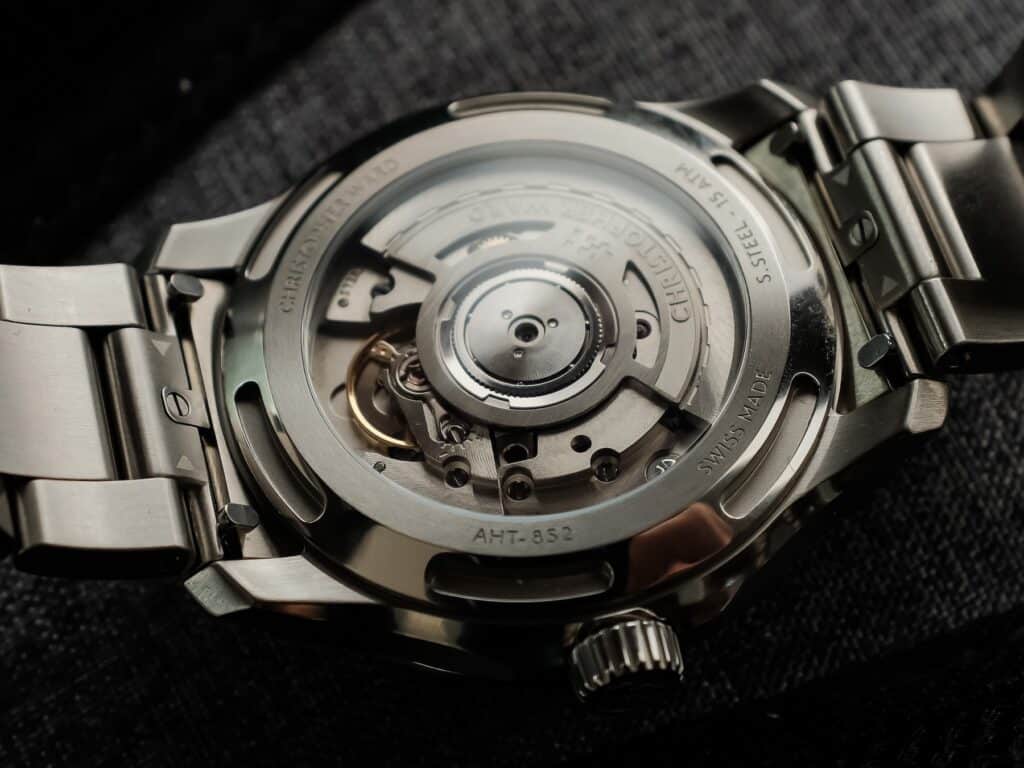
Christopher Ward continues to use the Sellita SW330-2. It runs at 28,800 vibrations per hour, has 25 jewels, and offers a typical 56-hour power reserve. Christopher Ward rates the movement to -5/+12 seconds per day.
It’s also a caller-style GMT, meaning the GMT hand can be adjusted independently while the local hour hand cannot. That distinction gets plenty of attention these days as more flyer-style movements reach the market. In my case, I’m comfortable with the way the SW330-2 operates.
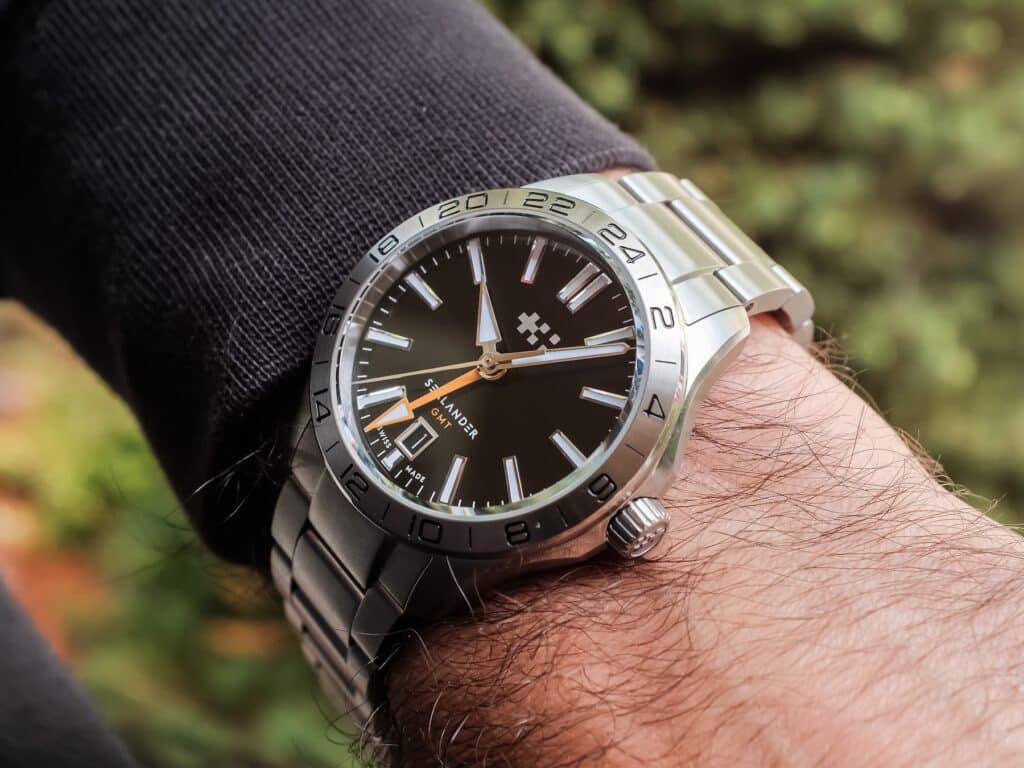
My own use of a GMT fits this arrangement pretty well. I can set the additional hand to whatever second time zone I want to follow and leave it there. A flyer configuration would be useful if I were frequently jumping between local time zones, but during this loan, the caller setup never became something I wished were different.
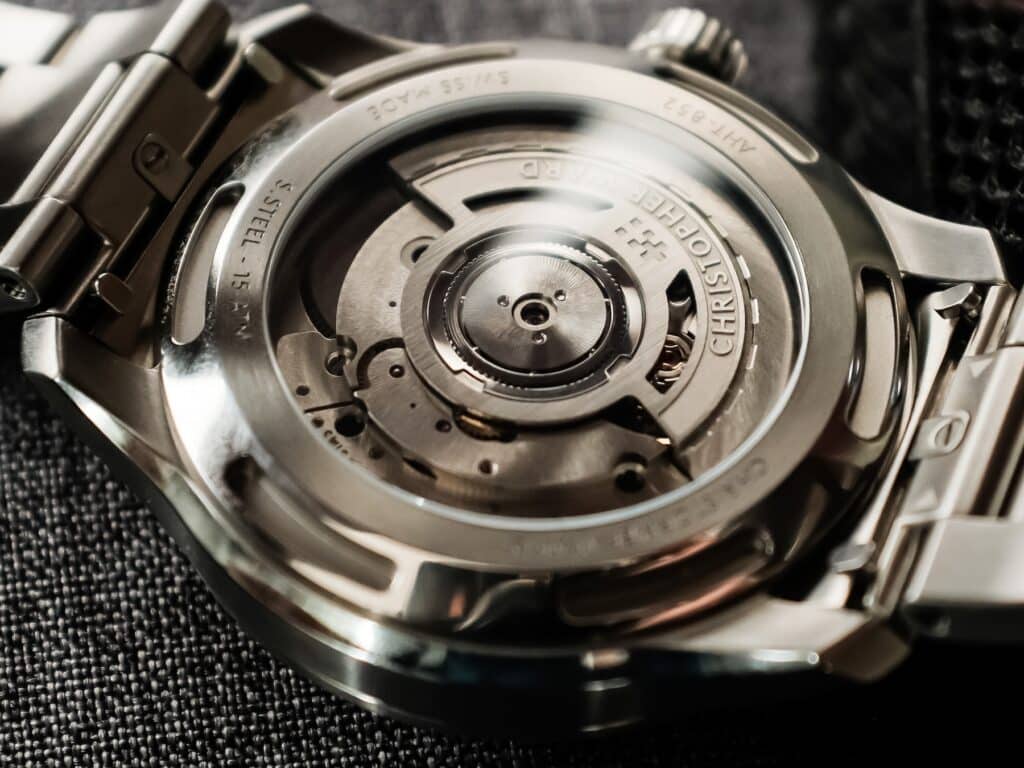
The 56-hour reserve was similarly uneventful. It’s useful, but I barely thought about it while wearing the watch. The movement also gets Christopher Ward’s newer skeletonized rotor, which gives me something a little more interesting to look at through the display caseback without changing the underlying mechanics.
The Bader Bracelet Gets the Fundamentals Right
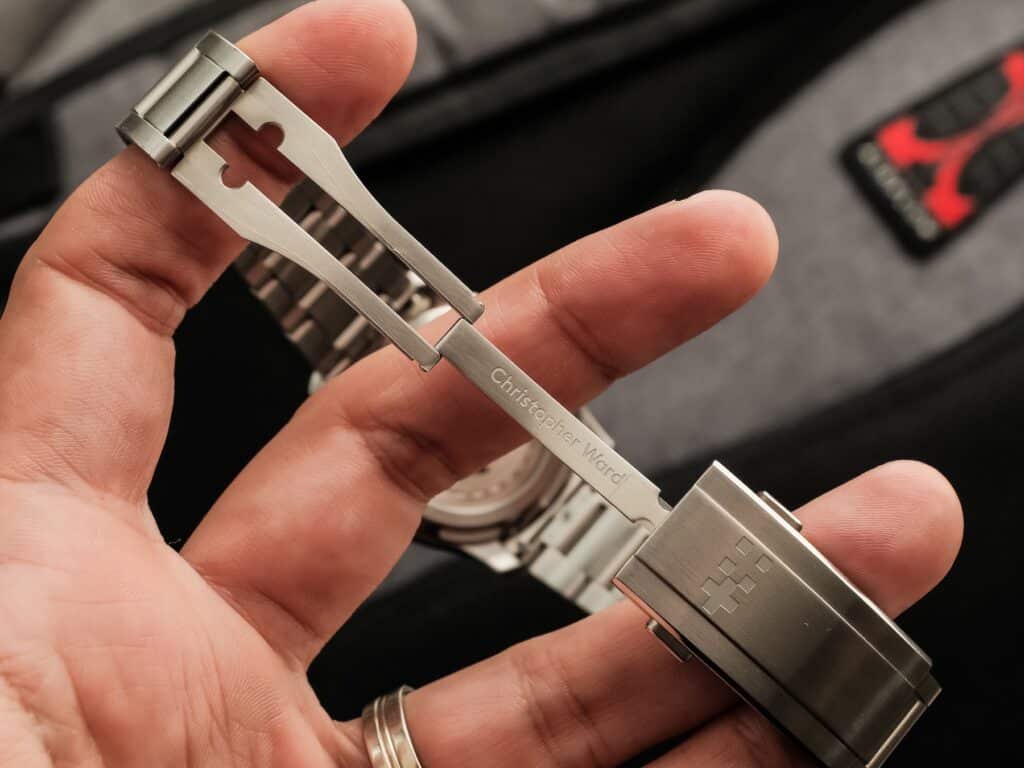
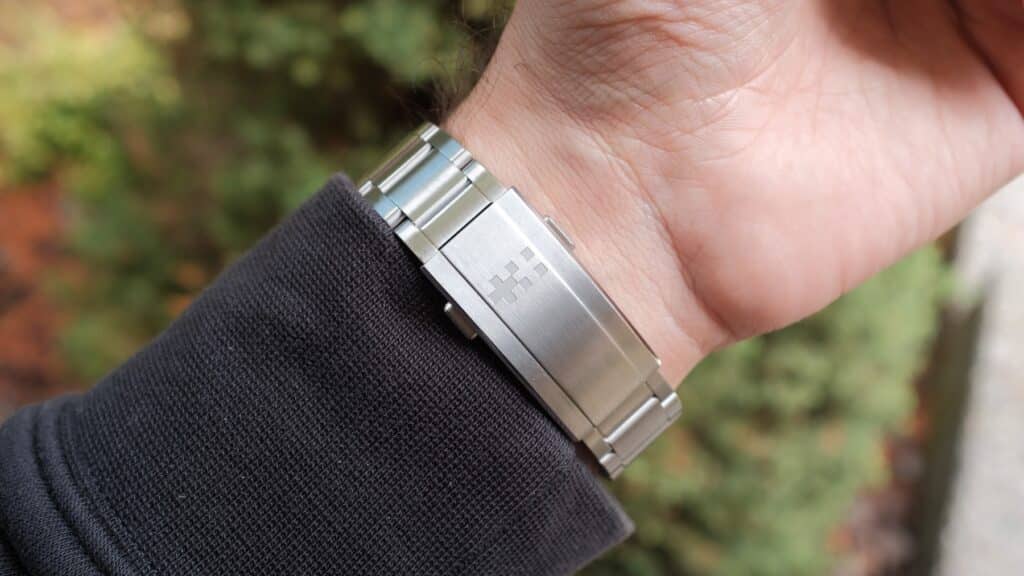
The Bader bracelet ended up being another strong part of my time with the watch. Once sized, it articulated well around my wrist, tapered nicely, and kept the 39mm case feeling balanced. The clasp also provides ratcheting micro-adjustment, which I appreciate far more during daily wear than most elaborate bracelet features.
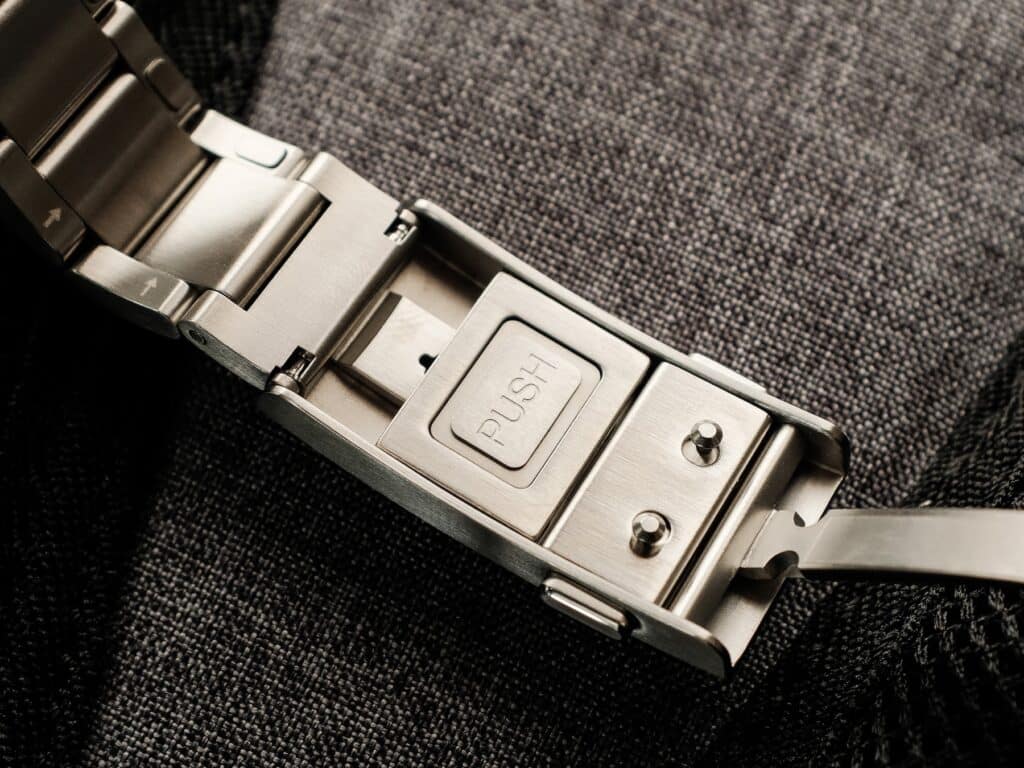
Then there’s iLink, Christopher Ward’s new tool-free link adjustment system. This caught my eye when I covered the release because it removes some of the hassle from initial sizing. After using it, I think the system is clever and convenient, although I’m less inclined to treat it as a major selling point.
I’ve dealt with enough screwed bracelet links that using a screwdriver doesn’t particularly bother me. Once I have a bracelet sized, I’m also unlikely to touch those links again. I appreciate what Christopher Ward has done with iLink, but the comfort and articulation of the Bader bracelet matter much more to me.
Where All Those Changes Landed
When I covered this generation of the C63 Sealander GMT at launch, I already liked the direction Christopher Ward was heading. What I couldn’t tell from photos and specifications was how much any of those changes would matter after wearing one. The answer turned out to be more than I expected.
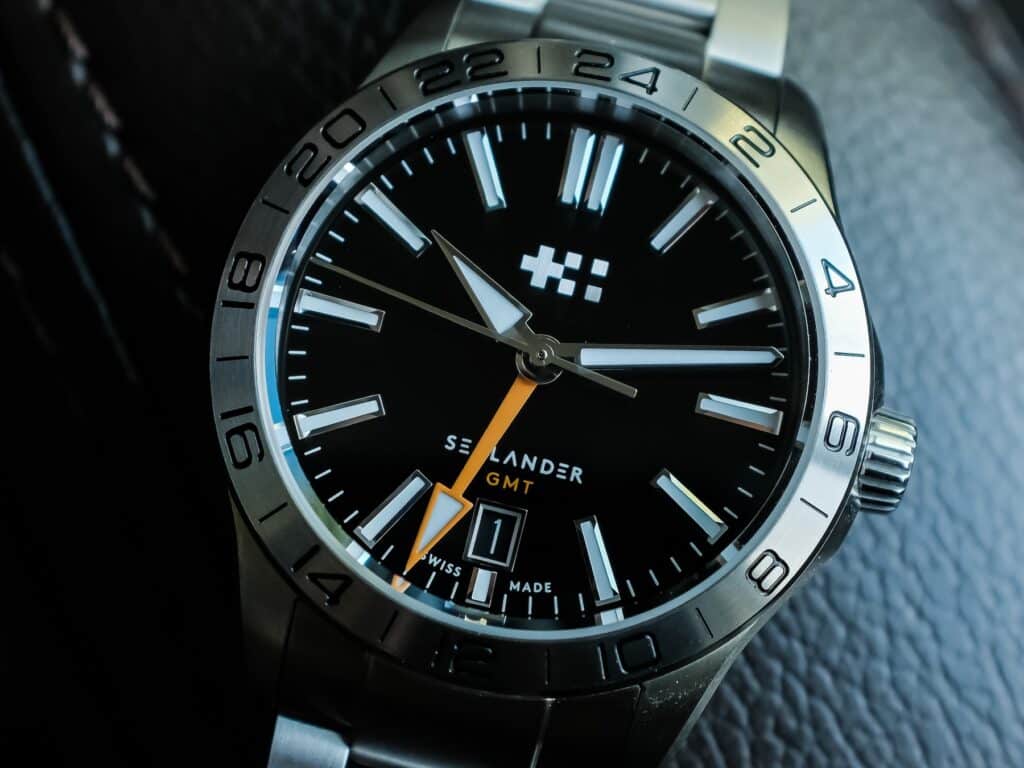
I’m sold on the 39mm size. The revised bezel looks better without drawing too much attention to itself. The dial has lost some of the details I never cared for, and the fully painted GMT hand gives the complication the visual presence I wanted. The Bader bracelet is comfortable and well matched to the case, while iLink adds some convenience without becoming the reason I like the bracelet.
The areas where I’m less enthusiastic are easy for me to put into perspective. The black dial is a little conservative for my taste, especially knowing there are more colorful options available. The caller-style movement will matter more to some GMT enthusiasts than it does to me. Neither became a meaningful source of frustration during my time with the watch.
Wrapping Things Up
What surprised me most was how little any single update dominated my experience. Instead, I kept noticing that fewer things were bothering me. For years, Christopher Ward GMTs seemed to get close to what I wanted while leaving a few details that I couldn’t quite get past. Spending time with this C63 Sealander GMT felt different. I stopped cataloging those little reservations and started wearing the watch.
I’m also no longer debating whether I’d want the 36mm or 39mm. I’d take this 39mm version priced at $1,620. It wears smaller than I expected, gives the GMT display enough room, and feels properly balanced on the Bader bracelet.
After years of seeing Christopher Ward GMTs get close to the version I had pictured in my head, this one gets closer than any of them have before. No single revision got it there. Christopher Ward simply addressed enough of the details that had been holding previous versions back for me, and the cumulative effect was bigger than I expected.

Co-Founder & Senior Editor
Michael Peñate is an American writer, photographer, and podcaster based in Seattle, Washington. His work typically focuses on the passage of time and the tools we use to connect with that very journey. From aviation to music and travel, his interests span a multitude of disciplines that often intersect with the world of watches – and the obsessive culture behind collecting them.