Putting a quartz Timex next to a Rolex Submariner probably sounds ridiculous upfront. One is the most famous luxury dive watch ever made, with seven decades of refinement behind it. The other launched in 2024 as part of Timex’s push into serious, spec-forward tool watches. And yet the question underneath this pairing refuses to go away: how much of the dive watch experience can you actually get for a fraction of the price? Set aside the prestige and the waitlist theater, and what remains is the part that matters: strapping on a capable diver and living with it.
We’ve spent real wrist time with both watches, and that matters here. Spec sheets make this comparison look absurd. Hands-on experience makes it interesting. After more than a decade of reviews at TBWS, we’ve learned that the gap between a great affordable watch and a great luxury watch is rarely where the price tags suggest it should be. Sometimes the cheap watch embarrasses itself. Sometimes it quietly delivers most of what you wanted in the first place. This comparison is about finding out which story applies when a big, confident Timex diver squares up against the benchmark.
Overview and Identity
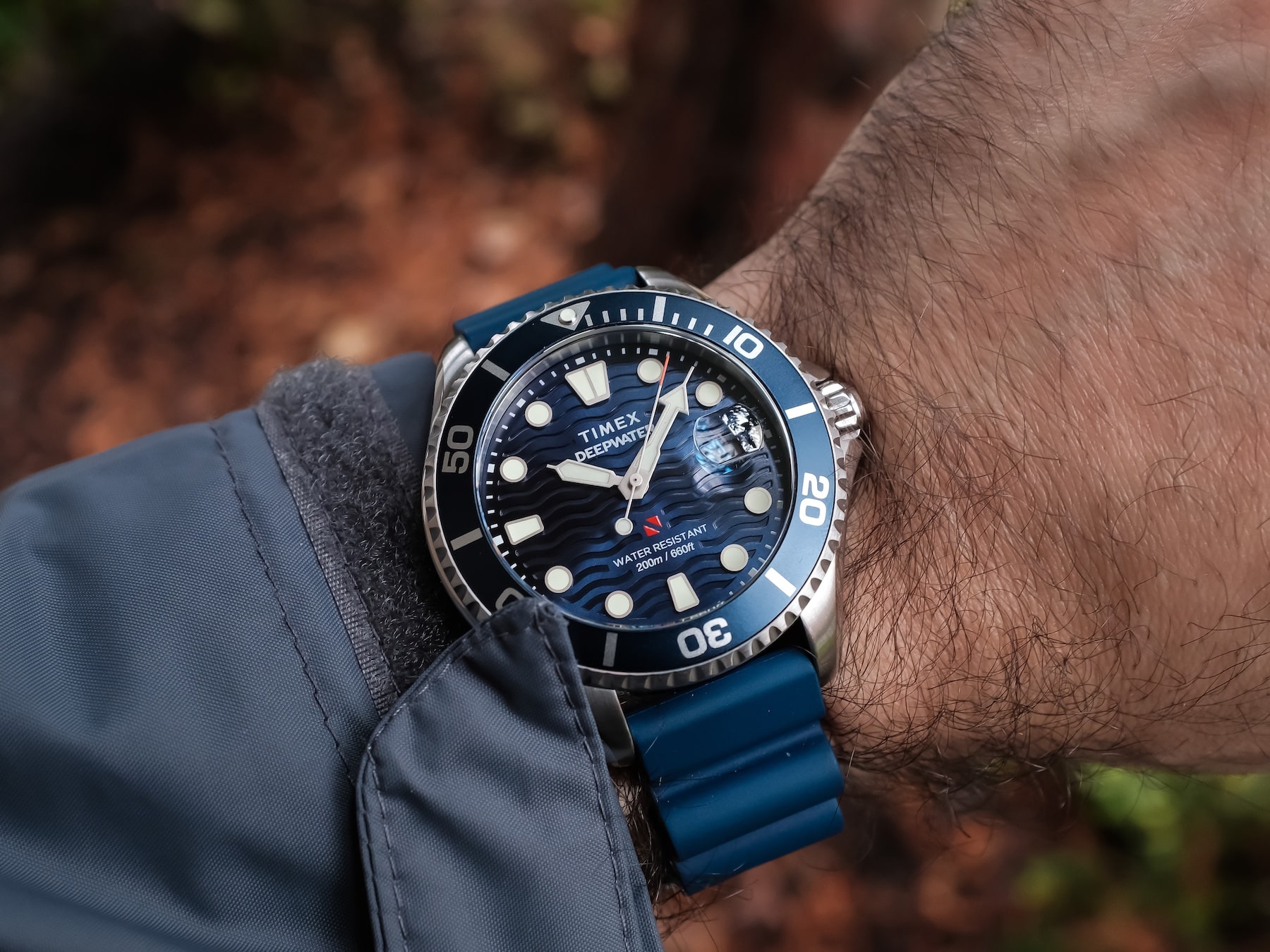
The Timex Deepwater Meridian 200 caught us off guard. When we reviewed the blue sunburst TW2W81500, we expected the usual starter fare and instead found a heavy, serious watch with a bit of Sea-Dweller energy in its chunkiness. The Deepwater series exists because Timex noticed a demand for practical dive watches that don’t feel like toys, and this one commits to the assignment. Sapphire crystal, screw-down crown and caseback, a legitimate 200 meter rating, and a case that wears like a proper tool watch rather than a fashion piece with crown guards. It sits well above the brand’s entry-level divers, and it feels like Timex trying to grow up a bit without abandoning what makes the brand accessible.
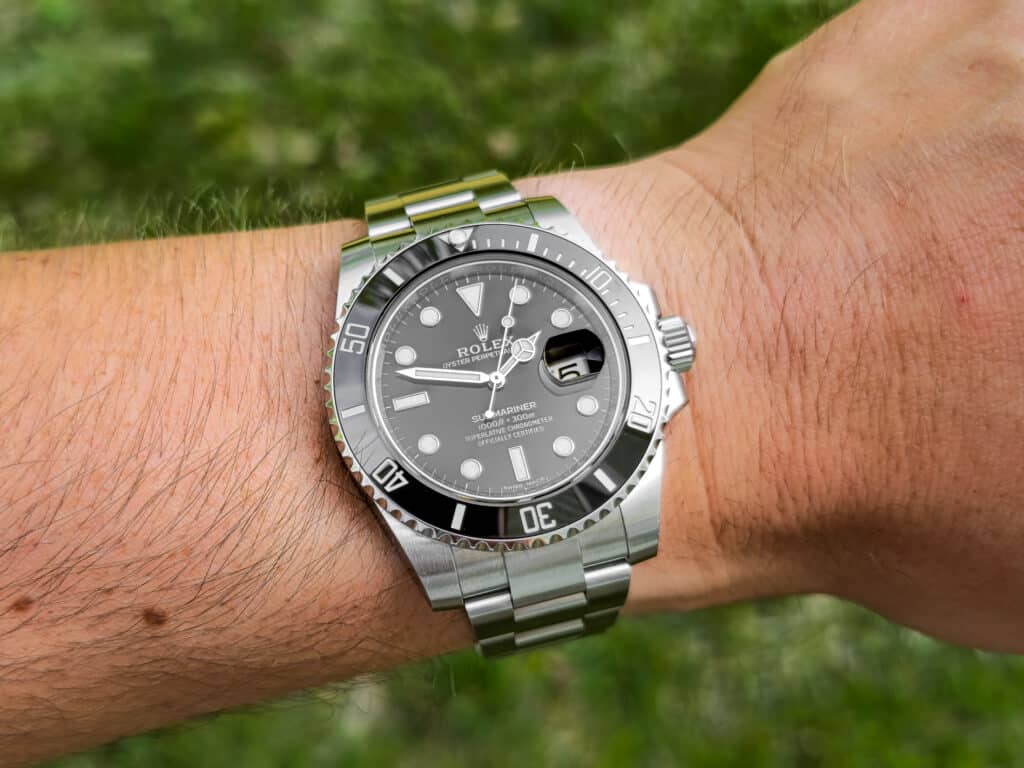
The Rolex Submariner needs no introduction, which is exactly its problem. Plenty of people chase the crown on the dial before they ever consider the watch underneath it. That’s a shame, because our hands-on time with the Submariner confirmed that the watch earns its reputation through the ownership experience rather than the logo. The bezel, bracelet, case, and dial work together with a cohesion that comes from decades of slow, deliberate refinement. There’s nothing dramatic about it, and that’s the point. It still wears like the tool watch that shaped the modern dive watch formula, even if most Submariners never see open water.
- The Timex Deepwater Meridian 200 is the brand’s most convincing argument yet that an affordable quartz diver can feel substantial, capable, and serious on the wrist.
- The Rolex Submariner remains the benchmark, a watch whose appeal comes from cohesion and refinement rather than any single flashy feature.
Dial, Bracelet & Wearability: Confident Character vs Meticulous Refinement
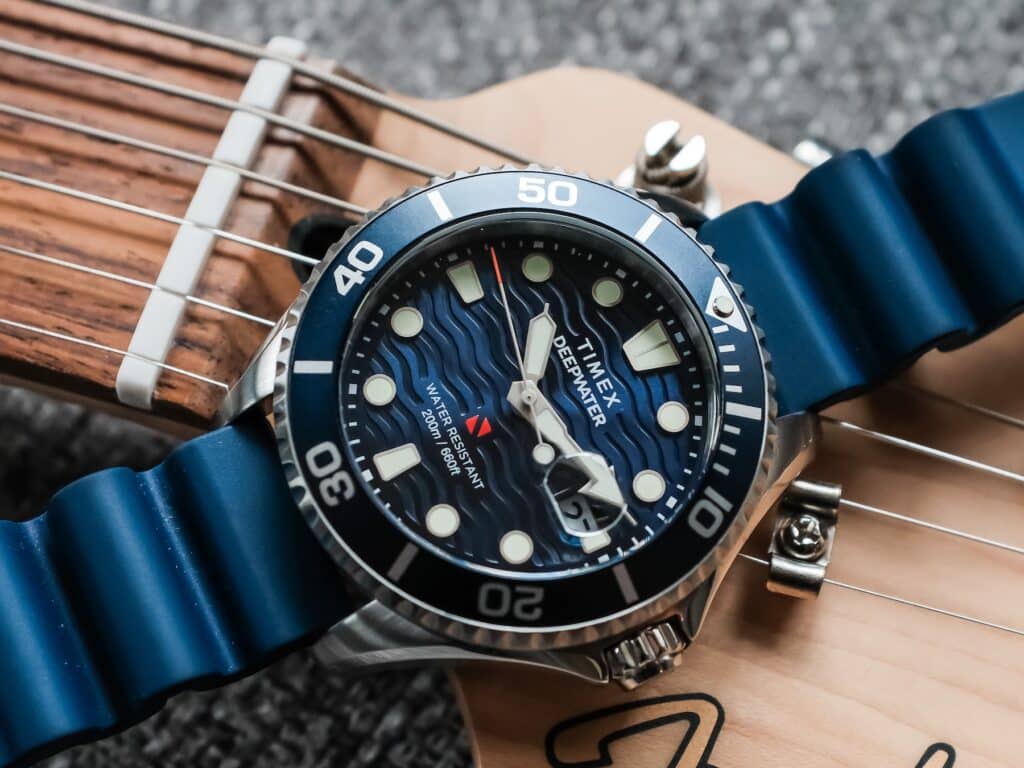
The Deepwater Meridian’s dial is where Timex shows a little personality. The rich blue sunburst base carries a wave pattern cut into it, with just enough Seamaster vibe to register without feeling like a copy. Applied indices, crisp white text, and a red diver’s flag add contrast without clutter, and the way the blue and red tones play together is genuinely handsome. The cyclops over the date at 3 o’clock won’t please everyone, but the crystal handles it cleanly with minimal distortion. For a watch in this territory, the dial feels like a place where Timex spent real attention.
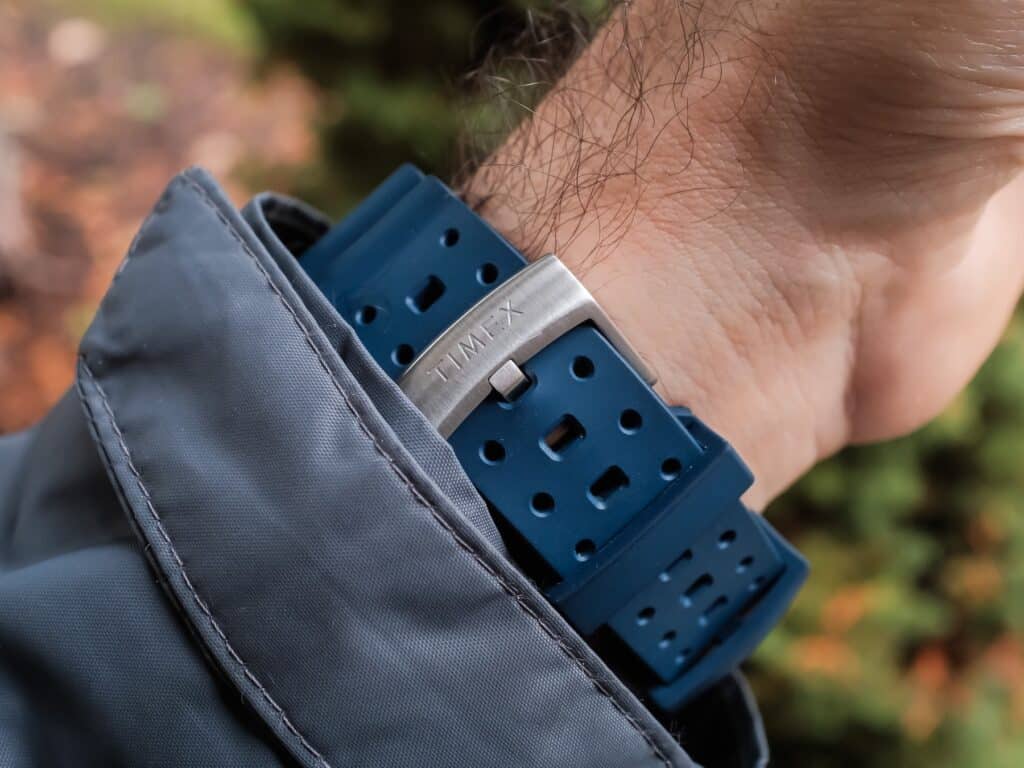
On the wrist, the big Timex behaves better than its numbers suggest. At 44mm with a 50.5mm lug-to-lug, it should be a handful. Instead, the long lugs curve nicely and the flat caseback helps it sit low and comfortable. It reads as bold rather than clumsy, and it never felt like it was fighting the wrist during extended wear. Our review time didn’t include much of a verdict on the bracelet, so we’ll keep our comparison focused on the case and dial here, where the watch makes its strongest impression anyway.
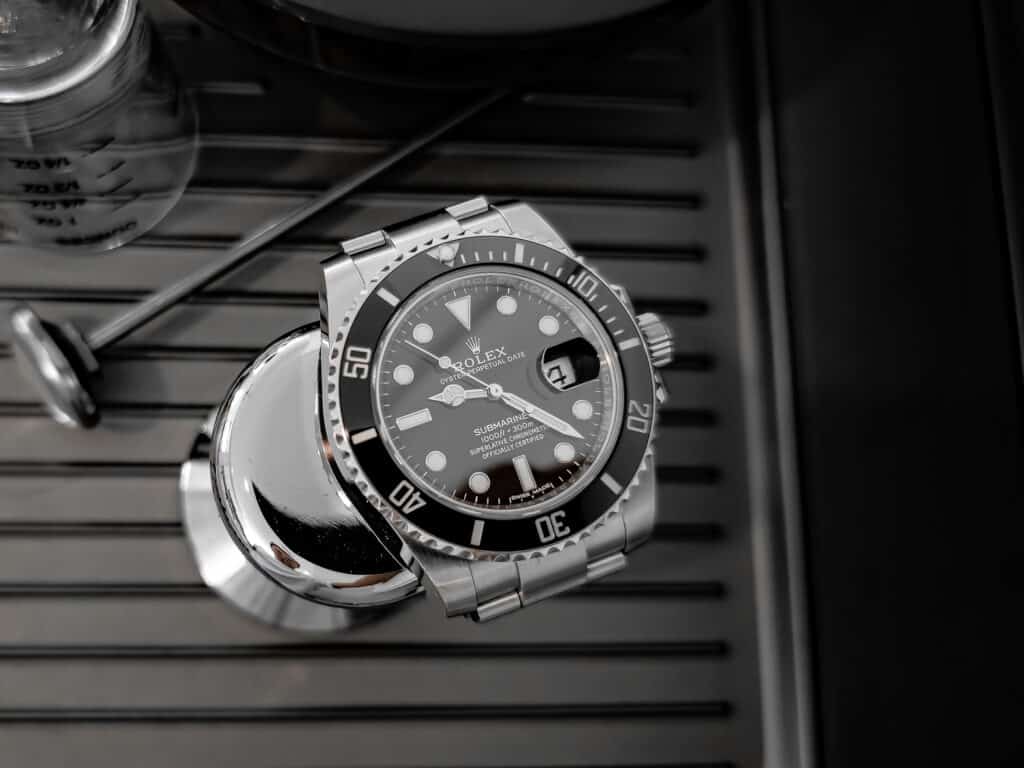
The Submariner’s dial takes the opposite approach. At first glance, there’s nothing flashy about it, yet everything is executed to an extremely high standard. Crisp printing, white gold surrounds on the indices, the iconic Mercedes handset, and a glossy black dial that stays balanced even with seven lines of text. Legibility is excellent in every condition we tried. The longer we wore it, the more we appreciated how drama-free the whole layout is.
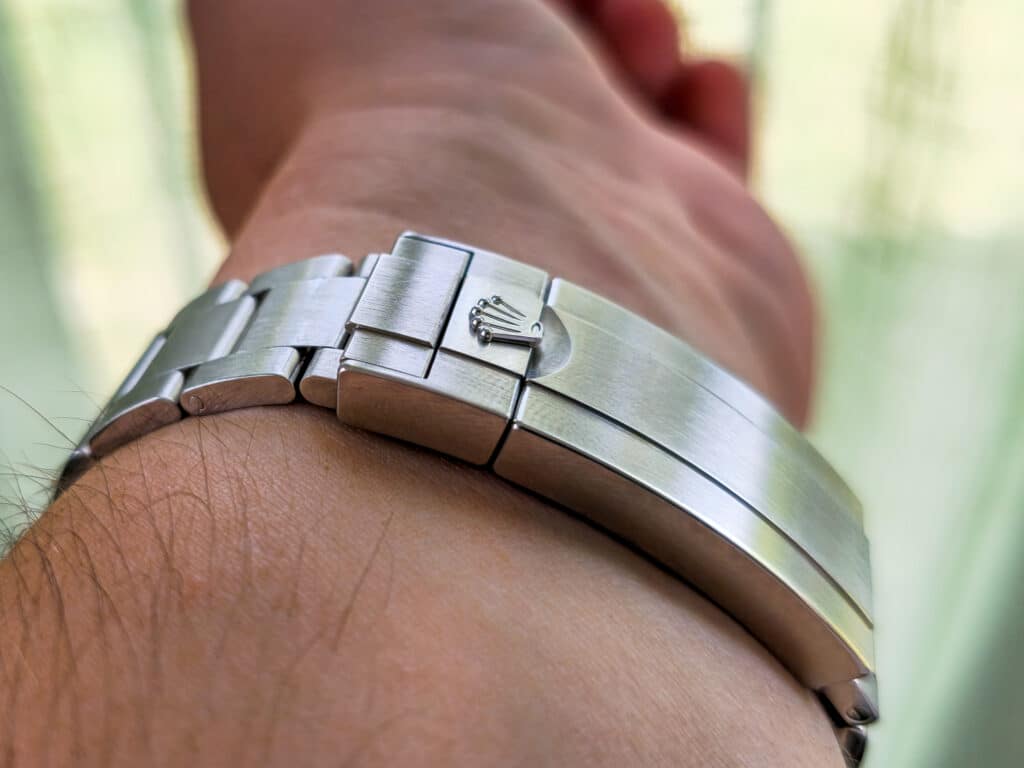
Then there’s the Oyster bracelet, which remains the Submariner’s most persuasive component. The 20mm to 16mm taper gives the watch a substantial yet elegant feel, the links articulate with zero gap or wiggle at the end links, and the Glidelock clasp offers about a link and a half of tool-free adjustment with silky action. It’s one of the few bracelets we’ve worn that nearly disappears once sized correctly, and the all-brushed finish hides desk diving scuffs remarkably well. If the price gap between these two watches lives anywhere specific, a lot of it lives right here.
- The Timex pairs a characterful wave-pattern dial with a big case that wears far more comfortably than 44mm suggests, though our time with it left the bracelet largely unexamined.
- The Submariner combines a restrained, supremely legible dial with an Oyster bracelet and Glidelock clasp that still set the standard for all-day comfort and adjustability.
Build Quality & Technical Approach
These two watches share a category and almost nothing else. One is a quartz tool watch built to a price. The other is a mechanical icon built to a philosophy. That contrast is where this comparison stops being a joke and starts being useful, because the engineering choices reveal exactly what each brand believes a dive watch owes its owner.
Movements:
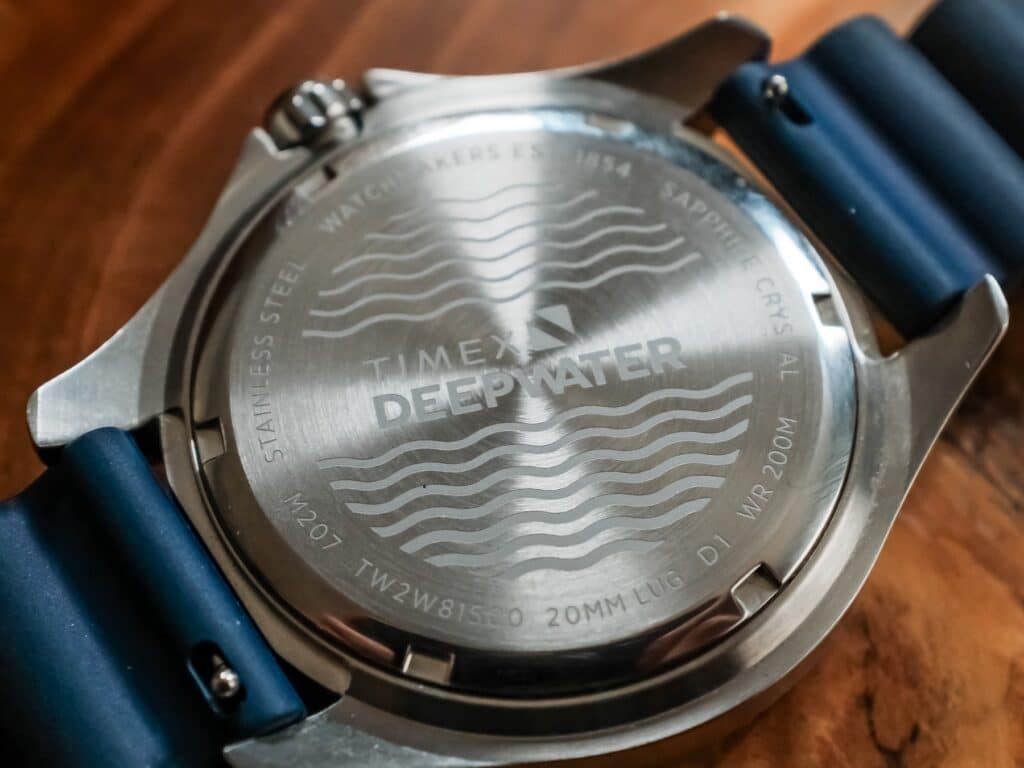
Inside the Timex sits the Seiko Epson VX42E quartz movement. It hacks, it has a quickset date, and it runs about three years on a single battery. No pretense, no theatrics. The crown doesn’t wobble during setting, and the hands snap into place without hesitation. Some enthusiasts will see quartz as a compromise. We’d argue it’s the honest choice for a watch you might throw into a bag or wear while working on something messy. A common, reliable movement suits this watch’s whole mission, and we never once thought about it during wear, which is the highest compliment a movement like this can earn.
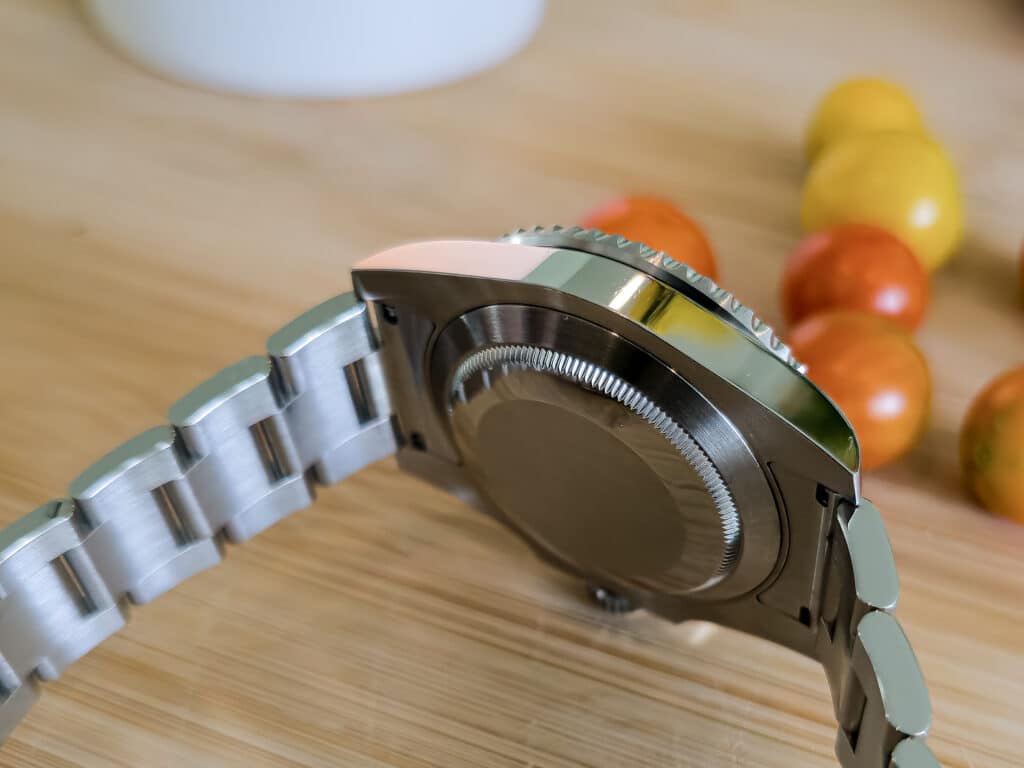
The Submariner we tested runs the in-house Caliber 3130, a movement with a long service record across Rolex’s lineup since the early 2000s. Its 48-hour power reserve reads as ordinary today, and the finishing is plain by luxury standards. What it offers instead is consistency. The unit we wore ran about +0.5 seconds per day against an advertised standard of -2/+2. That kind of precision from a mechanical movement is the sort of thing you stop noticing until you wear something else. It’s an unglamorous caliber, and we’d argue that’s exactly right for a watch whose entire identity is built on dependability.
Case Construction & Finishing:
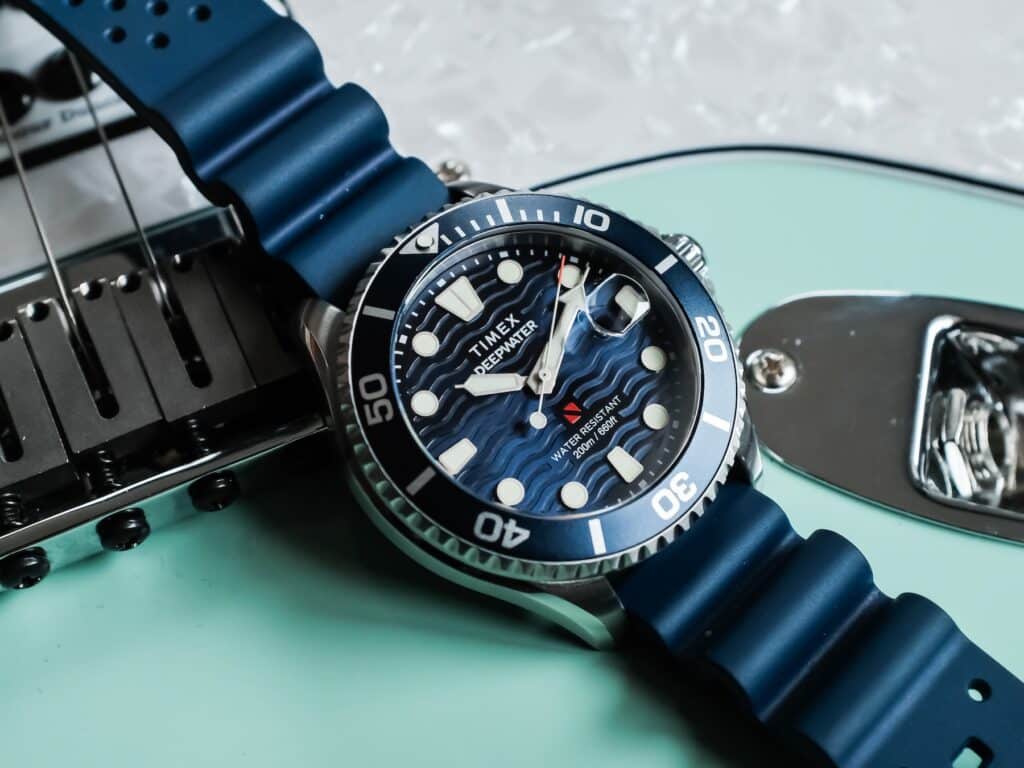
The Timex case is big but not brutish. By our measurement it comes in around 12.5mm thick, noticeably slimmer than the spec sheet suggests, and that discrepancy works in the watch’s favor. The crown guards look purposeful rather than decorative, and the screw-down crown threads smoothly with a bit of resistance at just the right spots. Nothing about the case feels like an afterthought, which is not something we can say about every watch at five times this price.
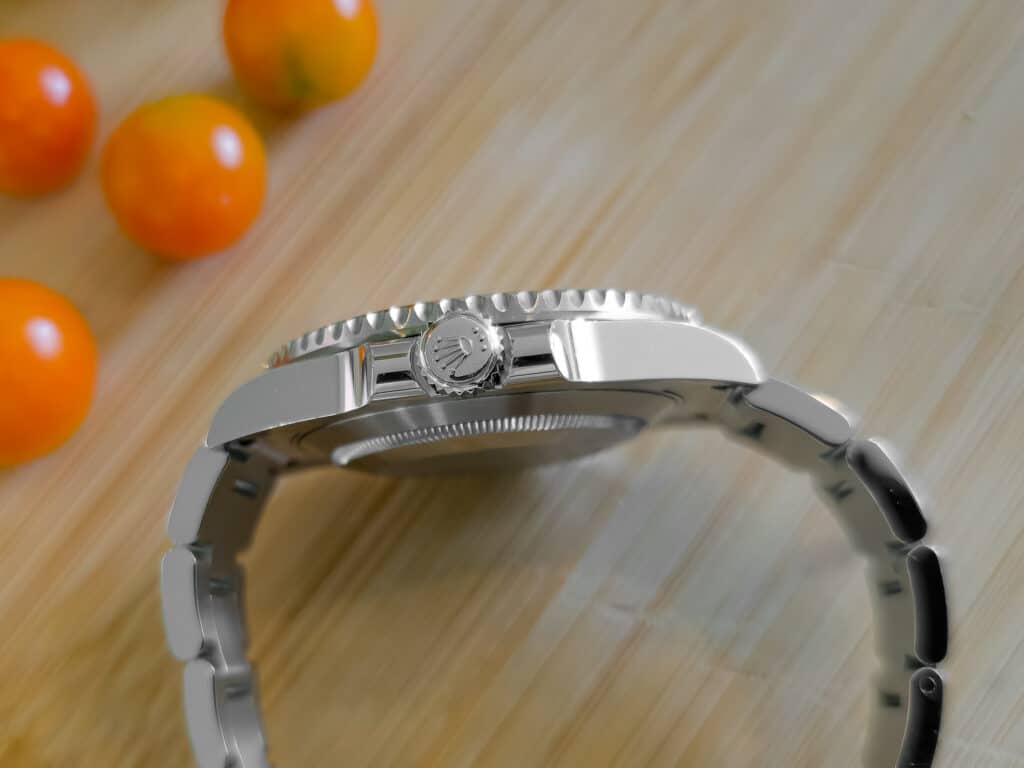
The Submariner’s 40mm case is the quiet one in this pairing. At 12.5mm thick and 48mm lug-to-lug, it strikes a balance between tool watch substance and everyday wearability that few divers have matched. Rolex will tell you Oystersteel is harder and more corrosion-resistant than conventional 316L, though in daily wear we couldn’t point to a moment where that alone earned the excitement. What stayed with us was how effortlessly the brushed tops and polished flanks come together. The case borders on plain, and that plainness is a big reason the design has aged so gracefully. The Timex wants to be noticed. The Rolex wants to disappear under a cuff. Both succeed.
Crystals & Bezels:
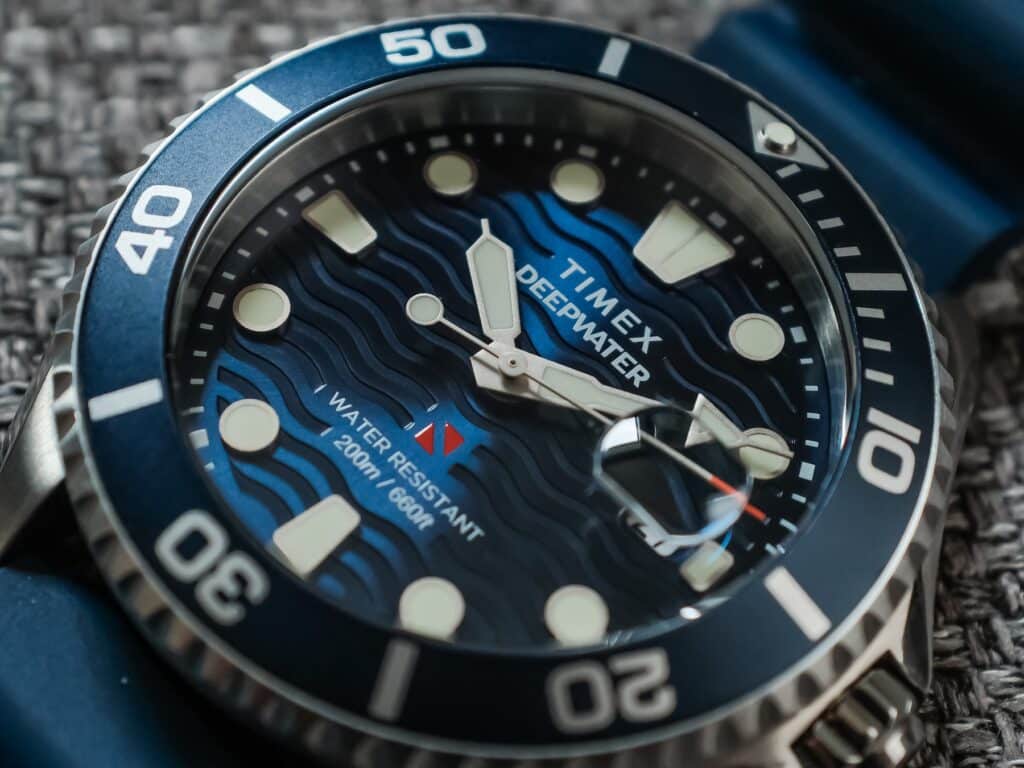
Here’s where the Timex genuinely surprised us. The sapphire crystal carries AR coating, a spec that even some watches at double the price skip. The 120-click aluminum bezel is tight, clicks cleanly, and holds position without any slop. No gritty rotation, no hollow sound. We kept waiting for the budget compromise to show up in the bezel action, and it simply never did. For a $270 watch, this level of tactile quality borders on absurd.

Even so, the Submariner’s bezel operates in different territory. The Cerachrom ceramic insert with platinum-filled numerals glides from click to click with no back play at all, and its alignment with the minute track is perfect. It makes nearly every other dive bezel feel a little clumsy by comparison, the Timex included. The crystal situation is more mixed. AR coating appears only on the date magnifier, which produces a faint milky haze on the dial in certain light. It’s a passable quirk of Submariner ownership, but it’s also a place where a $270 Timex objectively out-specs a five-figure Rolex. Let that one sit for a minute.
Water Resistance & Lume:
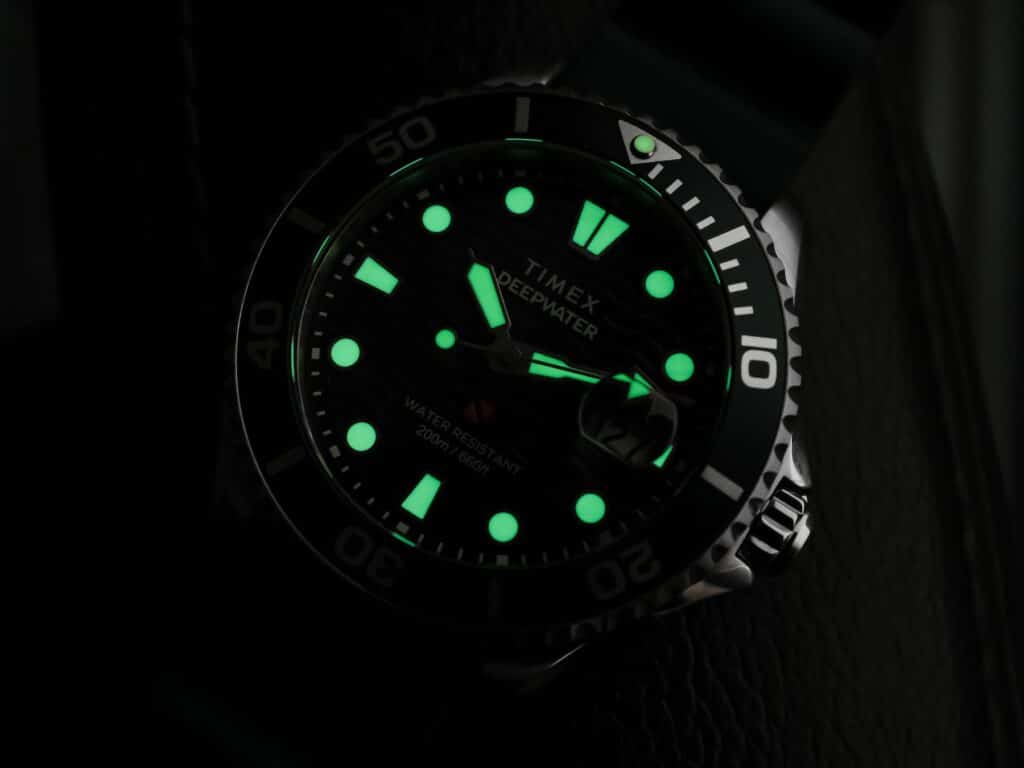
The Timex carries a 200 meter rating backed by a screw-down crown and caseback, and the whole package feels like more than marketing. Lume performance is solid too. The Super-LumiNova on the hands and markers glows bright and lasts long enough to be genuinely useful at night, well beyond a decorative nod to dive heritage. For the way most people will actually use this watch, from pools to rainstorms to the occasional real dive, the rating and the lume both clear the bar with room to spare.
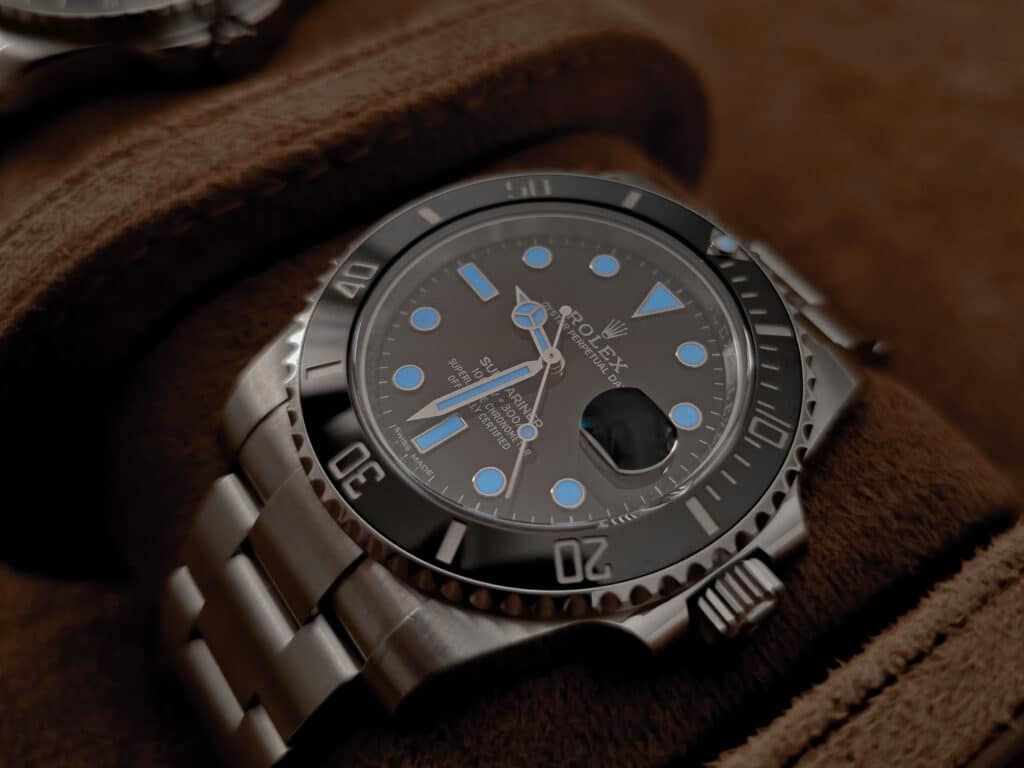
The Submariner answers with 300 meters and the Triplock crown, whose silky action is smoother than nearly any crown we’ve handled. Its gasket system preserves some water resistance even if the crown is carelessly left unscrewed, which is the kind of engineering nobody brags about at dinner parties. The blue-hued Chromalight lume isn’t the brightest in the business, but it glows consistently through the night, and the raised lume pip at 12 o’clock sits under a tiny sapphire cap you can locate by feel in the dark. These are quiet details, and they’re exactly where the money hides.
- The Timex delivers a sapphire crystal with AR coating, a shockingly tight bezel, and a legitimate 200m package that makes its price feel like a clerical error.
- The Submariner wins on precision everywhere it counts, from bezel glide to crown action to chronometer-grade timekeeping, with the odd crystal haze as its one honest quirk.
Cost Considerations
The Timex Deepwater Meridian 200 sells for $270. That’s not bargain-bin cheap by Timex standards, and it doesn’t need to be. The case finishing, sapphire crystal, bezel quality, and overall tactile feel justify the step up from the brand’s entry-level divers. There’s no waitlist, no authorized dealer relationship to cultivate, and no anxiety about wearing it somewhere risky. You buy it, you wear it, and if disaster strikes, replacement money is a rounding error compared to a single Submariner service bill. The buy-in is low in every sense that matters.
The Submariner is a different kind of purchase entirely. Current retail for the Submariner Date sits at $10,250, and getting the chance to pay that number is often the harder task, with dealer waits stretching months or years and gray market pricing well above retail. Worth noting: the current reference is the 41mm 126610LN with the newer Caliber 3235 and a 70-hour reserve, while our impressions come from extended time with the previous-generation 116610. The wearing experience between the two is famously close, but the gap between what you can test and what you can buy is itself part of modern Rolex ownership. So is the counterfeit problem, since the Sub is arguably the most copied watch in the world, and today’s super clones make buying pre-owned feel like a gamble for many collectors. The watch is excellent. The process around it is exhausting.
Final Thoughts: How Much of the Dive Watch Experience Does $270 Buy?
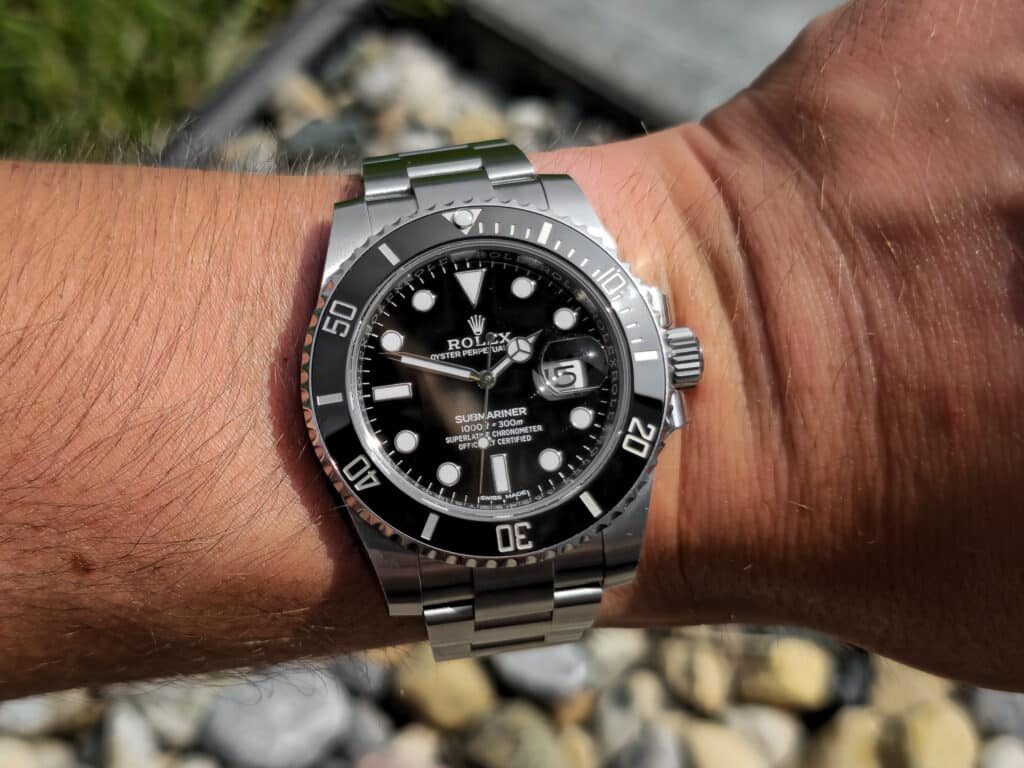
More than it has any right to, honestly. The Timex covers the fundamentals that make dive watches appealing in the first place. A capable case, a real bezel, strong lume, a crystal that outperforms its price, and a confident presence on the wrist. What it can’t buy is the last layer of refinement. The Submariner’s bracelet articulation, its perfect bezel glide, its crown action, and its mechanical precision all live in a tier the Timex doesn’t pretend to reach. Those differences are real. We felt them every single time we switched between the two watches.
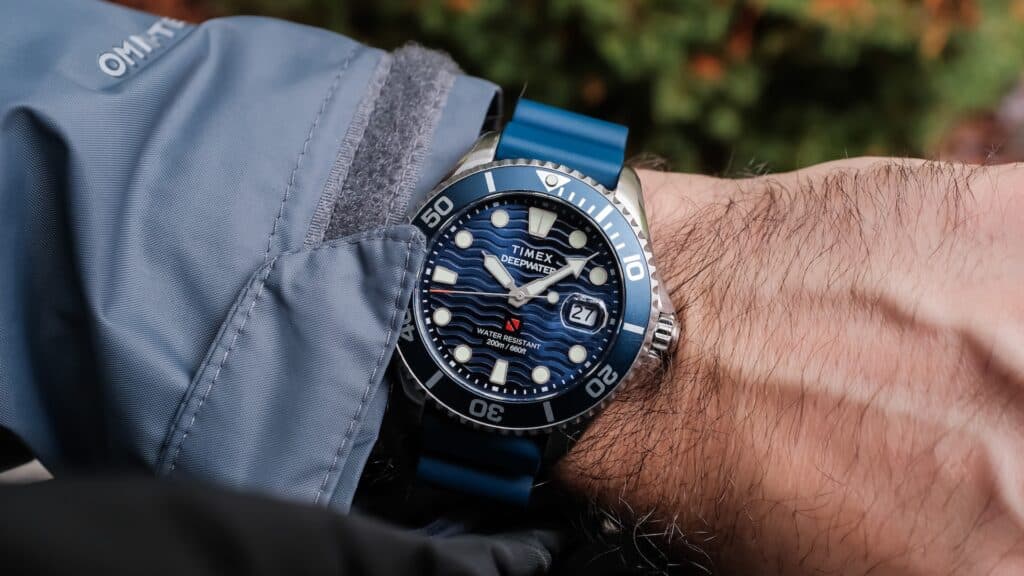
The better question is whether that last layer is worth roughly forty Timexes. For most people, we’d argue it isn’t. The Deepwater Meridian delivers the parts of the experience you actually feel day to day, and it does so without waitlists, worry, or five figures of buy-in. The Submariner delivers something rarer and far more expensive: the sensation of a watch where every component was refined past the point of reasonable diminishing returns.
So here’s our verdict:
- Choose the Timex Deepwater Meridian 200 if you want a serious, capable diver and the freedom to wear it hard without a second thought. It captures a startling amount of the dive watch experience for $270, and it’s the recommendation we’d give to most enthusiasts.
- Choose the Rolex Submariner if refinement itself is what you’re paying for, and you’ve made peace with an acquisition process that demands as much patience as money.
The extra money goes somewhere. It goes into tolerances, materials, and a movement that keeps chronometer time year after year. But the Timex proves how much of the core experience now lives at the affordable end of the market, and that should make everyone a little uncomfortable, Rolex included. The Submariner is still the better watch. The Timex might be the better idea.

Co-Founder and Senior Editor
Kaz has been collecting watches since 2015, but he’s been fascinated by product design, the Collector’s psychology, and brand marketing his whole life. While sharing the same strong fondness for all things horologically-affordable as Mike (his TBWS partner in crime), Kaz’s collection niche is also focused on vintage Soviet watches as well as watches that feature a unique, but well-designed quirk or visual hook.
Love this. The whole hobby is absurd, but it makes us smile 😃
Haha it really is. Really means a lot that you enjoyed it.
This goes to the crux of the value of a product. How much of the price of the Rolex is paying for the brand and how much for the materials. If it were possible to find a bill of parts for each I’m sure many would be very surprised.
The power of branding is huge. I think Timex missed a trick here. The only downside to the Deepwater Meridian is the brand Timex, especially for those of us whose first watch was a Timex.
Interesting review to read thanks
Thanks for reading Marc!
Just received my Casio Duro yesterday. I honestly did want to buy a Timex dive watch, but the Duro was much more budget friendly and I honestly don’t want to worry about a watch on my wrist. The line between worrying and not worrying varies depending on the collector, of course. I like Timex, I have a Weekend and Expedition, but they are really trying to price themselves out of common man territory. I get why they’re doing it, they’re doing the Swiss play, trying to shift to be a more “serious” brand. I’d still like to get another Timex in the future, maybe a Q or Marlin. But, to keep the hobby on a more fun, accessible, and lighthearted level, Casio is really where it’s at.
This comparison is just absurd…I have a nice collection of watches from Rolex, Omega, Cartier to seiko, Timex, Casio, etc.
You buy Rolex because you can. has nothing to due with build quality. I’m wearing my $60 Casio Duro (in blue) today because its a great everyday watch.
try to make your comparisons a bit more reasonable
Hey Clive – all good points. But we like being a little absurd here at TBWS.
Nice analysis and comparisons on both timepieces.
My collection sits at roughly 70-75 timepieces. Timex watches are my cheapest, but love their Marlin and Waterbury lineup.
I own Bulova’s, Citizen, Hamilton’s, Seiko’s, Shinola’s, TAGS and Tissot’s and have some higher ends on my list for my next 10 birthdays.
Watches have always been a way I have marked career achievements, significant birthdays, travel experiences
and Anniversaries.
Someday, they will be passed down to my kids and grandkids as a memory. I fortunately have 5 pieces from my Grandfather, Father and a lost brother.
The Submariner will be my Big 75 watch. My 65 is a TAG Monaco.
Keep up the good reviews. Us watch freaks do read them.
Hi, Jeffrey:
Thank you for reading and taking the time to comment. What an incredible collection you’ve built! We love the idea of using watches to mark the important chapters of your life, especially knowing they’ll eventually carry those memories forward to your children and grandchildren.
A TAG Monaco for 65 and a Submariner for 75 sounds like a fantastic progression. We really appreciate you reading and taking the time to share this.
Best,
-Kaz