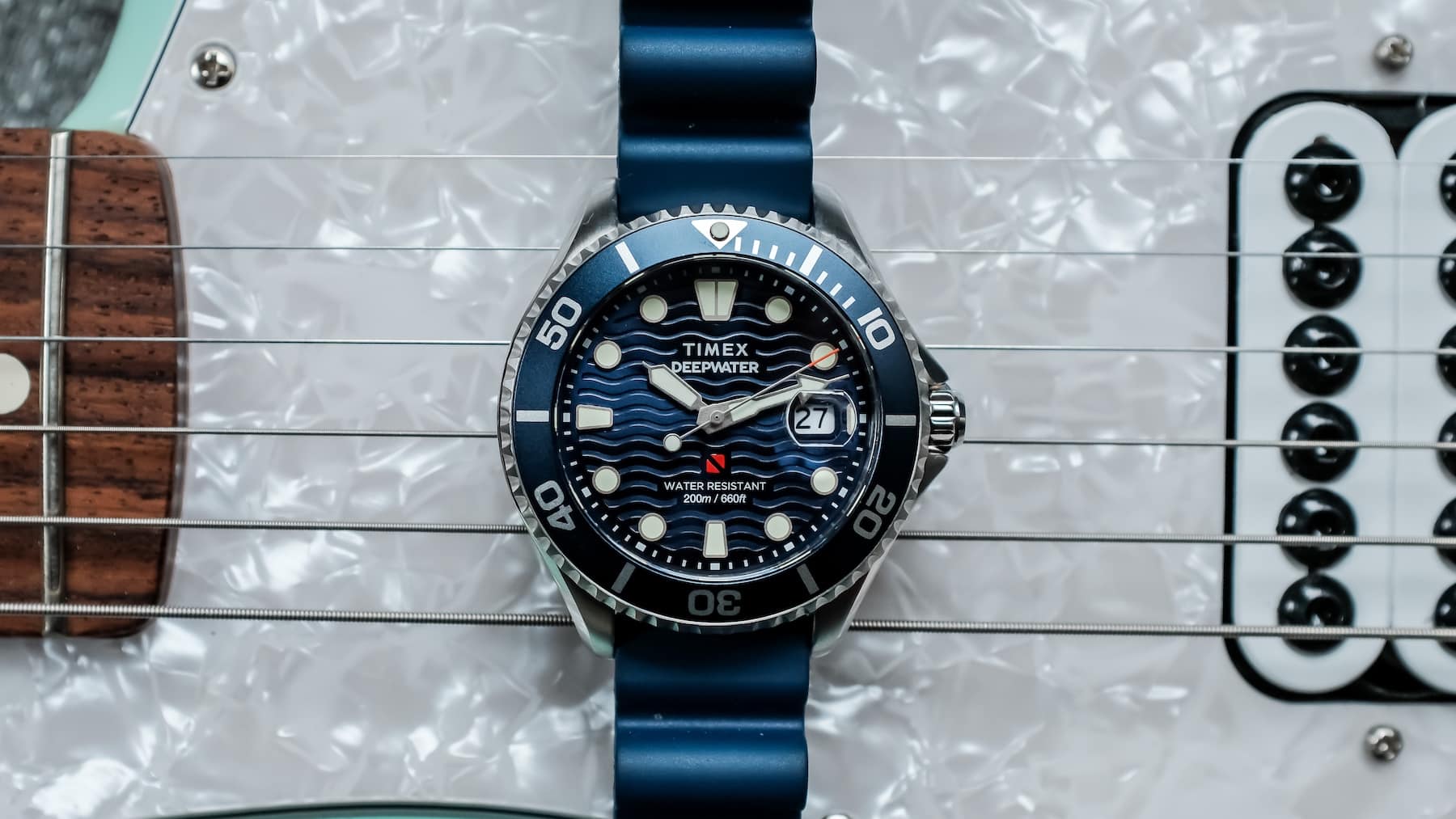
If you’ve spent any time looking for affordable watches, you’ve probably seen Timex and Orient come up in a lot of the same conversations. They both show up when you’re narrowing things down to the best watches under 500 or trying to figure out which budget watch brands are actually worth sticking with. Timex comes up with pieces like the Weekender, Expedition Field Post Solar, and even the Deepwater Meridian 200, while Orient gets recommended through staples like the Bambino, Mako II, and Kamasu. On paper, they seem to sit in the same lane, but once you actually live with them, the differences start to show in ways that spec sheets don’t explain.
That said, we’re not pulling this from quick impressions or a single review cycle. Over the past decade, we’ve spent real time wearing both brands across different situations: daily office wear, travel, weekends, and the occasional “why is this bothering me?” moment that only shows up after a few weeks on the wrist. That long-term exposure gives us a clearer insight into what holds up and what doesn’t, especially if you’re coming at this from a beginner watch guide mindset or merely looking for watches worth the money. In this Timex vs. Orient breakdown, we’re focusing on how these two brands behave over time and which one makes more sense depending on how you plan to wear it.
Brand Identity & Philosophy: Effortless Utility vs Mechanical Attachment
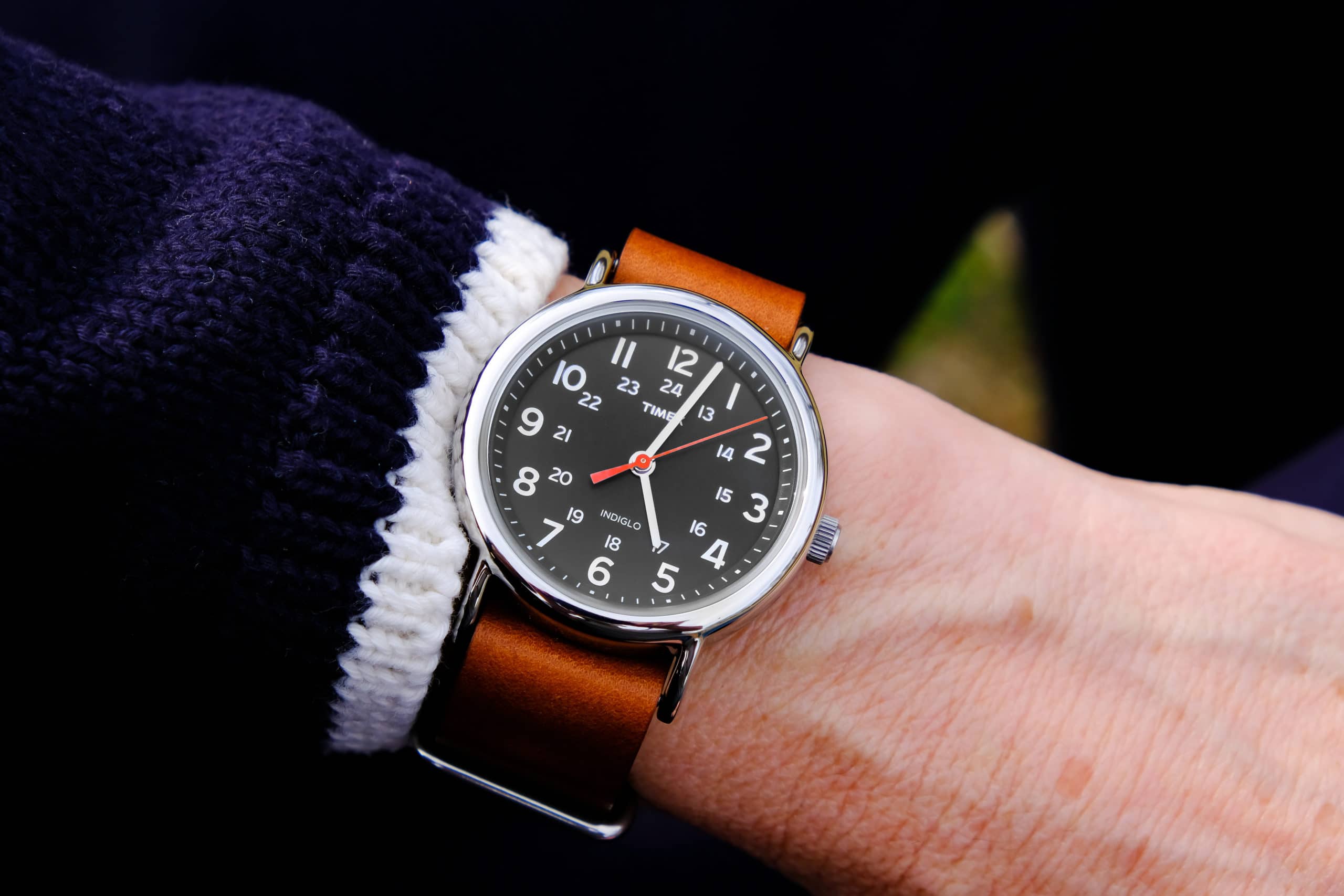
Timex has always felt like it designs watches around how people use them, not how they want to be perceived wearing them. After spending extended time with pieces like the Weekender, Expedition Field Post Solar, and Deepwater Meridian 200, that approach becomes pretty obvious. These watches lean into simplicity in a way that removes friction from daily wear. The Weekender, for example, never asked much from us. During our hands-on review, it was light, easy to swap straps on, and never felt out of place, whether we were running errands or needed something quick to throw on. That same “low commitment” feeling carried over into the Expedition Field Post Solar, where the solar charging quietly solved one of the more annoying parts of quartz ownership without making a big deal out of it. Even when Timex steps into more purpose-driven territory with something like the Deepwater Meridian 200, the core idea doesn’t change drastically. It still feels like a watch designed to be used rather than admired. The bezel action, legibility, and overall build all felt practical in a straightforward way during our time with it—not overly refined, but functional enough that you don’t doubt it.
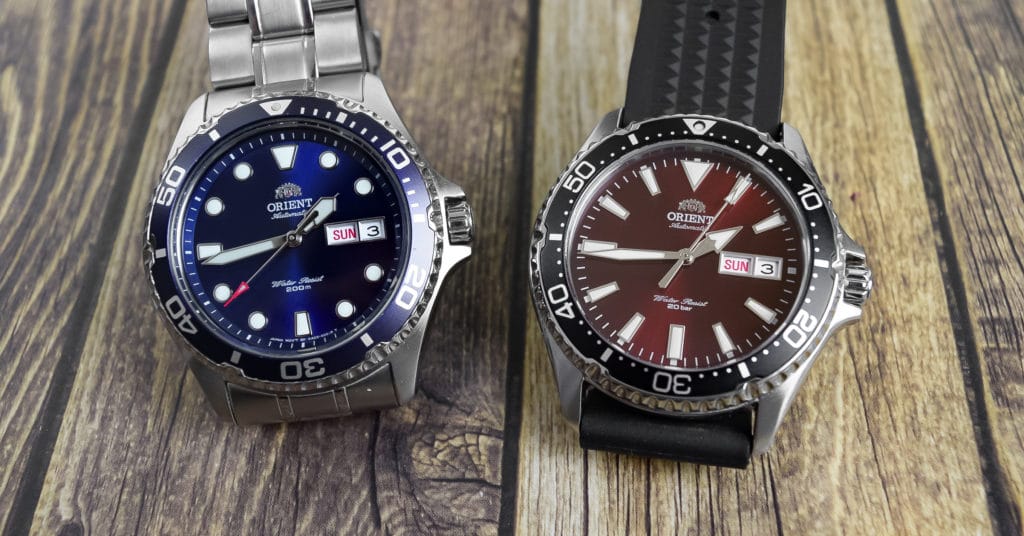
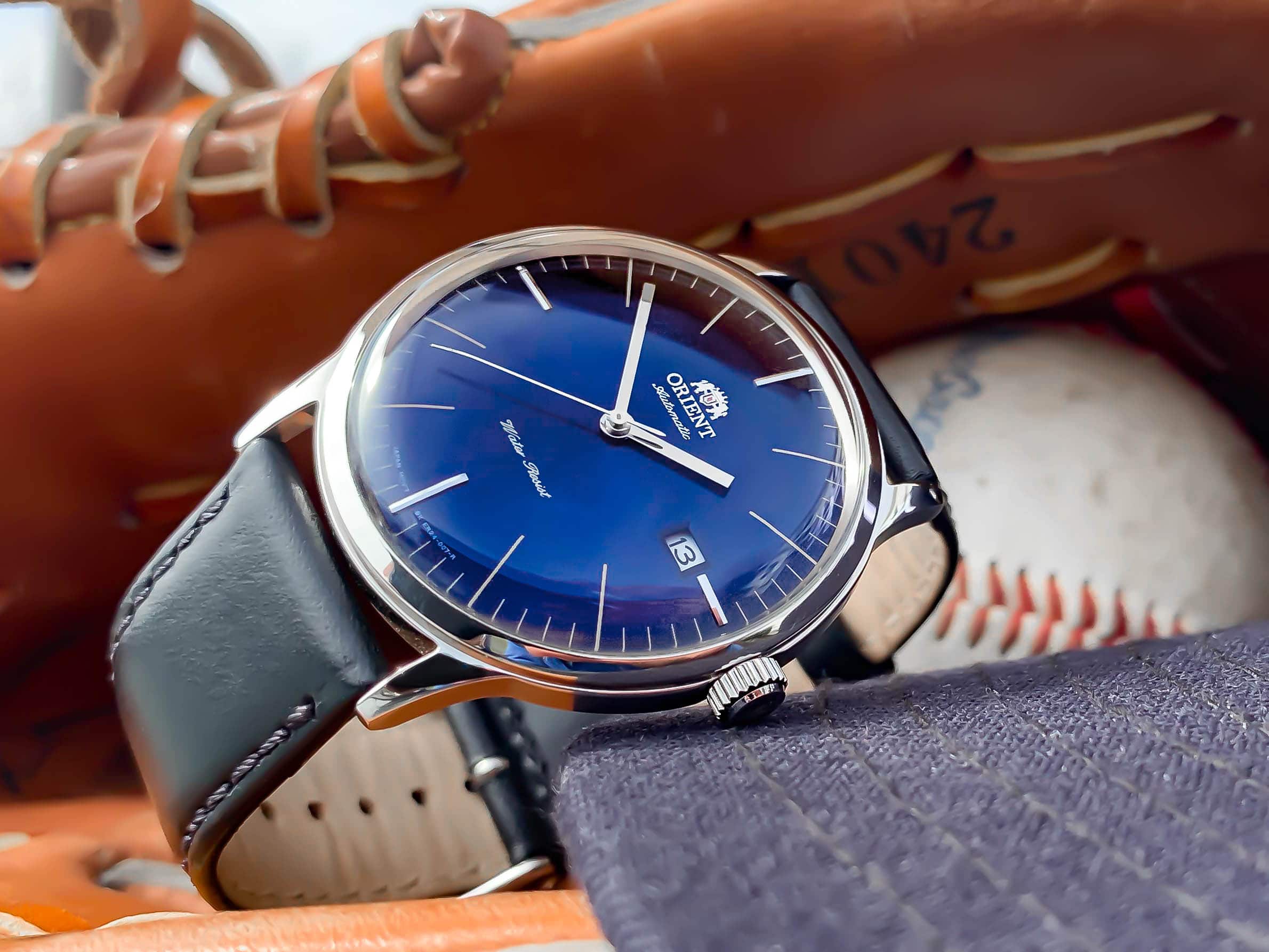
Orient lands in a different place emotionally, especially once you spend real time with their watches. After rotating through models like the Bambino, Mako II, and Kamasu, what stands out is how their mechanical nature shapes the experience. The Bambino, for instance, brought a bit more presence to the wrist than we expected at this price, not because it was flashy, but because of how the domed crystal and dial details played with light throughout the day. That same sense of engagement shows up in their sportier pieces as well. With the Mako II and Kamasu, there’s a clear emphasis on giving you a watch that feels self-contained and a bit more involved. You’re interacting with it, whether that’s through winding, setting, or simply paying attention to how it runs over time. Orient’s identity leans into that connection. It’s less about convenience and more about creating a watch that feels like it has a bit of personality baked in.
- Timex tends to click with anyone who wants something simple, reliable, and easy to live with day-to-day.
- Orient makes more sense if you enjoy a bit of interaction and want your watch to feel like something you actively wear, not a mere timepiece.
Catalog Scope & Core Strengths
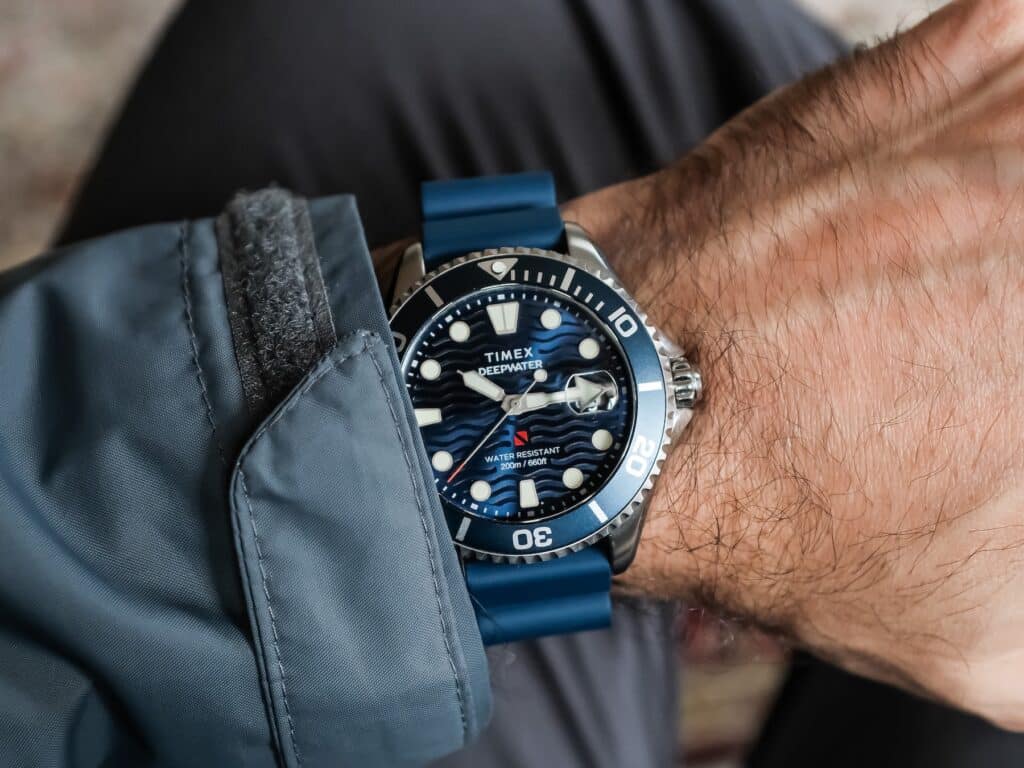
After rotating several watches through regular use, what stood out to us is how wide Timex casts its net without making anything feel too complicated. The Weekender, in particular, set the tone early on. It’s the kind of watch you can swap straps on in seconds and wear without thinking twice. The Expedition Field Post Solar pushed that idea further by solving a practical annoyance we’ve all dealt with at some point: battery changes while still keeping the watch lightweight and easy to live with. Then you’ve got something like the Deepwater Meridian 200, which shows Timex can step into more purpose-driven territory without losing its approachability. During our time with it, the bezel felt solid enough for casual timing tasks, and the overall build held up well in situations where we’d normally reach for a more traditional dive watch. What ties all of this together is flexibility. Timex doesn’t funnel you into one category or wearing style; it offers a mix of everyday watches, casual pieces, and more capable options, all sharing the same underlying goal: easy ownership.
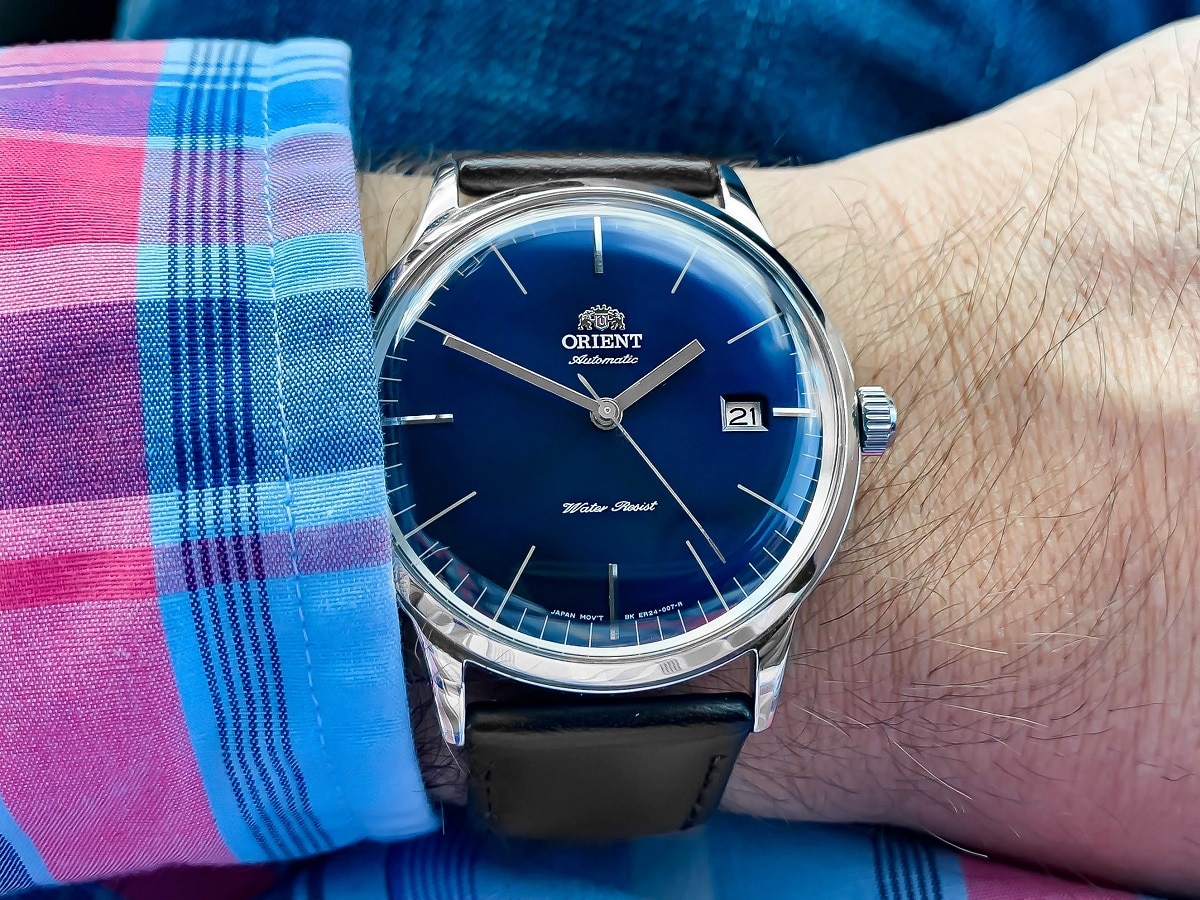
Orient, by comparison, keeps things more focused, and you feel that almost immediately once you spend time with their lineup. The emphasis stays squarely on mechanical ownership. The Bambino leans into dressier territory, but even there, the experience is shaped by the automatic movement. You notice how it winds, how it gains or loses time, how it settles into your routine. Our review team found that it’s less “set it and forget it” and more something you check in on throughout the week. That same pattern carries over into their sports models. With the Mako II and Kamasu, we found ourselves paying closer attention to things like bezel feel, lume performance overnight, and how consistently the movement behaved after a few days off the wrist. Orient’s catalog doesn’t try to cover everything. Instead, it sticks to a few core categories and leans into them. If you’re looking for the best automatic watches under 500 or exploring mechanical watches under 1000, that focused approach ends up being one of its biggest strengths.
- Timex = Variety + Low Friction Ownership: From casual strap monsters like the Weekender to solar-powered field watches and capable divers, Timex covers multiple categories while keeping everything easy to wear, maintain, and rotate without overthinking.
- Orient = Focused Mechanical Experience: Orient sticks to core categories like dress and dive watches, where the emphasis is on interacting with the movement, tracking performance over time, and getting a more involved ownership experience.
Design & Wearability: Functional Simplicity vs Structured Presence
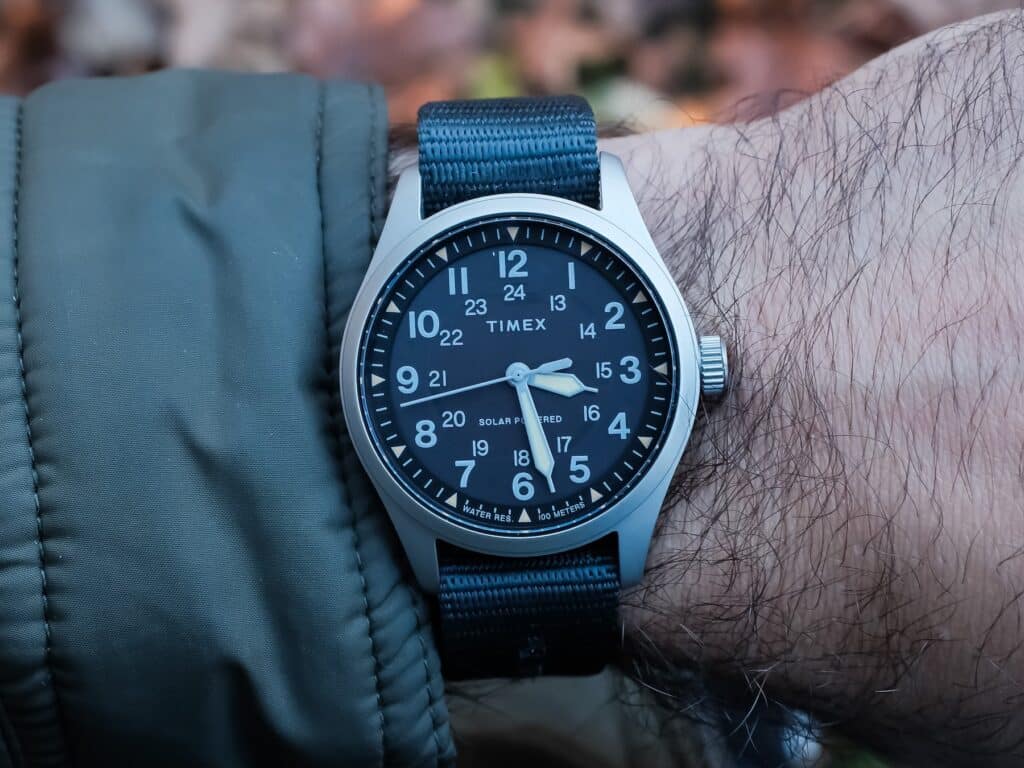
Timex keeps things straightforward, and you feel that the moment you put one on. With the Expedition Field Post Solar, the dial is about as clear as it gets: large numerals, strong contrast, and nothing competing for attention. In day-to-day use, that meant we could glance down and get the time instantly, whether we were outside in harsh light or indoors. The case stayed light and compact, which made it disappear on the wrist after a while (something we’ve come to appreciate more than we expected). Even when stepping up to something like the Deepwater Meridian 200, the design doesn’t suddenly become flashy. The markers are bold, the handset is easy to track, and the overall layout stays intuitive during quick timing tasks. The bracelet felt sturdy enough for regular wear, but never crossed into overbuilt territory. That’s kind of the point with Timex: it’s designed to be worn without thinking too much about it.
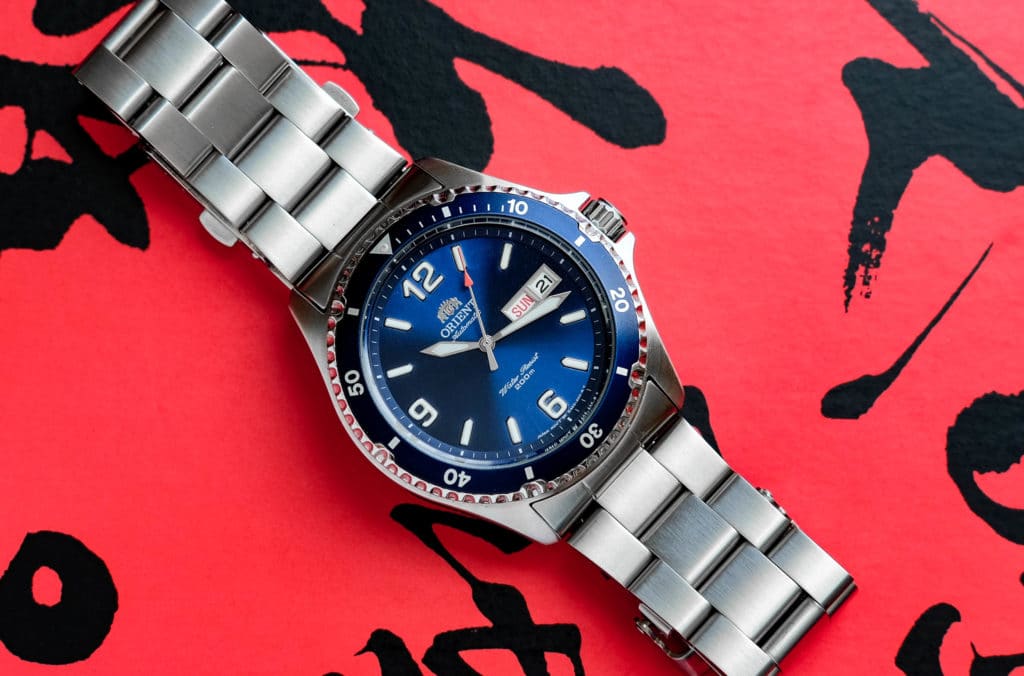
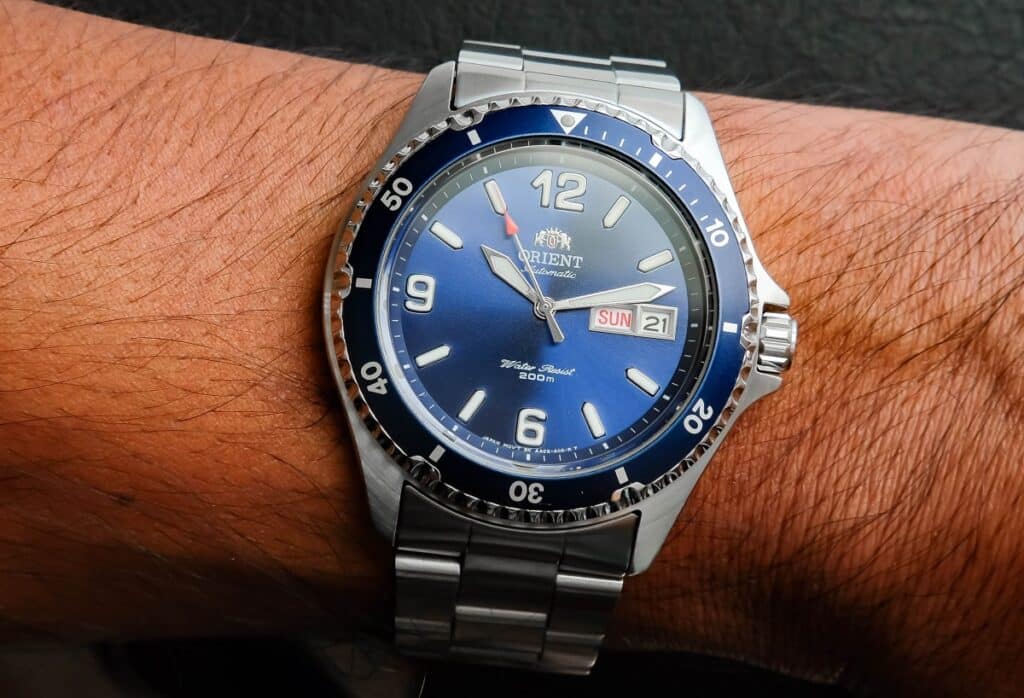
Orient takes a more deliberate approach, and it comes through in both the dial and how the watch wears over time. With the Mako II, the dial felt more layered, with applied markers and a bit more visual depth, making it feel less utilitarian and more structured. During extended wear, that translated into a watch that felt more “present” on the wrist, especially when checking the time in lower light, where the lume held up better than expected. The bracelet added to that feeling. It had a bit more weight and gave the watch a more grounded fit, even if the finishing wasn’t perfect. The Kamasu refines that further, with cleaner dial execution and details that catch light more noticeably throughout the day. Legibility stayed strong, and the sapphire crystal helped cut down glare compared to other affordable dive watches we’ve worn. Overall, Orient’s design leans toward watches that feel more substantial and intentional on the wrist, which can make them more satisfying if you like your everyday watches to have a bit more presence.
- Timex prioritizes lightweight clarity and no-fuss wear. High-contrast dials and simple layouts make time-checking effortless, while lighter cases and straightforward bracelets keep things comfortable for all-day, low-attention use.
- Orient relies on added depth with a stronger wrist presence. Layered dials, better lume performance, and heavier bracelets create a more noticeable, structured feel that rewards those who prefer a watch with substance.
Build Quality & Technical Approach
Movements:
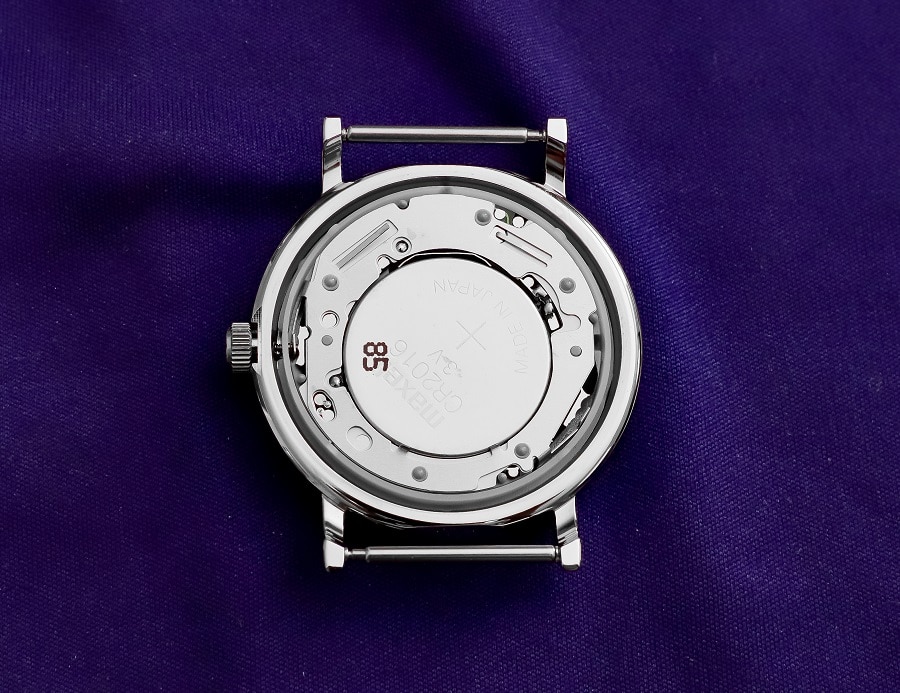
Timex takes a mixed, practical approach to movements, and you feel that flexibility once you’ve lived with a few of their watches. The Weekender runs on a basic quartz setup that’s easy to live with, but the loud ticking is hard to ignore in quieter settings (we’ve noticed it on a nightstand). The Expedition Field Post Solar shifts things in a more thoughtful direction. During our time with it, the solar movement removed the usual battery anxiety entirely: it charged passively and kept going without much input from us. Then there’s the Deepwater Meridian 200, which uses a quartz movement as well, but pairs it with a more robust build meant for water use. Across all three, Timex leans into convenience and reliability. You’re not interacting with the movement much: it’s there to keep accurate time and stay out of your way.
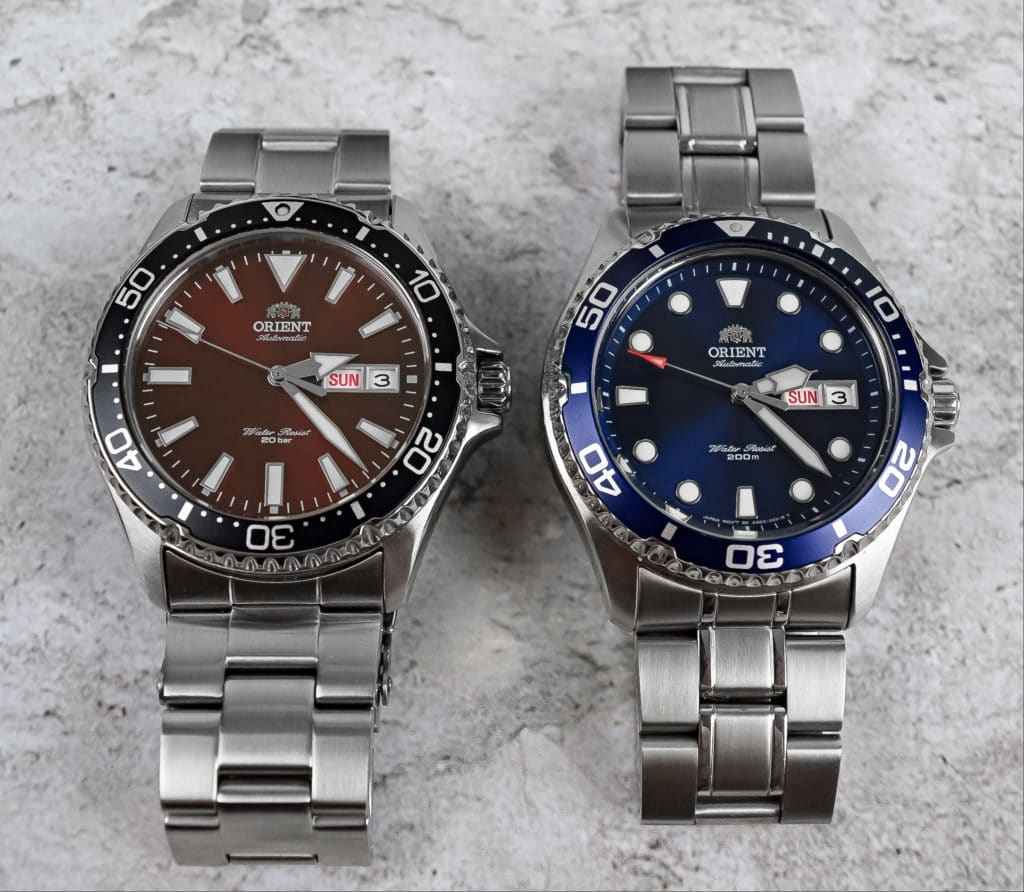
Orient stays firmly in the mechanical lane, and that consistency shapes the entire ownership experience. The Bambino runs on an automatic movement, adding a bit of variation to daily wear. You start to notice small shifts in accuracy depending on how often you wear it. The Mako II uses the in-house Caliber F6922, which adds hacking and hand-winding, and we found those features useful when setting the watch precisely after a few days off the wrist. The Kamasu builds on that same foundation with comparable behavior during extended wear. Winding is smooth, and timekeeping has been steady enough that we’re not constantly second-guessing it. These movements aren’t about precision benchmarks; they’re more about interaction. You wind them, set them, and occasionally reset them. That hands-on rhythm becomes part of the appeal.
Case Construction & Finishing:
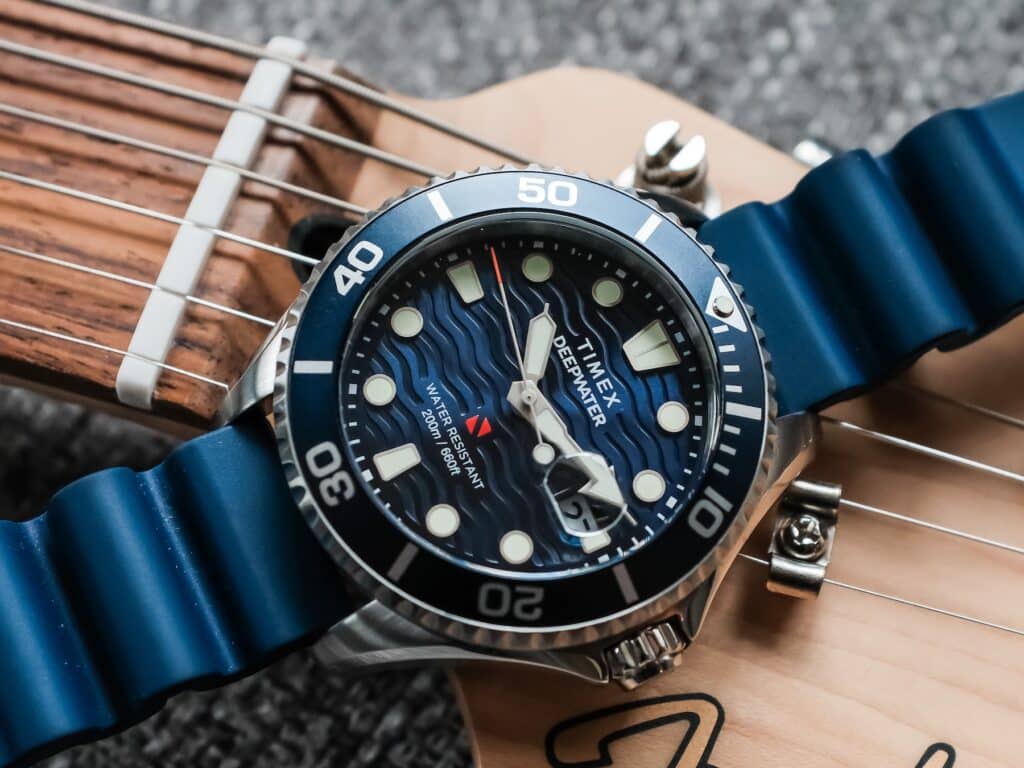
Timex approaches case construction with a clear focus on durability and everyday usability, and that comes through immediately with the Deepwater Meridian 200. During our hands-on time with it, the case felt solid enough for regular water use without overcomplicating things. The stainless steel case has real heft, more than we expected, and carries a kind of bulk that feels intentional rather than oversized. It didn’t feel rough, but it also didn’t try to mimic higher-end finishing. What stood out more was how it held up during actual use: it felt dependable without needing constant attention. The bezel action reinforced that impression. It clicked cleanly with no looseness, and nothing about the case or external components felt like an afterthought. Across other Timex pieces we’ve handled, that same pattern shows up. Cases are built to be comfortable and functional first, with finishing that supports daily use rather than trying to impress up close.
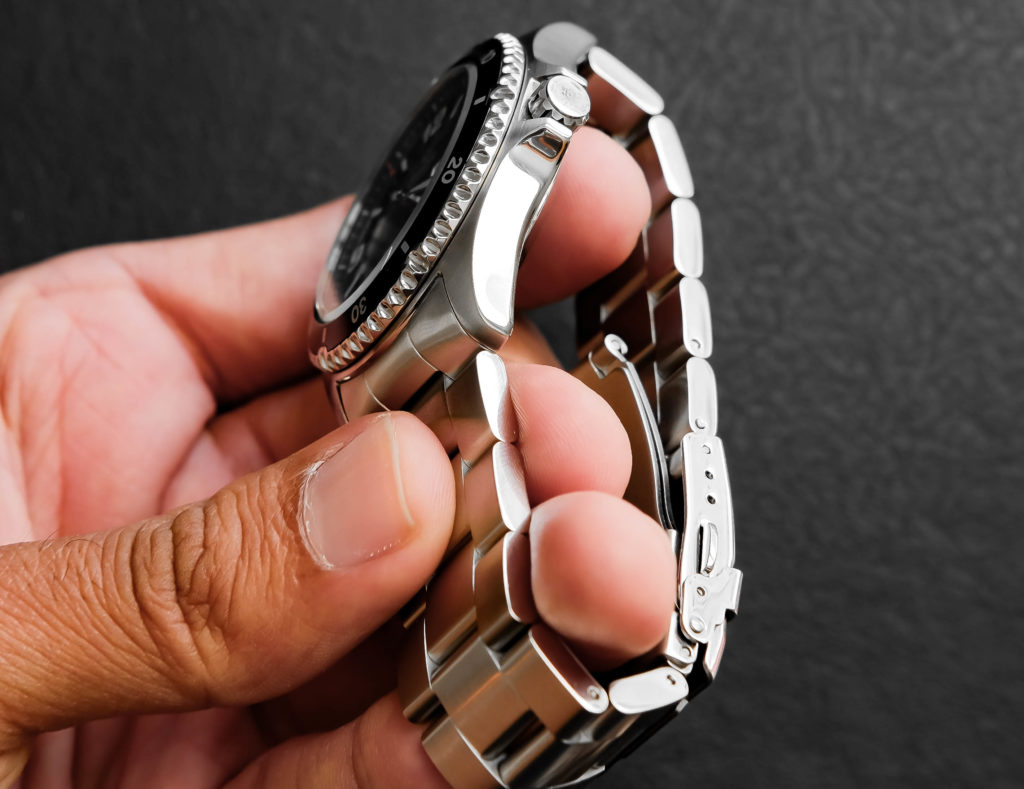
Orient cases, on the other hand, feel a bit more structured and refined. With the Mako II, the mostly brushed surfaces handled daily wear well while still giving the watch a grounded, complete look on the wrist. The Kamasu tightened things up further, with cleaner finishing and better transitions between surfaces, making it feel more cohesive overall. Even the Bambino, despite its dress-leaning design, delivered a polished case that added presence without feeling too delicate. Its smooth bezel and carefully judged curvature do a lot of visual work. Across the board, Orient cases feel a bit more intentional in their finish, even if they’re still firmly in the affordable watches category.
Crystals:
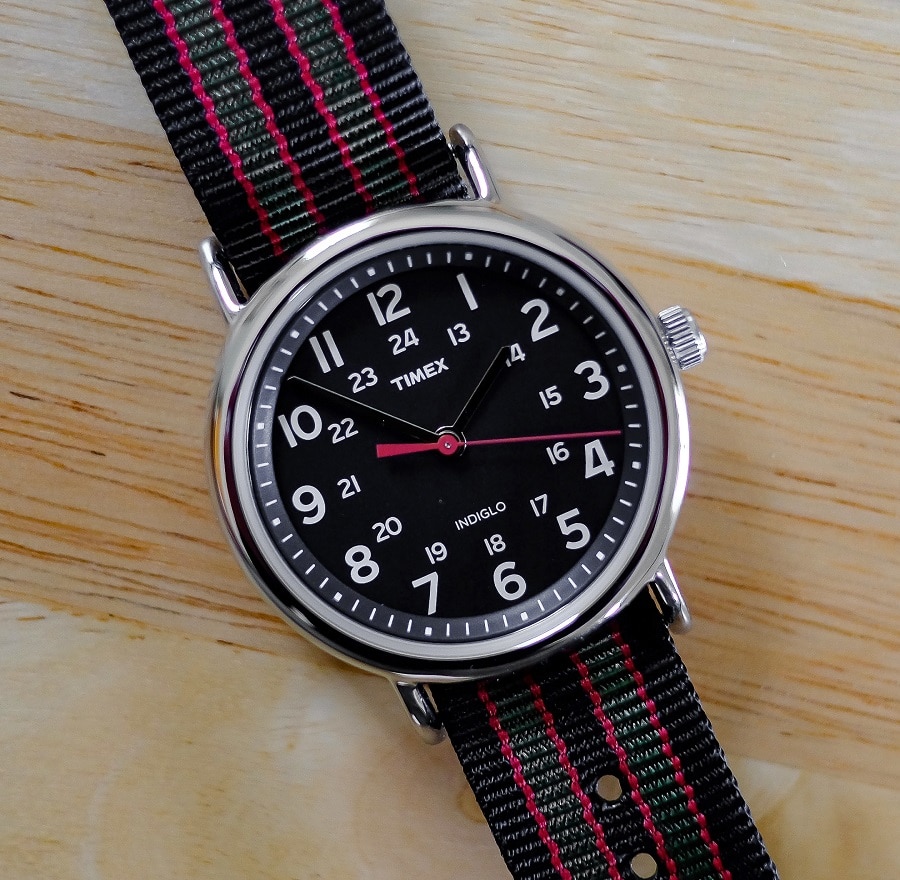
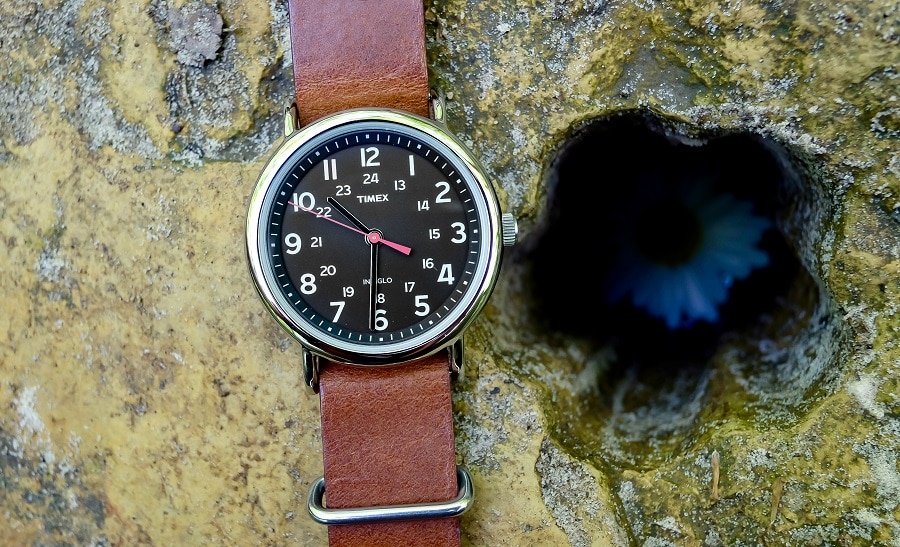
Timex keeps its crystal choices practical, which aligns with how the watches are meant to be used. The Weekender uses mineral glass, which held up quite well during everyday wear and didn’t distort the dial underneath. Visibility stayed clear, especially given how simple and high-contrast the dial is. The Expedition Field Post Solar follows a similar approach again, getting the job done without drawing attention to itself. Where things shift a bit is with the Deepwater Meridian 200. That model steps up to a sapphire crystal with anti-reflective coating, and we noticed the difference right away. Glare was reduced at sharper angles, and it felt more confidence-inspiring over time, especially compared to the more entry-level Timex pieces we’ve worn.
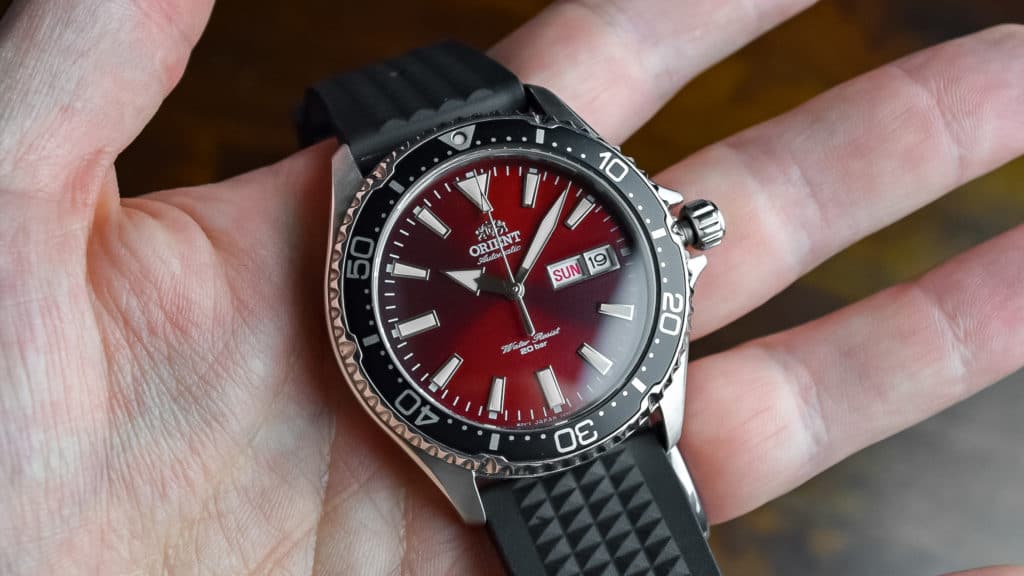
Orient takes a more mixed approach depending on the model, and you can feel that difference once you’ve worn a few side by side. The Mako II sticks with mineral glass, which works fine for the price but is more prone to reflections under bright light. The Kamasu, on the other hand, upgrades to sapphire, and that change is noticeable in day-to-day use: better clarity at angles and less worry about scratches building up over time. Then there’s the Bambino, which uses a domed mineral crystal. That dome adds a bit of visual warmth and distortion that fits the watch’s style, but we did find it more reflective in certain lighting conditions. Across the lineup, Orient uses crystal choice to differentiate models, balancing durability and character depending on where the watch sits.
Water Resistance & Lume:
Timex treats water resistance as a use-case feature rather than a default spec, and that shows across the models we’ve worn. The Weekender sits at 30m, which worked fine for everyday situations like hand washing, but we never felt comfortable taking it anywhere near a pool. The Expedition Field Post Solar felt more capable in day-to-day exposure, especially with the added security of a screw-down crown. It didn’t turn it into a dive watch, but it did give us more confidence when wearing it outdoors or in unpredictable conditions. The Deepwater Meridian 200 is where Timex fully commits. With a 200m rating and screw-down crown, it behaved like a proper dive-style watch in real use, something we didn’t have to think twice about around water.
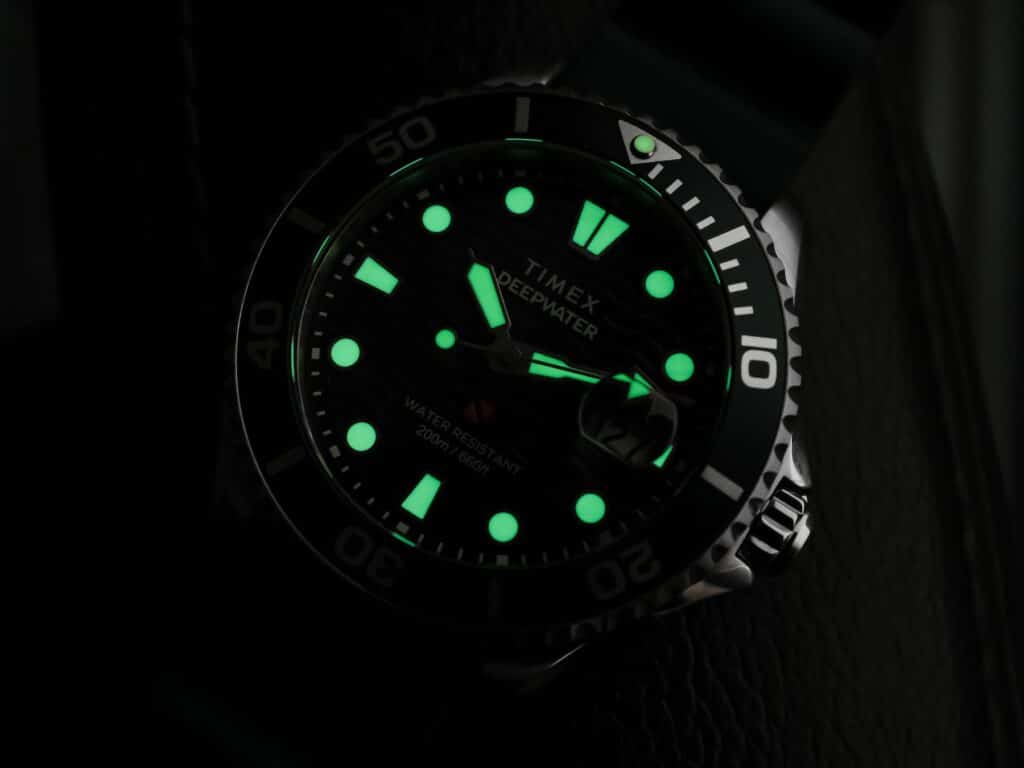
Lume performance followed a similar pattern. The Deepwater Meridian 200 delivered strong initial brightness and stayed visible long enough to be useful in low light, especially during quick nighttime checks. The Expedition Field Post Solar, on the other hand, started off bright but faded faster than we expected, making it less reliable through the night. Timex doesn’t aim for consistency here. Instead, it adjusts performance based on the watch’s purpose, which works, but you do notice the differences depending on what you’re wearing.
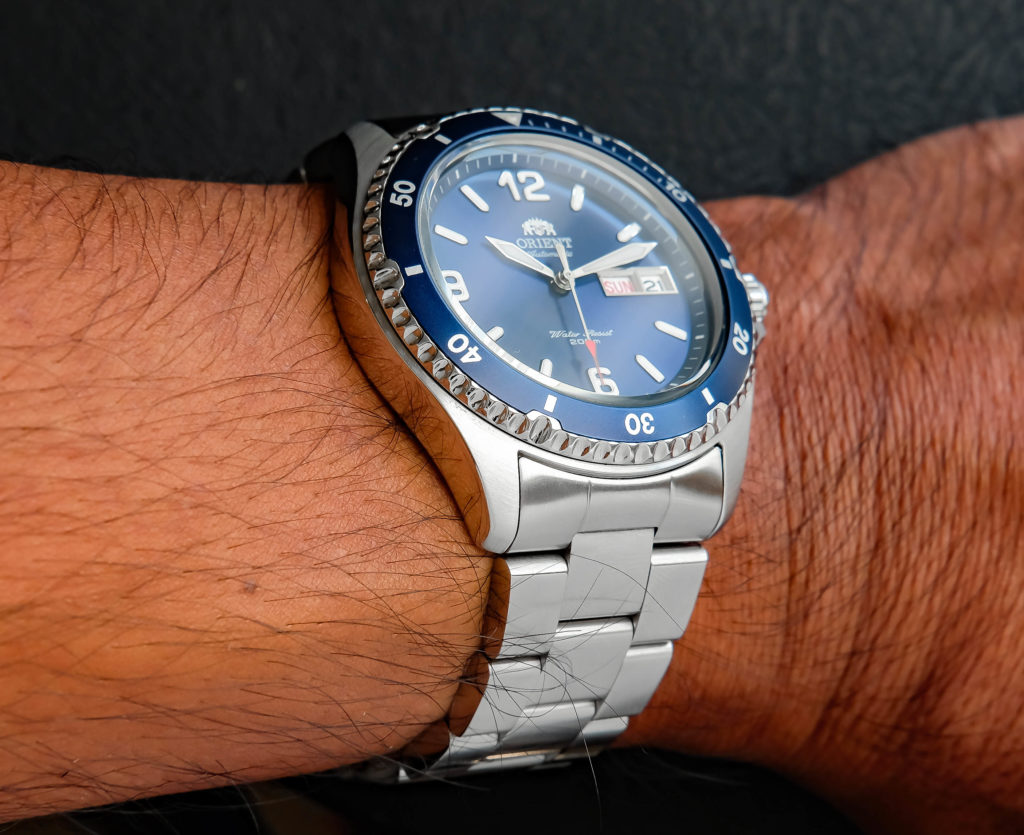
Orient keeps things more consistent across its core lineup. Both the Mako II and Kamasu feature 200m water resistance and screw-down crowns, and during our time with them, that translated into a level of confidence that didn’t need an afterthought. Whether it was swimming or regular exposure to water, they handled it without issue. Lume performance on both models felt steady and evenly applied. It wasn’t the brightest we’ve seen initially, but it held on longer through the night, which made it more dependable overall.
The Bambino sits outside that use case entirely, and it feels that way on the wrist. Water resistance is minimal, and we treated it accordingly: more of a desk or occasional wear piece than something you’d take near water. That split in the lineup makes sense. Orient focuses on delivering reliable performance where it matters most, especially in its dive watches, while keeping expectations clear on its more dress-oriented models.
- Timex focuses on convenience-driven engineering. Quartz and solar movements keep things low-maintenance, with practical builds that prioritize durability and ease over refinement or interaction.
- Orient has a mechanical focus with consistent tool-watch specs. In-house automatics, solid case finishing, and reliable lume/water resistance create a more involved, traditional ownership experience.
Community and Resale
Timex ownership has always felt more personal than transactional. Watches like the Weekender tend to stick around because they remain useful long after you’ve added other pieces to your collection. We’ve seen this firsthand. The Weekender often becomes that fallback watch you grab when you don’t want to think too much, especially with how easy it is to swap straps and change up the look.
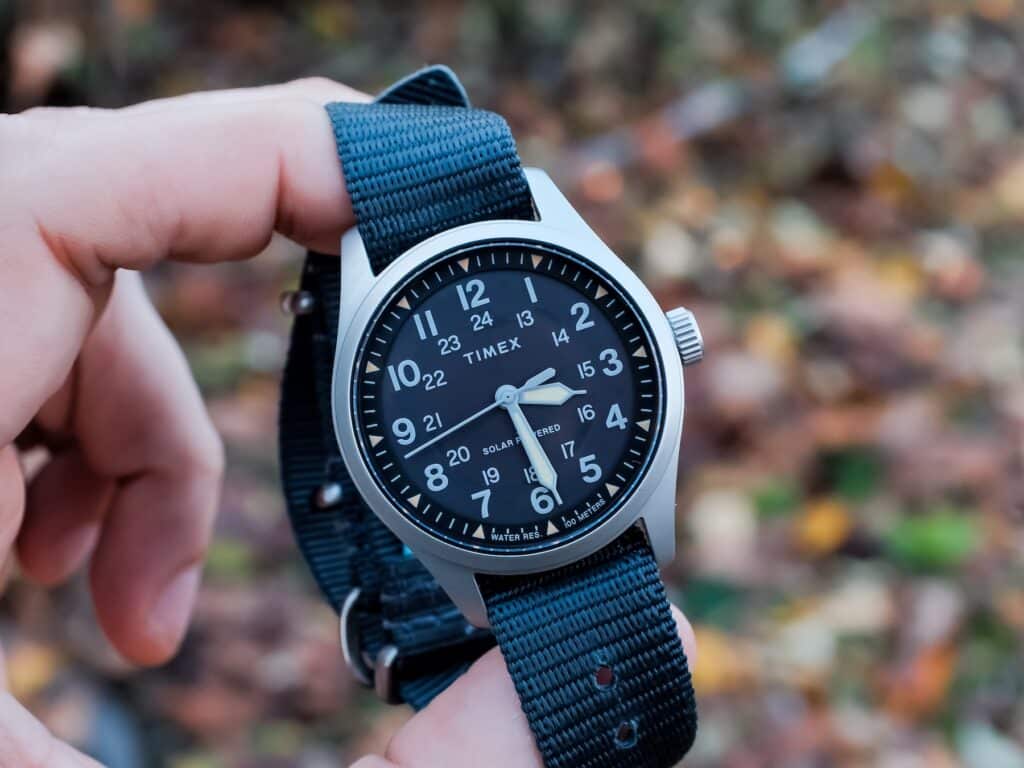
The Expedition Field Post Solar adds another layer to that, with its low-maintenance solar setup, making it the kind of watch you can leave alone for weeks and still trust when you pick it back up. Even the Deepwater Meridian 200, while more purpose-built, doesn’t feel like something you’d flip. It’s more of a “keep it around because it works” kind of watch. There’s not much of a resale-driven culture around Timex, and that’s part of the appeal. Prices stay accessible, availability stays consistent, and the community leans more toward people actually wearing their watches rather than chasing the next release. Most of the conversations we’ve had about Timex, whether on forums or in our podcast, tend to focus on usability and how these watches fit into everyday routines rather than on their value in the secondary market.
Orient sits in a slightly different space, but it still avoids the hype-driven cycle. With watches like the Bambino, Mako II, and Kamasu, we’ve consistently seen owners hold onto them as entry points into mechanical watches that continue to make sense even as collections grow. They’re often the watches people remember as their first automatic, and that tends to give them a bit more staying power.
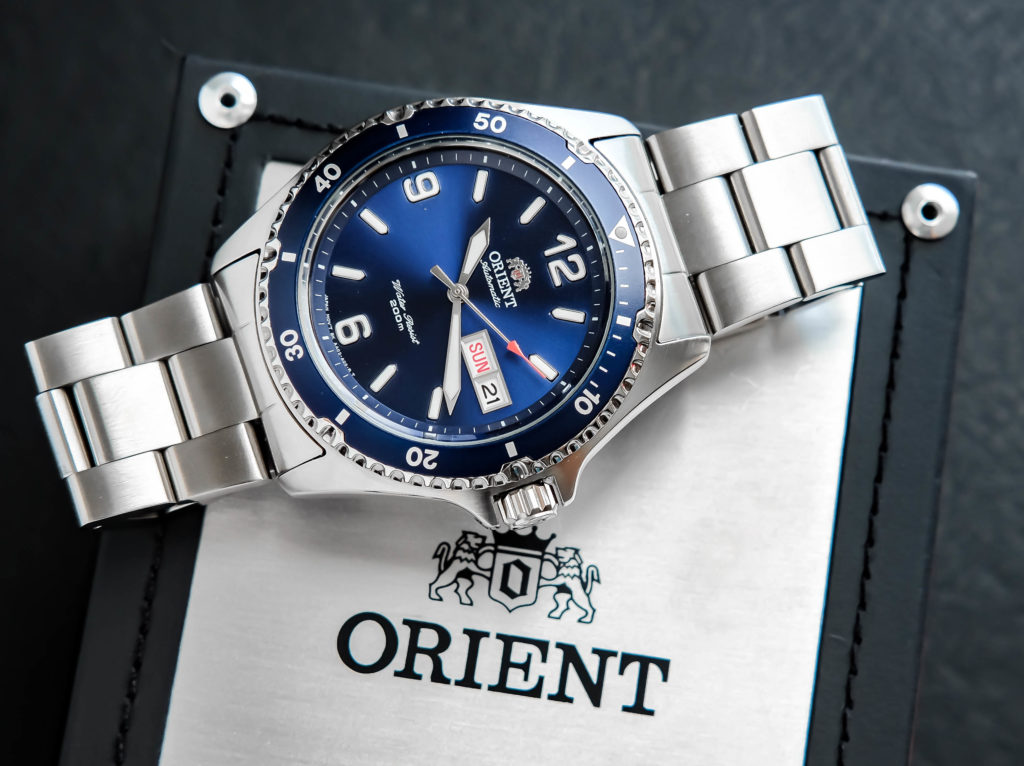
We’ve come across plenty of owners who never felt the need to sell them, not because they couldn’t, but because they still enjoyed wearing them. The community around Orient feels smaller but a bit more dialed in. Discussions tend to revolve around movement behavior, long-term reliability, and how these watches settle into daily wear over time. You’ll still find them on resale platforms, but not in a way that suggests flipping or speculation. Instead, it feels more like watches changing hands between genuine enthusiasts who understand what they are. That grounded, wear-first mindset keeps Orient positioned as one of those watch brands that quietly earns loyalty without relying on hype.
Final Verdict: Which Brand Actually Wins Timex or Orient?
Orient delivers what many people think they want when getting into watches: a mechanical experience that feels engaging and a bit more personal. And to be fair, models like the Kamasu and Bambino earn that reputation. But after living with them for a while, the trade-offs stop being abstract. You notice the accuracy shifts. You reset them after a few days off the wrist. You pay a bit more attention to how and when you wear them. None of that ruins the experience, but it does add a layer of involvement that not everyone enjoys in the long term.
Timex, by comparison, keeps things simpler, and in many cases, that simplicity is the real advantage. Whether it’s the grab-and-go ease of the Weekender, the low-maintenance solar setup of the Expedition Field Post Solar, or the no-nonsense capability of the Deepwater Meridian 200, these watches tend to stay out of your way. They’re consistent, easy to rotate, and don’t ask for much attention once they’re on your wrist. Over time, that lack of friction and that “easy to trust in daily life” aspect becomes more valuable than you expect.
So here’s where we land after years of wearing both. If you want that hands-on mechanical feel and don’t mind a bit of upkeep, Orient makes more sense. It’s clearly the more engaging option. But if your goal is to have a watch that fits smoothly into your routine, works every time you reach for it, and doesn’t need managing, Timex offers far better real-world value. That’s why, for most people buying their first or second watch or looking for something dependable for rotation, Timex wins.

Co-Founder and Senior Editor
Kaz has been collecting watches since 2015, but he’s been fascinated by product design, the Collector’s psychology, and brand marketing his whole life. While sharing the same strong fondness for all things horologically-affordable as Mike (his TBWS partner in crime), Kaz’s collection niche is also focused on vintage Soviet watches as well as watches that feature a unique, but well-designed quirk or visual hook.
This is really an apples to broccoli comparison. You are comparing quartz/solar movements to automatic movements. These are completely different experiences which have nothing to do with the manufacturer of the watch but rather their timekeeping mechanisms. You should be comparing Orient quartz/solar movements with Timex quartz/solar movements. Or Orient automatics with Timex automatics.
Hey Jeffrey – I hear you, but I think most buyers in this price range are cross-shopping these two brands regardless of movement type. The comparison reflects how people actually make decisions, even if it means putting different technologies side by side. Fair point, though.
I have been a Timex devotee since I was ten years old, whether with an Ironman digital or a quartz analog Weekender. That love for Timex continues today. I have a Deepwater Reef diver, a E-line 1983 Reissue and a Velocity Reissue. All in heavy rotation. I agree that they are all easy and reliable to own.
Hi, Eric:
Thank you for taking the time to read our comparison and share your thoughts! There’s something especially meaningful about sticking with a brand from childhood and still finding reasons to enjoy it now. Comments like yours get at why Timex still connects with so many people.
Best,
-Kaz
Good comparison!
I’m curious to see how the new Timex Deepwater Artic stacks up versus the rest of the Deepwaters. The brown bezel and gold accents on the one colourway seem like a bold move on their part.
Hi!
As soon as we’re able to conduct a hands-on review with one of the Deepwater Arctic models, we’ll consider adding it to this comparison here as long as it adds value to the conversation (which we’re confident it will). These divers really do look fantastic.
Best,
-Kaz
Great article! I have couple Timex quartz Expeditions. Fun watch for the weekend after wearing a Luxury watches all week at work. Light weight, fun to change bands. The Orient sound like a fun watch also, with a little more upscale look. Both great entry Timepieces for any watch collection. Great article!!
Hi, John:
Thank you for writing in and sharing your personal experience with Timex. I like that you can enjoy the Timex for exactly what it is without feeling like every watch has to do the same job. That easy, low-maintenance quartz appeal is a big part of why Timex ended up getting the edge for us here.
Best,
-Kaz
Great article, but I think maybe you should have included some automatic Timex watches. Maybe something out of the Waterbury or Marlin collections.
These watches use Japanese automatic movements. I think in reality your article was more of a quartz versus automatic movement article.
Hi, Bruce:
Fantastic call-out. We’re actually working now to get some more automatic Timex pieces in for review because our review catalog of the brand is heavily skewed toward quartz. As we complete more automatic reviews from Timex, we’ll certainly consider them for inclusion in this piece as long as they add valuable insight.
Best,
-Kaz
No mention of Times automatics? Even though it’s not in house, it should still be mentioned. Your article is almost misleading by inferring that Timex only sell quartz watches.
Hi, Ed:
Certainly no intent to mislead but you have identified an opportunity for us to bolster this comparison with a future edit. We only feature watches in these pieces that we’ve reviewed hands-on. At this time, we’ve only reviewed quartz timepieces from Timex. However, that’s something we’re actively working on addressing by getting more Timex mechanical pieces in for review.
Best,
-Kaz