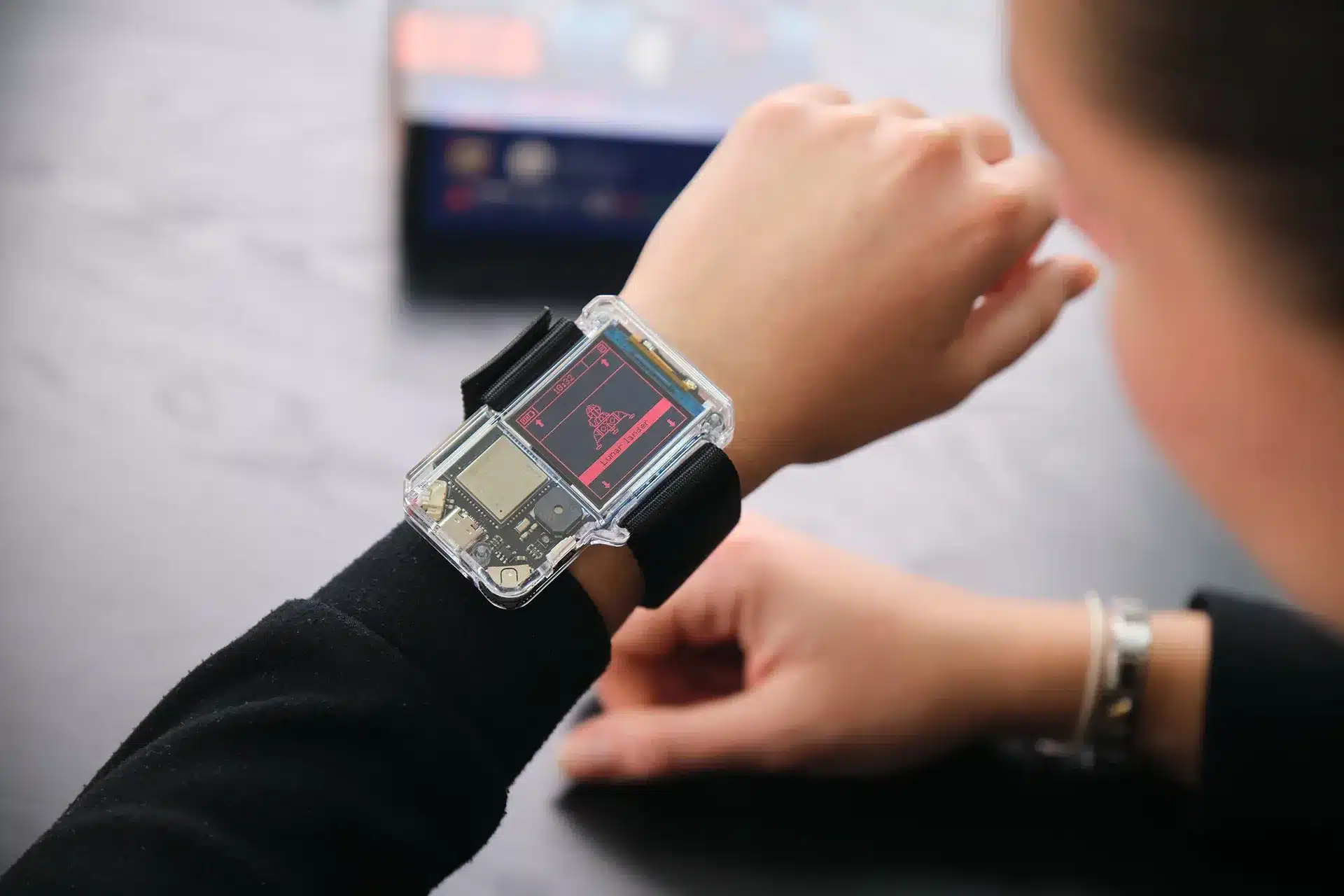
We don’t cover a lot of smartwatches here. That’s not really what we do. But with the Artemis II mission getting plenty of attention lately, and the usual coverage around what’s on the astronauts’ wrists already well underway elsewhere, this one felt worth a look for a different reason.
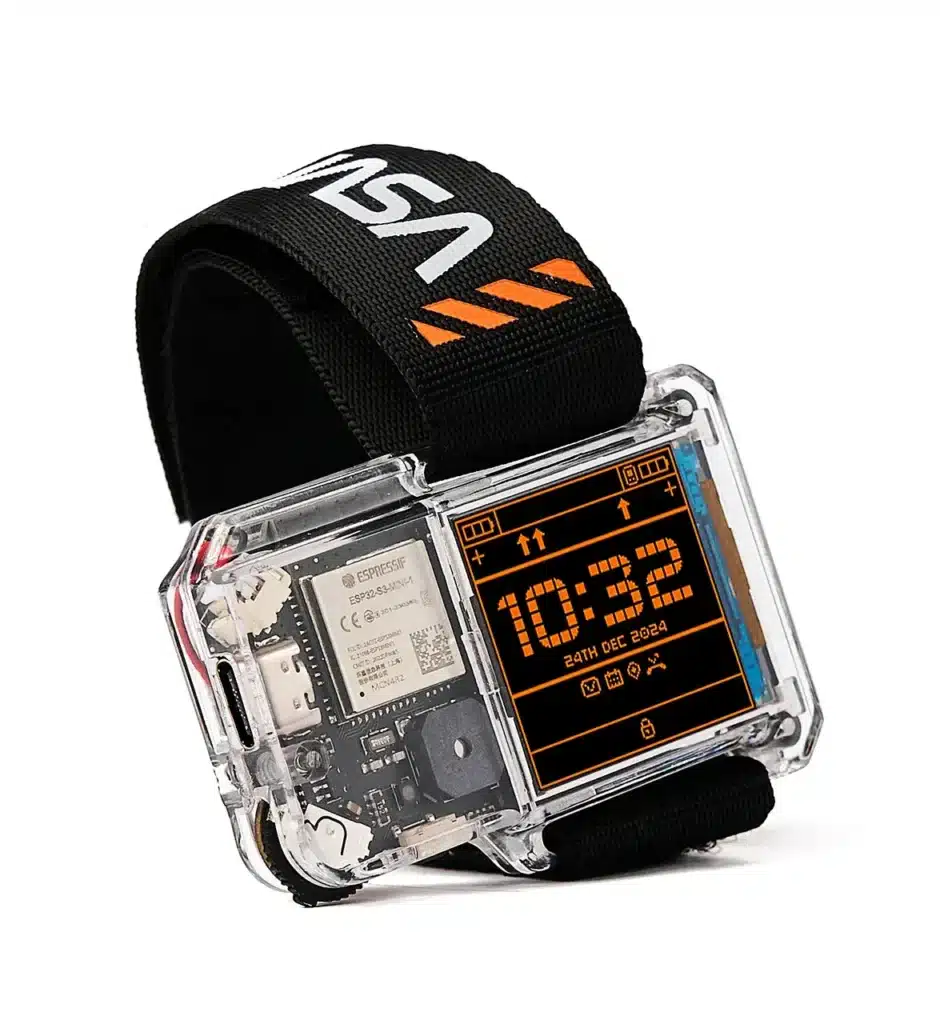
CircuitMess has released the NASA Artemis Watch 2.0, a fully functional smartwatch built around an ESP32 microcontroller and wrapped in a large, transparent rectangular housing that puts the mainboard on full display. The aesthetic is deliberately retro-futuristic, and the comparisons to the Pip-Boy from Fallout aren’t hard to understand once you see it. I’ve spent enough time tinkering with Raspberry Pi Pico projects to recognize the ESP32 immediately. It’s a well-documented, genuinely accessible microcontroller with a strong community behind it, and CircuitMess leaning on it here is a reasonable choice for something that’s designed to be opened up and modified.
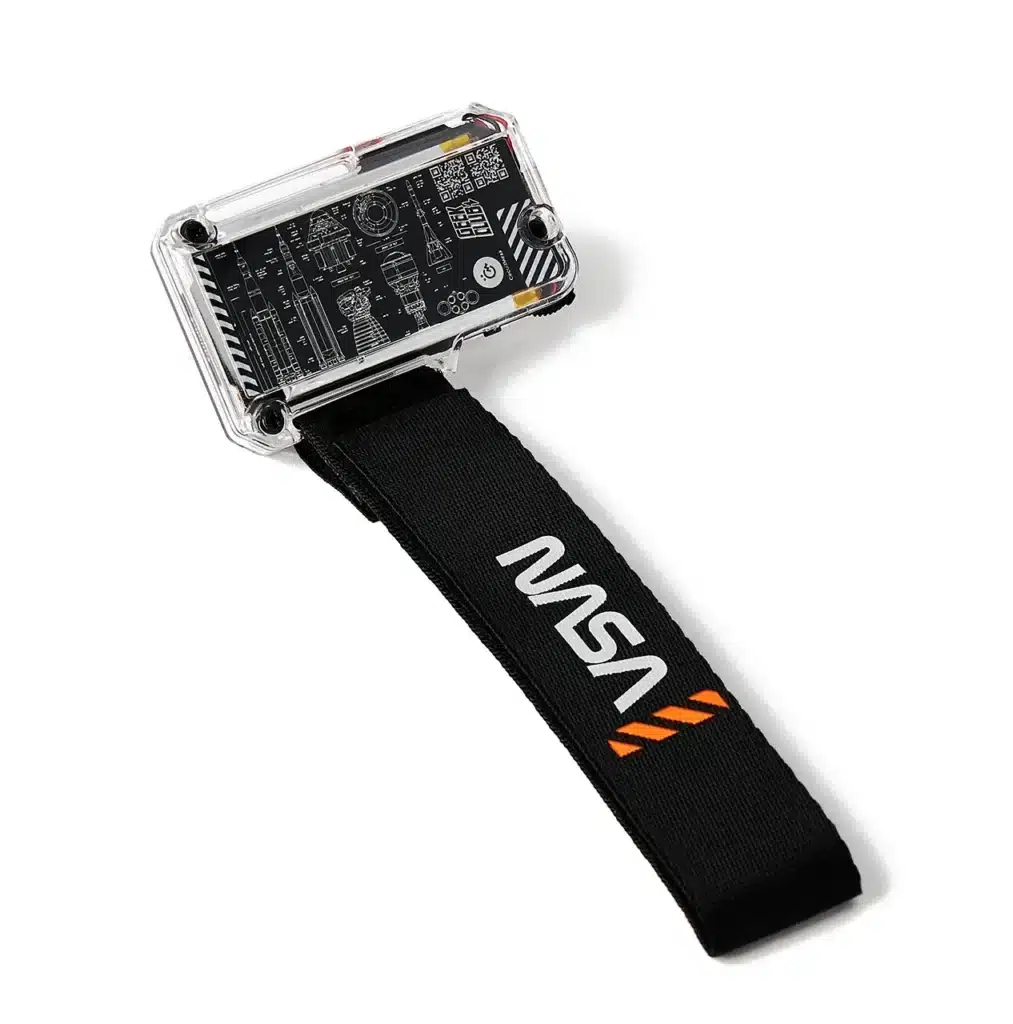
Hardware-wise, the watch is modest by design. You get Bluetooth connectivity for pairing with Android or iOS devices, incoming notification support, a gyroscope, accelerometer, temperature sensor, and compass. There’s no heart rate monitor or SpO2 sensor, so anyone expecting Apple Watch-level biometric tracking will need to recalibrate expectations before hitting the buy button. USB-C handles both charging and data transfer, which is at least a sensible modern choice.
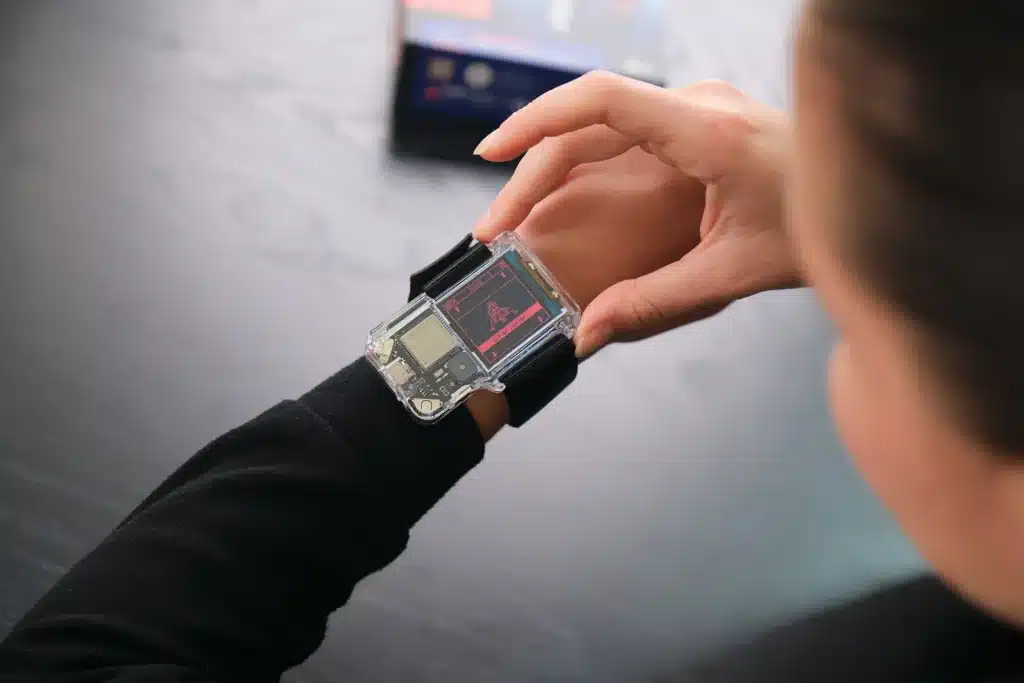
What actually makes this interesting is the open source firmware. The Artemis Watch 2.0 is fully programmable, meaning users can write their own watch faces, build apps, and dig into sensor data at the system level. But there’s something worth calling out beyond the tinkering angle. Wearing a device and understanding how it actually works are very different things, and most consumer electronics are designed to keep that gap as wide as possible.
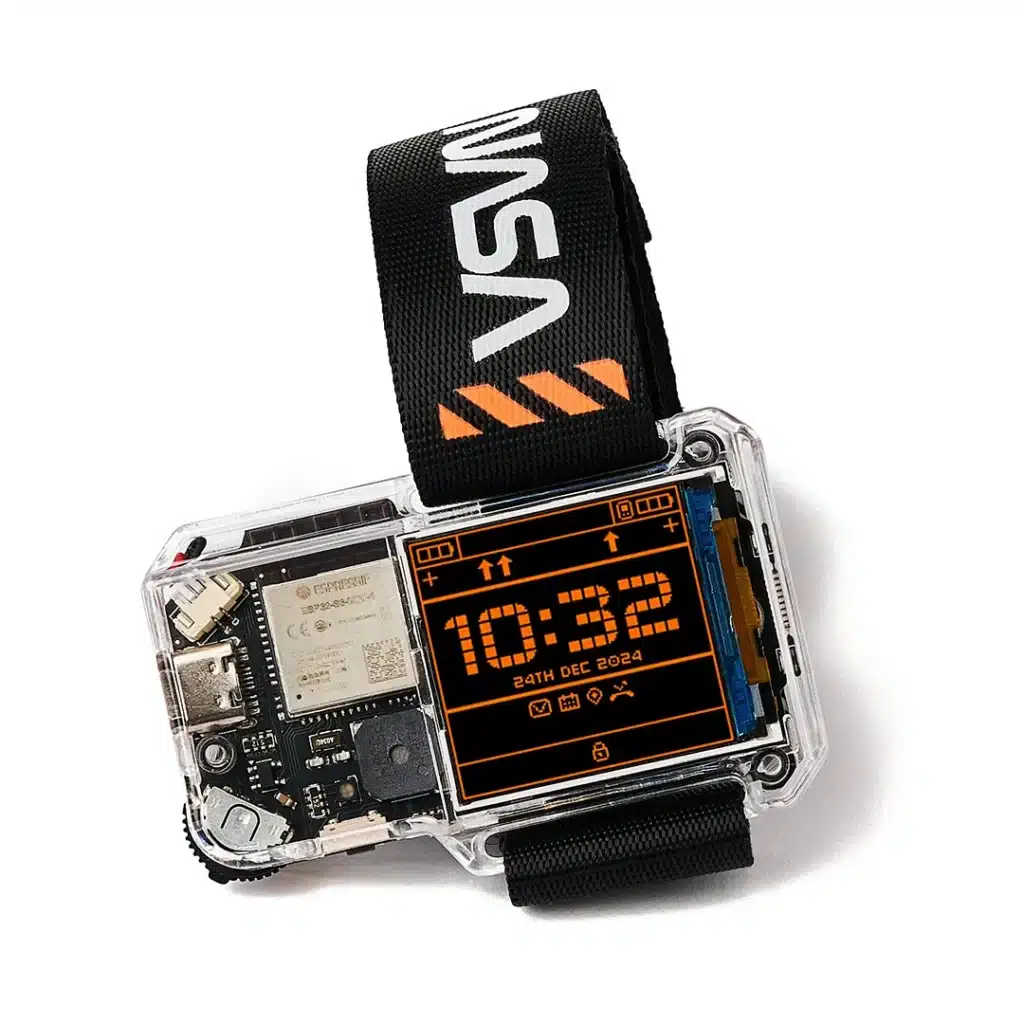
The NASA Artemis Watch 2.0 is deliberately built the other way around. The transparent housing is an invitation to look closer. The accelerometer, gyroscope, Bluetooth module, and display are all accessible not just physically but conceptually, in the sense that the firmware lets you interact with each component directly. For a younger person just starting to think about how connected devices actually function, that’s a more honest introduction than any classroom simulation.
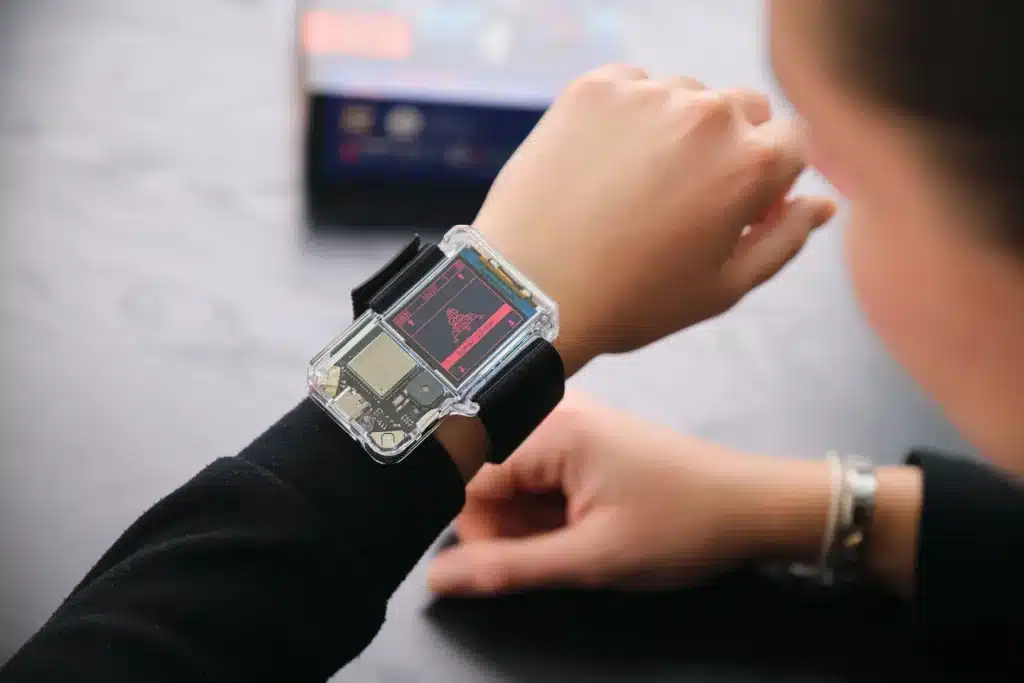
At $129 with free worldwide shipping, this lands somewhere between a novelty and a legitimate introductory STEM project. It’s not a Speedmaster or daily watch and CircuitMess isn’t really pretending otherwise. There’s a certain kind of person who looks at something like this and immediately starts thinking about what they’d build with it rather than what they’d wear it with. Whether that sounds like you probably settles the question faster than any specs will.

Co-Founder & Senior Editor
Michael Peñate is an American writer, photographer, and podcaster based in Seattle, Washington. His work typically focuses on the passage of time and the tools we use to connect with that very journey. From aviation to music and travel, his interests span a multitude of disciplines that often intersect with the world of watches – and the obsessive culture behind collecting them.