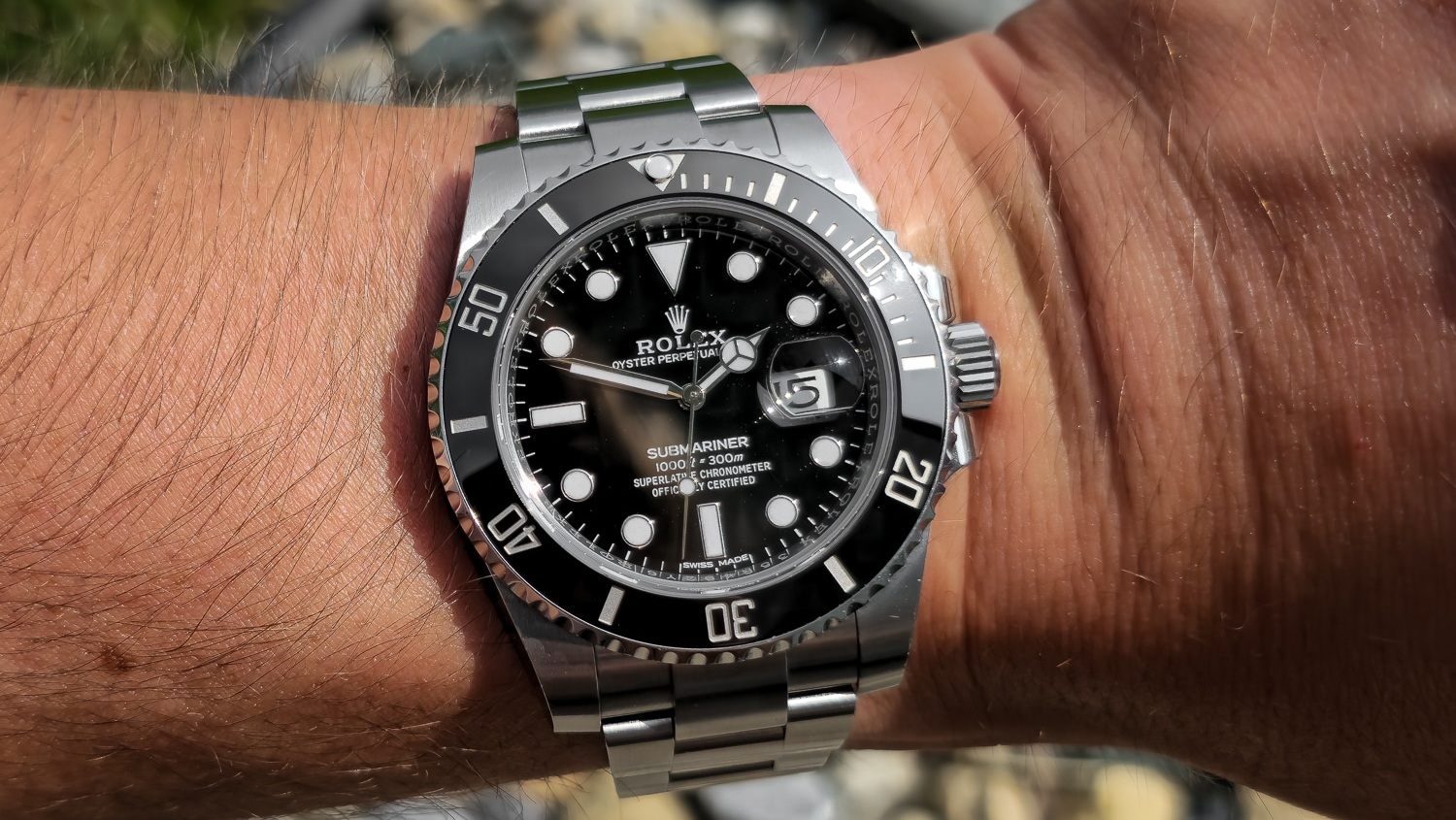
For most people, the blunt answer is no. It doesn’t really make rational sense to spend years saving for a modern Rolex Submariner anymore. Although that’s not the same as saying the Sub is a bad watch. In reality, it’s far from it. After we’ve spent plenty of wrist time wearing different Submariner models, it’s easy to see why it became the benchmark diver. That said, the real question in 2026 isn’t whether the Submariner is good. It’s whether it still makes sense as a dive watch purchase, given what else is available (and we’ve tested) at the same price or far below it.
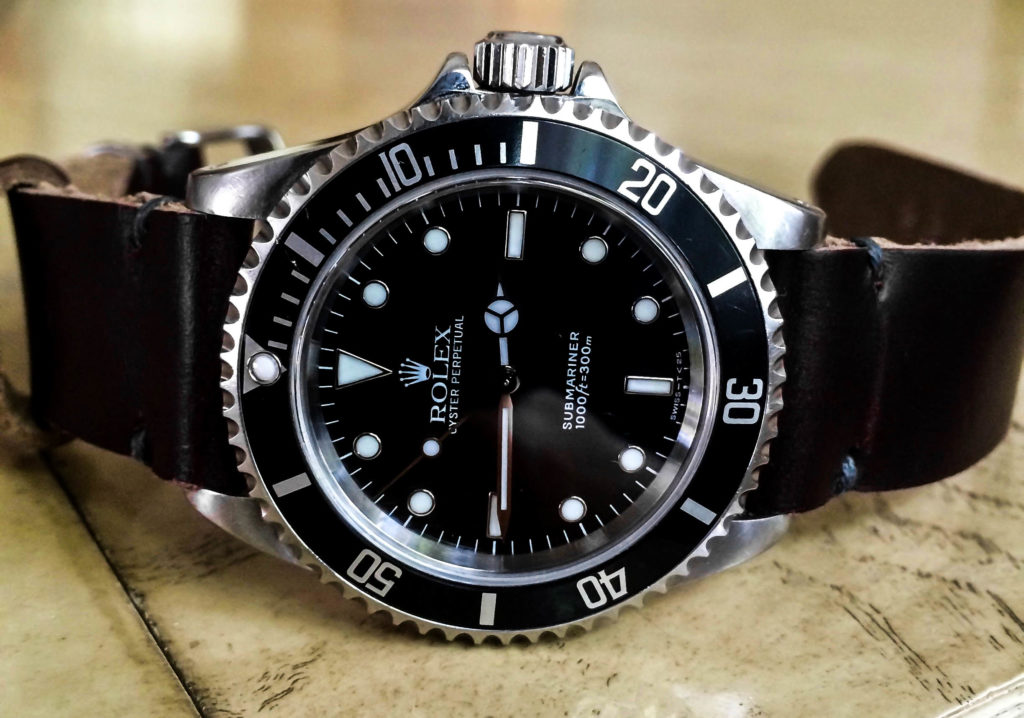
Over the years, we’ve spent time with the Sub alongside alternatives like the Omega Seamaster Diver 300M, the late-90s Seamaster 2254.50.00, and the Seiko Marinemaster. We’ve compared it directly with pieces like the Tudor Black Bay and even put it up against the Glashütte Original SeaQ. When you step back and look at the entire landscape of dive watches we’ve tested, the Submariner starts to look less like the obvious destination and more like one option among many.
What the Submariner Still Does Better Than Almost Anything
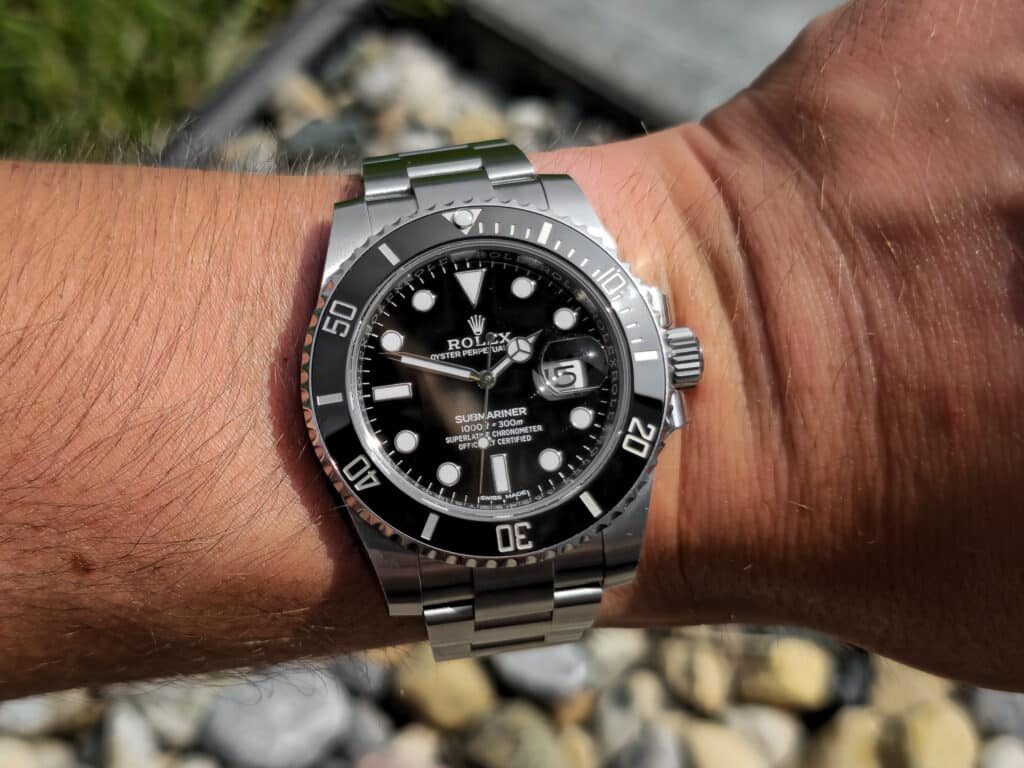
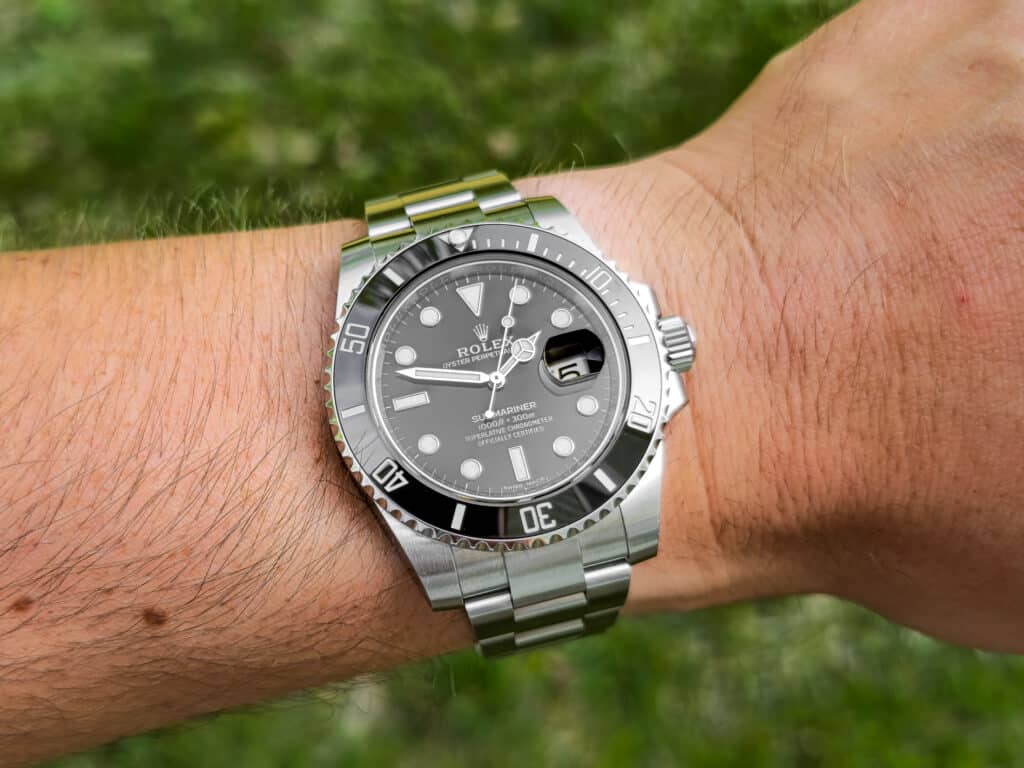
Let’s be clear about something before going any further: the Rolex Submariner is still an outstanding watch. The reference we reviewed measures 40mm, with a modest 48mm lug-to-lug and about 12.5mm of thickness, which is impressive given the 300m water resistance. On the wrist, it lands in that rare middle ground between tool watch heft and everyday comfort. It feels solid without being bulky, and that balance is a big reason dive watches have been creeping into dress-watch territory over the past couple of decades. The Sub wears easily with a T-shirt, but it’s also perfectly comfortable sliding under a cuff without looking out of place.
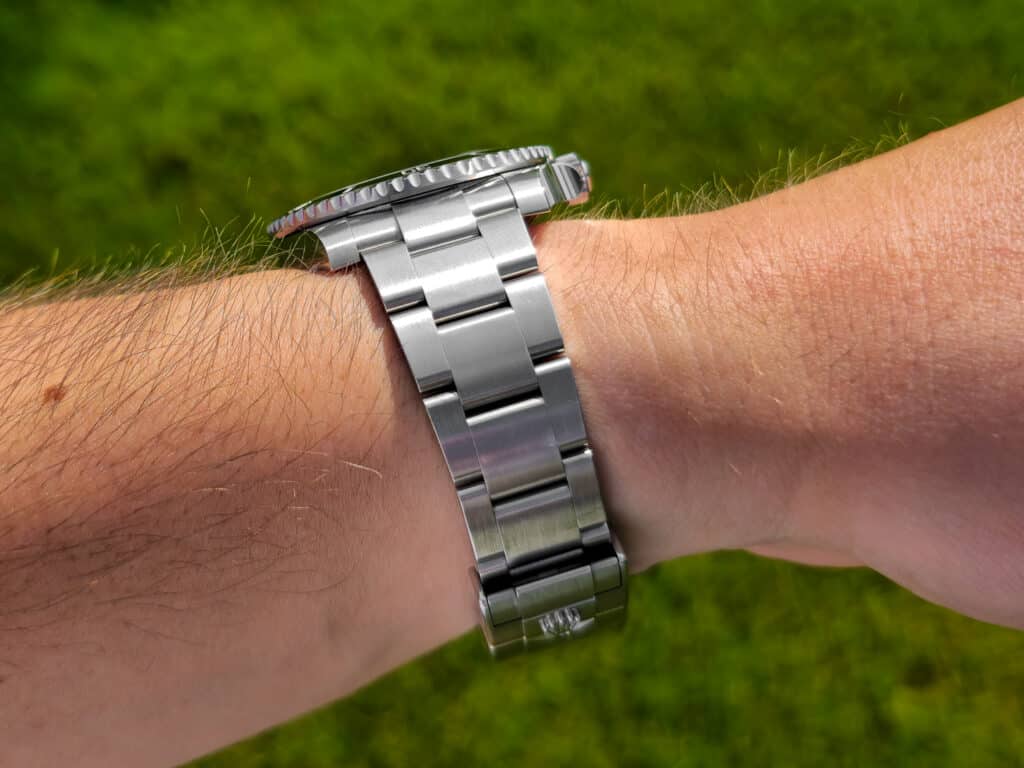
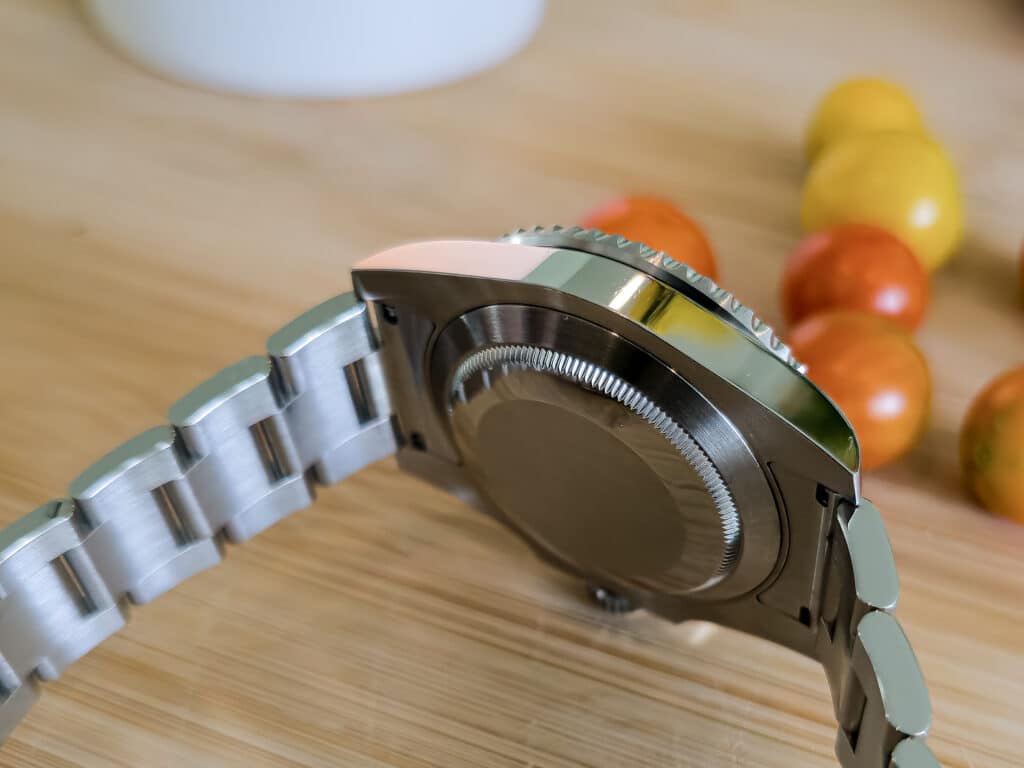
A lot of that comfort comes from the bracelet. The Oyster bracelet on this generation might still be the best bracelet we’ve handled on any watch. It tapers from 20mm to 16mm, giving the watch a substantial feel without turning it into a chunky block of steel. The links articulate naturally and drape over the wrist rather than fight it, and the end links sit tight against the case with zero wobble. Then there’s the Glidelock clasp, which remains one of the most practical clasp systems in the watch world. You get quick adjustment without tools, and the mechanism feels smooth and deliberate every time you use it. In day-to-day wear (desk diving, temperature changes, long days at the computer) it’s simply one of the easiest bracelets to live with.
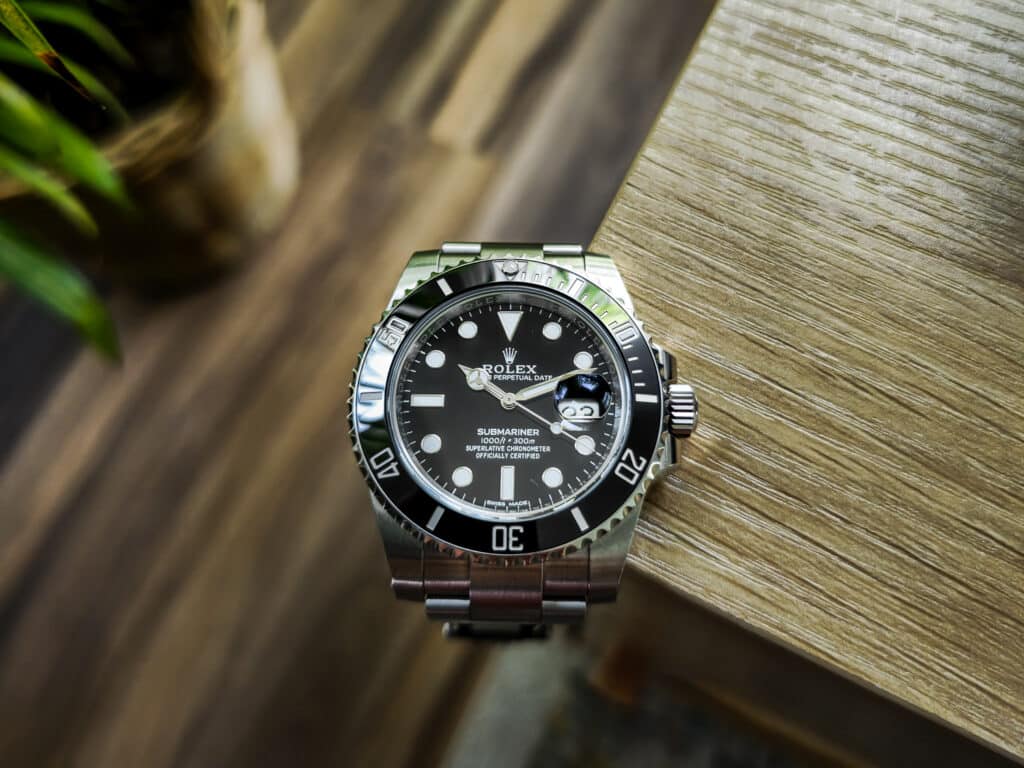
There’s also the reality of the name on the dial. The Submariner carries a kind of brand gravity that few watches can match. You don’t have to explain it to anyone. Even people who don’t know a thing about watches recognize it as a Rolex. That recognition cuts both ways, but there’s no denying it’s part of the appeal. Moreover, the watch itself doesn’t rely on flashy design to attract attention. The glossy black dial, Mercedes handset, and simple hour markers are almost boring on paper, yet in practice, they work well together. Legibility is excellent, the bezel action is tight with no back play, and the whole package feels refined without trying too hard.
That combination is why the Submariner still works so well as a one-watch collection. It’s durable enough to handle everyday wear, understated enough to pass in formal settings, and familiar enough that nobody questions it. From a pure product standpoint, the Sub is still top-tier. But that’s where the distinction starts to matter. If what you want is the Rolex experience: the name, the heritage, the feeling of wearing the archetypal dive watch, the Submariner absolutely delivers. What it doesn’t deliver anymore is clear, per-dollar value compared to the alternatives around it. And that’s where the conversation gets more complicated.
What Our Testing Says You Can Get Instead Of The Submariner (For Same or Less Money)
Once you step outside the Rolex bubble, the modern dive watch landscape starts to look very different. After reviewing and living with a range of alternatives, from luxury divers to mid-tier Swiss pieces and serious Japanese tool watches, it becomes clear that the Submariner is no longer the obvious “smartest buy.”
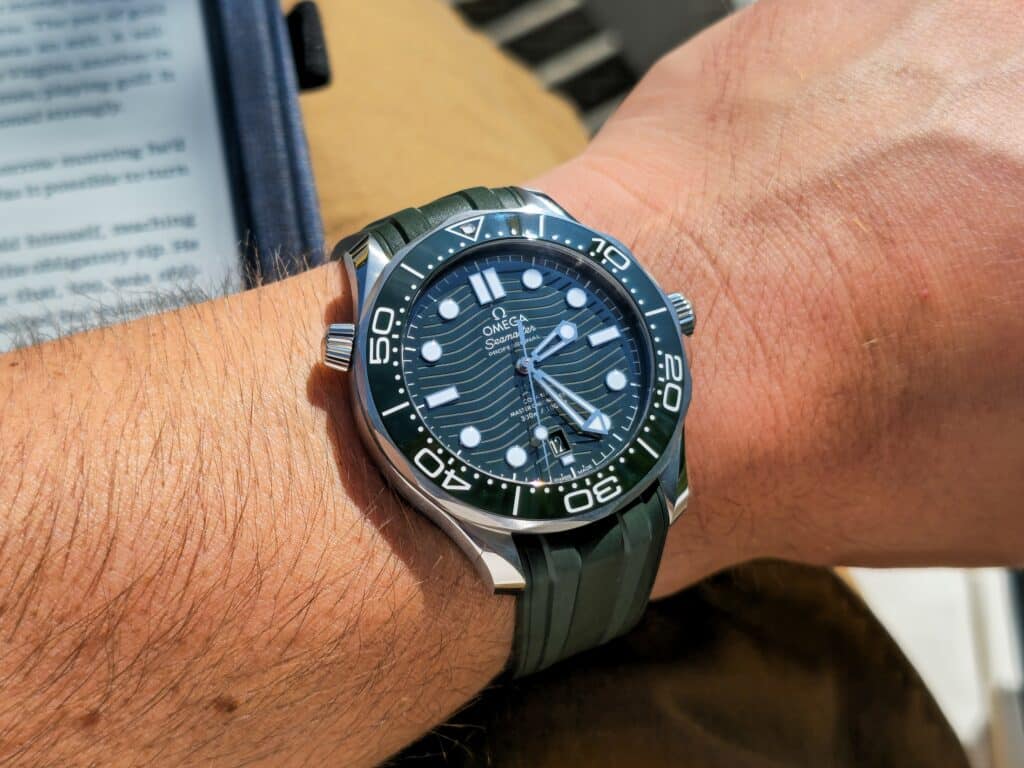
Take the Omega Seamaster Diver 300M, which we’ve spent a lot of time with in our testing. In day-to-day wear, it offers every bit of the technical capability you’d expect from a luxury diver: 300 meters of water resistance, a helium escape valve, and Omega’s co-axial Master Chronometer movement with impressive anti-magnetic resistance. What stands out most on the wrist, though, is the personality. The laser-engraved wave dial and skeletonized hands give it far more visual character than the Sub’s restrained black dial.
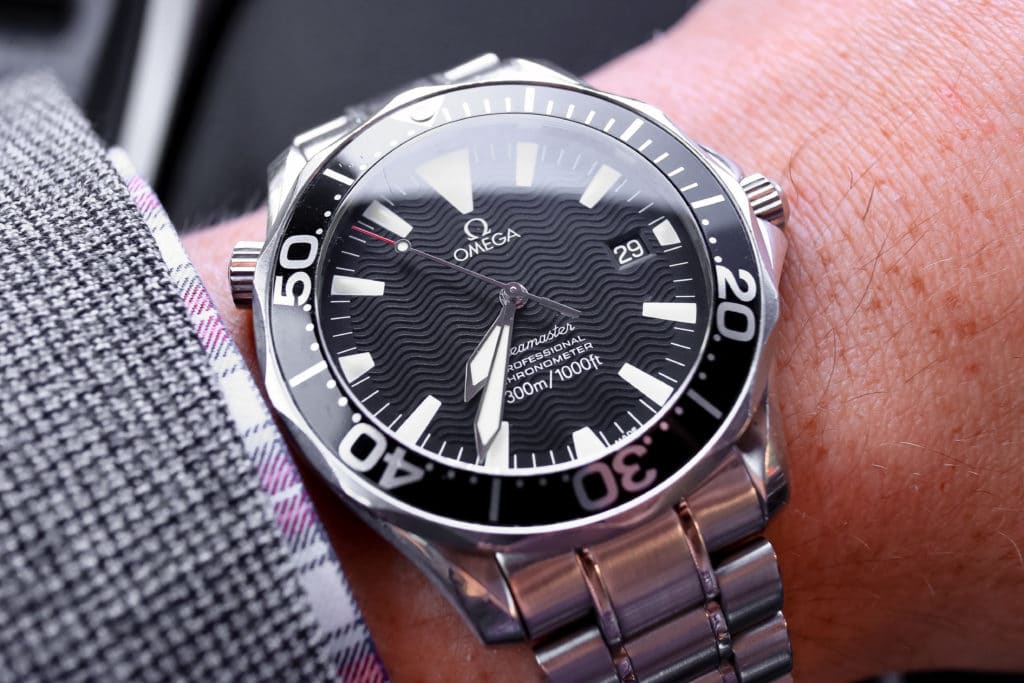
That difference carries over to the older Seamaster 2254.50.00 as well. As we noted in our hands-on review, it’s one of the most purpose-driven divers Omega has made. The sword hands and oversized hour markers make the dial easy to read at a glance, and the matte wave dial avoids the glare that can sometimes show up on shinier luxury pieces. The automatic caliber 1120 inside has a reputation for durability and consistent accuracy, and the overall package feels built for daily use rather than occasional flex. Next to a Submariner, the 2254 doesn’t feel like a downgrade—it feels like a different take on the same idea, and one that happens to cost significantly less.
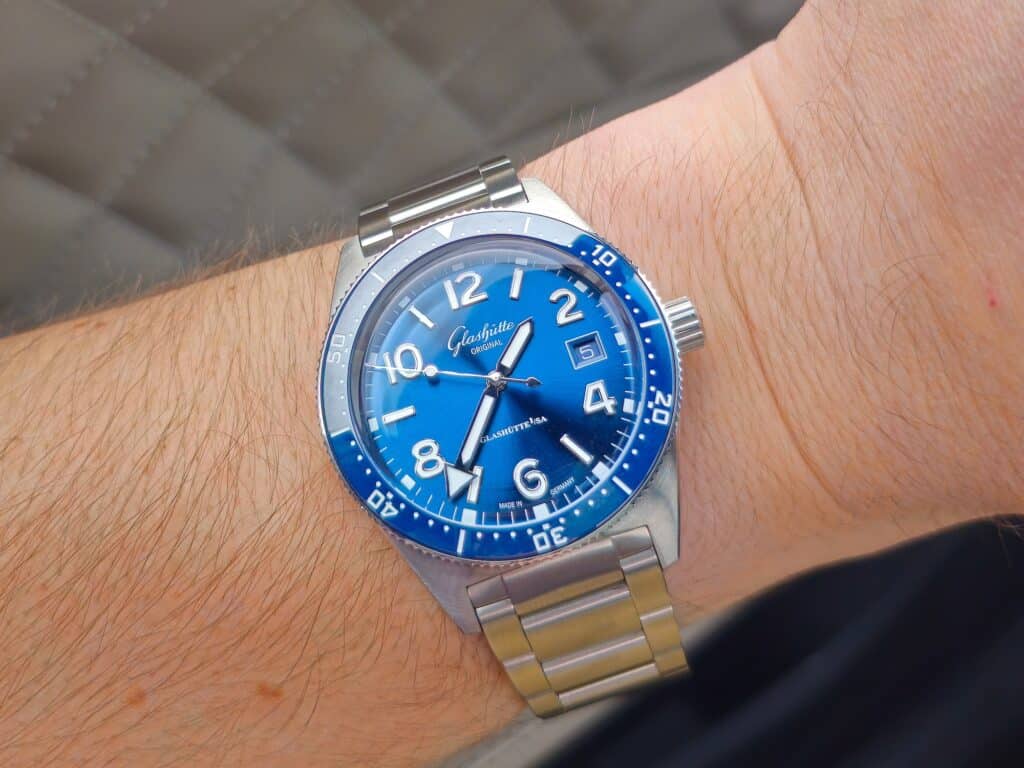
Move a bit further into the enthusiast corner of the market, and the Glashütte Original SeaQ makes an even stronger case. When we compared it directly, the difference in finishing and personality was noticeable. The 39.5mm case wears compact and balanced, with sharp brushing and polished bevels that show a level of finishing you notice the moment you handle it. The blue sunburst dial shifts dramatically depending on the light: bright and vibrant outdoors, darker and almost abyss-like indoors. The domed sapphire crystal and large Arabic markers give the watch excellent legibility. The bezel action is firm and deliberate, with a sharp click that feels more mechanical than the Sub’s smooth glide. What stayed with us after extended wrist time was its personality. The SeaQ feels less standardized and more thoughtfully crafted as a “maximum effort” diver, which makes it a compelling alternative in this space.
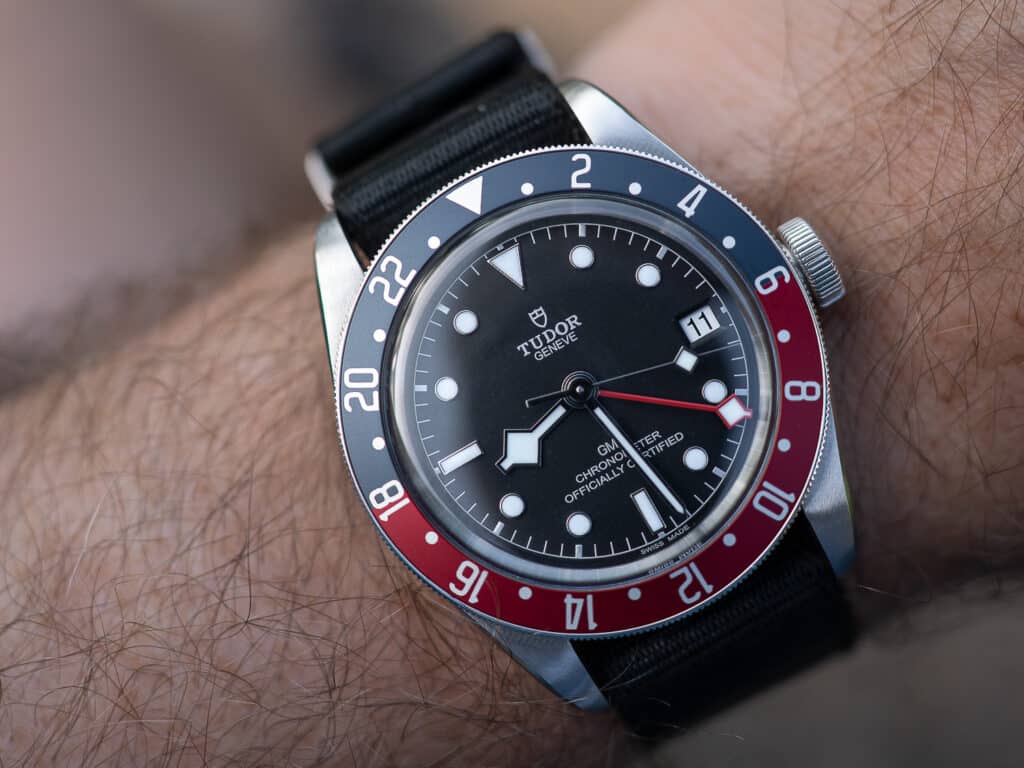
Then there’s Tudor, which has become one of the most convincing reasons to not overspend on a Rolex. In our time with the Tudor Black Bay GMT, the watch delivered the solid, tool-watch feel people often associate with Rolex: robust case construction, excellent bracelet quality, and a COSC-certified in-house movement with a healthy 70-hour power reserve. The 41mm case is on the larger side, but the lug’s steep downward curve helps it sit comfortably on the wrist, and the matte dial with Tudor’s snowflake hands makes the watch easy to read at a glance. In everyday wear, the Black Bay line captures much of that sturdy “Rolex-adjacent” experience: heritage design, dependable movement, and serious build quality without requiring the same financial leap.
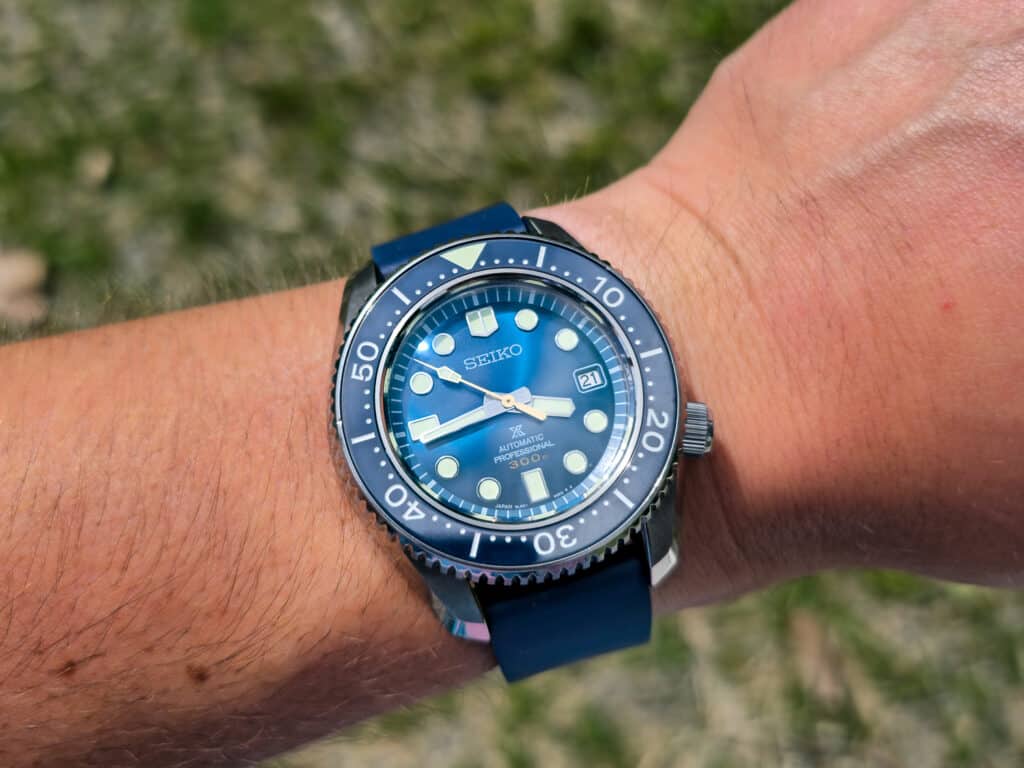
Once you move into the more affordable end of the dive watch world, the value argument becomes even harder to ignore. The Seiko Marinemaster, which we covered in-depth, feels like a serious tool diver first and foremost. Its monobloc case construction, firm yet smooth bezel action, and Seiko’s famously strong lume make it feel purpose-built for underwater use rather than desk-diving aesthetics. The finishing is more refined than you might expect, with crisp case brushing and a blue, sunburst dial that remains easy to read in poor lighting.
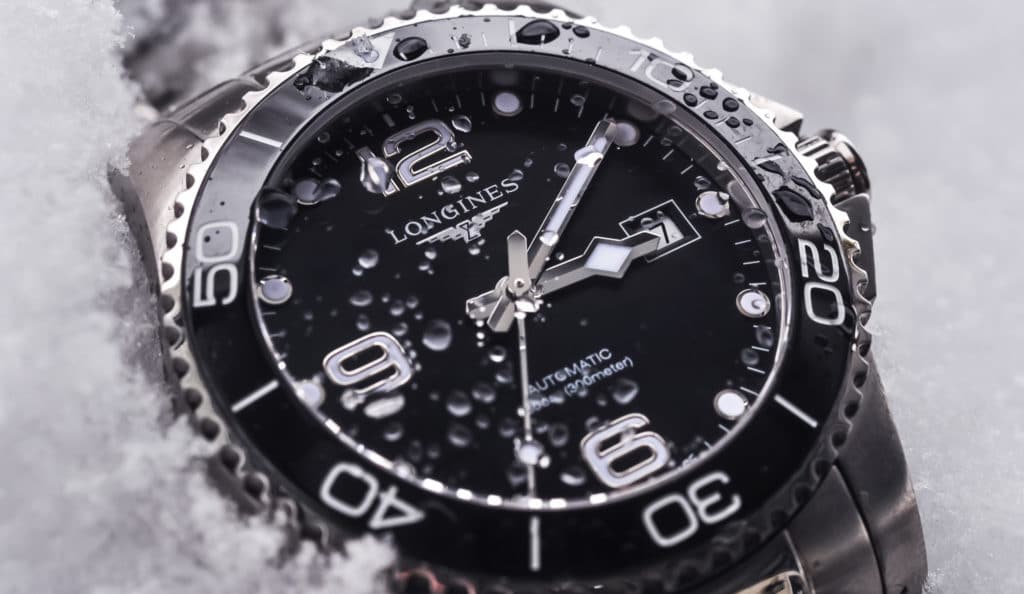
The Longines HydroConquest we reviewed takes a slightly more modern approach with its polished ceramic bezel and clean dial layout. However, it still wears like a robust everyday diver that’s easy to read and comfortable for long stretches on the wrist.
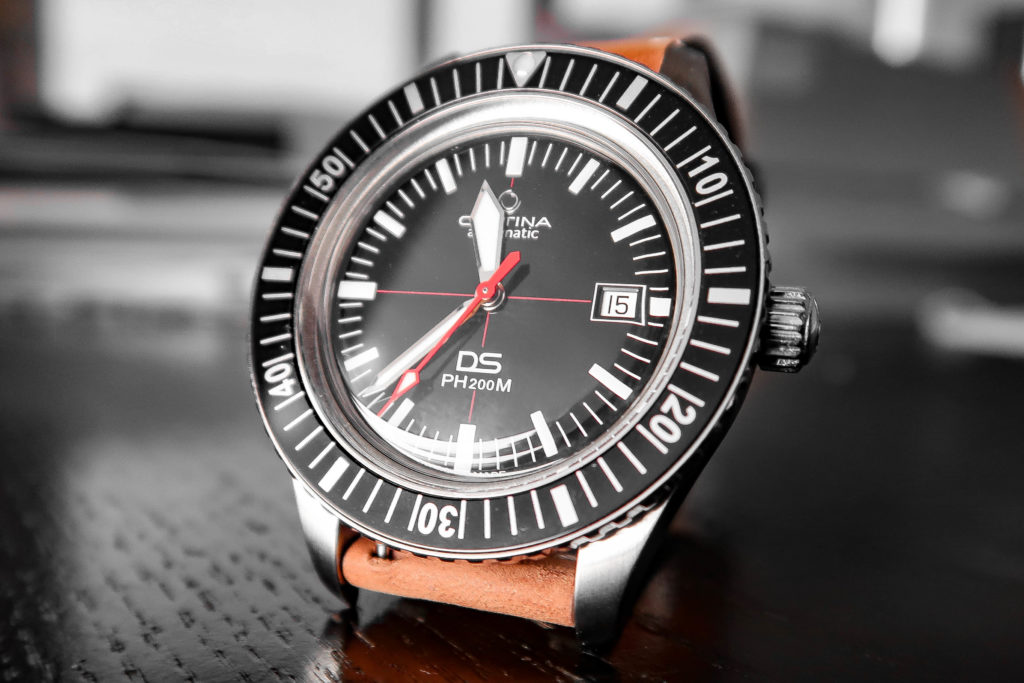
The Mido Ocean Star Titanium, as we mentioned in our hands-on review, leans into practicality even more. Its lightweight titanium case makes it easier to wear all day, while still delivering serious dive capability and a reliable automatic movement. Then there’s the Certina DS PH200M, which we explored, too. Its domed crystal, retro dial layout, and solid DS case construction give it a vintage diver feel that’s full of character while still offering modern durability.
That’s the real shift in the dive watch world right now. The Submariner is no longer competing against weaker alternatives. It’s up against watches that perform as well in real-world use, and often bring more character to the wrist, while costing dramatically less. And once you see that price gap for what it is, it becomes harder to justify the Sub purely on performance alone.
The Rolex Problem: Price, Availability, and Anxiety
Even if you can afford a Submariner today, buying one comes with baggage that didn’t exist a decade ago. The watch itself hasn’t changed that much, but the process of getting one has. It’s common to hear about buyers with long purchase histories waiting years for a call from an authorized dealer, all while feeling like they should be grateful for the opportunity to spend close to five figures on a fairly straightforward steel dive watch.
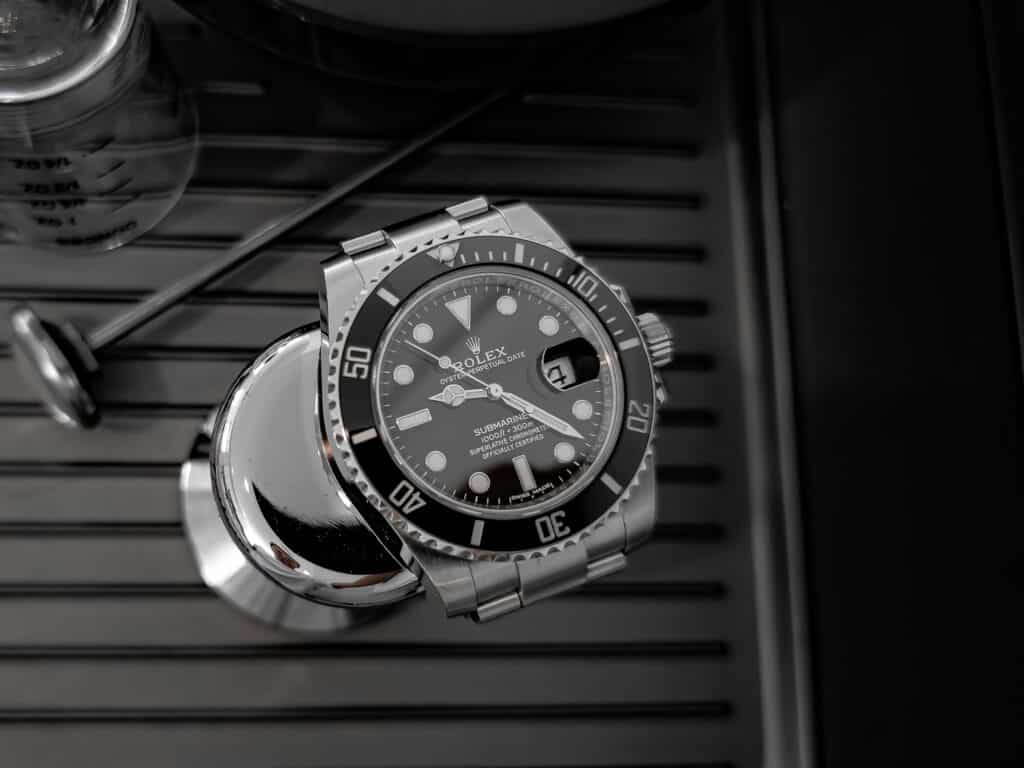
Then there’s the gray market, which has made the situation even stranger. Paying retail for a Submariner is already a significant financial commitment. Paying several thousand dollars over retail on the secondary market turns it into something else entirely. At that point, the watch starts to feel less like a dive tool and more like a financial instrument strapped to your wrist. The reality that the Submariner is also one of the most heavily counterfeited watches in the world doesn’t help either. Some of the modern “super clones” are convincing in a disturbing way, making buying used feel like a gamble. All of this adds a layer of stress to ownership.
And that stress changes how people actually use the watch. A dive watch is supposed to be something you take anywhere without thinking about it: beach trips, swimming pools, travel, and everyday wear. But when you’re wearing a watch that costs as much as a used car and is instantly recognizable from across a room, it’s hard not to feel a little self-conscious about it. Many owners end up babying their Submariner even though it was designed to be knocked around underwater.
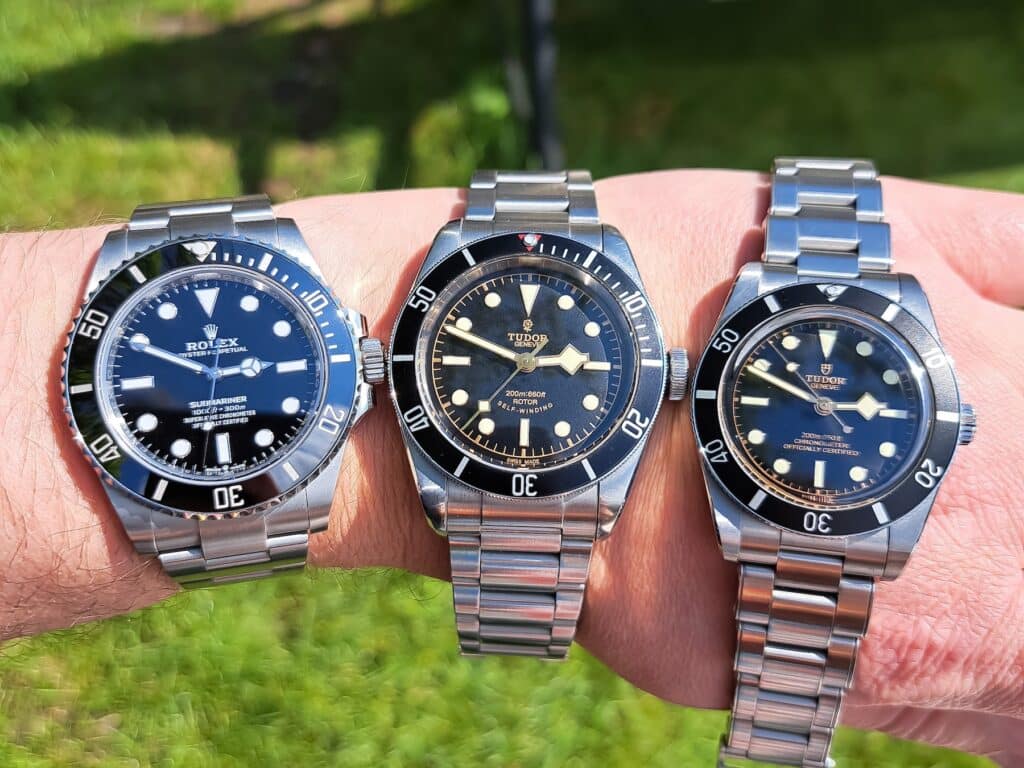
Finally, what’s interesting is that this anxiety almost disappears when you wear the alternatives we’ve tested. Watches like the Seamaster, the Glashütte Original SeaQ, the Tudor Black Bay, or even something like the Seiko Marinemaster feel easier to live with. You still get serious dive capability, solid engineering, and watches that feel substantial on the wrist. At some point, the equation becomes simple: if you’re scared to take your “dive watch” to the beach, it has stopped being a tool and started being a trophy.
So, Who Should Still Save for a Submariner?
In 2026, the Submariner only makes sense if you’re honest about what you’re buying. If what you want is a Rolex: the crown on the dial, the cultural weight, the feeling of finally strapping on one of the most recognizable luxury watches ever made, then saving for a Submariner can still make perfect sense. There’s an emotional payoff there that’s hard to replicate with anything else. The Sub is one of the defining watches of the last seventy years, and owning one still scratches a very particular itch that alternatives can’t fully replace.
Where the logic falls apart is when people frame the Sub as the best dive watch or the smartest place to park $10,000. Based on the watches we’ve spent time with, that isn’t the case anymore. If you’re chasing the most capable diver, the most interesting design, or the strongest value for the money, the Submariner is no longer the obvious answer. Too many other watches now deliver the same real-world experience without the waitlists, dealer politics, or the strange feeling that you’re wearing something too expensive to enjoy.
So the decision ends up being quite simple. Save for a Submariner only if you want a Submariner. If you want a great dive watch, your money goes further elsewhere.

Co-Founder and Senior Editor
Kaz has been collecting watches since 2015, but he’s been fascinated by product design, the Collector’s psychology, and brand marketing his whole life. While sharing the same strong fondness for all things horologically-affordable as Mike (his TBWS partner in crime), Kaz’s collection niche is also focused on vintage Soviet watches as well as watches that feature a unique, but well-designed quirk or visual hook.
Rolex itself isn’t worthy of it! They have shown their obvious disregard and contempt for a present or past or possible future customer. They don’t deserve to have customers anymore. Their treatment of customers is appalling, from initial interest to servicing. It’s disappointing how far they have fallen from Wilsdorf’s original vision of what the customer experience ought to be with his watches. What’s that I hear? Someone rolling in their grave!
The frustration is real and you’re not alone in feeling that way. I feel the AD experience has pushed a lot of longtime Rolex fans toward other brands. Whether the product itself is still worth it despite all that is kind of the central question of the article. For some people the watch overcomes the experience. For others, the experience poisons the watch.
Resale is so reliant in the decision that nothing can compare.
It’s definitely a factor, and for steel sport Rolex models the numbers back it up. I’d just be careful making it the primary reason to buy. Markets shift, and a watch you bought because you love wearing it will always feel like a better decision than one you bought hoping the math would work out.
The Rolex Submariner is tested for one full year before it is sold to a customer. Rolex watches do not fail. Ever. I have owned three Omega watches. All three Have failed. The Seamaster Professional leaked water, and the other two just stopped working within one year. MOST SWISS WATCHES are garbage compared to Rolex.
Rolex makes an excellent watch and their quality control is genuinely impressive, but saying they never fail isn’t accurate. Caliber 3000 has some well-documented issues. They’re mechanical objects and mechanical objects break. I’m sorry you had bad luck with Omega, though. Three bad experiences would sour anyone.
I have been wearing a GMT since 1967.
Today the sub is nothing but a Texas Timex. Maybe 10-15 years ago buying a Rolex would have been fine. Today the wrong people are buying Rolex’s. It is the hay everybody look at me crowd.
Damn that’s cool. ’60s GMT is grail territory.
The difference is that the Submariner goes up in value 30%+ when you walk out of the Rolex AD, and the others lose 30%+ of their value when you leave the store. I love my Omega Seamaster 300M, but I also bought it in like new condition, with all boxes, cards, and the original sales receipt for half its retail price. Purchasers rarely lose money on a Rolex steel Daytona, Explorer II, GMT or Sub.
That’s a fair point and I think a lot of people weigh that when they’re deciding where to put their money. The secondary market reality for steel Rolex sports models is hard to argue with, and you’re right that the math tends to work out differently than it does for most other brands. Your Seamaster pickup is a great example of how that dynamic can actually work in a buyer’s favor on the other side of things.