If you’ve spent time exploring affordable watches, you’ve probably found yourself stuck between Timex and Casio. We’ve been there too. These are the watches that show up early in the hobby and somehow never fully leave your rotation. Both brands sit firmly in the budget watch space, not pretending to be luxury pieces, yet still earning long-term wrist time because they’re simple, functional, and genuinely enjoyable to wear.
That said, we’re approaching this Timex vs. Casio comparison after years of rotating both brands through our own collections, writing hands-on reviews, and talking about them constantly on the podcast. These are the pieces we’ve lived with: from the solar-powered practicality of the Timex Expedition Field Post Solar to the grab-and-go reliability of classic Casio digitals and G-Shocks. That long-term exposure has shown us where each brand shines and where small frustrations start to creep in. Our goal here is simple: break down how Timex and Casio feel to own and wear in real life, so you can figure out which one makes more sense for your routine, your expectations, and your budget.
Brand Identity & Philosophy: Everyday Approachability vs Function-First Thinking
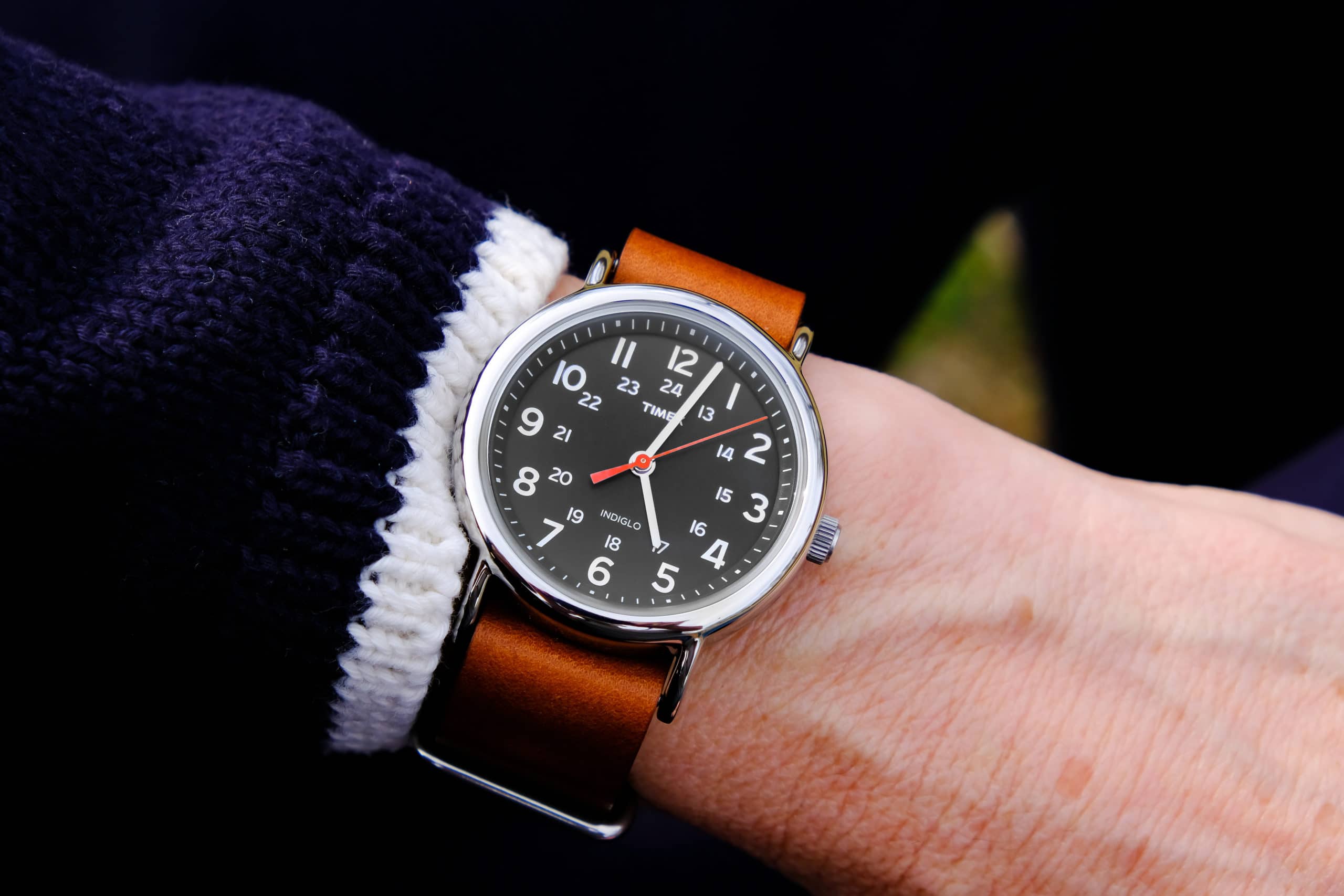
Timex has always approached watchmaking with a focus on making watches that feel easy to live with. After years of wearing Timex pieces like the Weekender and the Expedition Field Post Solar, the brand’s philosophy becomes clear. These watches aren’t trying to impress through complexity or prestige. Instead, they prioritize clarity, comfort, and flexibility, making them easy to wear in a wide range of situations. The Weekender, in particular, reinforced this identity for us during our in-depth review. It never felt like something you had to commit to stylistically. It was light, straightforward, and adaptable enough to blend into daily routines without demanding attention. The Expedition Field Post Solar builds on that same philosophy by reducing ownership friction even further.
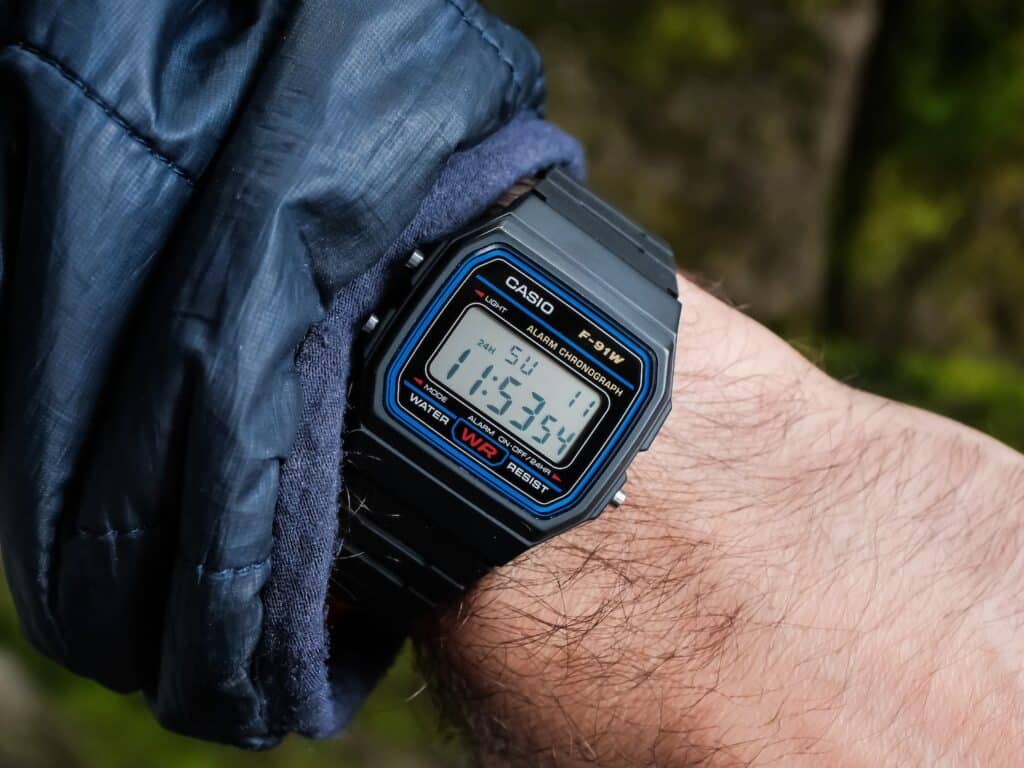
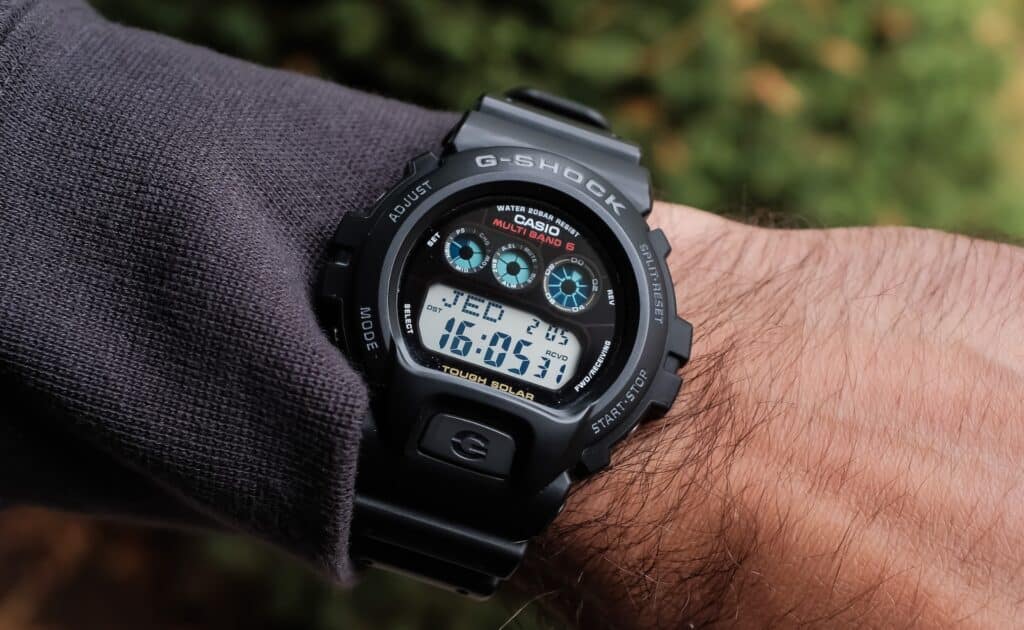
Casio, by contrast, builds its identity around consistency, durability, and function-first thinking. Spending time with watches like the F-91W and the G-Shock GW6900-1 made it obvious that Casio designs watches to perform reliably without needing special care. The F-91W represents the brand’s core philosophy perfectly. It’s lightweight, accurate, and built to be worn without hesitation or concern. The GW6900-1 reinforces that same mindset in a more rugged form, showing how Casio prioritizes durability and long-term dependability across different use cases.
- Timex connects best with wearers who value comfort, simplicity, and emotional familiarity. Its watches feel natural on the wrist and integrate easily into daily routines, requiring little thought or adjustment.
- Casio appeals strongly to those who prioritize reliability, durability, and worry-free ownership. Their models reinforce the brand’s focus on consistent functional performance.
Catalog Scope & Core Strengths
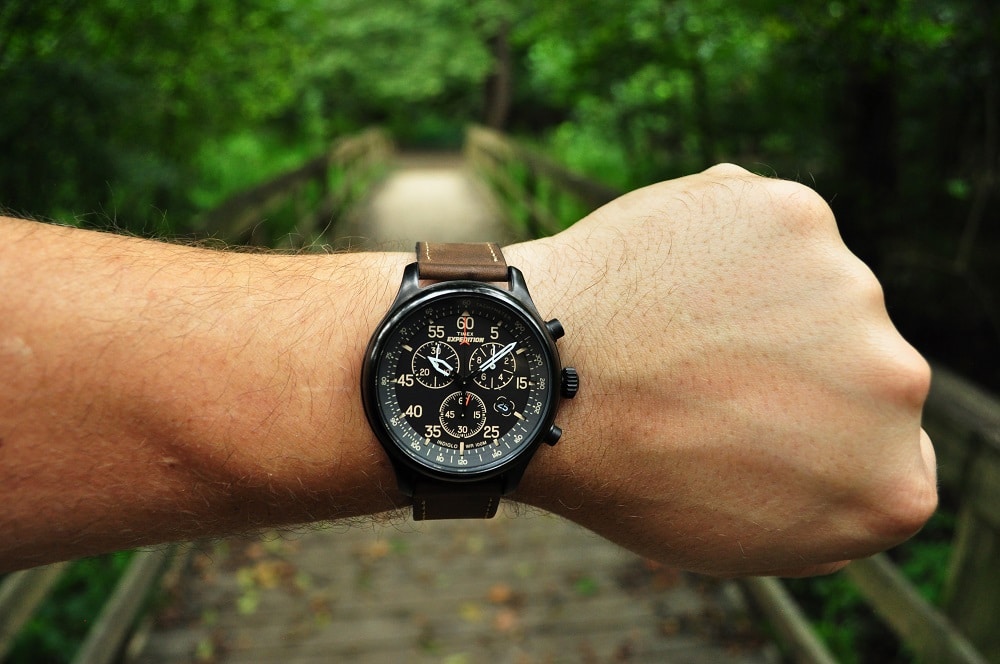
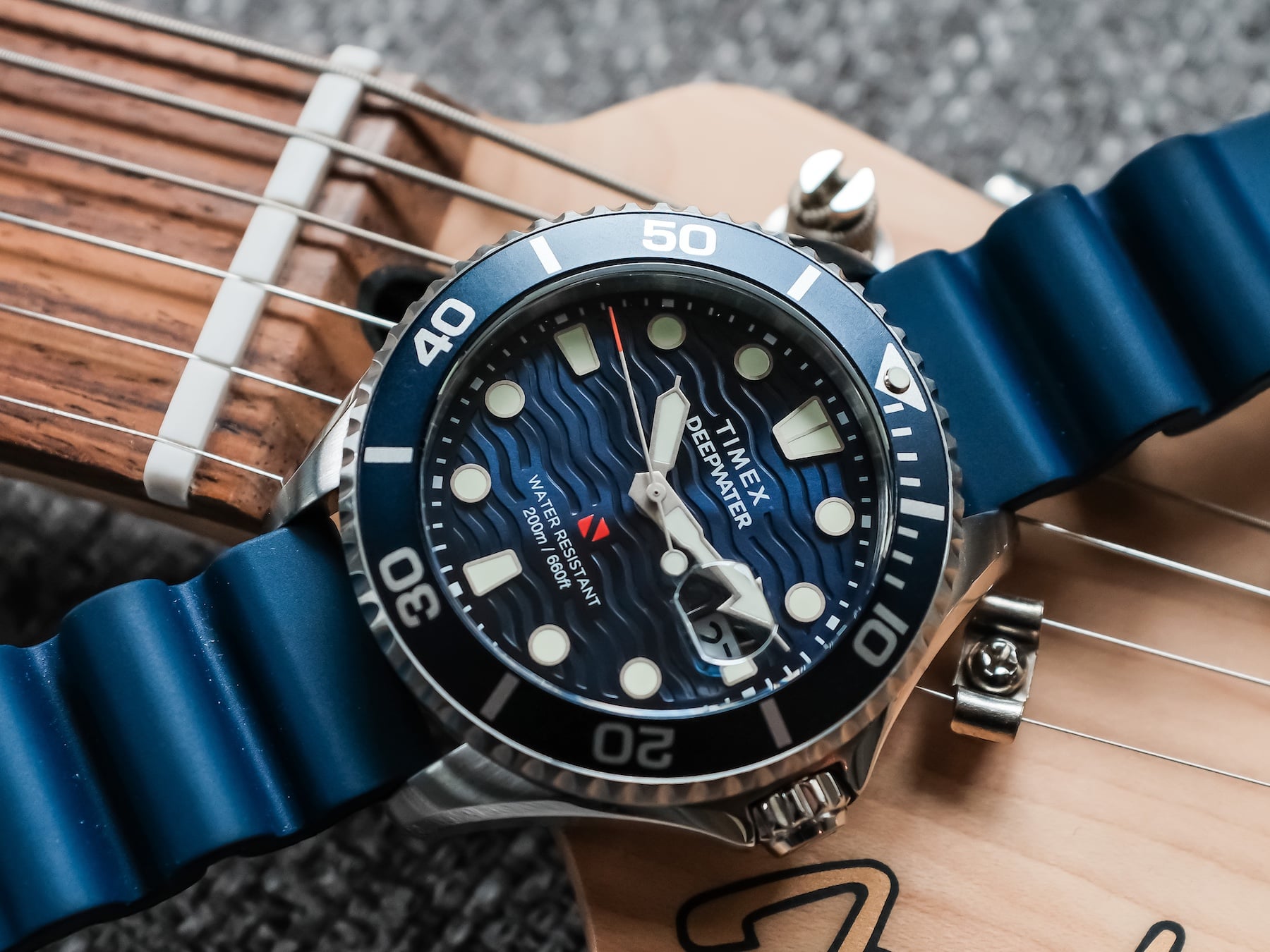
After rotating watches like the Weekender, Expedition Chronograph, and Deepwater Meridian 200 through regular use, what became clear is that Timex doesn’t lock itself into one category. The Weekender captures the brand’s casual, interchangeable nature: it’s the kind of watch you can throw on without having to plan around it. The Expedition Chronograph we tested hands-on adds utility, showing how Timex builds practical tools that still feel approachable on the wrist. The Easy Reader represents Timex at its most straightforward—focused on clarity, comfort, and practicality for daily wear. Then there’s the Deepwater Meridian 200, which demonstrates that Timex can step into more capable, purpose-driven territory while still keeping the ownership experience straightforward. Across the board, Timex builds its catalog around flexibility without feeling too specialized or intimidating.
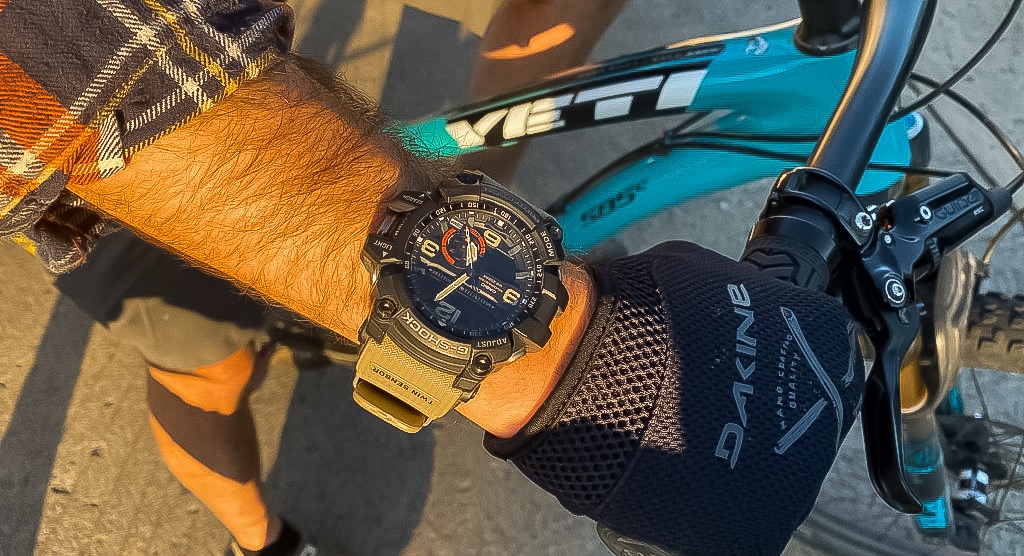
Casio’s catalog, by comparison, feels more focused on delivering dependable performance across distinct tiers of durability and functionality. The A168WA reflects the brand’s strength in creating practical digital watches that are easy to use and maintain over long periods. Moving into the G-Shock range, the GW6900-1 and Mudmaster show how Casio extends that reliability into more protective, purpose-built designs designed to handle tougher conditions. Even when the styling shifts, the underlying goal remains the same: consistent accuracy, resilience, and ease of ownership. Casio’s catalog feels intentionally structured, offering watches that prioritize function and longevity for people who don’t want to second-guess.
- Timex’s core strength lies in its wide-ranging catalog, built around usability and flexibility. Its lineup spans simple daily wear watches, field-inspired designs, chronographs, solar-powered options, and more capable dive-style watches.
- Casio’s catalog is organized around function-driven categories that prioritize functional reliability and durability. The brand covers lightweight digital everyday watches, retro-inspired designs, and highly rugged tool watches.
Design & Wearability: Understated Comfort vs Purpose-Driven Presence
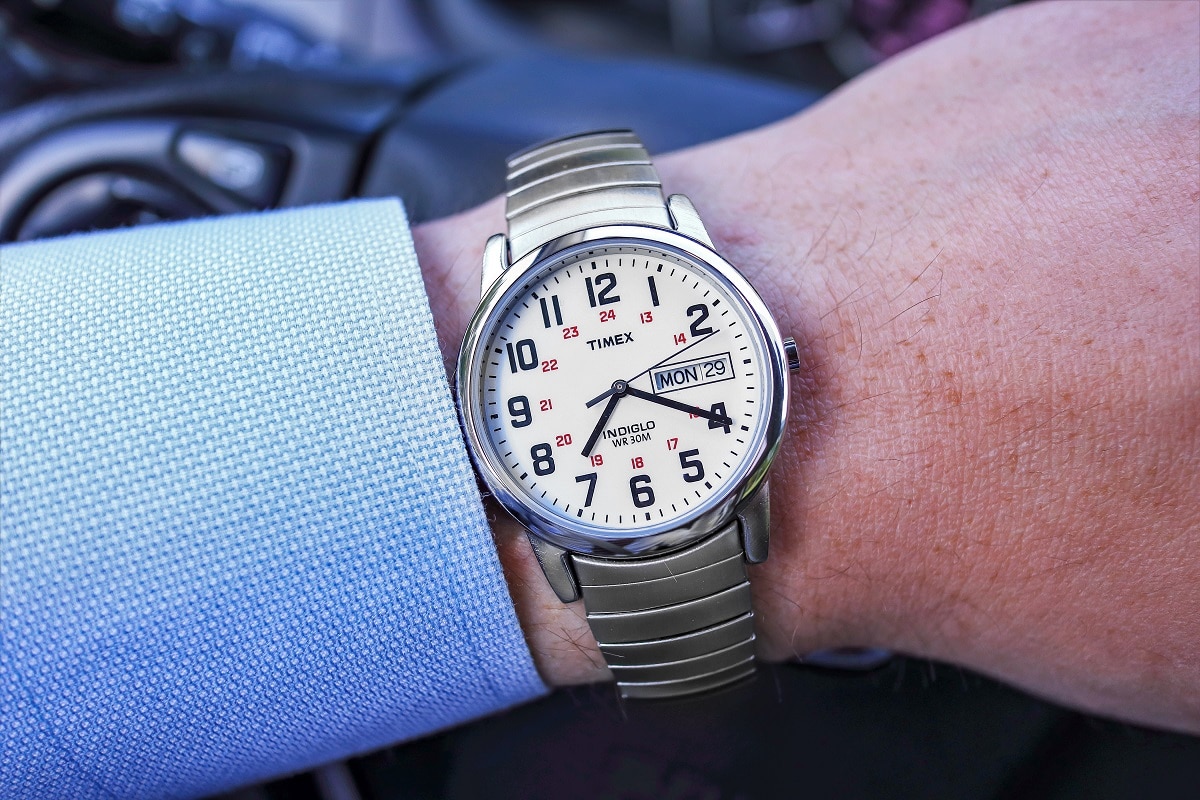
Timex leans heavily into clean, highly legible designs that prioritize immediate usability. Wearing the Easy Reader made that philosophy obvious at first glance. The white dial, bold black numerals, and uncluttered layout created a reading experience that never required effort. It was designed so you could tell the time instantly, without adjusting your wrist or focusing your eyes. Even the expansion bracelet reinforced that same ease-of-use mindset. It slid on quickly without requiring a clasp or adjustment, making it feel like a true grab-and-go watch in everyday situations. The Expedition Atlantis carried this forward in digital form. Its large numeric display filled the available screen space, making the information easy to read during daily wear. The soft strap also contributed to long-term comfort, feeling flexible and accommodating throughout extended wrist time.
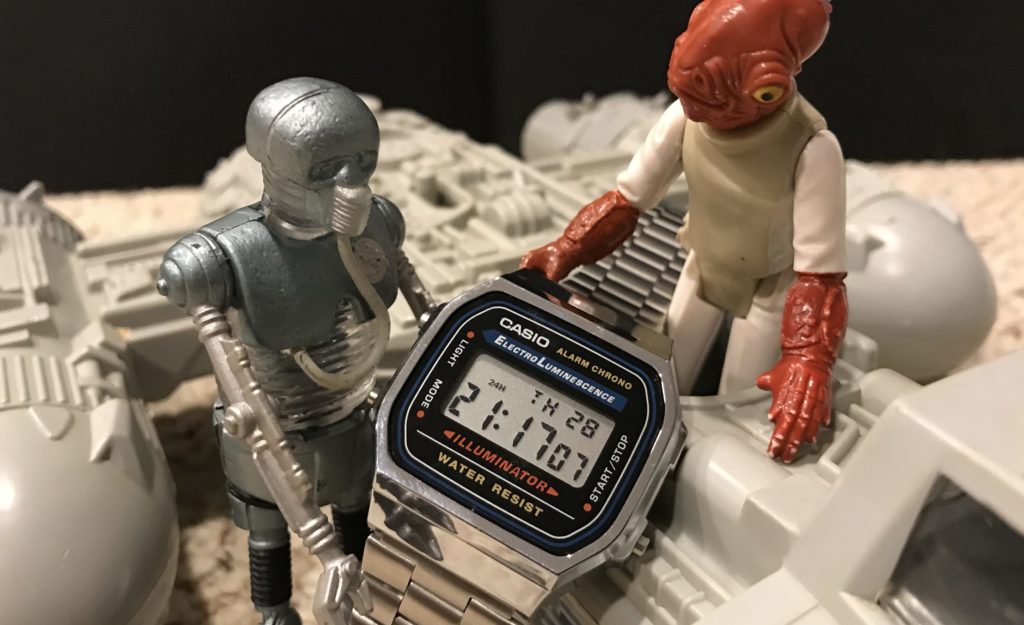
Casio approaches design with a stronger emphasis on functional density while still maintaining wearability. The A168WA, for example, felt extremely light on the wrist to the point where it was easy to forget it was even there. Its digital display, though compact, delivered excellent clarity and remained easy to read throughout normal use. Meanwhile, the CasiOak introduced a more complex dial layout that combined analog and digital elements into a single cohesive display. Despite the additional information, the watch remained readable once familiar with it. Across styles, Casio’s bracelets and straps emphasize lightweight construction and secure fit, helping the watches feel stable during extended wear.
- Timex emphasizes clear, distraction-free dial layouts paired with highly comfortable bracelets and straps. Its watches feel intuitive to read and easy to wear throughout daily routines without requiring adjustment.
- Casio blends information-rich displays with lightweight, secure wearability. Its watches prioritize functional clarity while maintaining comfort during long-term, uninterrupted use.
Build Quality & Technical Approach
Movements:
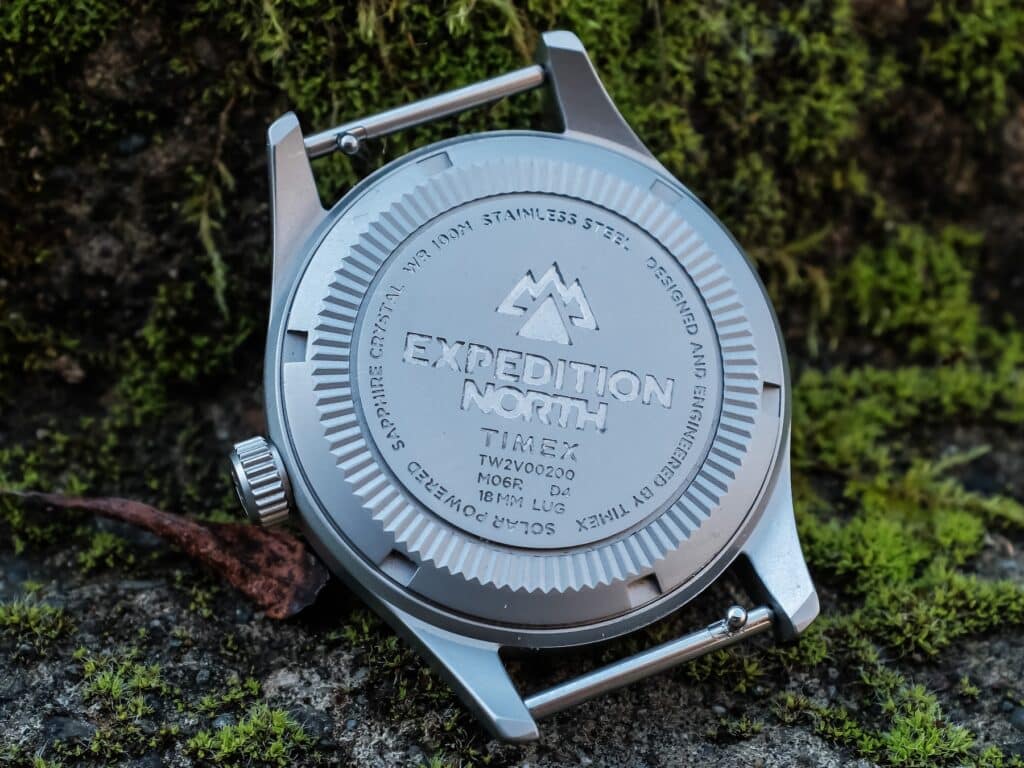
Timex has built its collection around practical quartz and solar movements that prioritize ease of ownership over complexity. Across watches like the Weekender, Easy Reader, Expedition Atlantis, and Expedition Chronograph, the quartz setups proved consistent and predictable during daily wear. They didn’t demand attention or adjustment. You set the time and move on. Even more capable pieces like the Deepwater Meridian 200 stayed aligned with this philosophy. The Expedition Field Post Solar pushed that convenience even further. Its solar quartz movement delivers up to 4 months of reserve once charged, and in our testing experience, it eliminates the usual maintenance cycle. There was no need to worry about battery swaps or winding. The crown action felt precise when setting the time, reinforcing a sense of reliability during regular use.

Casio takes a similarly quartz-focused approach, expanding it into integrated digital modules designed for accuracy and functionality. Watches such as the F-91W, A168WA, and DW9052-1V use quartz digital movements that have proven stable over extended wear. They maintained time consistently and required little interaction beyond occasional adjustments. Where Casio separates itself is in its advanced module systems, especially in the G-Shock lineup. The GW6900-1, Mudmaster, and CasiOak demonstrated how Casio builds multi-function electronic modules that go far beyond basic timekeeping. For instance, the CasiOak’s Module 5611, which we reviewed in detail, integrates world time, alarms, timers, and calendar functions into a single cohesive system. Despite that complexity, it remained intuitive once familiar.
Case Construction & Finishing:
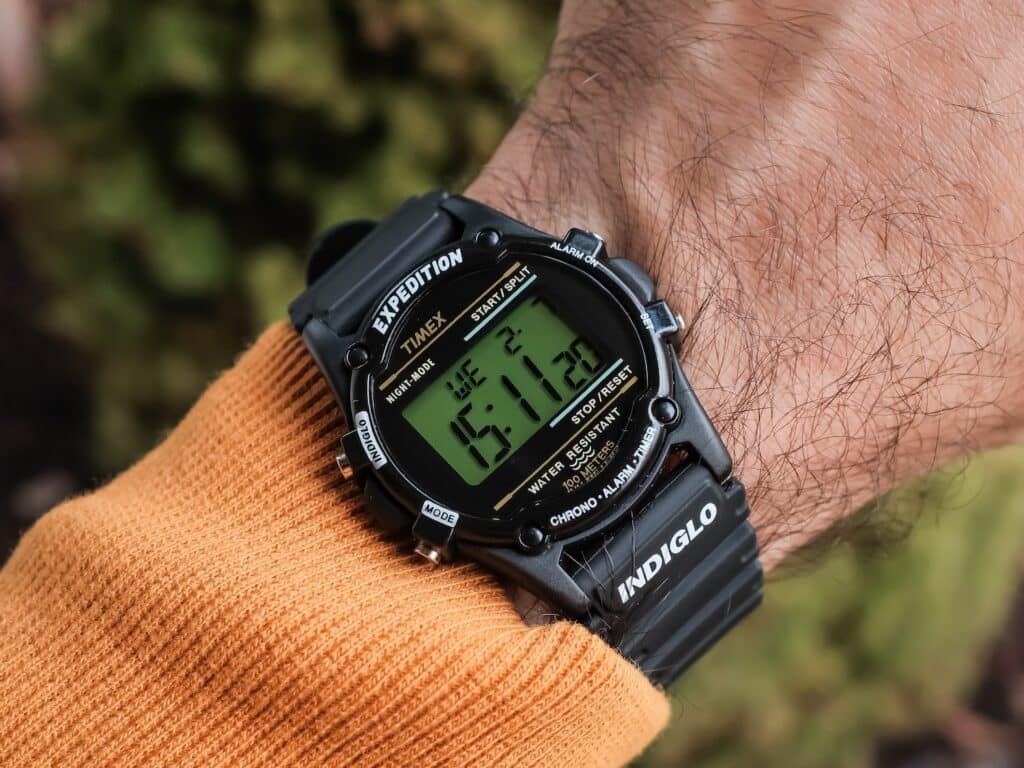
Timex cases focus on practicality and comfort rather than refinement or visual complexity. During our hands-on time with the Expedition Atlantis, the resin case stood out for its lightweight feel. It never felt bulky or intrusive, even after long stretches on the wrist. The material emphasized durability and wearability, making it easier to use as a true everyday watch. Across other Timex models we’ve worn, this same philosophy holds. Brushed-steel surfaces, when present, prioritize durability over decoration, and resin cases embrace their utilitarian nature without trying to imitate premium materials, even as they step into tool-watch territory.
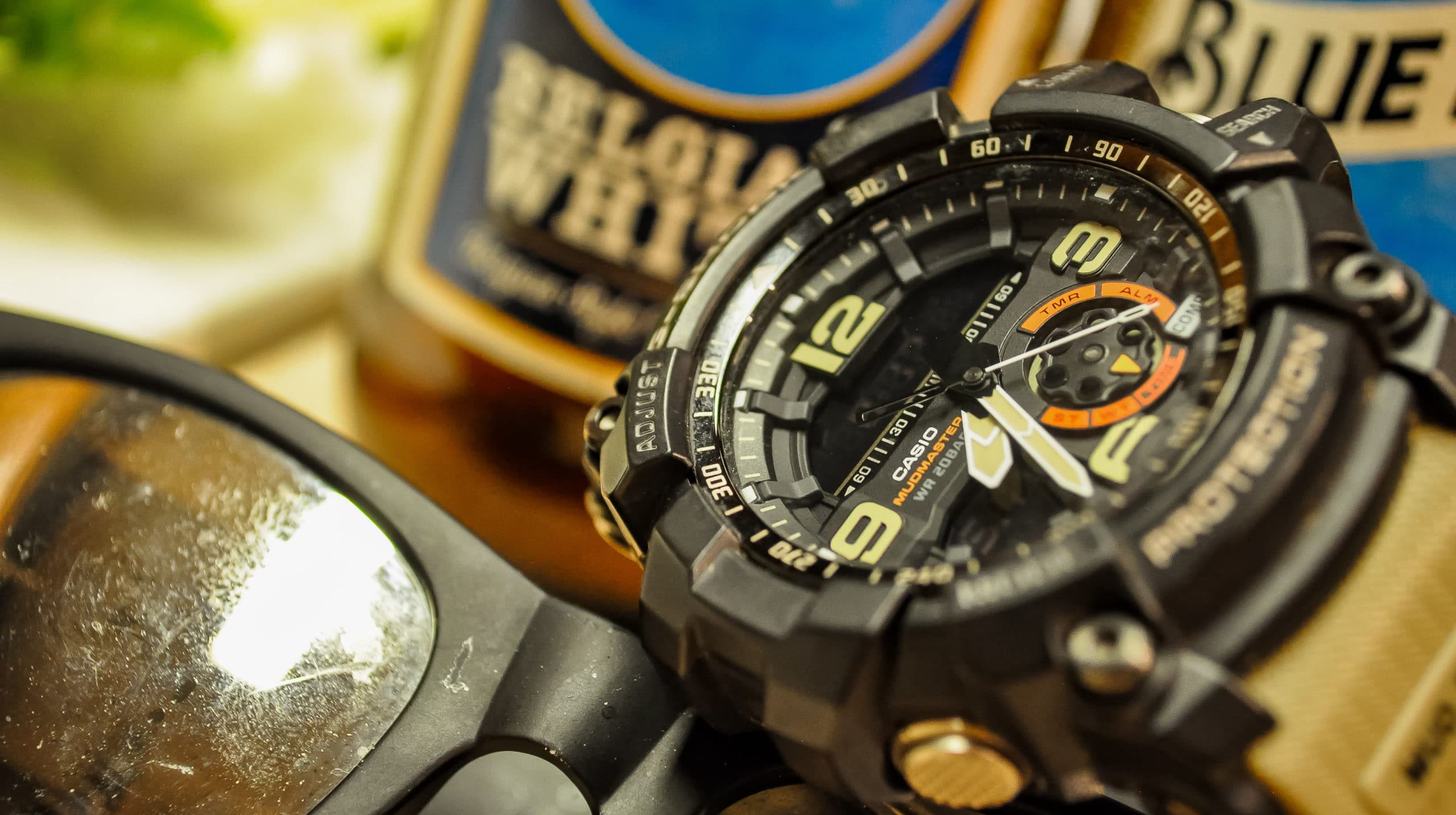
Casio takes a more defensive, protection-focused approach to case construction, especially in its rugged models. Wearing the G-Shock Mudmaster made that clear. The case felt dense and purpose-built, with protective structures designed to absorb shock and shield the internal module from impact. Despite its size, the watch felt stable and secure rather than awkward. The layered construction and textured surfaces reinforced the sense that the watch was designed for harsh conditions, not careful handling. This same philosophy extends across Casio’s lineup, where cases are engineered to protect function first.
Crystals:
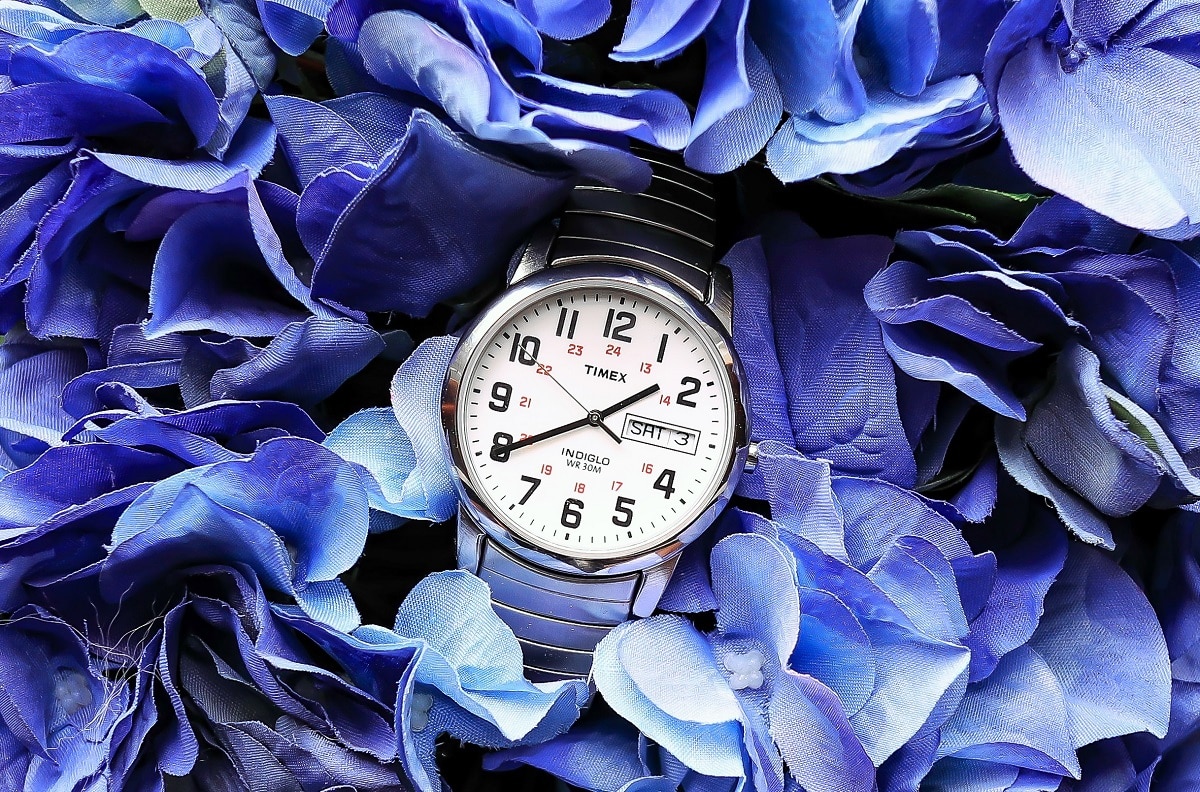
Timex generally uses a mix of mineral glass and acrylic crystals across its lineup (with some exceptions for Sapphire crystals on more expensive models). On the Weekender, the flat mineral glass crystal offered greater scratch resistance than acrylic, helping the watch maintain clarity during normal wear. The Easy Reader followed a similar path, using mineral glass that remained clear and legible despite the watch’s entry-level price point. In practice, visibility stayed strong thanks to the clean dial layout beneath it. Across Timex’s digital and field models, the crystal implementation stayed practical rather than overbuilt. However, the Meridian 200 offers a sapphire crystal with AR coating.
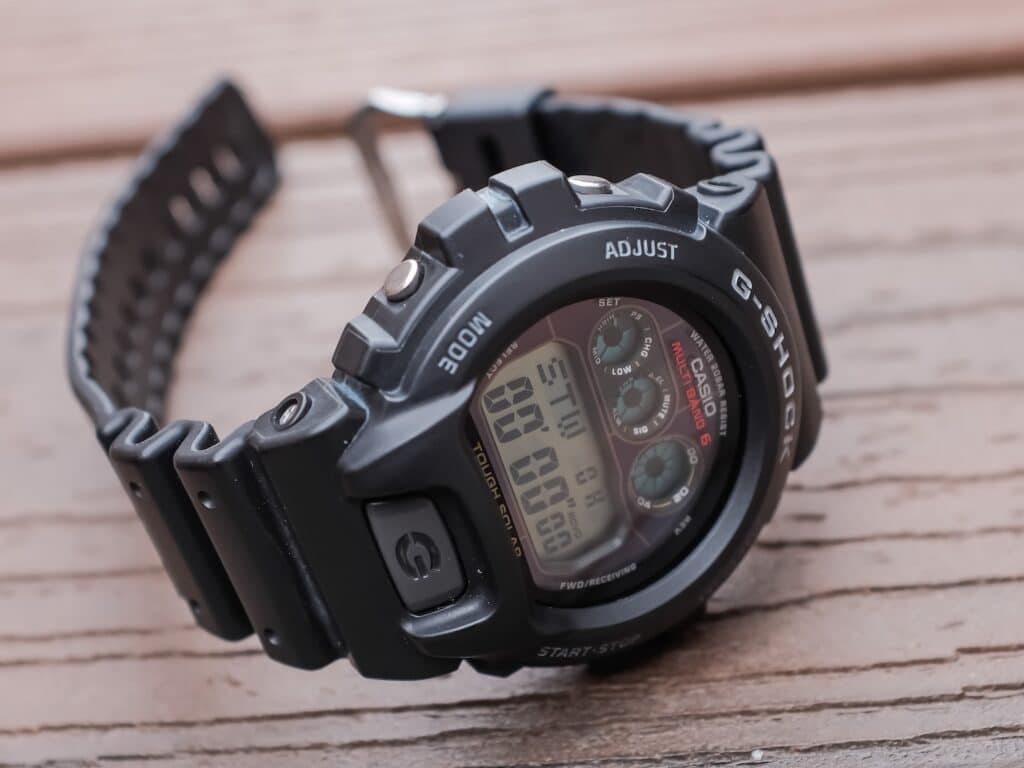
Casio doesn’t depend on premium crystal materials to achieve durability. Instead, it relies heavily on mineral glass crystals, but reinforces them with protective case architecture designed to reduce exposure to direct impact. On models like the F-91W, the resin crystal sat slightly recessed within the case, helping shield it from incidental contact during daily wear. This approach became even more apparent in the G-Shock lineup. As also mentioned in our in-depth review, the GW6900-1 used layered resin construction to protect the crystal surface from direct hits.
Water Resistance and Lume:
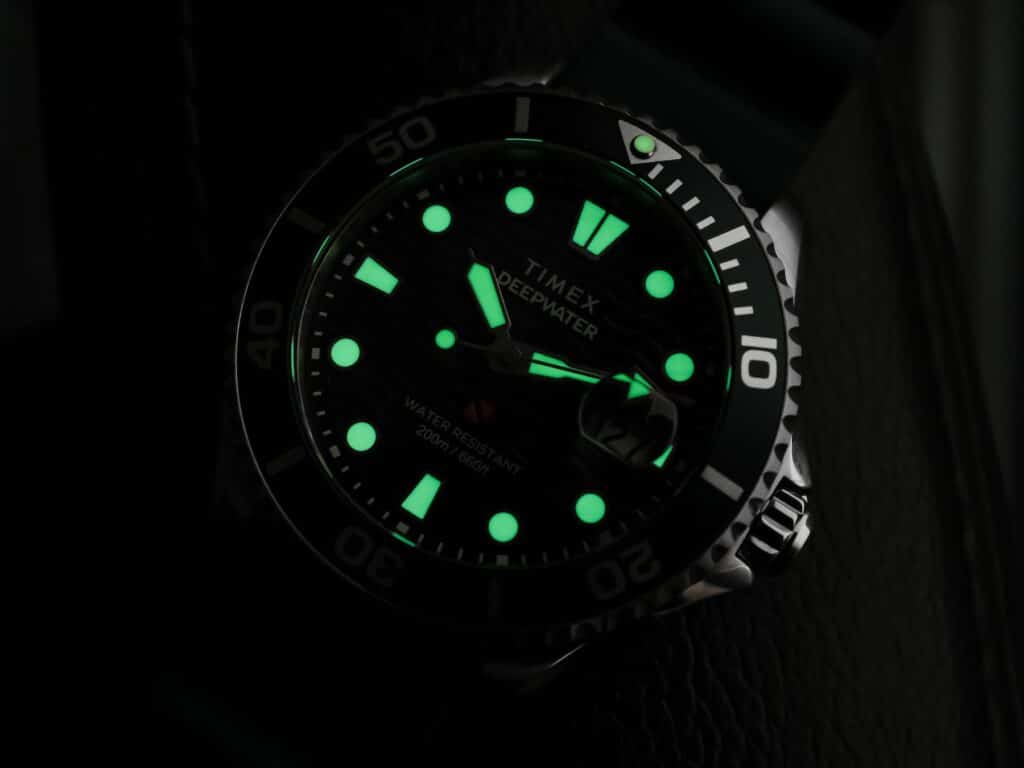
Timex scales water resistance based on purpose rather than applying high ratings across the board. Everyday watches like the Weekender offer 30m water resistance, which handles hand washing and splashes, but isn’t built for swimming. Field-leaning models like the Expedition Atlantis and Expedition Field Post Solar felt more capable in daily exposure, with the Field Post Solar adding a screw-down crown that improved sealing and overall confidence. Where Timex fully commits is with the Deepwater Meridian 200. Its 200m rating and screw-down crown gave it the feel of a true dive-ready watch during our testing. Lume performance varied across the lineup. The Deepwater Meridian 200 delivered strong, usable Super-LumiNova that remained visible in low light, while field models like the Expedition Field Post Solar offered adequate initial brightness but faded more quickly.
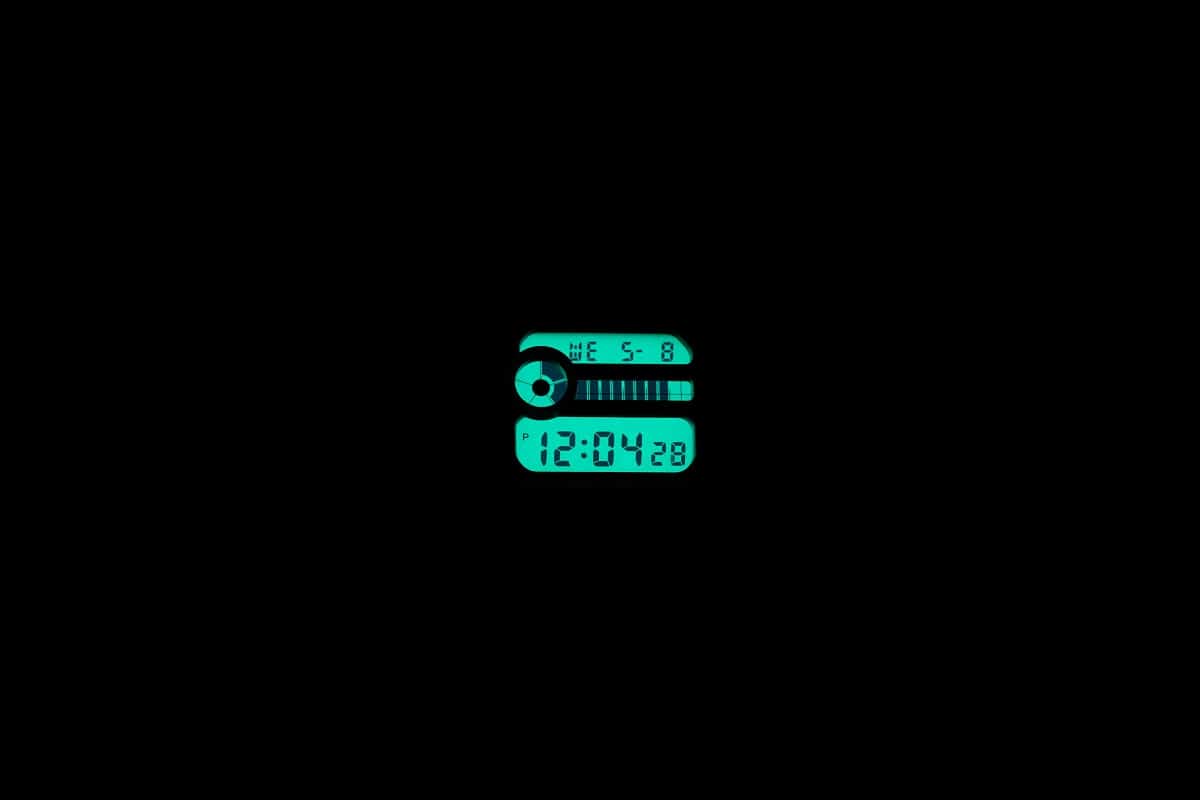
Casio takes a more durability-focused and consistent approach. Entry-level digital watches like the F-91W and A168WA offer basic water resistance suitable for daily wear, relying on electroluminescent backlighting rather than traditional lume. This made nighttime visibility immediate and clear with a button press. G-Shock models like the DW9052-1V we tested and CasiOak stepped up to 200m water resistance, supported by sealed resin cases designed for swimming and harsher conditions. That said, G-Shock watches aren’t known for their incredible lume.
- Timex focuses on simple quartz and solar movements, paired with lightweight cases and practical materials. Its strongest technical execution appears in solar-powered field watches and dive models with proper 200m water resistance and usable Super-LumiNova.
- Casio builds around highly accurate quartz modules and shock-resistant case construction, prioritizing durability over material upgrades. Its mineral crystals are protected by recessed designs combined with electroluminescent backlighting, while G-Shock models mostly offer 200m water resistance.
Community & Resale
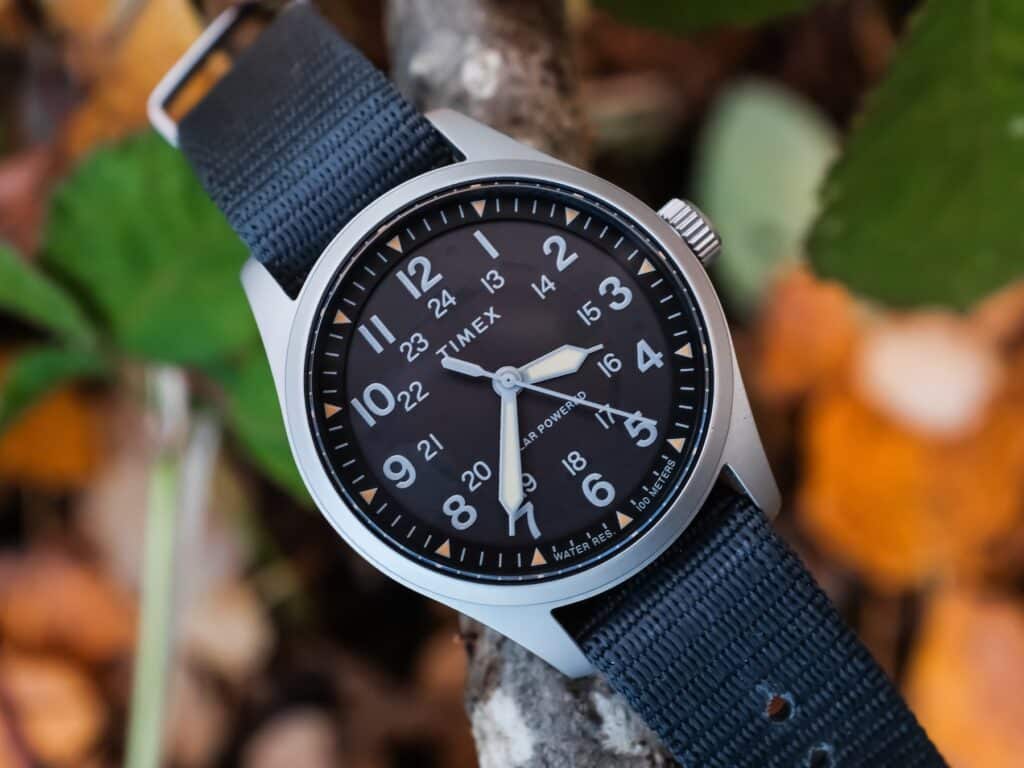
Timex ownership tends to be less about flipping and more about long-term familiarity. Watches like the Weekender and Easy Reader often appear as first purchases, and in our experience, they rarely leave collections because they remain useful even after upgrading. The Weekender, especially, built a following thanks to its versatility and interchangeable straps, which gave owners a reason to keep experimenting with it rather than replacing it outright. We’ve also seen Expedition models and newer releases like the Field Post Solar gain traction among enthusiasts who appreciate their low-maintenance practicality. Timex doesn’t rely on scarcity or resale hype. Instead, its community forms around daily wear, nostalgia, and the reliability that keeps people coming back to the brand over time.
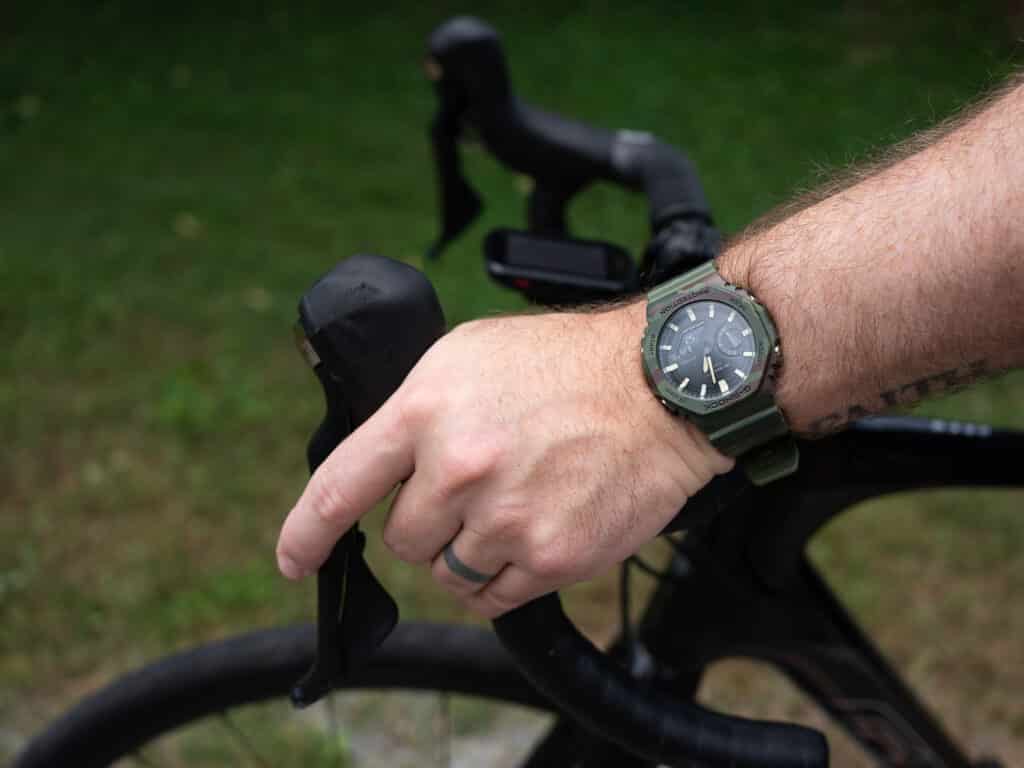
Casio, by contrast, thrives on constant community engagement and rediscovery. Watches like the F-91W and A168WA have become cultural fixtures, worn by everyone from first-time buyers to long-time collectors. Their affordability and durability mean they circulate widely, often getting reintroduced into collections years later. The G-Shock lineup strengthens that community even further. Models like the GW6900-1, Mudmaster, and CasiOak developed strong followings because of their durability and functional depth. Casio’s watches stay relevant because people continue to wear them, recommend them, and re-engage with them across different stages of their collecting journey.
- Timex builds loyalty through familiarity, versatility, and long-term wearability rather than resale-driven demand. Its watches often remain in collections because they continue to serve practical roles even after you move on to other pieces.
- Casio maintains one of the most active enthusiast communities, driven by durability, accessibility, and constant rediscovery. Its watches circulate widely and remain relevant through continued use, discussion, and shared ownership across generations.
Final Thoughts: Where the Real Value Shows Up
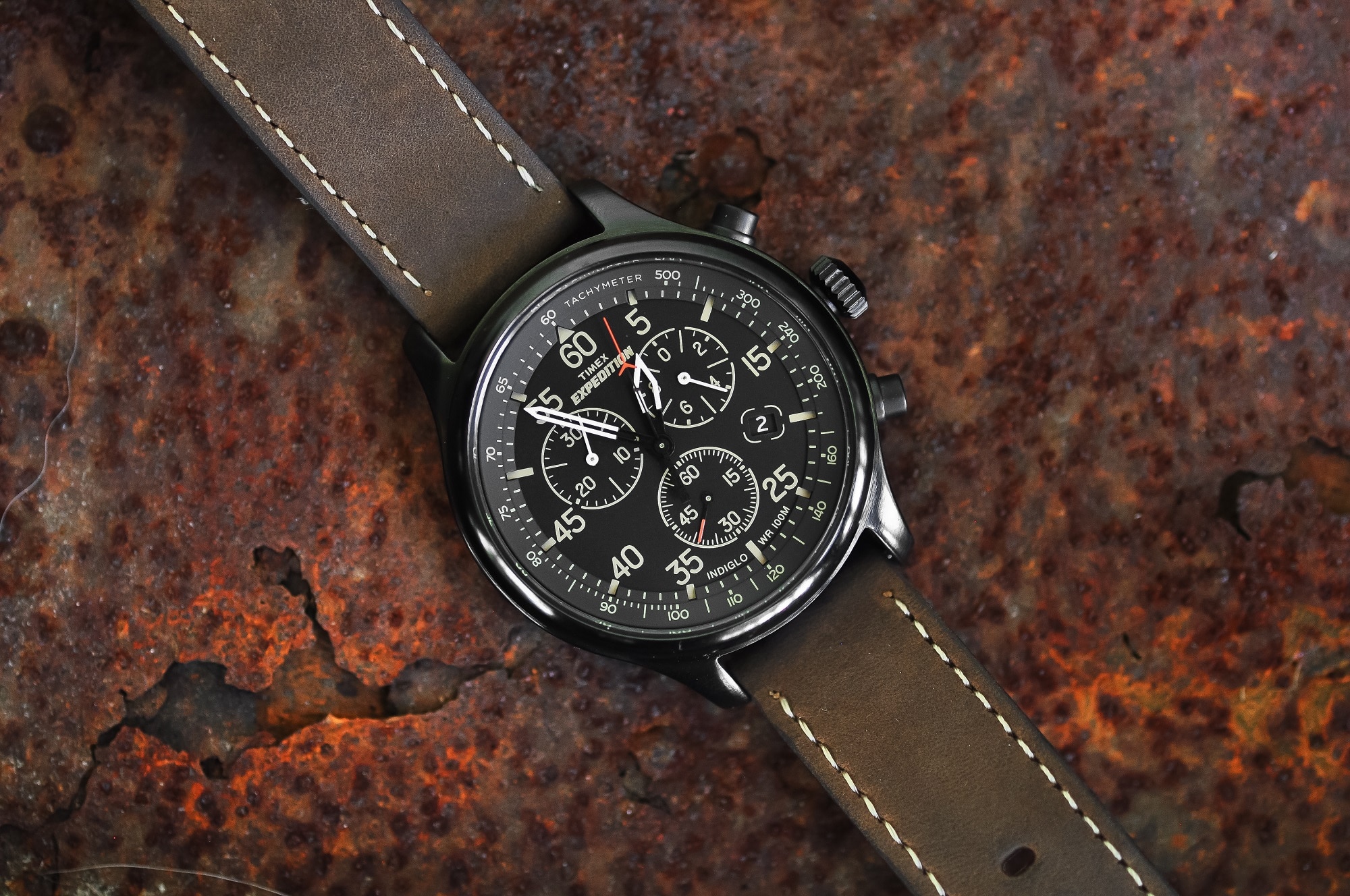
Timex delivers value through familiarity and emotional ease. Watches like the Weekender, Easy Reader, and Expedition Field Post Solar never try to overwhelm you with features or technical flex. Instead, they earn their place by being comfortable, legible, and easy to trust in daily life. There’s a certain honesty in that approach. You don’t wear a Timex because it’s the most advanced option. You wear it because it fits effortlessly into your routine. The tradeoff, in our experience, shows up in durability ceilings and technical depth. Lume performance can be inconsistent, water resistance varies widely, and most models aren’t built for harsher environments. None of that makes Timex bad. It just defines its lane.
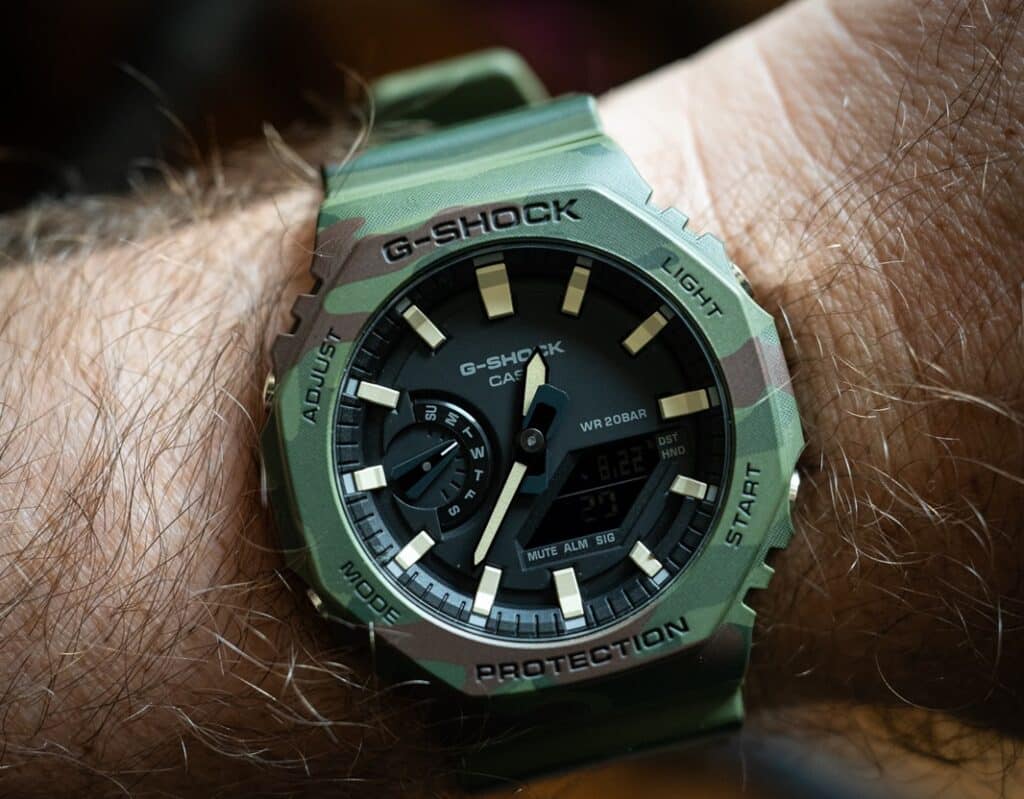
Casio’s value comes from consistency and structural reliability. Watches like the F-91W, GW6900-1, and CasiOak reinforce how dependable the brand’s quartz modules and case construction remain over time. They stay accurate, resist wear, and handle environments that would make most affordable watches feel out of place. Features like integrated backlighting, shock-resistant construction, and 200m water resistance in G-Shock models create a sense of readiness. That reliability changes how you interact with the watches. You stop thinking about maintenance, durability, or limitations. And across years of ownership, that consistency becomes the defining advantage.
So here’s where we land after years of wearing both. Timex is the better choice if you care about comfort, simplicity, and emotional connection. It delivers approachable watches that integrate easily into daily life. But if the goal is maximum durability, technical reliability, and long-term performance, Casio offers stronger overall value. Its watches consistently handle more, last longer, and require less compromise. According to our verdict, Casio wins because delivers a level of dependability that’s difficult to match at this price point.

Co-Founder and Senior Editor
Kaz has been collecting watches since 2015, but he’s been fascinated by product design, the Collector’s psychology, and brand marketing his whole life. While sharing the same strong fondness for all things horologically-affordable as Mike (his TBWS partner in crime), Kaz’s collection niche is also focused on vintage Soviet watches as well as watches that feature a unique, but well-designed quirk or visual hook.
Overall, a good article. However, in the Casio category you only talk about GShock. What about other Casio models such as the Duro? To add context, I own three Gshocks and two Duros. Love them all!
Hi, Jerry:
You’re totally right – that same feedback has also been shared with us. In fact, we even have a Casio Duro review on the site and it would fit in nicely here. We focused on the digital timepieces because they’re a strong mainstay of the brand. However for future Casio pieces we’ll absolutely present a more balanced collection of models from the brand.
Best,
-Kaz
This is silly. Casio makes great analog watches too
Hi, Wleatlanta:
You’re totally correct in that Casio makes great analog timepieces too – it was a bit of an oversight on our part to not include the Casio Duro in this piece as that would have certainly helped balance things out. From our perspective here as we were planning this piece out, we focused on the Casio pieces we did because the brand does have a strong contextual authority with digital timepieces. We also truthfully need to conduct more hands-on reviews with Casio analog timepieces. For future Casio comparisons we’ll be sure to take what you’ve shared to heart and provide a more balanced product spread.
Thank you for sharing your thoughts!
Best,
-Kaz
I have worn a Timex F-91W for decades. Sure, the 1st one has been replaced, but this model shows me the time, seconds, whether time is a.m. or p.m. and day of the week. Plus the month’s date.
When my 1st one’s battery wore out, I diffenately had to buy another. One becomes addicted to all of the information this wonderful time piece gives. I am an 82 year old man & am not anymore on a computer. This message, therefore, likely won’t transmit.
Hi, J:
I’m assuming you meant the “Casio F-91W,” but you wrote “Timex F-91W” – it truly is one of the most remarkable watches for the price we’ve ever reviewed. And no worries your comment absolutely came through. Thank you for sharing your experience with the F-91W and reading our comparison piece.
Best,
-Kaz
As an owner of both brands, it’s worth mentioning that Casio has a robust catalog of repair/replacement parts for their watches. Gaskets, straps, G-Shock bezels, etc. are generally accessible for models that are 20 years old or newer. I don’t see the same level of support from Timex. This is a detractor for me. Timex’s quality is solid, but the lack of replacement parts gives me pause when I consider buying one of their cheaper quartz models.
Hi, Chuck:
You’re absolutely right on this. In fact, we’ve had people over the years say they’ve been happy with their Timex pieces, but if they ever need to do a repair or a have a part replaced, it was difficult to facilitate. For future pieces where we discuss Timex as a brand, we’ll be sure to mention this.
Thank you for your comment and insights.
Best,
-Kaz
Mainly we need to speak about accuracy, machine quality. Casio is more accurate than Timex, and Casio has a battery locking mechanism, which holds battery safely in shock. But Timex have a tiny screw and plate to hold the battery, which is not reliable and possibly broke over the years
Kannan – good point on the battery retention design. That’s a small engineering detail that makes a difference in long-term reliability, and it doesn’t show up in marketing. Thanks for flagging it.