Seiko is adding three new solar chronographs to the Seiko Speedtimer lineup for 2026, and the approach here feels deliberately grounded. The SSC961, SSC963, and SSC965 are not limited editions or short-run references. They are regular-production models, positioned to sit in the catalog long term rather than cycle through quickly. It’s been hard for me to keep up with these but the exciting part here is getting access to previously limited colorways in a standard production run.
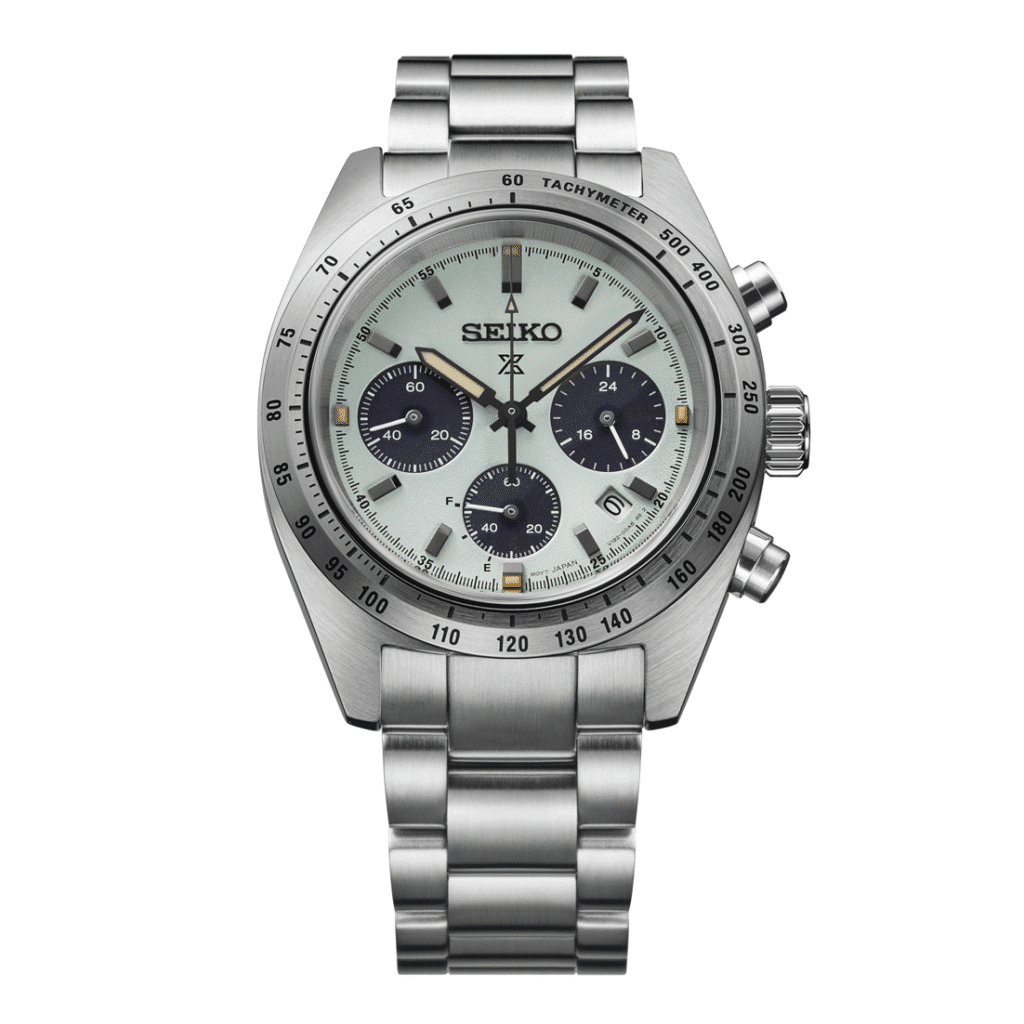
All three watches share the same core architecture, and it’s a familiar one for recent Speedtimers. The stainless steel case measures 39mm in diameter, 13.3mm thick, with a 45.5mm lug to lug length. Those numbers land squarely in the zone many collectors associate with wearable, modern chronographs. The watches are paired with matching stainless steel bracelets, reinforcing the classic sports chronograph format rather than pushing into something experimental. Funny, before seeing this I was browsing listings of the popular SSC813
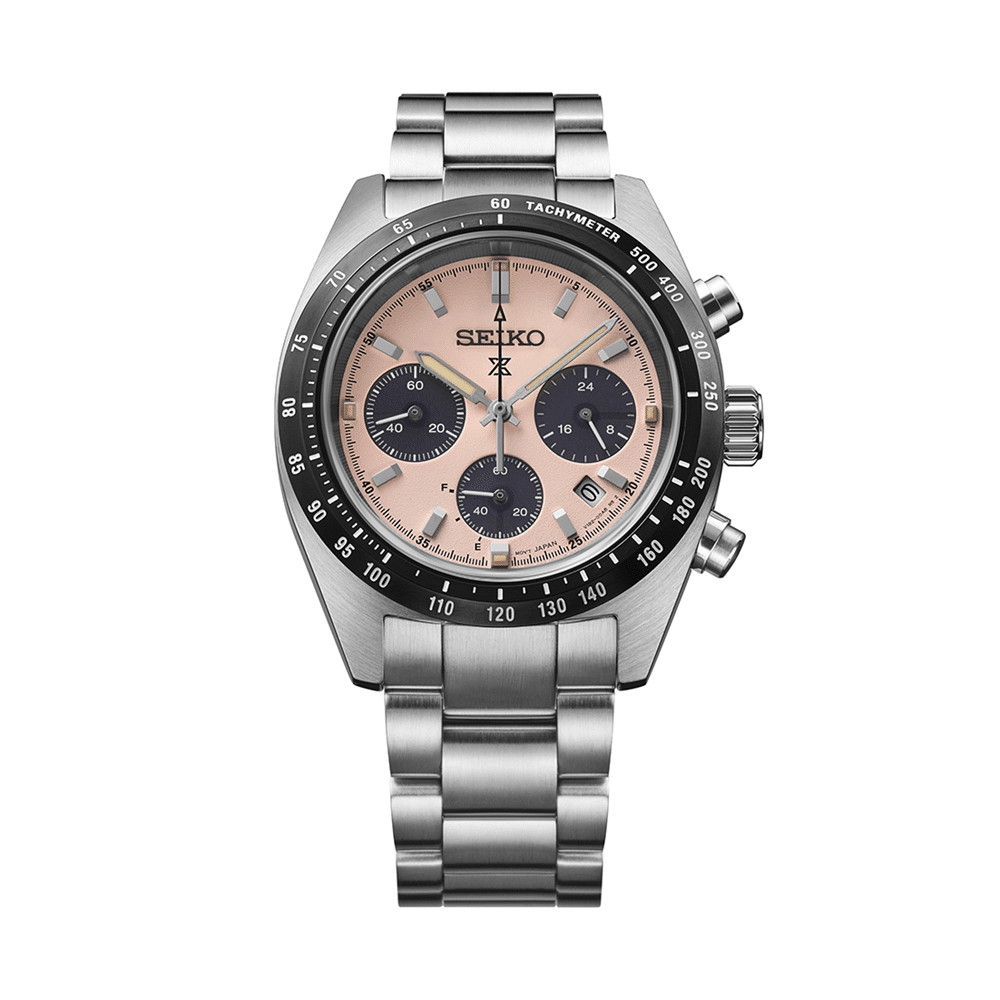
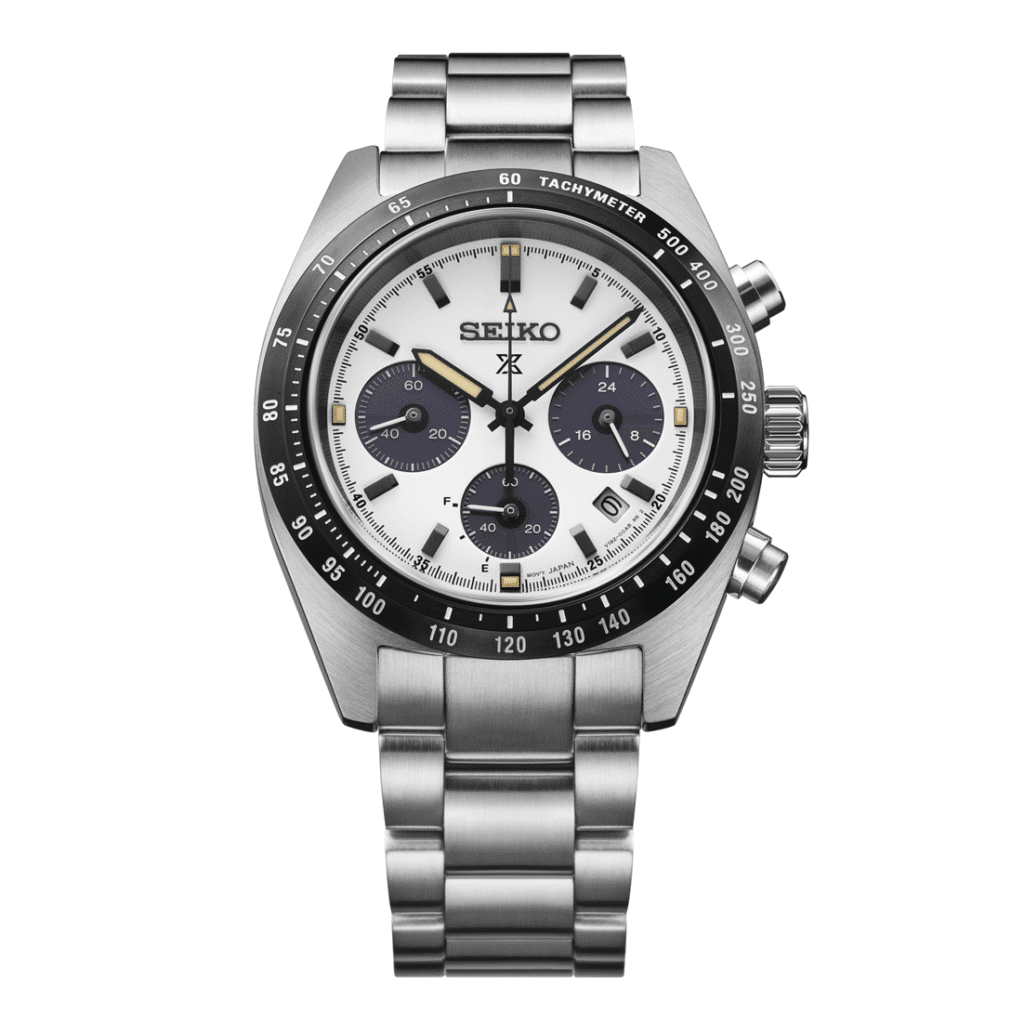
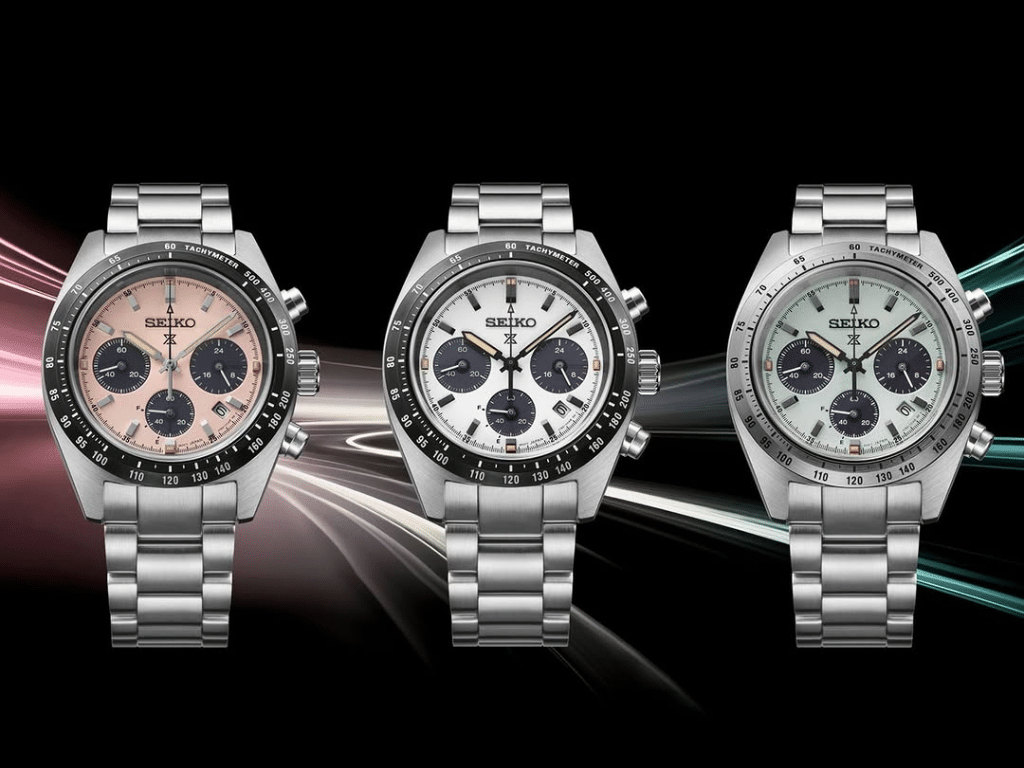
The point of separation across the trio is the dial. Seiko is offering three distinct colorways that change the tone of the watch without altering its underlying design language. The SSC961 comes with a silver dial, also referenced as SBDL125 in the Japanese market. The SSC963, or SBDL127, leans into a salmon dial that taps into a long-running collector preference for warmer tones. The SSC965, listed as SBDL129, introduces a surf green dial that feels more contemporary while still staying within the Speedtimer framework. Same layout, same registers, different personalities. Funny enough, I still think I’d go with the panda for more ideal, everyday wearability.
Power comes from Seiko’s V192 solar quartz movement, which has become a known quantity within the brand’s chronograph offerings. It charges via light exposure and removes the need for routine battery changes. The movement supports a 60-minute chronograph counter and a 24-hour sub-dial, creating the familiar three-register layout that Speedtimer fans tend to gravitate toward. A date window is tucked between four and five o’clock, present but visually secondary.
The tachymeter bezel remains a defining element, reinforcing the Speedtimer’s racing chronograph heritage. Seiko varies the execution slightly across the models. The SSC961 and SSC963 feature black fixed tachymeter bezels, keeping the look traditional. The SSC965 shifts to a brushed steel bezel, which pairs with the green dial for a more metallic, modern feel.
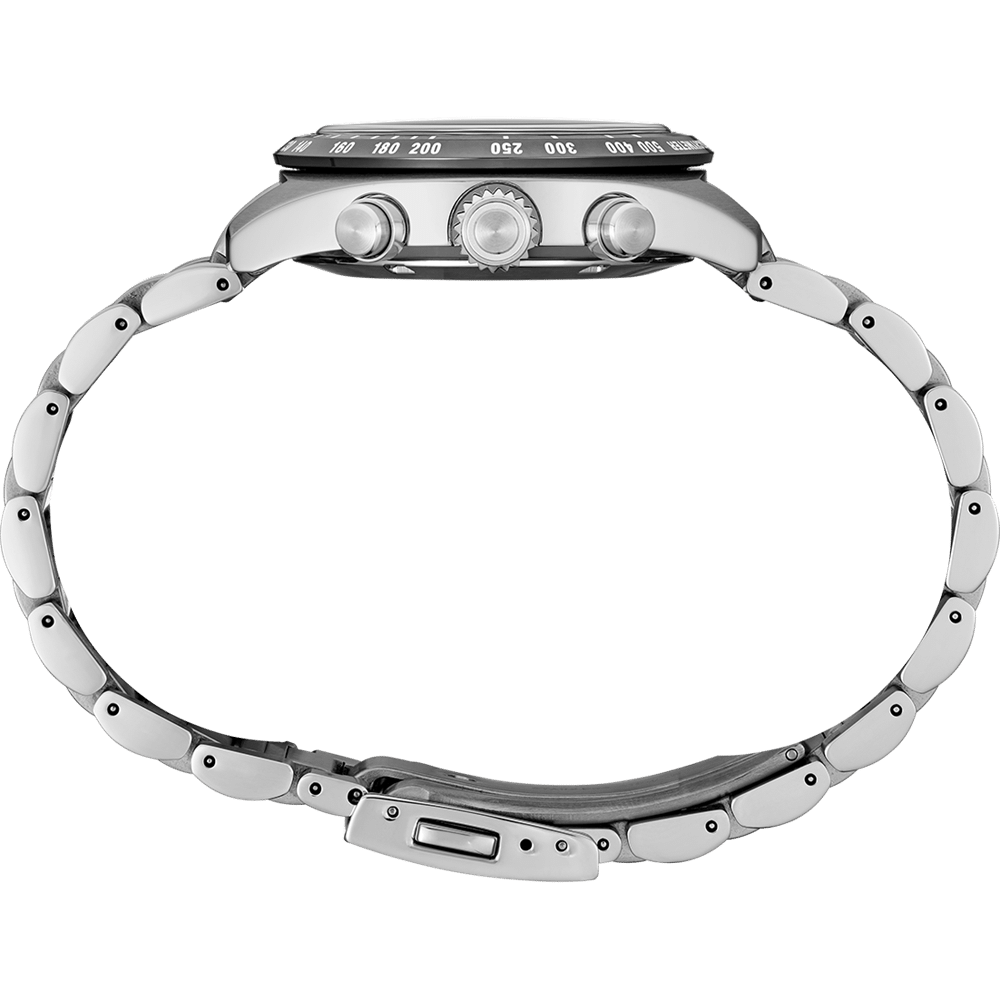
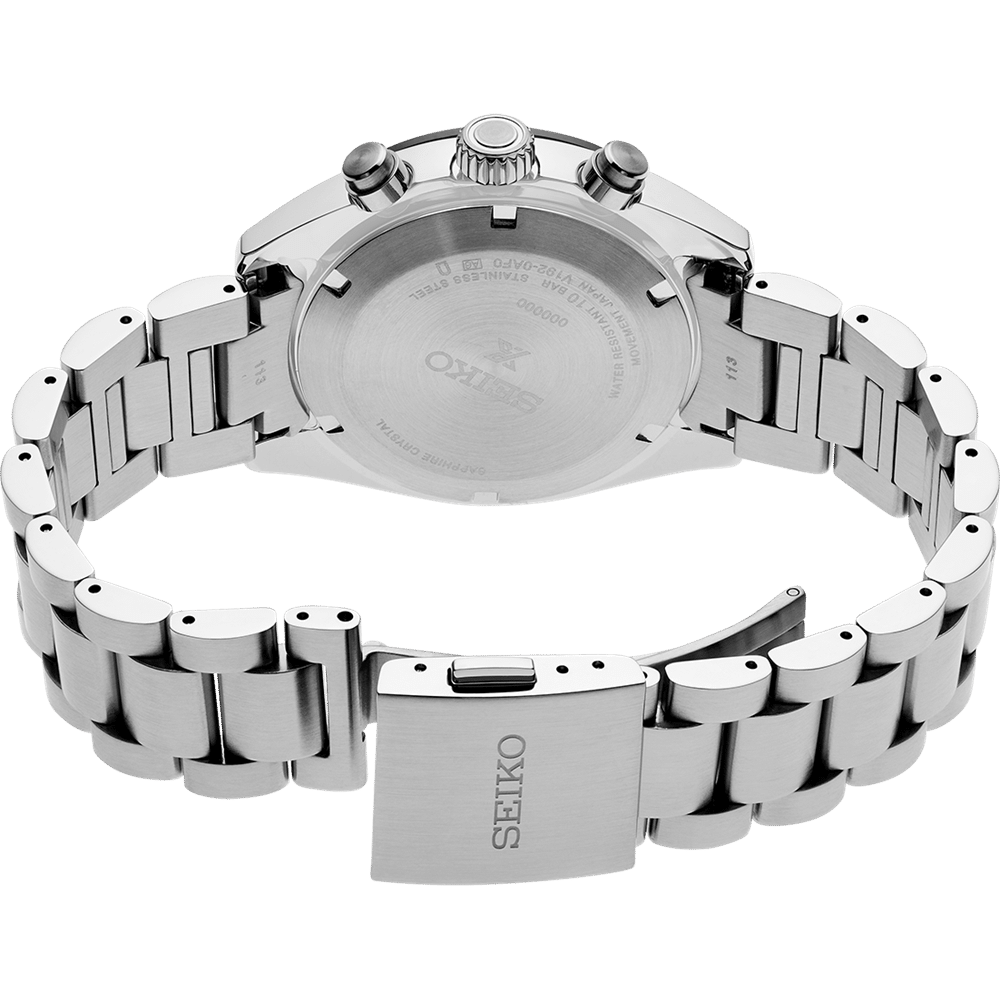
From a durability standpoint, all three watches use a curved sapphire crystal with anti-reflective coating on the inner surface. Water resistance is rated to 10 bar, or 100 meters, which places these comfortably in everyday wear territory, including surface swimming. The bracelet closes with a three-fold clasp with push-button release, a familiar and proven setup for this category.
Taken together, the SSC961, SSC963, and SSC965 expand the Prospex Speedtimer line in a way that feels steady. Folks will have to figure out if, besides color, this update is really worth it compared to the popular SSC813 and similar variants. The sizing stays consistent, the specs remain practical, and the dial options give buyers room to choose based on taste rather than availability pressure. I’m a fan, and hopefully these things start popping up in the market soon with easy, straightforward options for purchasing. Pricing still hasn’t been posted on Seiko’s product pages for these but my hope is that they’ll land somewhere in the $700-$800 range with street prices coming in even lower.

Co-Founder & Senior Editor
Michael Peñate is an American writer, photographer, and podcaster based in Seattle, Washington. His work typically focuses on the passage of time and the tools we use to connect with that very journey. From aviation to music and travel, his interests span a multitude of disciplines that often intersect with the world of watches – and the obsessive culture behind collecting them.
I really like the design. What bothers me is the useless 24h dial, make it a 12h chrono totalizer or a GMT hand, I usually know if it is AM or PM. Too bad many Quartz Chronos have this 24h dial.