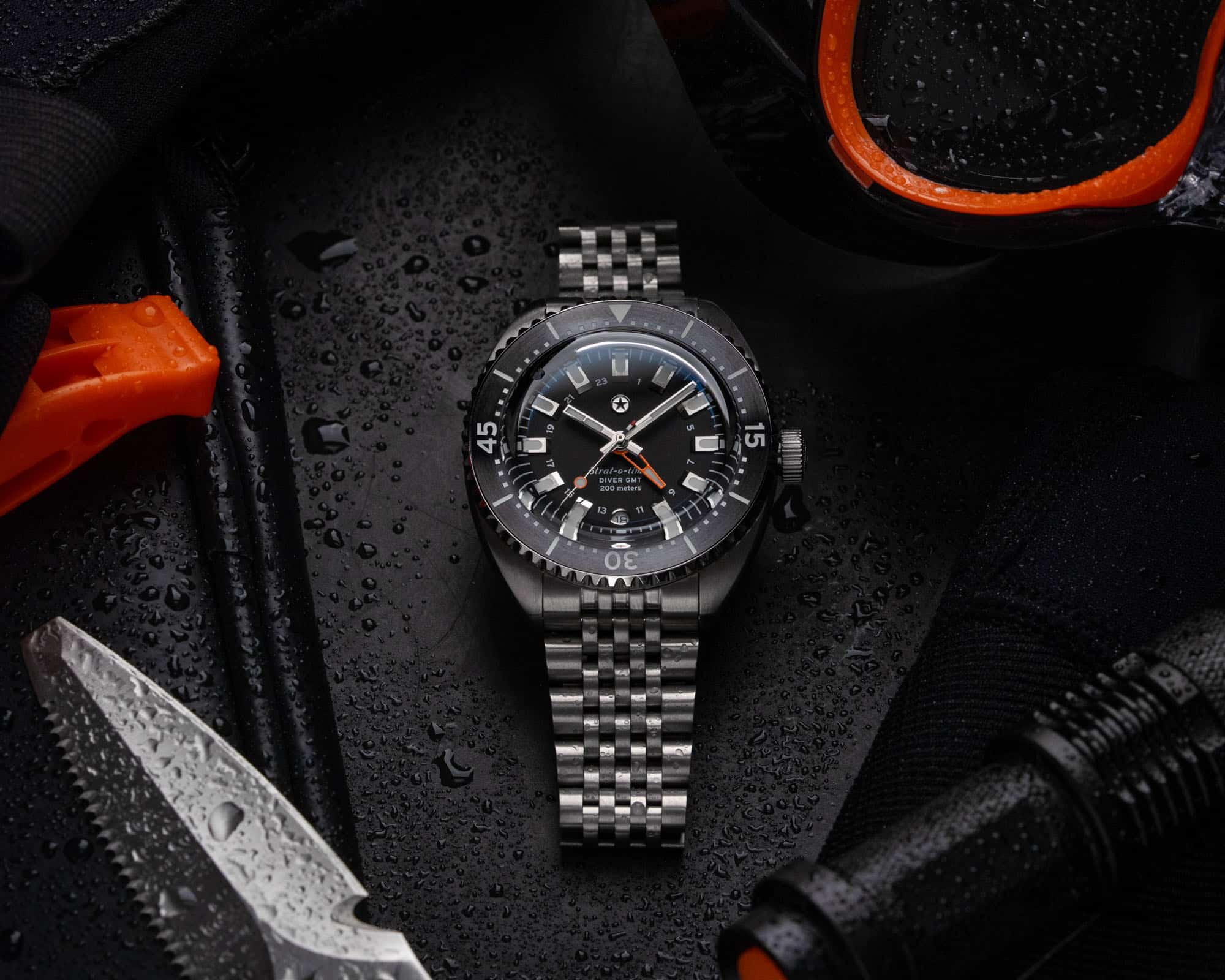
I spent much of 2025 trying to be more disciplined about how I collected. That meant fewer impulse buys, longer pauses between purchases, and a real effort to interrogate why I wanted something before convincing myself I needed it. On paper, that kind of approach sounds responsible and even calming. In reality, it turns every well-executed release into an internal debate, especially when your taste has matured, your curiosity remains relentless, and your budget is very aware of both.
This list is not about the watches I bought, or even the ones I regret passing on. It’s about the watches that almost wrecked my 2025 budget, the ones that stayed on my mind longer than they should have and made surprisingly persuasive arguments for themselves. Each one tempted me for a different reason, whether that was design, execution, timing, or a pull that was more emotional than logical. I walked away from all of them. That choice didn’t come from a lack of desire, but from the realization that buying less, and being more honest about what actually moves you as a collector, is sometimes the harder and more revealing part of the hobby. Maybe one day…

Tudor Ranger 36mm
My relationship with Tudor had settled into something familiar and predictable, which made the sudden pull of the 36mm Ranger harder to explain. I found myself lingering on images longer than planned, mentally cycling through strap options, and revisiting the release when I had no real reason to. The watch wasn’t demanding attention, which somehow made it more difficult to dismiss once it had lodged itself in my head.
I didn’t buy it because I recognized the pattern before it fully took hold… even after a local AD out here in Bellevue called to tell me they were in stock. The temptation wasn’t rooted in need or even clear desire, but in how easily this watch could slide into habits I was trying to examine more critically. For collectors who already know they want a Ranger, this version will likely feel like an easy decision. For me, walking away mattered more than satisfying a pull that felt less intentional the longer I sat with it.
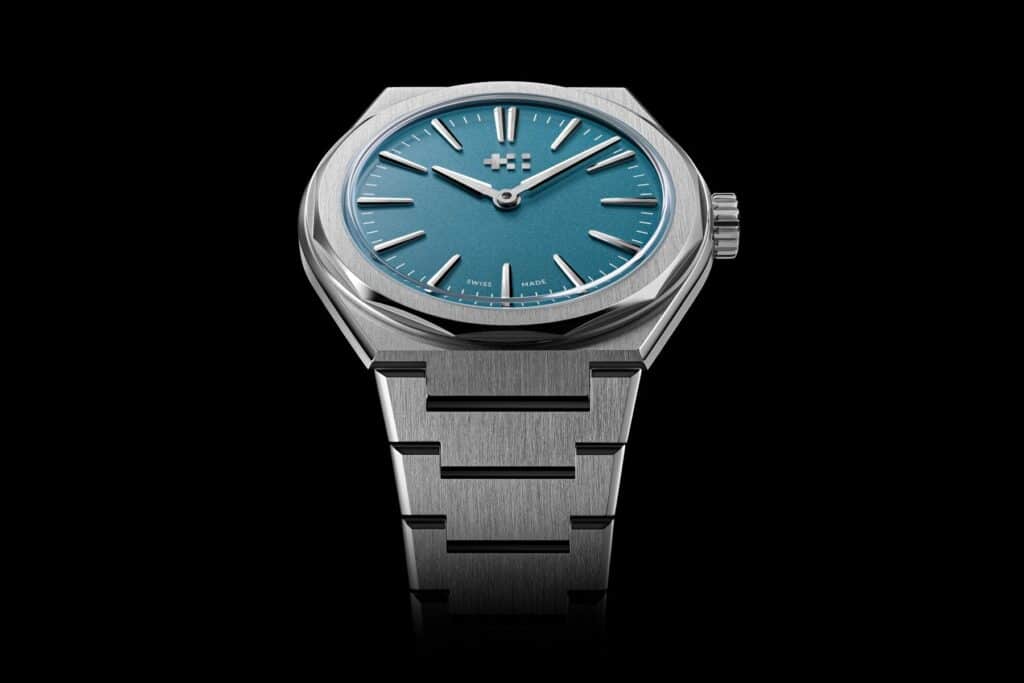
Christopher Ward Twelve 660
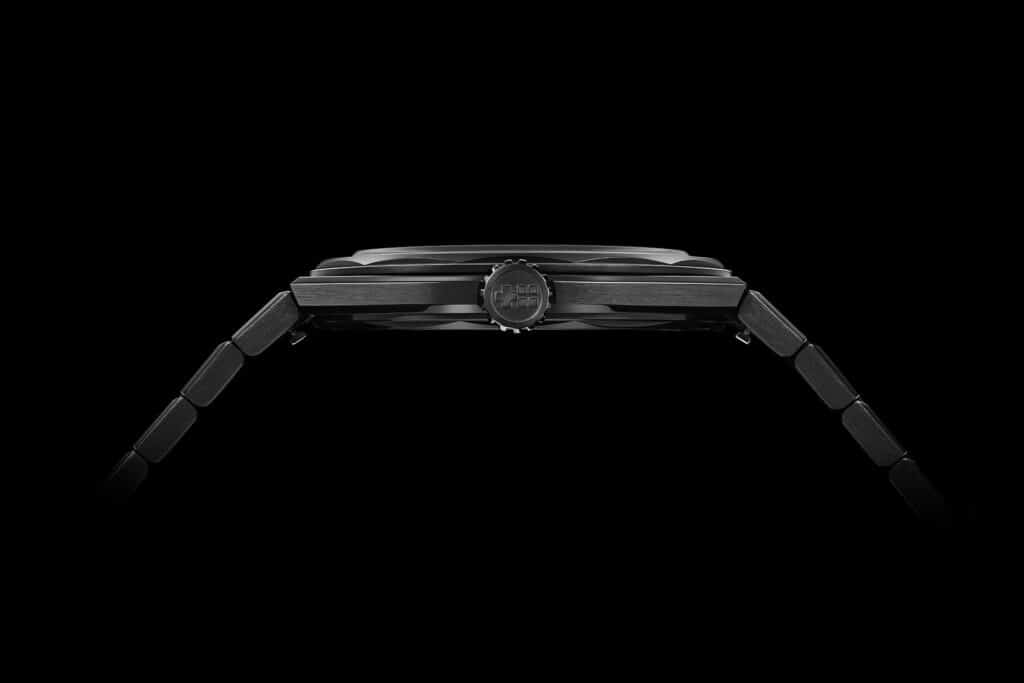
This watch showed up when I was already telling myself to be cautious, which is usually when things get interesting. I didn’t need an integrated sports watch, and I was very aware of that fact. Still, the Twelve 660 kept resurfacing, not as a loud distraction but as a steady presence that refused to fade. The proportions, the thinness, and the way the bracelet visually stayed in check all contributed to a sense of balance that made the watch feel unusually easy to live with, at least in theory. And that all-black version….ugh.
The Twelve 660 made itself feel reasonable without asking many questions, and I was trying to slow down that part of my collecting instinct. It wasn’t about filling a gap or chasing something new. It was about recognizing how quickly comfort can turn into justification. For someone looking for a refined, modern sports watch that emphasizes wearability and finish over feature density, this one makes a compelling case. For me, acknowledging the attraction without acting on it felt like the more deliberate choice.
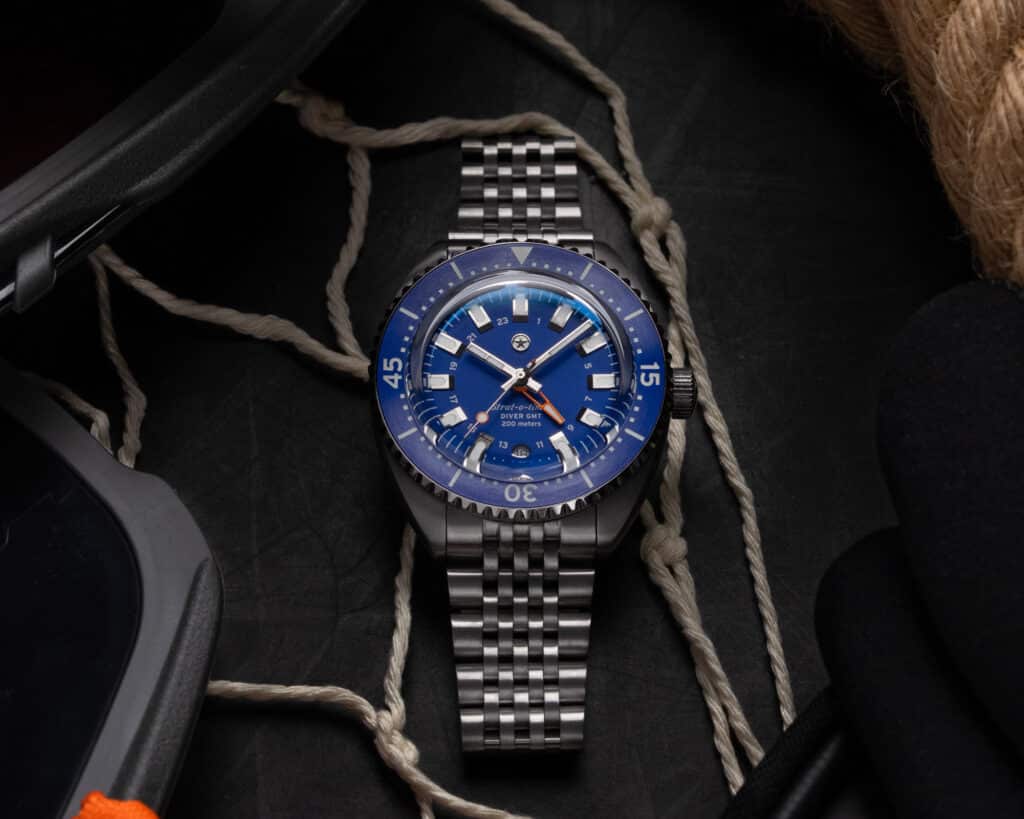
Jack Mason Strat-o-Timer Titanium GMT
This watch landed in a blind spot, which is often how trouble starts. I had always registered the Strat-o-Timer as competent and well-liked, but never urgent enough to pull me in. The titanium version changed that dynamic almost immediately. Not because it transformed the watch, but because it nudged it just far enough into a zone where I started paying closer attention than planned. Lighter case, familiar proportions, flyer GMT functionality, and a price that felt a little too rational for what was being offered. I kept rereading the specs and lingering on images.
I didn’t buy it because I recognized how persuasive that kind of value-forward temptation can be. The Strat-o-Timer made a strong case by stacking sensible decisions rather than chasing drama, and that’s usually where my defenses weaken. It was about how easily this one slid into the category of “this just makes sense,” which is often the most dangerous justification of all. For collectors looking for an accessible, modern GMT that emphasizes usability and material upgrade over flash, this will be hard to ignore. For me, stepping back mattered more than following a line of reasoning that felt almost too tidy.
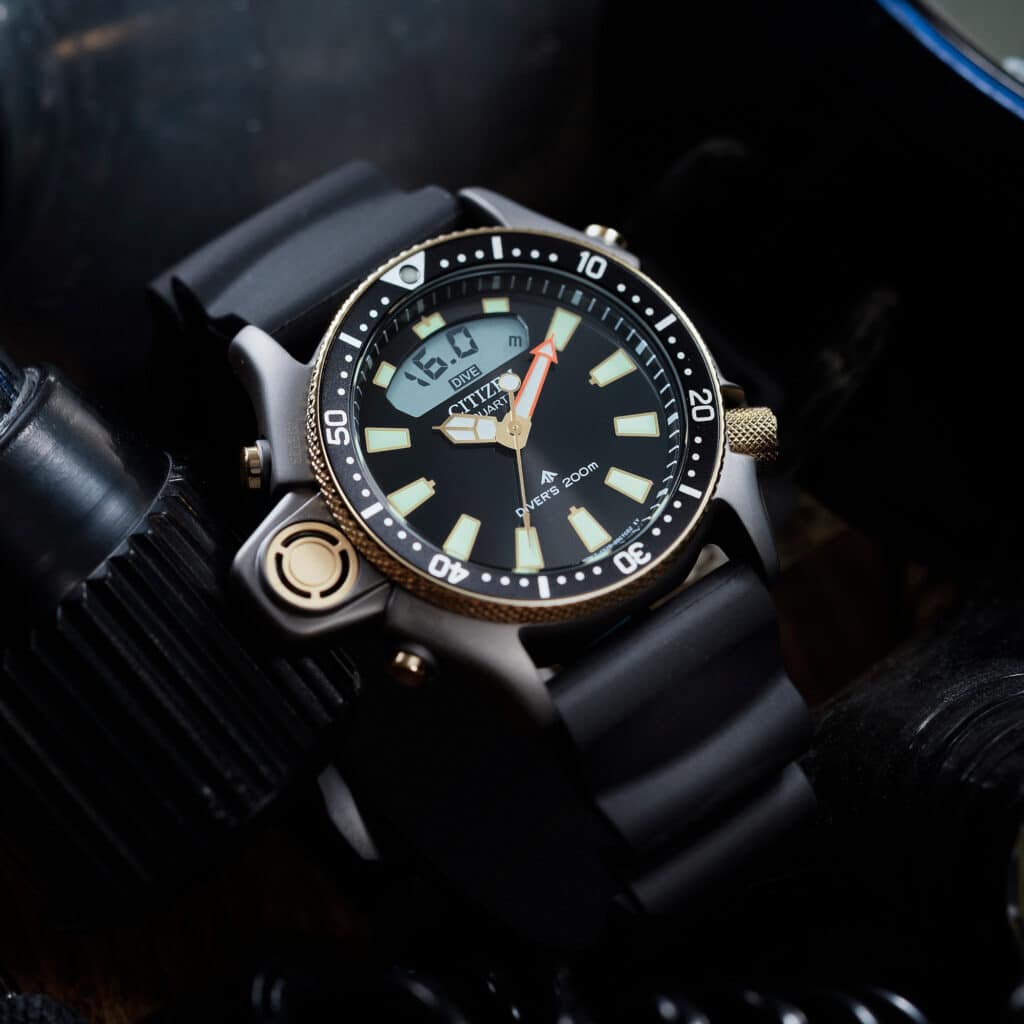
Citizen Aqualand Promaster 40th Anniversary
This one hit me from a completely different angle than the others on this list. I didn’t approach it analytically or even critically. It landed straight in that part of my brain that still likes pushing buttons just to see what happens. The Aqualand’s unapologetic size, asymmetry, and hybrid analog-digital layout felt almost confrontational in a market that often rewards restraint and subtlety. I kept smiling every time I looked at it, which is usually a sign that I’m in more trouble than I want to admit.
I didn’t buy it because I knew exactly what kind of door it would open. The temptation came from how little the watch cared about fitting in, and how refreshing that felt at the time. For collectors who grew up around this era of gadget-forward tool watches, or who simply enjoy something gloriously impractical that still takes its job seriously, the Aqualand makes a strong emotional case. For me, resisting it meant acknowledging that nostalgia can be powerful, even when you recognize it for what it is.
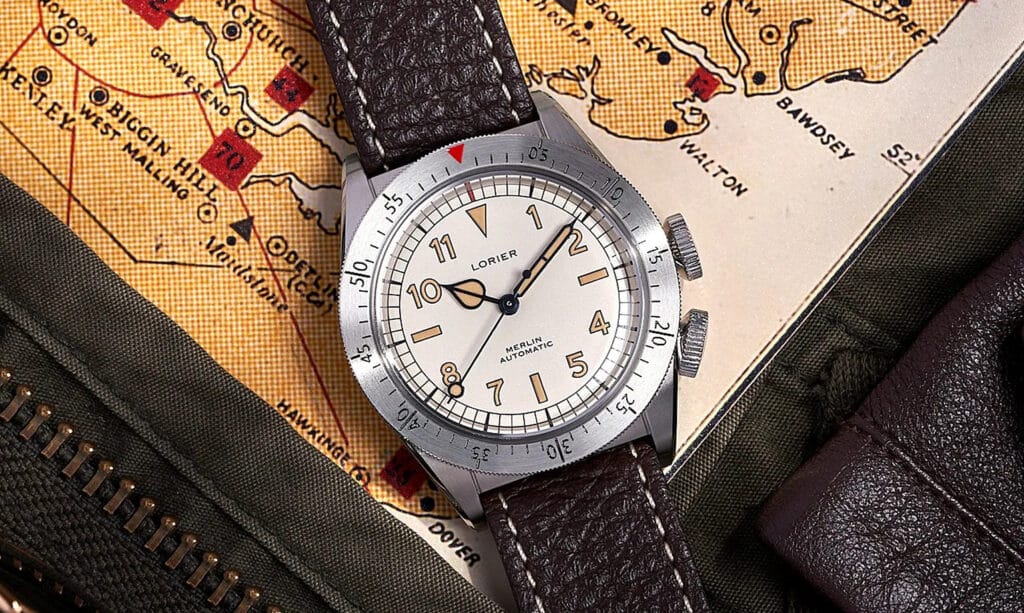
Lorier Merlin
This one almost got me because it pushed on a very specific weakness: military history without the usual theatrics. The Lorier Merlin didn’t feel like another oversized pilot’s watch chasing familiar cues. Instead, it leaned into a more restrained, utilitarian lineage that felt refreshing the longer I sat with it. The compact case, rotating timing bezel, and disciplined dial layout all landed in a way that felt thoughtful rather than dramatic, and I found myself appreciating how little the watch seemed interested in shouting about its inspiration.
I didn’t buy it because the price made the temptation deceptively easy. At this level, it’s dangerously simple to justify a purchase on the basis of curiosity alone, especially when the watch feels historically grounded without being precious. The Merlin was asking to be enjoyed, worn, and maybe overindulged without much friction. For collectors who want an aviation watch that avoids familiar tropes and keeps things compact and wearable, this one makes a strong case. For me, resisting it was about acknowledging how quickly “this seems harmless” can turn into a pattern I was trying to break. That’s the same kind of pattern that can lead you to realize you’ve bought 20 Seiko 5 watches in four months.
Locking In
None of these watches failed me, and neither did the market. If anything, they worked exactly as intended. They were strong, competent releases that did a very good job of making themselves desirable. What they reinforced is that temptation doesn’t disappear just because you set rules, and that discipline in collecting isn’t about a single moment of willpower. It’s about recognizing the patterns that keep resurfacing. Walking away from these watches wasn’t a statement about restraint so much as an acknowledgment of where I am right now. The watches will still be there. Staying honest with yourself in the moment is the harder part.

Co-Founder & Senior Editor
Michael Peñate is an American writer, photographer, and podcaster based in Seattle, Washington. His work typically focuses on the passage of time and the tools we use to connect with that very journey. From aviation to music and travel, his interests span a multitude of disciplines that often intersect with the world of watches – and the obsessive culture behind collecting them.
We must be related. You described me perfectly.